Al Ustad Special Kebab
Al Ustad Special Kebab occupies a specific place in Dubai's dining geography: the old-city corridor near Al Fahidi, where kebab culture predates the emirate's modern hospitality industry by decades. This is the kind of address where the food argues for itself without a tasting menu or a view of the skyline, placing it in a different conversation from Dubai's Michelin-tracked fine dining circuit entirely.
Pearl is the En Primeur Club membership app — saves, bookings, and concierge access live there. Same editors, same standards.
- Address
- Metro Station - Al Mussallah Rd - near Al Fahidi - Al Hamriya - Dubai - United Arab Emirates
- Phone
- +971 4 397 1933
- Website
- alustadspecialkabab.com
- Directions
- Get directions
 Saves & bookings on Pearl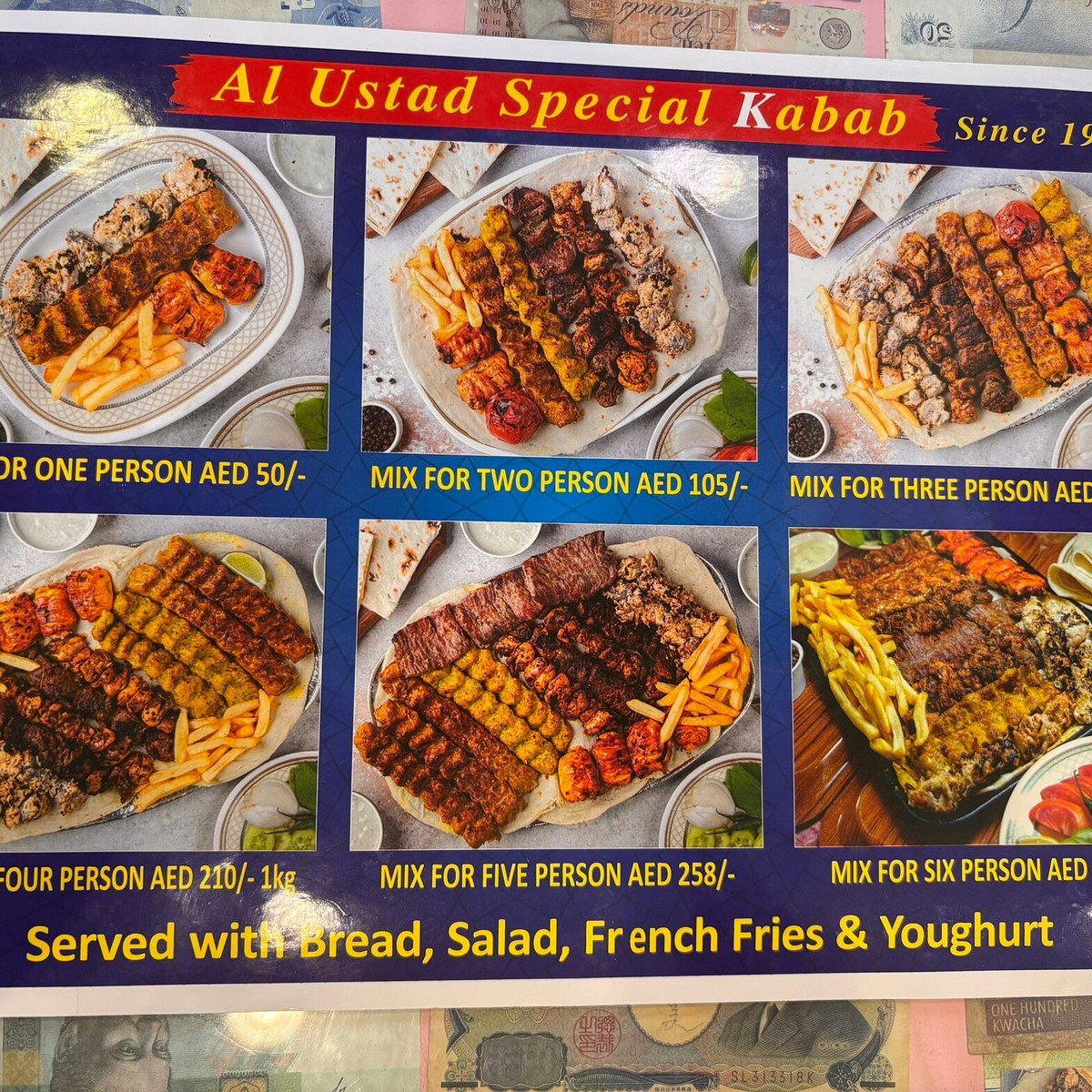
Where Dubai's Kebab Tradition Holds Its Ground
The stretch of Dubai near Al Fahidi Metro Station and Al Mussallah Road represents one of the few parts of the city where the dining scene operates on entirely different terms from the towers and hotel lobbies that define most contemporary coverage. This is Bur Dubai's older commercial belt, a neighbourhood shaped by South Asian and Levantine migration patterns that predate the UAE's formation, and the food here reflects those roots with a directness that requires no interpretation. Al Ustad Special Kebab sits within that tradition, serving authentic Persian kebabs in Dubai with a casual, walk-in-friendly setup.
Venues like Trèsind Studio or FZN by Björn Frantzén occupy a Michelin-tracked, reservation-heavy tier that operates by entirely different logic. Al Ustad sits at the other end of that spectrum: accessible by Metro, rooted in a specific culinary lineage, and largely self-sustaining through repeat custom from the neighbourhood's long-established communities.
The Ingredient Logic Behind Old-City Kebab
What separates a serious kebab counter from a generic one is almost always sourcing and process rather than presentation. The kebab traditions that took root in this part of Dubai were carried by cooks from the Indian subcontinent and the Persian Gulf's older trading ports, and the ingredient priorities they brought with them reflect those origins: fresh-ground spice blends applied the day of service, proteins selected for their fat distribution rather than their premium branding, and marinades built from ingredients that were available daily in nearby souq markets rather than imported for prestige.
A kebab counter dependent on fresh daily inputs has no incentive to pre-batch or cut corners in the way that high-volume tourist-facing restaurants sometimes do. That structural advantage shows in the food in ways that are concrete and repeatable rather than anecdotal.
For readers more familiar with Dubai's skyline-facing dining tier, this is a useful counterpoint. 11 Woodfire and Row on 45 build their menus around imported premium produce and formal kitchen infrastructure. The logic at Al Ustad is inverted: the competitive advantage comes from proximity to source and the discipline of daily preparation, not from the prestige of the ingredient's origin point.
Reading the Neighbourhood
Al Fahidi and the surrounding Al Hamriya district function as a kind of culinary counterweight to the emirate's newer dining geography. The streets here contain some of Dubai's oldest continuously operating food businesses, and they serve a population that eats out frequently and holds restaurants to consistent rather than theatrical standards. A place that has survived in this environment has done so by delivering repeatable quality to customers who have other options nearby, not by relying on novelty or destination traffic.
This is meaningfully different from the dynamic that sustains venues in Downtown Dubai or along Sheikh Zayed Road, where tourism traffic and hotel spend provide a floor for businesses that might not hold up under local repeat-custom scrutiny. The Al Fahidi corridor is a more honest test of a kitchen's actual output. It also means that visitors arriving by Metro at Al Mussallah Road are stepping into a dining environment shaped by different criteria than most of what appears in standard Dubai restaurant coverage.
For context within the wider Gulf region, this neighbourhood-anchored model appears elsewhere: AL NAWAB RESTAURANT LLC in Sharjah operates on comparable terms, serving a community audience in a setting that prioritises consistency over atmosphere design. Erth in Abu Dhabi takes a different approach, translating Emirati culinary heritage into a format designed for broader recognition. Al Ustad operates without that translation layer, which is either its most appealing quality or a friction point depending on what the reader is looking for.
Where This Fits in a Broader Dubai Visit
Dubai's restaurant coverage tends to cluster around a small number of verticals: the Michelin-starred hotel restaurants, the rooftop and view-driven addresses, and the celebrity-chef outposts that trade on international name recognition. But a complete reading of Dubai's food culture requires some time in Bur Dubai and the older commercial districts, where the cooking is less photogenic and more directly tied to the communities that have always made up the city's working population.
Al Ustad Special Kebab is accessible without a reservation strategy. The Metro connection at Al Mussallah Road makes it reachable from most parts of the city without a car, which in Dubai's traffic and parking context is a practical consideration that matters. The address puts it within walking distance of the Al Fahidi Historical Neighbourhood and the Dubai Creek waterfront, making it a logical stop within a broader exploration of the older city rather than a standalone destination requiring dedicated logistics.
Visitors building a more complete picture of the Gulf's kebab and grilled-meat traditions might draw comparisons to the wood-fired and charcoal-cooking approaches found at venues like 11 Woodfire, but the framing at Al Ustad is different: this is street-register cooking with decades of neighbourhood endorsement behind it, not a contemporary interpretation of grilling techniques designed for a fine-dining context. Those are two separate and equally valid conversations about fire and meat, and conflating them misses what each is actually doing.
For readers building a broader international reference point, the kind of sustained neighbourhood reputation that Al Ustad has developed in Bur Dubai appears in other culinary contexts globally: Dal Pescatore in Runate holds generational trust in its own community in northern Italy, and Uliassi in Senigallia has built its reputation partly on consistent service to a local audience over time. The scale and price points differ significantly, but the underlying principle of community-validated quality is the same.
Comparison Snapshot
Comparable venues nearby, for context on price, style, and recognition.
| Venue | Cuisine | Price | Notes |
|---|---|---|---|
| Al Ustad Special KebabThis venue — the venue you are viewing | Authentic Persian Kebabs | $ | Not listed |
| Zaatar w Zeit - Sheikh Zayed Road | Lebanese Street Food | $$ | Al Satwa |
| Arabian Tea House Restaurant & Cafe - Al Fahidi, Dubai | Authentic Emirati | $$ | Al Souq Al Kabeer |
| Mama'esh | Authentic Palestinian | $$ | Bussiness Bay |
| Trattoria | Authentic Tuscan Trattoria | $$ | Umm Suqeim |
| Samosa House | Indian Street Food Samosas | $ | City of Arabia |
Continue exploring
More in Dubai
Restaurants in Dubai
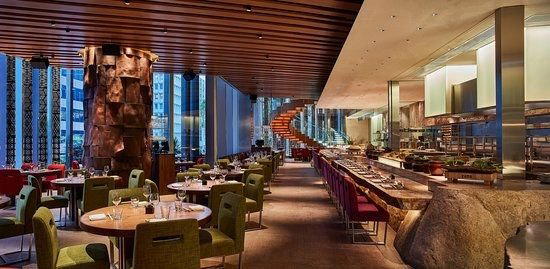
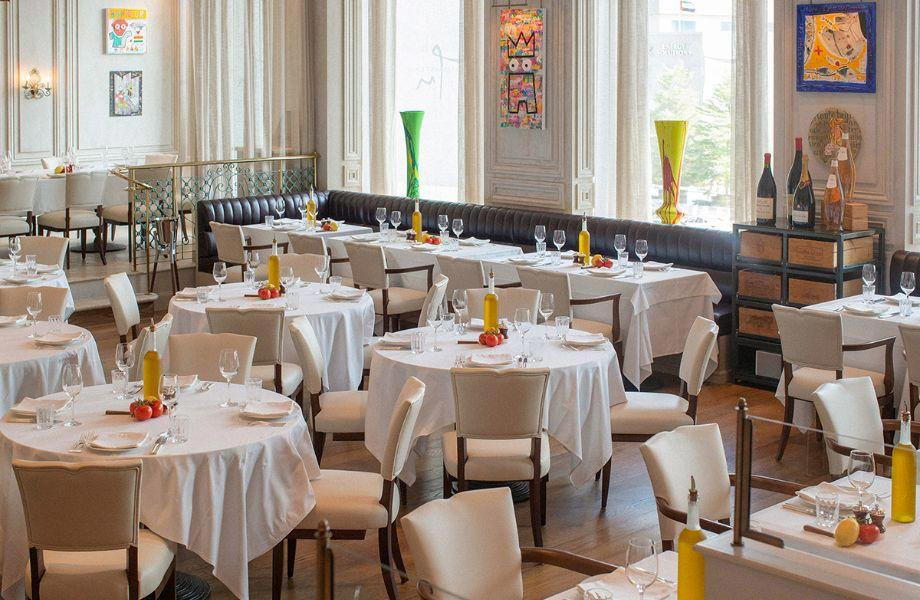
Browse all →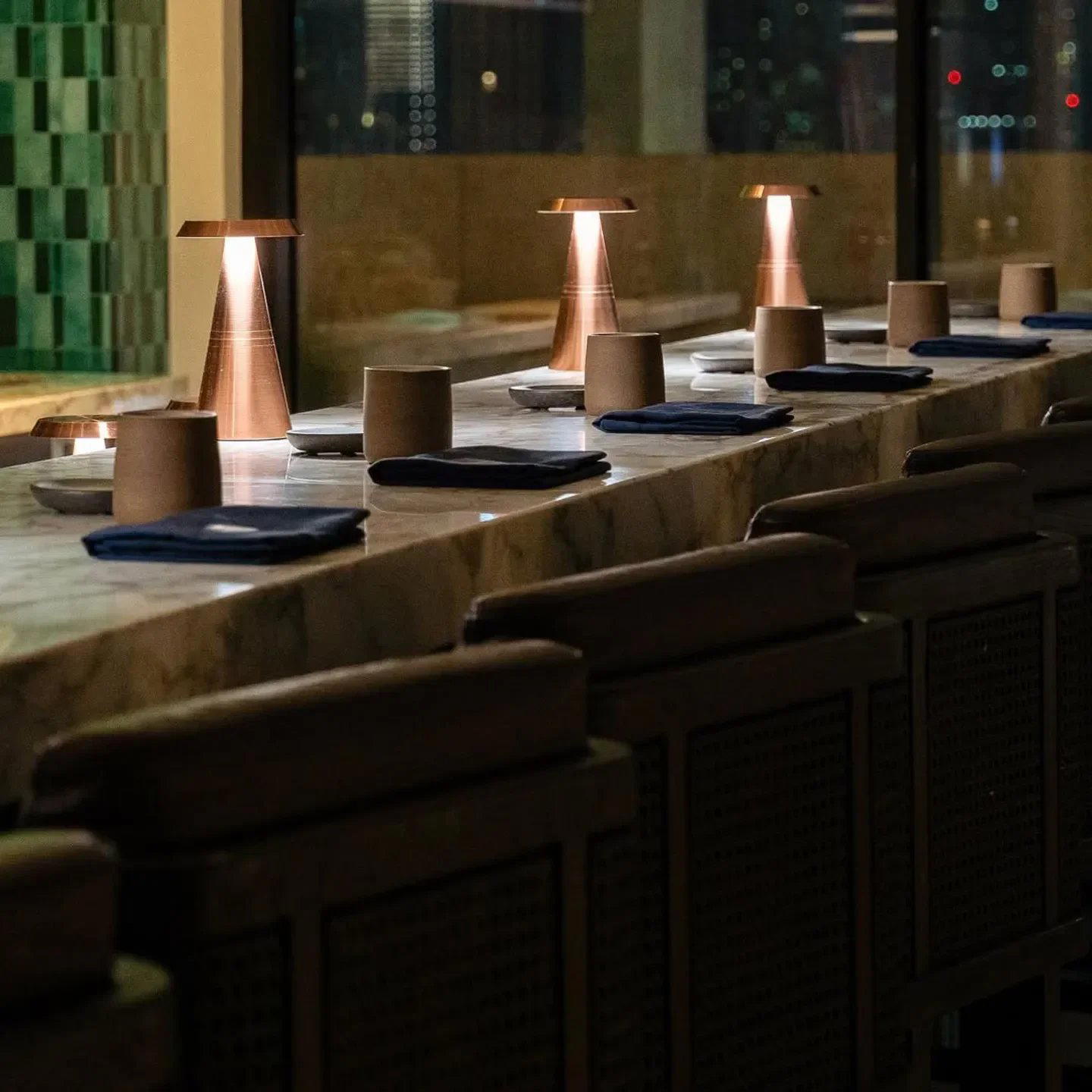
At a Glance
- Well Known
- Classic
- Cozy
- Lively
- Casual Hangout
- Group Dining
- Family
- Standalone
- Historic Building
Current opening hours
- Monday
- 11 AM–1 AM
- Tuesday
- 11 AM–1 AM
- Wednesday
- 11 AM–1 AM
- Thursday
- 11 AM–1 AM
- Friday
- 5:30 PM–1 AM
- Saturday
- 11 AM–1 AM
- Sunday
- 11 AM–1 AM
Hours can change for holidays and private events. Last verified .
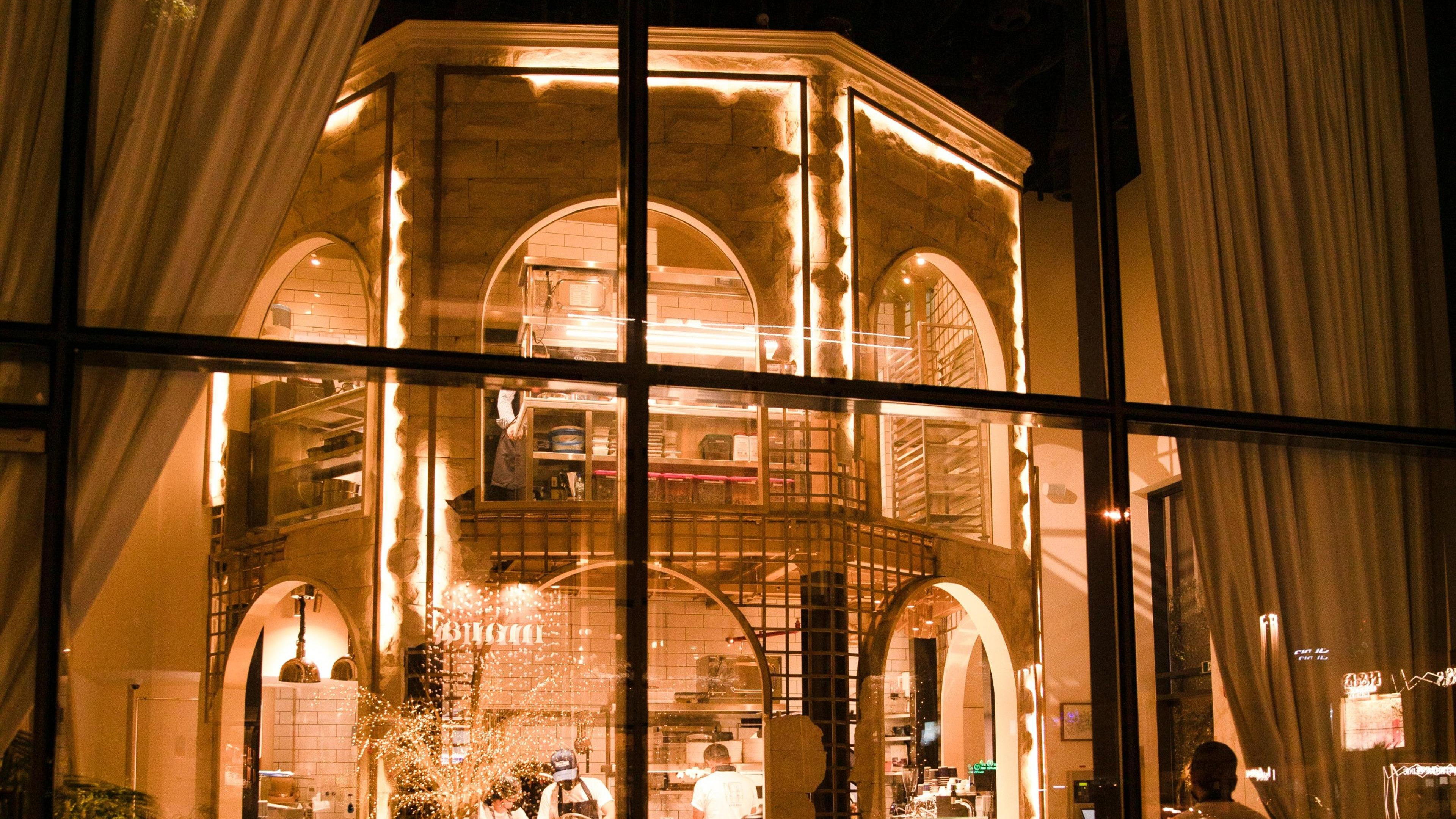
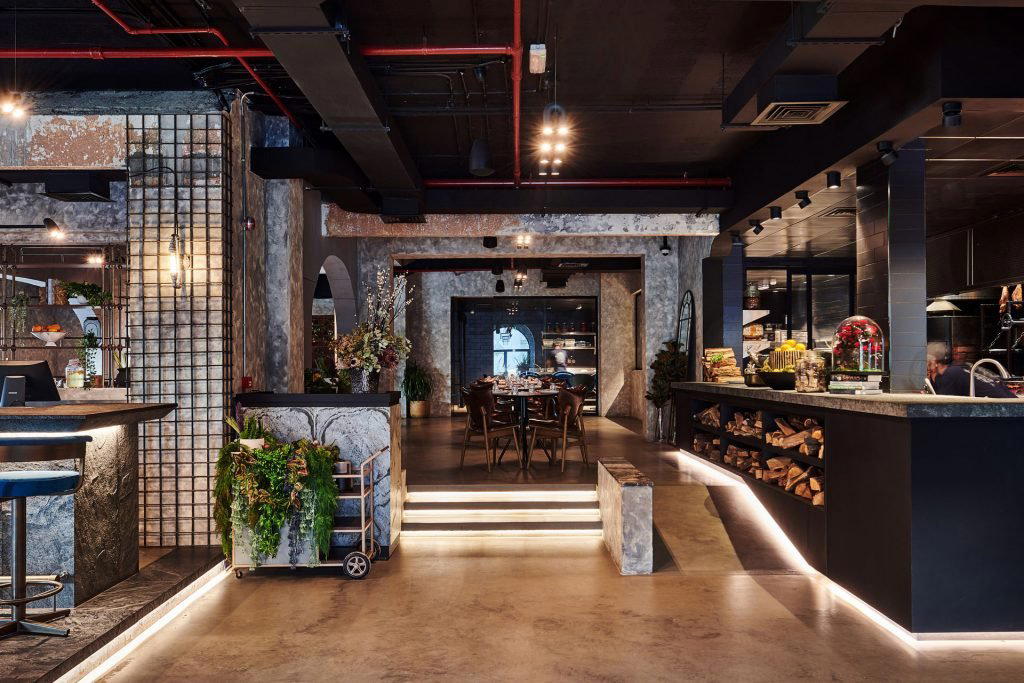
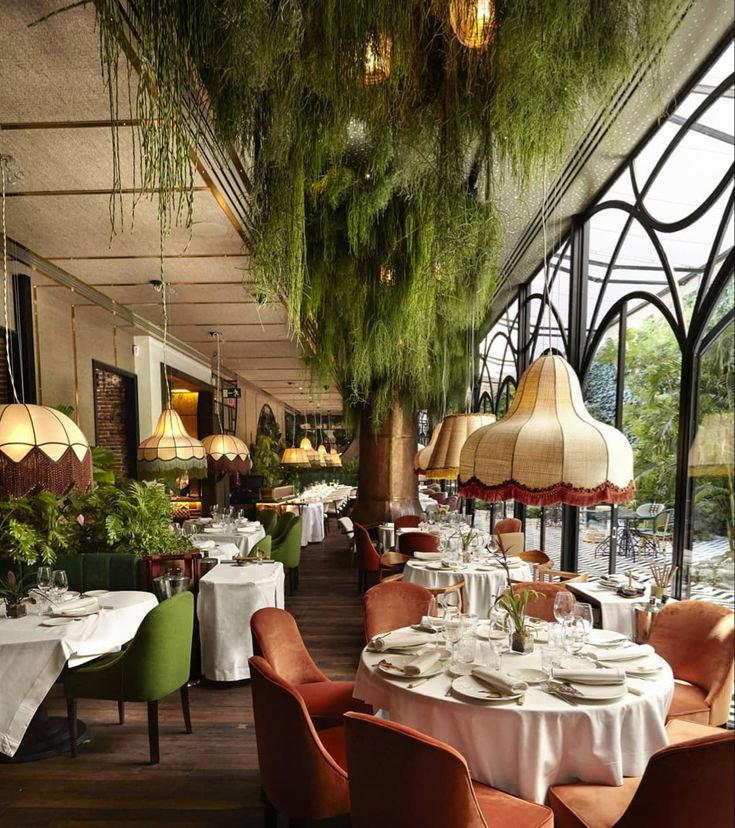
Casual, homey, and nostalgic, with photo-covered walls and old-school memorabilia creating a lively old-Dubai feel.