A trattoria-style Italian address on Sukhumvit 31, Appia brings the kind of direct, region-rooted Italian cooking that remains scarce in Bangkok's European dining scene. Set against a neighbourhood better known for Japanese and Korean restaurants, it occupies a quieter register than the city's high-gloss fine-dining circuit, making it a useful reference point for how Italian culinary tradition translates in Southeast Asia.
Pearl is the En Primeur Club membership app — saves, bookings, and concierge access live there. Same editors, same standards.
- Address
- 20/4 Sukhumvit 31, Klongton Nua Watthana, Bangkok 10110, Thailand
- Phone
- +66 63 267 4893
- Website
- appia-bangkok.com
- Directions
- Get directions
 Saves & bookings on Pearl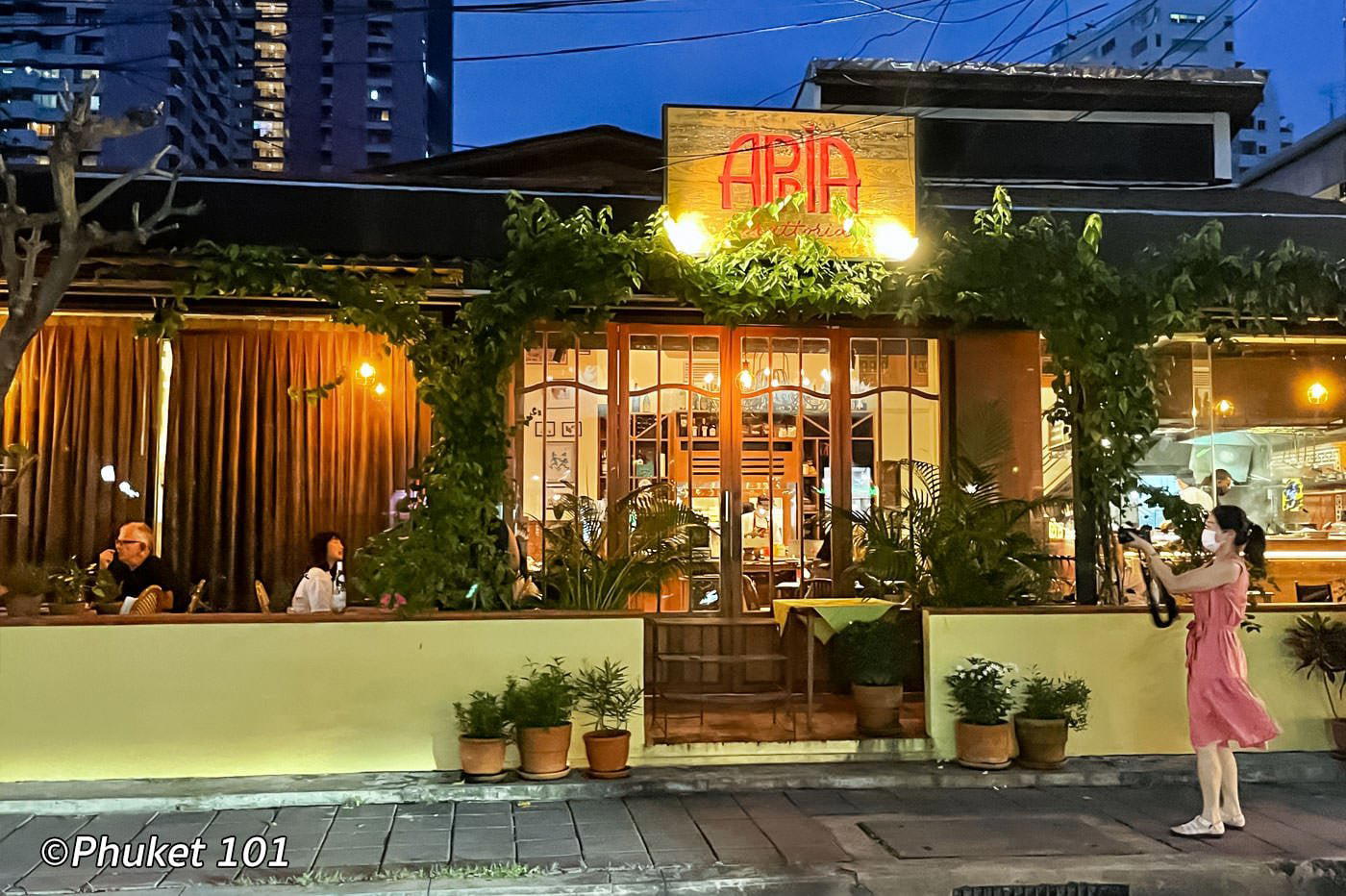
Italian Tradition on Sukhumvit 31
Bangkok's European restaurant scene has long been weighted toward French and Mediterranean fine dining, with venues like Côte by Mauro Colagreco representing the ambitious, tasting-menu end of that spectrum. Italian cooking, by contrast, has occupied a more fragmented tier: a handful of hotel-backed trattorias, several expat-facing pizza counters, and a smaller number of independent addresses genuinely committed to regional Italian tradition. Located at 20/4 Sukhumvit 31 in Watthana, it sits in this last category, an independent Italian address in a soi that runs mostly Japanese and Korean restaurants, which shapes the dining experience before you arrive.
Sukhumvit 31 is not Bangkok's most theatrical dining corridor. There is no valet queue, no lobby bar, no dramatic entryway designed for social media. What the area does offer is a relatively low-density, walkable strip where the restaurants compete on cooking rather than spectacle. For Italian food specifically, that context matters: trattoria culture, by definition, is about repetition, reliability, and familiarity rather than novelty. The neighbourhood, at least in character, accommodates that kind of proposition more naturally than the river-facing dining zones further south.
The Trattoria Format in a City Built for Fine Dining
Bangkok's premium restaurant scene has consolidated heavily around tasting menus and destination dining. Sorn and Baan Tepa represent Thai fine dining at its most structured and awarded. Gaa and Sühring demonstrate how international cuisines have been adapted into multi-course formats designed for a globally mobile dining public. The trattoria format sits outside this architecture almost by design. It is, in Italy, the everyday institution: a place where regulars eat pasta on Tuesday nights and where the menu changes with market availability rather than seasonal launches.
What makes Appia interesting as a reference point is that the trattoria format, when transplanted to Bangkok, has to work against several structural pressures. Ingredient sourcing for authentic Italian cooking in Thailand involves import logistics that drive up cost. Domestic substitutes exist for some components, but the classics, aged cured meats, specific regional pastas, particular hard cheeses, require either import channels or careful reformulation. Independent Italian restaurants in Bangkok that hold close to regional tradition are, for this reason, genuinely fewer than the surface-level count of Italian-flagged restaurants might suggest.
Regional Italian Cooking as Cultural Argument
Italian cuisine's global spread has produced a paradox: it is simultaneously the replicated and especially distorted among the European culinary traditions. In most international cities, "Italian" means a loose consensus of pasta, pizza, and tiramisu that bears little relationship to Italy's intensely regional cooking culture. A serious trattoria, one anchored to, say, Roman or Emilian or Sicilian tradition, is making a cultural argument about specificity, about the idea that Italian food is not one thing but dozens of distinct regional traditions shaped by local agriculture, geography, and history.
The trattoria form has historical weight behind it. In Rome, the trattorias of Testaccio built their menus around offal and slow-cooked cuts because that was what the slaughterhouse workers ate. In Emilia-Romagna, fresh egg pasta with local pork products became the foundation of a distinct regional identity. In Sicily, Arab, Norman, and Spanish culinary influences layered over centuries produced something categorically different from northern Italian cooking. A Bangkok trattoria with genuine regional focus is, in this sense, doing something more specific than simply cooking Italian food. Elsewhere in Thailand, strong regional restaurant cultures have developed in different directions: AKKEE in Pak Kret and PRU in Phuket show how locality-focused cooking translates in Thai contexts.
Dining Logistics and the Watthana Neighbourhood
Watthana, the district that covers much of mid-Sukhumvit, has the highest density of independent international restaurants in Bangkok. The BTS Skytrain stops at Phrom Phong and Asok bracket the area and make the neighbourhood accessible from most central Bangkok hotels without a taxi. Sukhumvit 31 specifically runs off the main Sukhumvit road and is navigable on foot from Phrom Phong station in under ten minutes, though the walk involves a portion of road with limited pavement, common in the sois. Arriving by Grab or taxi remains one practical option for first-time visitors.
Bangkok's independent restaurant scene operates with less booking infrastructure than the tasting-menu tier. The high-end addresses, Sorn, Baan Tepa, require advance booking, often weeks ahead. Neighbourhood trattorias in Bangkok typically operate on a shorter booking window, and walk-ins are more frequently accommodated mid-week. For Appia specifically, contacting the restaurant directly before planning a visit is advisable, given its recommended reservation policy.
How Appia Fits Into Bangkok's European Dining Reference Set
For a reader trying to map Bangkok's European dining options, the useful framework is one of tiers and registers. At the summit of the price and formality range sit venues like Côte by Mauro Colagreco, where the dining experience is built around event-level service and presentation. Below that tier sits a range of mid-market European restaurants, some hotel-affiliated, some independent, that target a regular dining audience rather than special-occasion visitors. Appia operates in this second register, where the competitive set is defined less by awards and more by consistency, pricing relative to the Bangkok middle market, and proximity to residential Sukhumvit.
The comparison extends further across Thai cities: the way independent restaurants hold regional identity in places like Anuwat in Phang Nga or Ayutthayarom in Phra Nakhon Si Ayutthaya speaks to a broader pattern in Thai dining culture: locality and specificity as the defining characteristics of particularly serious independent addresses. The analogy works across cuisines. See also our full Bangkok restaurants guide for a mapped overview of the city's dining tiers.
Planning Your Visit
Appia Trattoria is at 20/4 Sukhumvit 31, Klongton Nua Watthana, Bangkok 10110. The restaurant is reached by Grab or taxi from BTS Phrom Phong, roughly ten minutes by road. For visitors whose Bangkok itinerary includes the Michelin-level tier, Appia represents a different kind of experience: a neighbourhood-facing Italian address rather than a destination dining event.
Price and Recognition
Comparable venues nearby, for context on price, style, and recognition.
| Venue | Cuisine | Price | Notes |
|---|---|---|---|
| Appia TrattoriaThis venue — the venue you are viewing | Khlong Toei Nuae, Roman Trattoria | $$$ | Not listed |
| Massilia | Not listed | $$$ | Suan Lumphini, Authentic Neapolitan Pizza |
| L'Oliva Ristorante Italiano & Wine Bar | Khlong Tan, Authentic Abruzzese Italian | $$$ | Not listed |
| Antonio's | Not listed | $$$$ | Khlong Toei Nuae, Traditional Southern Italian |
| La Scala | Si Lom, Innovative Italian Mediterranean | $$$$ | Not listed |
| #FindTheLockerRoom | Not listed | $$$ | Watthana Khwaeng, Cocktail Bar with Dim Sum |

At a Glance
- Cozy
- Rustic
- Intimate
- Classic
- Date Night
- Group Dining
- Casual Hangout
- Special Occasion
- Open Kitchen
- Extensive Wine List
Current opening hours
- Monday
- 11:30 AM–2 PM, 5–10 PM
- Tuesday
- 11:30 AM–2 PM, 5–10 PM
- Wednesday
- 11:30 AM–2 PM, 5–10 PM
- Thursday
- 11:30 AM–2 PM, 5–10 PM
- Friday
- 11:30 AM–2 PM, 5–10 PM
- Saturday
- 11:30 AM–10 PM
- Sunday
- 11:30 AM–10 PM
Hours can change for holidays and private events. Last verified .
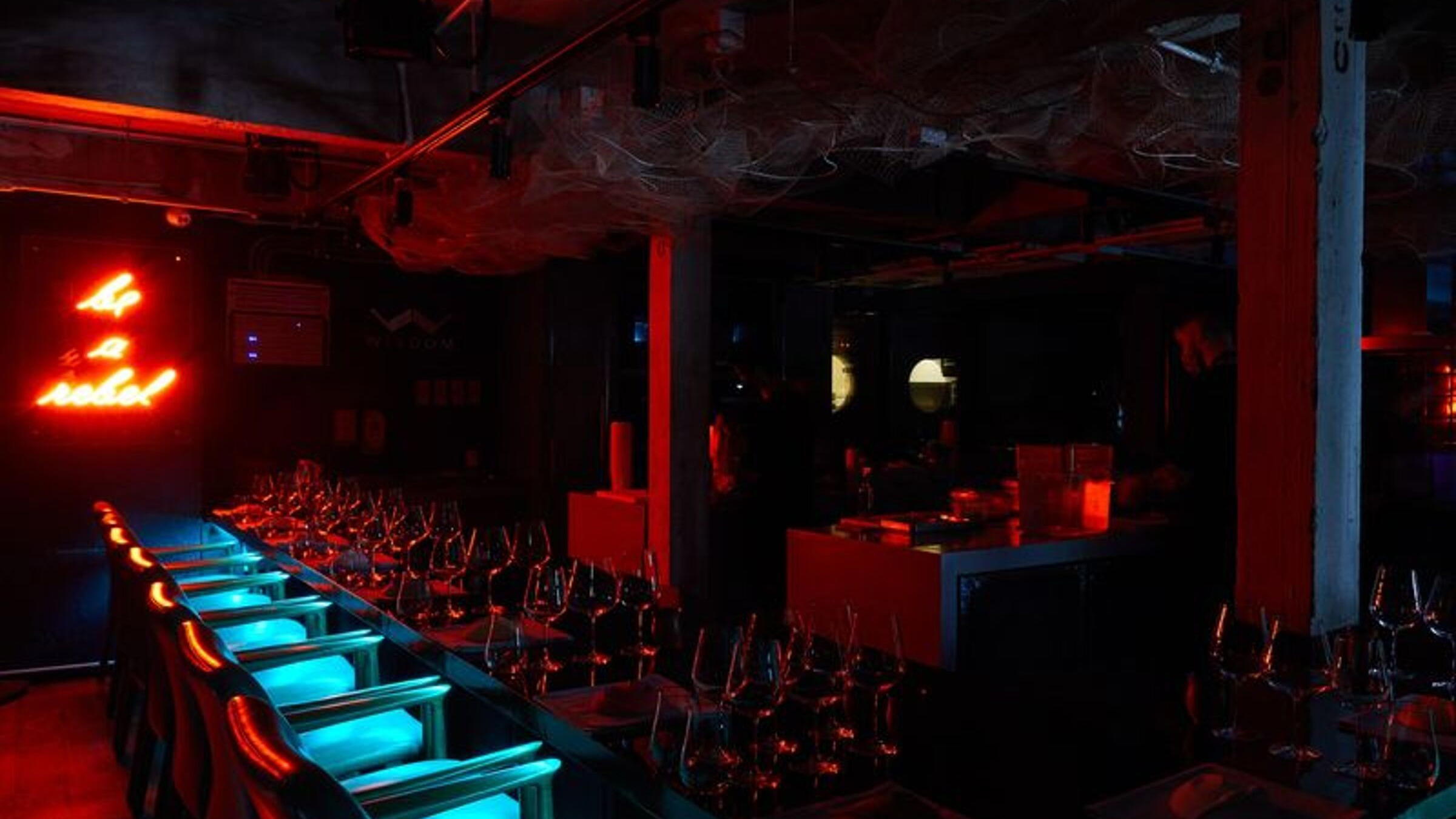
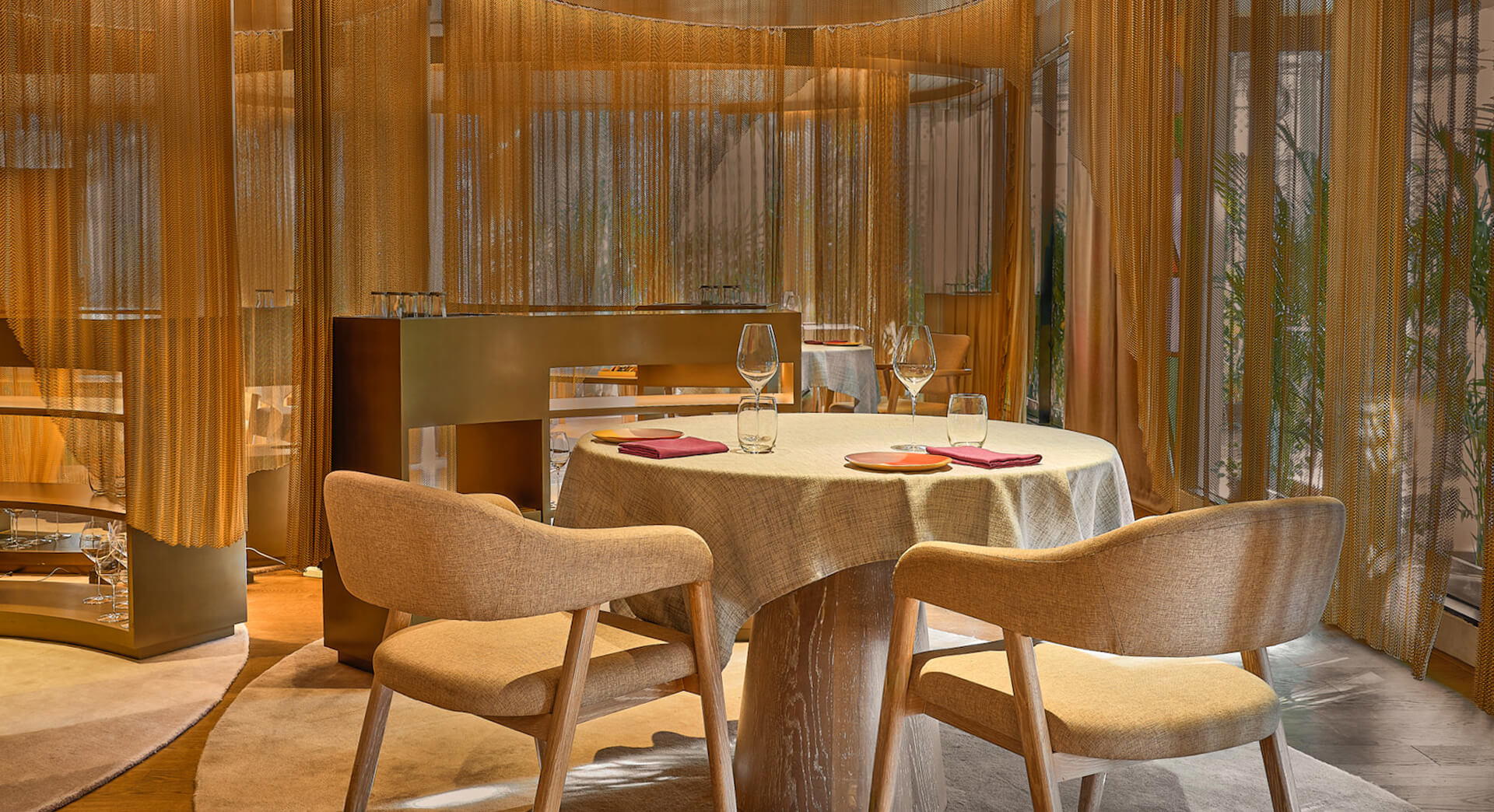
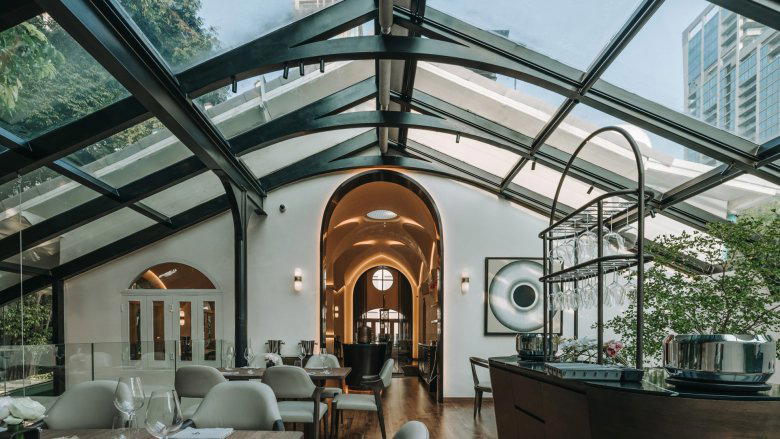
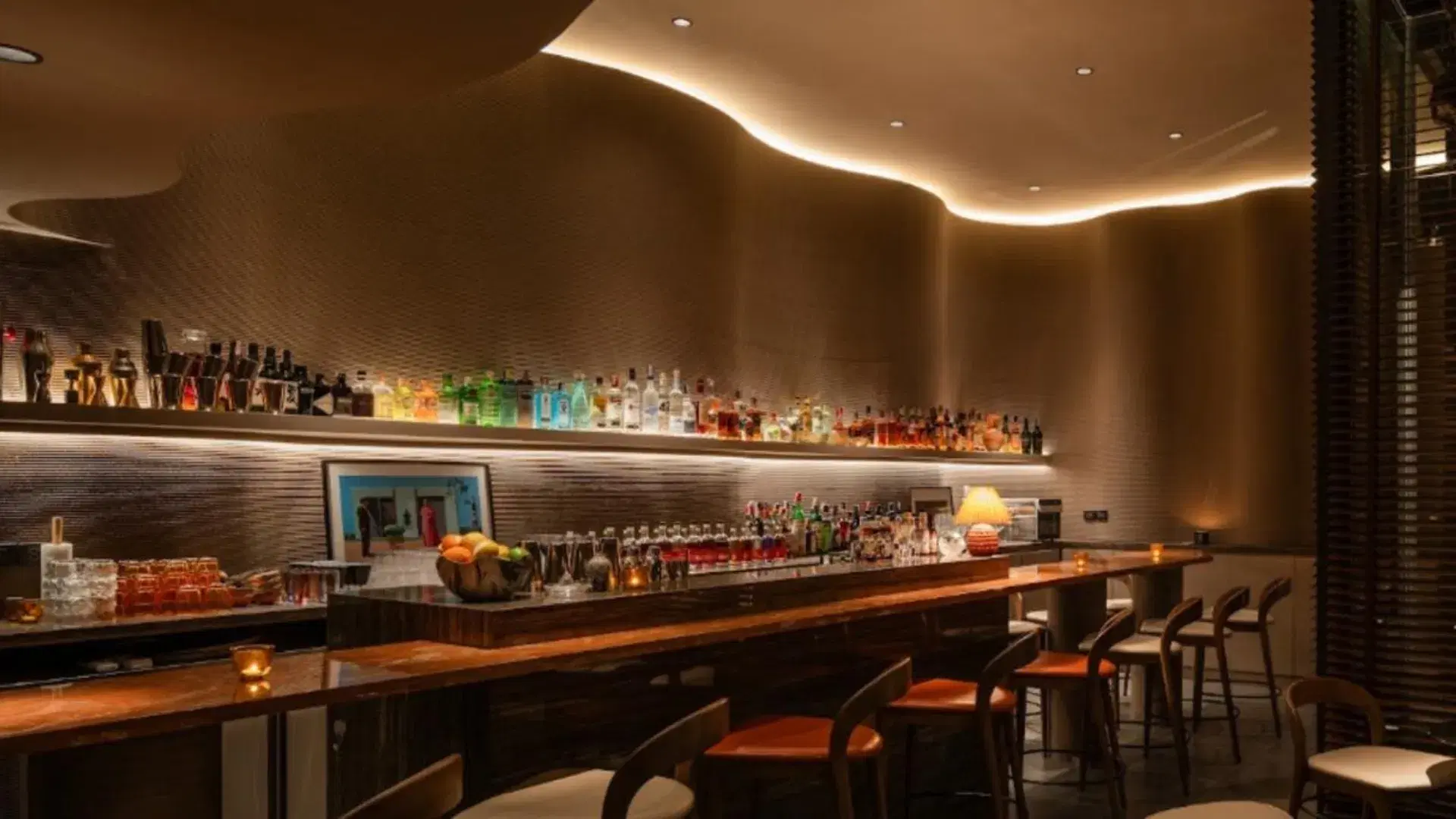
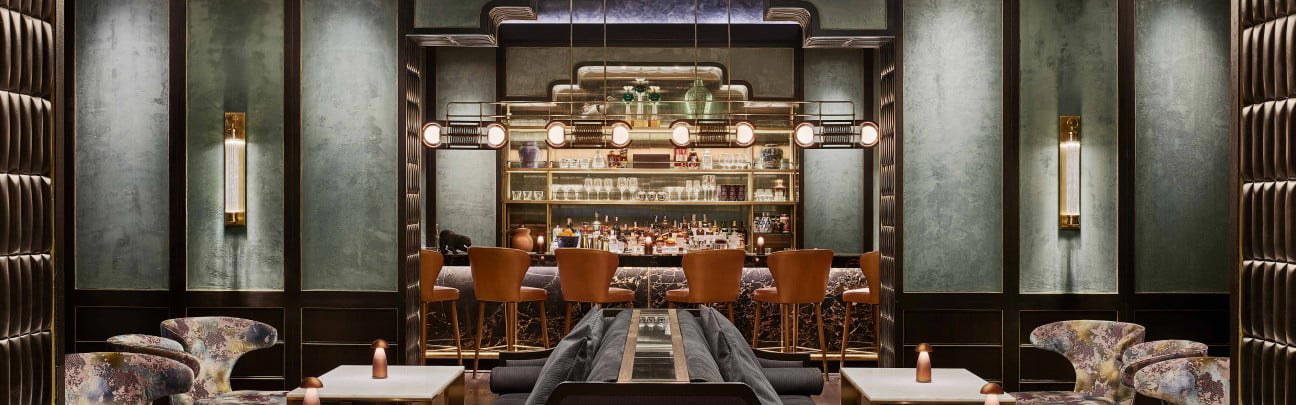
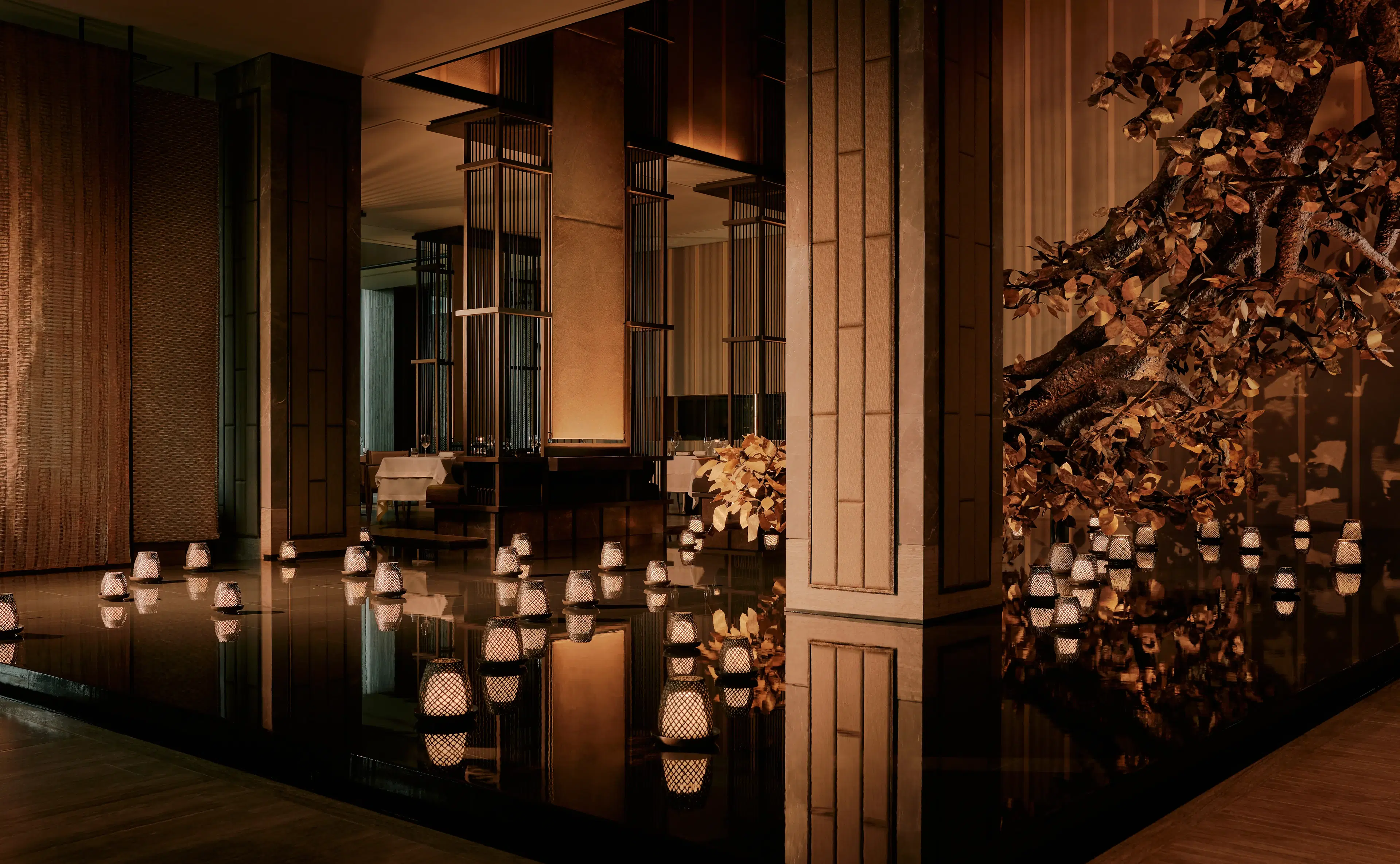
Warm, cozy, and authentically Italian with a family vibe and spacious seating.