




Michelin Plate · Macarfi 7.7 Food Rating · Guía Repsol 1 Sol
Our verdict
Apicius in the El Pla del Real district places Valencian seasonal produce at the centre of its modern cuisine, with a format that spans set menus and ingredient-led themed days. Ranked #174 among classical European restaurants by Opinionated About Dining in 2025 and holding a Michelin Plate, it occupies the mid-premium tier in a city whose serious dining scene has been gaining wider attention. A dedicated plant menu, EM Green, is available on request.

Pearl is the En Primeur Club membership app, where members save venues, book tables and use the concierge.
The menu
What to order
- EM Green plant-based tasting menu
Where the Kitchen Starts: The Source Logic Behind Apicius
Modern Spanish fine dining has spent the last decade pulling in two directions simultaneously. One current runs toward theatrical technique, plating as performance, and a kind of restless reinvention that finds its extreme expression at places like DiverXO in Madrid or El Celler de Can Roca in Girona. The other runs in the opposite direction entirely: toward locality, seasonal discipline, and a kitchen vocabulary built from what grows or lives within reach. Apicius, on Carrer d'Èol in Valencia's El Pla del Real district, belongs to the second current. The address matters because the region matters. The Valencian hinterland produces some of the most varied agricultural output in Spain, rice, citrus, vegetables, wild fungi, and a kitchen that takes that seriously has an unusually rich base to work from.
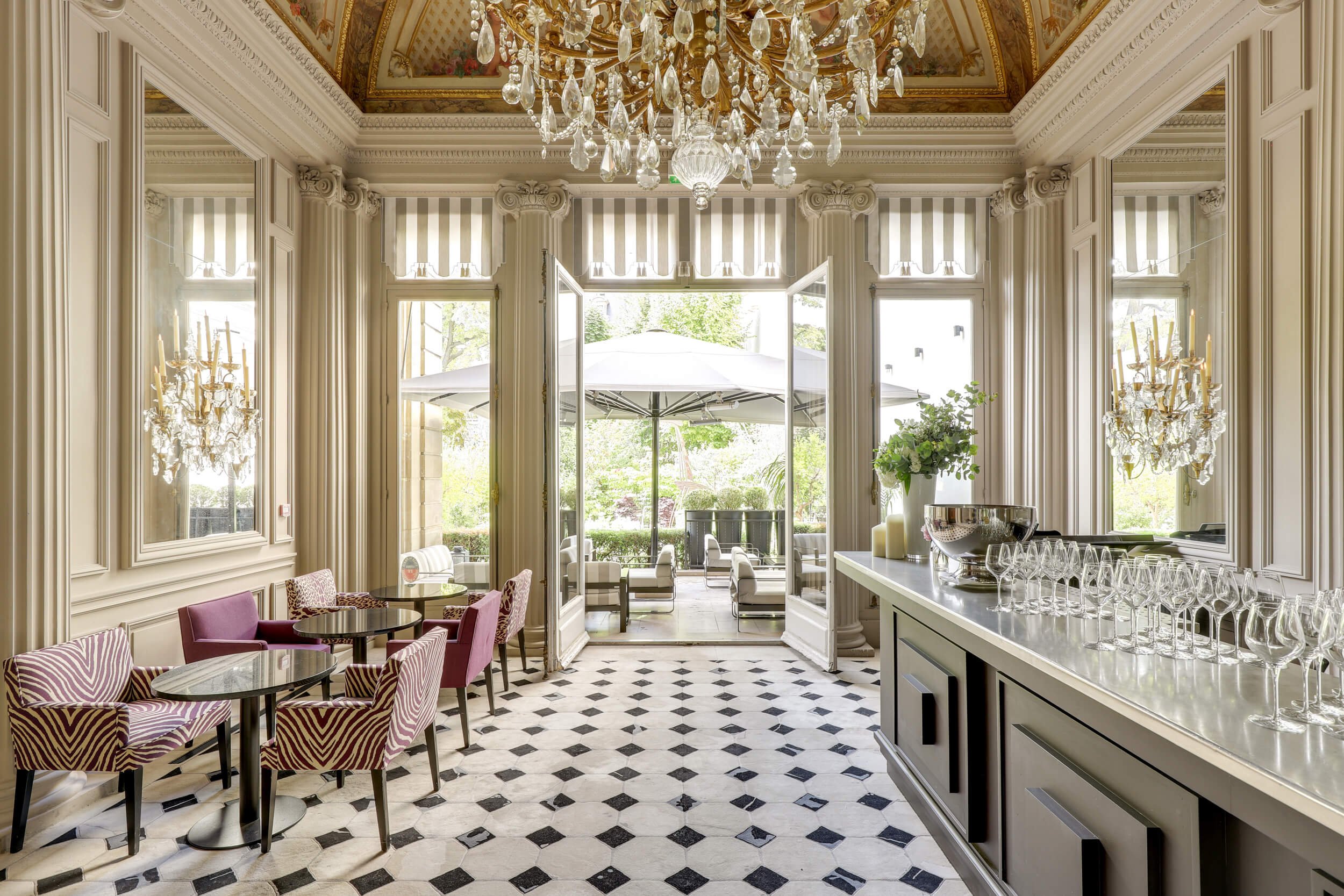
The dining room itself is a single spacious contemporary space, designed to let the food carry the weight without competition from elaborate interior theatre. Approaching from the street, the address signals intention: El Pla del Real is a residential and academic neighbourhood, not a tourist corridor. You are not here by accident. That separation from the old city's dining circuit is part of what gives Apicius its particular character, a place that builds its reputation among regulars and travelling food audiences rather than passing foot traffic.
The Ingredient Argument, Made with Specificity
The kitchen at Apicius runs seasonal menus, with a set format that shifts to follow what the region offers across the year. But the signal that carries most weight is the themed ingredient days: structured around specific products like truffles or wild mushrooms, these sessions treat a single ingredient as a lens through which the whole menu is focused. That format is not common, and it reflects a cooking philosophy where sourcing is not background context but active editorial content. When the season arrives for porcini or black truffle, the kitchen doesn't fold those ingredients into an otherwise unchanged menu, it reorganises the menu around them.
That approach connects to a wider pattern visible across Spain's most thoughtful modern restaurants. At Quique Dacosta in Dénia, seasonal and coastal ingredients define the creative frame rather than merely supplying it. At Aponiente in El Puerto de Santa María, Angel León has built an entire creative vocabulary around marine byproducts that most kitchens ignore. Apicius works in the same register, though with a sharper focus on the Valencian agricultural zone specifically. The We're Smart rating, four Radishes, recognises this explicitly, with the guide noting that chef Enrique Medina demonstrates a clear enjoyment of plant-based cooking and keeps Valencian regional ingredients and seasonal rhythm as the central guiding principle. That is a specific credential, not a generic one.
The EM Green Menu: A Plant Programme with Actual Conviction
The EM Green menu, available on request, warrants separate attention. Plant-forward menus have proliferated across European fine dining in recent years, sometimes as a genuine creative commitment and sometimes as a checkbox response to shifting diner expectations. The We're Smart assessment of Apicius's version is pointed: the guide states that the kitchen has tasted the menu and that the chef clearly enjoys working with plants. That's a different claim from simply offering a vegetarian option or substituting proteins. It suggests a kitchen that approaches plant cooking with the same level of technique and creativity it brings to the broader seasonal menu.
Within Valencia, this positions Apicius in a distinct niche. Restaurants like Fierro and Ricard Camarena operate at higher price points and with greater international visibility, but the plant-forward credential is not a standard feature of the city's premium dining circuit. For visitors whose priorities align with sourcing transparency and vegetable-led cooking, Apicius offers something the city's larger reputations do not automatically supply.
Where Apicius Sits in the Valencian Field
In terms of format and price, Apicius occupies the €€€ tier, placing it alongside Blanqueries, Xanglot, and Saiti in the mid-premium bracket rather than the top tier occupied by El Poblet or Ricard Camarena. That positioning matters for how you read its credentials. A Michelin Plate and a 2025 Opinionated About Dining ranking of #174 in Classical Europe are meaningful at this tier, the OAD ranking in particular reflects diner opinion across a knowledgeable global audience. That is consistent upward movement across three consecutive cycles, not a single-year spike.
For broader comparison across the Spanish modern cooking scene, the range runs from neighbourhood-scale mid-premium operations like Apicius to the highest international tier represented by Azurmendi in Larrabetzu or Arzak in San Sebastián. Apicius does not operate in that register, nor does it try to. It operates in a register where the quality argument depends on sourcing discipline and seasonal coherence rather than on ambition of technique or scale of reputation. That is a legitimate and coherent position.
The OAD list also carries an anomalous entry: Apicius appears on Opinionated About Dining's Leading Restaurants in Japan list, ranked #266 in 2025 and #224 in 2024. This is almost certainly a database classification anomaly on OAD's part rather than a meaningful signal about the restaurant, but it is worth noting that the restaurant appears in OAD's data under two separate regional lists, an artifact of how some international food databases handle Spanish cuisine categories.
Planning a Visit
For comparison outside Spain, the modern cuisine format at this tier has parallels at places like Frantzén in Stockholm or FZN by Björn Frantzén in Dubai, though those operate at considerably higher price points and with very different culinary frames. What they share with Apicius is a kitchen logic that treats sourcing as the primary creative constraint rather than technique or concept.
Frequently asked questions
Who is the chef connected to Apicius?
The chef associated with Apicius is Mathieu Pacaud.
Can I walk in to Apicius?
Apicius operates within the €€€ tier and holds a Michelin Plate alongside consecutive Opinionated About Dining Classical Europe rankings that have moved upward from Recommended (2023) to #174 (2025), the kind of trajectory that fills a dining room. Arriving without a reservation is a risk; contacting the restaurant in advance is the practical approach, particularly if you want access to the EM Green plant menu, which is offered on request rather than as a standing option.
Booking and Cost Snapshot
A small set of peers for context, based on recorded venue fields.
| Venue | Cuisine | Price | Awards | Notes |
|---|---|---|---|---|
| ApiciusThis venue (the venue you are viewing) | Modern Mediterranean Seasonal | $50–100 | Michelin Plate · Macarfi 7.7 Food Rating | Not listed |
| Ricard Camarena | Modern Vegetable-Focused Mediterranean Fine Dining | $200–300 | 2 Michelin Stars · World's 50 Best #96 | Modern Spanish, Creative |
| Riff | Modern Mediterranean Fine Dining | $100–150 | 1 Michelin Star · Macarfi 7.8 Food Rating | Mediterranean, Creative |
| Llisa Negra | Modern Spanish Grill & Wood-Fired Paella | $150–200 | Michelin Plate · Macarfi 7.2 Food Rating | Spanish, Farm to table |
| Saiti | Modern Mediterranean | $50–100 | Michelin Plate · Guía Repsol 2 Soles | Contemporary Spanish, Modern Cuisine |
| Toshi | Japanese-Mediterranean Fusion Omakase | $100–150 | Michelin Plate · Macarfi 7.2 Food Rating | Chinese, Mediterranean Cuisine |
Recognition history
Dated appearances from independent guides and award organizations, with the underlying list record or original source where available.
Michelin Plate
Michelin
Guía Repsol 1 Sol
Guía Repsol
Macarfi 7.7 Food Rating
Macarfi
Opinionated About Dining Classical in Europe Ranked #174
Opinionated About Dining
We're Smart World 4 Radishes
We're Smart World
Full recognition history (10 entries)
Michelin Plate
Michelin
Opinionated About Dining Top Restaurants in Japan Ranked #266
Opinionated About Dining
Opinionated About Dining Classical in Europe Ranked #324
Opinionated About Dining
Opinionated About Dining Top Restaurants in Japan Ranked #224
Opinionated About Dining
Opinionated About Dining Classical in Europe Recommended
Opinionated About Dining
Continue exploring
More in València
Restaurants in València
All restaurants in València →
Bars in València
All bars in València →
Hotels in València
All hotels in València →
Wineries in València
All wineries in València →
Details
- Elegant
- Sophisticated
- Modern
- Intimate
- Special Occasion
- Date Night
- Celebration
- Open Kitchen
- Standalone
- Extensive Wine List
- Sommelier Led
- Local Sourcing
- Farm To Table
- Tasting Menu
- Set Menu
- Wine
- Vegetarian Friendly
- Gluten Free Options
- Vegan Options
Current opening hours
- Monday
- Closed
- Tuesday
- Closed
- Wednesday
- Closed
- Thursday
- 2–4 PM
- Friday
- 2–4 PM, 9–11 PM
- Saturday
- 2–4 PM, 9–11 PM
- Sunday
- 2–4 PM
Hours can change for holidays and private events. Hours as of .
Spacious, contemporary-style dining room with an inviting and elegant atmosphere focused on culinary presentation.