Google: 4.5 · 630 reviews
Matsuhisa Aspen


Nobu Matsuhisa's original Rocky Mountain outpost on East Main Street, Matsuhisa Aspen predates the brand's global expansion and holds a sustained position in the Opinionated About Dining North America rankings, reaching #362 in 2024. Under Chef Philip Tanaka, the kitchen applies Japanese technique to high-altitude dining, offering a nightly dinner service that places it in Aspen's upper tier of destination restaurants.
 Discover on Pearl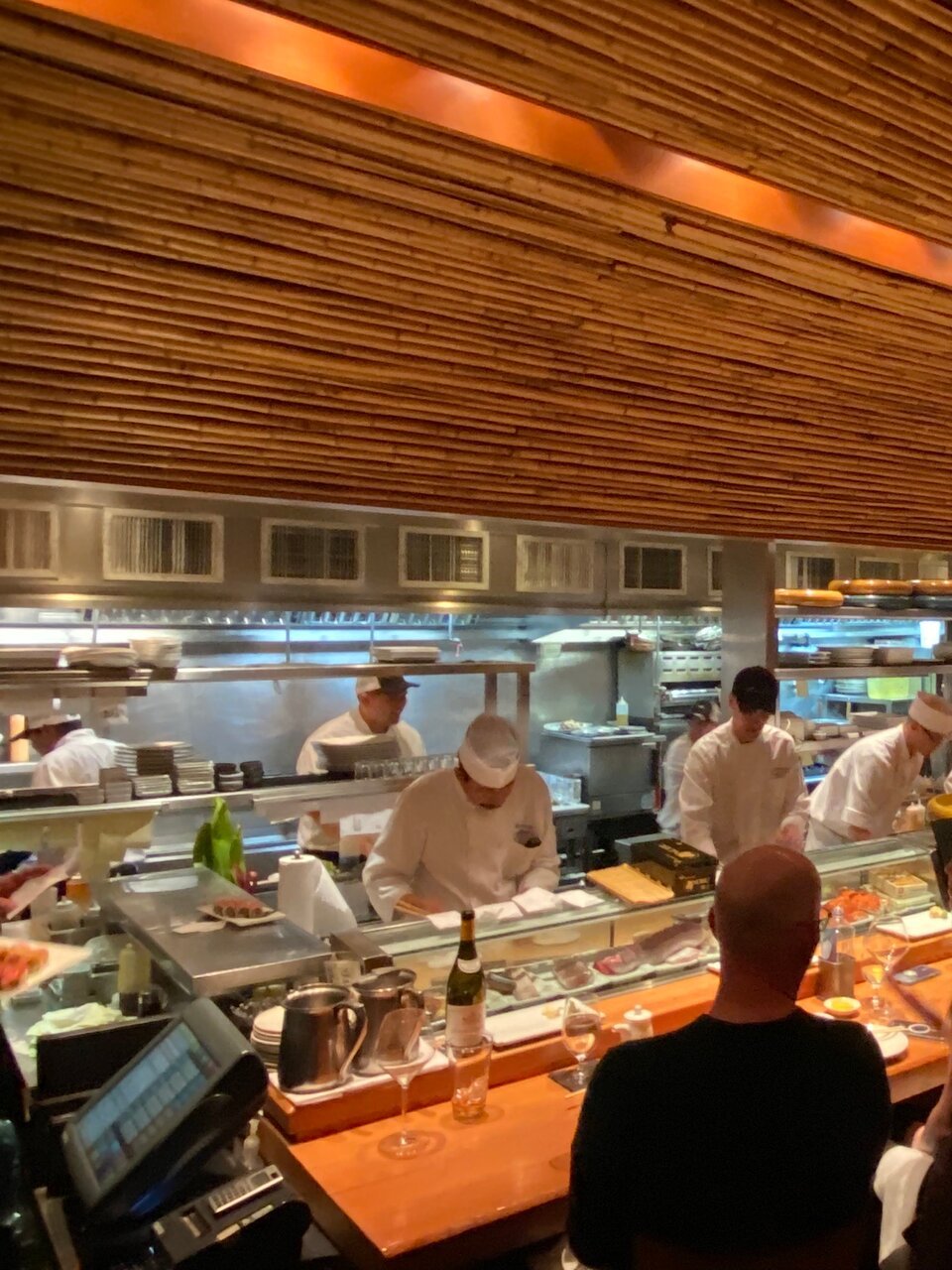
Where the Nobu lineage began, at altitude
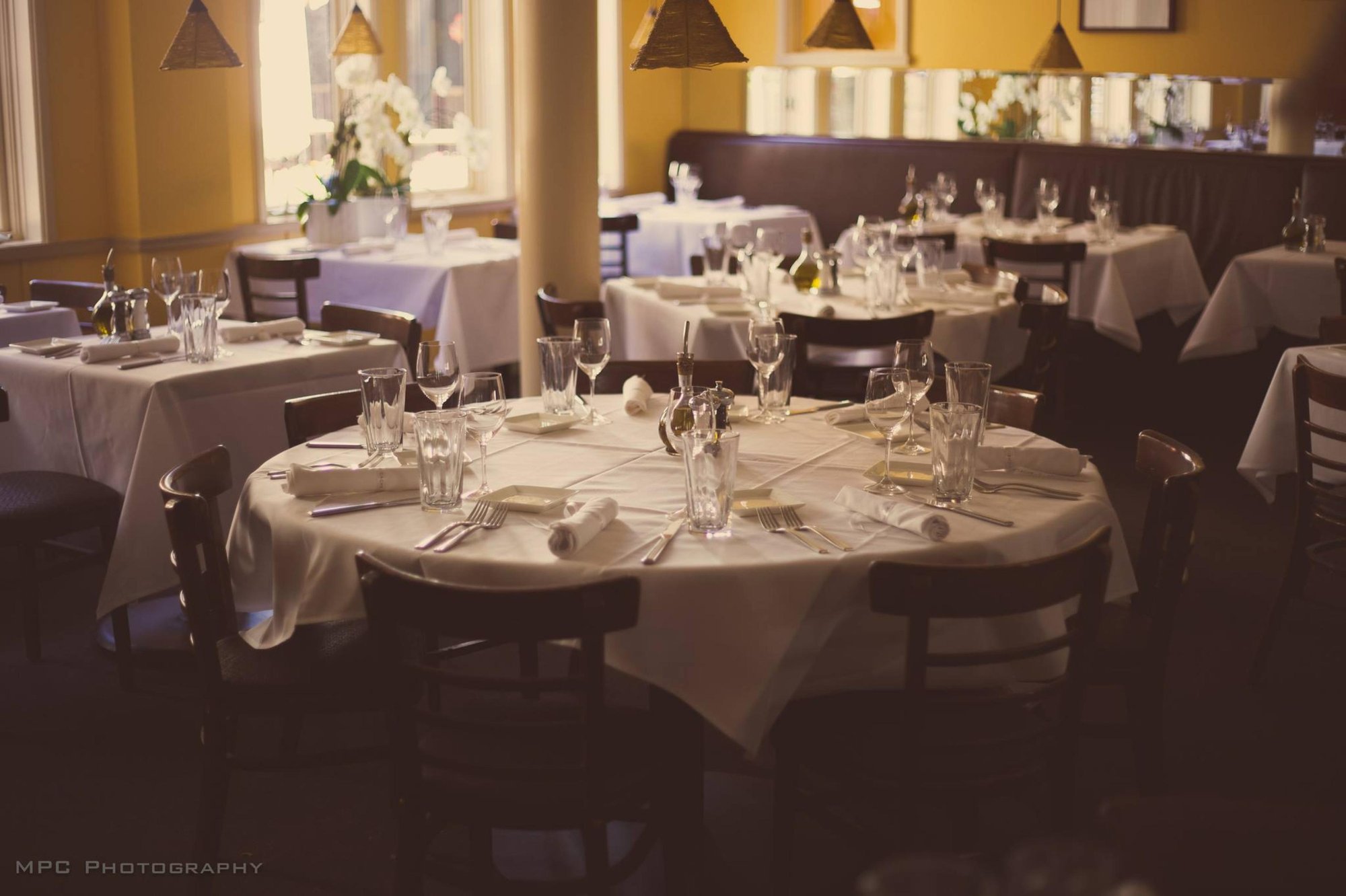
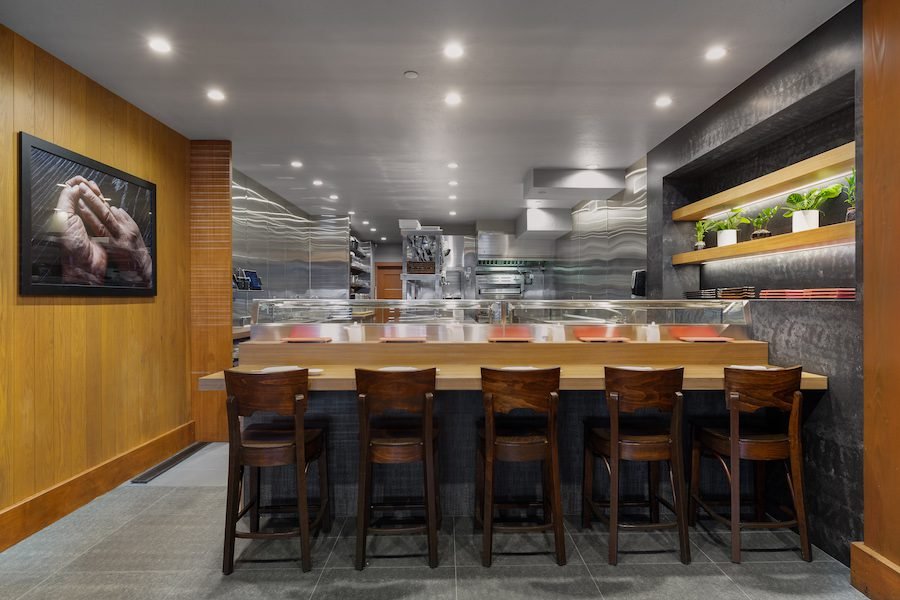
East Main Street in Aspen carries a particular kind of ambition: ski-town address, but serious culinary intent. Matsuhisa Aspen sits on that street with the quiet confidence of a room that doesn't need to announce itself. The interior runs toward warm wood tones and low light, the kind of space where the focus settles on what arrives at the table rather than the architecture around it. Arriving on a winter evening, with the mountain town drawing down for dinner service after a day on the mountain, the room hums at a pitch that is social without being loud. It opens nightly from 5:30 pm, a dinner-only format that signals where the kitchen's priorities lie.
What few visitors realise, and what the broader Nobu narrative rarely emphasises, is that Aspen came first. Nobu Matsuhisa's namesake restaurants in the Rocky Mountains, Aspen and then Vail, preceded the Denver outpost, making this address the original Colorado expression of a brand that would eventually reach London, Tokyo, and beyond. That sequencing matters when reading the room: this is not a franchise branch dropped into a resort town, but a founding location with its own seniority inside the lineage. For context on how the London expression of the same culinary tradition operates, see Nobu in London.
Raw materials at elevation: the ingredient logic of Japanese cooking in Aspen
The editorial argument for Japanese cuisine in a mountain resort is not immediately obvious, but it holds up under scrutiny. The Nobu-lineage kitchen operates from a philosophy in which the quality of raw material sets the ceiling for what the cook can achieve. Dashi built from premium kombu and katsuobushi, fish sourced with attention to cold-water provenance, and rice treated as a precision crop rather than a neutral base: these are the discipline structures that distinguish the tradition from approximations of it. In a resort context, where kitchens face the challenge of consistent supply far from coastal fishing markets, the sourcing logistics become the real test of the kitchen's seriousness.
Chef Philip Tanaka operates within this tradition. The Nobu format has always positioned itself at the intersection of Japanese technique and South American flavour influence, a cross-training approach Matsuhisa developed across his own career. What that means practically is a menu in which miso-marinated preparations sit alongside citrus-forward ceviches and cold-temperature fish dishes that depend entirely on the integrity of their primary ingredient. The dressing, the acid, the heat: all of these are tools that clarify or accent the fish, not substitutes for it. In the peer set of Japanese restaurants across North America, Uchi in Austin represents a comparable approach to applying Japanese technique outside its native geography.
Ranking position and what it implies about peer competition
Opinionated About Dining, the critic-driven ranking that aggregates professional taster scores, placed Matsuhisa Aspen at #362 in North America in 2024, a movement up from a recommended position in 2023 and a subsequent position of #465 in 2025. The 2024 ranking in particular places the restaurant inside a competitive bracket that includes serious urban destinations alongside destination-resort properties. Google reviewers have settled on a 4.5 score across 605 reviews, which, for a restaurant operating at this price register in a seasonal resort town, represents a consistency signal rather than merely a popularity count.
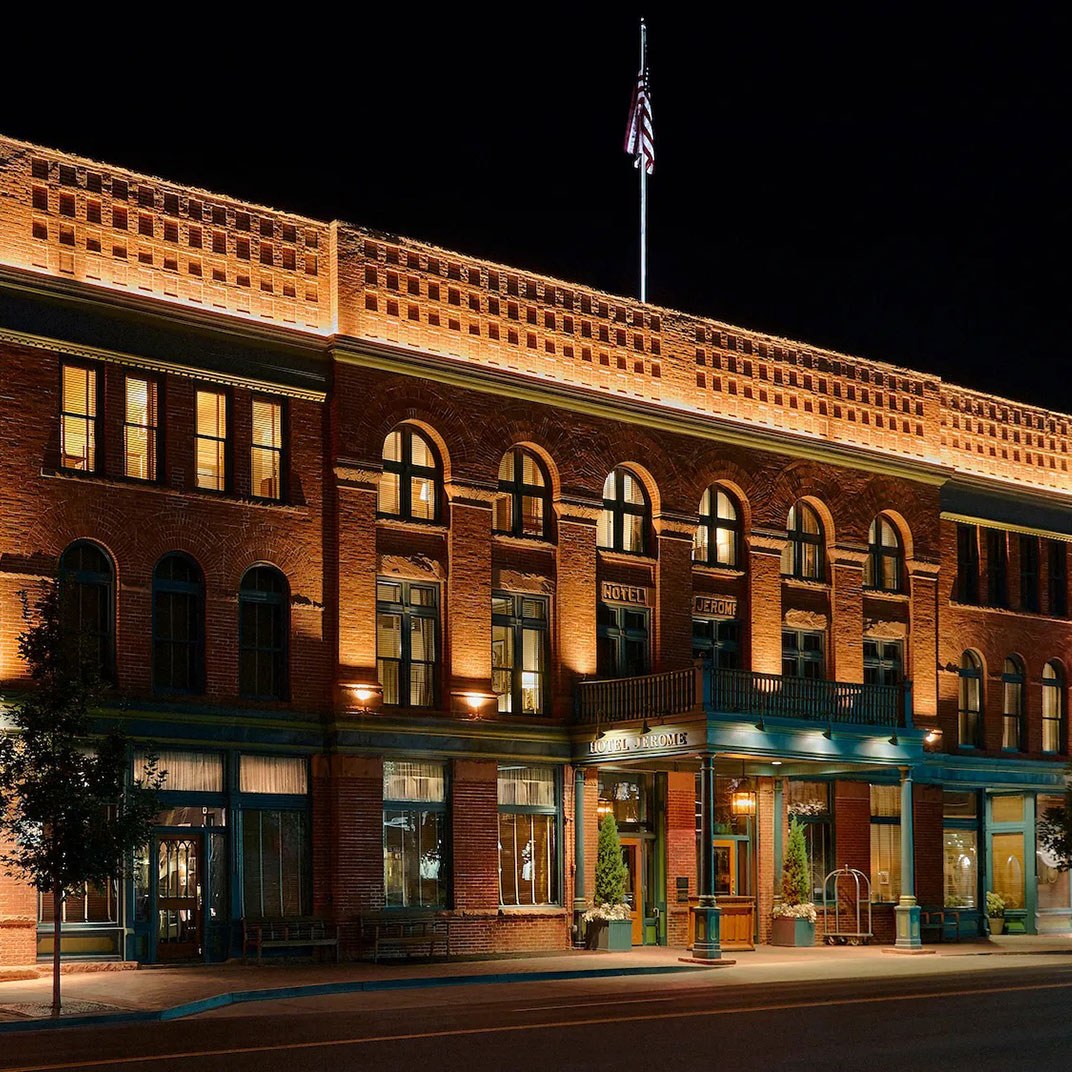
The ranking trajectory is worth reading carefully. A move from recommended to ranked in two years suggests the kitchen has tightened its execution rather than simply benefiting from increased visitor attention. In the context of Aspen dining, which also includes Element 47 and Bosq at the leading of the contemporary bracket, and French Alpine Bistro and Hotel Jerome Century Room offering strong alternatives in their respective registers, a North America ranking in the mid-300s is a meaningful position. For a fuller picture of where Matsuhisa sits relative to Aspen's dining options, see our full Aspen restaurants guide.
The comparison set at the national level includes restaurants in much larger urban markets, which makes the Aspen result more notable. Properties like Le Bernardin in New York City, Lazy Bear in San Francisco, Alinea in Chicago, The French Laundry in Napa, and Single Thread Farm in Healdsburg occupy the highest tiers of the same ranking system. Matsuhisa Aspen operates in a different format and price tier from those properties, but sharing the same ranking methodology places it in a meaningful national conversation.
Aspen's dining character and where Japanese cuisine fits
Aspen's restaurant scene has always operated at a pressure point between resort-town expectations and genuine culinary ambition. The town draws a clientele with significant dining experience, travellers who eat regularly at serious restaurants in New York, London, and Los Angeles and arrive with calibrated expectations. That audience creates the conditions for a kitchen to operate at a level that would be commercially difficult in a less affluent resort context. It also means that generic execution gets noticed quickly. Mawa's Kitchen represents another example of a restaurant in Aspen that earns its position through a specific culinary identity rather than resort-menu generalism.
Japanese cuisine, and specifically the Nobu-lineage format, occupies a particular niche in this environment. The cuisine's emphasis on raw material quality, technical precision, and restrained plating aligns with a clientele that values substance over spectacle. The format also supports varied appetite and spending: a table can order extensively from the cold and hot sections and build a meal at different price points, or focus tightly on a smaller set of preparations. That flexibility is operationally useful in a resort context where group compositions and dinner pacing vary more than in an urban restaurant.
Planning your visit
Matsuhisa Aspen operates a dinner-only schedule, open seven days a week from 5:30 pm to 9 pm, at 303 East Main Street. The address is walkable from most central Aspen accommodation, which makes pre- or post-dinner movement around the town direct. Aspen's peak seasons cluster around ski season in winter and the festival calendar in summer, and demand for the town's leading tables rises sharply during both. Booking ahead is advisable during those windows. For accommodation planning, our full Aspen hotels guide covers the town's range of options, and for further context on Aspen's broader hospitality scene, see our guides to Aspen bars, Aspen wineries, and Aspen experiences. For a parallel reference point on the broader Nobu brand's culinary positioning, Emeril's in New Orleans offers an instructive comparison in how a chef-driven brand translates across locations and formats.
The Essentials
A compact peer snapshot based on similar venues we track.
| Venue | Notes | Price |
|---|---|---|
| Matsuhisa Aspen | This venue | |
| Hotel Jerome Century Room | American | |
| Prospect | Contemporary, $$$$ | $$$$ |
| French Alpine Bistro | French Alpine | |
| Mawa's Kitchen | Contemporary, $$$ | $$$ |
| The Little Nell | American Cuisine |


At a Glance
- Elegant
- Sophisticated
- Iconic
- Lively
- Date Night
- Business Dinner
- Celebration
- Special Occasion
- Historic Building
- Open Kitchen
- Private Dining
- Extensive Wine List
- Sake Program
- Craft Cocktails
- Sommelier Led
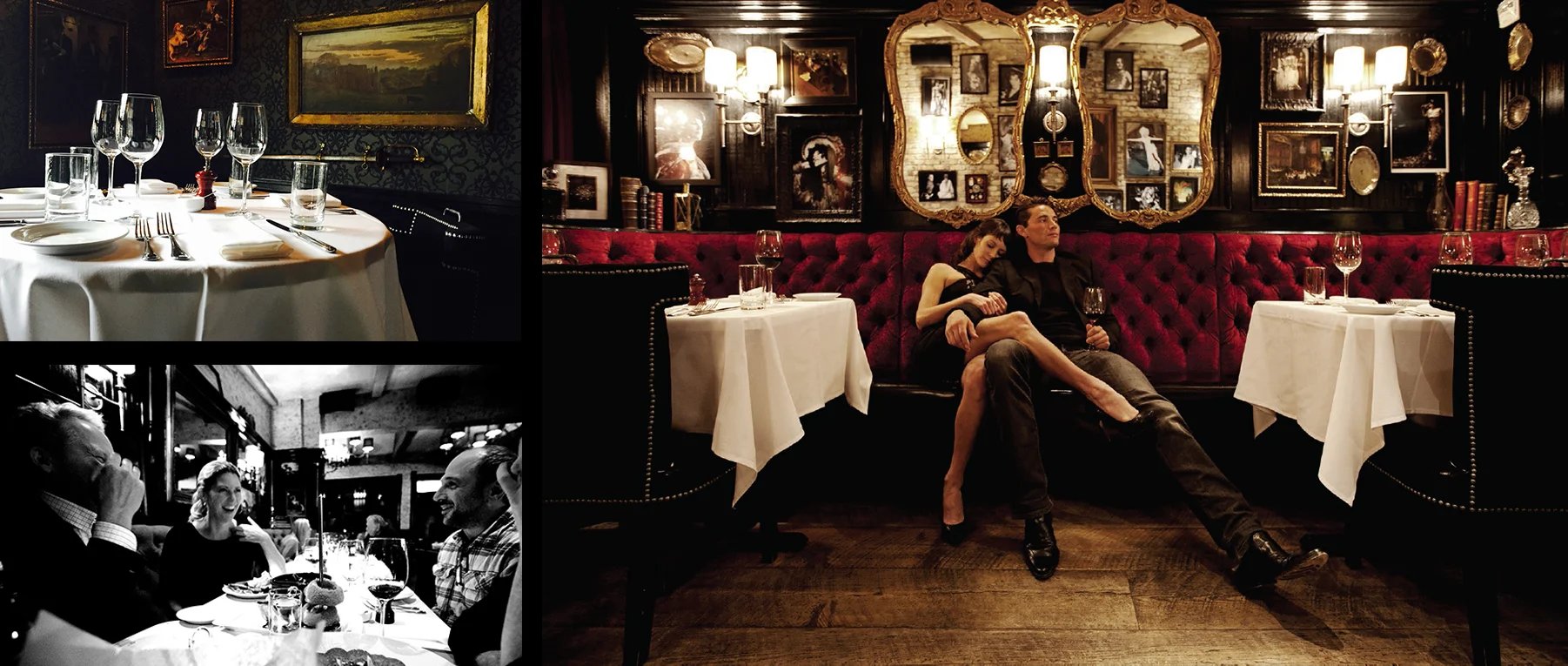
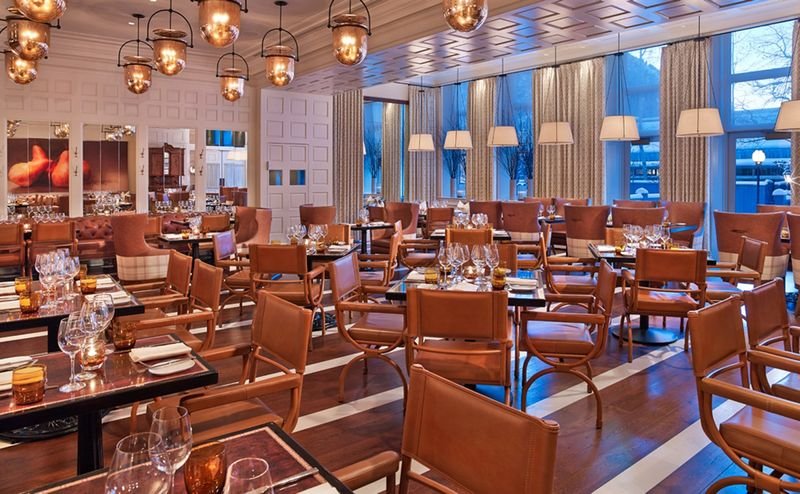
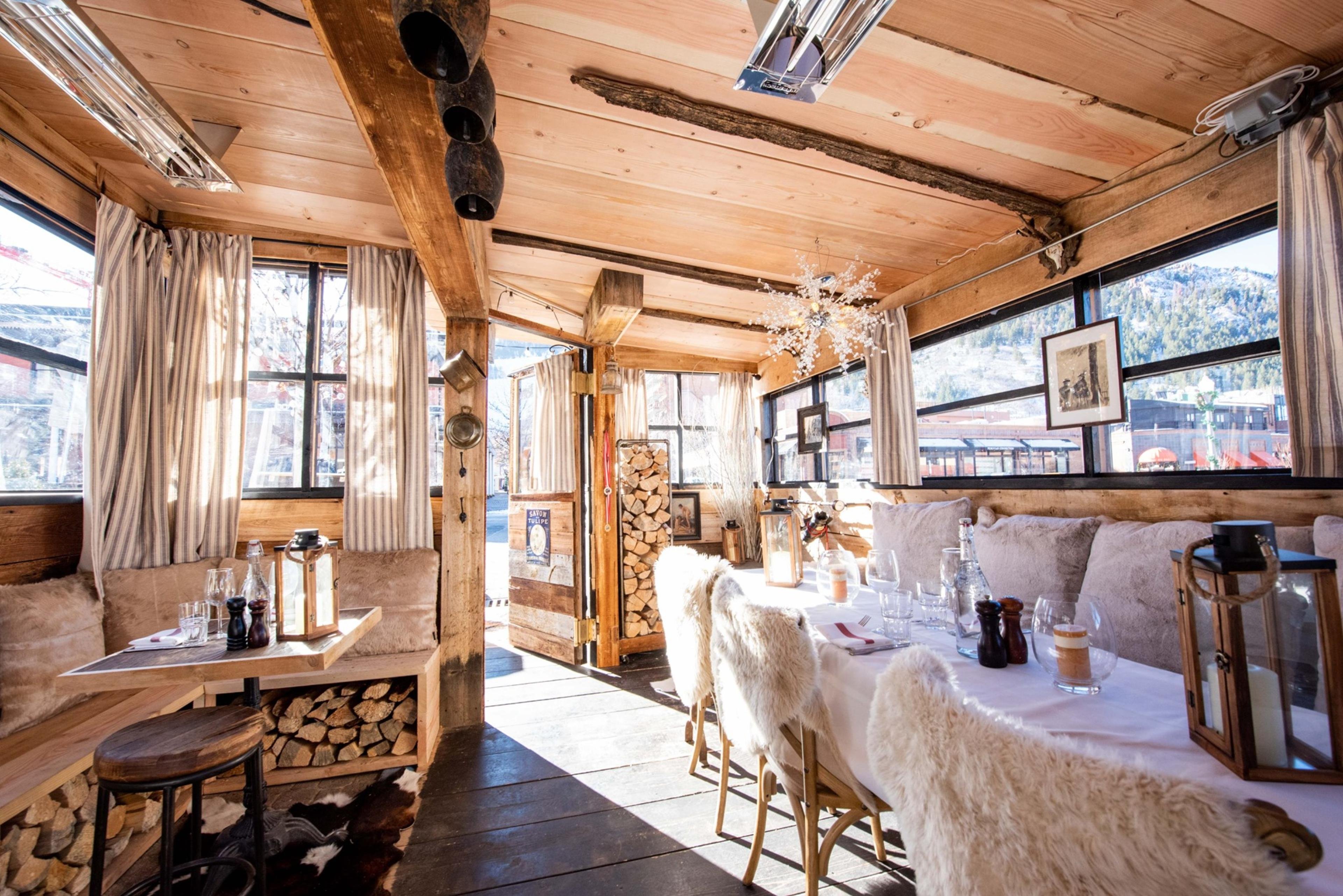
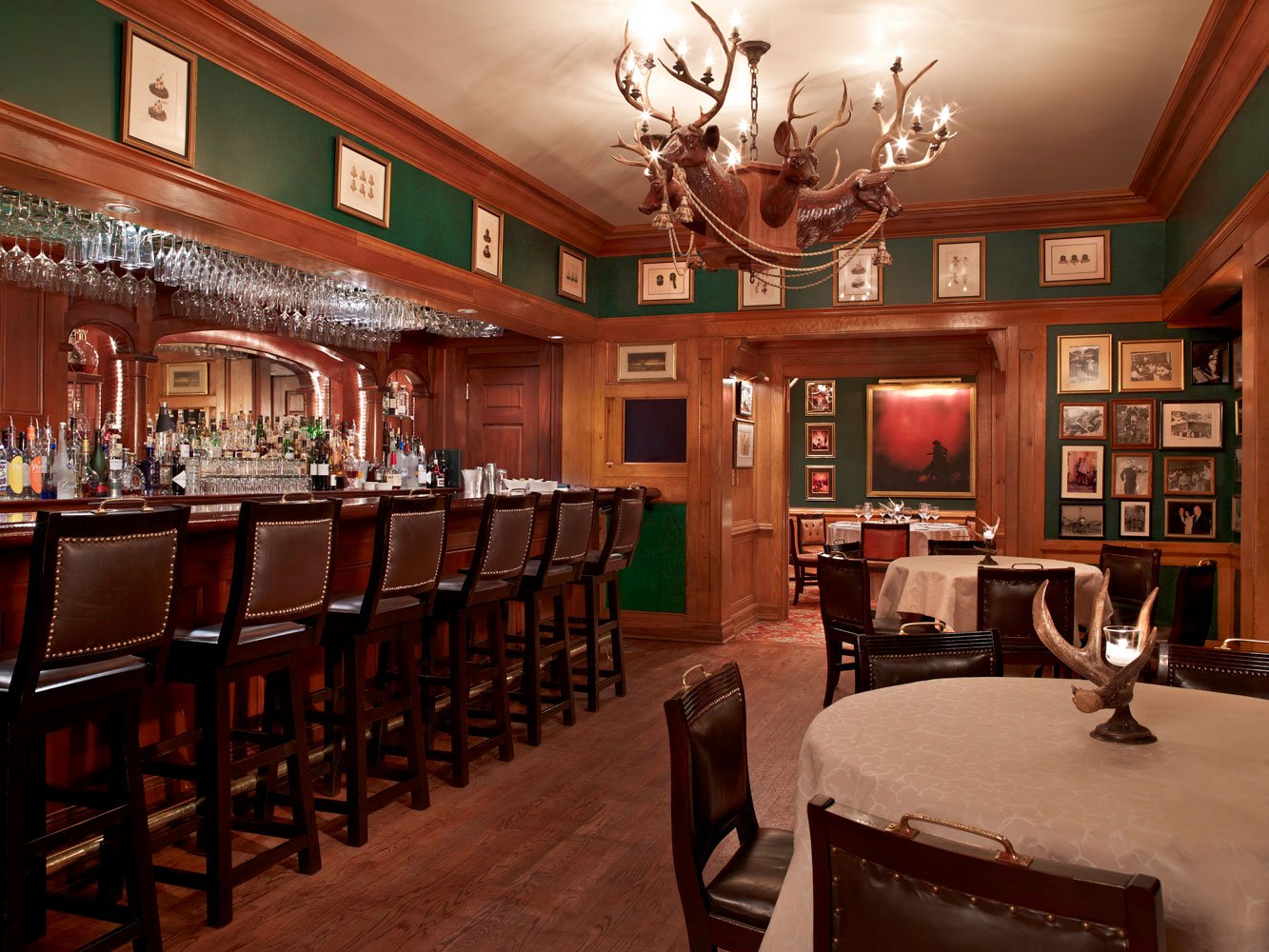
Cavernous lower-level dining room with a lively, bustling atmosphere; housed in a historic Victorian building with elegant but spacious design that can feel crowded during peak times.