Steakhouse 316 Aspen


Steakhouse 316 sits on East Hopkins Avenue in the core of Aspen's dining corridor, recognised by Star Wine List with a White Star designation in 2024. The format centres on the American steakhouse tradition, with a wine program serious enough to earn independent editorial notice. For Aspen, where $$$$ contemporary tasting menus dominate the upper tier, a focused steakhouse with credentialed cellaring occupies a distinct position.
Pearl is the En Primeur Club membership app — saves, bookings, and concierge access live there. Same editors, same standards.
- Address
- 316 E Hopkins Ave, Aspen, CO 81611
- Phone
- (970) 920-1893
- Website
- steakhouse316.com
- Directions
- Get directions
 Saves & bookings on Pearl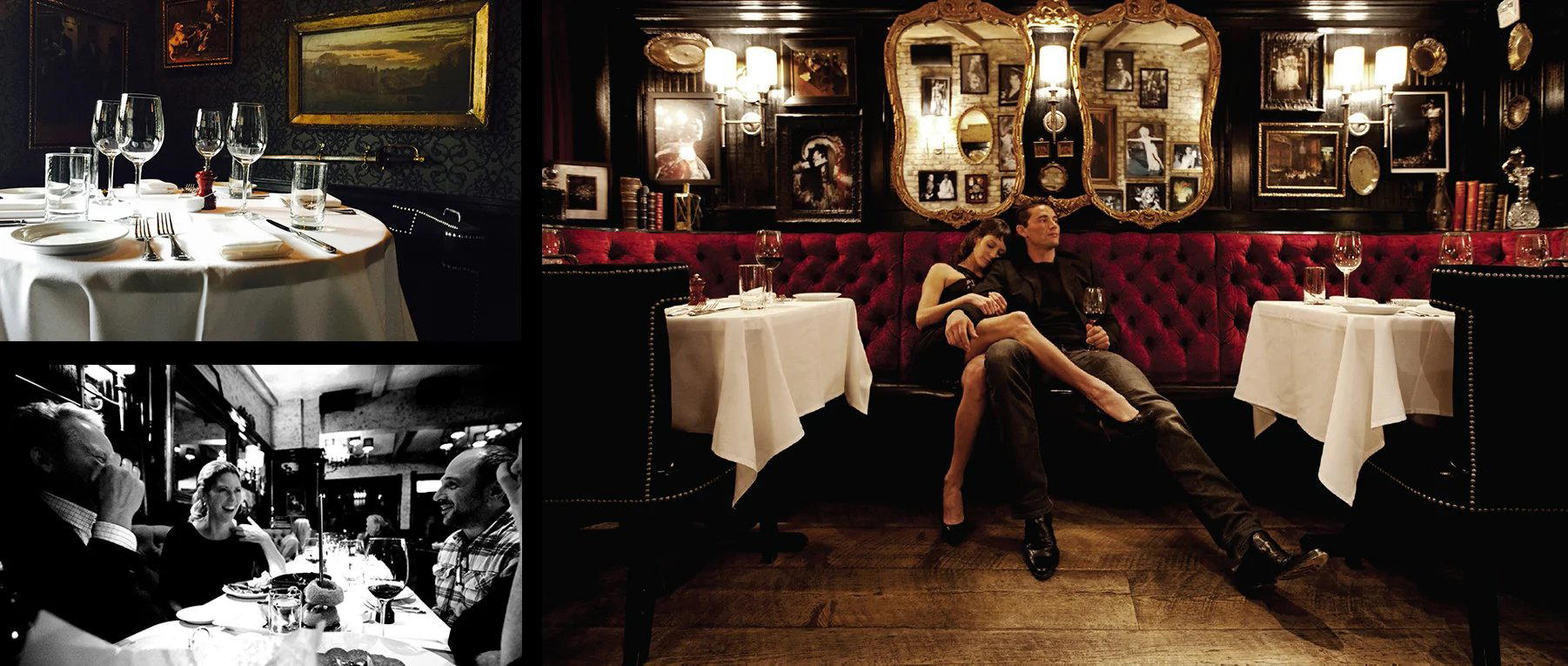
The Steakhouse Tradition in a Town Built on Occasion Dining
Aspen's restaurant scene has long organised itself around occasion. The ski season concentrates high-spend diners into a compressed window, and the result is a dining market that skews heavily toward contemporary tasting menus and fine-dining formats, places like Element 47 (Contemporary) at the Little Nell or Bosq (Contemporary), where the format is architecturally modern and the price point reflects the altitude. Within that context, the American steakhouse sits in a different register: a tradition rooted not in novelty but in certainty. You know what arrives, you know how it will be cooked, and the variables that matter are provenance, execution, and the wine list behind the proteins.
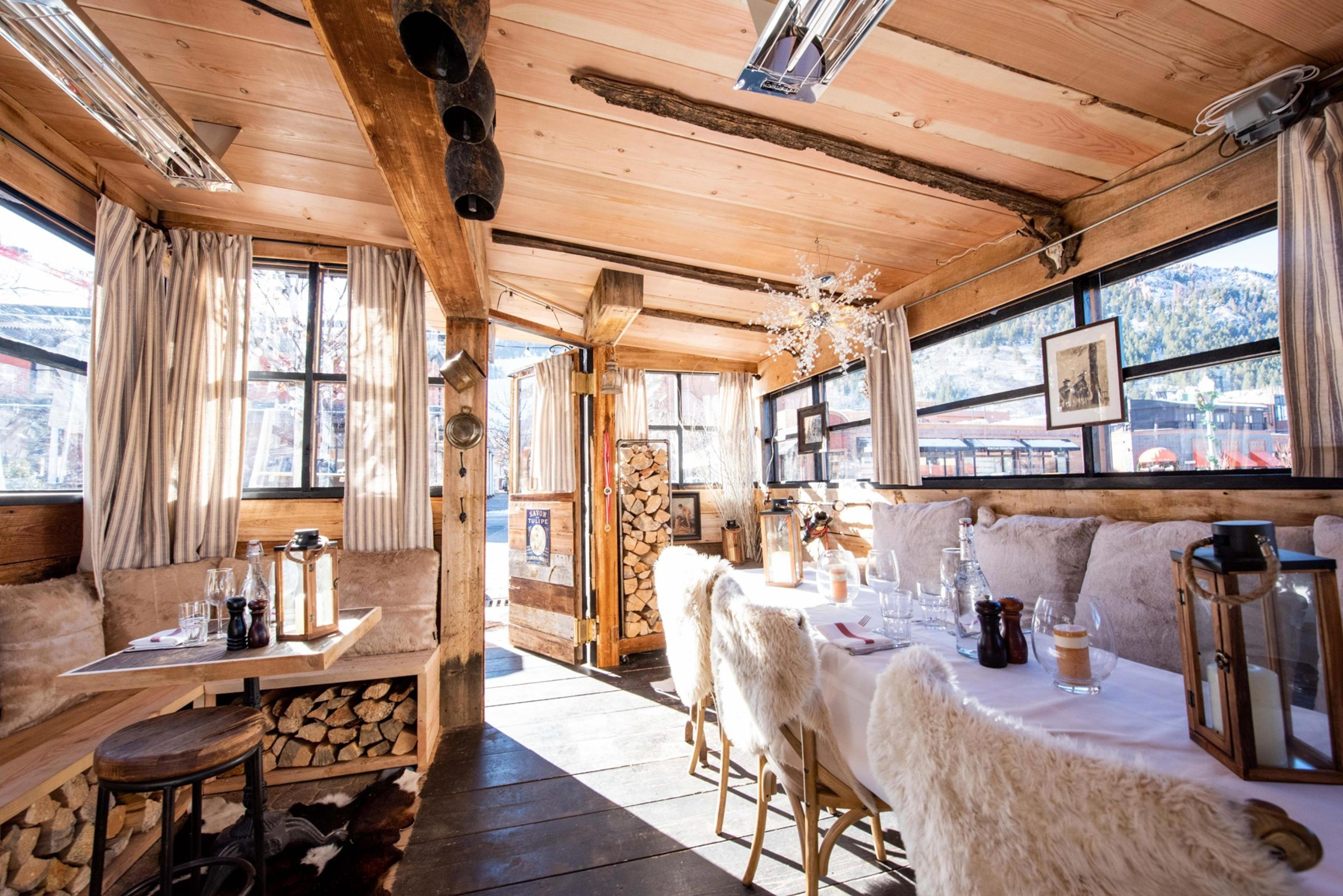
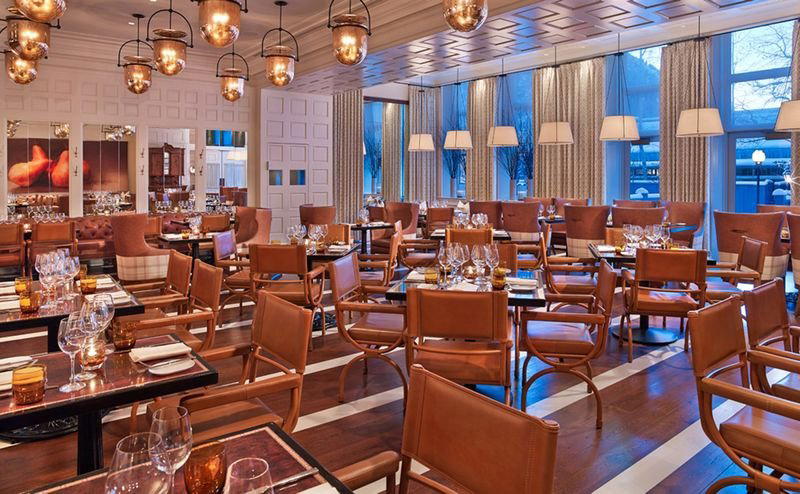
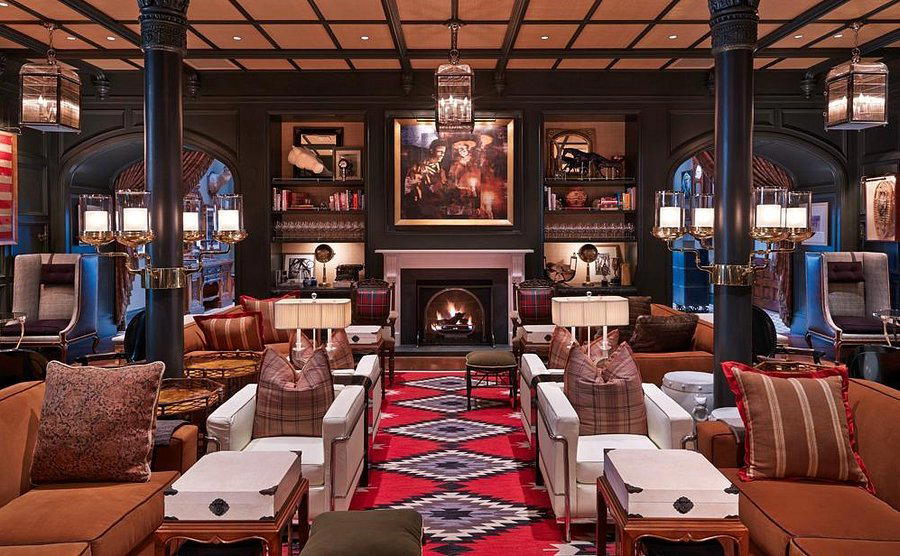
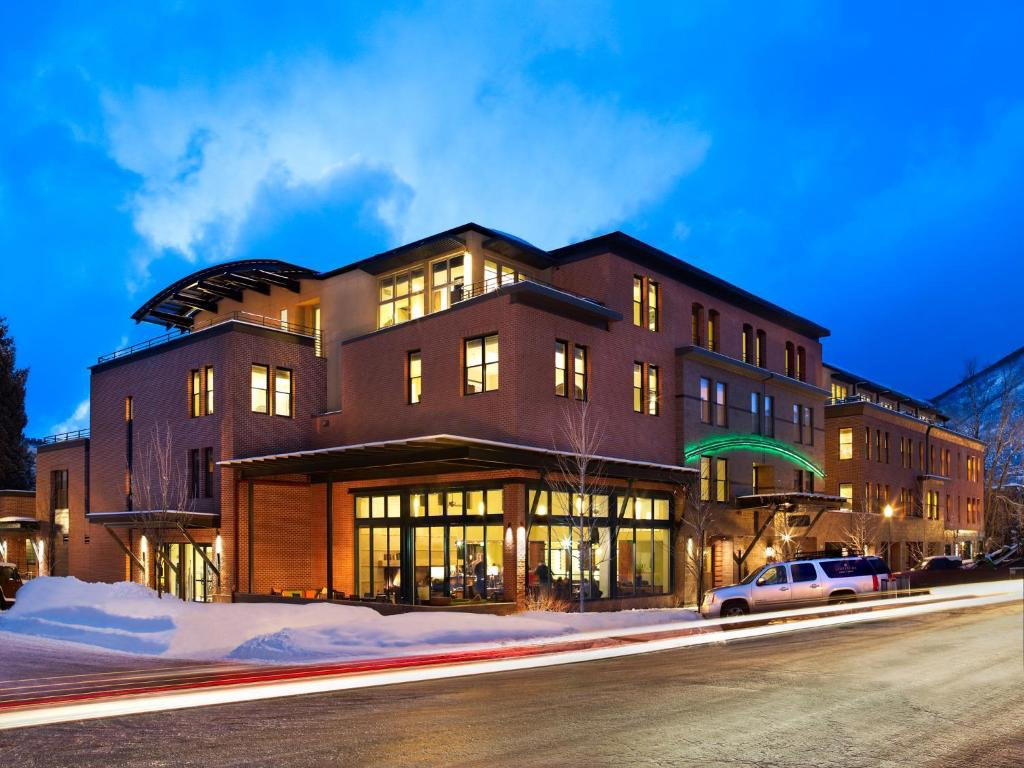
That clarity of proposition is what gives Steakhouse 316 Aspen its footing on East Hopkins Avenue. The address places it in the walkable core of downtown Aspen, on a street that functions as one of the town's main dining arteries. The room's atmosphere carries what the steakhouse format has always promised: warmth, weight, a sense that the evening has been allocated for something worth sitting through slowly.
The American Steakhouse and Its Cultural Roots
The American steakhouse is one of the country's most durably coded dining formats. It emerged from the cattle-drive economy of the nineteenth century, matured in the chophouses of New York and Chicago, and eventually bifurcated into the volume-driven chain model and the premium independent tier. The premium version has always traded on specificity: which ranch, which breed, which aging method, which cut. These are not decorative details, they are the substance of the offer. A steakhouse that cannot answer those questions with precision is not operating at the upper end of the format.
Star Wine List's White Star designation, awarded to Steakhouse 316 Aspen and published in April 2024, signals that the wine program here passes a threshold of seriousness that most steakhouses in mountain resort towns do not reach. The White Star is not a culinary award, it is a wine-specific recognition, applied by a platform that evaluates lists on depth, range, and curation quality. In the context of a steakhouse, a credentialed wine list matters more than it might in other formats, because the pairing between aged Cabernet Sauvignon or Nebbiolo and well-rested beef is one of the canonical pleasures of the format. Getting the wine side right is not secondary; it is constitutive of the experience.
For comparison, the broader steakhouse category in American fine dining has produced some of its most recognised addresses in cities with strong beef cultures, but resort markets like Aspen present a different operating condition. The clientele is transient, the season is compressed, and the competition for attention includes everything from French Alpine Bistro (French Alpine) to destination-level Italian at Aosta Aspen. Holding a format-specific wine credential in that environment is a meaningful signal of program discipline.
Where It Sits in Aspen's Dining Structure
Aspen's upper dining tier is not monolithic. At one end sit the tasting-menu formats with the longest booking windows and particularly constructed presentations. At the other end, brasserie and bistro formats like Cache Cache trade on reliability and neighbourhood familiarity. Steakhouse 316 occupies a position in between: the format is familiar but the execution expectations are high, and the wine recognition places it closer to the former category than the latter in terms of seriousness.
That positioning matters when you're calibrating an Aspen visit. An address with a wine program that earns independent recognition fills a gap in that structure.
The Wine Recognition in Context
Star Wine List's White Star designation places Steakhouse 316 in a comparable set defined by wine program quality rather than cuisine category or price tier. Across the United States, the restaurants that consistently earn wine-specific recognition at this level tend to be places where the list is curated with the food in mind, not assembled as an afterthought. In the steakhouse context, that means a list built around the wines that actually work with dry-aged beef: the structured reds of Napa, Bordeaux, Barossa, and the Rhône, alongside the verticals that allow a table to drink across time as well as geography.
The White Star recognition, published April 2024, is a key credential for Steakhouse 316. It anchors the venue's credentials in something concrete at a moment when Aspen's dining scene continues to attract high-spend visitors who expect the wine program to keep pace with the food. For context on what wine-serious dining looks like at the summit of the American market, addresses like Le Bernardin in New York City, The French Laundry in Napa, and Single Thread Farm in Healdsburg set the reference point. Internationally, the standard extends to Alain Ducasse Louis XV in Monte Carlo and 8½ Otto e Mezzo Bombana in Hong Kong. Steakhouse 316 operates in a different format and scale, but the wine recognition places it within a conversation that reaches beyond its category.
Planning Your Visit
Steakhouse 316 Aspen is located at 316 E Hopkins Avenue, Aspen, CO 81611, in the walkable centre of downtown. Aspen's peak dining demand runs from mid-December through March and again in the summer festival season around June and July. During those windows, reservations at the town's better-regarded tables fill quickly, The venue's position on Hopkins Avenue means it is accessible on foot from most of Aspen's central accommodation, which matters when the evening extends to a second bottle. Bosq or a more casual evening at Cache Cache gives a reasonable cross-section of what Aspen's dining can do.
A Pricing-First Comparison
Comparable venues nearby, for context on price, style, and recognition.
| Venue | Cuisine | Price | Notes |
|---|---|---|---|
| Steakhouse 316 AspenThis venue — the venue you are viewing | Not listed | $$$$ | Not listed |
| West End Social | Not listed | $$$ | Aspen Flyover 1/4 Section Grid, Farm-to-Table Contemporary American |
| Matsuhisa Aspen | Not listed | $$$$ | Aspen Flyover 1/4 Section Grid, Modern Japanese-Peruvian Fusion |
| The Monarch Steakhouse | Not listed | $$$$ | Aspen Flyover 1/4 Section Grid, Classic Aspen Steakhouse |
| Sushi Nakazawa | downtown, Modern Japanese Omakase | $$$$ | Not listed |
| Catch Steak | Not listed | $$$$ | Aspen Flyover 1/4 Section Grid, Modern Steakhouse with Japanese Wagyu |
Recognition history
Dated appearances from independent guides and award organizations, with the underlying list record or original source where available.
Star Wine List
Star Wine List
Wine Spectator Best of Award of Excellence
Wine Spectator
At a Glance
- Cozy
- Intimate
- Elegant
- Classic
- Date Night
- Special Occasion
- Business Dinner
- Historic Building
- Extensive Wine List
- Local Sourcing
Current opening hours
- Monday
- 5–10 PM
- Tuesday
- 5–10 PM
- Wednesday
- 5–10 PM
- Thursday
- 5–10 PM
- Friday
- 5–10 PM
- Saturday
- 5–10 PM
- Sunday
- 5–10 PM
Hours can change for holidays and private events. Last verified .
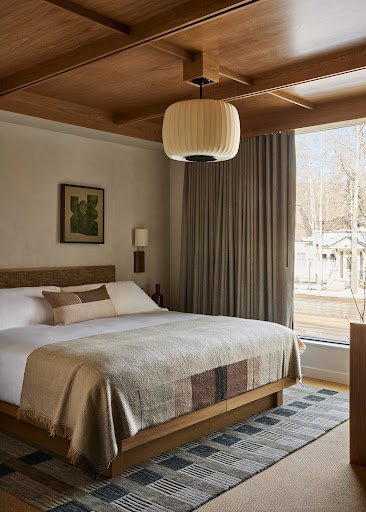
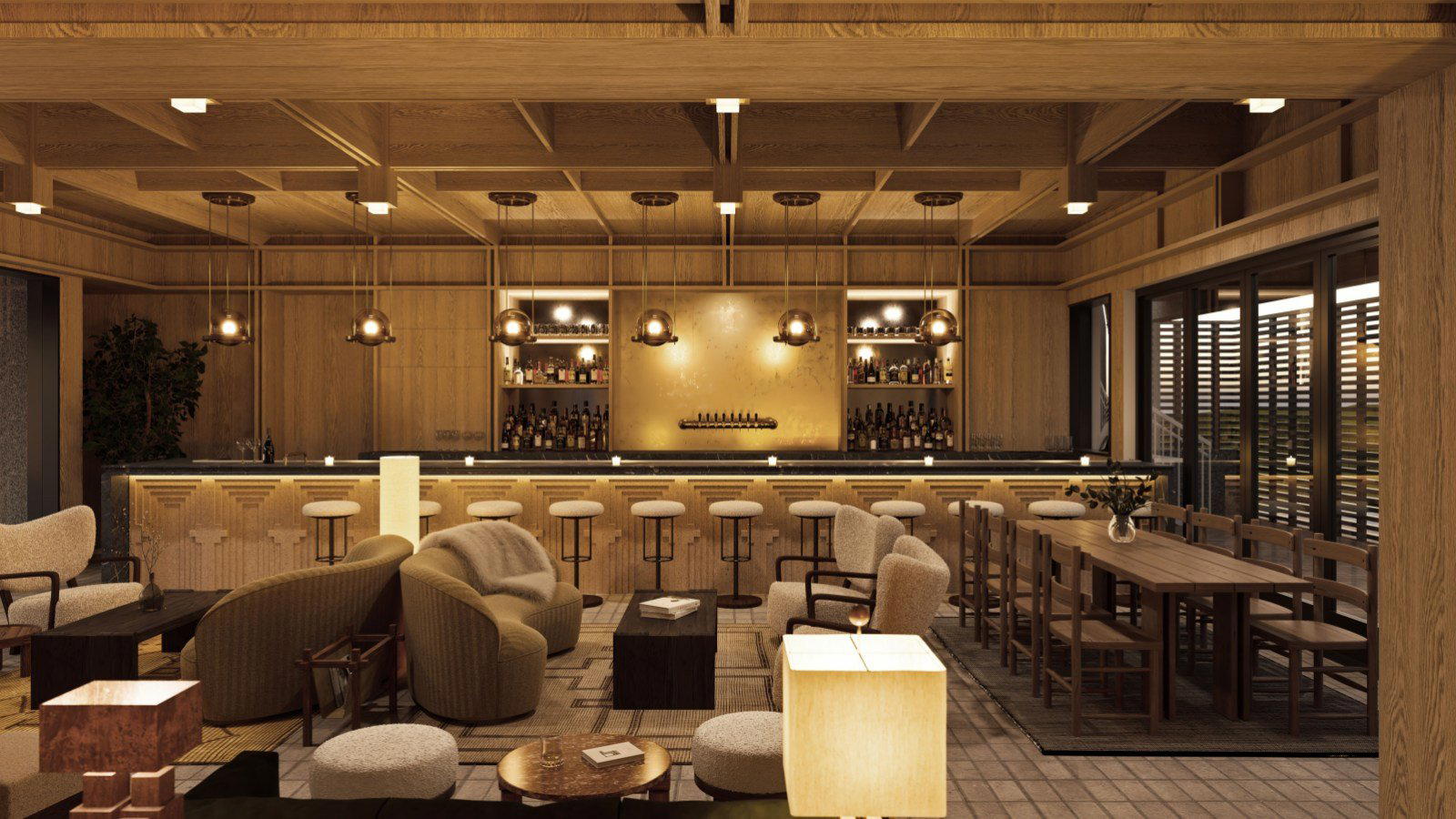
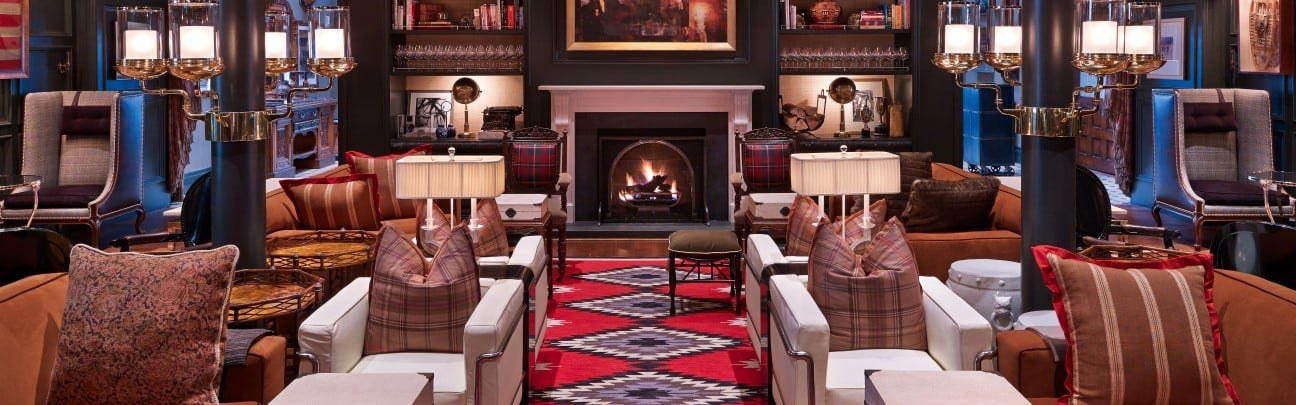
Dimly lit with sconces and candles, cozy and intimate atmosphere evoking Aspen's mining era.