Our verdict
On Capel Street, one of Dublin's most ethnically diverse thoroughfares, Aobaba brings Vietnamese cooking to a neighbourhood that rewards direct, unfussy dining. The format sits within a broader shift in Dublin toward affordable, ingredient-led Asian restaurants that trade ceremony for honesty. For visitors building a picture of the city's current dining range, Capel Street is the place to start.

Pearl is the En Primeur Club membership app — saves, bookings, and concierge access live there. Same editors, same standards.
- Address
- 46A Capel St, North City, Dublin 1, D01 P293, Ireland
- Phone
- +353 1 878 8555
- Hours
- Daily 12–9:30 PM
- Directions
- Get directions
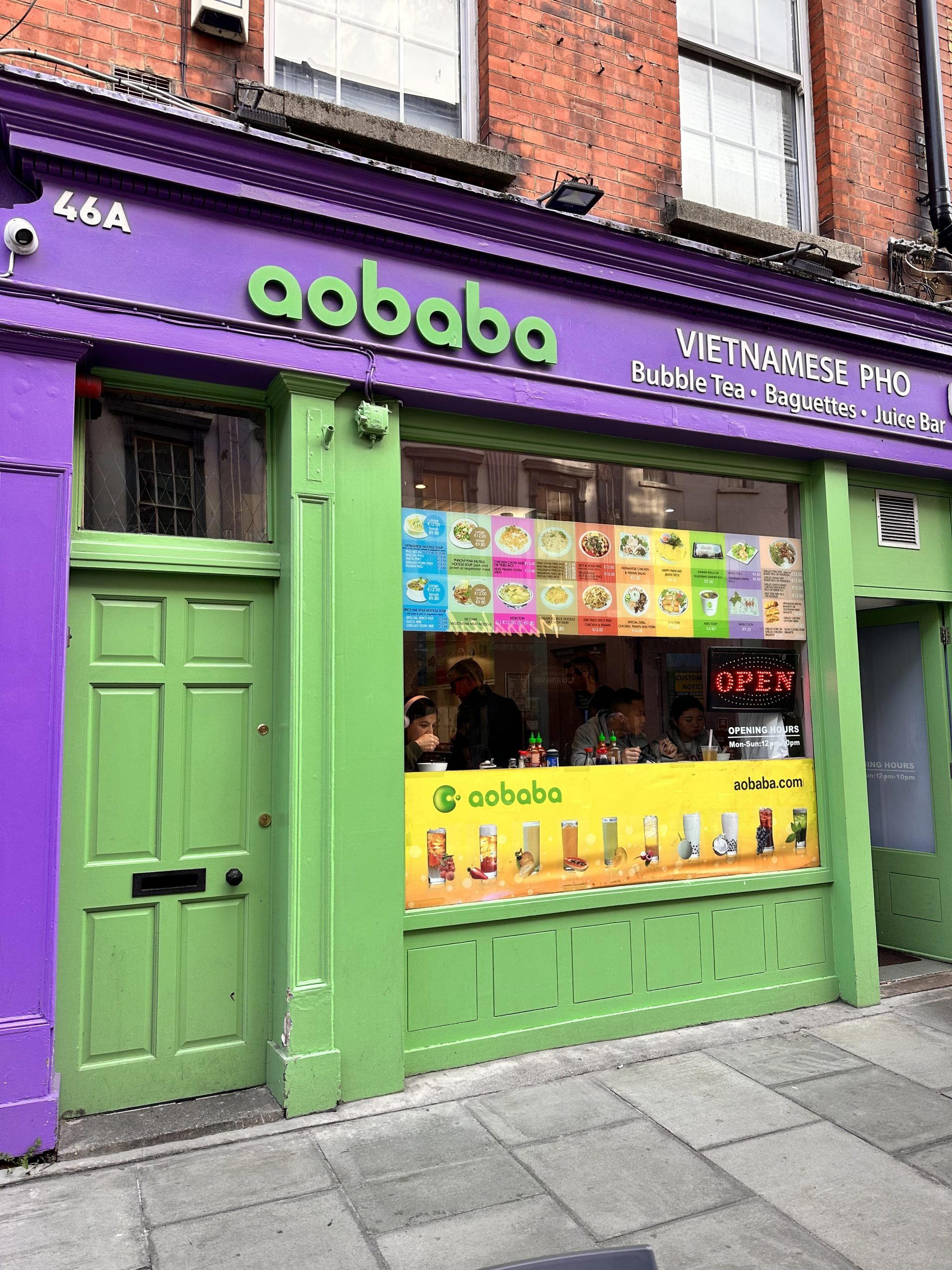
The menu
What to order
- Pho
- Banh mi
- Summer rolls
Capel Street and the Case for Honest Vietnamese
Capel Street does not dress itself up. The north-side thoroughfare running from the Four Courts toward Phibsborough has, over the past decade, become one of Dublin's more genuinely international dining corridors, drawing the kind of foot traffic that cares more about what's in the bowl than what's on the walls. Vietnamese restaurants occupy a particular position in this corridor: they represent a dining ritual — the broth built over hours, the herbs added at the table, the adjustment of condiments to personal taste — that is fundamentally communal and fundamentally unhurried, even when the room around you is not.
Aobaba sits at 46A Capel Street, inside a scene that has diversified considerably from the city-centre dining Dublin offered even five years ago. The comparison set here is not Chapter One by Mickael Viljanen or Patrick Guilbaud at the upper end of formal Irish dining, nor is it the modern Irish territory of Bastible.
The Ritual of the Vietnamese Table
Vietnamese dining has its own grammar, and understanding it shapes how you should approach a meal at any serious Vietnamese restaurant. The pho arrives incomplete by design: a bowl of clear or slightly opaque broth with noodles and protein, accompanied by a separate plate of bean sprouts, Thai basil, lime wedges, and fresh chillies. The ritual of building the bowl at the table is not incidental to the experience, it is the experience. The diner controls the weight of the acidity, the heat, the freshness. Pho is also a morning dish in its home context, a fact that repositions the broth's clarity and lightness as intentional rather than restrained.
The wider Vietnamese menu format follows a similar logic of assembly and customisation. Bánh mì sandwiches, rice paper rolls, and bún (vermicelli bowls) all require the diner to engage actively with the food rather than receive a finished plate. This distinguishes Vietnamese dining from many of the more formal European formats that dominate Dublin's critical attention. Places like Glovers Alley and D'Olier Street deliver complete, chef-directed plates; Vietnamese cooking hands the final stage back to the person eating.
Where Aobaba Sits in Dublin's Widening Picture
Dublin's dining coverage has historically concentrated on a relatively narrow band of European fine dining and modern Irish cooking. The Michelin presence in Ireland has reinforced this, with stars landing on tasting menu formats and high-specification tasting counters. But the city's actual eating habits have broadened considerably, and the Vietnamese corridor on Capel Street is part of that wider shift. Informal Asian restaurants operating at accessible price points have become structurally important to how the city feeds itself, and Vietnamese cooking in particular has found a consistent audience among both the Irish-Vietnamese community and a broader population of Dubliners who have grown more familiar with the cuisine over time.
For a wider view of how Irish restaurant culture extends beyond the capital, the contrast is instructive. Aniar in Galway and Campagne in Kilkenny occupy the structured, produce-led end of provincial Irish dining, while coastal operations like dede in Baltimore and Bastion in Kinsale bring a more focused, ingredient-specific approach. The informal, community-facing dining that Capel Street represents is a different register entirely, and one that the broader Irish food conversation has been slow to address with the same seriousness.
Atmosphere and Pacing
Capel Street restaurants in this category typically run compact rooms with shared tables or close-set individual ones. The energy in these spaces is not precious, there is noise, there is movement, there is the smell of broth and charred meat moving through the room. The service model is generally table-efficient rather than leisurely, which aligns with the format: Vietnamese dining at this price point is designed for people who want to eat well without staging an event. That directness is a feature, not a shortfall. Internationally, the Vietnamese dining tradition at informal registers shares this character with pho shops in Ho Chi Minh City and bánh mì counters in Hanoi, where the food's quality is entirely unrelated to the formality of the surroundings.
For reference points outside Ireland, the contrast between a place like Le Bernardin in New York City and a Vietnamese street-food format is not a hierarchy so much as a difference in what the dining ritual is designed to produce. Communal, ingredient-forward, and paced by the diner rather than the kitchen, Vietnamese meals at informal venues are closer in spirit to the participatory dinner format of a place like Lazy Bear in San Francisco than they are to a conventional restaurant transaction, even if the price and setting could not be more different.
Planning a Visit
Aobaba is located at 46A Capel Street, Dublin 1, in the North City district, a short walk from the Four Courts Luas stop and within easy reach of the Jervis Street Luas on the red line. Capel Street runs parallel to the river and is accessible on foot from most central Dublin accommodation within fifteen minutes. Phone and website details are not currently listed, so the most reliable approach is to visit directly; informal Vietnamese restaurants in this category often take walk-ins as the primary flow, with peak times running through midday and early evening. For a broader orientation to where this fits within Dublin's restaurant range, the full Dublin restaurants guide covers the city's current dining map across formats and price tiers.
Those travelling beyond Dublin who want to track how Irish food culture performs at its more ambitious registers should note venues like Liath in Blackrock, Terre in Castlemartyr, The Oak Room in Adare, Homestead Cottage in Doolin, The Morrison Room in Maynooth, and Chestnut in Ballydehob. Each operates in a different register from Capel Street, but together they illustrate the range Dublin and its surrounds now support.
Frequently asked questions
Does Aobaba work for a family meal?
Capel Street Vietnamese restaurants of this type tend to suit families well. The format is informal, portions are designed for sharing, and the communal energy of the room accommodates different paces and appetites. Aobaba sits at 46A Capel Street, Dublin 1, which is accessible from the city centre on foot or via the Four Courts Luas stop.
What should I expect atmosphere-wise at Aobaba?
Capel Street has developed into one of Dublin's more characterful dining strips over the past decade, and venues here run compact, close-set rooms with a pace that is energetic rather than leisurely. At Aobaba, expect a no-frills environment focused on the food rather than the decor. The North City location at Dublin 1 draws a mixed crowd of locals, students, and city workers.
Is Aobaba a good option for Vietnamese food near the Four Courts in Dublin?
Aobaba at 46A Capel Street, Dublin 1 is one of the few Vietnamese options within walking distance of the Four Courts Luas stop and the north quays. The North City location makes it a practical choice for anyone in that part of the city, and Capel Street's concentration of independent restaurants means it sits within a short walk of several other strong options if you are planning an evening in the area.
What dish is Aobaba famous for?
To confirm the current menu and any signature items, checking directly with Aobaba at 46A Capel Street is advisable.
What part of town is Aobaba in?
Aobaba is located at 46A Capel St, North City, Dublin 1, D01 P293, Ireland, Dublin.
Can I walk in to Aobaba?
Capel Street restaurants in this category often accommodate walk-ins during off-peak hours but fill quickly at lunch and early dinner on weekends. Arriving before the main service rush improves your chances of a seat without a reservation.
What's Aobaba best at?
Aobaba occupies a segment of the Dublin dining scene that has historically been underserved: accessible, ingredient-focused Vietnamese cooking on the north side. Its position on Capel Street, Dublin 1, places it in a corridor of independent restaurants that have collectively shifted serious eating away from the south city centre. The draw is consistency and value rather than spectacle.
Cuisine Lens
Comparable venues nearby, for context on price, style, and recognition.
| Venue | Cuisine | Price | Notes |
|---|---|---|---|
| AobabaThis venue — the venue you are viewing | Vietnamese Street Food | $10–20 | Not listed |
| Mad Egg Millennium Walkway | Fried Chicken Sandos | $10–20 | North City |
| Cafe Topolis | Traditional Italian Pizza and Pasta | $20–30 | Royal Exchange A |
| Kathmandu Kitchen | Nepalese and Indian | $20–30 | Royal Exchange A |
| Aleena Indian Restaurant | Traditional Indian Curry House | $20–30 | Royal Exchange A |
| Fawn | Modern European Bistro | Not listed | Royal Exchange A |
Continue exploring
More in Dublin
Restaurants in Dublin
Browse all →
Bars in Dublin
Browse all →
Hotels in Dublin
Browse all →
Wineries in Dublin
Browse all →
Details
- Casual
- Cozy
- Casual Hangout
- Standalone
- A La Carte
- Vegetarian Friendly
- Vegan Options
Current opening hours
- Monday
- 12–9:30 PM
- Tuesday
- 12–9:30 PM
- Wednesday
- 12–9:30 PM
- Thursday
- 12–9:30 PM
- Friday
- 12–9:30 PM
- Saturday
- 12–9:30 PM
- Sunday
- 12–9:30 PM
Hours can change for holidays and private events. Last verified .
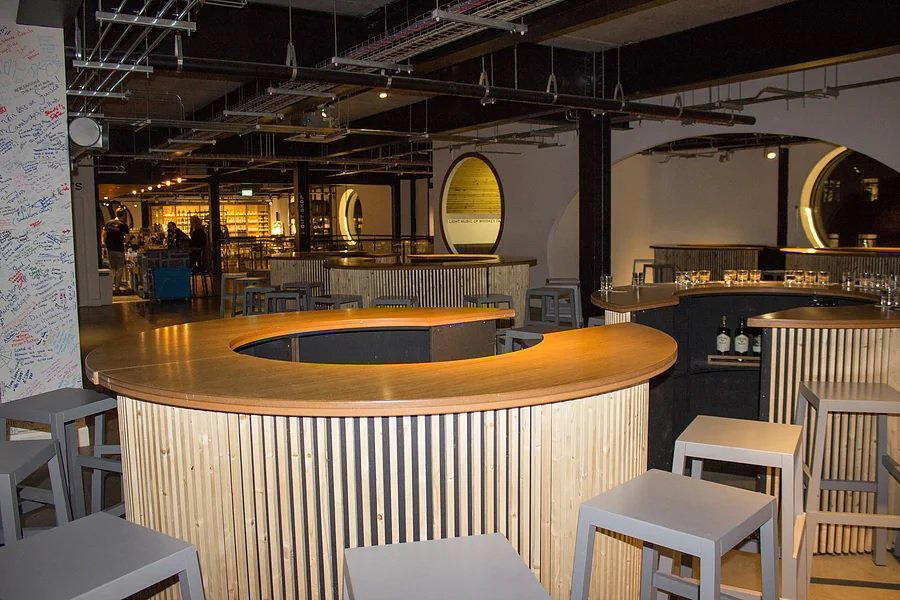
No-frills, clean pastel interior with a casual, tidy atmosphere.