Antiga Camponesa occupies a narrow address on Rua Marechal Saldanha in Lisbon's Chiado-adjacent streets, where traditional tavern formats have been quietly redefining themselves for a new generation of diners. The room carries the weight of a working tasca history while the kitchen operates with increasing precision, placing it in a tier of Lisbon dining that resists easy categorisation between heritage and contemporary.
Pearl is the En Primeur Club membership app — saves, bookings, and concierge access live there. Same editors, same standards.
- Address
- R. Mal. Saldanha 23 25, 1200-086 Lisboa, Portugal
- Phone
- +351213471515
- Directions
- Get directions
 Saves & bookings on Pearl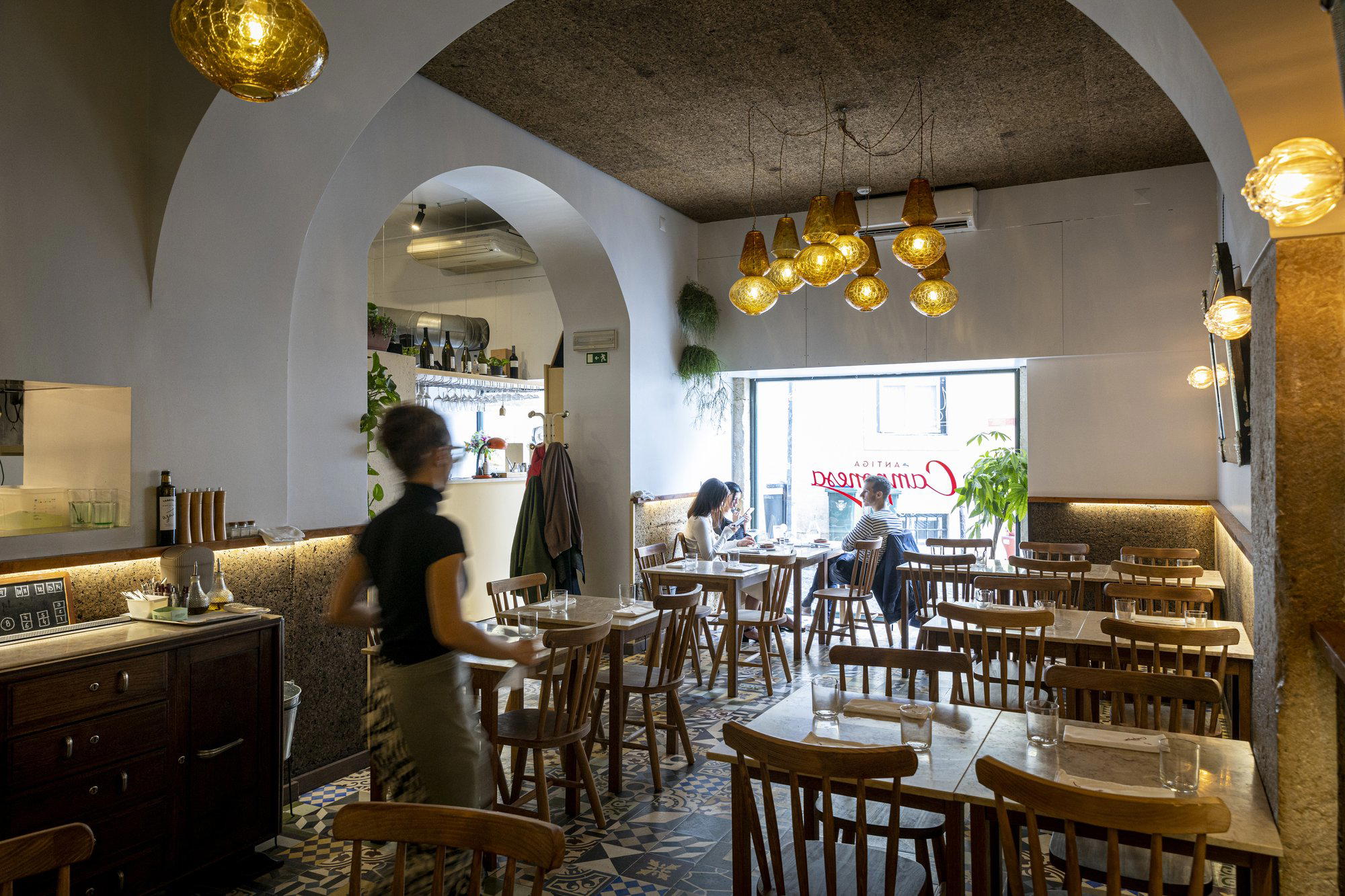
A Lisbon Tavern in the Middle of Its Own Reinvention
There is a particular type of Lisbon dining room that announces itself before you reach the door. The smell of braised meat, the sound of ceramic on tile, the flicker of a television in the corner that nobody is watching. Rua Marechal Saldanha sits in the fold between Chiado's design-conscious restaurant corridor and the quieter residential streets that still eat like it's 1987, and Antiga Camponesa has occupied that fold for long enough that regulars no longer notice the tension. But the tension is the point. Lisbon's most interesting dining moment right now is happening not at the high-concept tasting-menu addresses but in places like this, where a traditional format is being quietly renegotiated from the inside.
What the Room Tells You About the Format
The traditional Portuguese tasca is one of Europe's more durable dining formats, built around shared tables, wine by the half-litre, and a short daily menu dictated by market availability rather than branding. That format has been under pressure from two directions simultaneously: the Michelin-tier modernism represented by houses like Belcanto and CURA, and the Instagram-ready casualisation of Portuguese cuisine that turns salt cod and custard tarts into content rather than culture. Antiga Camponesa sits in neither camp. Its room reads as a place that has been used rather than designed, which in Lisbon's current dining context is increasingly rare and increasingly valued.
That worn-in quality is not nostalgia as aesthetic strategy. Across Lisbon, a generation of diners that grew up with tasting menus at Eleven and progressive Spanish technique at 50 Seconds from Martin Berasategui has started returning to the tasca format with different expectations: they want the informality but are less tolerant of inconsistency, they want the wine list to be short but not random, and they want the kitchen to know what it is doing with a piece of pork even when the dining room looks like it is barely trying. Places that can satisfy all three conditions are doing something genuinely difficult.
The Evolution from Neighbourhood Fixture to Considered Destination
The evolution of a place like Antiga Camponesa is not tracked in press releases. It accumulates in small decisions: a slightly sharper approach to sourcing, a wine list that starts reflecting the renewed interest in regional Portuguese producers, a kitchen that has learned which dishes the room actually wants rather than which dishes the menu has always included. Across Lisbon's older tasca stock, this kind of quiet professionalism is the dividing line between places that remain genuinely good and places that have simply remained open.
Portugal's broader dining evolution provides useful context here. The country's Michelin footprint has expanded significantly over the past decade, with starred addresses appearing well beyond Lisbon, from Vila Joya in Albufeira and Ocean in Porches in the Algarve to Casa de Chá da Boa Nova in Leça da Palmeira and Antiqvvm in Porto. That institutional recognition has raised the floor of what serious dining means in Portugal without necessarily changing what happens at street level. The tasca's survival as a format depends less on Michelin and more on whether the kitchens running them have absorbed the broader rise in expectation without abandoning the directness that made the format worthwhile in the first place.
Antiga Camponesa's address on Rua Marechal Saldanha, which falls in the postal district 1200-086, places it within walking distance of the city's more scrutinised dining corridor without being consumed by it. That geography is part of the operating logic: a room that feels like a neighbourhood proposition rather than a destination is free to perform at a different register, where the standard is not innovation but reliability, depth, and a kind of honesty about what Portuguese food actually tastes like when nobody is trying to reframe it.
How It Sits Against the Lisbon Field
Lisbon's fine dining tier, anchored by addresses with creative formats and significant investment in both kitchen and front-of-house, operates at a price point and a formality level that prices out a large portion of the city's own residents for regular use. The tasca tier, at its functional end, fills that gap but with variable results. Antiga Camponesa occupies the more interesting middle position: informal enough in presentation that it does not require the diner to perform, but considered enough in execution that it earns a place in the conversation about where Lisbon actually eats rather than where visitors are directed.
For comparison across Portugal's quality spectrum, The Yeatman in Vila Nova de Gaia and Fortaleza do Guincho in Cascais represent the country's premium hospitality register, where the setting and the cellar do as much work as the kitchen. Ó Balcão in Santarém and Al Sud in Lagos demonstrate that considered regional cooking is not a Lisbon monopoly. What Antiga Camponesa represents within its city is a format that has not abandoned its original purpose while raising the terms on which it operates.
Planning a Visit
Rua Marechal Saldanha 23-25 is reachable on foot from Chiado or the Bairro Alto, and the surrounding streets are dense enough with other options that a visit slots naturally into a longer evening rather than requiring architectural planning. Going directly to the address during off-peak hours, or consulting our full Lisbon restaurants guide for updated logistics, remains the most reliable approach. For those building a wider Portugal itinerary, the country's southern Algarve addresses, including Gusto by Heinz Beck in Almancil and Il Gallo d'Oro in Funchal, represent the formal-dining end of a spectrum that Antiga Camponesa anchors from the other direction.
Cuisine Lens
| Venue | Cuisine | Price | Awards |
|---|---|---|---|
| Antiga CamponesaThis venue — the venue you are viewing | This venue | Not listed | Not listed |
| Belcanto | Modern Portugese, Creative | €€€€ | Michelin 2 Star |
| CURA | Modern Portugese, Modern Cuisine | €€€€ | Michelin 1 Star |
| Eleven | Portugese, Creative | €€€€ | Michelin 1 Star |
| Feitoria | Modern Cuisine | €€€€ | Michelin 1 Star |
| Grenache | French Contemporary | €€€€ | Michelin 1 Star |
Continue exploring
More in Lisbon
Restaurants in Lisbon
Browse all →
Bars in Lisbon
Browse all →
Hotels in Lisbon
Browse all →

At a Glance
- Rustic
- Cozy
- Classic
- Date Night
- Historic Building
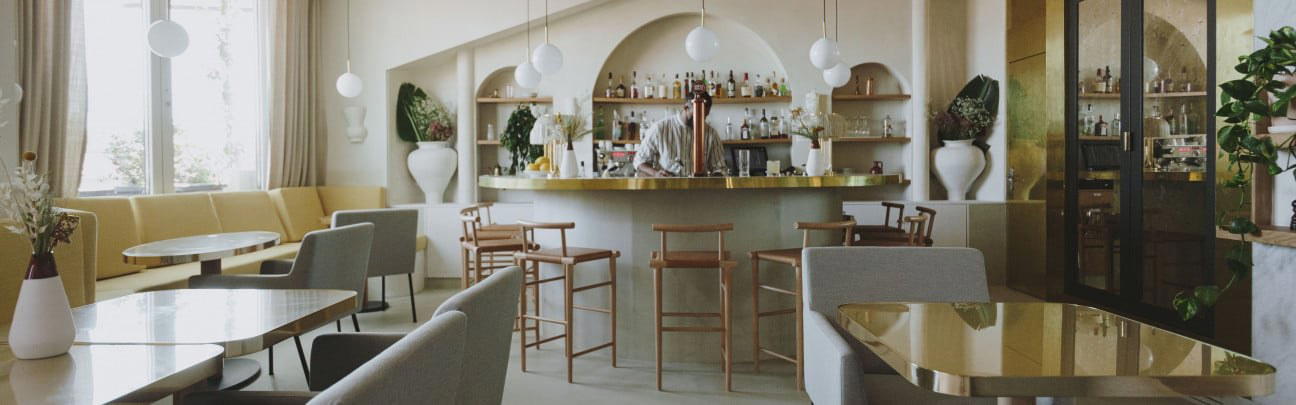
Cozy and authentic atmosphere in a small, traditional old Portuguese house setting with close table proximity.
Know Before You Go
- Getting there
- R. Mal. Saldanha 23 25, 1200-086 Lisboa, Portugal