Our verdict
Santo Antonio de Alfama sits in one of Lisbon's most storied fado neighbourhoods, where the genre's emotional register has shaped how restaurants here stage their most significant meals. The address carries the weight of Alfama's tradition — an appropriate backdrop for milestone occasions that call for something more considered than a standard dinner reservation.

Pearl is the En Primeur Club membership app — saves, bookings, and concierge access live there. Same editors, same standards.
- Address
- Lisbon, Portugal
- Directions
- Get directions
The menu
What to order
- Grilled octopus
- Bacalhau à Brás
- Chocolate fondant
Alfama as Context: Why the Neighbourhood Sets the Terms
Before any conversation about a specific table in Alfama, it helps to understand what the district does to the experience of eating there. Alfama is the oldest surviving quarter of Lisbon, a hillside labyrinth of whitewashed walls and tiled facades that descends toward the Tagus. It is where fado was codified as a genre, where the city's working-class identity was preserved through decades of political and economic turbulence, and where visitors who push past the tourist-facing tascas find restaurants operating with a different set of priorities than those on Avenida da Liberdade or in the polished dining rooms of Chiado. The mood here is less about formal ceremony and more about occasion in the older Portuguese sense: a table that marks something, a meal that functions as punctuation in a life.
That context matters enormously for Santo Antonio de Alfama. The restaurant shares its name with the neighbourhood's patron saint, whose festival each June transforms Alfama's steep alleys into something between a street party and a collective act of memory. Dining in this quarter during the Santo António celebrations in mid-June places any meal inside a specific cultural frame that restaurants in Príncipe Real or Bairro Alto simply cannot replicate. For visitors timing a Lisbon trip around an anniversary, a significant birthday, or a proposal, the calendar alone makes Alfama worth considering before any question of menu or price.
The Occasion Dining Frame in Lisbon's Restaurant Scene
Lisbon's higher-end restaurant tier has polarised sharply over the past decade. At one end sit the tasting-menu destinations with Michelin validation: Belcanto, CURA, and Eleven all operate in the €€€€ bracket, offering structured multi-course formats that suit milestone meals for diners who want the architecture of celebration built into the meal itself. At the other end, neighbourhood restaurants continue to anchor the kind of extended, unhurried lunches and dinners that mark occasions in Portuguese domestic culture: fewer courses on paper, longer in practice, with a different kind of emotional register.
Santo Antonio de Alfama sits inside Alfama's tradition rather than the Michelin tier, which places it in a different kind of occasion-dining conversation. Where 2Monkeys or 50 Seconds from Martin Berasategui orient the meal around technical progression, the kind of restaurant that Santo Antonio represents orients it around duration, wine, and the specific pleasure of eating in a room that has absorbed the sounds of fado through its walls for years.
For comparison, Portugal's destination restaurants outside Lisbon, including Vila Joya in Albufeira, Casa de Chá da Boa Nova in Leça da Palmeira, and The Yeatman in Vila Nova de Gaia, operate within resort or destination-hotel frameworks that frame the occasion for you. Alfama restaurants ask you to bring that frame yourself, which suits a particular kind of traveller.
What Alfama Restaurants Do With Traditional Portuguese Cooking
The cuisine tradition associated with Alfama is emphatically rooted. Bacalhau in its many preparations, petiscos built around seasonal vegetables and cured meats, and the kind of slow-braised dishes that require neither theatrical plating nor imported technique. Across the Algarve and the Alentejo, modern Portuguese cooking has moved toward creative reinterpretation: Ocean in Porches, Al Sud in Lagos, and Gusto by Heinz Beck in Almancil all work in registers that have little to do with what the Alfama tascas have always done.
In the Alfama tradition, the cooking operates closer to the Porto neighbourhood model, where restaurants like Antiqvvm and Il Gallo d'Oro in Funchal demonstrate that Portuguese gastronomy can hold formality and rootedness simultaneously. Santo Antonio de Alfama draws on the neighbourhood's inherited repertoire, which means dishes that owe more to the Atlantic larder and to Moorish culinary history than to contemporary European fine dining. That is not a limitation; it is the point.
Visitors accustomed to the kind of technically adventurous menus found at Le Bernardin in New York City or Lazy Bear in San Francisco will encounter a different value proposition here: the occasion is constructed through place and tradition rather than through kitchen innovation. For those marking a milestone, that is often exactly the right choice. You can also check Ó Balcão in Santarém and Fortaleza do Guincho in Cascais for other expressions of rooted Portuguese cooking in occasion-ready settings near Lisbon.
Planning a Visit: What the Neighbourhood Requires
Alfama rewards visitors who arrive on foot or by tram rather than by car; the streets are narrow and the address logic is compressed. The neighbourhood's most atmospheric window is late afternoon into evening, when the light drops behind the castle and the temperature falls enough for outdoor seating to feel comfortable rather than sweltering. June is the most significant month culturally, but it is also the most crowded: tables at restaurants associated with the Santo António festival period book weeks in advance, and the streets can be difficult to move through after 10pm. September and October offer a quieter version of the same neighbourhood character, with the summer crowds thinned and the light still strong enough for an outdoor aperitivo before dinner. Our full Lisbon restaurants guide covers seasonal timing across all of the city's major dining districts in more detail.
Frequently asked questions
at Santo Antonio de Alfama?
Should I book Santo Antonio de Alfama in advance?
What's the defining dish or idea at Santo Antonio de Alfama?
Can Santo Antonio de Alfama handle vegetarian requests?
Does Santo Antonio de Alfama justify its prices?
When is the ideal time to visit Santo Antonio de Alfama?
Is Santo Antonio de Alfama suitable for a private celebration or a group milestone dinner?
| Venue | Cuisine | Price | Awards | Notes |
|---|---|---|---|---|
| Santo Antonio de AlfamaThis venue — the venue you are viewing | Traditional Portuguese | $20–30 | Not listed | Not listed |
| Belcanto | Contemporary Portuguese Fine Dining | $200–300 | 2 Michelin Stars · World's 50 Best #42 | Modern Portugese, Creative |
| CURA | Modern Portuguese Fine Dining | $150–200 | 1 Michelin Star · La Liste Top Restaurants | Modern Portugese, Modern Cuisine |
| Eleven | Sophisticated Modern Mediterranean | $150–200 | 1 Michelin Star · Falstaff Restaurant - 93 Falstaff Points | Portugese, Creative |
| Feitoria | Modern Portuguese Fine Dining | $50–100 | 1 Michelin Star · La Liste Top Restaurants | Modern Cuisine |
| Grenache | Contemporary French Fine Dining | $150–200 | 1 Michelin Star | French Contemporary |
Continue exploring
More in Lisbon
Restaurants in Lisbon
Browse all →
Bars in Lisbon
Browse all →

Hotels in Lisbon
Browse all →

Details
- Romantic
- Cozy
- Intimate
- Date Night
- Special Occasion
- Terrace
- Historic Building
- Street Scene
- A La Carte
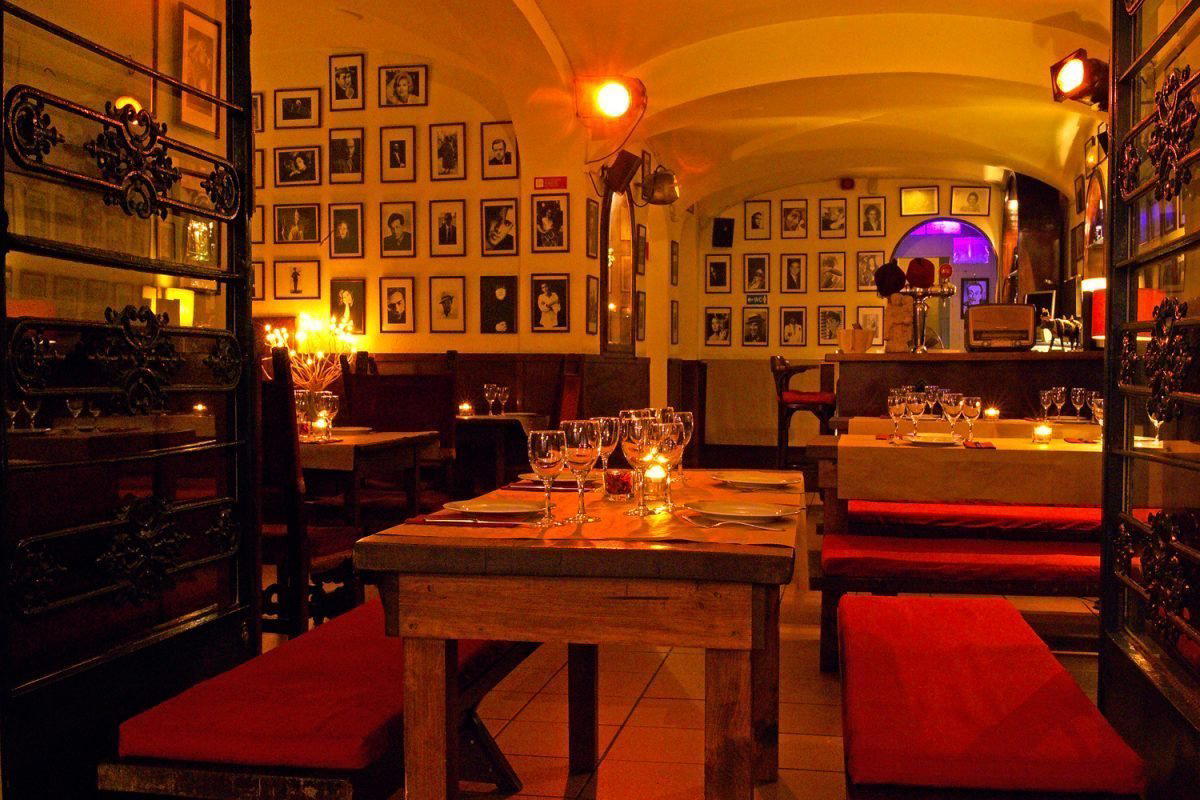
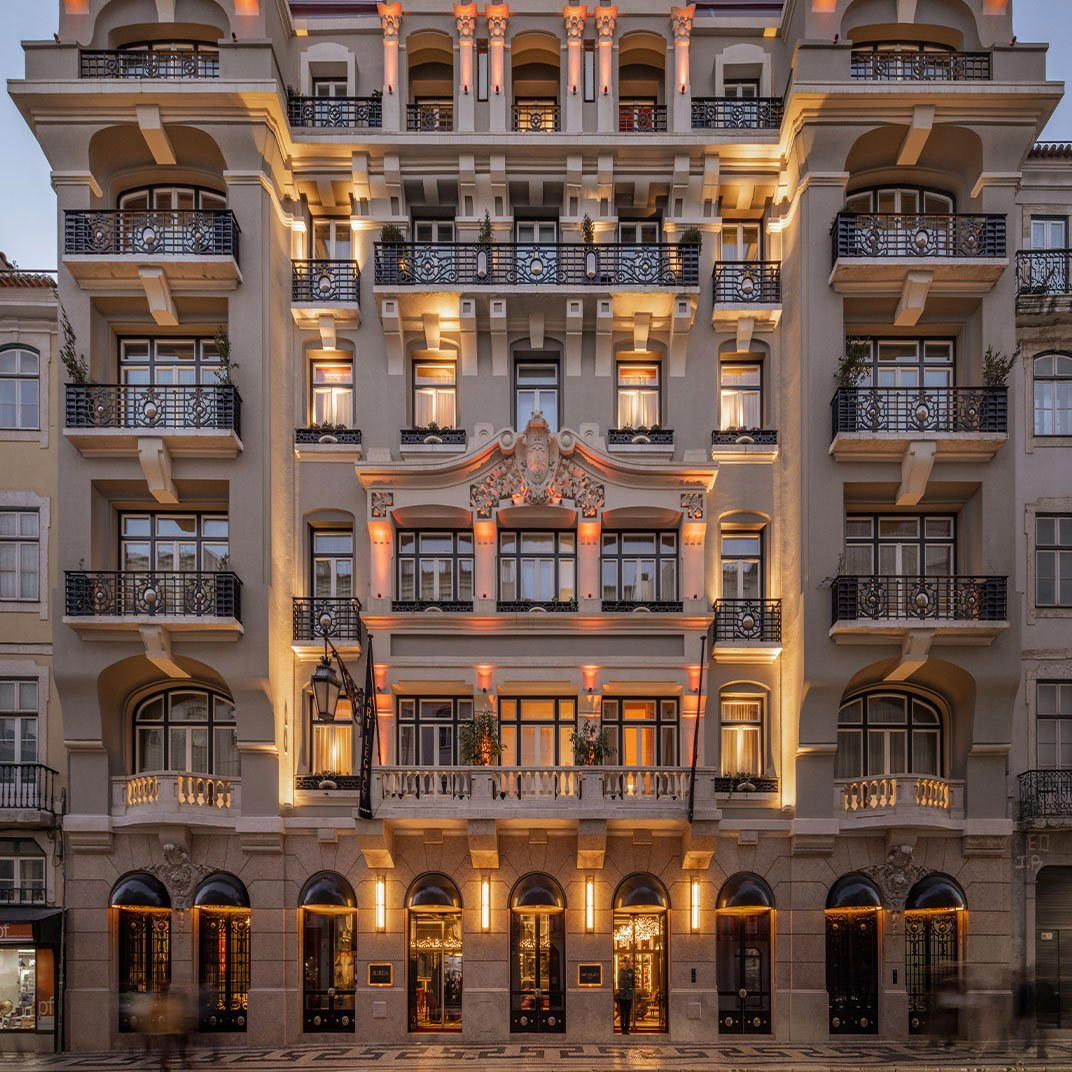
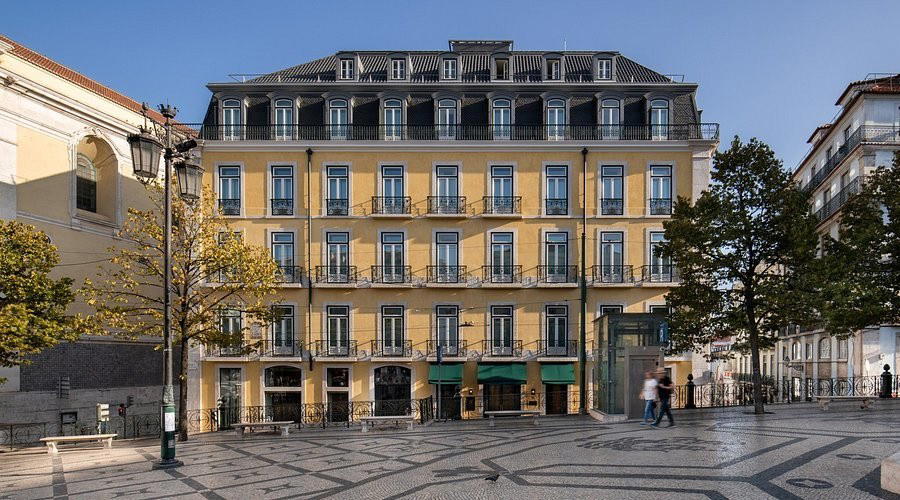
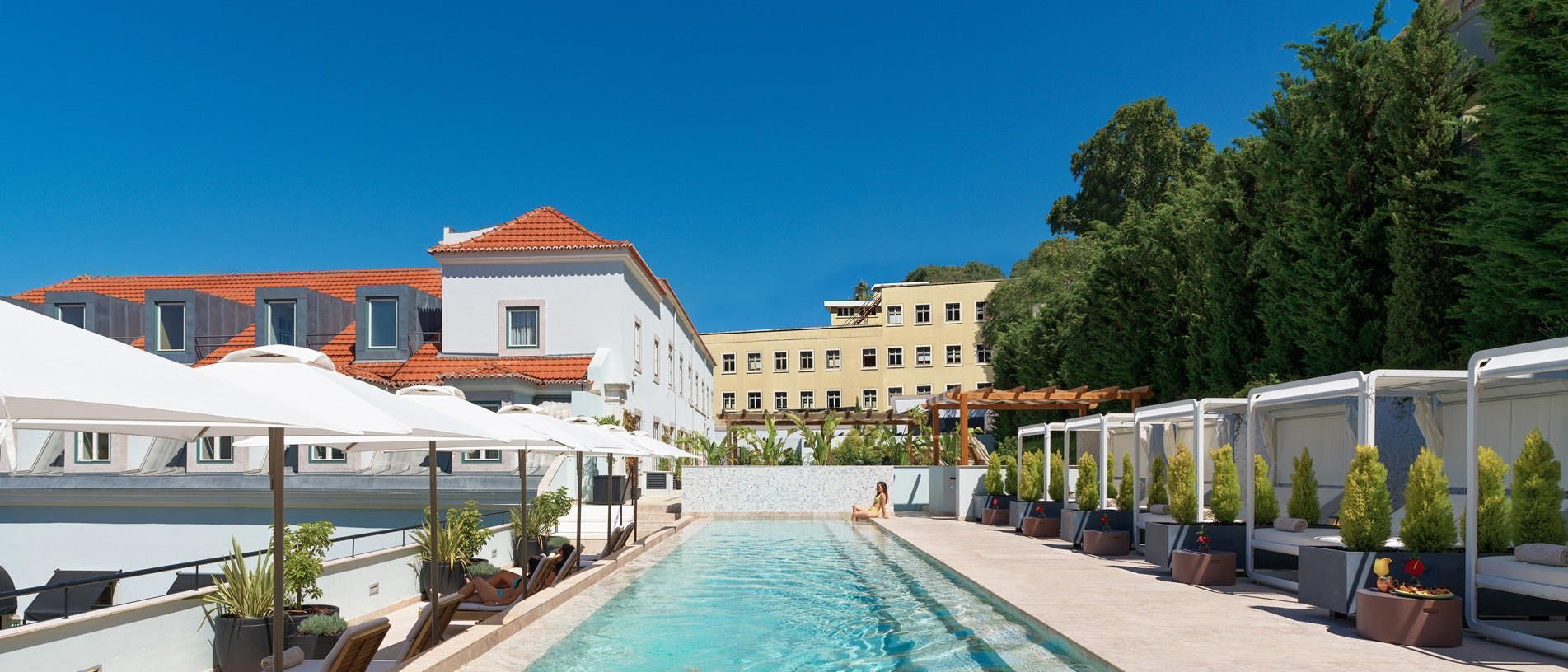
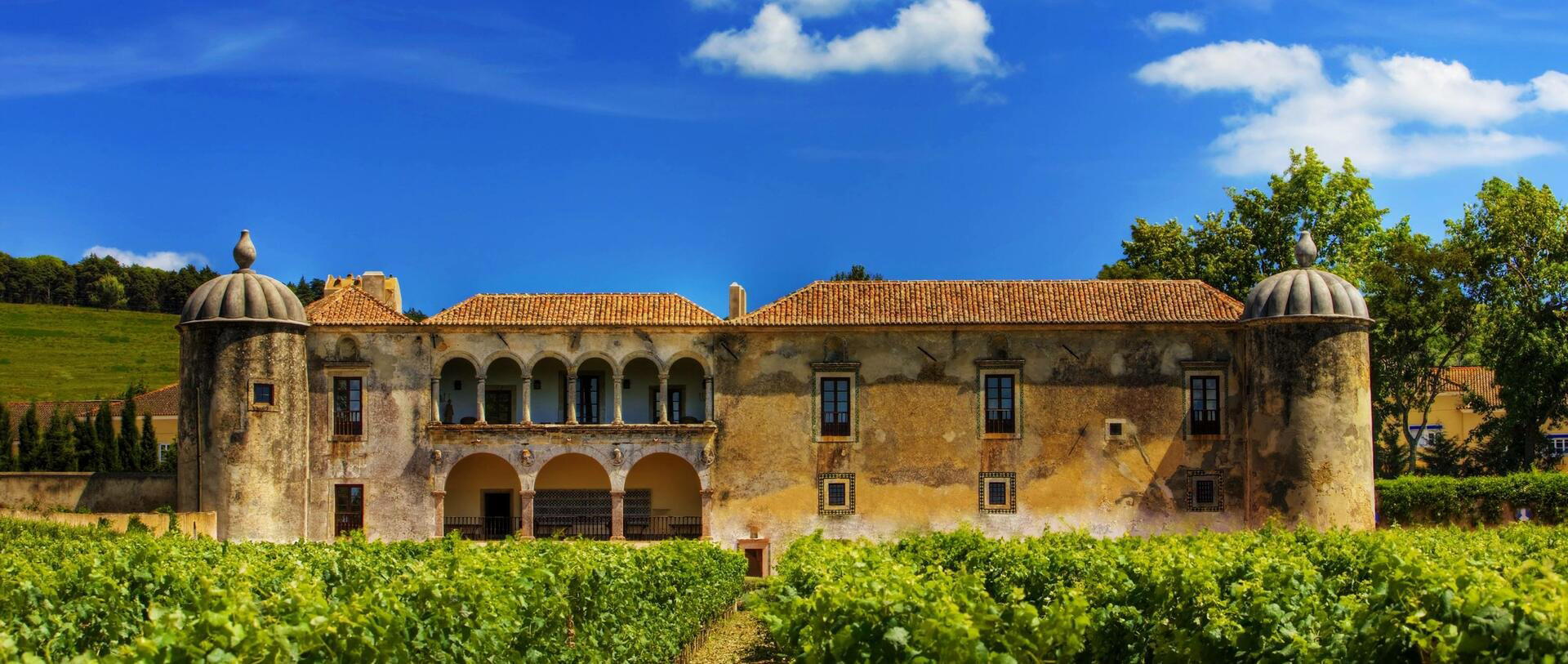
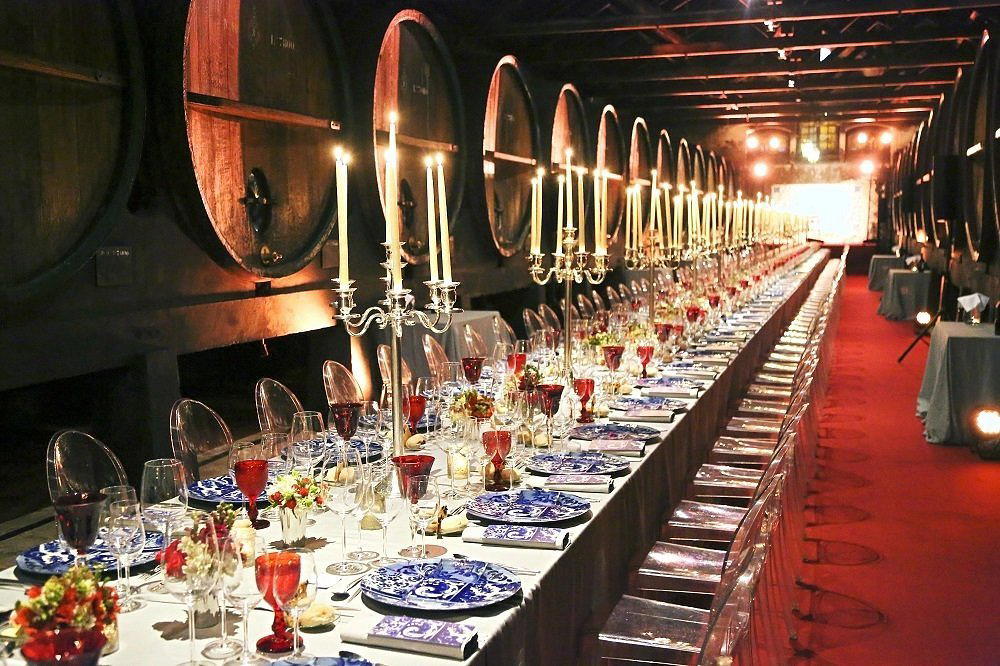
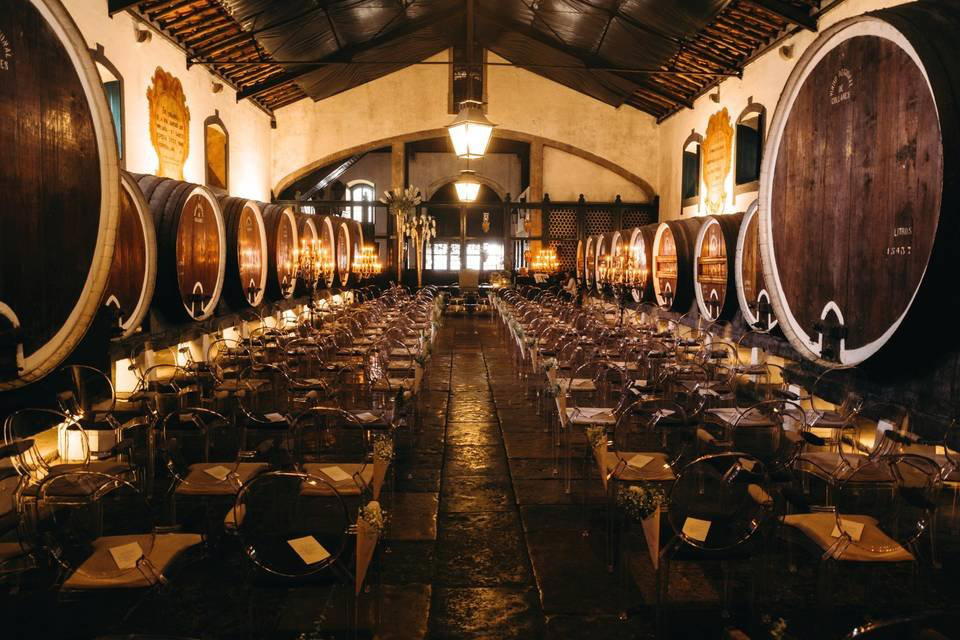
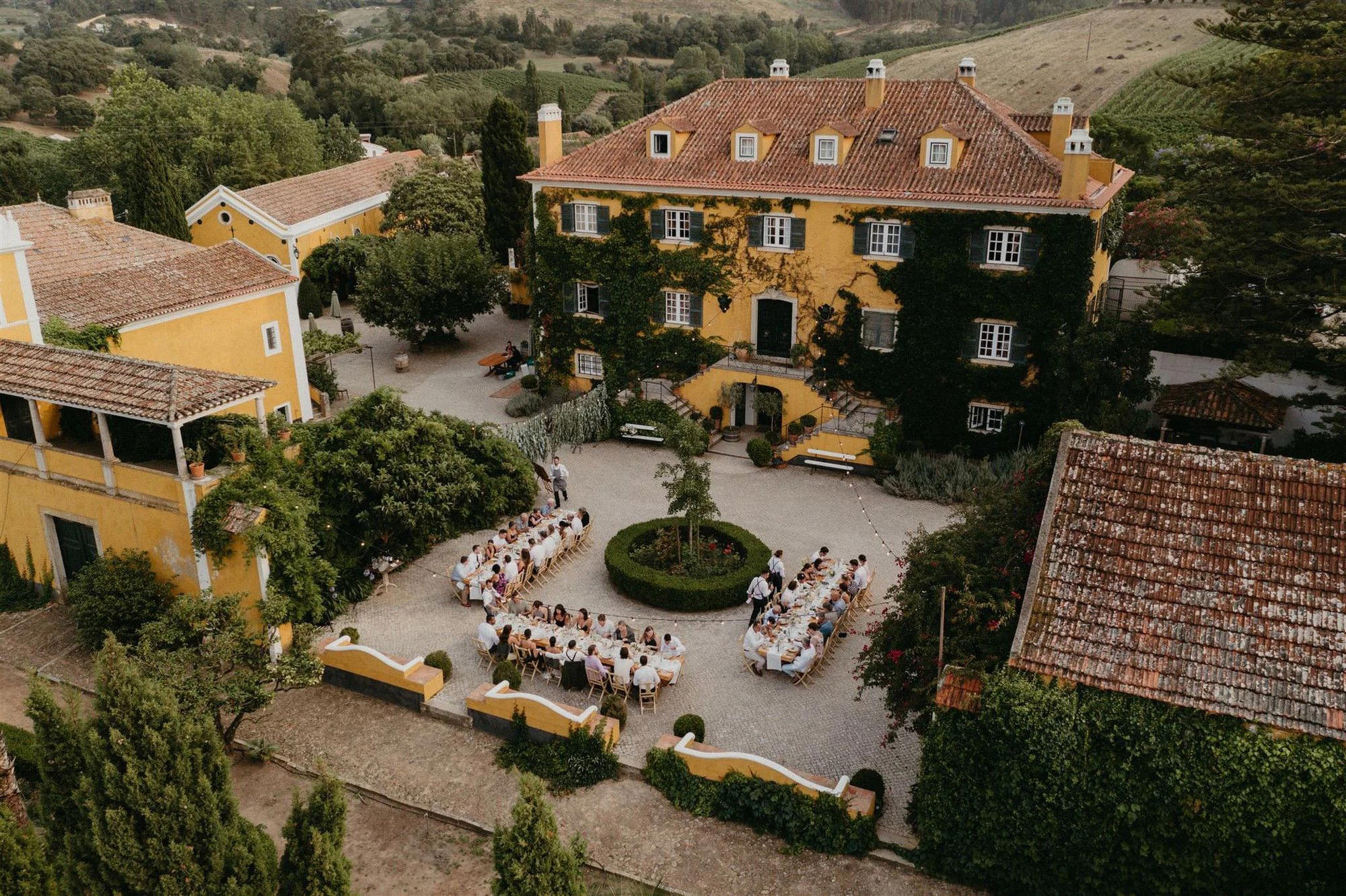
Cozy and beautifully decorated with a romantic courtyard setting, featuring walls adorned with black and white photos of famous actors.