Tasca da Esquina occupies a quiet corner of Lisbon's Campo de Ourique neighbourhood, where the traditions of the Portuguese tasca format meet a more considered approach to sourcing and seasonal cooking. The address on Rua Domingos Sequeira places it firmly in a residential quarter that rewards those willing to move beyond the tourist corridors of Alfama and Baixa.
Pearl is the En Primeur Club membership app — saves, bookings, and concierge access live there. Same editors, same standards.
- Address
- R. Domingos Sequeira 41C, 1350-119 Lisboa, Portugal
- Phone
- +351 919 837 255
- Website
- tascadaesquina.com
- Directions
- Get directions
 Saves & bookings on Pearl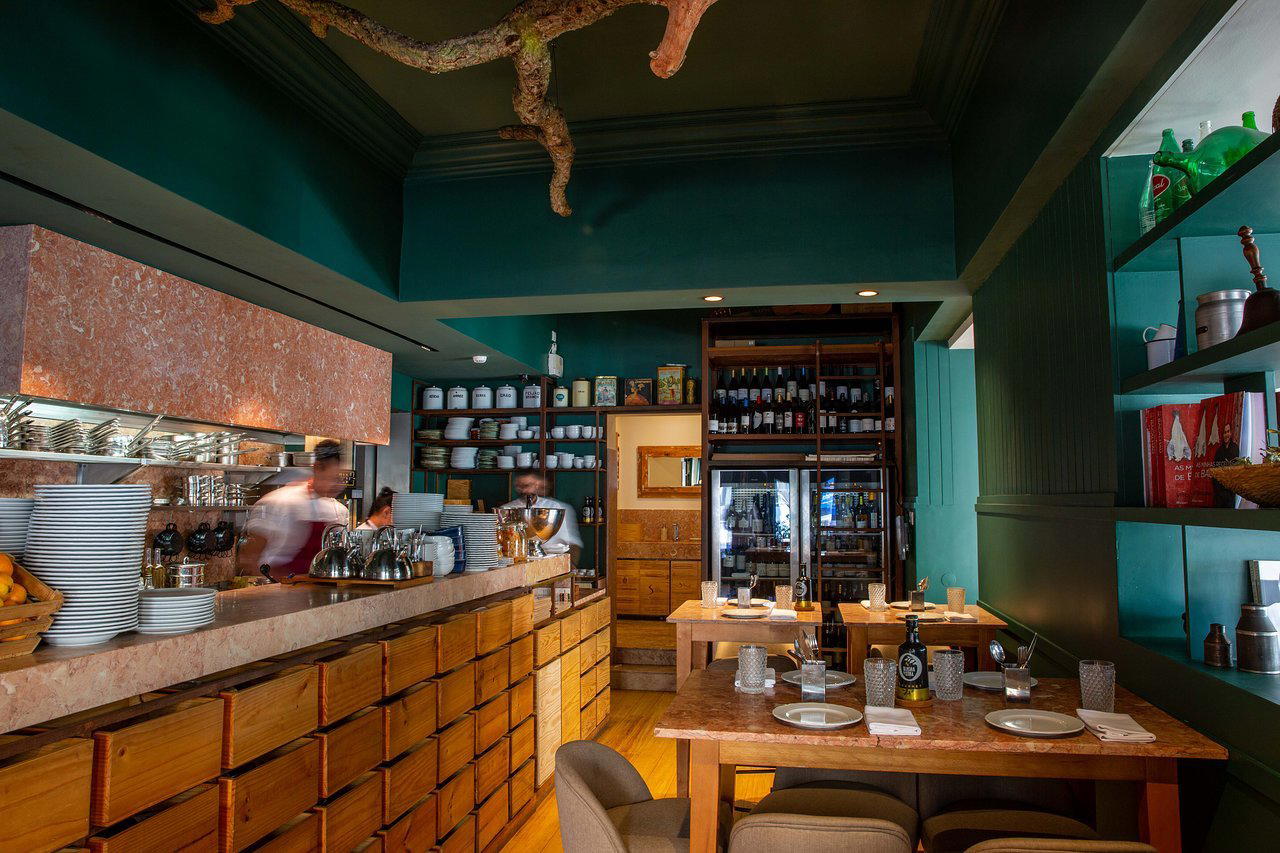
A Corner of Campo de Ourique Worth Finding
Rua Domingos Sequeira sits in Campo de Ourique, one of Lisbon's most genuinely local residential districts. The neighbourhood has none of the postcard pressure of Alfama or the after-dark density of Cais do Sodré. Its grid of tiled apartment blocks, local mercearias, and corner cafés operates on its own rhythm, and it is precisely this kind of setting that has historically incubated some of Lisbon's more purposeful neighbourhood restaurants. Tasca da Esquina, at number 41C, occupies the kind of corner address the tasca format was built for: small-scale, embedded in its surroundings, and oriented toward the people who actually live nearby rather than those passing through.
That physical positioning matters when you consider how Lisbon's mid-tier dining scene has reorganised itself over the past decade. On one side, you have the city's flagship tasting-menu addresses, Belcanto, CURA, and Eleven, all operating at the €€€€ tier with multi-course formats and extended kitchens. On the other, a layer of neighbourhood-rooted addresses has held a different brief: shorter menus, tighter sourcing relationships, and a format that prioritises repeat custom over destination traffic. Tasca da Esquina belongs to that second category.
The Tasca Format and What It Demands
The tasca is a distinctly Portuguese dining format, somewhere between a French bistro and a Spanish taberna, but shaped by its own set of expectations. Modest interiors, a short menu that changes with supply and season, wine by the carafe, and dishes rooted in the logic of the Portuguese kitchen: bacalhau, seasonal vegetables, offal treated with respect, and fish that reflects what the Atlantic actually offers week to week rather than what a static menu requires. The leading tascas are not nostalgic exercises. They function as working expressions of a cuisine that values economy, technique, and repetition over novelty.
What distinguishes the better contemporary tascas from their predecessors is an increased attention to where ingredients come from. Across Lisbon, a cohort of restaurants at this scale has begun building direct relationships with smallholders in the Alentejo and Ribatejo, with fishermen working specific harbours, and with producers who operate outside the commodity supply chain. This sourcing orientation is not a branding decision; it is a practical response to what sustainability-minded cooking actually requires at the neighbourhood scale, where margins are thinner and the cost of waste is felt immediately.
Sustainability as Operational Logic, Not Aesthetic
In Lisbon's current dining conversation, sustainability functions differently at the neighbourhood tasca level than it does at the destination restaurant tier. At addresses like 50 Seconds from Martin Berasategui or the multi-Michelin houses elsewhere in Portugal, Vila Joya in Albufeira, Casa de Chá da Boa Nova in Leça da Palmeira, or Ocean in Porches, sustainability arguments are often embedded in the larger framework of fine-dining ambition, where a dedicated foraging programme or a zero-waste pastry section becomes part of the conceptual identity.
At the tasca scale, the logic operates differently. A short, rotating menu is inherently less wasteful than a large static one. Buying from local or regional producers reduces transport and supports supply chains with lower environmental overhead. Cooking offal and secondary cuts, which has always been central to the Portuguese kitchen, is, by definition, a form of whole-animal practice. These are not additions to a sustainability programme; they are the structural features of a format that predates modern environmental discourse by decades. The contemporary tasca, when it functions well, is sustainable by design rather than by declaration.
This is the broader context worth understanding when you consider what Tasca da Esquina represents within its neighbourhood. Campo de Ourique is not a tourist district. Its restaurants serve locals who eat out regularly and hold the kitchen to a standard of consistency and value. That audience is, in practice, a more rigorous test of sustainable sourcing than a one-off destination diner, because they return weekly and will notice when quality slips or when the menu stops responding to season.
Where It Sits in the Lisbon Picture
Lisbon's dining tier has become more stratified in recent years. At the leading, a small group of creative addresses compete for international attention and award recognition. 2Monkeys represents one strain of that creative energy. Elsewhere in Portugal, addresses like Antiqvvm in Porto, The Yeatman in Vila Nova de Gaia, Fortaleza do Guincho in Cascais, Il Gallo d'Oro in Funchal, and Gusto by Heinz Beck in Almancil hold the fine-dining brief at the regional level. Even further afield, the comparison set for that kind of ambition extends to addresses like Le Bernardin in New York City or Lazy Bear in San Francisco.
The restaurant does not compete in that register. It occupies a different role: a neighbourhood address that makes a specific argument about what Portuguese cooking looks like when it is rooted in place, shaped by seasonal supply, and free from the pressure to perform for a destination audience. That is a quieter argument, but not a lesser one. Readers looking for a fuller map of the city's options should consult our full Lisbon restaurants guide, which covers the range from neighbourhood-level addresses to the flagship tasting-menu tier. For a regional south reference point at a different scale, Ó Balcão in Santarém and Al Sud in Lagos are worth understanding as comparative positions.
Planning Your Visit
The restaurant is located at Rua Domingos Sequeira 41C in Campo de Ourique, reachable on foot from the tram lines that connect the district to Estrela and Príncipe Real. Campo de Ourique is a neighbourhood best approached without a tight schedule; the residential pace rewards lingering. As with most Lisbon tascas operating at this scale, the practical advice is to book ahead rather than assume availability, particularly for Thursday through Saturday evenings when the local clientele fills the room. Lunchtime on weekdays tends to offer more flexibility. The restaurant is recommended for reservations, and it is open daily from 12:30 to 3 PM and 7 to 10:30 PM.
Cuisine Context
Comparable venues nearby, for context on price, style, and recognition.
| Venue | Cuisine | Price | Notes |
|---|---|---|---|
| Tasca da EsquinaThis venue — the venue you are viewing | Modern Portuguese Petiscos | $$ | Not listed |
| Taberna Sal Grosso | Modern Portuguese Petiscos | $$ | Santa Apolonia |
| Coelho da Rocha | Traditional Portuguese | $$ | Campo de Ourique |
| Miguel Castro e Silva | Portuguese Seafood Classics | $$ | Chiado |
| Santelmo | Authentic Portuguese Seafood | $$ | Bairro Alto |
| Canto da Atalaia | Traditional Portuguese with Fado | $$ | Chiado |
Continue exploring
More in Lisbon
Restaurants in Lisbon
Browse all →
Bars in Lisbon
Browse all →
Hotels in Lisbon
Browse all →
At a Glance
- Cozy
- Rustic
- Intimate
- Trendy
- Date Night
- Special Occasion
- Casual Hangout
- Open Kitchen
- Extensive Wine List
Current opening hours
- Monday
- 12:30–3 PM, 7–10:30 PM
- Tuesday
- 12:30–3 PM, 7–10:30 PM
- Wednesday
- 12:30–3 PM, 7–10:30 PM
- Thursday
- 12:30–3 PM, 7–10:30 PM
- Friday
- 12:30–3 PM, 7–10:30 PM
- Saturday
- 12:30–3 PM, 7–10:30 PM
- Sunday
- 12:30–3 PM, 7–10:30 PM
Hours can change for holidays and private events. Last verified .
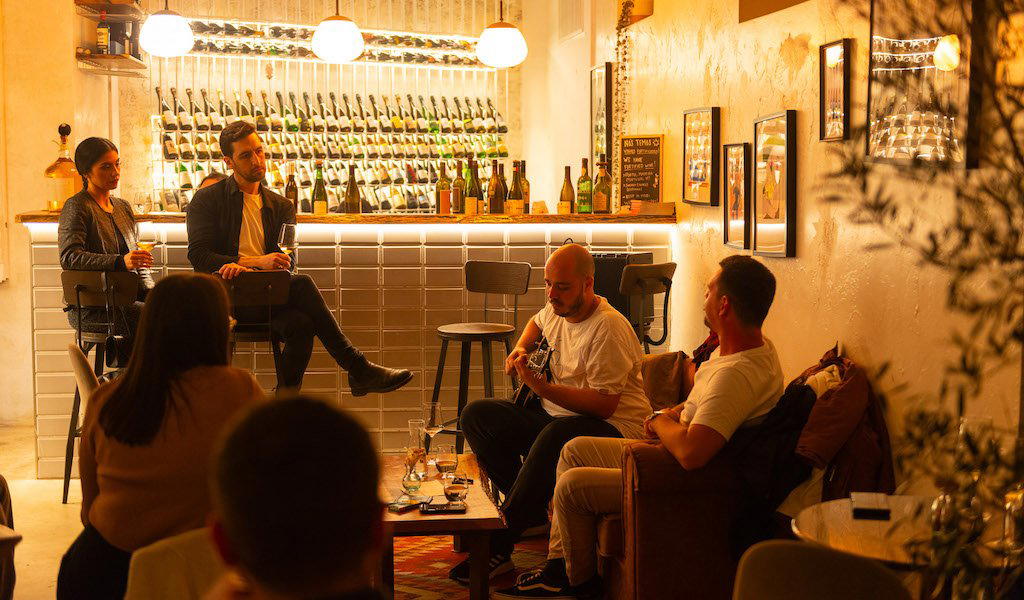
Cozy corner tasca atmosphere with a fresh, sparkling modern twist on traditional Portuguese taverns, fostering sharing and conviviality.