On a narrow Bairro Alto street that predates most of Lisbon's tourist infrastructure, Canto da Atalaia occupies the kind of address that rewards neighbourhood familiarity over guidebook planning. The room is small, the cooking draws from Portuguese tradition, and the atmosphere runs closer to a lived-in local taverna than a polished dining room. It sits well below the city's Michelin tier but competes on character and honesty of cooking.
Pearl is the En Primeur Club membership app — saves, bookings, and concierge access live there. Same editors, same standards.
- Address
- R. da Atalaia 13, 1200-036 Lisboa, Portugal
- Phone
- +351213461928
- Website
- cantodaatalaia.pt
- Directions
- Get directions
 Saves & bookings on Pearl
A Street That Sets the Tone
Rua da Atalaia cuts through the lower slopes of Bairro Alto before the neighbourhood's evening noise has fully peaked. The buildings press close on both sides, the cobblestones slope unevenly, and the light at dusk arrives at an angle that makes the whole street look like something from an earlier century. Canto da Atalaia sits at number 13, a modest frontage that gives little away from the outside. This is characteristic of the district: Bairro Alto has long operated on the principle that the leading places announce themselves quietly, if at all.
The physical experience of arriving here is worth attending to before anything on the plate. The scale is domestic rather than institutional. The room is the kind of space where the ambient sound of other diners carries more than piped music, and where the distance between tables means conversations overlap in the way they do in neighbourhood restaurants across southern Europe. That texture, the accidental sociability of a small room with high occupancy, is one of the things that distinguishes Lisbon's taverna tier from its more formal competition.
Where Canto da Atalaia Sits in the Lisbon Dining Picture
Lisbon's restaurant scene has bifurcated sharply in the past decade. At the leading, a cluster of tasting-menu houses operates in the €€€€ bracket: Belcanto with two Michelin stars and a modern Portuguese framework, CURA with its own starred recognition, and Eleven and 2Monkeys representing the creative end of the spectrum. Further afield, Portugal's fine dining network extends to Vila Joya in Albufeira, Casa de Chá da Boa Nova in Leça da Palmeira, The Yeatman in Vila Nova de Gaia, Ocean in Porches, Antiqvvm in Porto, Il Gallo d'Oro in Funchal, Fortaleza do Guincho in Cascais, Gusto by Heinz Beck in Almancil, Al Sud in Lagos, and Ó Balcão in Santarém.
Canto da Atalaia does not operate in that tier, and that distinction matters. Portugal has a long tradition of the tasca, the neighbourhood eating house that functions as a social institution rather than a dining destination. These places are typically characterised by short menus, reliable execution of traditional dishes, wine lists weighted toward regional producers, and pricing that reflects the local economy rather than tourist demand. Rua da Atalaia has historically housed several establishments in this category, and Canto da Atalaia fits that lineage. Its competitive set is other Bairro Alto neighbourhood restaurants, not the tasting-menu circuit.
For international context, the dynamic is not unlike the tension between neighbourhood bistros and destination restaurants in Paris, or between the trattoria tier and the three-Michelin-star tier in Rome. Cities with genuine culinary depth always have both, and the lower tier is frequently where the more honest cooking happens. Lisbon is no different. Our full Lisbon restaurants guide covers the spread from tasca to tasting menu.
The Character of Bairro Alto as a Dining District
Bairro Alto's identity as a nightlife district has sometimes obscured its role as a serious eating neighbourhood. The streets around Rua da Atalaia, Rua do Diário de Notícias, and Rua da Rosa contain a density of small restaurants, many of them operating for decades before the current wave of international attention arrived. The neighbourhood's grid of narrow streets, most of them too steep or too tight for delivery traffic to flow easily, has preserved a certain resistance to rapid turnover. Places that survive here tend to do so because the local and near-local audience keeps returning, not because passing tourists sustain the revenue.
That dynamic shapes what you encounter inside Canto da Atalaia. The atmosphere is set partly by the room's physical compactness and partly by the clientele mix, which in Bairro Alto tends to include a higher proportion of Lisbon residents than you might find in comparable spots in Alfama or Baixa, where visitor traffic is heavier. Arriving before 8pm typically means a quieter room; by 9pm the district's characteristic energy has usually arrived.
What to Expect from the Experience
The sensory register of a Bairro Alto tasca is specific enough to be worth describing: the smell of olive oil and garlic that arrives before any food, the sound of ceramic on tile, the warmth of a small room that heats quickly once full. Canto da Atalaia on Rua da Atalaia operates within that register. The address places it on one of the quieter streets in the district, away from the heavier bar traffic on Rua do Norte and Rua da Barroca, which means the ambient noise level outside is lower than in some neighbouring spots.
Portuguese taverna cooking at this level tends to follow a logic of restraint: good raw ingredients, preparation that does not overcomplicate, and portions sized for genuine appetite rather than aesthetic presentation. Bacalhau in its many forms, grilled fish, slow-cooked meat dishes, and seasonal vegetable sides are the building blocks. Wine by the carafe, drawn from regional producers, is standard at this price point. These are not venues where the wine programme is a primary editorial subject; they are venues where the wine exists in functional, satisfying relationship with the food.
For readers who have experienced comparable formats elsewhere, the reference points are informal: the equivalent of a well-run neighbourhood taverna in Porto's Cedofeita district, or the kind of place in Lisbon's Mouraria that the neighbourhood eats in rather than visits. Internationally, the format shares DNA with the kind of serious-but-unfussy cooking you might find at Lazy Bear in San Francisco at the community-table and shared-experience level, though the culinary registers are entirely different, or the no-ceremony directness that Le Bernardin in New York City and 50 Seconds from Martin Berasategui in Lisbon represent at a completely different price and formality tier.
Know Before You Go
- Address: R. da Atalaia 13, 1200-036 Lisboa, Portugal
- Neighbourhood: Bairro Alto, accessible on foot from Chiado and the upper city
- Booking: No booking information currently listed; for a small Bairro Alto taverna, arriving early in the evening service is generally the most reliable approach
- Price tier: Below the city's tasting-menu bracket; in line with neighbourhood taverna pricing
- Awards: No formal awards on record
- Contact: No phone or website listed in current data; check on-the-ground or via map search for current hours
Continue exploring
More in Lisbon
Restaurants in Lisbon
Browse all →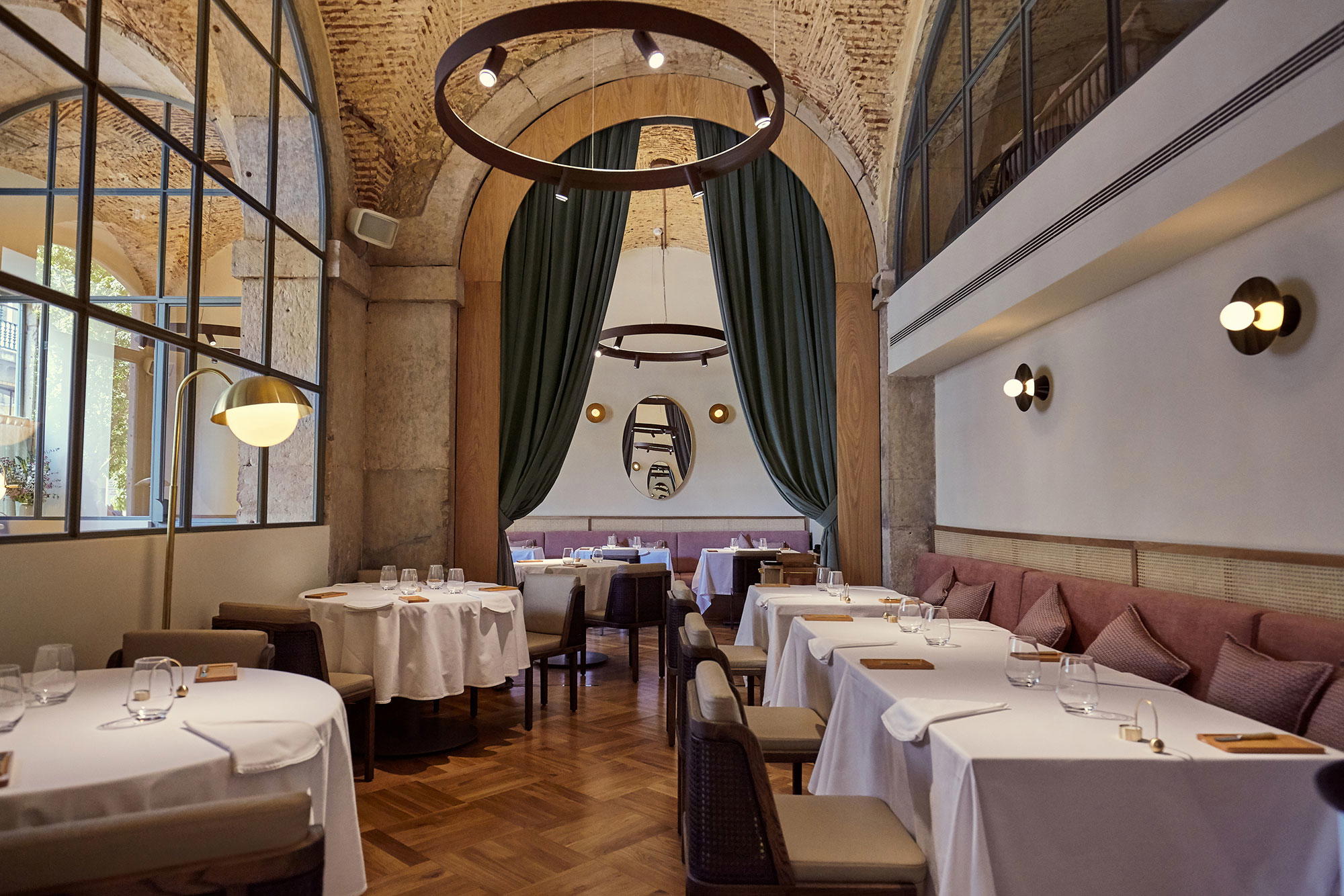
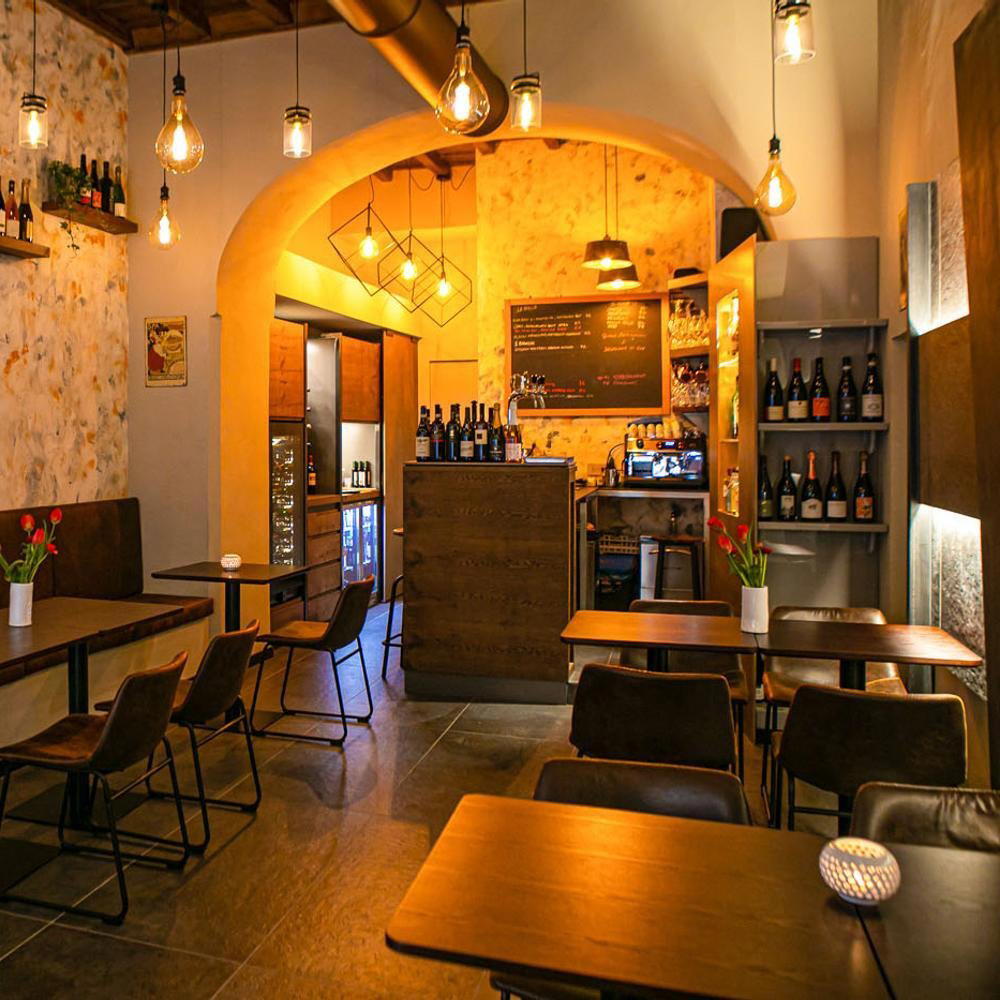
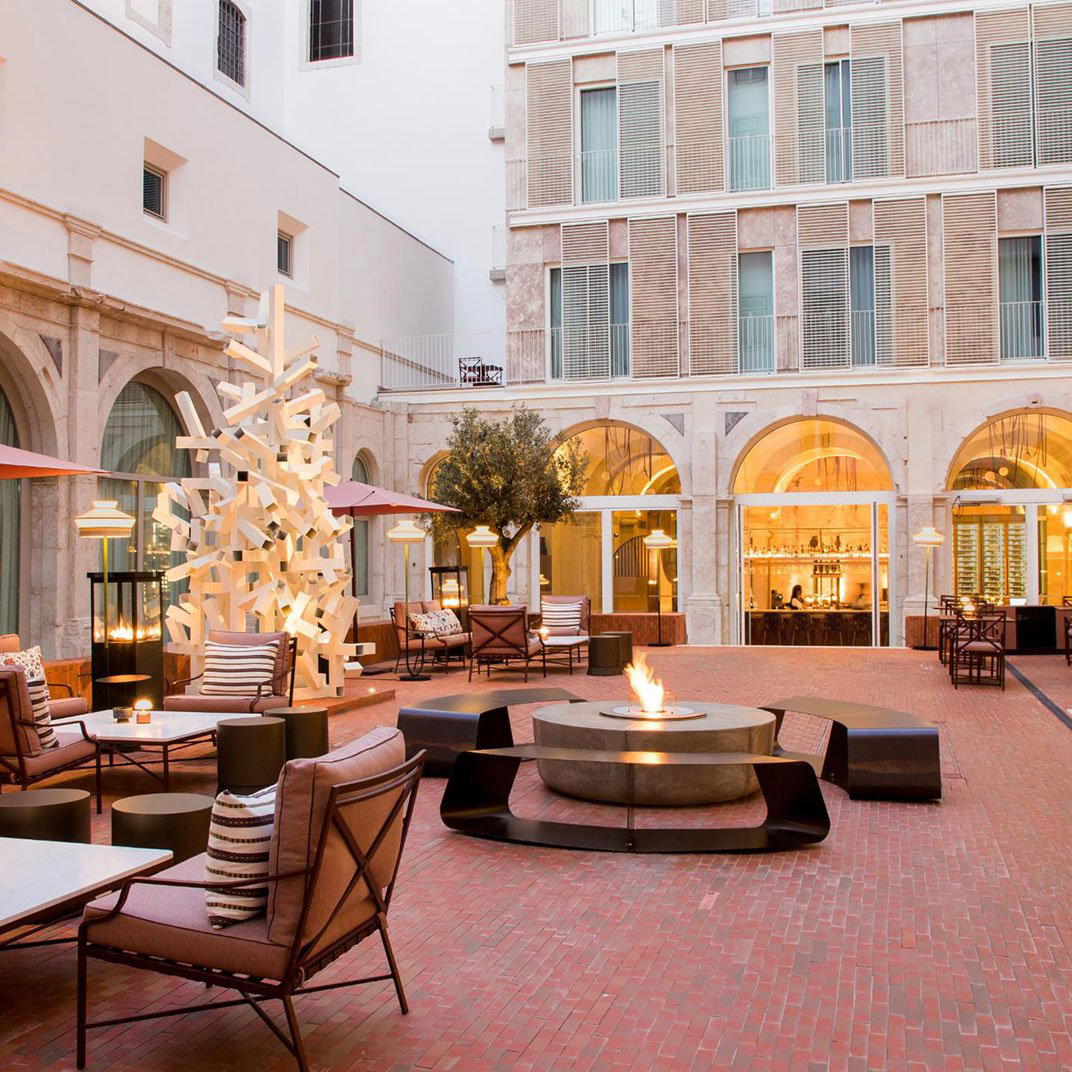
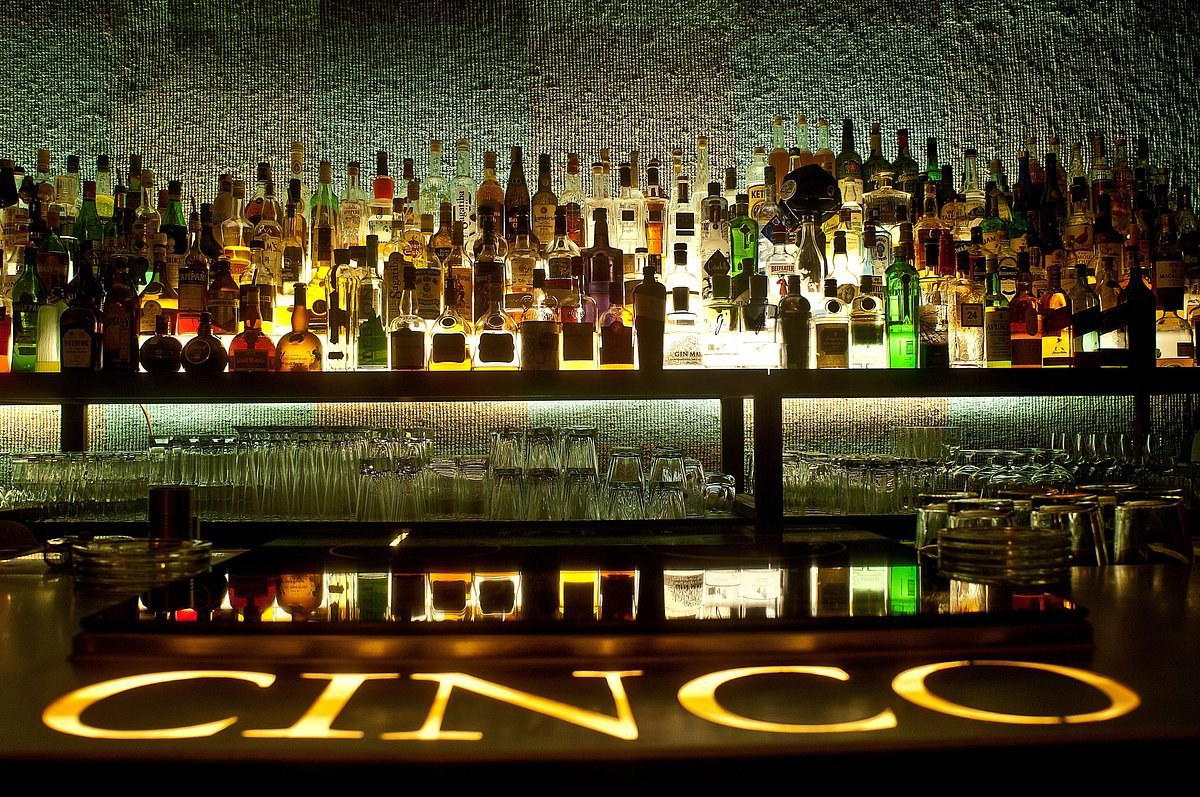
Bars in Lisbon
Browse all →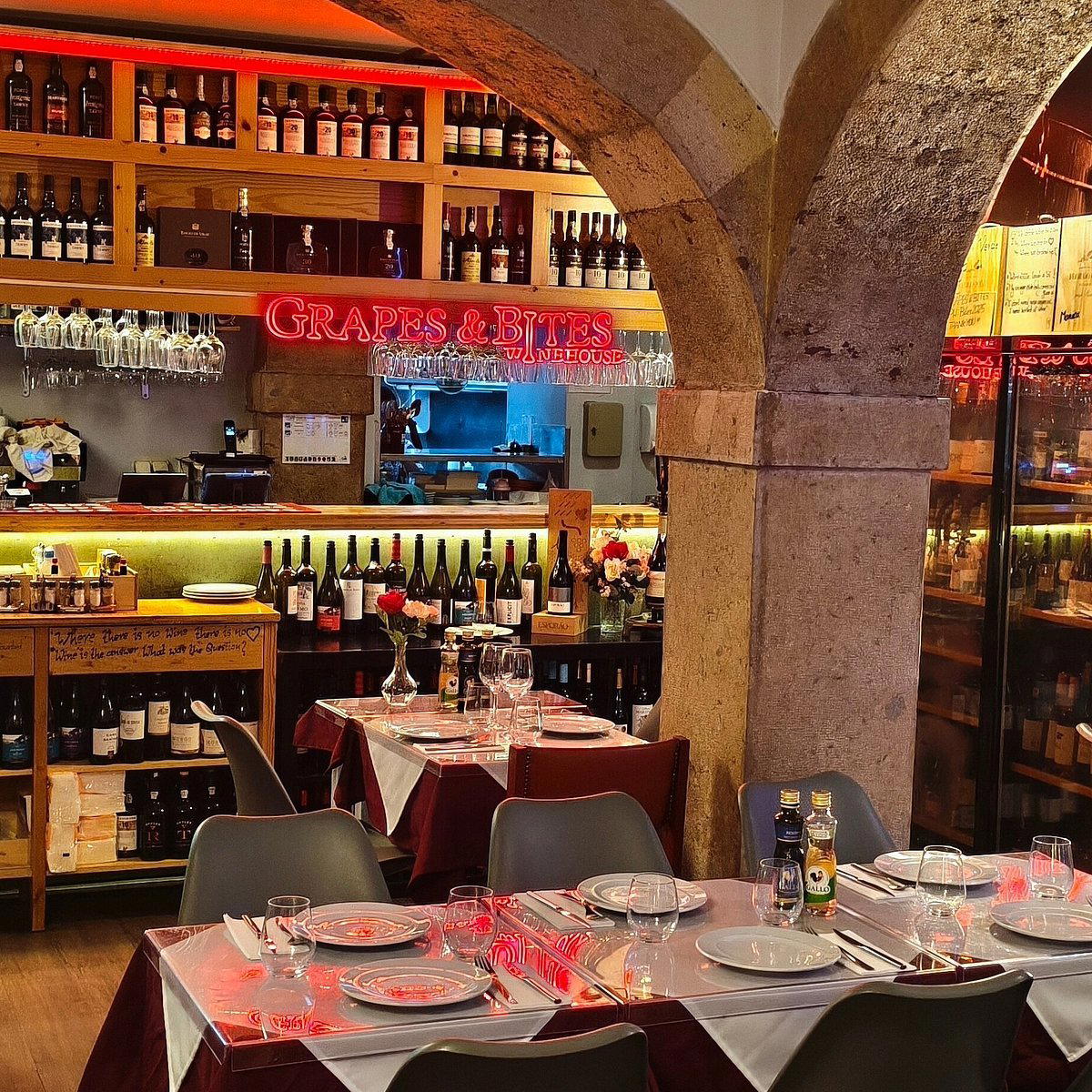
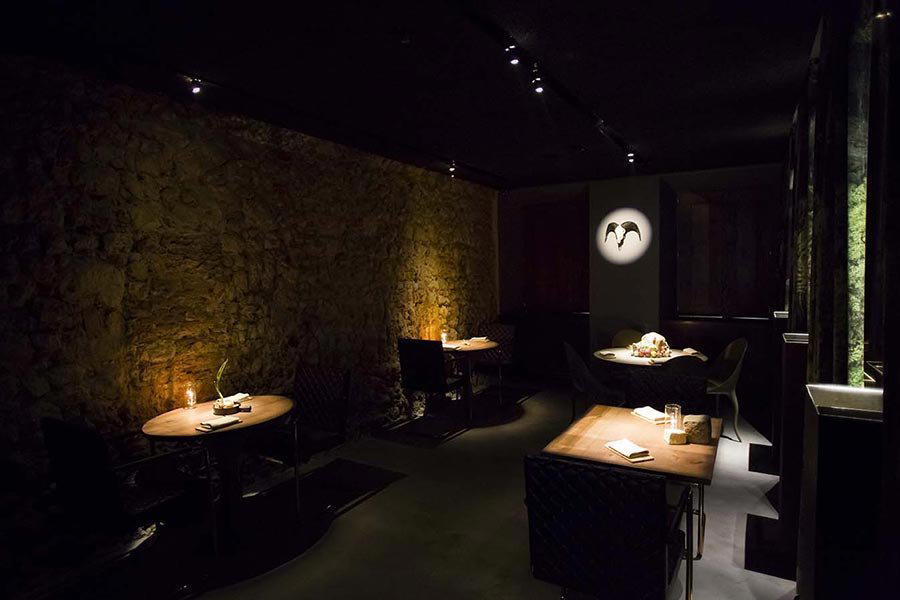
Hotels in Lisbon
Browse all →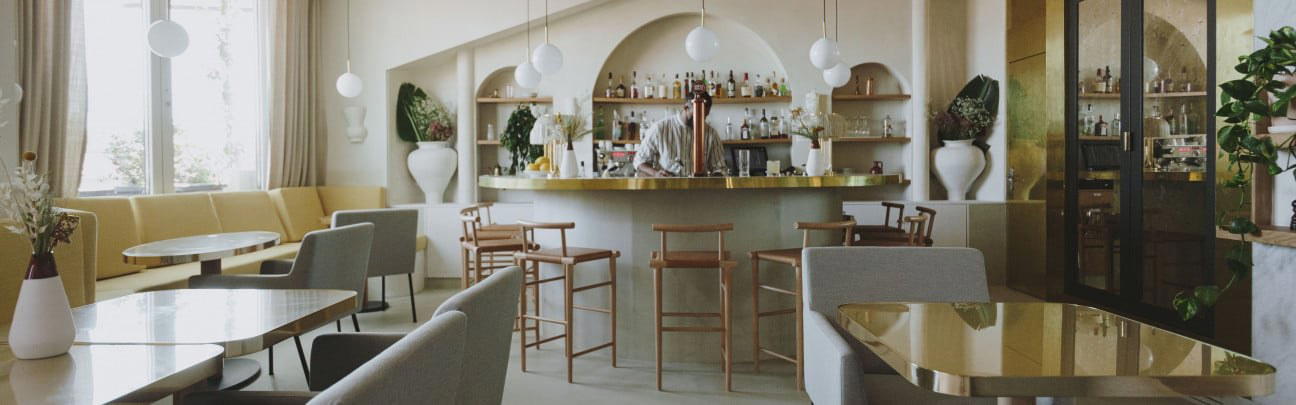

At a Glance
- Cozy
- Intimate
- Romantic
- Date Night
- Special Occasion
- Live Music
Current opening hours
- Monday
- 7 PM–12 AM
- Tuesday
- 7 PM–12 AM
- Wednesday
- 7 PM–12 AM
- Thursday
- 7 PM–12 AM
- Friday
- 7 PM–12 AM
- Saturday
- 7 PM–12 AM
- Sunday
- 7 PM–12 AM
Hours can change for holidays and private events. Last verified .
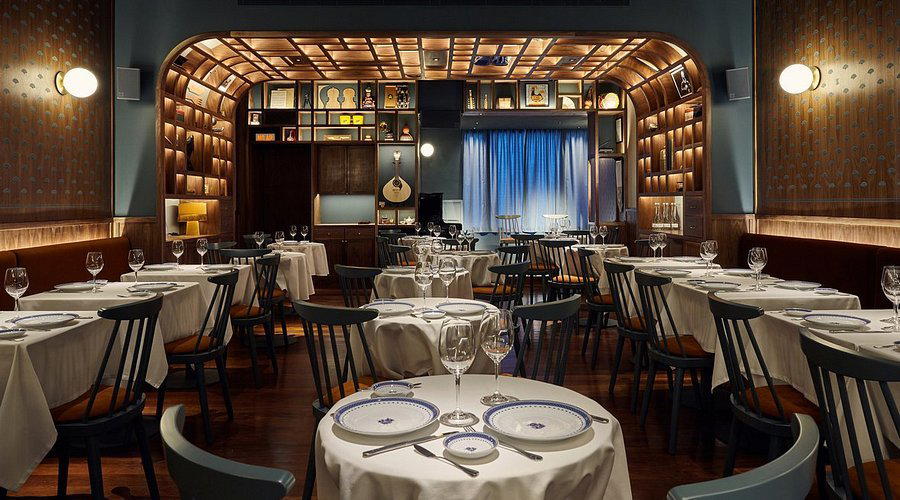
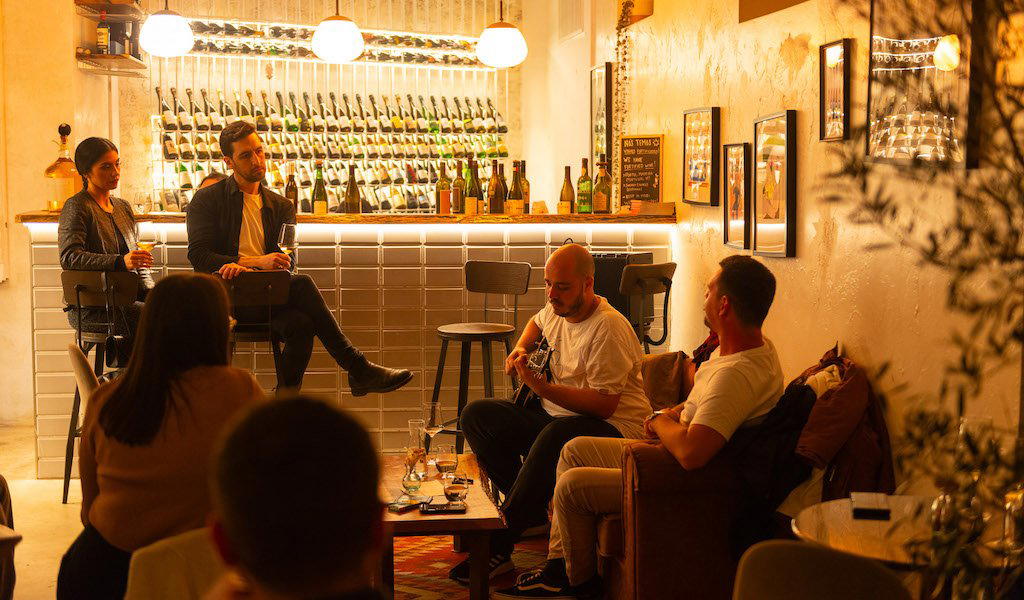
Cozy and enchanting atmosphere with warm lighting, live Fado music creating a melancholic and heartfelt cultural experience.
Know Before You Go
- Getting there
- R. da Atalaia 13, 1200-036 Lisboa, Portugal