Antica Trattoria Bellinazzo
In the agricultural lowlands of the Veneto, south of Verona, Antica Trattoria Bellinazzo occupies a position that says something about how northern Italian trattoria culture has survived outside the major cities. This is a village-scale dining address rooted in the productive farmland of the Po Valley, where the sourcing logic and the cooking tradition belong to the same geography. See our full Villa Bartolomea context for how it fits the local scene.
Pearl is the En Primeur Club membership app — saves, bookings, and concierge access live there. Same editors, same standards.
- Address
- Via Borgo della Chiesa, 20, 37049 Villa Bartolomea VR, Italy
- Phone
- +393944292455
- Website
- trattoriabellinazzo.it
- Directions
- Get directions
 Saves & bookings on Pearl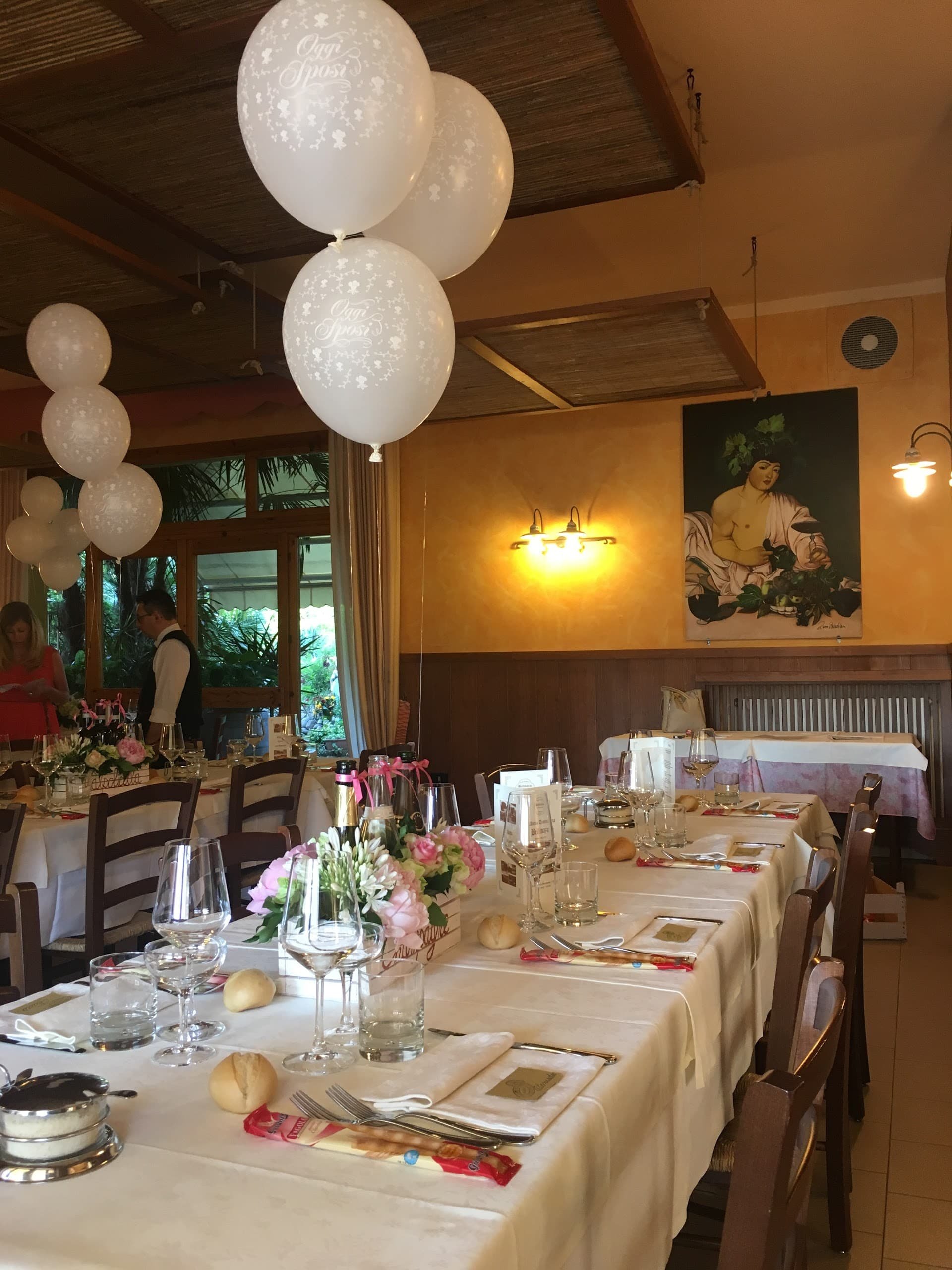
Where the Po Valley Feeds the Table
The flatlands of the lower Veneto, stretching south from Verona toward the Po Delta, do not draw the same dining pilgrimages as the hills of the Valpolicella or the medieval streets of nearby Mantua. That relative obscurity is part of their character. Villa Bartolomea sits in this agricultural belt, a small commune where the land is productive in the way that has always defined Po Valley cooking: rice paddies, market gardens, freshwater fisheries, and livestock operations that have supplied the regional table for centuries. When a trattoria in this territory earns its place over generations, the explanation is almost always the same: proximity to the source material, and the discipline to keep the kitchen honest about what the land actually provides. Antica Trattoria Bellinazzo, at Via Borgo della Chiesa in the centre of Villa Bartolomea, occupies that kind of position.
The Sourcing Logic of the Agricultural Veneto
The editorial case for trattorie in this part of northern Italy has always rested on ingredient geography. The lower Veneto is where the Adige and Po river systems deposit particularly fertile alluvial soil in Europe, and the farms that work this land have historically supplied kitchens at every price point, from the daily lunch trade of local workers to the starred houses further north. Restaurants like Dal Pescatore in Runate, operating across the border in Lombardia but drawing on the same river-plain agricultural logic, have shown what decades of committed regional sourcing looks like when formalized into a destination dining program. The trattoria tier operates by different rules: shorter supply chains, less ceremony, and a menu that shifts with what the local producers can deliver rather than what a fixed tasting sequence demands.
In this agricultural corridor, that sourcing fidelity matters more than it might in a city restaurant, where the supply chain is longer and the margin for improvisation wider. The cooking traditions of the Veronese lowlands, including risottos built on local rice and broth, braised and slow-cooked meat cuts that reward patience rather than precision butchery, and freshwater preparations that reflect the river systems nearby, are all expressions of what is available within a short radius. This is the context in which a trattoria at village scale makes its argument: not through innovation or star credentials, but through a consistent relationship with local producers and a cooking register that has internal logic rooted in place.
Trattoria Format in a Village Setting
Across northern Italy, the classic trattoria format has come under pressure from two directions: rising ingredient costs that push menus toward higher price points, and a younger dining public that is more interested in the kind of ambitious contemporary cooking found at addresses like Casa Perbellini 12 Apostoli in Verona or the technically driven programs at Le Calandre in Rubano. The village trattoria has survived this pressure where it has maintained a clear identity: a physical space with a recognizable anchor address, a kitchen that does not try to compete with the starred tier on its own terms, and a service register that reflects the community it feeds rather than the expectations of destination tourists.
Antica Trattoria Bellinazzo, sitting on Via Borgo della Chiesa in what is effectively Villa Bartolomea's village core, belongs to this category. The address itself signals a relationship to the parish and civic fabric of the town, the kind of positioning that in Italian village life means generations of local custom alongside the occasional passing traveller. Approaching the building, the physical cues are those of a working trattoria: a building that has absorbed many seasons without being renovated into a lifestyle statement, an entrance that does not perform exclusivity, and an interior where the emphasis has always been on the table rather than the room.
How It Sits Against the Starred Northern Italian Tier
The comparison set for a village trattoria is not the same as for the ambitious northern Italian restaurants that attract international attention. Places like Osteria Francescana in Modena, Reale in Castel di Sangro, or Piazza Duomo in Alba operate in a different register entirely, one where the cooking is a meditation on Italian identity at a conceptual level, and where the sourcing is curated as a statement of intent. The trattoria tier makes a quieter argument: that the relationship between a local kitchen and its agricultural hinterland does not require theatrical presentation to be meaningful.
In the broader Italian dining picture, which includes coastal creative programs like Uliassi in Senigallia and alpine-sourcing projects like Atelier Moessmer Norbert Niederkofler in Brunico, the village trattoria represents the base layer of a system that has always depended on proximity and repetition. The sourcing discipline is less visible at this level but no less real. Seasonal menus at a trattoria in the lower Veneto reflect what the weekly market brings, what the local butcher has processed, and what the river and farmland can sustain at a given time of year.
Planning a Visit
Villa Bartolomea is accessible by road from Verona, roughly 40 kilometres to the north, and from Mantua across the Po in Lombardia. The commune is not served by a major rail hub, so arriving by car is the practical approach for most visitors. The address at Via Borgo della Chiesa, 20 places the trattoria in the village centre, which is navigable without difficulty. Opening hours are Wednesday to Saturday, 10:30 AM to 2:30 PM and 5:30 PM to 12 AM, and Sunday 12 PM to 3:30 PM. For reference points at the more formal end of northern Italian dining, Dal Pescatore in Runate and Da Vittorio in Brusaporto offer a sense of what the region produces at its most decorated level. Those curious about how the Italian trattoria model translates into different national contexts might compare the format logic with community-driven dining programs like Lazy Bear in San Francisco, where the communal table ethos has been reconceived for a different audience.
Comparable Venues
Comparable venues nearby, for context on price, style, and recognition.
| Venue | Cuisine | Price | Notes |
|---|---|---|---|
| Antica Trattoria BellinazzoThis venue — the venue you are viewing | Traditional Italian Trattoria | $$ | Not listed |
| Gelateria La Romana | Artisanal Italian Gelato | $$ | Sallustiano |
| Il Chiostro | Italian Pizza | $$ | Sanguinetto |
| Osottoosopra | Venetian Italian Seafood | $$ | Santa Croce |
| pizzeria ai sportivi | Italian Pizza and Pasta | $$ | Dorsoduro |
| Da Ignazio | Traditional Venetian Trattoria | $$ | Santa Croce |
Continue exploring
More in Villa Bartolomea
Restaurants in Villa Bartolomea
Browse all →
Bars in Villa Bartolomea
Browse all →
Hotels in Villa Bartolomea
Browse all →
Wineries in Villa Bartolomea
Browse all →
At a Glance
- Rustic
- Cozy
- Classic
- Family
- Group Dining
- Special Occasion
- Historic Building
- Extensive Wine List
Current opening hours
- Monday
- Closed
- Tuesday
- Closed
- Wednesday
- 10:30 AM–2:30 PM, 5:30 PM–12 AM
- Thursday
- 10:30 AM–2:30 PM, 5:30 PM–12 AM
- Friday
- 10:30 AM–2:30 PM, 5:30 PM–12 AM
- Saturday
- 10:30 AM–2:30 PM, 5:30 PM–12 AM
- Sunday
- 12–3:30 PM
Hours can change for holidays and private events. Last verified .
Retro and welcoming old-fashioned atmosphere with a cozy, clean interior evoking traditional trattorias of the past.