Antica
Stone Street is one of lower Manhattan's oldest surviving commercial blocks, and Antica occupies that address with the weight of the neighbourhood behind it. The restaurant draws on the Italian dining tradition that shaped much of New York's restaurant culture, positioned in the Financial District's growing after-hours scene. Advance planning is advisable, particularly for evening sittings.
Pearl is the En Primeur Club membership app — saves, bookings, and concierge access live there. Same editors, same standards.
- Address
- 8 Stone St, New York, NY 10004
- Phone
- +12124803880
- Website
- anticastonestreet.com
- Directions
- Get directions
 Saves & bookings on Pearl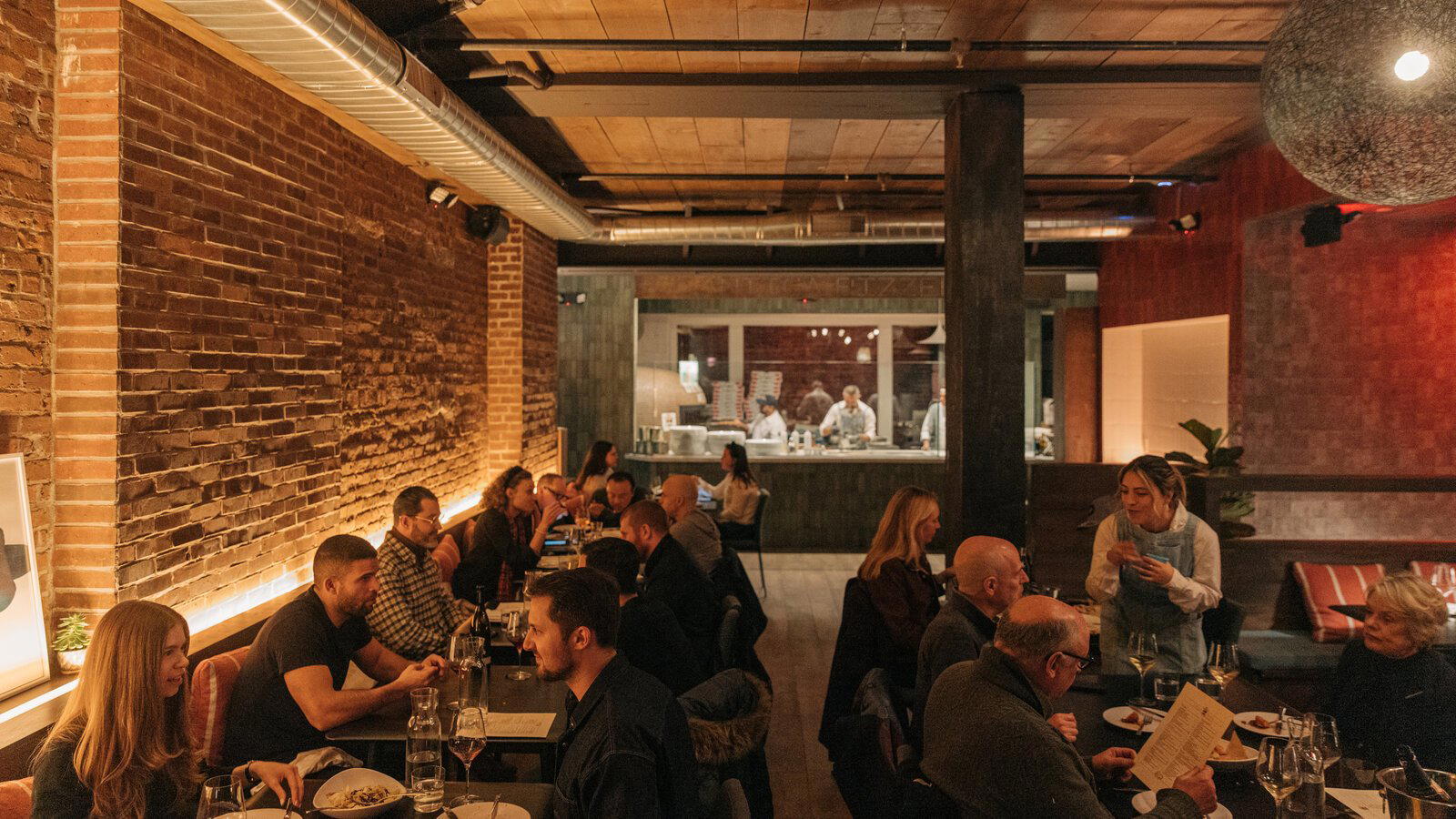
Stone Street and the Italian Table in Lower Manhattan
Stone Street in lower Manhattan carries a specific kind of historical pressure. Laid out in the 1600s and paved with cobblestones in the 1830s, it is among the oldest surviving streetscapes in New York City, and the Financial District blocks surrounding it have shifted dramatically over the past two decades from a neighbourhood that emptied at 6pm to one with a genuine after-dark dining identity. Into that context, Antica at 8 Stone Street places itself squarely within the Italian tradition that has shaped New York's restaurant culture longer than almost any other European lineage.
Italian cooking in New York exists across an unusually wide price and format spectrum. At one end sit the red-sauce institutions of the outer boroughs and Midtown; at the other, the refined northern-Italian and contemporary Italian rooms that compete in the same tier as Le Bernardin or Eleven Madison Park for the city's serious dining dollar. Antica's Stone Street location places it in a different conversation from either extreme: it serves a neighbourhood audience that is financially sophisticated but operationally time-pressed, which tends to produce a particular kind of restaurant discipline, efficiency without informality, quality without ceremony for its own sake.
The Scene on Stone Street
The cobblestone block itself functions almost as an extension of the dining room during warmer months, when the street closes to traffic and the entire stretch becomes an open-air eating corridor. This is a Financial District dynamic that has few parallels elsewhere in Manhattan: the density of history, the compressed geography, and the professional demographic create an atmosphere that is European in feel without being contrived about it. Restaurants in this stretch live or die on the lunch and post-work trade, which demands a front-of-house operation that can compress a full dining experience into a business-appropriate window and then expand again for a leisurely evening sitting.
That dual-tempo requirement is one reason the team dynamic at Italian restaurants in this part of the city tends to be more legible than at destination rooms further uptown. When the kitchen, the floor, and the bar are all working against the same clock, the collaboration between those three functions becomes visible to anyone paying attention. A well-run Stone Street Italian room shows its seams, not as sloppiness, but as coordinated effort under real pressure.
How Antica Sits Against Its comparable set
Within New York's Italian dining tier, the comparison set for a Financial District address like Antica's is not the same as the comparison set for, say, a West Village trattoria or a Michelin-decorated room in Midtown. The relevant peers are restaurants that serve a professional clientele, maintain quality across both lunch and dinner services, and operate in a neighbourhood where foot traffic is predictable but not tourist-driven. That is a narrower peer group than it might appear, and it places specific demands on the wine program and the front-of-house in ways that purely dinner-focused destination rooms do not face.
For context on what a polished Italian room at the summit of the New York market looks like in practice, Per Se and Atomix represent a different register entirely, long tasting menus, multi-hour commitments, and a booking model built around months-in-advance planning. Masa operates in a comparable price bracket but within a Japanese framework that makes direct comparison difficult. Antica's positioning is more practical and more accessible, which is not a criticism, it reflects the realities of the address and the neighbourhood it serves.
Comparable collaboration-led Italian programs in other American cities offer useful reference points. Frasca Food and Wine in Boulder is the clearest analogue in terms of how a unified kitchen-sommelier-floor philosophy can define a room's identity in a non-obvious market. Smyth in Chicago shows how tightly integrated team structures produce menus that read as genuinely collaborative rather than chef-driven in isolation. At the high end of the farm-to-table Italian adjacency, Blue Hill at Stone Barns in Tarrytown demonstrates what happens when kitchen sourcing and front-of-house narrative are built as a single system rather than separate departments.
Planning a Visit
The Financial District's dining rhythm is tied to the working week in a way that few other Manhattan neighbourhoods replicate. Lunch on weekdays draws the densest professional traffic; Friday evenings bring a different crowd; weekends on Stone Street have their own character, quieter and more leisurely, without the volume of a destination neighbourhood like the West Village or Tribeca. Visitors planning a first visit from outside the area would do well to align their timing with the neighbourhood's natural tempo rather than fighting it.
Those comparing Italian-lineage programs across the country might also look at The French Laundry in Napa for the California end of the European-technique spectrum, or Providence in Los Angeles for how the West Coast handles European fine-dining frameworks in a different climate and cultural context. Single Thread Farm in Healdsburg represents the integrated kitchen-sommelier-hospitality collaboration currently operating in the United States, and functions as a useful benchmark for what that model looks like at its most developed. Lazy Bear in San Francisco, Emeril's in New Orleans, and Addison in San Diego each show regional variations on how American restaurants have built team-led dining identities outside the New York–Napa axis. For European reference points within the Italian tradition itself, Atelier Moessmer Norbert Niederkofler in Brunico and Dal Pescatore in Runate represent the northern-Italian fine-dining lineage that informs much of what New York's serious Italian rooms draw from. The Inn at Little Washington offers a mid-Atlantic lens on European dining formality that illuminates how American rooms have adapted those traditions over decades.
Cuisine and Credentials
Comparable venues nearby, for context on price, style, and recognition.
| Venue | Cuisine | Price | Notes |
|---|---|---|---|
| AnticaThis venue — the venue you are viewing | Modern Upscale Italian | $$$$ | Not listed |
| Park Rose | Modern Italian-American with Roman Influences | $$$$ | Midtown South-Flatiron-Union Square |
| DelBianco Italian Restaurant | Upscale Northern Italian | $$$$ | Midtown-Times Square |
| Osteria La Baia | Coastal Italian | $$$$ | Midtown-Times Square |
| Coniglio’s Di Napoli | Old-School New York Red Sauce Italian & Coal Oven Pizza | $$$$ | East Williamsburg |
| Bocelli | Authentic Italian Trattoria | $$$$ | Grasmere-Arrochar-South Beach-Dongan Hills |
Continue exploring
More in New York City
Restaurants in New York City
Browse all →
Bars in New York City
Browse all →
Hotels in New York City
Browse all →
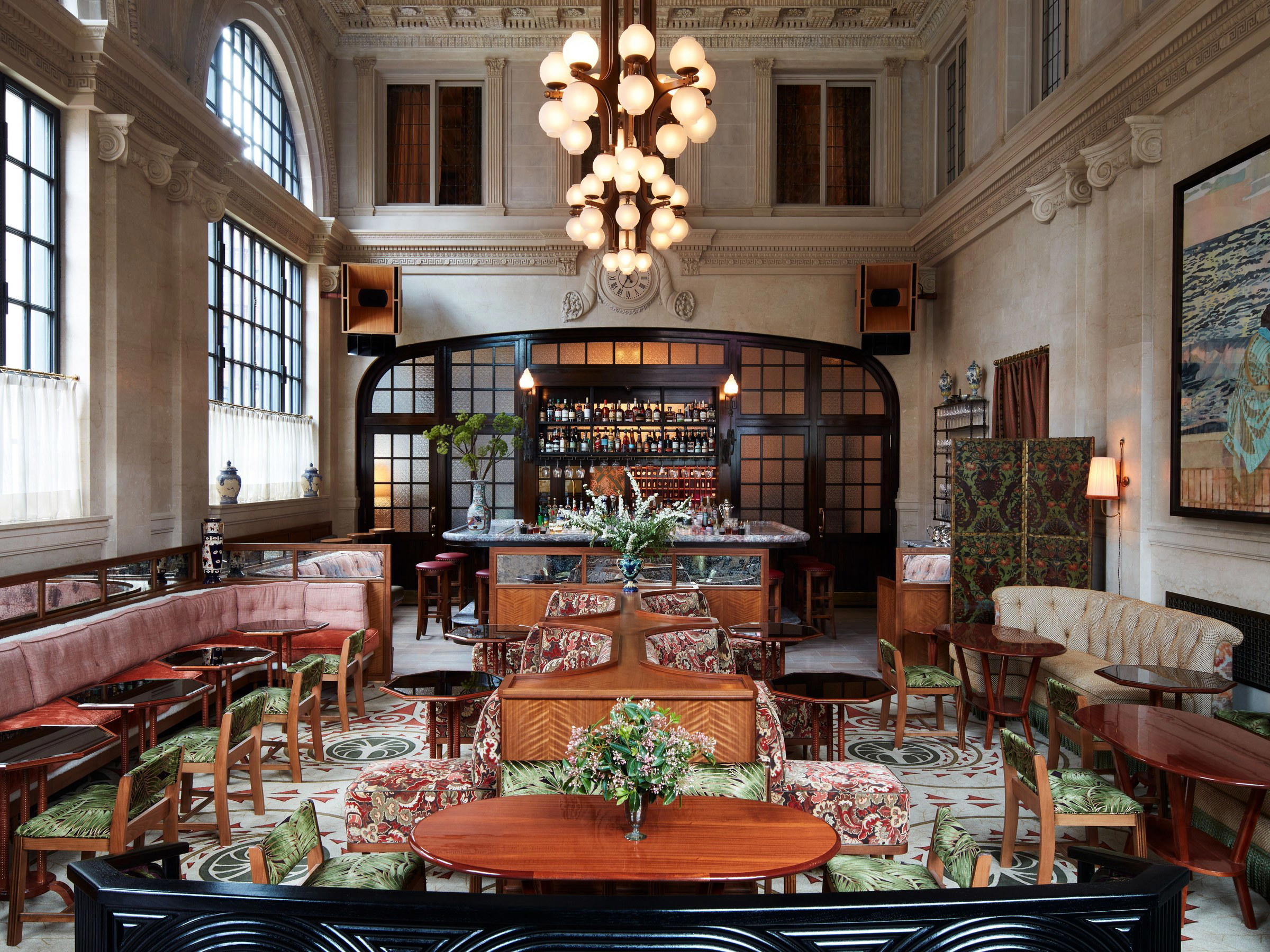
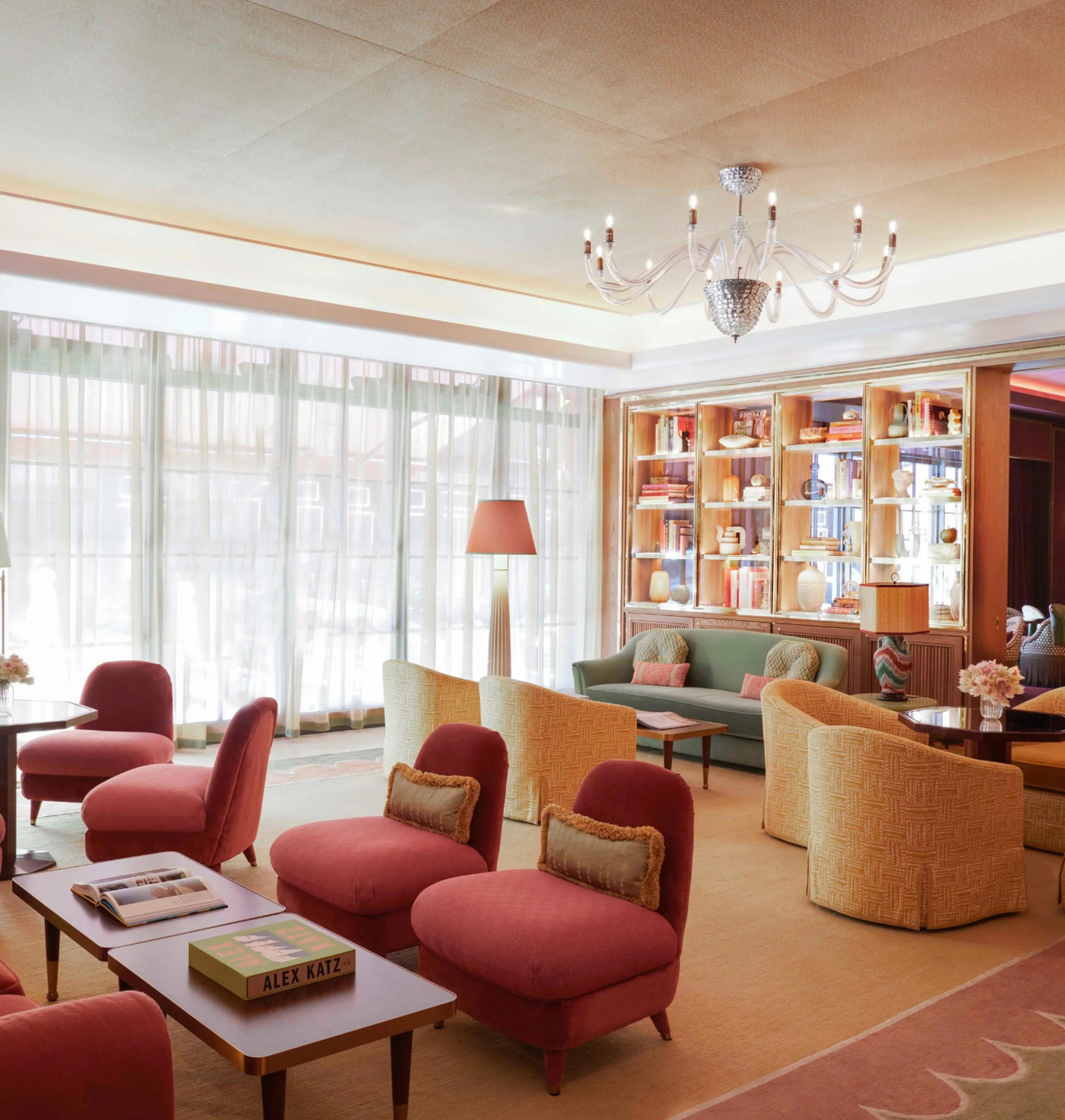





At a Glance
- Elegant
- Sophisticated
- Classic
- Intimate
- Date Night
- Business Dinner
- Special Occasion
- Private Event
- Historic Building
- Private Dining
- Extensive Wine List
- Street Scene
Current opening hours
- Monday
- 12–10:30 PM
- Tuesday
- 12–10:30 PM
- Wednesday
- 12–10:30 PM
- Thursday
- 12–10:30 PM
- Friday
- 12–10:30 PM
- Saturday
- 12–10:30 PM
- Sunday
- 12–10:30 PM
Hours can change for holidays and private events. Last verified .
Timeless elegance with luxurious fine dining atmosphere, praised for wonderful ambiance and caretaking service.