Antica Locanda dell'Orco

Michelin Plate
Our verdict
Along a porticoed street in Rivarolo Canavese's historic centre, Antica Locanda dell'Orco serves Piedmontese cooking at its most committed, snails, bagna caoda, agnolotti, finanziera stew, and braised meats prepared with clear technical seriousness. Recognised by the Michelin Guide in both 2024 and 2025, it operates at a €€ price point that makes it one of the region's more accessible addresses for serious regional cuisine.

Pearl is the En Primeur Club membership app, where members save venues, book tables and use the concierge.
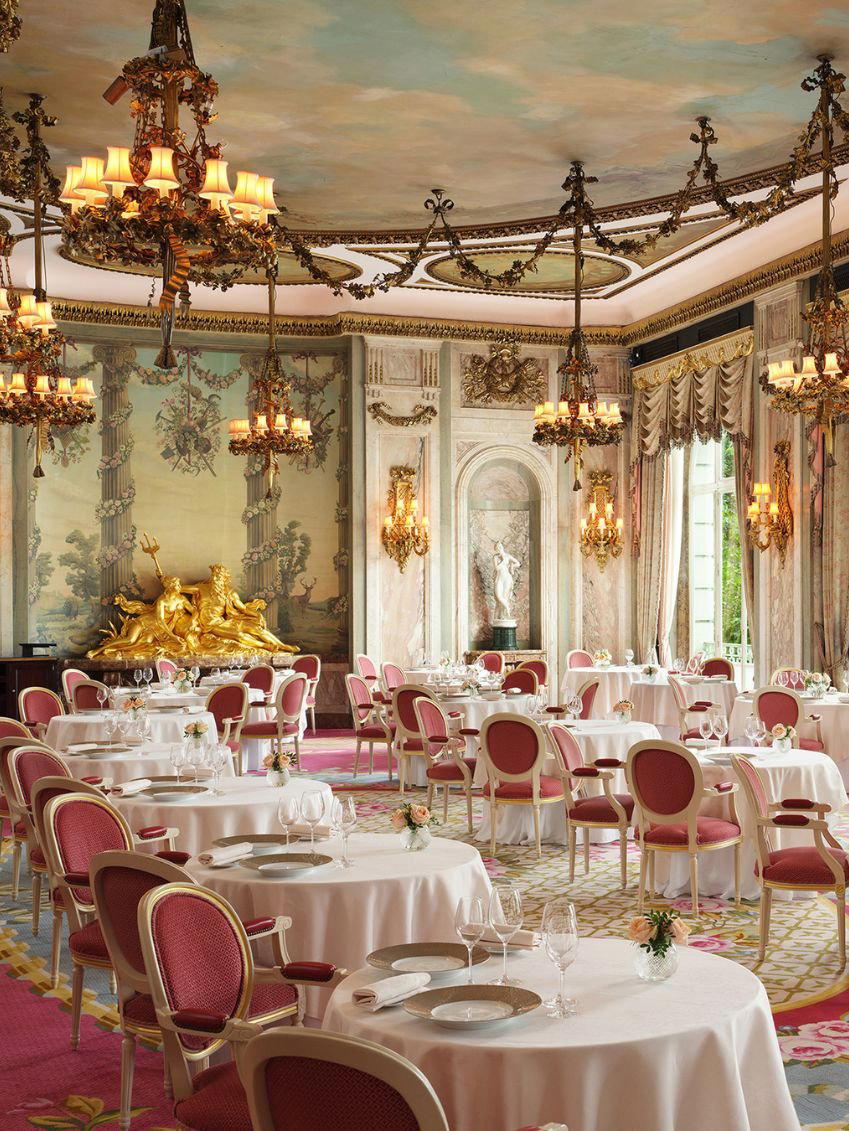
The menu
What to order
- Vitel tonnè
- Agnolotti della Locanda
- Piemonte nel bollito
- Plin di cipolla
Where Canavese Cooking Speaks Without Apology
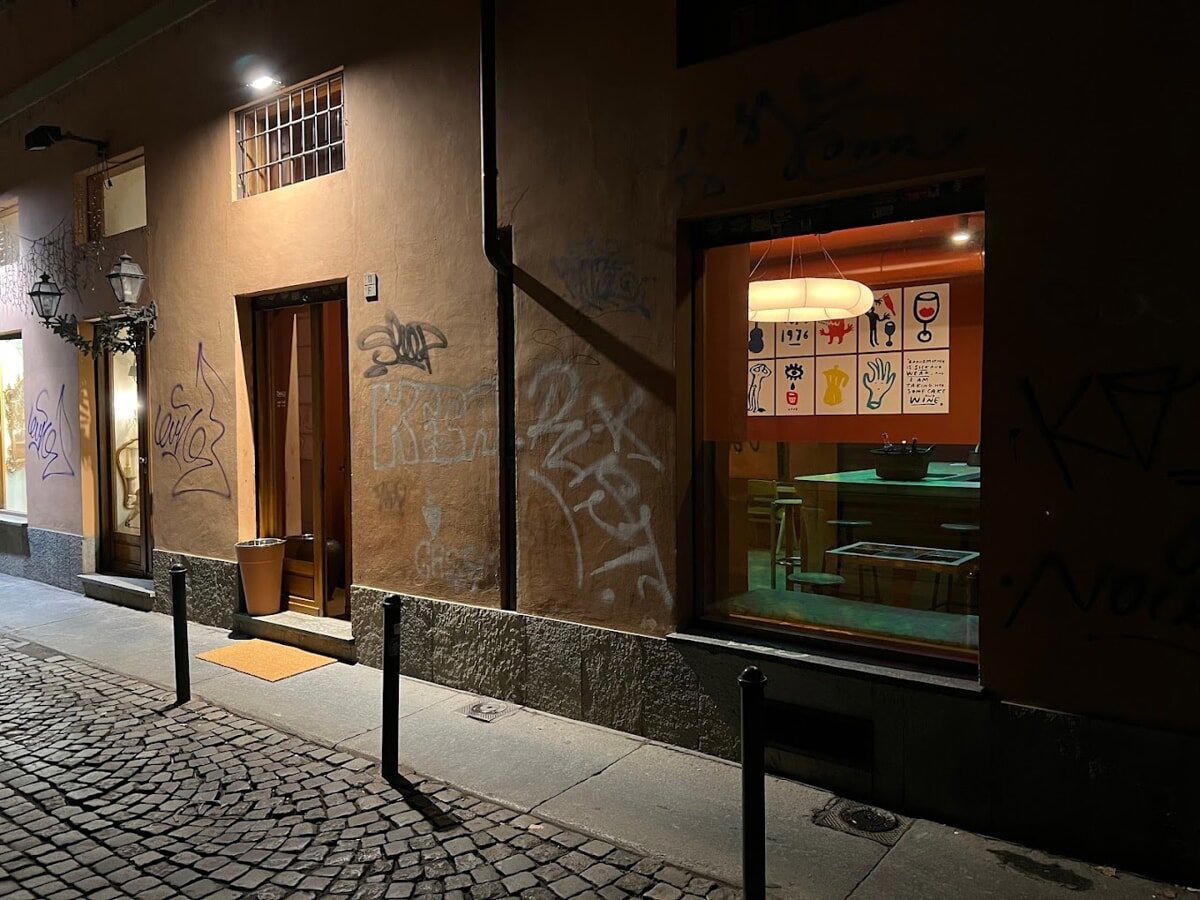
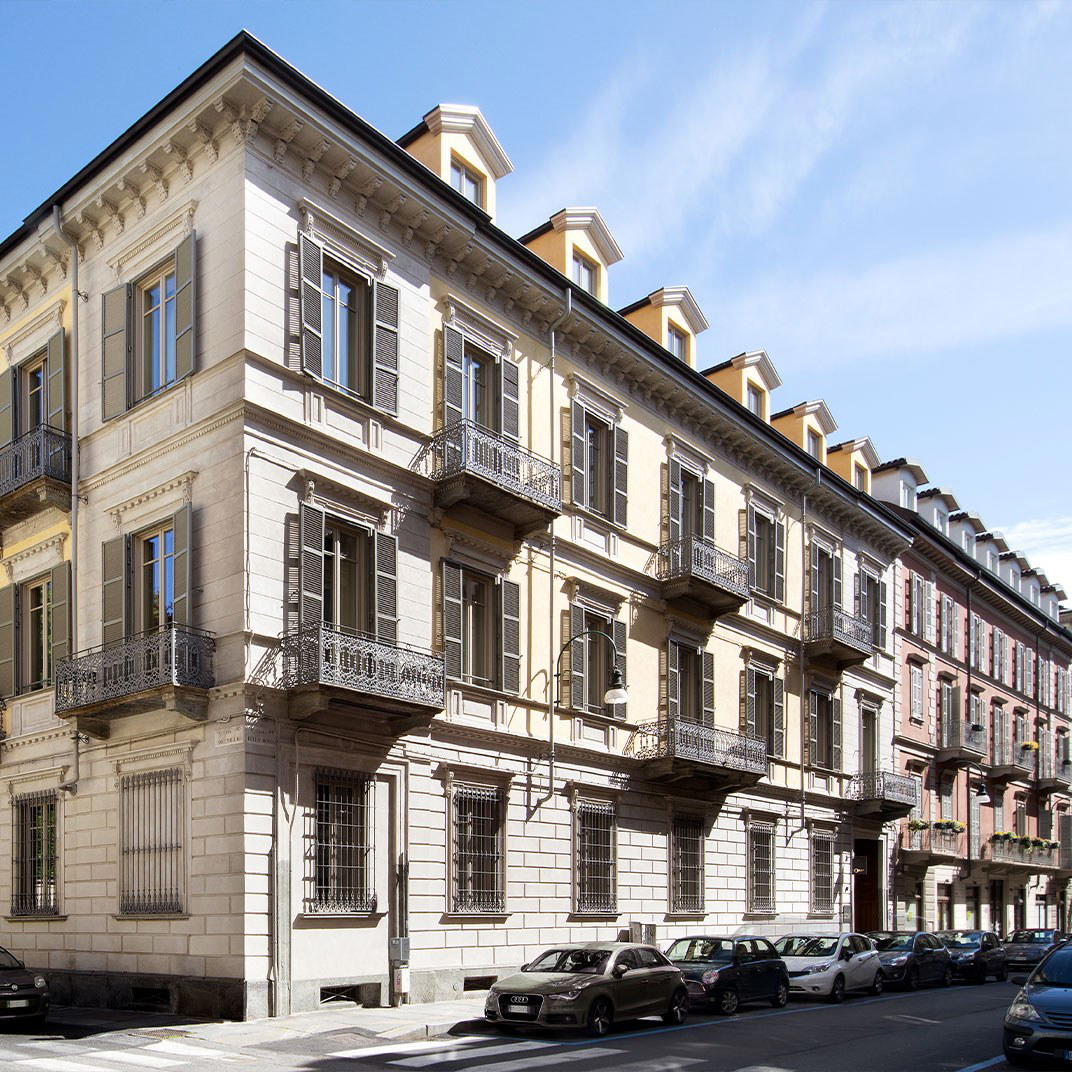
The porticoed streets of Rivarolo Canavese's historic centre belong to a particular tradition of northern Piedmontese civic architecture, long, shaded colonnades that pull you through town at a walking pace. Antica Locanda dell'Orco sits at the end of one such stretch on Via Ivrea, and the approach itself sets a tone. This is not a destination that broadcasts itself. The building reads as part of the streetscape rather than apart from it, which turns out to be an accurate signal about what happens inside: cooking that insists on belonging to its place.
Piedmontese cuisine occupies a distinct position within Italian regional cooking. Where southern traditions often read as sun-driven and improvisational, the Piedmontese table is structured, seasonally disciplined, and shaped by an agricultural system that has historically produced both fine ingredients and demanding cooks. The Canavese, the sub-region stretching from the foothills north of Turin toward the Valle d'Aosta border, brings its own inflection to that tradition: freshwater fish from rivers and alpine lakes, snails from smallholders, and an emphasis on braised and boiled meats that reflects the bovine farming heritage of the Po plain and its northern edges.
The Sourcing Logic Behind the Menu
Piedmont's reputation in fine-dining circles is dominated by the Langhe and Monferrato, truffle territory, Barolo country, the axis that runs through Alba and anchors restaurants like Piazza Duomo in Alba. But the Canavese sub-region operates on different sourcing terms. The rivers here, the Orco, the Soana, the Chiusella, still supply trout and other freshwater species to kitchens that know how to use them. Snails are a localised speciality, appearing on menus across this corridor in a way they do not in the more internationally oriented restaurants further south. Bagna caoda, the communal anchovy-and-garlic dip traditionally prepared over a flame and eaten with raw or cooked vegetables, is a dish whose ingredient logic runs from the Ligurian coast up through the Piedmontese valleys, the anchovies coming via historic trade routes, the vegetables drawn from whatever the season and soil provide.
At Antica Locanda dell'Orco, these are not heritage gestures. The Michelin Guide's recognition across 2024 and 2025, a Plate designation both years, signalling food prepared to a consistently high standard, points to a kitchen that has sustained its approach rather than periodically reviving it.
The menu's architecture reflects the sourcing geography directly. Freshwater fish dishes appear alongside the snails and bagna caoda. Agnolotti, Piedmont's filled pasta, here almost certainly in the del plin format, with a pinched edge and a filling built from braised meat, represents the kind of dish where sourcing and technique are inseparable. The quality of the braise determines the pasta filling, and the pasta itself depends on egg quality and a dough tradition that varies by valley. Finanziera, the offal-and-sweetbread stew historically associated with Turin's financial district and now rarely prepared well outside a handful of Piedmontese kitchens, appears here as well. That it makes the Michelin notation at all suggests it is handled with the kind of care the dish requires, finanziera is easily reduced to a curiosity; done properly, it is one of the more complex preparations in the regional canon.
How It Sits Within the Piedmontese Dining Field
Piedmont's fine-dining tier runs from the €€€€ three-star registers of places like Locanda Sant'Uffizio Enrico Bartolini in Cioccaro and Antica Corona Reale in Cervere down through a mid-tier of regionally focused trattorias and locande where the cooking is serious but the pricing stays accessible. Antica Locanda dell'Orco occupies the €€ band, which in this context means it sits well below the Langhe prestige circuit while operating at a standard that earns Michelin attention. That is an unusual position, and a useful one for travellers who want to eat Piedmontese food as it is actually cooked and eaten in the region, rather than as it is curated for a destination-dining audience.
Italy's most discussed restaurants, Osteria Francescana in Modena, Dal Pescatore in Runate, Enoteca Pinchiorri in Florence, Le Calandre in Rubano, operate in a different register entirely, with price points and booking windows that reflect their international positioning. Regional specialists like Antica Locanda dell'Orco function as a counterpoint to that circuit: places where the competitive set is defined by the cuisine's own terms rather than by the global fine-dining conversation. For broader Italian restaurant context, Enrico Bartolini in Milan, Reale in Castel di Sangro, Uliassi in Senigallia, Quattro Passi in Marina del Cantone, Atelier Moessmer Norbert Niederkofler in Brunico, and Casa Perbellini 12 Apostoli in Verona each anchor different regional traditions, useful orientation points when mapping how Canavese cooking compares nationally.
Planning a Visit
Rivarolo Canavese sits roughly 35 kilometres north of Turin, accessible by road in under an hour. The town is a working Piedmontese comune rather than a tourist destination, which means accommodation options are limited; our Rivarolo Canavese hotels guide covers what is available in and around the area. The restaurant's address on Via Ivrea places it in the historic centre, within the colonnaded core that defines the old town's character.
For broader orientation in the area, our full Rivarolo Canavese restaurants guide maps the local dining field. If you are spending time in the region, the bars guide, wineries guide, and experiences guide provide additional context for what the Canavese offers beyond the table.
Frequently asked questions
How much does it cost to eat at Antica Locanda dell'Orco?
Pricing at Antica Locanda dell'Orco is listed as €€.
At-a-Glance Comparison
| Venue | Cuisine | Price | Awards | Notes |
|---|---|---|---|---|
| Antica Locanda dell'OrcoThis venue (the venue you are viewing) | Piedmontese Italian Trattoria | $50–100 | Michelin Plate | Not listed |
| Atelier Moessmer Norbert Niederkofler | Modern Alpine Fine Dining | $300–500 | 3 Michelin Stars · World's 50 Best #20 | Italian, Creative |
| Dal Pescatore | Classic Italian Fine Dining | $200–300 | 3 Michelin Stars · World's 50 Best #38 | Italian, Italian Contemporary |
| Enoteca Pinchiorri | Contemporary Italian Fine Dining | $200–300 | 3 Michelin Stars · World's 50 Best #32 | Italian - French, Italian Contemporary |
| Enrico Bartolini | Modern Italian Fine Dining | $300–500 | 3 Michelin Stars · World's 50 Best #85 | Creative |
| Osteria Francescana | Avant-Garde Italian Contemporary | $300–500 | 3 Michelin Stars · World's 50 Best #1 | Progressive Italian, Creative |
Recognition history
Dated appearances from independent guides and award organizations, with the underlying list record or original source where available.
Michelin Plate
Michelin
Full recognition history (3 entries)
Michelin Plate
Michelin
Michelin Plate
Michelin
Continue exploring
More in Rivarolo Canavese
Restaurants in Rivarolo Canavese
All restaurants in Rivarolo Canavese →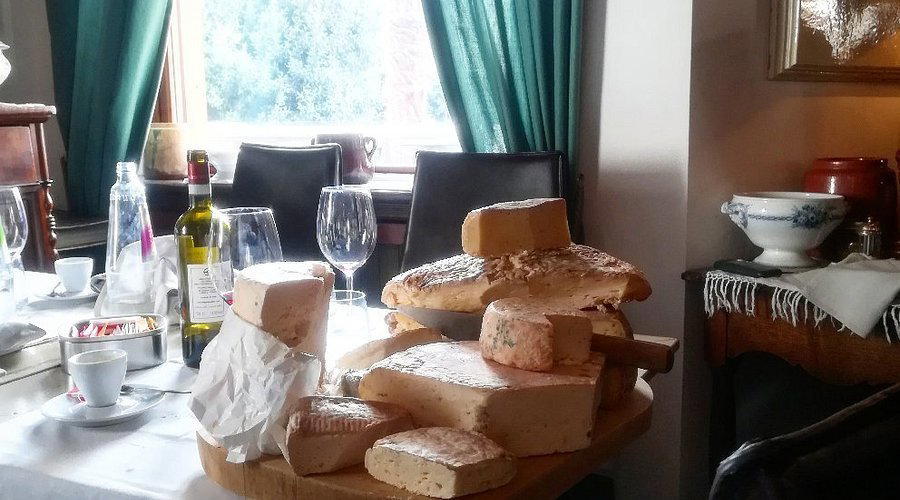
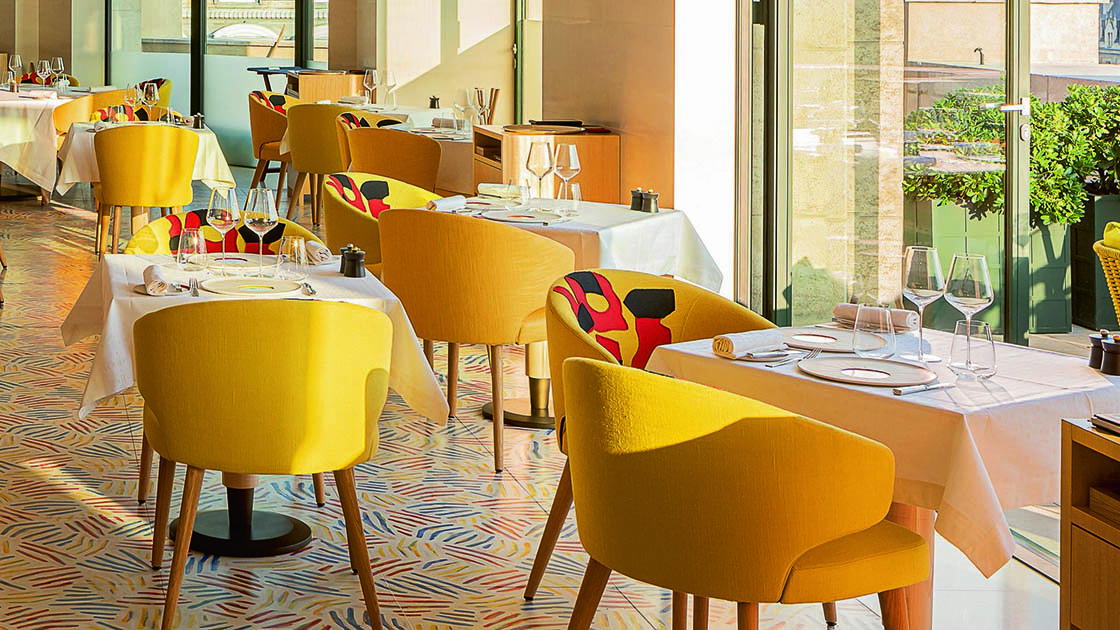
Bars in Rivarolo Canavese
Browse all →

Details
- Rustic
- Cozy
- Elegant
- Special Occasion
- Family
- Group Dining
- Historic Building
- Extensive Wine List
- Local Sourcing
- A La Carte
- Tasting Menu
- Vegetarian Friendly
Current opening hours
- Monday
- Closed
- Tuesday
- 12–2:30 PM, 7:30–10 PM
- Wednesday
- 12–2:30 PM, 7:30–10 PM
- Thursday
- 12–2:30 PM, 7:30–10 PM
- Friday
- 12–2:30 PM, 7:30–10 PM
- Saturday
- 12–2:30 PM, 7:30–10 PM
- Sunday
- 12:30–2:30 PM
Hours can change for holidays and private events. Hours as of .
Comfortable and welcoming spaces with an accogliente e informale atmosphere, blending tradition and creativity.