
Anello Stand puts Osaka’s tachinomi culture in a compact Tenjinbashi setting, with Tabelog 100 Tachinomi 2025 recognition marking it as part of Japan’s serious stand-up drinking tier. The appeal is less about ceremony than sourcing, turnover, and the discipline of a room built for short, lively rounds rather than long-form dining.
Pearl is the En Primeur Club membership app — saves, bookings, and concierge access live there. Same editors, same standards.
- Address
- 大阪府大阪市北区天神橋5-8-9
- Website
- tabelog.com
 Saves & bookings on Pearl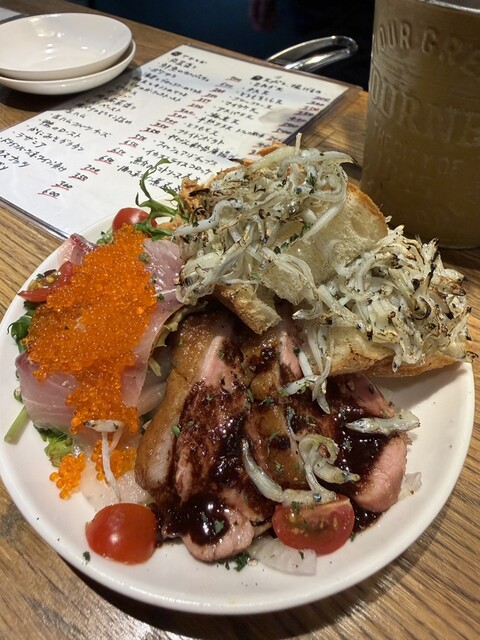
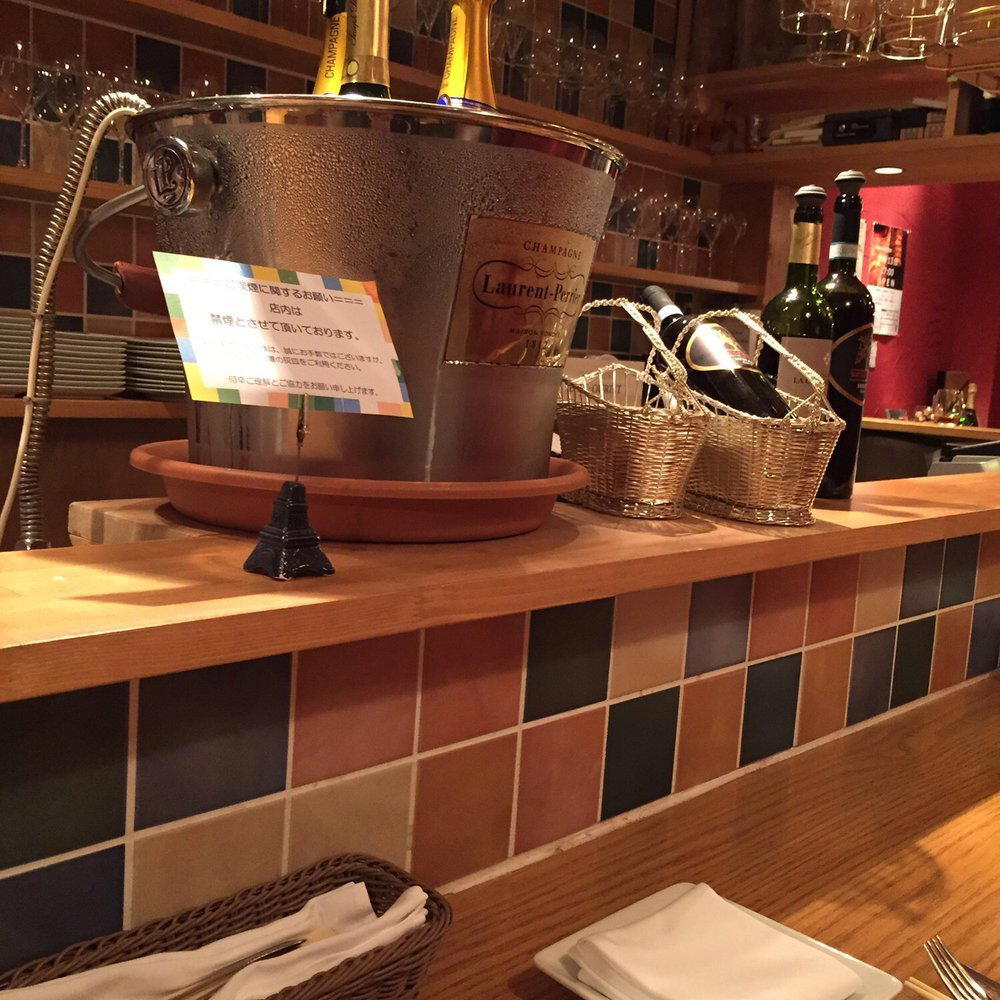
Tenjinbashi’s stand-up drinking rooms announce themselves without theatre: a counter, tight spacing, quick exchanges, and evenings moving in short, efficient rounds. In Osaka, tachinomi is not a consolation prize for diners who missed a reservation. It is a format with its own rules, where sourcing, portioning, and drink pacing matter because there is little upholstery or ceremony to hide behind.
Anello Stand belongs to that tradition. Its inclusion in Tabelog 100 Tachinomi 2025 places it in a category that rewards discipline: food and drink calibrated for standing guests, fast turnover, and a bill closer to everyday Osaka than destination dining. In a city where casual counters carry as much cultural weight as formal restaurants, that matters.
Osaka tachinomi works when the sourcing does the heavy lifting
The better stand-up bars in Kansai succeed by making ingredients legible. Small plates, short cooking times, and compact counters expose weak purchasing quickly; there is less room for long sauces, tableside theatre, or tasting-menu misdirection. At this level, sourcing is not a slogan but the operating system behind speed and repetition.
That is why Anello Stand’s category recognition is useful. Tabelog’s tachinomi list separates stand-up bars from broader izakaya culture, the right distinction. Tachinomi compresses the Osaka meal into sharper decisions: what can be prepared quickly, what holds well, what pairs with the first drink, and what encourages a second order without turning the stop into a full seated dinner.
Osaka has always been comfortable with eating well at close range. Its food identity is not limited to kaiseki rooms or high-spend sushi counters; it runs through shopping arcades, station-adjacent bars, and counters where a few hundred yen can change an evening’s rhythm. For broader context, Our full Osaka restaurants guide maps the formal and casual ends of the spectrum, while Our full Osaka bars guide is the natural companion for this style of night.
Within that spectrum, Anello Stand sits above the snack-and-beer tier and below the high-commitment dinner bracket. Shokudo Kuro Usagi occupies a higher casual dining spend range, Fu-n@ runs leaner, and Yama Hashiru moves into a markedly more expensive bracket. Those comparisons matter because tachinomi is price-sensitive by design: too expensive and it loses its democratic charge; too cheap and food becomes secondary to drinking. The restaurant’s lane is the middle ground where ingredient confidence shows without asking guests to treat the stop as a full evening.
The counter is the format, not a design flourish
Standing changes how a meal behaves. Conversation is shorter, ordering more direct, and the kitchen earns attention in increments. A seated restaurant can build momentum across courses; a tachinomi counter has to make sense from the first plate. Osaka’s better stand-up bars often feel more edited than their price suggests because the room cannot carry a sprawling menu without slowing itself down.
The restaurant’s opening in 2022 also places it in a recent wave of post-pandemic casual formats that put flexibility ahead of ceremony. In Osaka, that shift has not meant abandoning craft. It has meant moving craft into smaller, more accessible rooms, where sourcing speaks through availability, speed of turnover, and confident limitation.
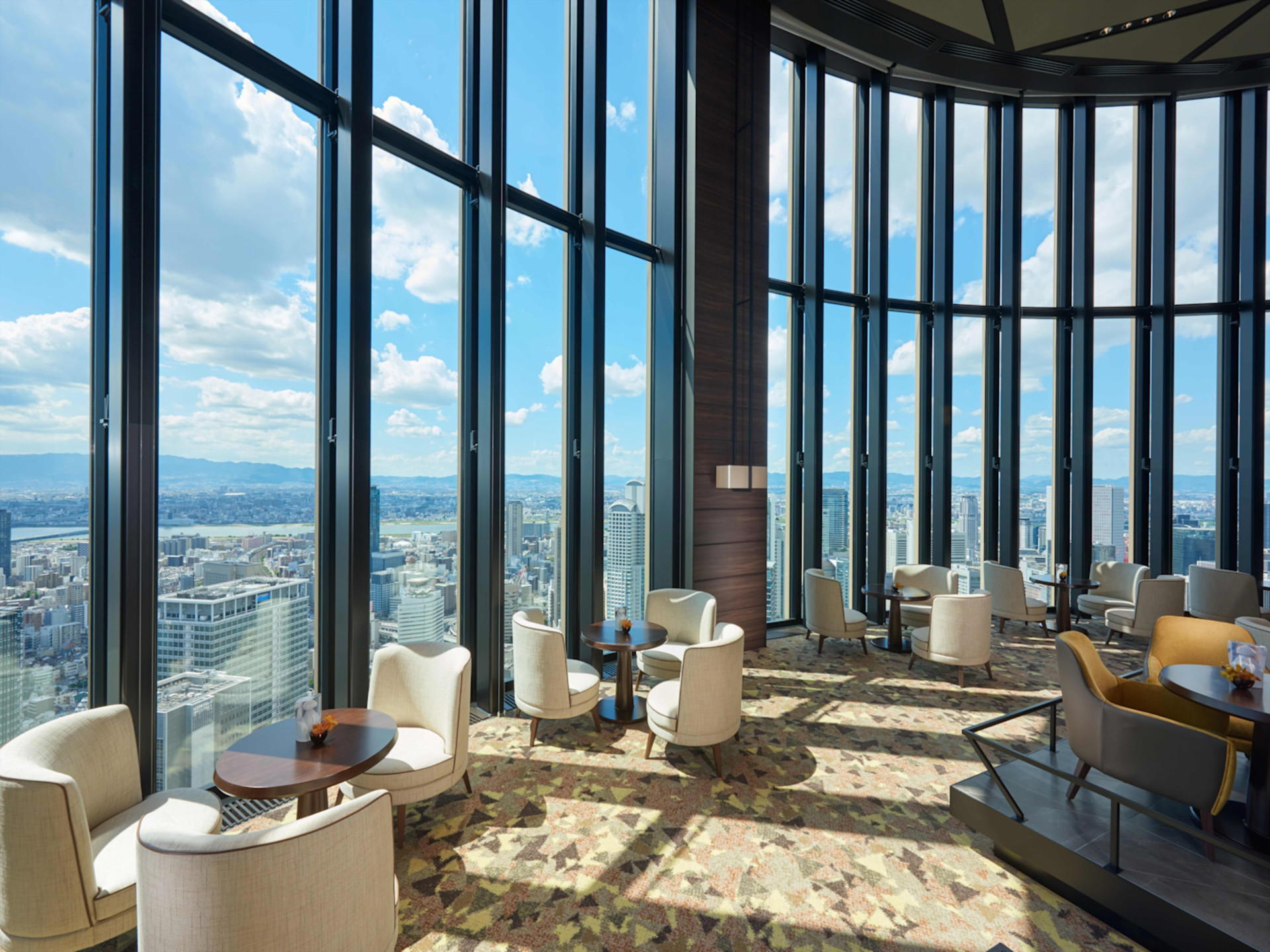
The Tenjinbashi area strengthens that reading. Around Tenjimbashisuji, eating and drinking are shaped by flow: commuters, local regulars, and visitors moving through one of Osaka’s great everyday food corridors. This is not the polished hotel-dining side of the city. Travellers building a wider itinerary can pair that contrast with Our full Osaka hotels guide, then keep the night informal rather than forcing every meal into a reservation-led plan.
The category also rewards solo and two-person dining. Stand-up bars are rarely built for large groups, and suit guests who read a room quickly, order in rounds, and leave before the energy dips. That makes the restaurant a poor match for a quiet, extended dinner, but a strong first stop or compact second act after a structured meal.
How it fits into an Osaka eating itinerary
Smartest way to understand the restaurant is within Osaka’s layered casual economy. A day might begin with bakery culture at 52CHO-ME BAKERY, move through the city’s snack canon at 551 Horai (551蓬莱), then split at night between Italian-leaning counters such as a canto (Italian) or 99 Pizza Napoletana Gourmet and shorter drinking formats. The point is not ranking them, but seeing how Osaka lets high-quality eating happen at several levels of formality in one day.
For travellers comparing Japan’s casual dining vocabulary beyond Osaka, the stand-up bar sits alongside other compact specialist formats: rice-led simplicity at Onigiri Time in Pasadena, sake-focused counter culture at Jōdo Saké Bar in Los Angeles, and tightly defined regional cooking at [ki:] in Kyoto. Within Japan, useful contrasts include. 鮪と炭火焼き うお炭 秋葉原店 in Tokyo.know in Kumamoto, (Shoku) Vietnam in Kawasaki, [Curry Senmon Ten] Maruyama Kyoju. in Sapporo, and -Grilled beef Sukiyaki- KAMAKURA TANUKIAN 鎌倉 たぬき庵 in Kamakura. Each shows how narrow formats can carry serious intent without borrowing formal-dining manners.
That is the real reason the restaurant is useful for an Osaka itinerary. It gives structure to a casual night without overplanning it. The Tabelog 100 Tachinomi 2025 selection supplies the trust signal; the stand-up format supplies the tempo. Visitors wanting a long, hushed dinner should look elsewhere. Visitors wanting to understand how Osaka eats between appointments, trains, and second stops will read the room faster here than in many grander addresses.
For adjacent planning, Our full Osaka experiences guide helps frame the neighbourhood side of the city, Our full Osaka wineries guide covers wine-focused detours, and.cafe offers a different register of Osaka casual dining. The restaurant is not trying to turn tachinomi into luxury. Its value lies in keeping the format compact, ingredient-led, and social enough to feel unmistakably Osaka.
Price Lens
Side-by-side context: comparable cuisine and price.
| Venue | Cuisine | Price | Notes |
|---|---|---|---|
| Anello StandThis venue — the venue you are viewing | Not listed | $$ | Not listed |
| Gomenne JIRO | Not listed | $$ | Kita, Yoshoku (Japanese-style Western cuisine) bistro |
| Manryo Minamimori machi ten | Not listed | $$ | Kita, Traditional Osaka Yakiniku & Horumon |
| Shibaken | Not listed | $$ | Miyakojima, Premium branded-pork tonkatsu & curry |
| Akira Curry | Nishi, Japanese curry & spice izakaya | $$ | Not listed |
| Toyo (とよ) | Miyakojima Ward, Seafood Izakaya | $$ | Not listed |
Recognition history
Dated appearances from independent guides and award organizations, with the underlying list record or original source where available.
Tabelog 100 #27 · No. 27
Tabelog · Tabelog 100 - Tachinomi - 2025
Continue exploring
More in Osaka
Restaurants in Osaka
Browse all →




Bars in Osaka
Browse all →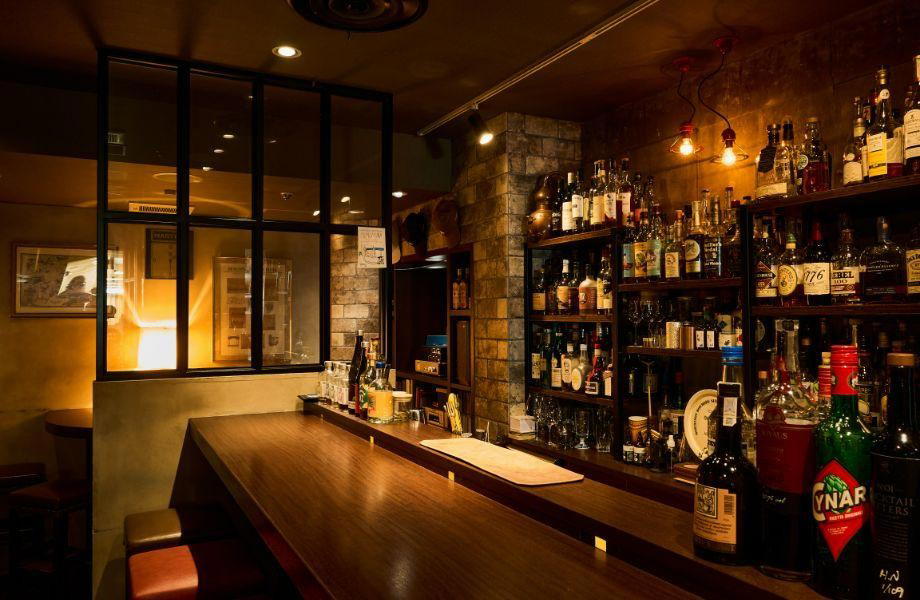

Hotels in Osaka
Browse all →



Wineries in Osaka
Browse all →
At a Glance
- Lively
- Trendy
- Energetic
- Cozy
- After Work
- Casual Hangout
- Solo
- Late Night
- Standalone
- Beer Program
- Sake Program
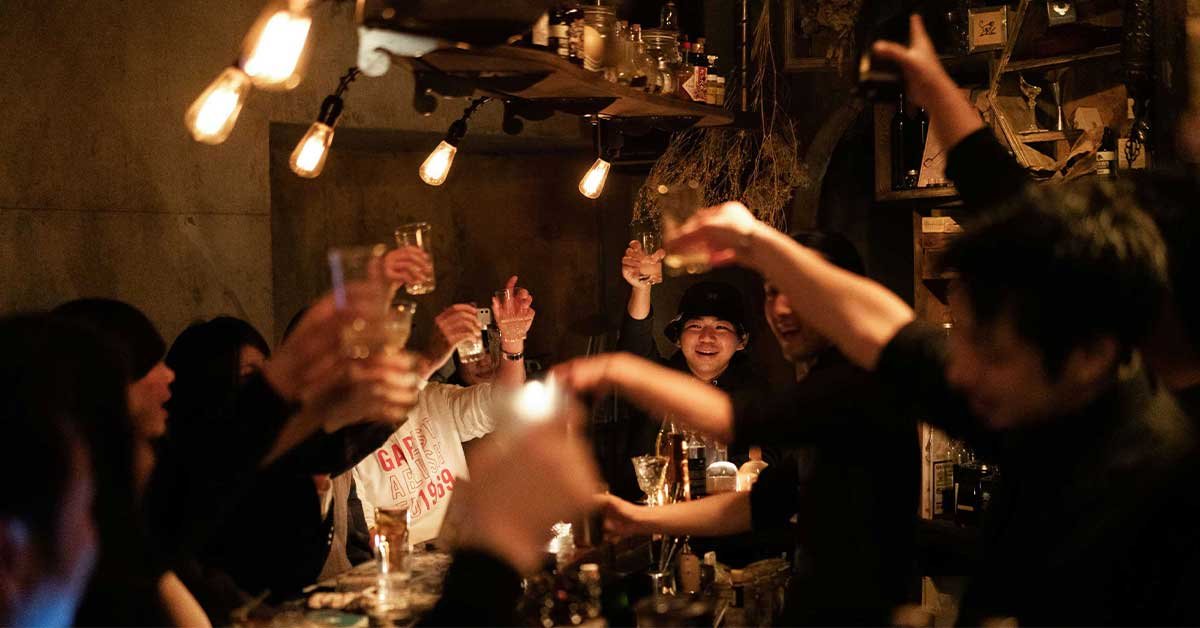
A compact tachinomi-style standing bar with a casual, buzzy atmosphere; guests stand at counters in a bright, simple interior while the space quickly fills after opening, creating an energetic but friendly neighborhood feel.