Ananda
Our verdict
Located at 7421 Maple Lawn Blvd in Fulton, Ananda sits within the planned Maple Lawn community between Laurel and Columbia, Maryland. The restaurant draws from a tradition of ingredient-led cooking that has become increasingly relevant across the mid-Atlantic dining corridor. For those exploring Laurel's growing table, Ananda represents a considered stop worth understanding in context.

Pearl is the En Primeur Club membership app — saves, bookings, and concierge access live there. Same editors, same standards.
- Address
- 7421 Maple Lawn Blvd, Fulton, MD 20759
- Phone
- (301) 725-4800
- Hours
- Mon ClosedTue–Thu 4–10 PMFri–Sat 4–11 PMSun 4–10 PM
- Website
- anandarestaurant.net
- Directions
- Get directions
- Booking
- Book on the venue's website
The menu
What to order
- Mango Lassi
- Chilean Sea Bass
- Jingha Karari
- Chicken Tikka Masala
Where Maple Lawn's Dining Scene Meets Ingredient-Led Cooking
The stretch of highway between Washington, D.C. and Baltimore has long been underestimated as a dining destination, its exits more associated with chain hotels and strip-mall convenience than serious cooking. That reading has been changing. The Maple Lawn development in Fulton — technically addressed to Laurel but sitting at the Howard County edge — has drawn a cluster of independent restaurants that serve the area's growing professional population with something more considered than the corridor's historical norm. Ananda, at 7421 Maple Lawn Blvd, occupies a position within that cluster worth examining in the context of what ingredient-focused dining means in a suburb positioned between two major food cities.
The broader mid-Atlantic region has seen a quiet but steady shift in how suburban restaurants approach their sourcing. Proximity to the Chesapeake Bay watershed, the farmland of the Pennsylvania border counties, and the well-developed farm-to-table infrastructure of the D.C. metro area gives restaurants in this corridor access to supply chains that their counterparts in more isolated suburbs cannot match. That access has become a differentiator. Where a decade ago a restaurant in this zip code might have drawn from broadline distributors without comment, the expectation among the area's dining public has shifted toward transparency about origin, a shift driven partly by the ambitions of the D.C. dining scene itself, where venues like The Inn at Little Washington established early and sustained arguments for regional sourcing as a point of identity rather than mere marketing.
The Ingredient Argument in a Suburban Context
Understanding what ingredient-led cooking looks like outside a major urban center requires some recalibration of expectations. In cities, sourcing credentials are often posted on menus with the same prominence as the dishes themselves, farm names, county of origin, sometimes the name of the individual producer. The conversation around provenance at restaurants like Blue Hill at Stone Barns in Tarrytown or Single Thread Farm in Healdsburg has set a template for what rigorous sourcing can look like at the highest level. Suburban restaurants working in the same spirit operate with smaller audiences and tighter margins, which makes the commitment, where it exists, a more economically pressured choice.
The Laurel-Fulton area benefits from being within reasonable distance of several significant mid-Atlantic food producers. The Eastern Shore of Maryland, Carroll County farms, and the growing network of small producers that supply the D.C. restaurant community all sit within a supply radius that a restaurant at Maple Lawn can reasonably access. Whether a given restaurant in this corridor has built those relationships meaningfully, or relies on them selectively, tells you a great deal about the seriousness of the kitchen's sourcing philosophy. Nationally, the debate around ingredient provenance has sharpened: venues like Smyth in Chicago and Addison in San Diego have demonstrated that committed sourcing programs can anchor a restaurant's entire identity, not just its marketing language. Even in European contexts, the approach taken by Atelier Moessmer Norbert Niederkofler in Brunico shows how radically a kitchen can organize itself around what grows nearby.
Ananda Within the Laurel Dining Conversation
Laurel's independent restaurant scene has diversified considerably over the past several years. Miss Toya's Southern Kitchen anchors a tradition of community-rooted cooking that draws from a different sourcing philosophy entirely, one built on heritage and cultural continuity rather than farm-to-table positioning. Jailbreak Foodworks operates in the brewpub space where ingredient quality intersects with craft production in a different register. Toucan Taco and Catherine's represent further range in what the area offers. Taken together, these venues suggest a dining public with varied tastes and growing expectations, a reader of our full Laurel restaurants guide will find this context useful when mapping options to occasion.
Ananda's address at Maple Lawn places it in a development designed for walkability and a mixed-use residential-commercial relationship, a format that tends to favor all-day or broad-hours dining rather than the high-ceremony tasting-menu model. The comparison set is therefore not Le Bernardin in New York City or The French Laundry in Napa, but rather the category of neighborhood-anchored restaurants that serve a mixed-use community, places that must function for a Tuesday dinner with colleagues as easily as a Saturday celebration. That dual function shapes what sourcing commitment looks like in practice: it tends toward consistency and accessibility over spectacle.
What the Address Signals About Occasion and Planning
Restaurants in planned mixed-use communities like Maple Lawn often occupy a specific social role. They become the default option for a population that lives or works within walking distance, which means the kitchen faces a different kind of pressure than a destination restaurant drawing from across a metropolitan area. The pressure is for reliability and familiarity as much as for ambition. That said, the demographic profile of the Maple Lawn area, heavily weighted toward professional households, creates demand for a standard of cooking that exceeds chain-restaurant norms. The mid-tier suburban restaurant that genuinely delivers on ingredient quality in this context fills a gap that is harder to fill than it might appear. For reference, venues like Frasca Food and Wine in Boulder and Lazy Bear in San Francisco have shown how ingredient conviction translates across different suburban and urban contexts when the kitchen remains disciplined about what it promises. Further afield, Providence in Los Angeles, Emeril's in New Orleans, and Atomix in New York City each represent how ingredient philosophy can anchor a restaurant's identity across years and varied critical climates.
Visitors planning around Ananda should note that the Maple Lawn Boulevard address is accessible by car from both the Baltimore-Washington Parkway and Route 29, with parking available in the development. For those arriving from D.C. the drive runs approximately thirty minutes outside peak traffic hours. The broader Maple Lawn area has developed enough independent dining options that an evening here can be planned around multiple stops if desired.
Frequently asked questions
Does Ananda work for a family meal?
Ananda's address on Maple Lawn Blvd in Fulton places it squarely in a planned residential and commercial community where multi-generational dining is part of the social rhythm. The format likely accommodates groups without the formality of a destination tasting-menu counter. That said, confirm group capacity and any advance booking requirements directly before arriving with a large party.
What is the atmosphere like at Ananda?
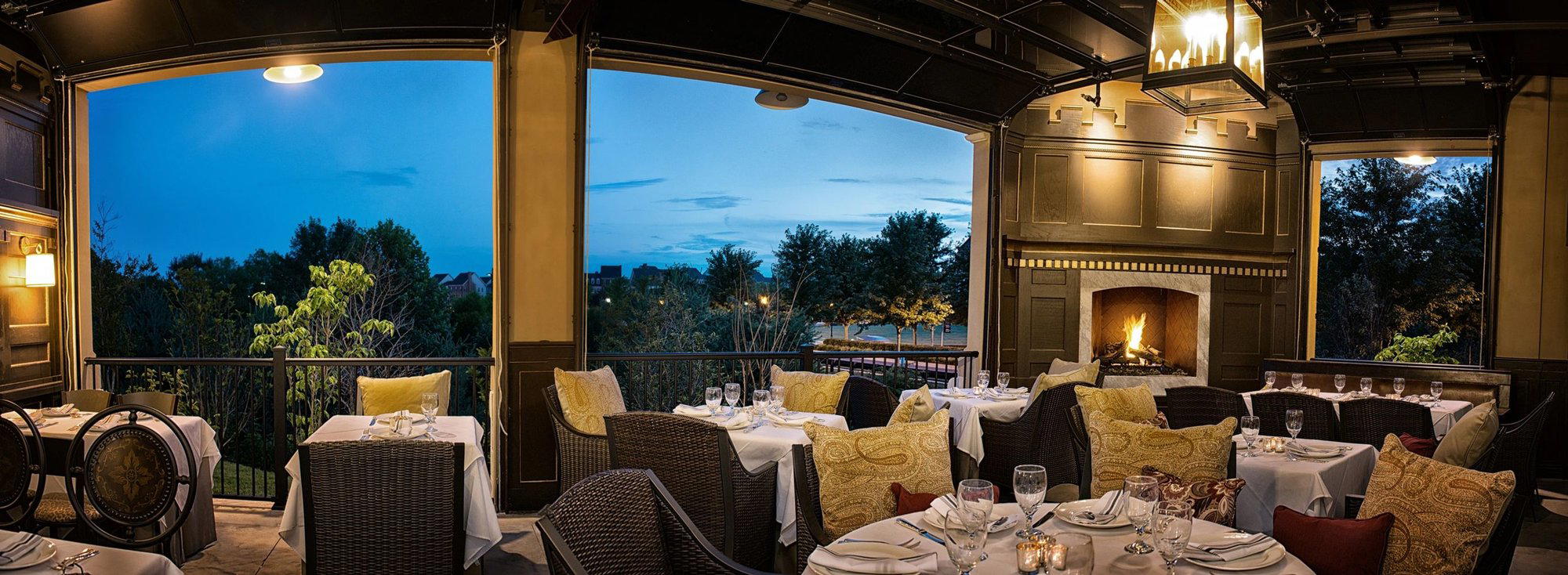
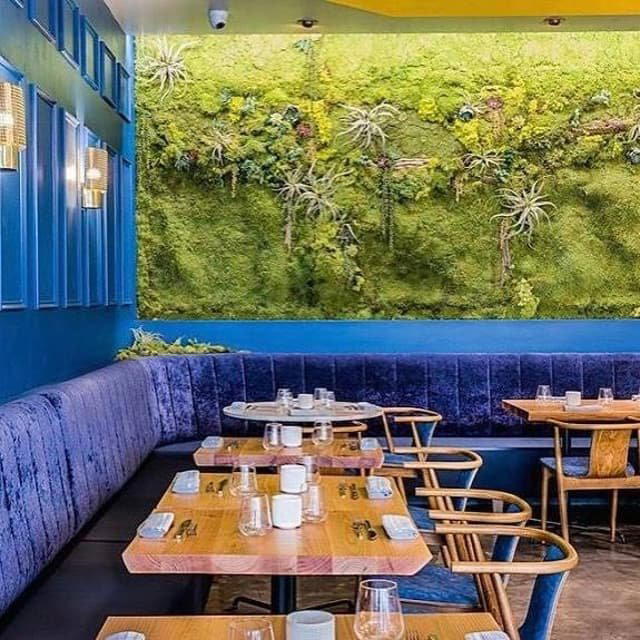
Maple Lawn's built environment skews toward upscale mixed-use, which typically shapes a restaurant's tone toward composed and adult-leaning rather than casual or rowdy. Ananda fits that context: a dining room designed for conversations that don't have to compete with a high-decibel bar crowd. The Fulton, MD address is residential-corridor territory, so expect a neighborhood-restaurant register rather than a city-center scene.
How does Ananda compare to other independent restaurants in the Laurel and Fulton dining corridor?
Laurel's independent restaurant scene has diversified over recent years, with venues like Miss Toya's Southern Kitchen representing one end of the community-anchoring tradition. Ananda at Maple Lawn Blvd occupies a different register, positioning itself around ingredient-led cooking in a planned mixed-use setting. That distinction matters for the Fulton and Howard County area, where most dining options default to chain formats rather than sourcing-driven independents.
What do regulars order at Ananda?
The body of editorial coverage around Ananda centers on ingredient-led preparation, which suggests the kitchen's most repeated strengths track with seasonal availability rather than a fixed signature. Regulars in ingredient-focused restaurants tend to defer to server recommendations on what came in recently, a reliable approach here given the sourcing emphasis.
What's Ananda's location?
Ananda is located at î7421 Maple Lawn Blvd, Fulton, MD 20759, Laurel.
Is Ananda reservation-only?
For a venue in a mixed-use suburban corridor serving a local residential base, walk-in availability often varies by day of the week, so contacting the restaurant directly ahead of a Friday or Saturday visit is advisable.
What do critics highlight about Ananda?
Coverage of Ananda situates it within a broader argument about ingredient-led cooking outside major urban centers, specifically the DC-to-Baltimore stretch that has historically been underestimated as a dining region. The editorial angle is less about awards and more about what this approach means when executed in a suburban Laurel context rather than a city dining room.
In Context: Similar Options
Comparable venues nearby, for context on price, style, and recognition.
| Venue | Cuisine | Price | Notes |
|---|---|---|---|
| AnandaThis venue — the venue you are viewing | Elevated Punjabi Indian Cuisine | $50–100 | Not listed |
| Catherine's | Italian Caribbean Fusion | $30–50 | Corridor Marketplace |
| Toucan Taco | Classic Mexican Taqueria | Not listed | Laurel |
| Miss Toya's Southern Kitchen | Creole / Cajun / Southern | $20–30 | Laurel |
| Jailbreak Foodworks | Modern American Gastropub with Dry-Aged Steaks | $20–30 | Laurel |
| Ambassador Dining Room | Modern Indian Fine Dining | $30–50 | Roland Park |
Continue exploring
More in Laurel
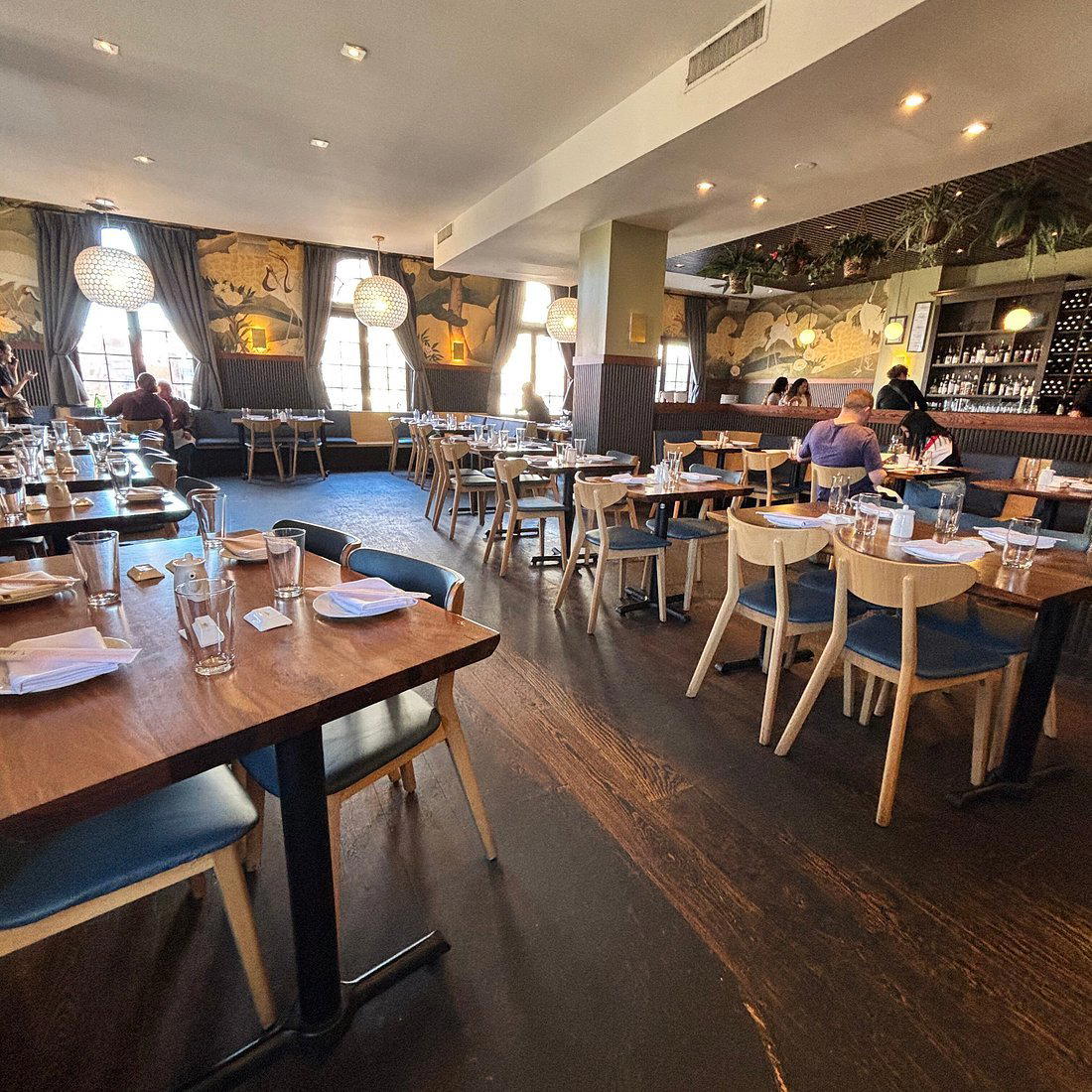
Restaurants in Laurel
Browse all →
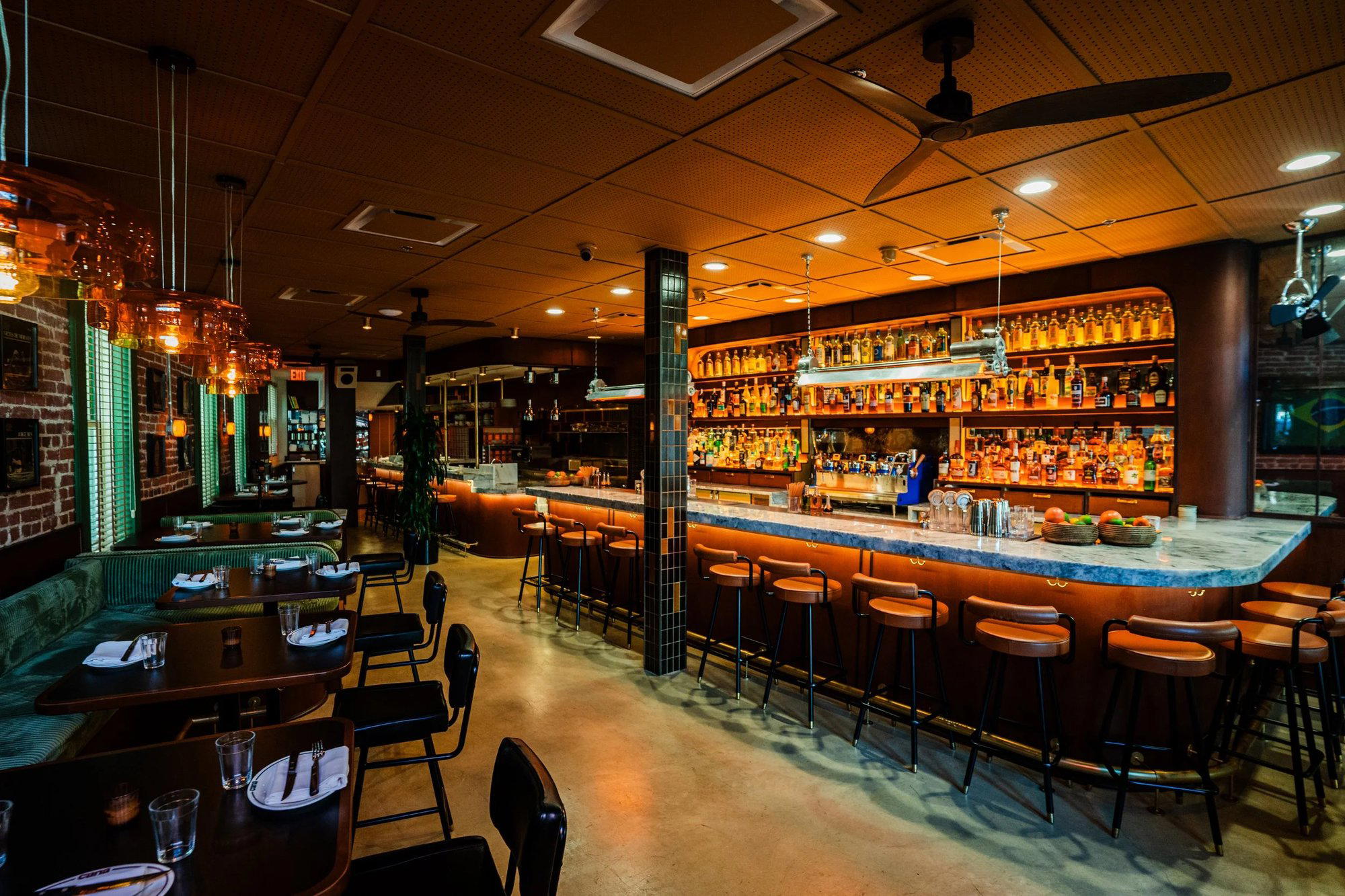
Bars in Laurel
Browse all →
Hotels in Laurel
Browse all →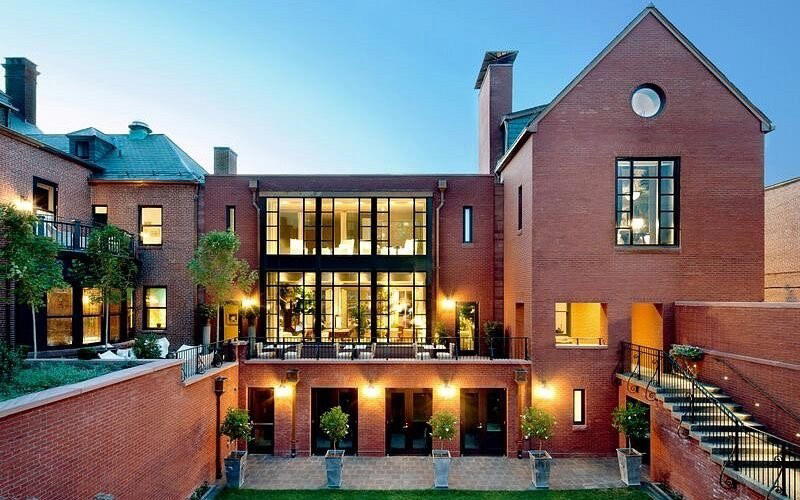
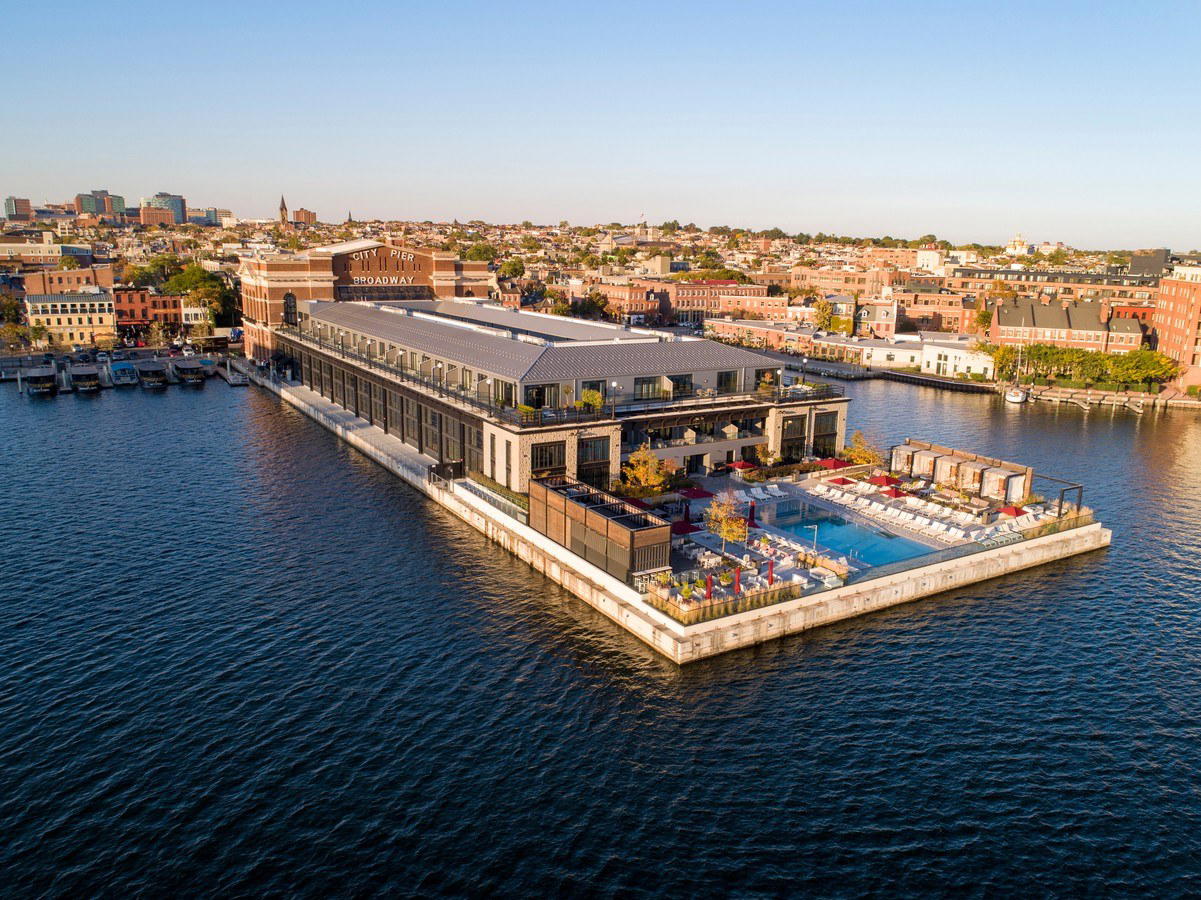
Wineries in Laurel
Browse all →
Details
- Elegant
- Classic
- Sophisticated
- Date Night
- Business Dinner
- Group Dining
- Special Occasion
- Standalone
- Local Sourcing
- A La Carte
- Vegetarian Friendly
- Vegan Options
- Gluten Free Options
Current opening hours
- Monday
- Closed
- Tuesday
- 4–10 PM
- Wednesday
- 4–10 PM
- Thursday
- 4–10 PM
- Friday
- 4–11 PM
- Saturday
- 4–11 PM
- Sunday
- 4–10 PM
Hours can change for holidays and private events. Last verified .
Spacious dining rooms with fireplaces in a reclaimed mansion setting that creates an alternate universe atmosphere with distinctive décor.