Our verdict
Amuse Kitchen & Wine sits on Eagleson Road in Kanata, occupying the mid-market space between chain dining and destination-level tasting menus that defines much of Ottawa's western suburban restaurant scene. The wine-forward format suggests a kitchen with considered sourcing instincts, placing it in a category where ingredient provenance and glass program depth tend to do the editorial heavy lifting.

Pearl is the En Primeur Club membership app, where members save venues, book tables and use the concierge.
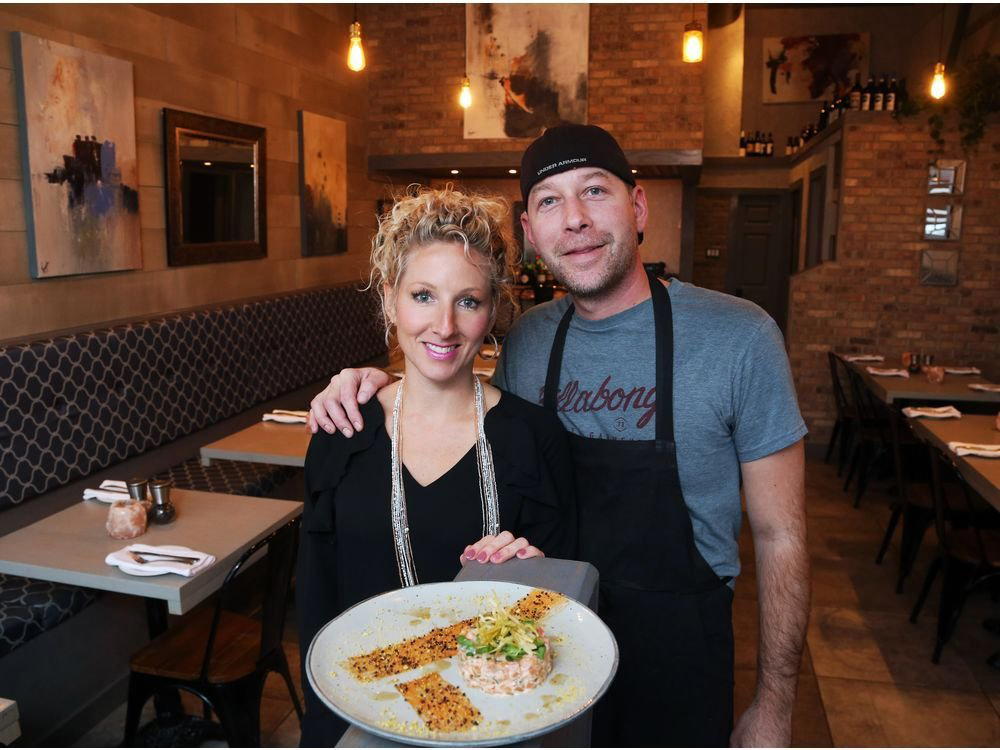
The menu
What to order
- Grilled lamb chop
- Tuna tartare
- Charcuterie
Where Kanata's Dining Scene Actually Lives
Kanata is not Ottawa's dining core, and it makes no pretense of being so. The suburb's restaurant map runs from dependable chains Mandarin Restaurant and Moxies anchor the high-volume tier, up through golf-club dining rooms like Ironstone Grill at The Marshes Golf Club and hotel restaurants such as Perspectives Restaurant at Brookstreet, which carry a slightly more composed kitchen agenda. In that context, a restaurant whose name gestures toward the French pre-course tradition and pairs it with a dedicated wine program is making a legible positioning choice: it is signalling that the meal here is meant to have structure, that the glass matters as much as the plate, and that sourcing, rather than spectacle, is the primary argument.
That positioning connects Amuse Kitchen & Wine to a broader shift visible across Canadian mid-market dining, where the kitchen-and-wine format has become the vehicle of choice for operators who want to communicate ingredient seriousness without committing to the tasting-menu format that defines destination rooms like Tanière³ in Quebec City or Alo in Toronto. The "kitchen and wine" label is doing real work: it tells the reader the cooking is the point, and that the wine list has been curated with enough intentionality to share billing.
The Sourcing Argument in Suburban Dining
Ingredient sourcing is where the kitchen-and-wine category either earns its positioning or exposes it as marketing. In Canada's most committed rooms, Eigensinn Farm in Singhampton or Restaurant Pearl Morissette in Lincoln, sourcing is the architecture of the entire program, with the farm or the estate dictating the menu's shape and season. At the suburban mid-market level, sourcing tends to operate differently: it appears as a selective commitment, particular proteins or produce categories treated with producer-level attention while the broader menu remains flexible and approachable.
The Ottawa Valley and broader eastern Ontario region give a kitchen in Kanata genuine material to work with. The region has an established network of small-scale producers operating in pork, lamb, poultry, and market vegetables, and the valley's dairy tradition runs deep. A restaurant holding a wine program alongside a kitchen operating at this address has access to supply chains that many comparable suburban rooms in larger Canadian cities would have to work harder to establish. What matters is whether that access is being used, and how transparently it appears on the plate and in the menu's language.
The wine side of the equation connects to a parallel trend in Canadian dining. Smaller, terroir-driven producers from Ontario's Niagara Peninsula, Prince Edward County, and British Columbia's Okanagan have become standard reference points for mid-tier wine programs that want to signal local seriousness without abandoning internationally recognizable styles. A wine list that draws on those regions, particularly the cooler-climate whites and Pinot Noir that Prince Edward County has built a growing reputation around, reads differently from one anchored purely to French and Californian imports. The distinction matters to a specific diner: the one who asks where the Chardonnay is from before ordering it.
Reading the Room: Kanata's Dining Audience
Kanata's dining population is not homogeneous. The suburb houses a significant technology-sector workforce, a large family demographic drawn by housing cost relative to central Ottawa, and a steadily growing professional base with travel habits that have sharpened expectations around food and wine. This is the audience that sustains the kitchen-and-wine format in suburban North American markets: people who have eaten at AnnaLena in Vancouver or Jérôme Ferrer's Europea in Montreal on a business trip, who know what a thoughtful glass program looks like, and who want a version of that experience within twenty minutes of home on a Tuesday.
That diner is different from the one the chain tier is competing for, and also different from the one driving two hours for a set menu at a destination room. The kitchen-and-wine format serves a middle distance: considered but not ceremonial, with a price point that allows for regularity rather than requiring it to be an occasion. For the Kanata market, a restaurant at this address on Eagleson Road is accessible by car from most of the suburb's residential clusters, placing it in the practical tier where logistics reinforce, rather than complicate, the decision to visit.
For comparison, Jack's Kanata occupies a more casual register in the local market, while rooms like Perspectives at Brookstreet carry a hotel-dining formality that positions them for different occasions. Amuse, by name and format, sits between those poles.
What the Kitchen-and-Wine Format Demands
Across Canada's better mid-market rooms, the format works when two conditions hold: the kitchen has a clear point of view on what it is cooking and why, and the wine list has been assembled by someone with enough range to move between styles and budgets without defaulting to the path of least resistance. When both conditions fail, the result is a restaurant that communicates ambition it cannot execute, a recognizable category trap in the suburban dining market.
The benchmark for what this format can achieve at its most committed end is visible in rooms like Narval in Rimouski, which demonstrates that serious sourcing and a considered glass program are not geographically limited to major urban centres. The same argument applies here: Kanata's location does not preclude a kitchen from making intelligent decisions about where its proteins and produce come from, or a wine program from being built with real editorial intention. Geography is a constraint on supply chain, not on ambition.
For Canadian diners who have spent time with rooms like Fogo Island Inn's dining room in Joe Batt's Arm, where sourcing is inseparable from place and the ingredient story is the meal, the suburban kitchen-and-wine format will always feel like a partial version of that proposition. That is not a criticism; it is a genre distinction. Amuse Kitchen & Wine, by name and positioning, is in the business of making the local and the considered available at a scale and frequency that the destination model cannot offer. That is a legitimate and necessary thing for a suburb's dining scene to have.
For further context on how Amuse fits into the broader Kanata restaurant picture, see our full Kanata restaurants guide. For those tracking what the kitchen-and-wine format looks like at different registers of commitment across North America, the contrast between a suburban room and a destination format like Lazy Bear in San Francisco or Le Bernardin in New York City sharpens the question of what you are actually asking a local restaurant to do, and why the honest answer to that question matters when you are deciding where to spend a Wednesday evening in Kanata.
Planning Your Visit
Amuse Kitchen & Wine is located at 500 Eagleson Road in Kanata, Ontario, a central Kanata address reachable by car from most points in the suburb. Given the kitchen-and-wine format and its typical audience, weeknight availability tends to be more consistent than weekend seatings in this category, though that is a pattern observation rather than venue-specific intelligence. Dress expectations at rooms in this positioning tier typically run to smart-casual without formality requirements.
Frequently asked questions
Does Amuse Kitchen & Wine work for a family meal?
It depends on what the meal needs to accomplish. The kitchen-and-wine format at a Kanata address like 500 Eagleson Road typically skews toward adult dining occasions, date nights, work dinners, smaller gatherings, rather than table-for-six family visits. Families with older teenagers comfortable at a wine-forward table will find the fit more natural than those bringing younger children.
Is Amuse Kitchen & Wine better for a quiet night or a lively one?
Kitchen-and-wine rooms at the mid-market level in Canadian suburbs generally run at a considered pace rather than a high-energy one. At 500 Eagleson Road in Kanata, the format suggests an environment suited to conversation and a bottle shared slowly, not a loud group celebration. If the latter is the goal, a larger-format venue would be a more practical fit.
How does Amuse Kitchen & Wine fit into the broader Kanata dining scene?
Kanata's restaurant map is weighted heavily toward chains and casual family dining, which makes a kitchen-and-wine concept at 500 Eagleson Road a relatively distinct proposition in the suburb. The format positions Amuse closer to Ottawa's mid-market wine-bar tier than to the dependable-chains corridor that dominates much of the area.
What should I eat at Amuse Kitchen & Wine?
The kitchen-and-wine format, as practiced across Canada's mid-market, typically organises its food around plates that support wine pairing rather than standalone showpiece courses.
Where is Amuse Kitchen & Wine located?
Amuse Kitchen & Wine is located at 500 Eagleson Rd, Kanata, ON K2M 1H4, Canada, Kanata.
Fast Comparison
Comparable venues nearby, for context on price, style, and recognition.
| Venue | Cuisine | Price | Notes |
|---|---|---|---|
| Amuse Kitchen & WineThis venue (the venue you are viewing) | Modern Italian-French Mediterranean | Not listed | Not listed |
| Pure Kitchen Kanata | Vegetarian Fusion | $20–30 | Kanata |
| Perspectives Restaurant at Brookstreet | Contemporary Canadian Fine Dining | $50–100 | Kanata |
| Mandarin Restaurant | Chinese-Canadian Buffet | $30–50 | Kanata |
| Moxies - Kanata | Contemporary Casual Fusion Grill | $30–50 | Kanata |
| Ironstone Grill at The Marshes Golf Club | Canadian Grill & Bistro | $20–30 | Kanata |
Amuse Kitchen & Wine
Featured Guides

Continue exploring
More in Kanata
Restaurants in Kanata
All restaurants in Kanata →





Details
- Cozy
- Elegant
- Modern
- Intimate
- Date Night
- Special Occasion
- Business Dinner
- Open Kitchen
- Extensive Wine List
- Small Plates
- A La Carte
- Wine
- Cocktails
- Vegetarian Friendly
- Vegan Options
- Gluten Free Options
Current opening hours
- Monday
- 5–10 PM
- Tuesday
- 5–10 PM
- Wednesday
- 5–10 PM
- Thursday
- 5–10 PM
- Friday
- 5–11 PM
- Saturday
- 5–11 PM
- Sunday
- Closed
Hours can change for holidays and private events. Hours as of .
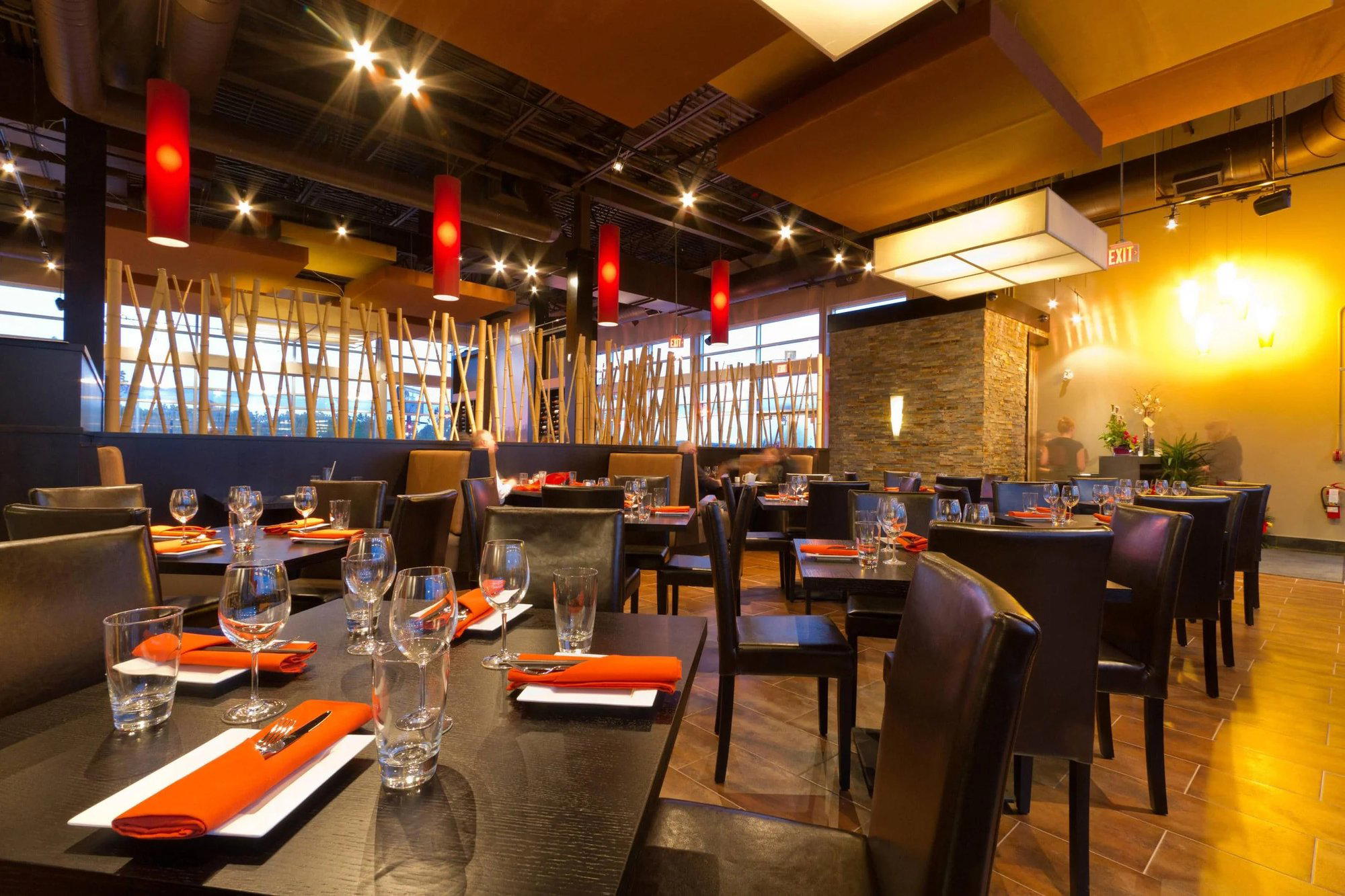
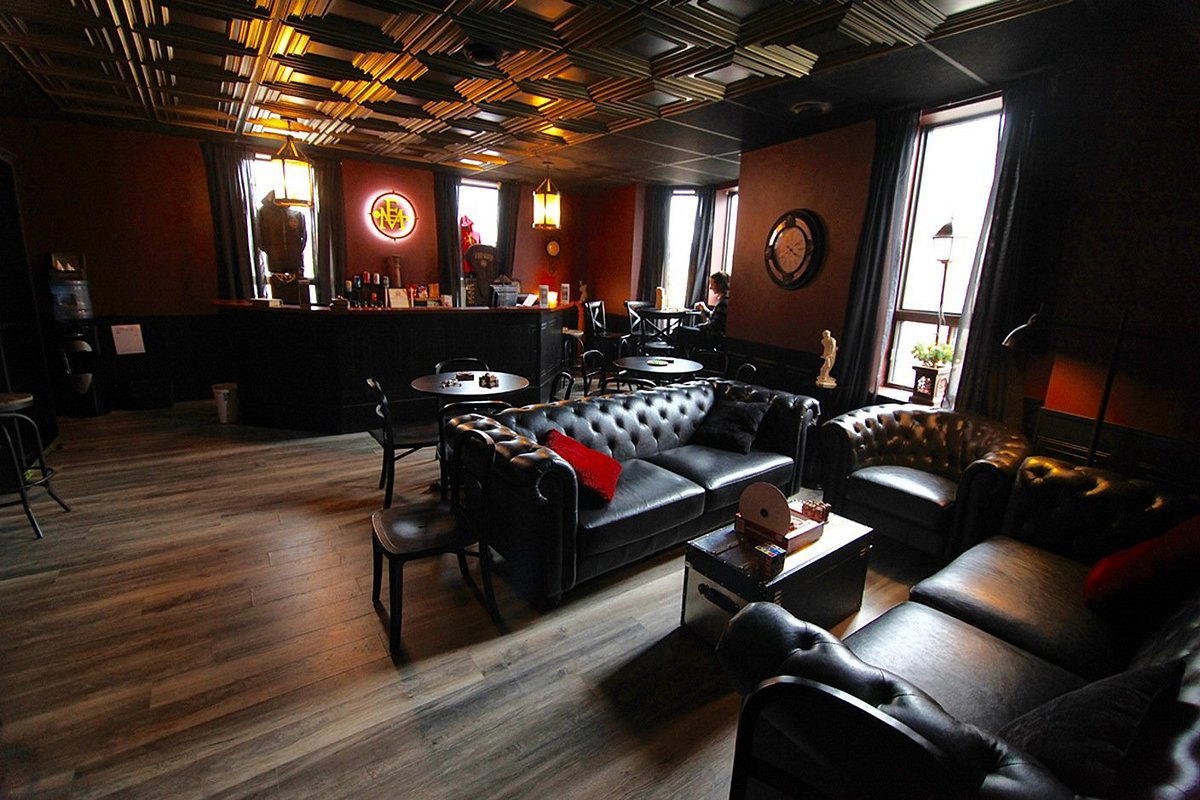
Classy and cozy with tasteful decor, mood music, and an elegant intimate atmosphere.