
Guía Repsol 1 Sol
Our verdict
Kinu Sevilla sits in the Casco Antiguo, close to the city’s most visitor-heavy streets but judged in a more serious dining register than casual tapas crawls. Its 1 Sol from Guía Repsol 2026 places it inside Spain’s contemporary restaurant conversation, where regional context, format discipline, and a quieter room matter more than spectacle.

Pearl is the En Primeur Club membership app — saves, bookings, and concierge access live there. Same editors, same standards.
- Address
- C. Miguel Mañara, 11, Casco Antiguo, 41004 Sevilla, Spain
- Hours
- Daily 1–3:30 PM, 7:30–11 PM
- Directions
- Get directions
The menu
What to order
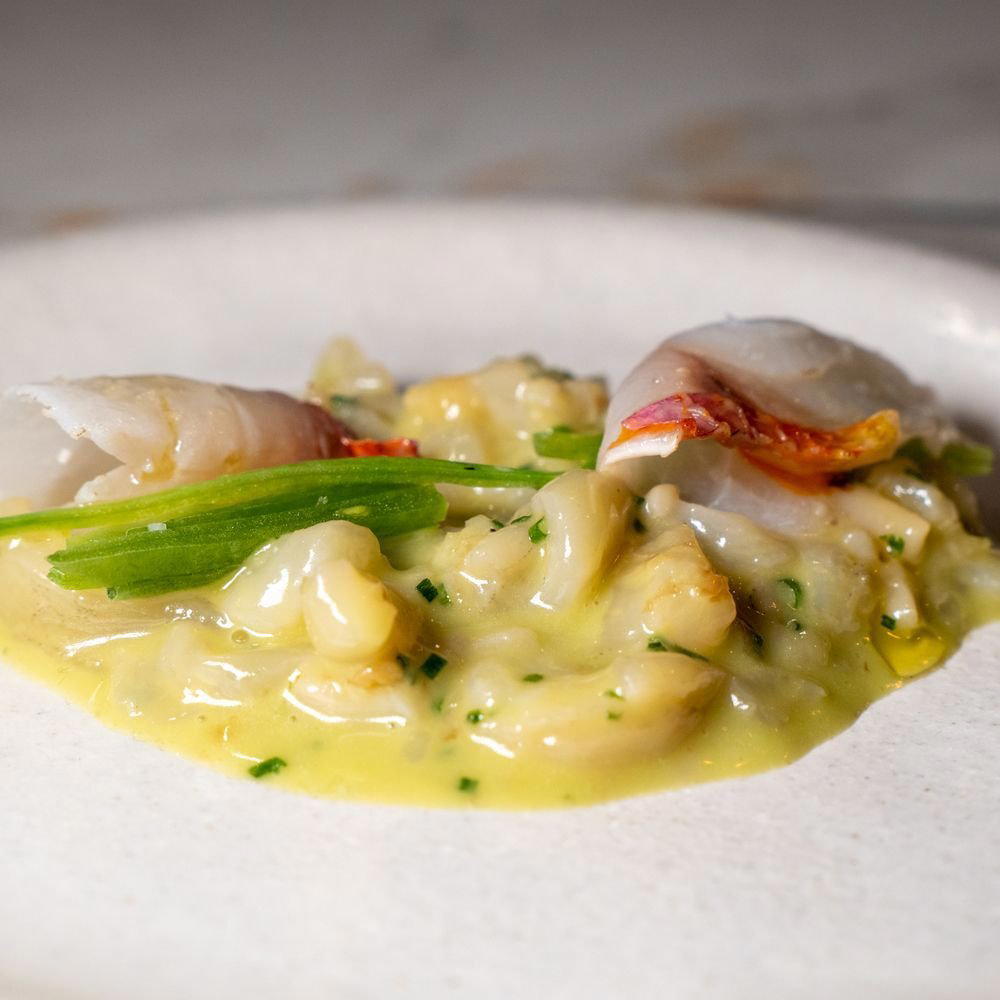
- Omakase sushi sequence
- Executive menu tamago kake gohan
- Negitoro hosomaki
- Dark chocolate and red miso cake
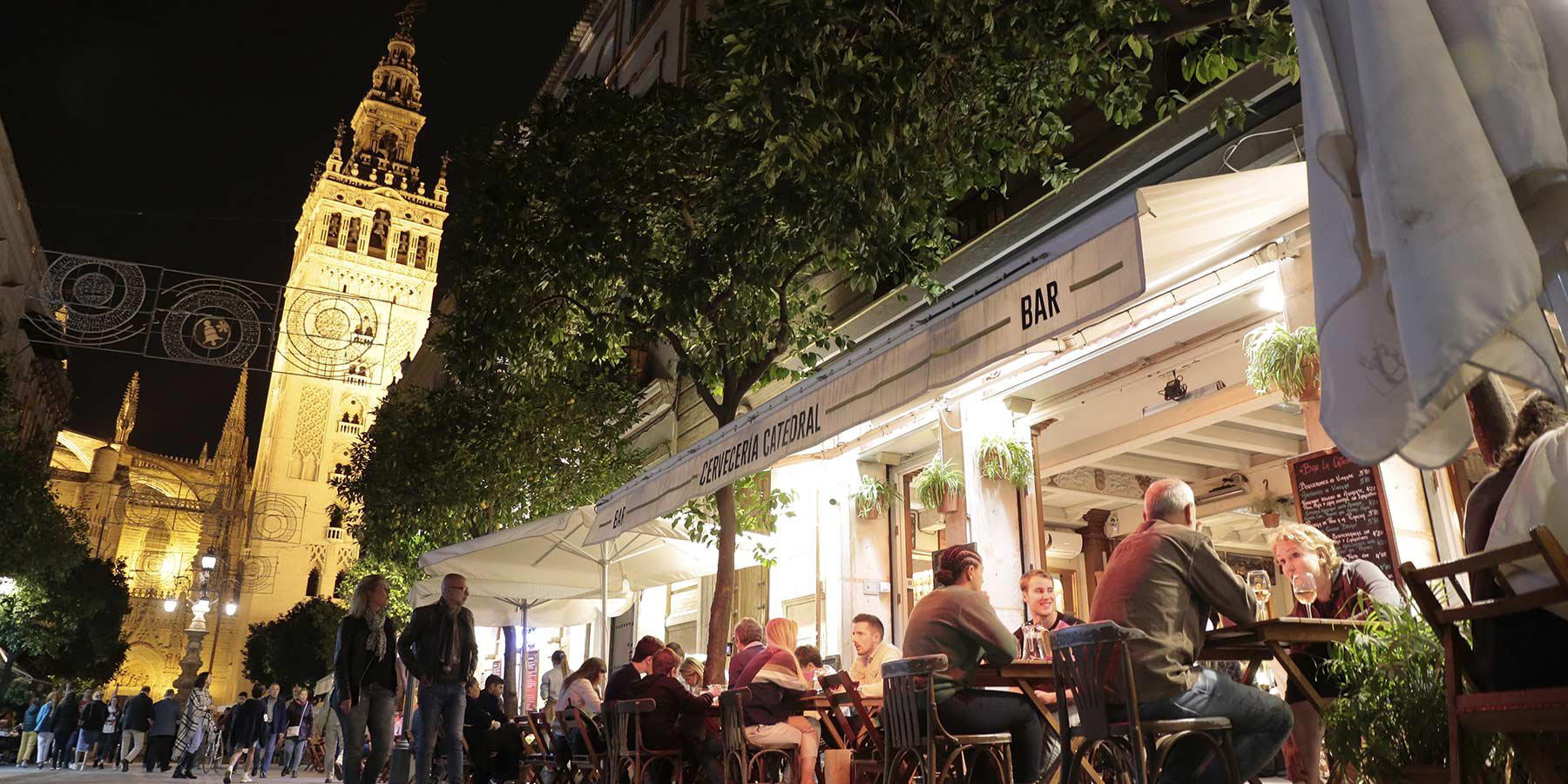
Sevilla’s old centre changes tone quickly: tiled bars, late lunches, processional streets, then a quieter dining room where the city’s appetite for ceremony meets a newer, more controlled restaurant culture. Kinu Sevilla belongs to that second register. It is not the taberna rhythm of standing at the bar with a caña, nor the directness associated with many counter-led local addresses. Its relevance is in how Sevilla now accommodates restaurants that ask for more attention without abandoning the city’s habit of eating socially, late, and with a strong sense of place.
The 2026 Guía Repsol award of 1 Sol gives the room a useful marker. In Spain, that recognition often captures restaurants operating between neighbourhood familiarity and destination-level ambition: not necessarily formal in the old hotel-dining sense, but serious about consistency, pacing, and identity. For a city better known internationally for tapas, sherry, and courtyard evenings than for hushed tasting-menu orthodoxy, that category matters. It shows how the local dining scene has widened beyond the familiar choice between classic bars and high-ceremony restaurants.
A quieter register in a city built on tapas momentum
Sevilla’s dining culture is unusually resistant to isolation. Food here is tied to movement: one bar before another, one glass before dinner, a plate shared because the next stop is already in mind. That makes any more composed restaurant format work harder. It cannot simply import the codes of Madrid, Barcelona, or San Sebastián and expect them to feel native. The stronger contemporary rooms in the city tend to succeed when they understand restraint as a local virtue rather than an international pose.
Kinu Sevilla is useful to read against that background. Its setting in Sevilla places it within the city’s broader dining circuit, but the Repsol signal separates it from casual convenience. Nearby expectations are broad: visitors may be comparing it with traditional tapas, product-led grazing, or sherry-minded Spanish cooking elsewhere in the city. The more useful comparison is not which address is superior, but which version of Sevilla the diner wants: bar-hopping energy, product-led tapas, or a slower room with award-level scrutiny.
That distinction matters because Sevilla can punish overplanning. The city’s strongest food memories often come from repetition and timing rather than a single grand booking. A restaurant in Kinu Sevilla’s category has to justify being the anchor of an evening. The case for doing so rests on structure: a controlled room, a recognized critical signal, and a location that keeps the meal connected to the city rather than sealed away from it.
Recognition without the usual destination-restaurant theatre
Spain’s restaurant awards often reward more than luxury. Guía Repsol, in particular, has long paid attention to regional relevance and the way a restaurant expresses its setting. A 1 Sol in Sevilla is therefore not just a badge for technique; it also places the restaurant in a national conversation about how Andalusian cities are modernizing without surrendering their social dining codes. That is the interesting point here. Kinu Sevilla sits in a city where the meal is rarely treated as an isolated performance, and any contemporary restaurant has to negotiate that pressure.
Within Sevilla, the contrast with other recognized and well-liked dining rooms is instructive. Kinu Sevilla occupies useful territory for diners who want a recognized restaurant experience without turning the night into a formal pilgrimage. Its Sevilla setting also changes the calculus: it can follow an afternoon of exploring, precede a late drink, or sit inside a broader city evening rather than requiring a separate excursion.
The page does not need to lean on an unverified chef narrative to make the restaurant legible. Sevilla has enough restaurants discussed through personality, lineage, and house mythology. Here, the editorial interest lies in category: a contemporary Sevillian address with a 2026 Repsol Sol, operating in a city where many diners arrive with tapas expectations. That tension is more revealing than any invented mythology about inspiration or philosophy.
How to place it inside a Sevilla itinerary
For visitors building a serious food itinerary, Kinu Sevilla makes sense as the composed dinner rather than the whole story. The surrounding days should include looser formats, because Sevilla’s food culture is cumulative. Pairing this kind of meal with bar-led addresses gives a more accurate reading of the city than spending every night in reservation-only rooms. The broader EP Club edit for the city is useful here: Our full Sevilla restaurants guide maps the dining spread, while Our full Sevilla bars guide and Our full Sevilla experiences guide help build the hours around it. For stays, Our full Sevilla hotels guide is the cleaner planning layer; for regional drinking context, Our full Sevilla wineries guide widens the lens beyond dinner.
Readers comparing Spanish restaurant categories beyond Andalusia can place the address alongside a wider national spread of contemporary dining rooms, casual specialists, and more formal restaurants in other cities. For an international contrast, other dining cultures show how different places absorb outside influences at different levels of formality, but the point at Kinu Sevilla remains local: how a recognized Sevilla restaurant fits into a city still shaped by social, late, and highly mobile eating.
The verdict is practical rather than breathless: choose Kinu Sevilla when the night calls for a calmer, critically recognized meal in Sevilla, not when the goal is a rapid tapas circuit. Its value is clearest for diners who want Sevilla’s contemporary restaurant scene in focus, with the city’s older social habits still close enough to shape the evening.
Frequently asked questions
Would Kinu Sevilla be comfortable with kids?
Kinu Sevilla is best understood as a serious dining room rather than a casual tapas stop. The Guía Repsol 1 Sol in 2026 suggests a more composed restaurant experience, so the fit depends on the child and the occasion.
How would you describe the vibe at Kinu Sevilla?
Kinu Sevilla is in Sevilla, and its Guía Repsol 1 Sol suggests a composed, destination-style room rather than a drop-in neighborhood bar. The recognition points to a place that values precision and consistency over noise.
What are Kinu Sevilla's hours?
Current hours for Kinu Sevilla should be confirmed directly with the restaurant when booking, as schedules can change.
How do I find Kinu Sevilla?
Kinu Sevilla is located in Sevilla.
What do critics highlight about Kinu Sevilla?
The clearest critical signal is the Guía Repsol Soles 2026 recognition: 1 Sol. In Spain, that places Kinu Sevilla in a curated tier that rewards restaurants for quality and local relevance, not just polish.
Can Kinu Sevilla accommodate dietary restrictions?
For dietary restrictions, the deciding factor will be the kitchen’s current menu structure and how much flexibility it can offer on the day. Guests should contact Kinu Sevilla directly before booking.
Price Lens
Comparable venues by cuisine and price in the same metro.
| Venue | Cuisine | Price | Awards | Notes |
|---|---|---|---|---|
| Kinu SevillaThis venue — the venue you are viewing | Fine-dining Japanese with omakase counter | $50–100 | Guía Repsol 1 Sol | Not listed |
| Mareantes Cervecería | Marisqueria | Not listed | Not listed | Not listed |
| Ena Sevilla | Modern Andalusian tapas & cocktails | $30–50 | Not listed | Not listed |
| Restaurante San Fernando | Spanish Fine Dining | Not listed | Not listed | Not listed |
| Fismuler Seville | Modern Spanish with Nordic touches | $50–100 | Not listed | Not listed |
| Casa Morales | Traditional Andalusian Tapas | $20–30 | Not listed | Tapas Bar |
Recognition history
Dated appearances from independent guides and award organizations, with the underlying list record or original source where available.
Guía Repsol 1 Sol
Guía Repsol
Details
- Modern
- Minimalist
- Elegant
- Intimate
- Date Night
- Special Occasion
- Celebration
- Business Dinner
- Solo
- Chefs Counter
- Wine Cellar
- Design Destination
- Standalone
- Historic Building
- Sake Program
- Extensive Wine List
- Sustainable Seafood
- Street Scene
- Omakase
- A La Carte
- Tasting Menu
- Counter Dining
- Sake
- Wine
- Beer
- Pescatarian Friendly
Current opening hours
- Monday
- 1–3:30 PM, 7:30–11 PM
- Tuesday
- 1–3:30 PM, 7:30–11 PM
- Wednesday
- 1–3:30 PM, 7:30–11 PM
- Thursday
- 1–3:30 PM, 7:30–11 PM
- Friday
- 1–3:30 PM, 7:30–11 PM
- Saturday
- 1–3:30 PM, 7:30–11 PM
- Sunday
- 1–3:30 PM, 7:30–11 PM
Hours can change for holidays and private events. Last verified .
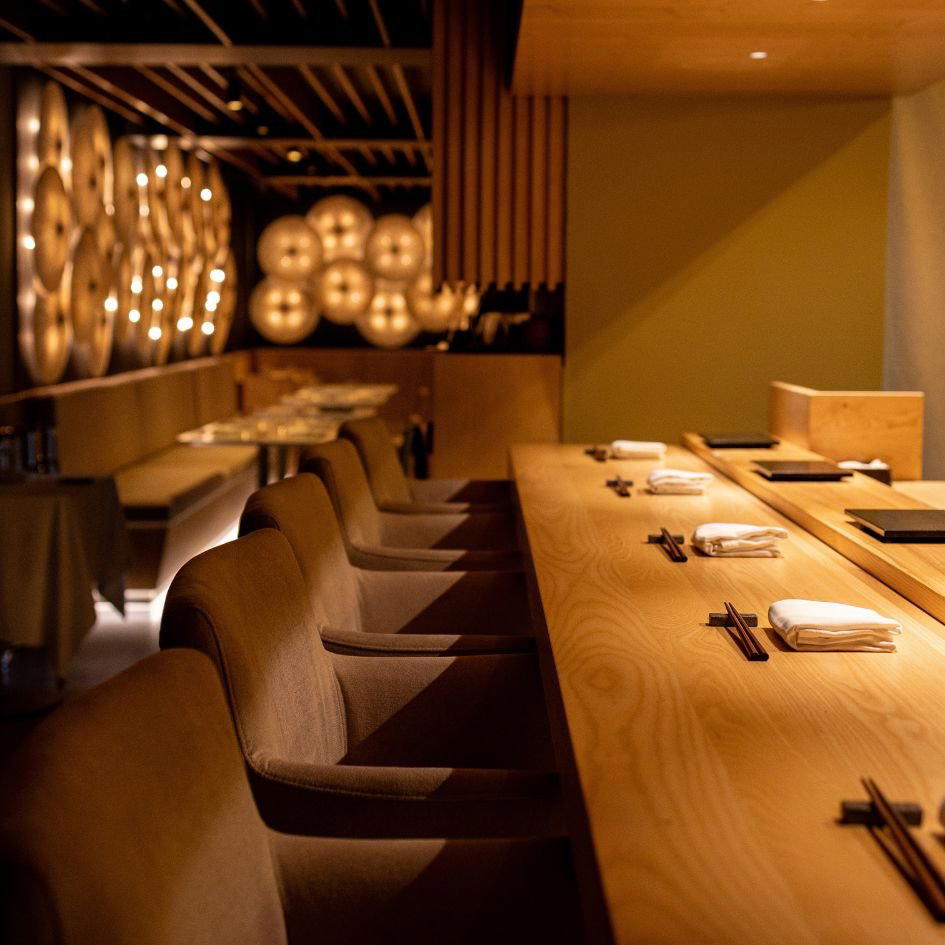
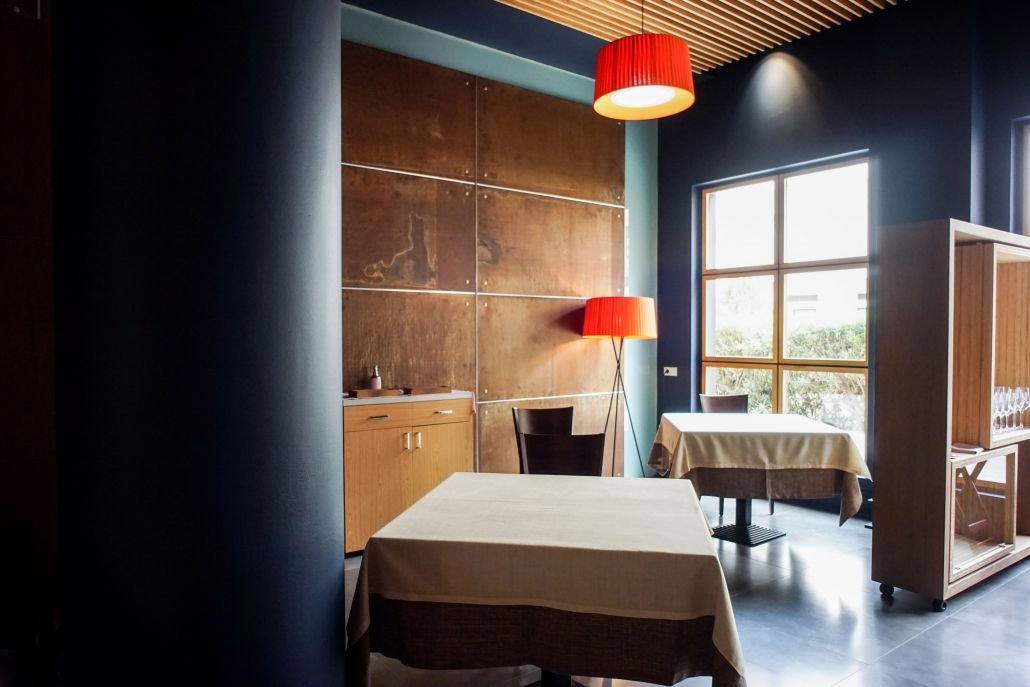
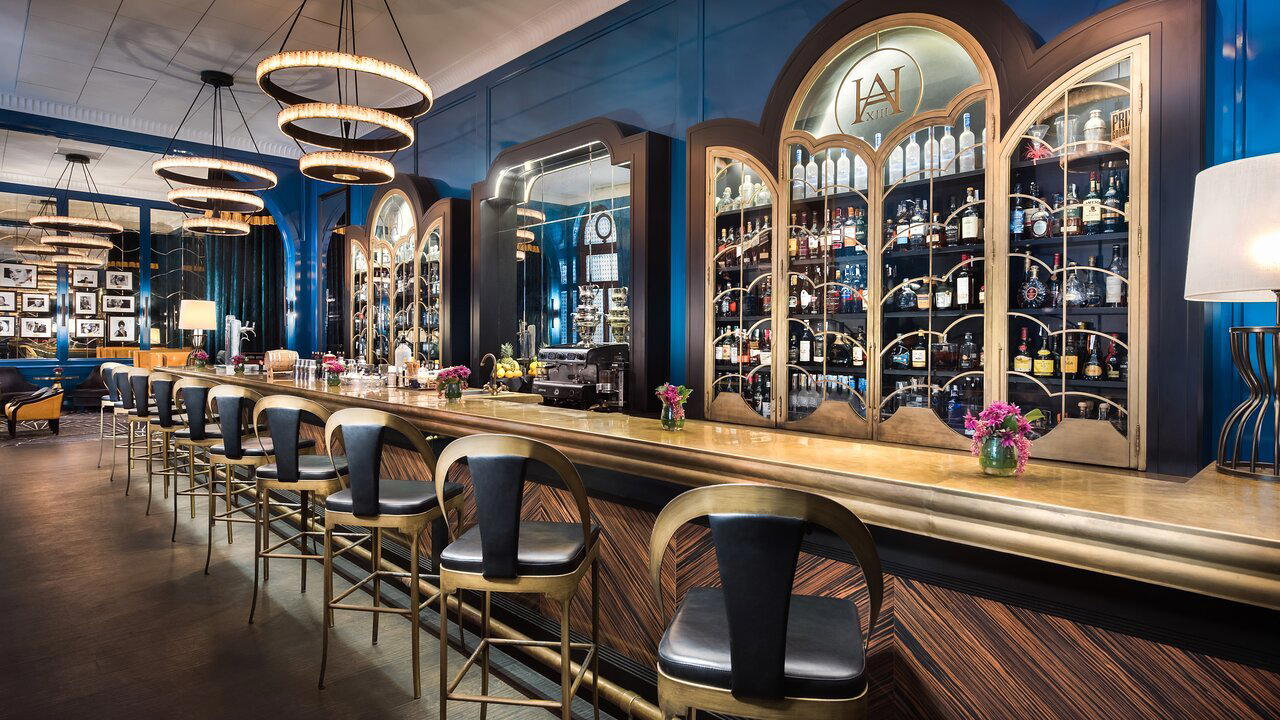
Minimalist and softly lit, with a calm, ceremonial atmosphere that feels discreet and somewhat hidden despite being in the historic centre; the omakase counter and small dining room create an intimate, fine-dining mood rather than a noisy, high-energy space.