Blue Point Grille
Our verdict
Blue Point Grille occupies a prominent address on West St Clair Avenue in Cleveland's Warehouse District, placing it at the center of a dining corridor that has reshaped how the city thinks about serious seafood. The menu architecture here reflects a broader movement in American port-adjacent restaurant culture: a structured progression from raw bar through composed plates that treats provenance as a primary organizing principle rather than an afterthought.

Pearl is the En Primeur Club membership app — saves, bookings, and concierge access live there. Same editors, same standards.
- Address
- 700 W St Clair Ave, Cleveland, OH 44113
- Phone
- (216) 875-7827
- Hours
- Mon–Thu 11:30 AM–9 PMFri 11:30 AM–10 PMSat 4–10 PMSun 4–9 PM
- Website
- bluepointgrille.com
- Directions
- Get directions
- Booking
- Book on OpenTable
The menu
What to order
- Blue Point Oysters
- Lobster Bisque
- Nag's Head Grouper
West St Clair and the Seafood Conversation in Cleveland
Cleveland's dining identity has long been shaped by its position as a Great Lakes city with genuine access to freshwater fish traditions, but the more compelling shift in recent years is how its serious restaurants have repositioned themselves within the broader American seafood canon. West St Clair Avenue sits at the middle of that repositioning. The address at 700 W St Clair Ave places Blue Point Grille inside the Warehouse District, a neighborhood whose conversion from industrial storage to dining destination tracks closely with the city's post-recession confidence as a food city. Walking the block, the physical scale of the former warehouse buildings sets an expectation of substance over delicacy, which makes the kind of precise seafood-forward cooking that defines this tier of American dining all the more considered a choice.
American seafood restaurants at this level have split into two broad camps over the past two decades. The first follows the French-influenced fine dining model exemplified by operations like Le Bernardin in New York City, where the menu is a rigidly sequenced tasting exercise and the room operates at near-ceremonial remove. The second takes a more democratic approach to structure: a raw bar anchors one end of the menu, grilled and roasted preparations anchor the other, and the diner assembles their own progression. Blue Point Grille sits recognizably in that second tradition, which is not a lesser tradition. It is simply one that asks more of the diner and less of the kitchen to enforce a single narrative.
How the Menu Is Built, and What That Tells You
Menu architecture in a serious seafood restaurant functions as editorial. The decisions about where to place the raw bar relative to the cooked section, how aggressively to feature regional sourcing in the language of the menu, and whether to anchor the experience in a fixed format or an open selection — each of these is a statement about what the kitchen believes and who it is cooking for. At Blue Point Grille, the structure reflects a philosophy common to the stronger independent seafood houses across the American Midwest: a belief that the raw bar is not a prelude to the real meal but an equal part of it, and that a properly sourced oyster service is as technically demanding as any composed plate.
This approach connects to a wider movement visible in American dining from Smyth in Chicago down through the Great Lakes corridor, where seasonal and regional sourcing has become the structural logic behind menu-building rather than a marketing footnote. The restaurants that have stayed relevant in this category are those where the menu's organization makes the sourcing argument for itself, rather than requiring a paragraph of table-side explanation to justify the choices. A raw bar that rotates by what is available from regional waters, positioned at the front of the menu in both physical placement and implied dining sequence, makes that argument quietly and effectively.
For a comparable editorial commitment to structure and sourcing in a very different coastal context, Providence in Los Angeles represents how that same menu-architecture logic scales upward toward the tasting-menu tier. Closer to Cleveland's register, Emeril's in New Orleans demonstrates what happens when American seafood cooking embraces regional identity as its primary organizational frame rather than French technique. Blue Point Grille occupies a position between those reference points: more structured than a casual fish house, less ceremonially fixed than a tasting-format operation.
Cleveland's Warehouse District as Context
The Warehouse District functions differently from Cleveland's other dining corridors. Ohio City, a few minutes west, has become associated with market-driven independent restaurants and the kind of format experimentation you see at places like Amba. The Warehouse District trades in a slightly more composed register, where the buildings and the clientele both tend toward the established rather than the emerging. That context matters for understanding what Blue Point Grille is doing and for whom. A serious seafood restaurant at this address is not trying to surprise a neighborhood with what dining can be. It is serving a clientele that already knows what it wants and is asking whether the kitchen can deliver it at a consistent level.
That reliability question is, in the end, the central one for any restaurant in this tier of American seafood dining. The ceiling is set by what great American seafood restaurants at the format's leading end have demonstrated is possible: the precision sourcing of Single Thread Farm in Healdsburg, the technical commitment of Blue Hill at Stone Barns in Tarrytown, the structural ambition of Addison in San Diego. The floor is set by whether the kitchen treats the raw bar as a serious culinary statement or as a convenience offering. The distance between those two positions is where a restaurant's actual identity lives.
For readers building a Cleveland itinerary around serious dining, the West St Clair corridor rewards a meal-by-meal approach rather than a single-venue focus. 1330 on the River covers a different register nearby, and Acqua di Dea offers an Italian-accented alternative for those who want Mediterranean reference points alongside their Great Lakes experience. For a fuller map of where Cleveland's dining sits at this level, the EP Club Cleveland restaurants guide covers the broader picture, including venues like Agave & Rye Cleveland and #1 Pho that represent the city's range beyond the fine-dining tier.
Planning a Visit
Blue Point Grille's address at 700 W St Clair Avenue is accessible from downtown Cleveland on foot or by a short ride from the main hotel corridor along East Fourth Street. The Warehouse District rewards arrival by foot if conditions allow, since the building scale and street character of the neighborhood are part of the context that makes dining here make sense. Given the restaurant's position as one of the more established seafood addresses in the city, reservations at peak weekend times are worth securing in advance rather than assumed to be available.
Frequently asked questions
Where exactly is Blue Point Grille?
Blue Point Grille is located at 700 W St Clair Ave, Cleveland, OH 44113, Cleveland.
How does Blue Point Grille fit into the Cleveland Warehouse District dining scene?
The Warehouse District sits between downtown Cleveland and Ohio City, and Blue Point Grille at 700 W St Clair Ave occupies a specific niche within it as a seafood-focused restaurant rather than a steakhouse or casual bistro. Cleveland's Great Lakes geography gives local seafood restaurants access to freshwater fish traditions that distinguish them from coastal American equivalents. That regional context is part of what makes a dedicated seafood house at this address a different proposition from the city's other dining corridors.
What's the signature dish at Blue Point Grille?
Blue Point Grille's menu draws on Cleveland's position as a Great Lakes city, making freshwater fish preparations a natural focal point. The raw bar is a structural anchor of the menu, which is consistent with the restaurant's identity as a dedicated seafood house on W St Clair Ave. Specific current dishes are best confirmed directly with the restaurant before your visit.
What's the best way to book Blue Point Grille?
Blue Point Grille is located at 700 W St Clair Ave in Cleveland's Warehouse District, accessible on foot from the main downtown hotel corridor. Reservation contact details are not listed centrally, so checking directly via a search for the current booking channel is the most reliable approach. Walk-in availability varies with the dinner service and day of week.
What's the signature at Blue Point Grille?
The restaurant's identity is built around seafood in a city with genuine freshwater fish access, and the raw bar anchors the menu's opening section. That positioning separates Blue Point Grille from Cleveland's steakhouse-heavy Warehouse District neighbours. It functions as the area's most dedicated seafood address at the W St Clair Ave end of downtown.
Awards and Standing
| Venue | Cuisine | Price | Awards |
|---|---|---|---|
| Blue Point GrilleThis venue — the venue you are viewing | Classic Seafood Grille | $50–100 | Not listed |
| Leña Pizza + Bagels | Wood-Fired Neapolitan Pizza & Bagels | $20–30 | 50 Top Pizza USA #9 |
| The Senator's Place | Southern Soul Food | Not listed | Not listed |
| Acqua di Dea | Italian Seafood | $50–100 | Not listed |
| Agave & Rye Cleveland | Modern Mexican Epic Tacos | $30–50 | Not listed |
| Amba | Modern Indian Fusion | $50–100 | James Beard Award Semi Finalist |
Continue exploring
More in Cleveland
Restaurants in Cleveland
Browse all →
Bars in Cleveland
Browse all →
Details
- Elegant
- Sophisticated
- Lively
- Date Night
- Business Dinner
- Special Occasion
- Waterfront
- Private Dining
- Extensive Wine List
- Sustainable Seafood
- Skyline
- A La Carte
- Vegetarian Friendly
- Vegan Options
- Gluten Free Options
Current opening hours
- Monday
- 11:30 AM–9 PM
- Tuesday
- 11:30 AM–9 PM
- Wednesday
- 11:30 AM–9 PM
- Thursday
- 11:30 AM–9 PM
- Friday
- 11:30 AM–10 PM
- Saturday
- 4–10 PM
- Sunday
- 4–9 PM
Hours can change for holidays and private events. Last verified .
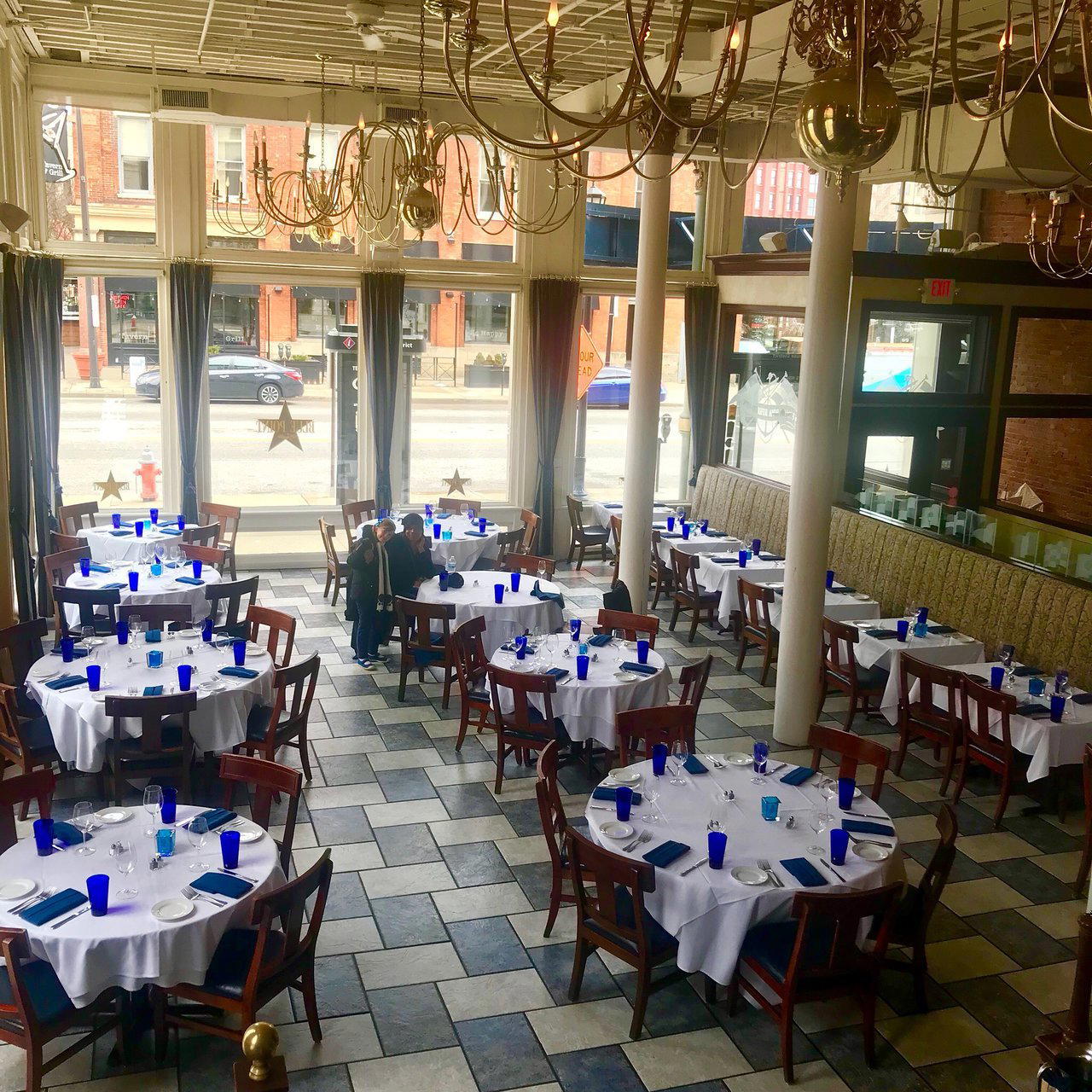
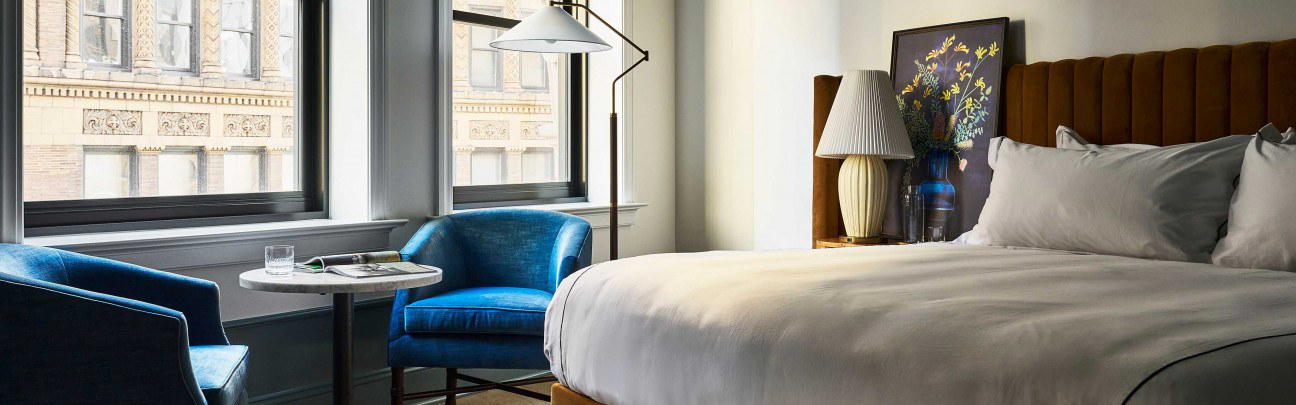
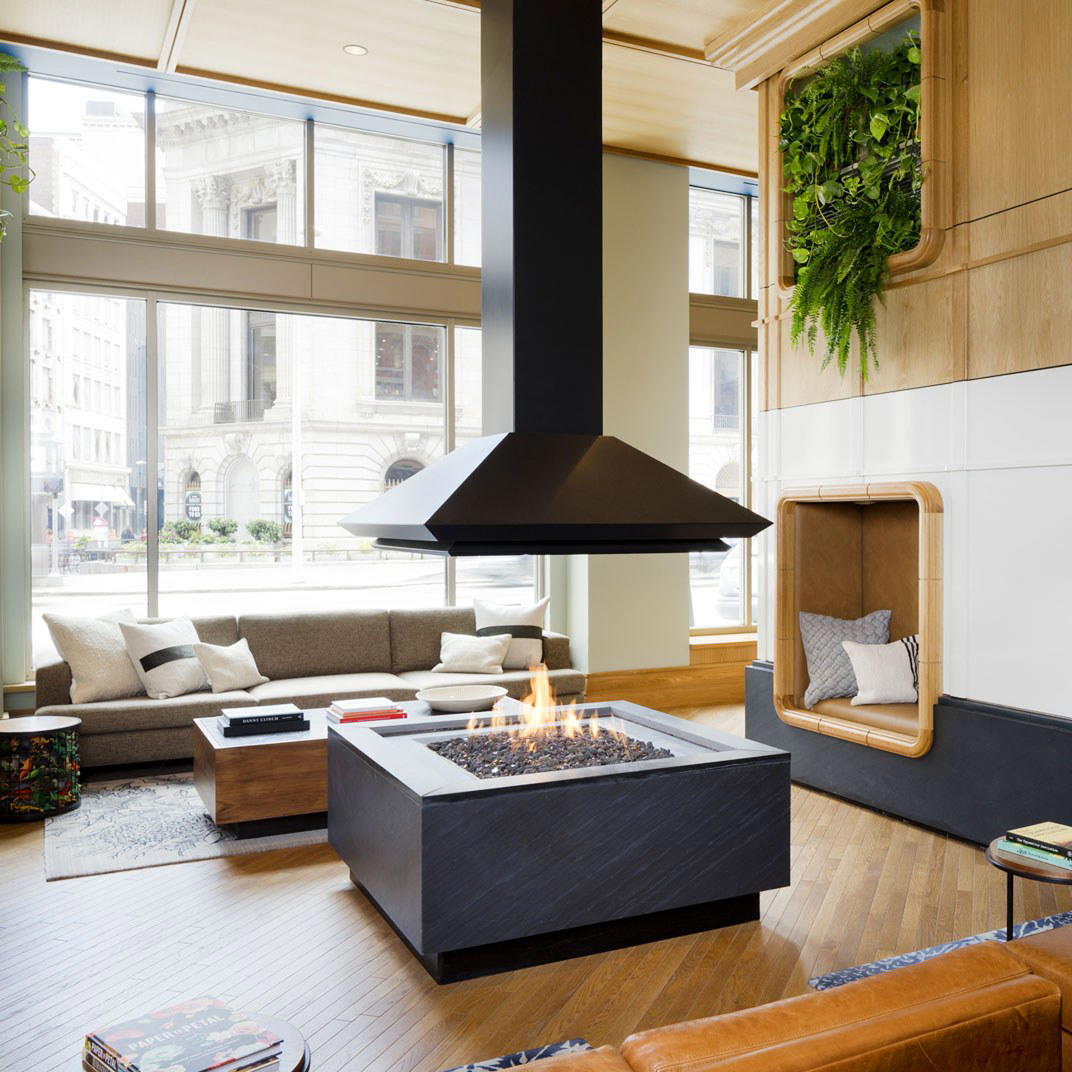
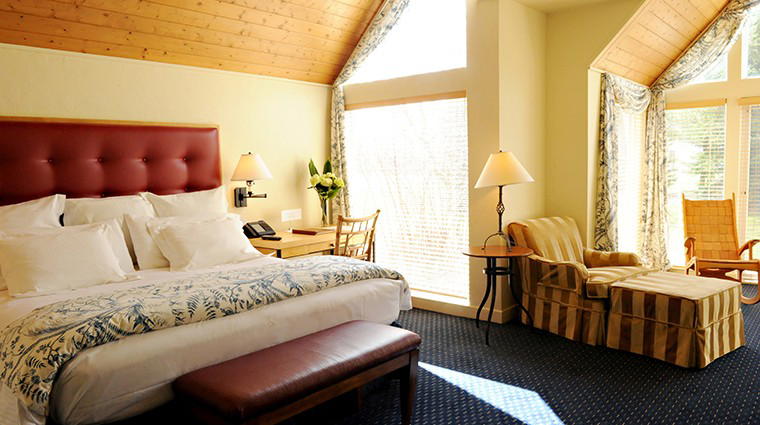
Elegant dining rooms with expansive windows offering sweeping views of the downtown skyline, creating a sophisticated urban atmosphere.