El Secreto de Rosita

Michelin Plate
Our verdict
On U Street NW, El Secreto de Rosita brings the geographic breadth of Peruvian cooking to a compact, art-lined room where smoky mirrors and a full bar set the mood. The 2024 Michelin Plate reflects a menu that moves from sashimi-grade tiradito and arroz chaufa to ají de gallina, drawing on coastal, Andean, European, and Asian influences within a single sitting.

Pearl is the En Primeur Club membership app, where members save venues, book tables and use the concierge.
The Room Before the First Course
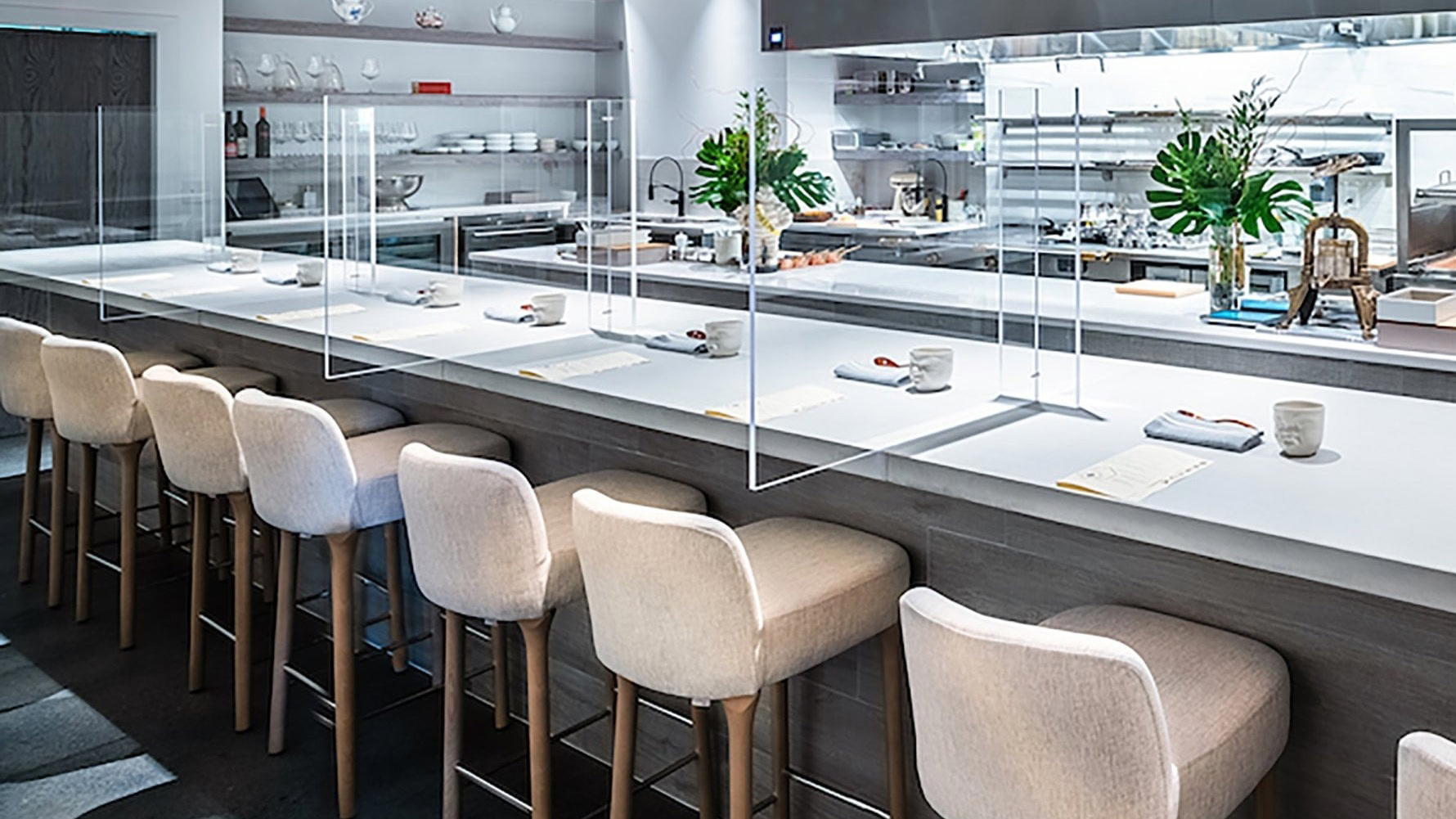
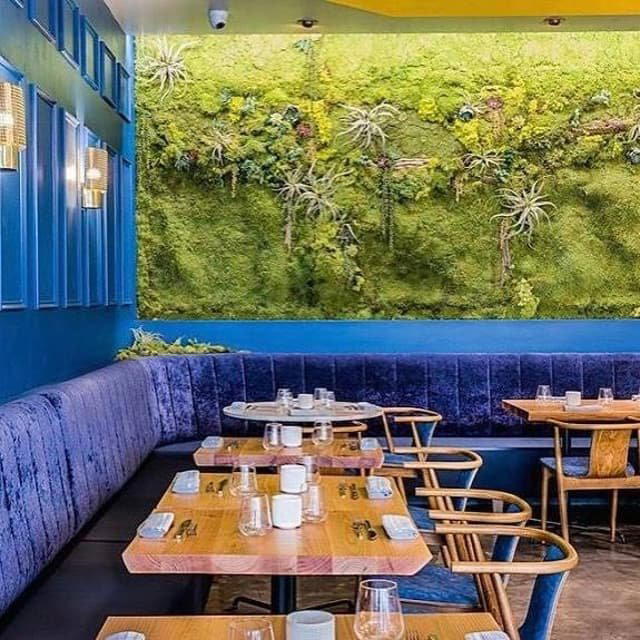
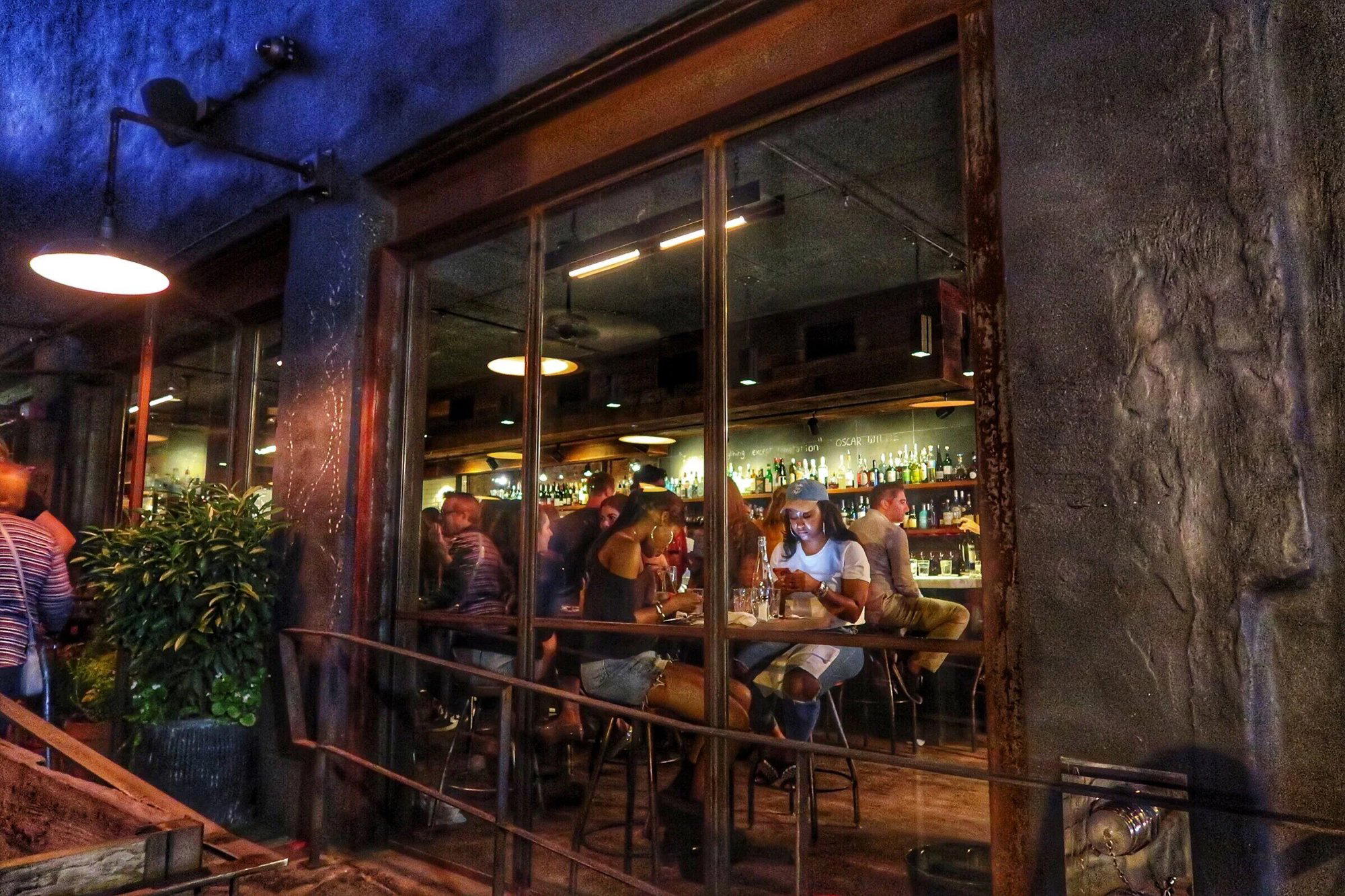
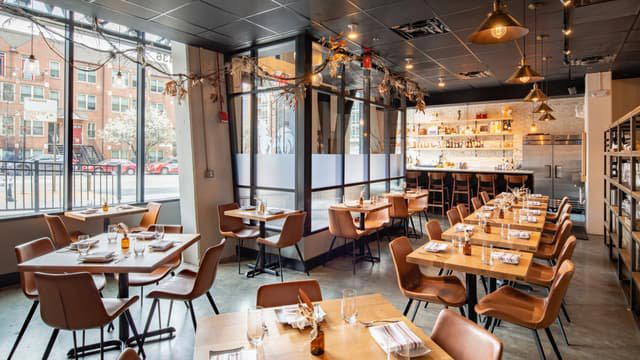
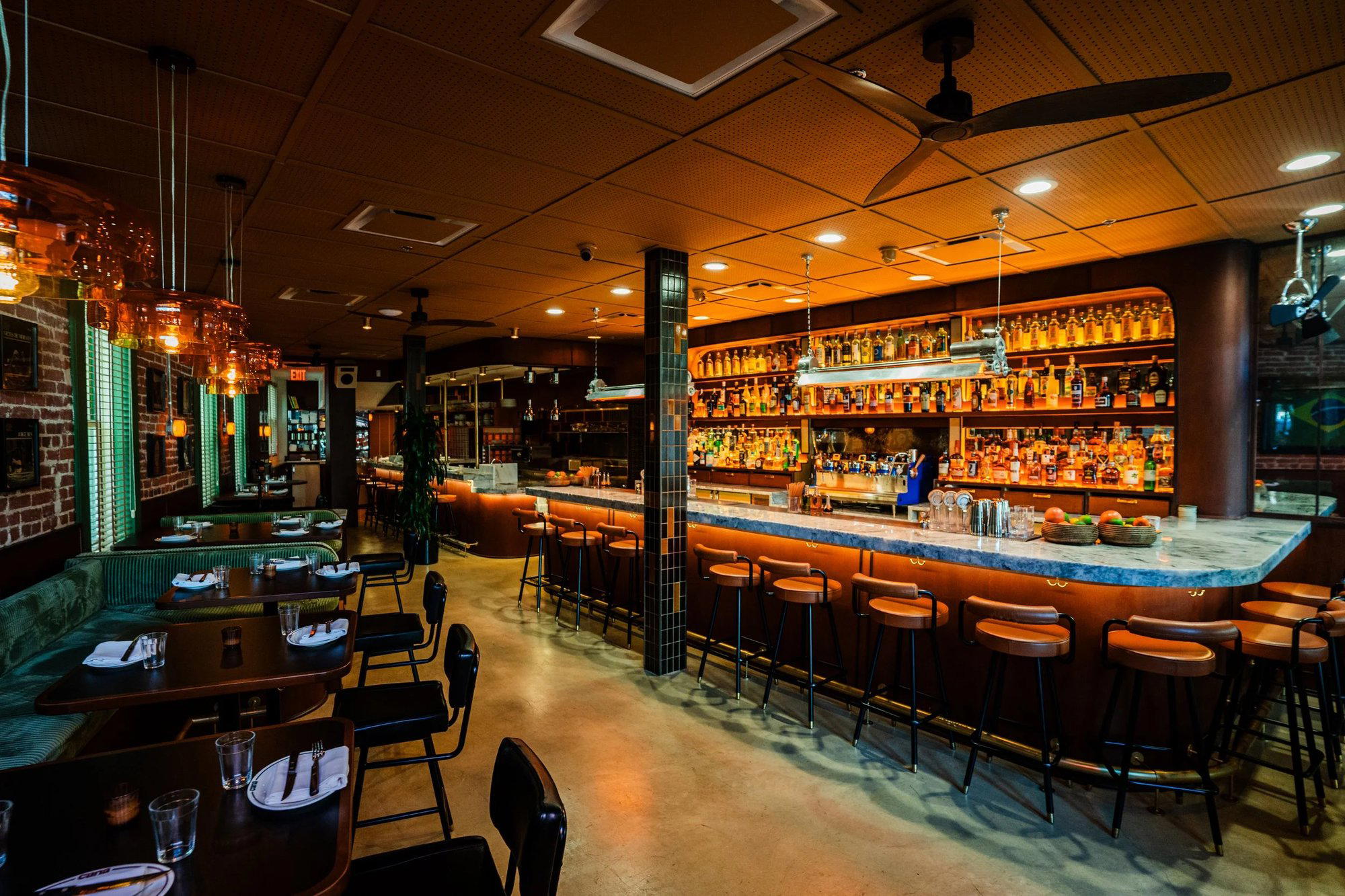
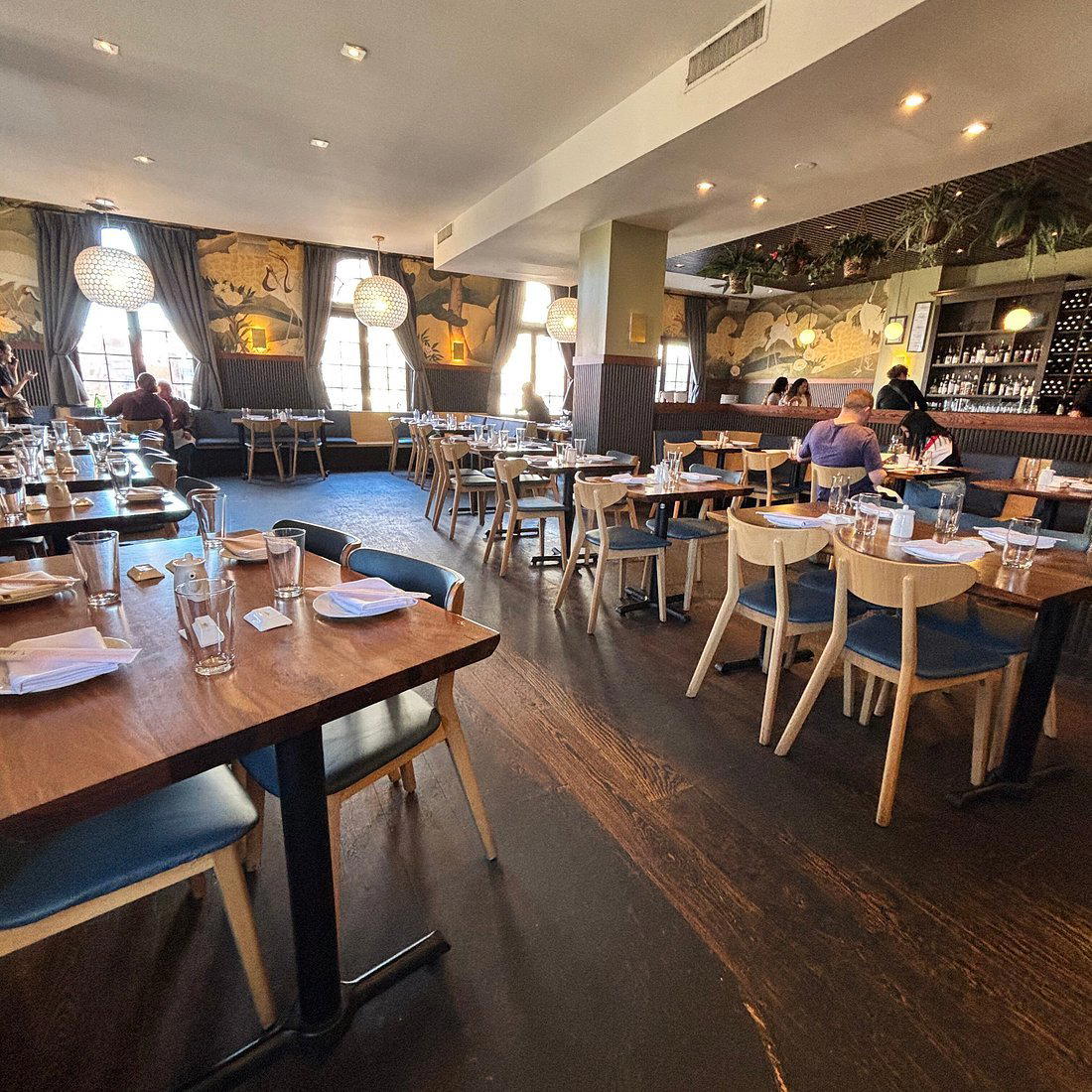
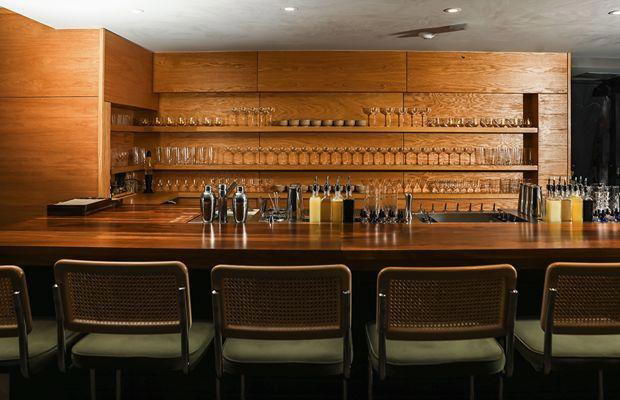
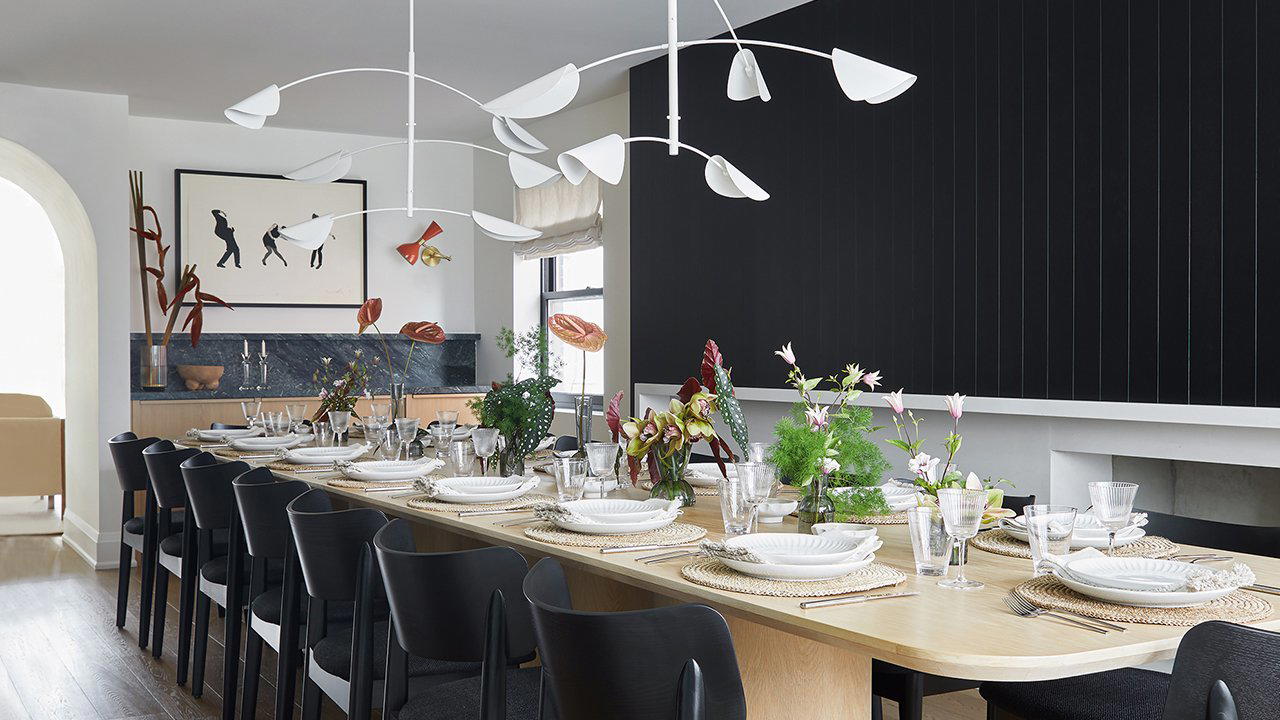
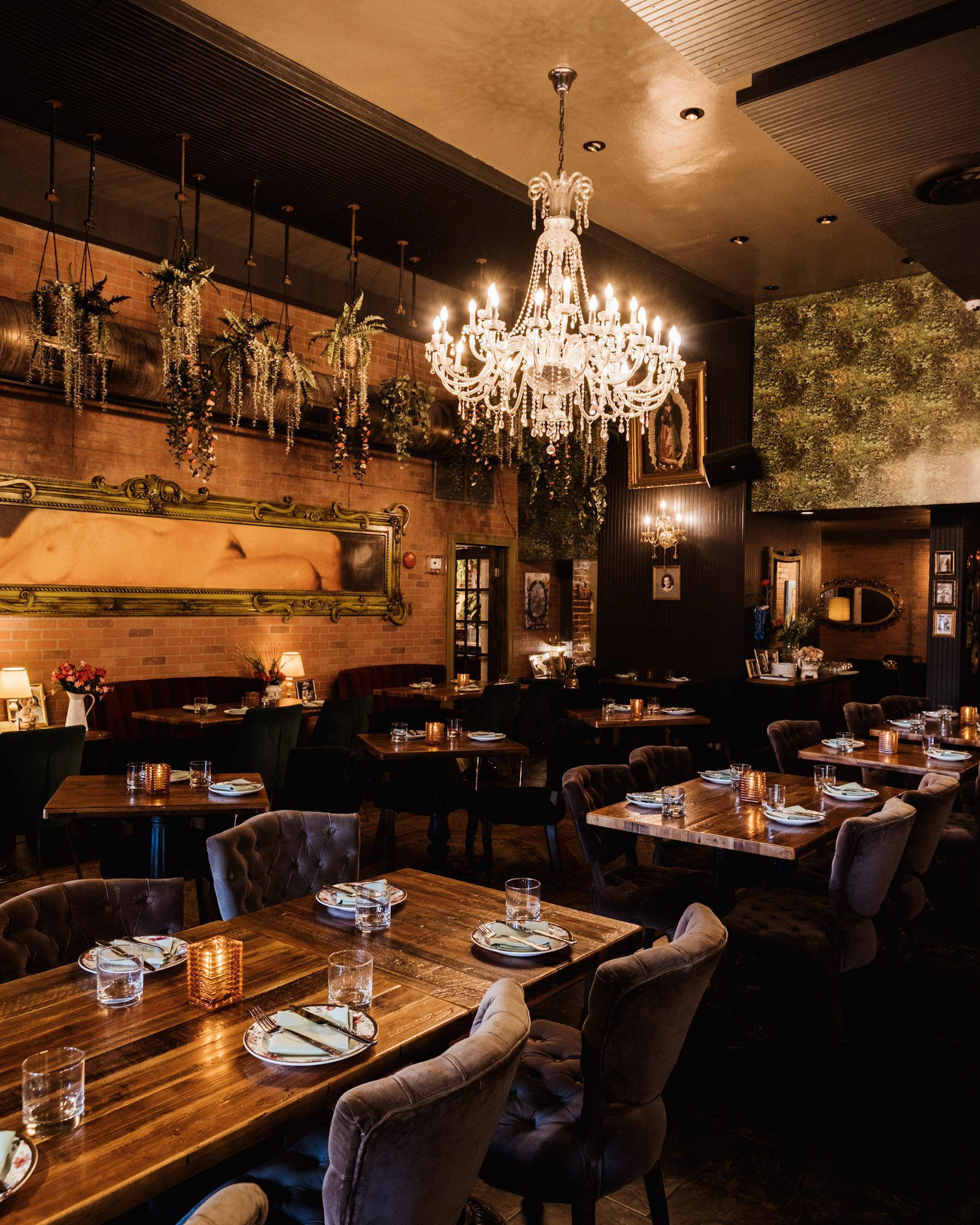
U Street NW has spent two decades consolidating its reputation as one of Washington's most competitive dining corridors, and the stretch around 1624 tests that claim every weekend. El Secreto de Rosita occupies a snug interior where artwork covers the walls, smoky mirrors double the apparent depth of the room, and plush seating communicates that the kitchen intends to take its time with you. The bar runs fully stocked, and the service posture is attentive without being transactional. Before a dish arrives, the space has already positioned itself in a specific tier: romantic, intimate, and signaling creative intent rather than volume throughput.
That framing matters in a city where the Michelin Guide now covers enough ground to create genuine peer comparisons. In Washington's current Peruvian segment, Causa holds a full star at the $$$$ price point, while El Secreto de Rosita operates at $$$, earning a 2024 Michelin Plate. The Plate designation is not a consolation; within the Guide's hierarchy it signals food worth seeking out, and at this price tier, it places the restaurant among the more compelling value propositions in a category increasingly split between high-ceremony tasting counters and casual ceviche spots.
Menu Architecture: Geography as Structure
What distinguishes the menu at El Secreto de Rosita is the deliberate breadth of its geographical references. Peru's culinary identity is unusually heterogeneous: the coast produces ceviche and tiradito traditions shaped by Japanese immigration; the Andes contribute potato-based preparations and slow-cooked proteins; the Amazon basin contributes aromatics and produce that rarely appear outside the country; and Lima's urban history absorbed waves of Chinese, Italian, and Spanish influence in ways that produced hybrid dishes now considered foundational to national cooking.
The menu here does not flatten that heterogeneity into a single approachable register. Instead, it uses the country's geographic range as its organizing logic. The tiradito featuring sashimi-grade ahi tuna with passion fruit and orange sauce sits at one end of the spectrum: this is Nikkei cooking, the fusion of Japanese knife technique and citrus-acid Peruvian marinade that emerged from Lima's Japanese community and now appears on menus from ITAMAE in Miami to Miraflores in Lyon. A passion fruit and orange sauce indicates the kitchen is working with the sweeter, more tropical register of Nikkei rather than the sharper, more austere leche de tigre tradition.
The ají de gallina at the other end of the menu represents something quite different: a Lima classic with colonial Spanish roots, typically a braised chicken bound in a sauce of ají amarillo chili, bread, walnuts, and cheese, served over rice. That this dish appears alongside a tiradito on the same card signals a kitchen comfortable moving across registers rather than committing to a single mood. It is the kind of menu structure that rewards repeat visits, where different sections function almost as separate short menus rather than chapters in a single narrative.
Arroz chaufa deserves separate attention because it illustrates the third strand in Peru's culinary history. Chifa cooking, the Sino-Peruvian tradition that emerged from Chinese migration in the nineteenth century, produced fried rice preparations that became so embedded in Peruvian street food culture that they are now simply called Peruvian. For a Washington audience less familiar with chifa as a reference point, it provides access to a tradition that does not often get explained in restaurant contexts; it is categorically different from Chinese-American fried rice and worth ordering as a reference point even if you arrive intending to focus on the ceviche tier.
Desserts, including a seasonal flan, round out the menu with a lighter touch. The choice of seasonal flan as a listed closer is worth noting: flan is a Spanish-colonial import that has fully naturalized across Latin America, but a seasonal preparation implies the kitchen is treating it as a technical vehicle rather than a rote addition. It follows the same logic as the rest of the menu: familiar format, specific execution.
Where This Fits in Washington's Broader Table
Washington's Michelin-recognized restaurant pool now spans a wide range of cuisines and formats. At the $$$$ end, restaurants like Albi, Oyster Oyster, and Jônt occupy a tier where tasting menus and prix-fixe formats dominate. At the experimental edge, minibar operates at a remove from the mainstream dining conversation. El Secreto de Rosita sits at the $$$ level, where the format remains à la carte or at least more flexible, and where the value proposition of a Michelin Plate at this price point becomes meaningful for diners who want recognized cooking without the architecture of a multi-course commitment.
The broader comparison is instructive. Peruvian cooking has earned recognition across the United States at multiple price points, from the tasting-counter approach to the more accessible shared-plates format. El Secreto de Rosita operates closer to the latter, with a room sized for intimacy rather than scale and a menu built for the kind of deliberate sharing that works when the kitchen is sourcing sashimi-grade fish and handling acid-forward preparations that require timing. This is not the format you visit for a quick meal; the plush seats and gracious service suggest the kitchen expects you to settle in.
For comparison points in terms of culinary ambition at similar or higher price tiers nationally, venues like Le Bernardin in New York City, Lazy Bear in San Francisco, Alinea in Chicago, Single Thread Farm in Healdsburg, The French Laundry in Napa, and Emeril's in New Orleans each represent a different philosophy of what formal recognition demands from a kitchen. El Secreto de Rosita's placement in this larger map is as Washington's mid-tier Peruvian representative that trades ceremony for warmth and menu range for tasting-menu constraint.
Planning Your Visit
El Secreto de Rosita is located at 1624 U St NW, Washington, DC 20009, on a stretch of U Street accessible by Metro and well-served by ride-share. The $$$ price point places it in the range where a full meal for two with drinks lands at a predictable mid-range spend by Washington standards. For U Street specifically, where dining room turnover can be brisk on weekend evenings, the room's intimate scale and unhurried service suggest reservations are the practical choice rather than the optional one.
For a complete picture of Washington dining, see our full Washington, D.C. restaurants guide, as well as guides to hotels, bars, wineries, and experiences across the city.
Frequently asked questions
What distinctions does El Secreto de Rosita have?
El Secreto de Rosita has received recognition including: The space is snug, romantic and trendy; its cooking is notably creative; and beverages are reviving. Tastefully decked out with artwork, smoky mirrors and a full bar, gracious servers along with plush seats will lull you into a soothing and….
How do I find El Secreto de Rosita?
El Secreto de Rosita is located at 1624 U St NW, Washington, DC 20009, Washington, D.C.
What do people recommend at El Secreto de Rosita?
The tiradito, made with sashimi-grade ahi tuna in a passion fruit-and-orange sauce, draws consistent attention, as does the arroz chaufa, which the 2024 Michelin Guide describes as 'a global delight.' The ají de gallina, served with rice, holds its place as a dependable classic on a menu that otherwise shifts with the seasons. Desserts, including a seasonal flan, round out meals at the $$$ price point.
What kind of cuisine does El Secreto de Rosita serve?
What price level is El Secreto de Rosita?
Pricing at El Secreto de Rosita is listed as $$$.
How hard is it to get a table at El Secreto de Rosita?
U Street NW is one of Washington's more competitive dining corridors, and El Secreto de Rosita's Michelin Plate recognition since 2024 has kept demand steady. The room is described as snug, which limits covers, so booking ahead is advisable, particularly for weekend evenings. Ride-share and Metro access at 1624 U St NW make it straightforward to plan around, even on shorter notice for weekday slots.
What's the signature at El Secreto de Rosita?
The arroz chaufa is the dish most associated with the kitchen's identity: a chaufa preparation that reflects Peru's Cantonese-influenced Chifa tradition, executed here with enough consistency to earn repeated mentions in the 2024 Michelin Guide entry. The tiradito with passion fruit-and-orange sauce makes the case that the raw bar format is equally central to how this restaurant defines itself. Both sit within a menu structured around Peru's coastal-to-highland-to-immigrant-influence range.
Style and Standing
| Venue | Cuisine | Price | Awards | Notes |
|---|---|---|---|---|
| El Secreto de RositaThis venue (the venue you are viewing) | Modern Peruvian Fusion | $50–100 | Michelin Plate | Not listed |
| Albi | Modern Levantine Fine Dining | $300–500 | 1 Michelin Star · World's 50 Best #6 | United States, Middle Eastern |
| Causa | Modern Peruvian Fine Dining | $150–200 | 1 Michelin Star · James Beard Award Best Chef: Mid-Atlantic | Peruvian |
| Oyster Oyster | Modern Vegetable-Focused Tasting Menu | Not listed | 1 Michelin Star · James Beard Award Outstanding Chef #1 | New American, Vegetarian, Vegetarian (Sustainable) |
| Bresca | Modern French Bistronomy | $150–200 | 1 Michelin Star · James Beard Award Semi Finalist | Modern French, Contemporary |
| Gravitas | Modern American Fine Dining | $150–200 | 1 Michelin Star | New American, Contemporary |
Recognition history
Dated appearances from independent guides and award organizations, with the underlying list record or original source where available.
Michelin Plate
Michelin
Full recognition history (2 entries)
Michelin Plate
Michelin