

Tou Zao brings Cantonese cooking into a quieter Shanghai register: prix-fixe, intimate in feel, and built around dim sum craft rather than banquet-room abundance. Chef Jiǎng Qiáomù’s kitchen is associated with tableside pastry work, hot entrées, and the heat control expected of serious Cantonese restaurants in the city’s upper tier.
Pearl is the En Primeur Club membership app — saves, bookings, and concierge access live there. Same editors, same standards.
- Address
- China, CN 上海市 黄浦区 南京西路 2 2~68号7层 New World City 邮政编码: 200003
- Phone
- +86 191 2133 7327
- Directions
- Get directions
 Saves & bookings on Pearl
The first impression is restraint. Shanghai’s Cantonese dining scene often announces itself through polished dining rooms, private rooms, seafood tanks, and banquet pacing, but a more interesting shift is toward smaller, calmer formats that borrow the concentration of counter dining. Tou Zao belongs to that movement: a Cantonese restaurant built around a single prix-fixe structure, intimate service, and a rhythm closer to a composed tasting sequence than a sprawling family-style order.
That matters because Cantonese cooking is often misread outside the region as either dim sum comfort or luxury seafood theatre. In Shanghai, the serious Cantonese tier is broader: roast meats, live seafood, double-boiled soups, and pastry technique carry equal weight, and the difference between competent and memorable cooking is often measured in heat, timing, and restraint. The kitchen enters that conversation through precision rather than scale.
Dim sum craft, treated as timing rather than nostalgia
The editorial hook is not novelty; it is control. Dim sum has always depended on timing, from bamboo steamers opened at the right second to laminated pastries that punish delay. In classic morning rituals, the appeal came from motion: trolleys, steam, replenished baskets, and a room waking around tea. In contemporary Shanghai, the format often turns more formal, but the technical demands remain. Dumpling skins need elasticity without thickness, fillings need heat without collapse, and pastry must arrive before crispness gives way.
Tou Zao’s Cantonese identity is clearest in that craft register. The prix-fixe format includes hot entrées and dim sum, with spring rolls and Cantonese puff pastries prepared tableside, baked à la minute, and served hot. This is not theatre for its own sake; it signals a kitchen treating pastry as a live discipline. In a city where premium Cantonese rooms can lean on ingredient prestige, technique returns to the centre of the meal.
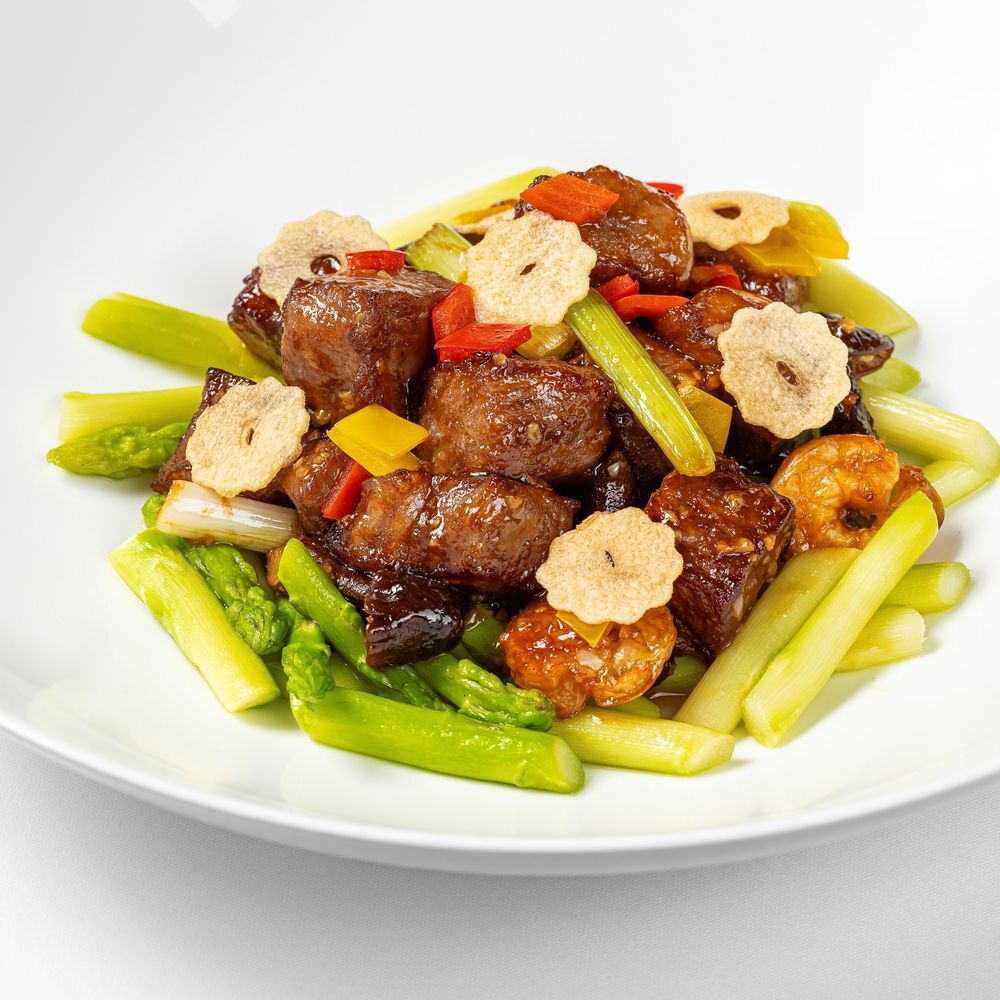
The same logic applies to wok cooking. Cantonese kitchens prize wok hei because garnish or plating cannot fake it. It comes from heat, oil, movement, and timing, and vanishes when the sequence is slow or timid. The noted sautéed lobster with scallion trio points to that language: aroma, springy texture, and heat control rather than heavy saucing. Cantonese luxury need not mean excess. At this level, it can mean a narrow margin of execution repeated course after course.
For readers mapping Shanghai’s Cantonese spectrum, the useful comparison is format. Bao Li Xuan and 102 House sit in the city’s polished Cantonese bracket, while Canton Disco and other Shanghai dining rooms show how casual energy and Cantonese fluency occupy another lane. Tou Zao is closer to the controlled, premium end, but its distinction is compactness rather than banquet grandeur.
A Shanghai reading of Cantonese refinement
Shanghai has never lacked Cantonese restaurants, but the city absorbs the cuisine through its own habits. Business dining, hotel polish, and urban luxury have shaped consumption here, often favouring order, privacy, and service choreography. A restaurant in Shanghai has to negotiate that contradiction: urban density outside, quiet sequencing inside.
That contrast explains why a serene format can persuade in this category. The room’s sushiya-like calm is useful shorthand: not Japanese in cuisine, but similar in attention, pacing, and reduction of noise. Cantonese cooking usually thrives in social abundance, yet smaller-service grammar sharpens attention to details easily missed in a large room: pastry temperature, sauce gloss, scallion and shellfish aroma, and the difference between steamed and baked dim sum textures.
Chef Jiǎng Qiáomù’s name matters as a credential, but the more interesting point is what the restaurant asks of a Cantonese chef in Shanghai now. The job is not only to reproduce a regional canon. It is to make dim sum, hot entrées, pastry, and wok technique legible to diners who may compare the meal with tasting-menu formats across the city. Cantonese craft moves into a more edited frame, where menu structure becomes part of the argument.
Across China, regional restaurants with sharper editorial identities are changing how travellers plan meals. A diner comparing Shanghai with other dining cities is not just choosing places; they are choosing regional grammar. Cantonese dining has its own extended network too, from Hong Kong to other Chinese-speaking dining capitals. Shanghai’s version is less about origin purity than how the city frames precision, status, and comfort.
Where it fits in a Shanghai dining itinerary
The restaurant is stronger for diners who want Cantonese technique in a composed format than for those seeking the democratic bustle of a dim sum hall. The single-menu structure narrows decision-making, suiting travellers building a focused Shanghai itinerary around one serious Chinese meal rather than a long run of à la carte ordering. It also makes the restaurant easier to read within the city’s premium dining culture: Cantonese cooking presented with tasting-menu discipline.
The trade-off is clear. Diners looking for rolling carts, noisy tea-house energy, or the ability to order only a few baskets of har gow and siu mai will find a different expression of the tradition here. The reward is concentration. Pastry, wok heat, and service cadence become the point, and the meal reads as an argument for Cantonese craft under tighter control.
Travellers planning the rest of the trip can cross-reference our full Shanghai hotels guide, our full Shanghai bars guide, our full Shanghai wineries guide, and our full Shanghai experiences guide. In that context, the restaurant is not just another Cantonese address in a large city. It is a concise example of how Shanghai’s premium dining culture can compress a regional tradition into a quieter, more exacting form.
A Pricing-First Comparison
Comparable venues by cuisine and price in the same metro.
| Venue | Cuisine | Price | Awards | Notes |
|---|---|---|---|---|
| Tou ZaoThis venue — the venue you are viewing | Huangpu, Cantonese Prix-Fixe | $$$$ | Michelin 2 Star | Not listed |
| The House of Rong | Lao Ximen, Taizhou Seafood Fine Dining | $$$$ | Michelin 2 Star | Not listed |
| Da Vittorio Shanghai | Not listed | $$$$ | Michelin 2 Star | Lu Jia Du, Contemporary Italian Fine Dining |
| 102 House Shanghai | Not listed | $$$$ | World's 50 Best #29 | Lan Ni Du, Traditional Cantonese Banquet with Modern Refinement |
| Mr & Mrs Bund | Lan Ni Du, Modern French Brasserie | $$$ | Michelin Plate, World's 50 Best #43 | Not listed |
| Yong Yi Ting | Not listed | $$$$ | Michelin 1 Star | Yang Jia Du, Modern Hangzhou and Jiangnan Cuisine |
Recognition history
Dated appearances from independent guides and award organizations, with the underlying list record or original source where available.
Michelin 1 Star
Michelin
The Best Chef One Knife
The Best Chef
Michelin 1 Star
Michelin
At a Glance
- Intimate
- Elegant
- Serene
- Sophisticated
- Date Night
- Special Occasion
- Open Kitchen
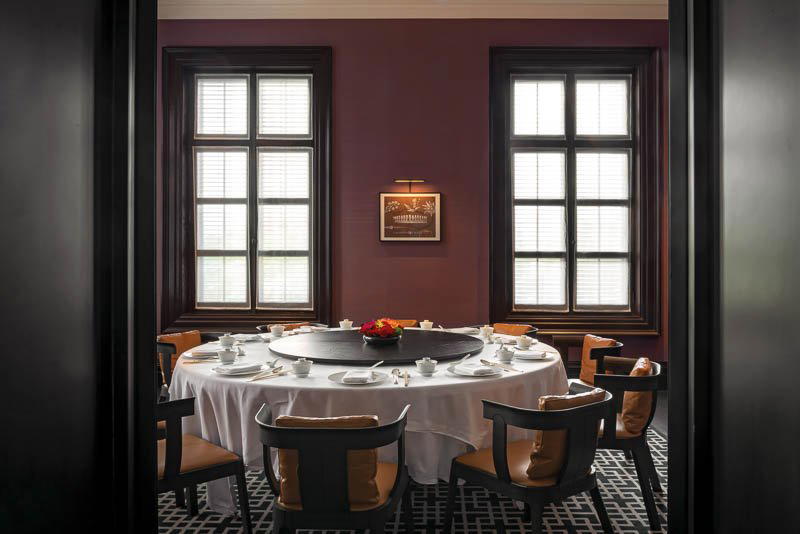
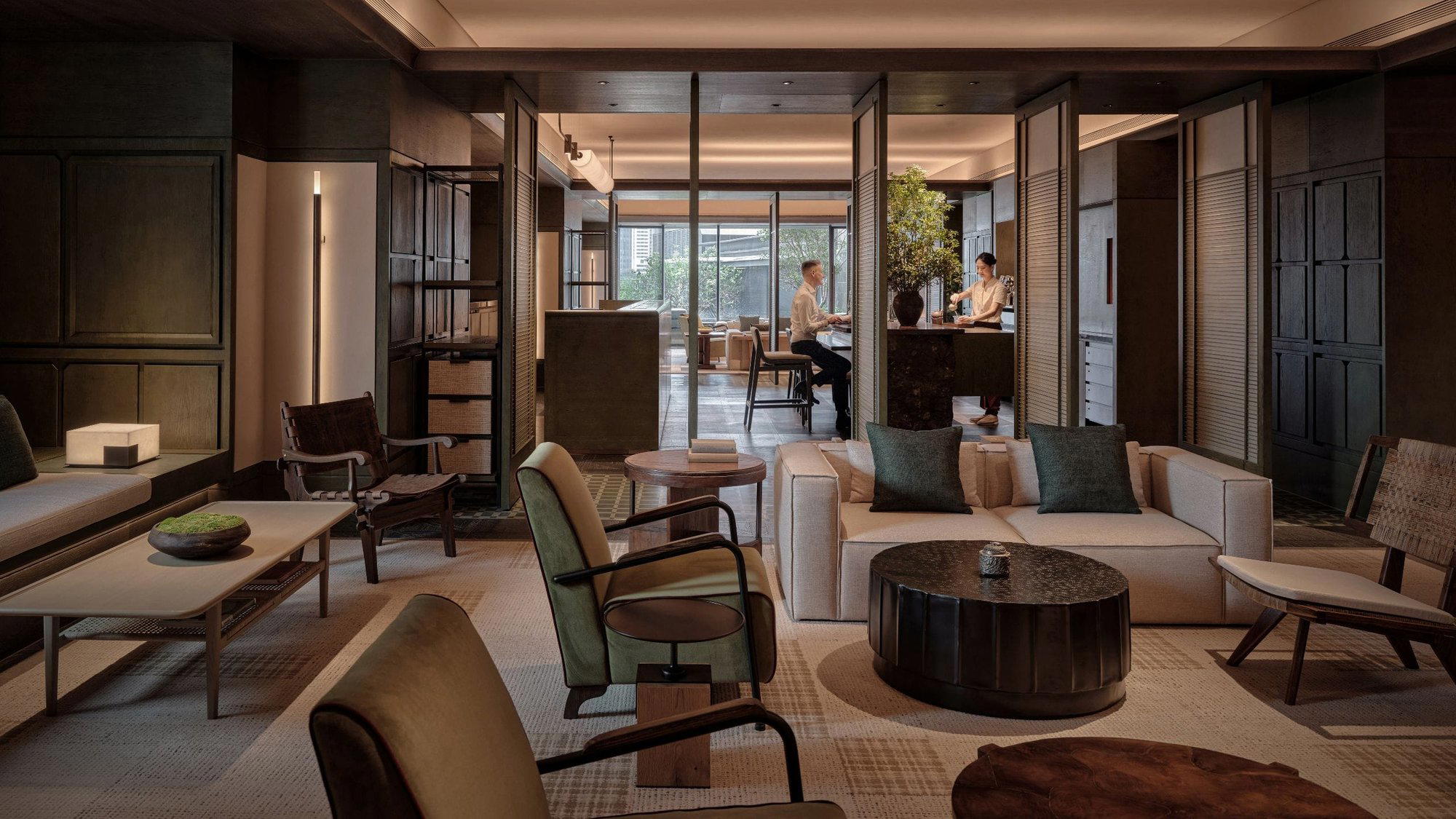
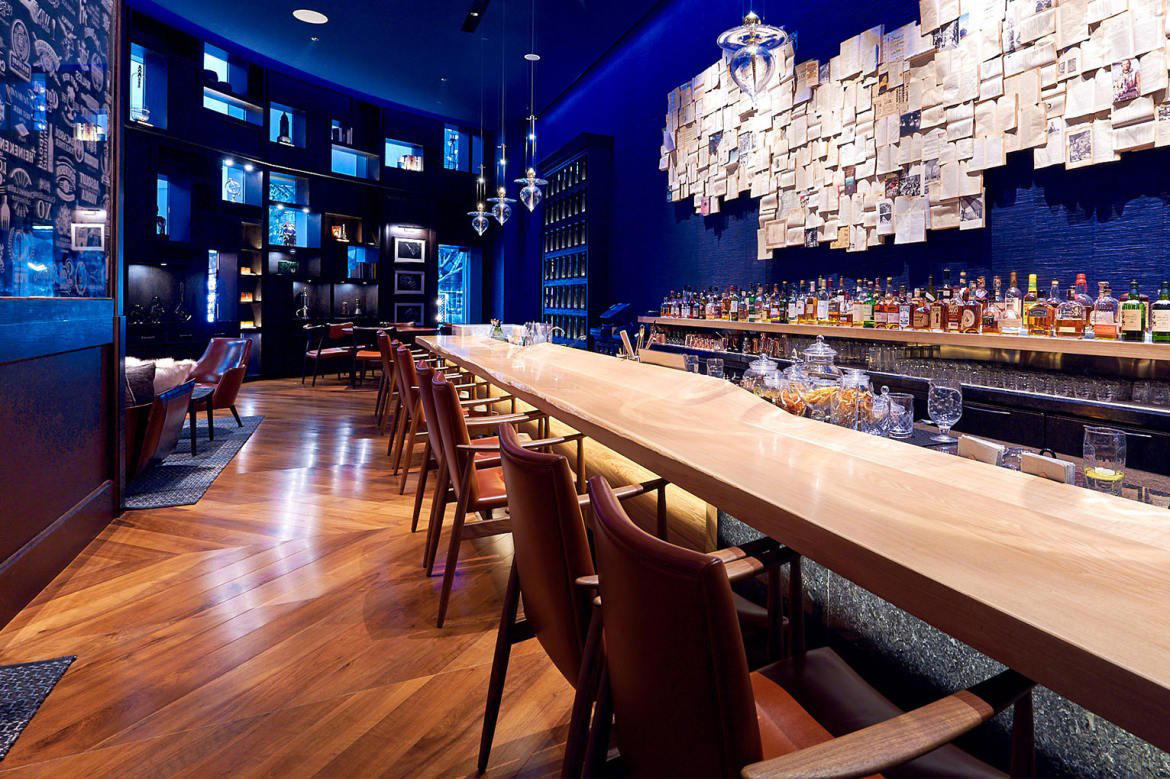
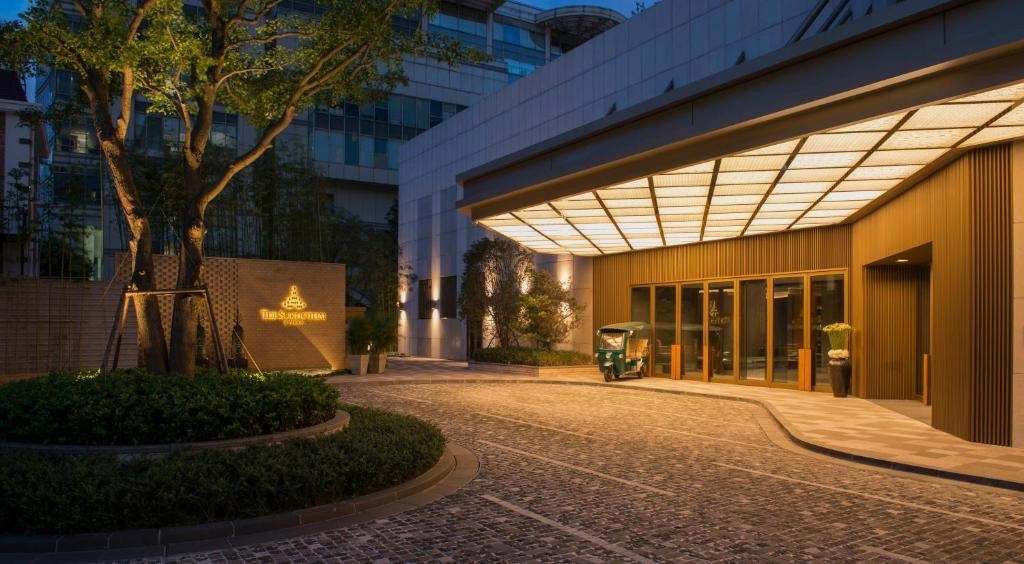
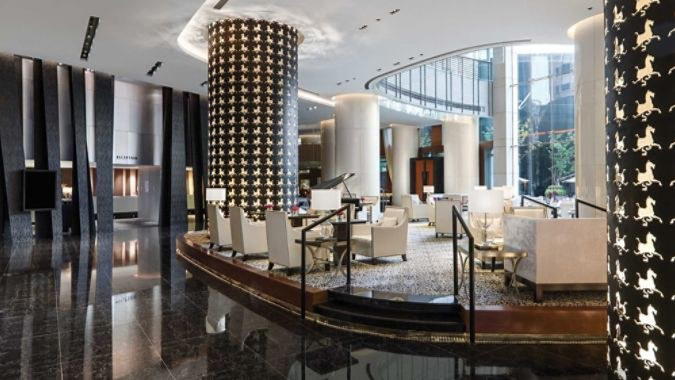
Subdued lighting with serene, intimate atmosphere reminiscent of a sushiya, low hum allowing conversation, focused on kitchen sounds and elegant service.