Our verdict
Alto sits in Rome’s Prati-side orbit, close to the city’s institutional axis rather than its postcard trattoria lanes. With no public chef, cuisine, award, price, or seating details attached, it reads less as a trophy-booking destination than as a restaurant to assess through Rome’s broader dining culture: a city where address, neighbourhood rhythm, and format matter before reputation does.

Pearl is the En Primeur Club membership app, where members save venues, book tables and use the concierge.
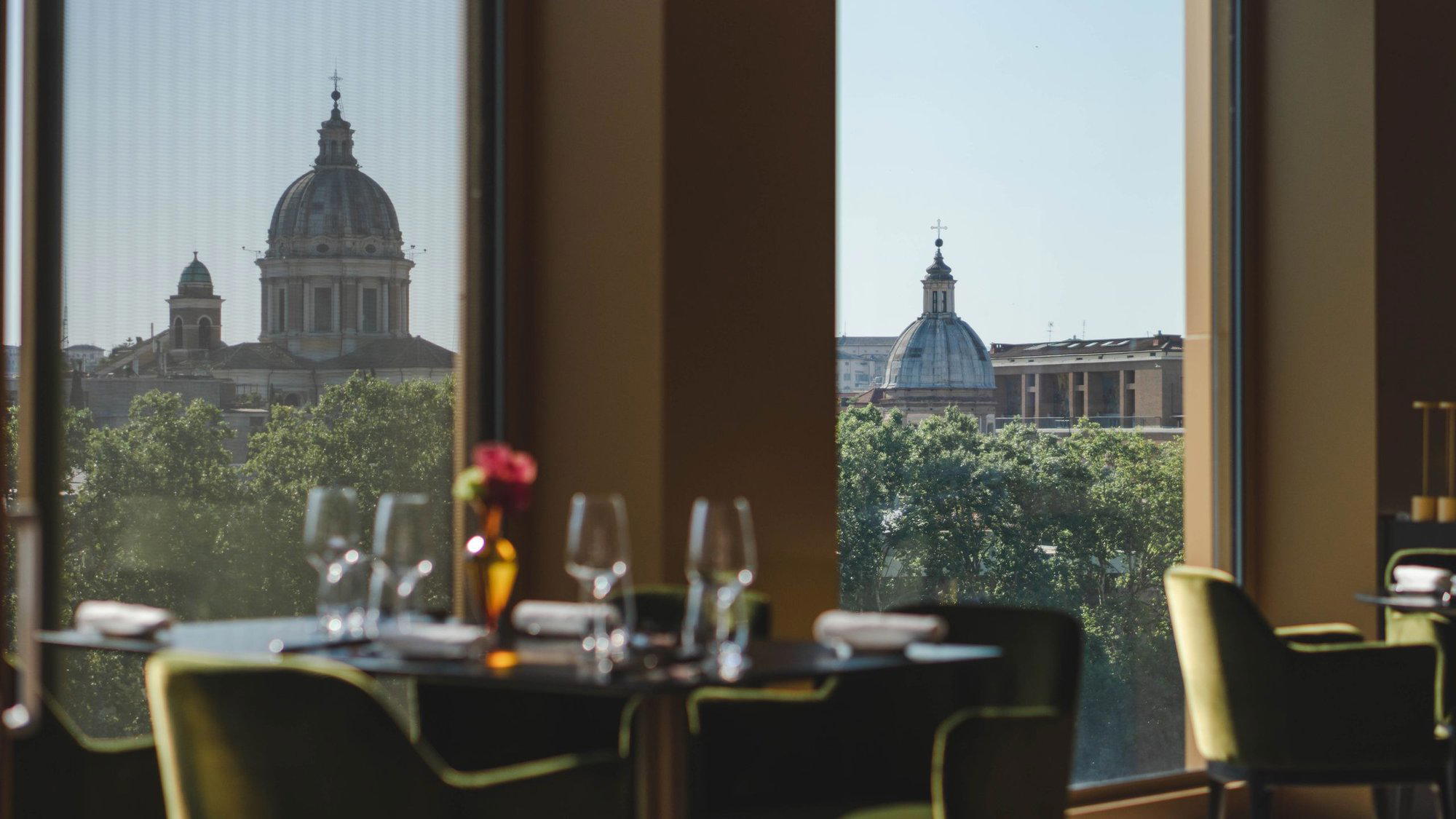
Approaching Alto, the Rome in view is not only the cinematic centro storico of fountains and restaurant touts. The city can also feel more measured: broad streets, offices, apartment blocks, and the steady movement between workday routines, cultural visits, and evening plans. Alto belongs to that quieter Roman register, where the dining question is less about spectacle and more about how a restaurant fits into a city that has long separated everyday appetite from destination dining.
Rome’s restaurant culture is often misread from the outside. The trattoria remains the reference point, but the city has developed several parallel tracks: pizzerias built around Roman thin-crust discipline, contemporary rooms using Italian produce with international technique, wine-led dining rooms, seafood specialists, and small-format restaurants that do not advertise themselves through obvious grandeur. For a wider map of that spread, Our full Rome restaurants guide is the better starting point than any single address.
Rome dining has a different tempo from the historic core
Some parts of Rome reward restaurants that understand routine as much as occasion. The city’s dining map includes lunch meetings, residents, hotel guests, cultural visitors, and evening regulars rather than a single nightlife pattern. That matters because Rome’s strongest dining rooms often derive character from their surroundings: some lean into market memory, some into late-night density, while others trade on steadier service patterns and a more adult room culture.
Alto’s position in Rome places it in that practical urban conversation. Without reducing the restaurant to a tourist landmark or a postcard idea of the city, its context is useful: this is Rome, but not a restaurant to read only through foot traffic and mythology. The competitive set can include contemporary local peers such as aede dining & wines and Carter Oblio, alongside broader Rome comparables where format and audience differ more than labels suggest.
That distinction matters for travellers. A restaurant in Rome should be judged against the city’s weekday dining economy as much as its celebratory one. The question is not whether it performs a theatrical version of Roman-ness, but whether it provides a coherent alternative to the capital’s heavily codified classics.
Rome's modern table still answers to Roman tradition
Modern dining in Rome rarely escapes the gravitational pull of the city’s core dishes. Carbonara, amatriciana, gricia, cacio e pepe, artichokes, pajata, and Roman-style pizza have created a culinary grammar so dominant that even contemporary restaurants define themselves by proximity to it. Some quote the canon directly; others move around it through lighter formats, seafood, or pan-Italian cooking. The cultural point is the same: in Rome, innovation is judged against a famously stubborn local palate.
That is why labels matter less here than execution and intent. A contemporary room elsewhere in Italy can lean into design and technique with fewer obligations to civic memory. In Rome, a restaurant must either respect the local language or make a persuasive case for why it is speaking another one. Citywide listings show the range: modern dining rooms, Italian contemporary formats, wine-led spaces, seafood specialists, and pizzerias all sit inside the same capital, even when their audiences and rhythms are very different.
Alto enters that conversation without needing to be read through a single public shorthand. The safer editorial stance is to treat it as a Rome address to verify by current menu, room style, and reservation process rather than as a assumptions-led destination. In a city where reputation can be inherited, amplified, or distorted by location, that caution is useful.
How to place it inside a Rome itinerary
For travellers planning Rome through food, Alto makes the most sense as part of a city-based itinerary rather than a standalone pilgrimage. Pairing the booking with central hotel planning, aperitivo research, and cultural scheduling gives a clearer read on the area’s strengths. The broader EP Club city rails help with that context: Our full Rome hotels guide, Our full Rome bars guide, Our full Rome wineries guide, and Our full Rome experiences guide.
The larger Italian comparison is also useful. Rome is not the only place where local tradition and modern formats collide. Across Italy, regional cooking, street-food grammar, pizza culture, wine-focused dining, and contemporary restaurant formats all pull in different directions. Reading Alto against that wider picture is more helpful than forcing it into a single genre, especially when the most useful question is how the room functions now for the kind of meal a traveller wants.
The editorial verdict is restrained: Alto is a Rome restaurant to treat as a contextual choice, not a trophy booking defined by a single public credential. Its value depends on current format, menu direction, and the kind of evening being planned. In a city with such a powerful dining canon, that is not a weakness; it is the correct way to read any address that has not built its public identity around one fixed signature format.
Frequently asked questions
What part of town is Alto in?
Alto is in Rome.
Do they take walk-ins at Alto?
Alto is in Rome, where many dining rooms run on reservation-led service. Walk-ins may work at quieter hours, but the safer approach is to treat it as a planned stop rather than a spontaneous one.
What do critics highlight about Alto?
Critics would focus first on Alto as a Rome restaurant and on how its current format fits the city’s broader dining rhythm. Those details are not published. Check the venue's official channels for the latest details.
Is Alto allergy-friendly?
No allergy policy is listed for Alto, so the only fixed location detail to work from is Rome. For diners with strict requirements, that means the venue should be treated as case-by-case rather than assumed.
Is Alto a family-friendly restaurant?
Alto is in Rome, a city used by both residents and visitors for planned meals. That can make it workable for families, though those details are not published. Check the venue's official channels for the latest details.
Booking and Cost Snapshot
Comparable venues by cuisine and price in the same metro.
| Venue | Cuisine | Price | Awards |
|---|---|---|---|
| AltoThis venue (the venue you are viewing) | Modern rooftop seafood restaurant & cocktail bar | $50–100 | Not listed |
| Affinity Kitchen & Alchemy | Modern Italian ‘Grand Tour’ hotel restaurant and cocktail bar | $50–100 | Not listed |
| Micalusi-Real Fish Restaurants | Authentic Italian Seafood | $100–150 | Not listed |
| aede dining & wines | Modern Nordic-Inspired Italian | Not listed | Michelin Plate |
| Carter Oblio | Modern Italian Fine Dining | $50–100 | Michelin Plate · We're Smart World 3 Radishes |
| Ristorante dai Pupi | Sicilian Seafood | $30–50 | Not listed |
Alto
Featured Guides
Continue exploring
More in Rome
Restaurants in Rome
All restaurants in Rome →
Bars in Rome
All bars in Rome →
Hotels in Rome
All hotels in Rome →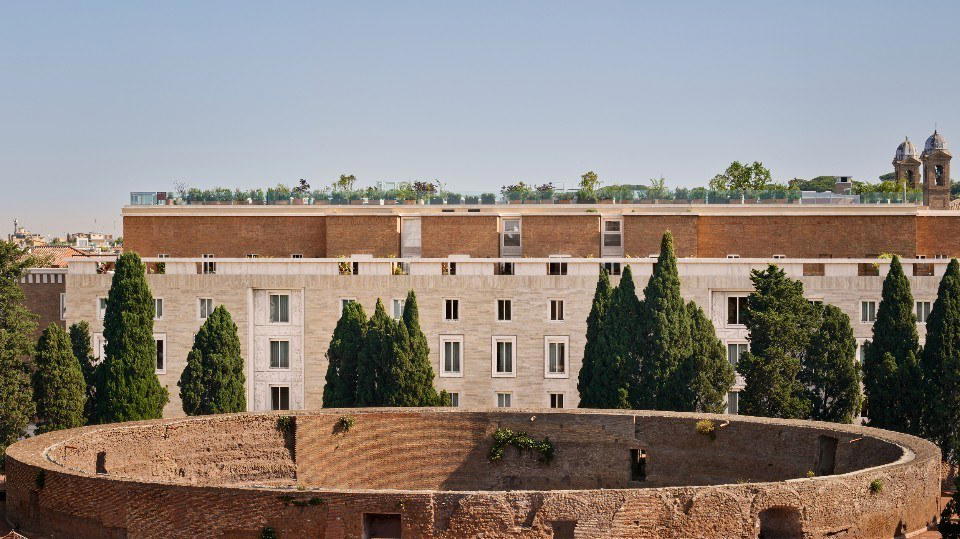

Details
- Elegant
- Modern
- Scenic
- Romantic
- Sophisticated
- Trendy
- Date Night
- Special Occasion
- Celebration
- After Work
- Group Dining
- Private Event
- Rooftop
- Live Music
- Waterfront
- Panoramic View
- Design Destination
- Hotel Restaurant
- Terrace
- Private Dining
- Craft Cocktails
- Extensive Wine List
- Zero Proof
- Sustainable Seafood
- Waterfront
- Skyline
- A La Carte
- Tasting Menu
- Craft Cocktails
- Wine
- Aperitifs
- Pescatarian Friendly
Current opening hours
- Monday
- 12:30–2:30 PM, 6 PM–1 AM
- Tuesday
- 12:30–2:30 PM, 6 PM–1 AM
- Wednesday
- 12:30–2:30 PM, 6 PM–1 AM
- Thursday
- 12:30–2:30 PM, 6 PM–1 AM
- Friday
- 12:30–2:30 PM, 6 PM–1 AM
- Saturday
- 12:30–2:30 PM, 6 PM–1 AM
- Sunday
- 12:30–3 PM, 6 PM–1 AM
Hours can change for holidays and private events. Hours as of .
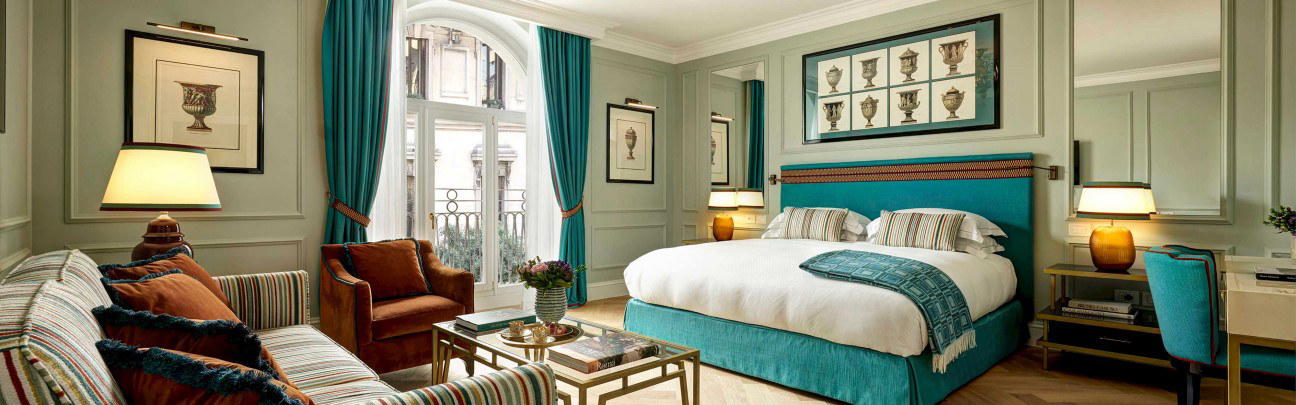
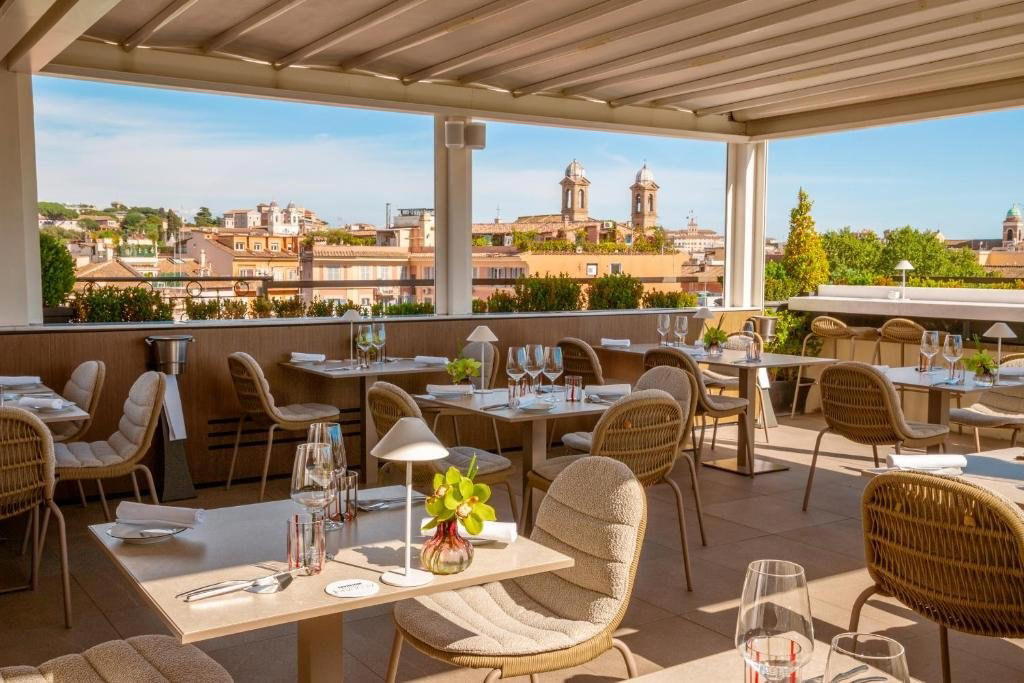
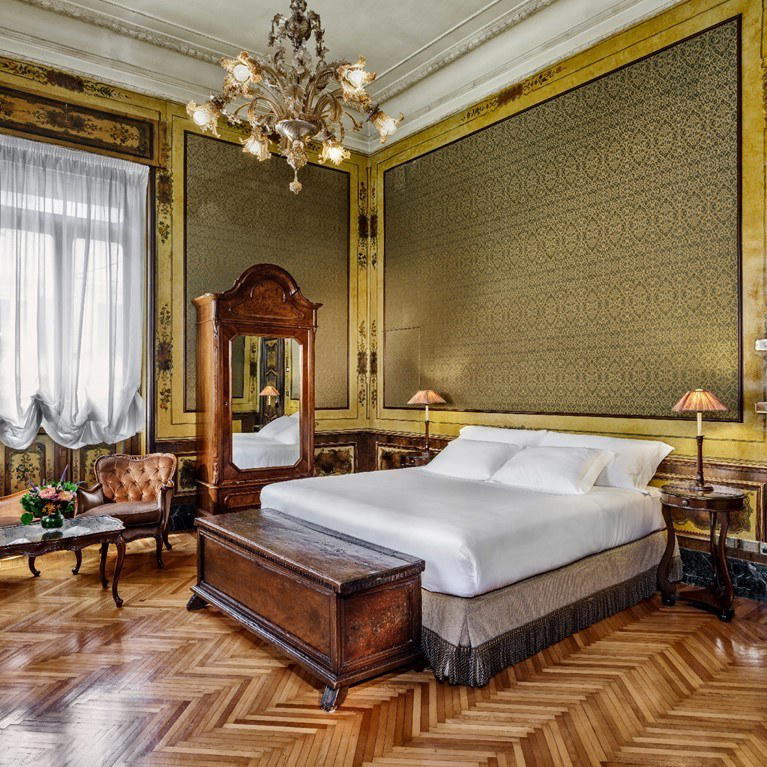
Glamorous, modern and international, with stylish interiors, panoramic terraces, romantic lighting and a lively aperitivo and evening scene featuring DJ sets and artistic programming.