Alte Brauerei
A former brewery space on Bruchsaler Strasse in Weingarten (Baden), Alte Brauerei carries the weight of a building type that shaped southern German drinking and eating culture for generations. The venue sits in a town that punches above its size for restaurant variety, with peers like KOSTBAR and zeit|geist operating at the €€€ tier nearby. Booking details and current hours are best confirmed directly before visiting.
Pearl is the En Primeur Club membership app — saves, bookings, and concierge access live there. Same editors, same standards.
- Address
- Bruchsaler Str. 22 Karlsruhe, 76356 Weingarten (Baden), Germany
- Phone
- +494972448261
- Website
- altebrauerei.eu
- Directions
- Get directions
 Saves & bookings on Pearl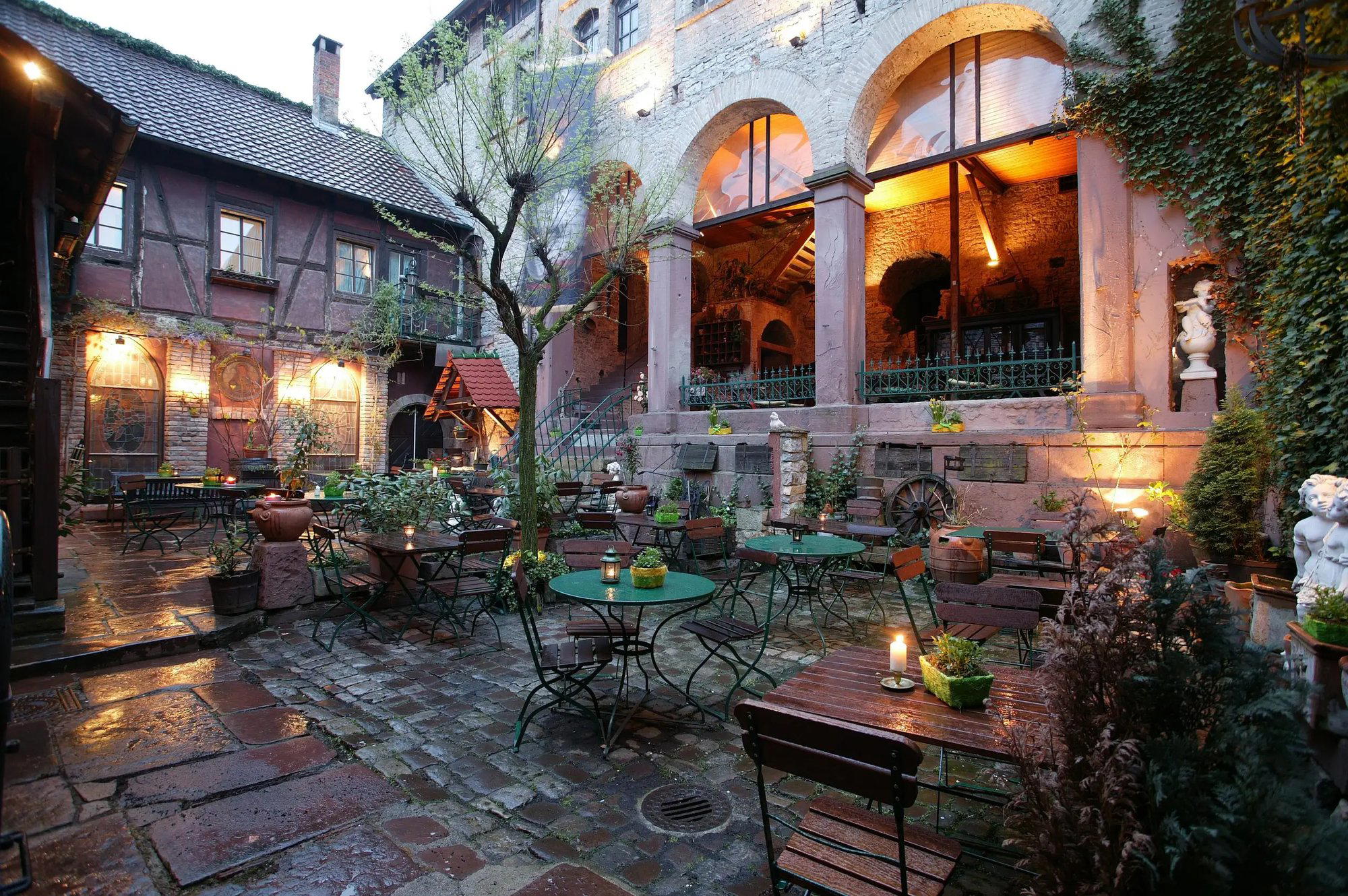
Brewing History as Dining Context
Baden-Württemberg's smaller towns have a particular relationship with their old brewery buildings. Where Berlin or Munich repurposed theirs into concert halls and co-working spaces, towns like Weingarten have tended to keep the function closer to its origins: food, drink, and a room full of people at long tables. The Brauerei format, whether still operating or converted, carries a specific set of expectations. Stone floors, exposed structural beams, a sense that the walls have absorbed decades of fermentation and conversation. When a venue carries the name Alte Brauerei, it is invoking that tradition deliberately, positioning itself inside a lineage of communal hospitality that predates the modern restaurant by several centuries.
Alte Brauerei sits at Bruchsaler Strasse 22 in Weingarten, Baden, a town that has quietly developed a more layered dining scene than its population size would suggest. Within a short radius, KOSTBAR (Modern Cuisine) and zeit|geist (French Contemporary) operate at the €€€ price tier, pulling the town's dining identity toward considered, ingredient-led cooking. MARKOS fills another node in the local network. Alte Brauerei occupies a different register from these, its name signals something older, more rooted in the region's vernacular food traditions rather than the contemporary European fine dining grammar shared by its neighbours.
The Sourcing Logic Behind Regional German Cooking
The ingredient sourcing story in Baden-Württemberg is one of the more coherent in Germany. The region sits at a junction of productive agricultural zones: the Black Forest to the west, Lake Constance to the south, the Rhine plain running along the French border. This geography has historically meant that kitchens in towns like Weingarten could draw on game, freshwater fish, orchard fruit, dairy from upland farms, and market-garden produce from the Rhine valley within a short supply radius. That sourcing density is part of why the region supports a serious restaurant culture at both the high and mid tiers.
At the fine-dining end of the Baden-Württemberg spectrum, the regional sourcing story is well-documented. Schwarzwaldstube in Baiersbronn has long been associated with Black Forest-rooted ingredients, while venues like ES:SENZ in Grassau operate in the neighbouring Alpine zone with comparable sourcing logic. Further afield, Schanz in Piesport and Waldhotel Sonnora in Dreis demonstrate how German regional cooking, when anchored in place, can reach considerable technical depth. The point is that sourcing proximity is not just an ethical preference in this part of Germany, it is a structural feature of why the food in towns across Baden can taste specific to where you are.
A former brewery building is particularly well-suited to this kind of regional specificity. Brewing in southern Germany was historically hyperlocal: water mineral profiles, regional hop varieties, malt sourced from nearby fields. Kitchens that occupy these spaces often carry some of that terroir logic into their food, whether consciously or simply by proximity to the same agricultural networks the brewery once used. The name the restaurant, in this context, functions as more than décor. It implies a positioning within Baden's food and drink identity that goes deeper than a printed menu.
Weingarten's Dining Character in Broader Germany
For visitors orienting themselves within Germany's restaurant geography, Weingarten sits in a region that rewards attention. The country's celebrated dining addresses tend to cluster in predictable cities, Munich, Hamburg, Berlin, while towns like Weingarten sustain multi-tier dining ecosystems. Germany's Michelin-starred scene extends far into smaller municipalities: Vendôme in Bergisch Gladbach, Victor's Fine Dining by Christian Bau in Perl, and Bagatelle in Trier all demonstrate that serious kitchens operate well outside metropolitan centres.
Weingarten's peer towns in Baden-Württemberg follow a similar pattern. The region has enough agricultural depth and tourism traffic from Lake Constance and the Black Forest to support restaurants that take sourcing and technique seriously. In this context, the restaurant competes not with the €€€ contemporary European format of its immediate neighbours, but with a different tier of the market: the well-executed regional German table that serves food recognisably tied to its landscape without requiring a multi-course tasting format or a sommelier. That tier is, in many ways, harder to sustain than the fine-dining model, because it requires genuine sourcing relationships and a kitchen that understands restraint.
For visitors also considering the wider German scene, JAN in Munich, Restaurant Haerlin in Hamburg, Aqua in Wolfsburg, and CODA Dessert Dining in Berlin represent different expressions of what German fine dining has become. Further afield, Le Bernardin in New York City and Lazy Bear in San Francisco illustrate how the sourcing-first, place-rooted dining philosophy has found its own distinct vocabulary in entirely different geographies. L.A. Jordan in Deidesheim anchors that same philosophy specifically within German wine country, a useful regional reference point for the Baden-Württemberg corridor.
Planning a Visit
The restaurant's address, Bruchsaler Strasse 22, 76356 Weingarten (Baden), places it in the Baden district rather than the larger Weingarten in Upper Swabia, a distinction worth confirming when routing. The town is accessible from Karlsruhe, which the postal address references, and sits within reasonable distance of the Rhine plain corridor that connects Karlsruhe to Freiburg. Current operating hours are Monday to Thursday from 5 to 11 PM, Friday and Saturday from 5 PM to midnight, and Sunday from 12 to 11 PM. Reservations are recommended; pricing is in the midrange.
In Context: Similar Options
Comparable venues nearby, for context on price, style, and recognition.
| Venue | Cuisine | Price | Awards | Notes |
|---|---|---|---|---|
| Alte BrauereiThis venue — the venue you are viewing | Steakhouse with Hot Stone Grilling | $$ | Not listed | Not listed |
| MARKOS | Modern German Fine Dining | $$$$ | Not listed | Stadt Weingarten |
| KOSTBAR | Modern Mediterranean | $$$ | Michelin Plate | Stadt Weingarten |
| zeit|geist | French Contemporary | $$$ | Michelin Plate | Marktplatz |
| Buffalo | Argentine Steakhouse | $$ | Not listed | Roemerberg |
| Gusto Premium Steakhouse | Premium Steakhouse | $$$ | Not listed | St. Johanner Markt |
Continue exploring
More in Weingarten
Restaurants in Weingarten
Browse all →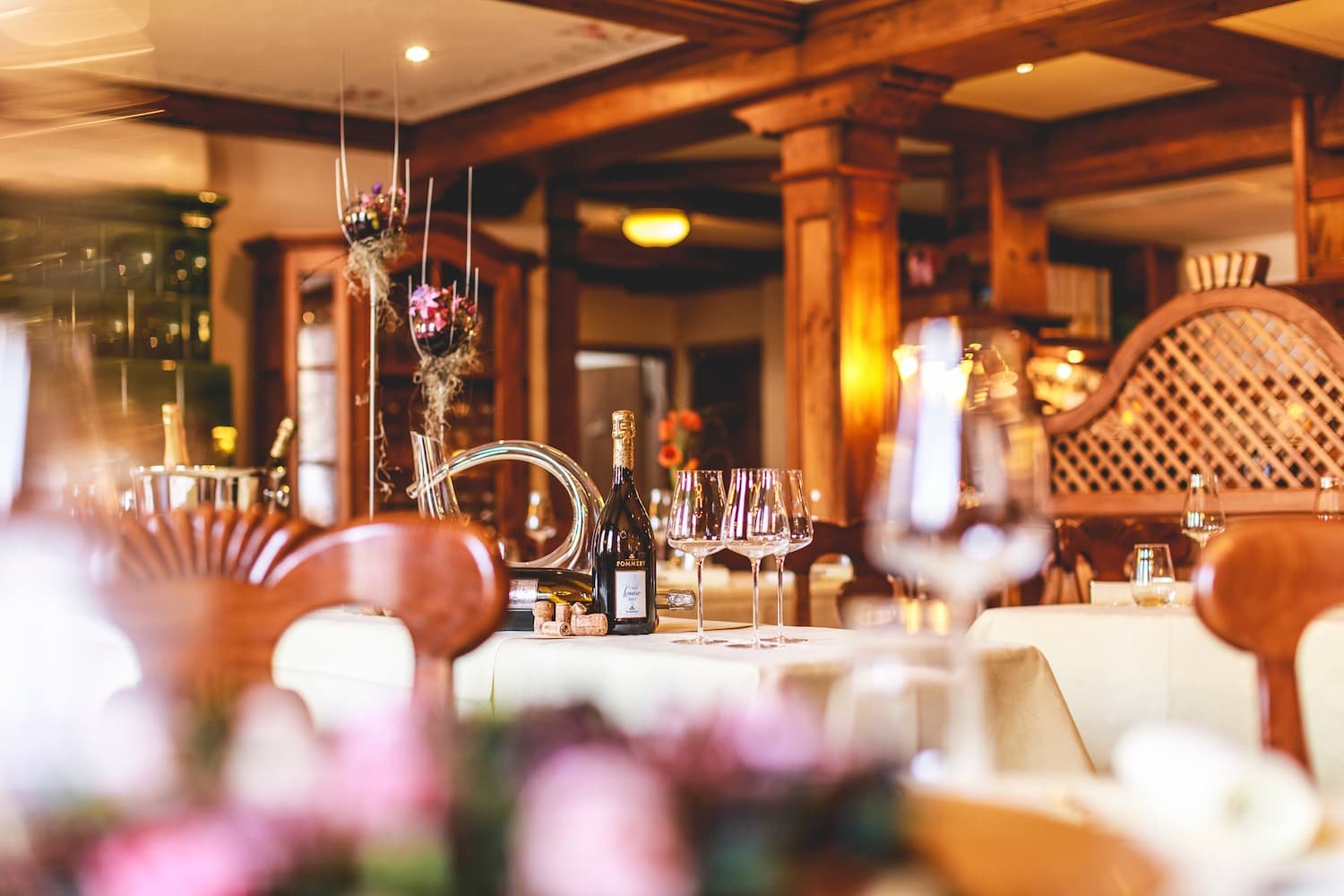
Bars in Weingarten
Browse all →
Hotels in Weingarten
Browse all →

At a Glance
- Rustic
- Cozy
- Romantic
- Historic
- Intimate
- Date Night
- Family
- Celebration
- Group Dining
- Historic Building
- Open Kitchen
- Courtyard
Current opening hours
- Monday
- 5–11 PM
- Tuesday
- 5–11 PM
- Wednesday
- 5–11 PM
- Thursday
- 5–11 PM
- Friday
- 5 PM–12 AM
- Saturday
- 5 PM–12 AM
- Sunday
- 12–11 PM
Hours can change for holidays and private events. Last verified .
Cozy and rustic with historic vaulted cellars, half-timbered interiors, piano room, and romantic courtyard; warmly lit for a relaxed, memorable atmosphere.