
1 Michelin Star
Our verdict
Alt Wyk holds a Michelin star on the North Frisian island of Föhr, where geography shapes the kitchen as decisively as technique. The restaurant works within the classic cuisine register at the €€€€ tier, drawing on coastal proximity and island produce in ways that give the cooking a grounding rarely found this far from the mainland.

Pearl is the En Primeur Club membership app, where members save venues, book tables and use the concierge.
Cooking at the Edge of the North Sea
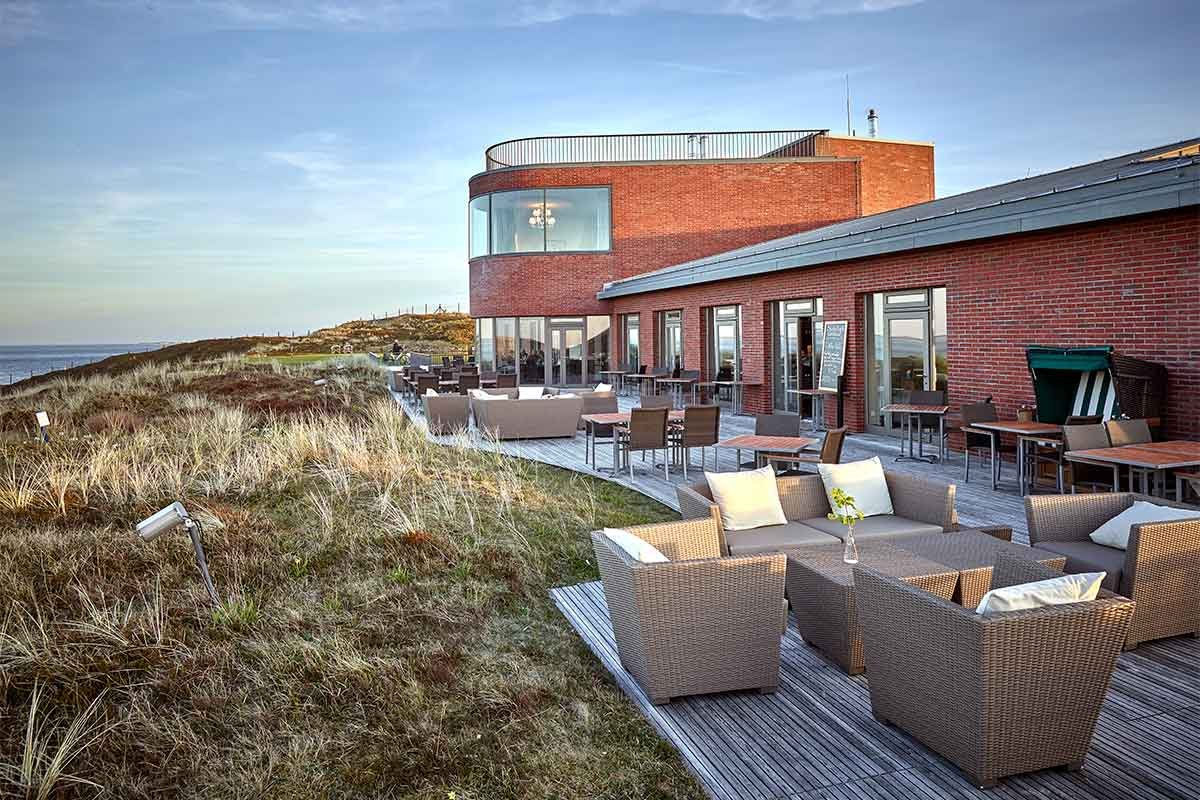
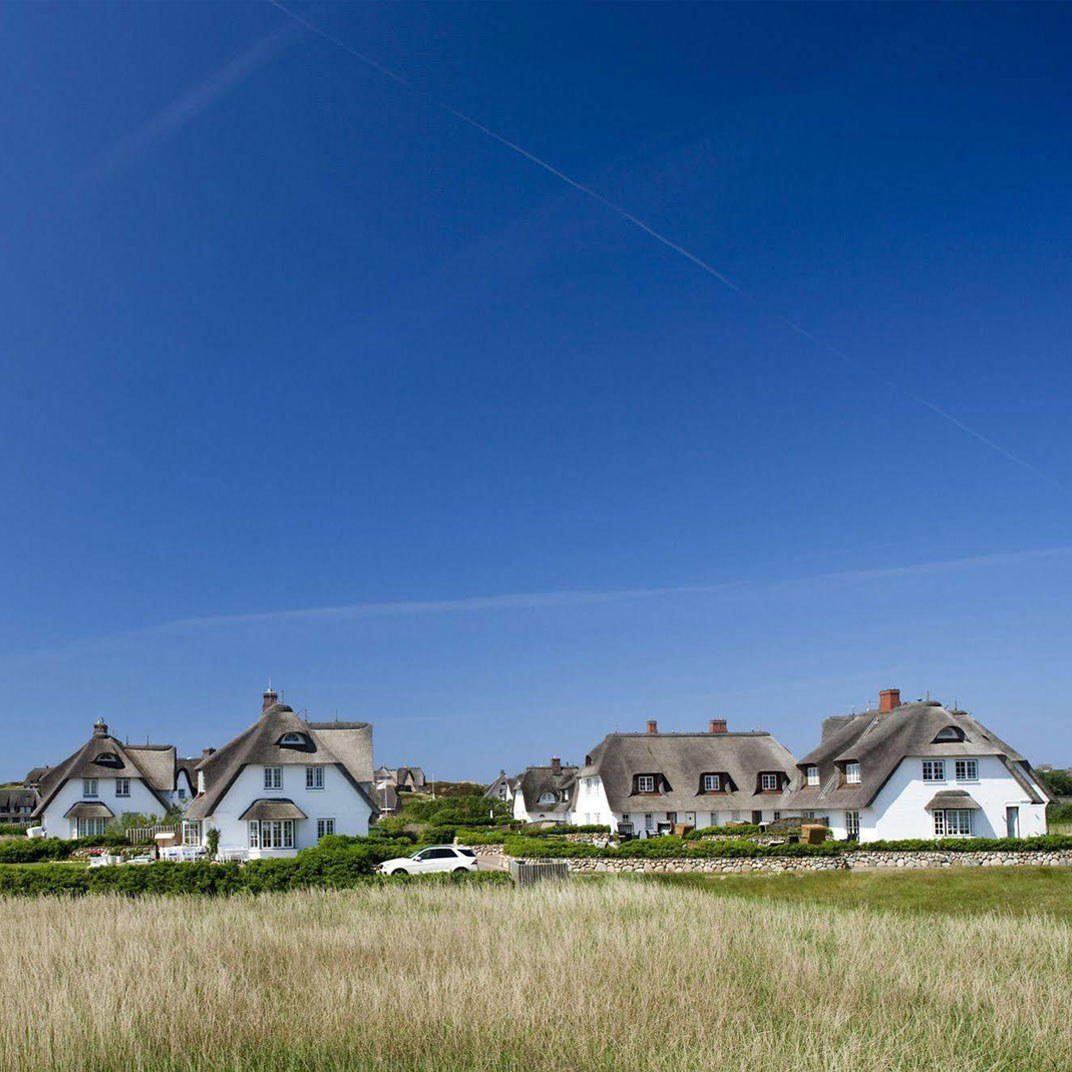
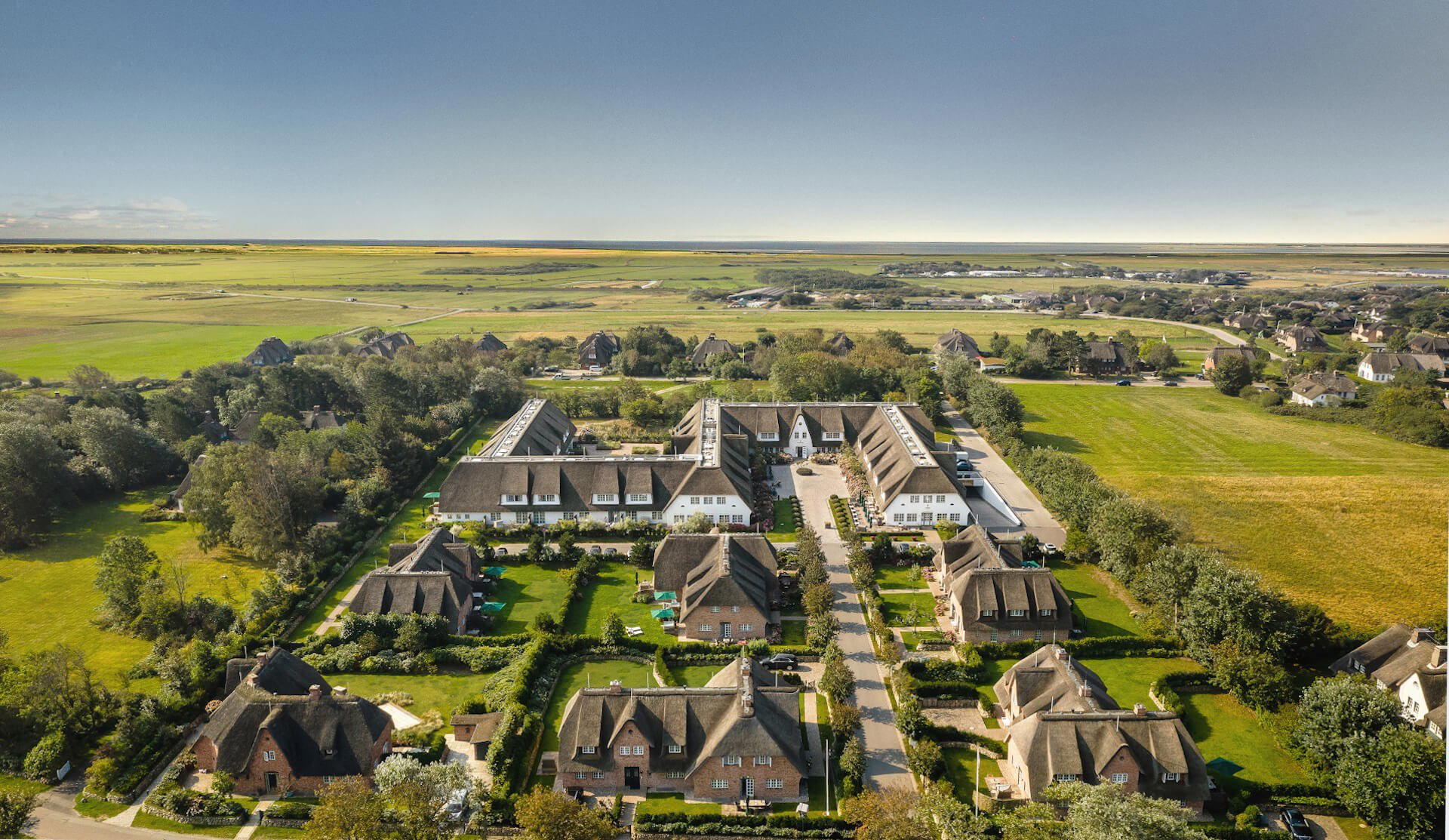
Föhr is an island that the North Sea has always defined. Reached by ferry from the Schleswig-Holstein mainland, it sits within a UNESCO-protected Wadden Sea landscape whose tidal flats, salt marshes, and North Frisian waters set the terms for almost everything that grows, grazes, or swims nearby. Arriving in Wyk, the island's main town, you feel the salt in the air before you see the water. Grosse Strasse cuts through the town centre, and Alt Wyk occupies a position along this main artery at number four, its address less a discovery than a fixed reference point for anyone spending serious time on Föhr.
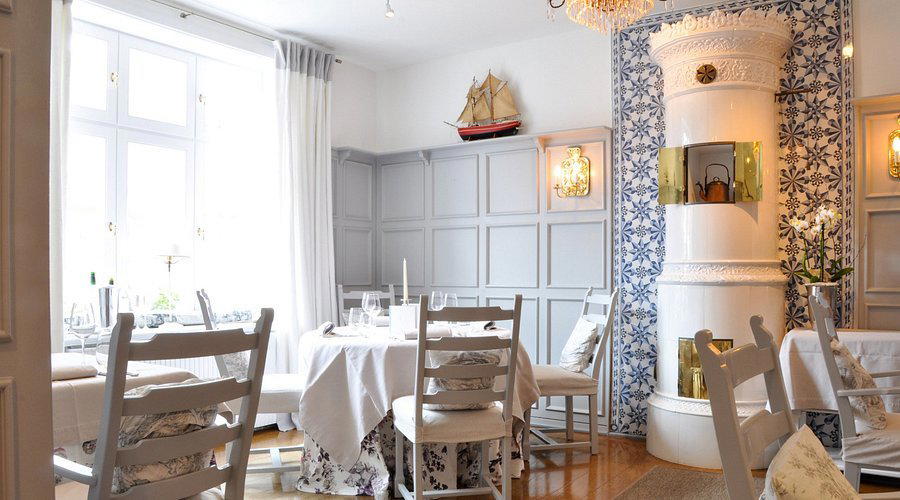
The physical experience of the space, quieter than most €€€€-tier rooms in German cities, closer in register to a composed North Sea stillness than to metropolitan theatre, sets expectations from the moment you cross the threshold. This is not a destination propped up by urban foot traffic. The guests who find their way here have made deliberate choices: the ferry crossing, the overnight stay, the booking made in advance. That deliberateness tends to shape the room's tone.
What Island Geography Does to a Kitchen
The classic cuisine designation at Alt Wyk is not incidental. In the German Michelin context, classic cuisine signals a commitment to the disciplined European canon, sauces built with care, technique that doesn't need conceptual scaffolding to justify itself, and an expectation that the produce does the heavier part of the expressive work. On Föhr, that last point is charged with specific meaning.
North Frisian islands sit within one of Europe's most distinctive maritime ecosystems. The Wadden Sea's tidal rhythms produce salt lamb grazed on sea-grass marshes, a product with European protected designation status whose mineral character is inseparable from its terroir. Fish from these waters, including species like plaice and herring with deep regional associations, carry a different character than their farmed or distant-caught equivalents. Shellfish from the immediate coastal zone, including local crab and shrimp, have been a feature of North Frisian cooking for centuries. A kitchen committed to classic cuisine in this setting has an unusually clear brief: the regional larder is distinct enough to anchor the menu without resorting to novelty.
This is what separates island fine dining from its urban equivalent. In cities like Hamburg or Munich, a one-Michelin-star kitchen must work to differentiate its sourcing from dozens of nearby competitors. At Alt Wyk, geography does that work. The sourcing argument is structural, built into the location itself. Restaurant Haerlin in Hamburg and JAN in Munich operate within different competitive pressures entirely, with urban supplier networks and cosmopolitan diner expectations that push kitchens toward technical ambition as a differentiator. Here, restraint and regional fidelity carry more weight than innovation for its own sake.
The Michelin Signal and What It Means This Far North
Alt Wyk has held its Michelin star across both the 2024 and 2025 guides. In the context of German Michelin geography, that consecutive recognition carries a specific implication: inspectors return, and the kitchen performs consistently across different seasons. Föhr's character shifts considerably between summer, when the island draws its peak tourist flow, and the quieter months when the North Sea weather closes in and the guest profile narrows to those with particular attachment to the island. A kitchen maintaining star-level execution through both cycles demonstrates something beyond the ability to perform on a good night.
Germany's Michelin scene concentrates its three-star tier in a relatively small cluster of addresses. Aqua in Wolfsburg, Schwarzwaldstube in Baiersbronn, and Vendôme in Bergisch Gladbach define that upper register. One-star recognition, by contrast, is distributed more broadly across the country, including addresses that serve local and regional communities as their primary audience rather than destination-travelling gastronomes. Alt Wyk's position is clear: it is the island's serious dining option, operating at the entry point of Michelin recognition in a geography where that recognition carries extra weight because alternatives are few.
For further reference against the classic cuisine category, KOMU in Munich and Maison Rostang in Paris represent how that tradition plays out in major urban centres, a useful contrast for understanding how a kitchen like Alt Wyk's interprets the same register under entirely different logistical and sourcing conditions.
Wyk in the Broader German Island Dining Scene
Germany's North Sea islands support only a thin layer of serious dining. Sylt, the most visited, has developed a more concentrated fine dining circuit over the past two decades, with property values and tourism volumes that support multiple high-ticket addresses. Föhr sits in a different register: smaller, quieter, less developed as a gastro-tourism destination. That gap in the market is precisely what gives Alt Wyk its position. There is no meaningful competition at this price and quality level on the island, which means it draws from every category of visitor willing to spend at the €€€€ tier: anniversary dinners, guests staying at the island's better accommodation, and food-focused travellers who have planned around it specifically.
For anyone structuring a broader North German fine dining circuit, the route could reasonably connect Alt Wyk to Restaurant Haerlin in Hamburg on the mainland, with the ferry crossing from Dagebüll adding a useful geographic punctuation to the itinerary. Those travelling deeper into Germany might extend toward ES:SENZ in Grassau or Schanz in Piesport for contrast against wine-country classic cuisine. CODA Dessert Dining in Berlin and Victor's Fine Dining by christian bau in Perl represent the more conceptual and Franco-Asian ends of the German Michelin spectrum, useful reference points for understanding where Alt Wyk sits in terms of register and ambition.
Wyk itself warrants time beyond the restaurant. For a complete picture of the island's hospitality circuit, our full Wyk restaurants guide, hotels guide, bars guide, wineries guide, and experiences guide map the full range of options available across the island.
Planning a Visit
Föhr is a 45-minute WDR ferry crossing from Dagebüll on the Schleswig-Holstein mainland, with regular departures that make same-day travel possible. At the €€€€ price point, Alt Wyk sits at the top of the island's dining tier, and booking ahead is prudent particularly in the summer season when the island's visitor numbers peak and the dining room's limited capacity fills quickly. Alt Wyk's address at Grosse Strasse 4 places it in Wyk's walkable town centre, accessible from most of the island's accommodation options. Those combining the visit with a broader North German itinerary should treat the ferry schedule as the logistical anchor around which the rest of the day arranges itself.
Frequently asked questions
Is Alt Wyk good for families?
At the €€€€ price tier with two consecutive Michelin stars (2024 and 2025), Alt Wyk is positioned for serious adult dining. The ferry crossing required to reach Föhr adds further logistical weight. Families travelling with children would be better served by one of the island's more casual options.
What is the atmosphere like at Alt Wyk?
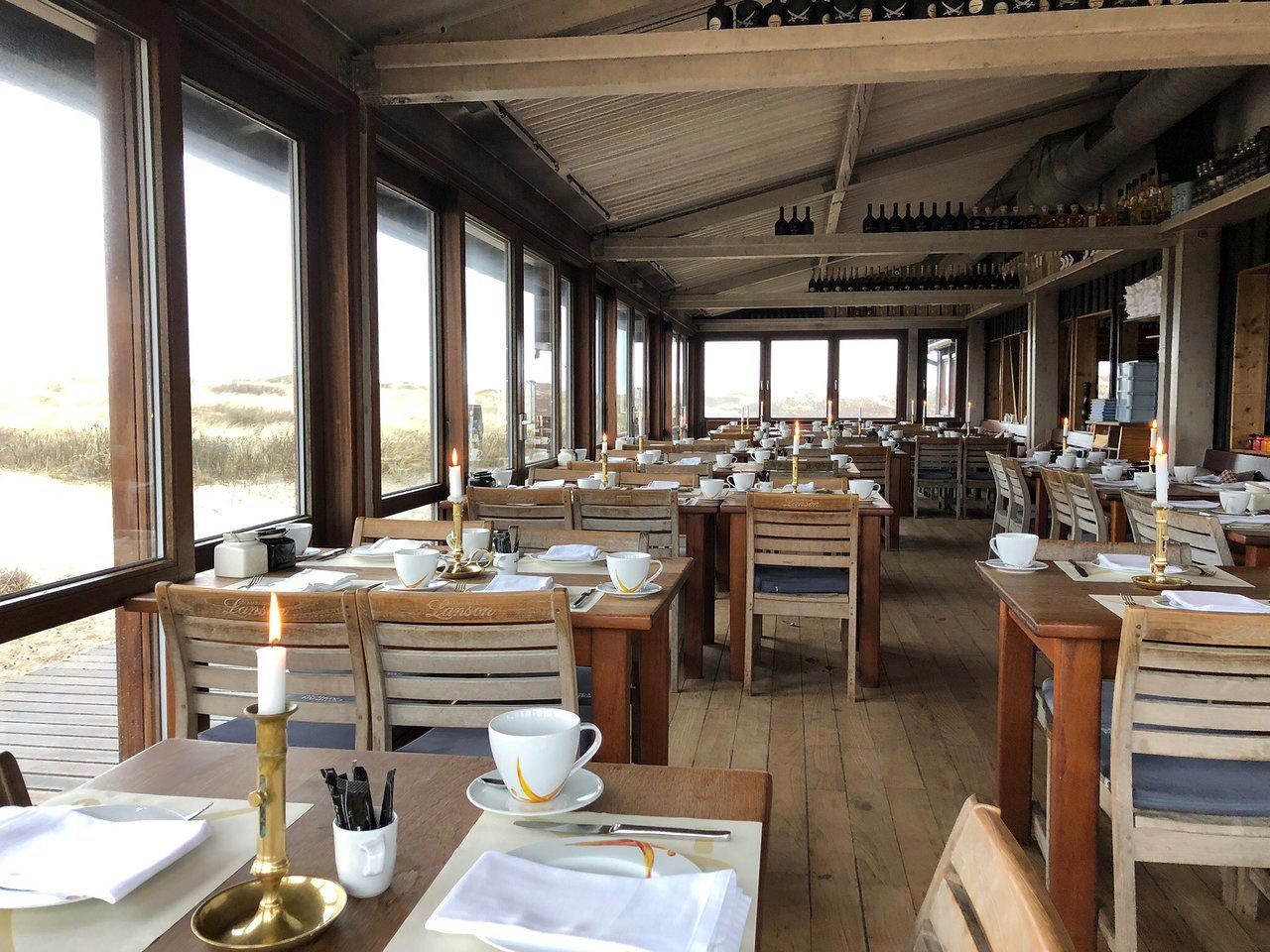
Wyk auf Föhr is a small North Sea island town, and that context shapes the room at Große Str. 4 considerably. Expect a quieter, more contained register than a mainland city fine dining venue, Michelin-star precision in a setting defined by island pace rather than urban theatre.
Is Alt Wyk award-winning?
Alt Wyk has received recognition including: Michelin 1 Star (2025); Michelin 1 Star (2024).
What dish is Alt Wyk famous for?
The kitchen's designation as classic cuisine, sustained across two consecutive Michelin guides, points to disciplined European technique rather than a single signature dish. In the German Michelin context, that label signals a kitchen built around consistency and craft across the full menu.
How It Stacks Up
| Venue | Cuisine | Price | Awards | Notes |
|---|---|---|---|---|
| Alt WykThis venue (the venue you are viewing) | Classic German Fine Dining | Not listed | 1 Michelin Star | Not listed |
| Schwarzwaldstube | Modern French Fine Dining | $150–200 | 3 Michelin Stars · World's 50 Best #47 | French, Classic French |
| Aqua | Contemporary German, Italian/Japanese, Creative | Not listed | Michelin 3 Star | Not listed |
| CODA Dessert Dining | Dessert-Inspired Fine Dining | $200–300 | 2 Michelin Stars · World's 50 Best #79 | Creative |
| Tantris | Modern French, French Contemporary | Not listed | Michelin 2 Star | Not listed |
| Vendôme | Modern German Haute Cuisine | $200–300 | 2 Michelin Stars · World's 50 Best #47 | Modern European, Creative |
Recognition history
Dated appearances from independent guides and award organizations, with the underlying list record or original source where available.
Michelin 1 Star
Michelin
Full recognition history (3 entries)
Michelin 1 Star
Michelin
Michelin 1 Star
Michelin
Continue exploring
More in Wyk
Restaurants in Wyk
All restaurants in Wyk →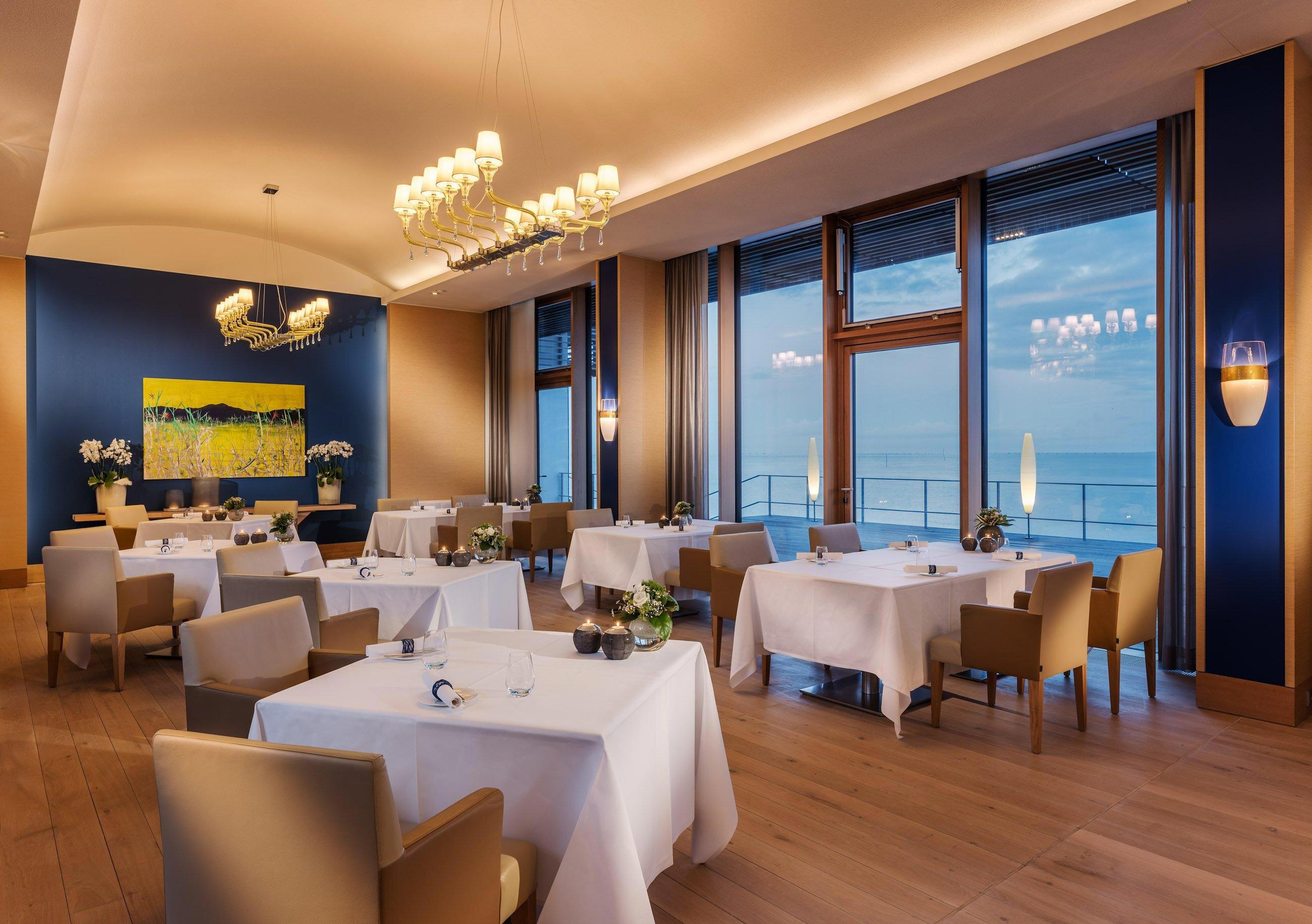
Details
- Elegant
- Cozy
- Classic
- Intimate
- Date Night
- Special Occasion
- Historic Building
- Extensive Wine List
- Local Sourcing
- A La Carte
- Vegetarian Friendly
- Gluten Free Options
Current opening hours
- Monday
- Closed
- Tuesday
- Closed
- Wednesday
- 6–10:30 PM
- Thursday
- Closed
- Friday
- Closed
- Saturday
- Closed
- Sunday
- Closed
Hours can change for holidays and private events. Hours as of .
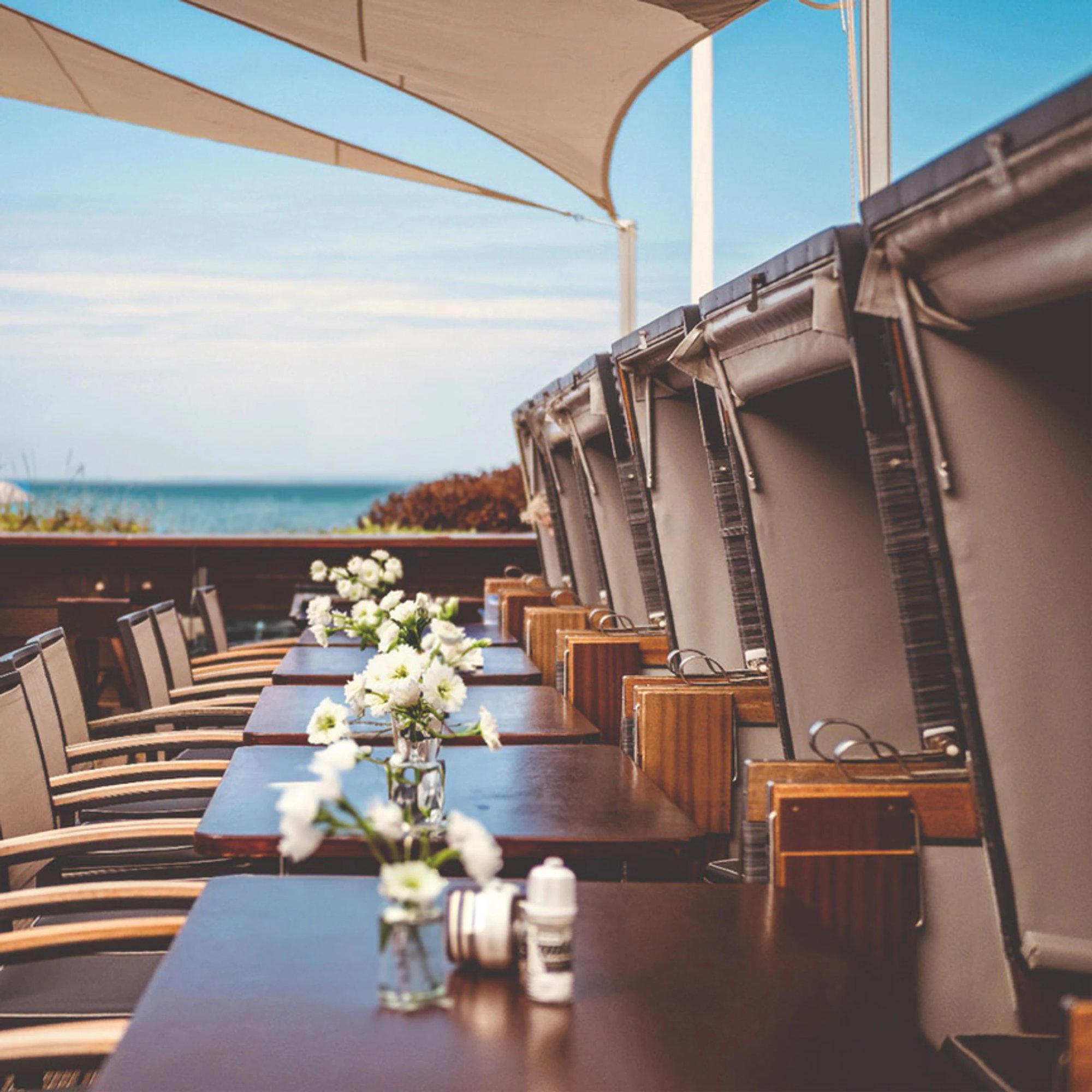
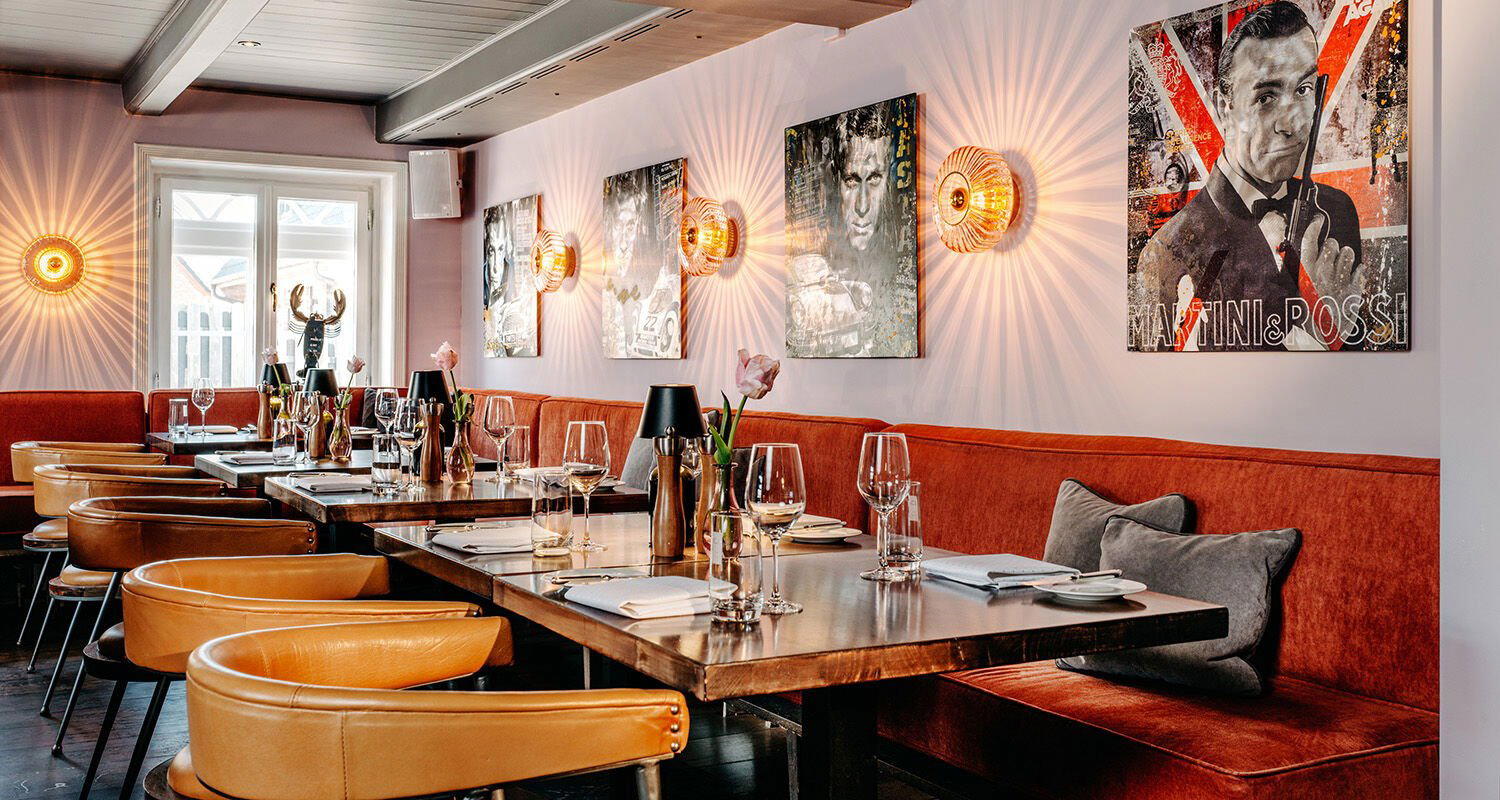
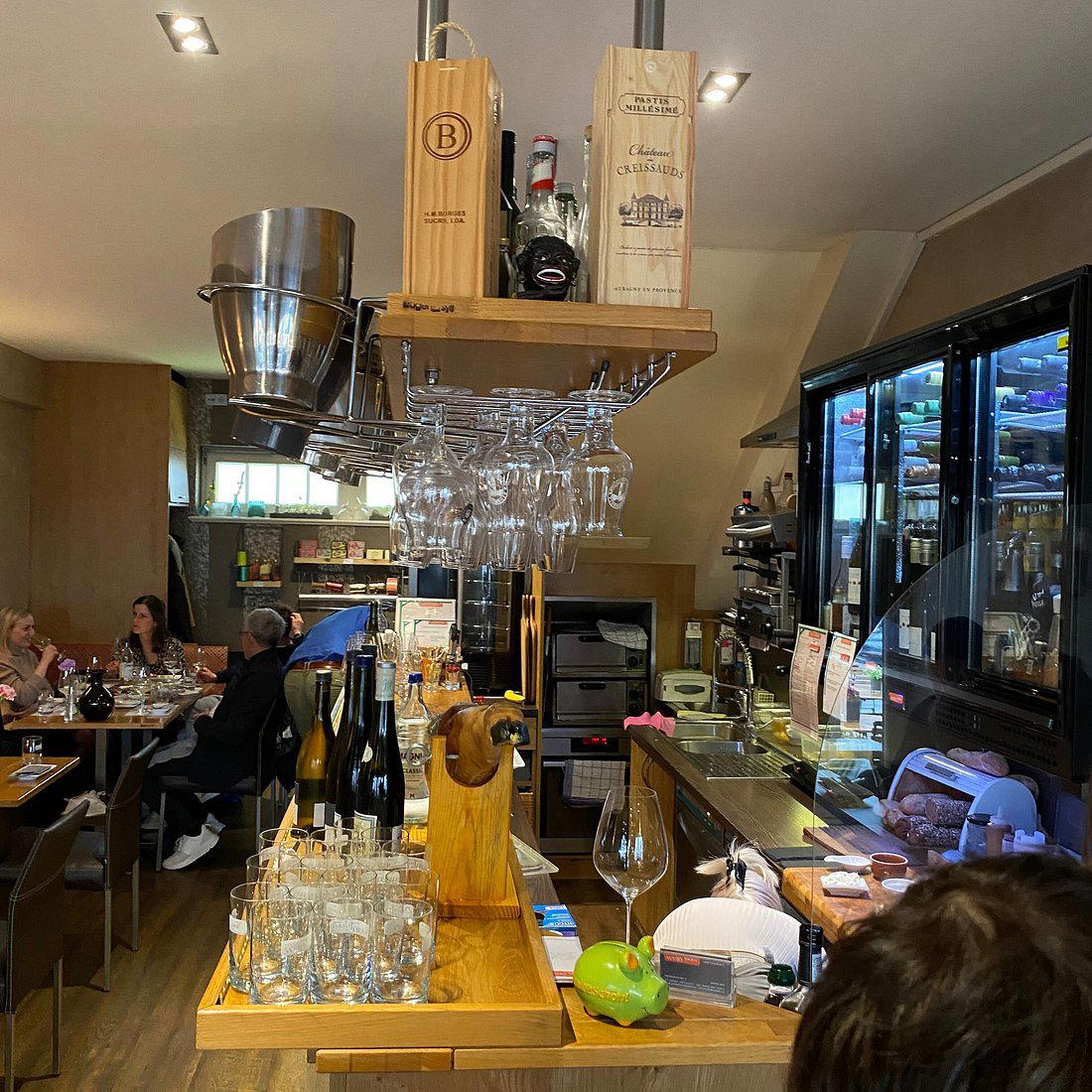
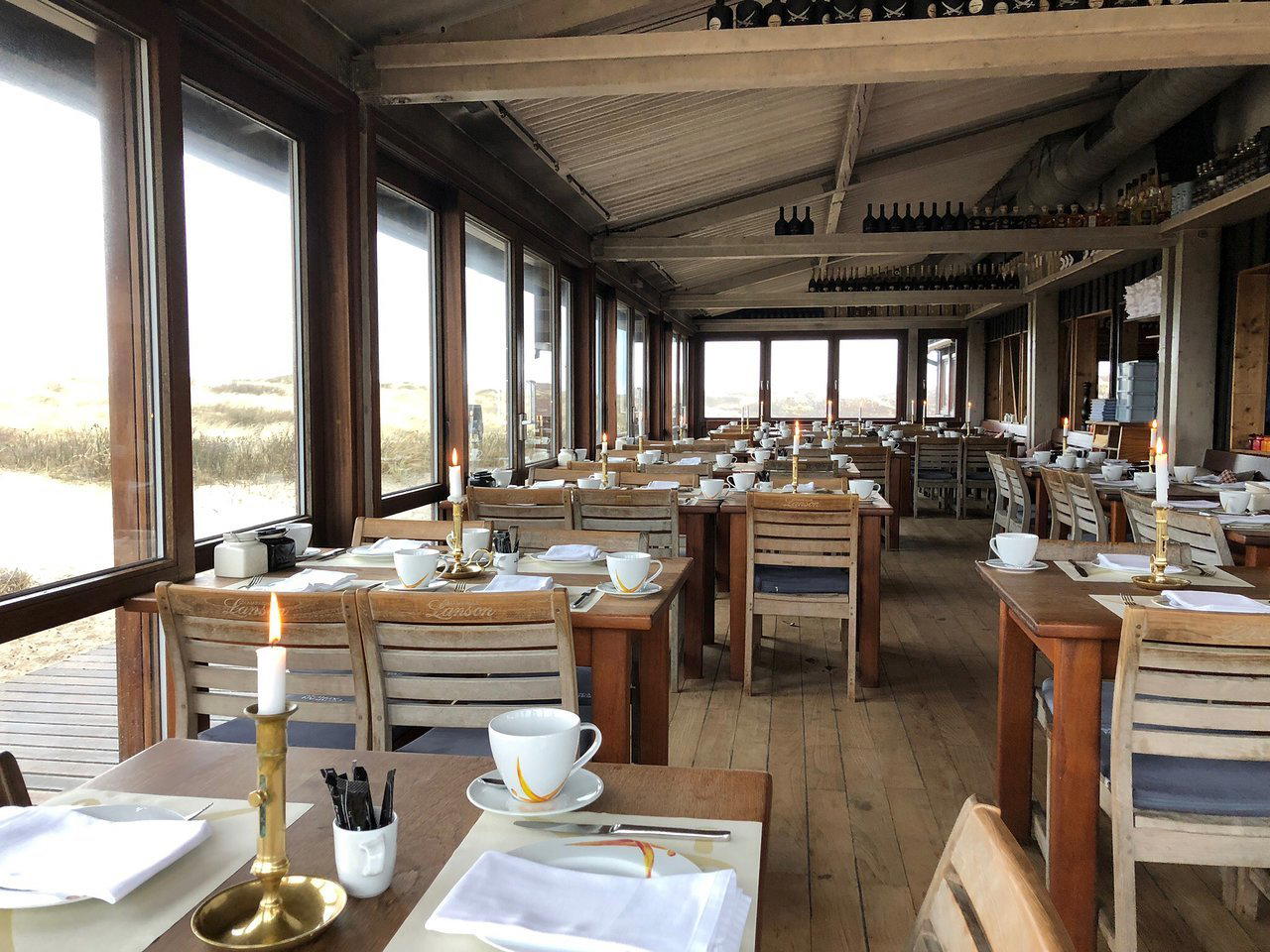
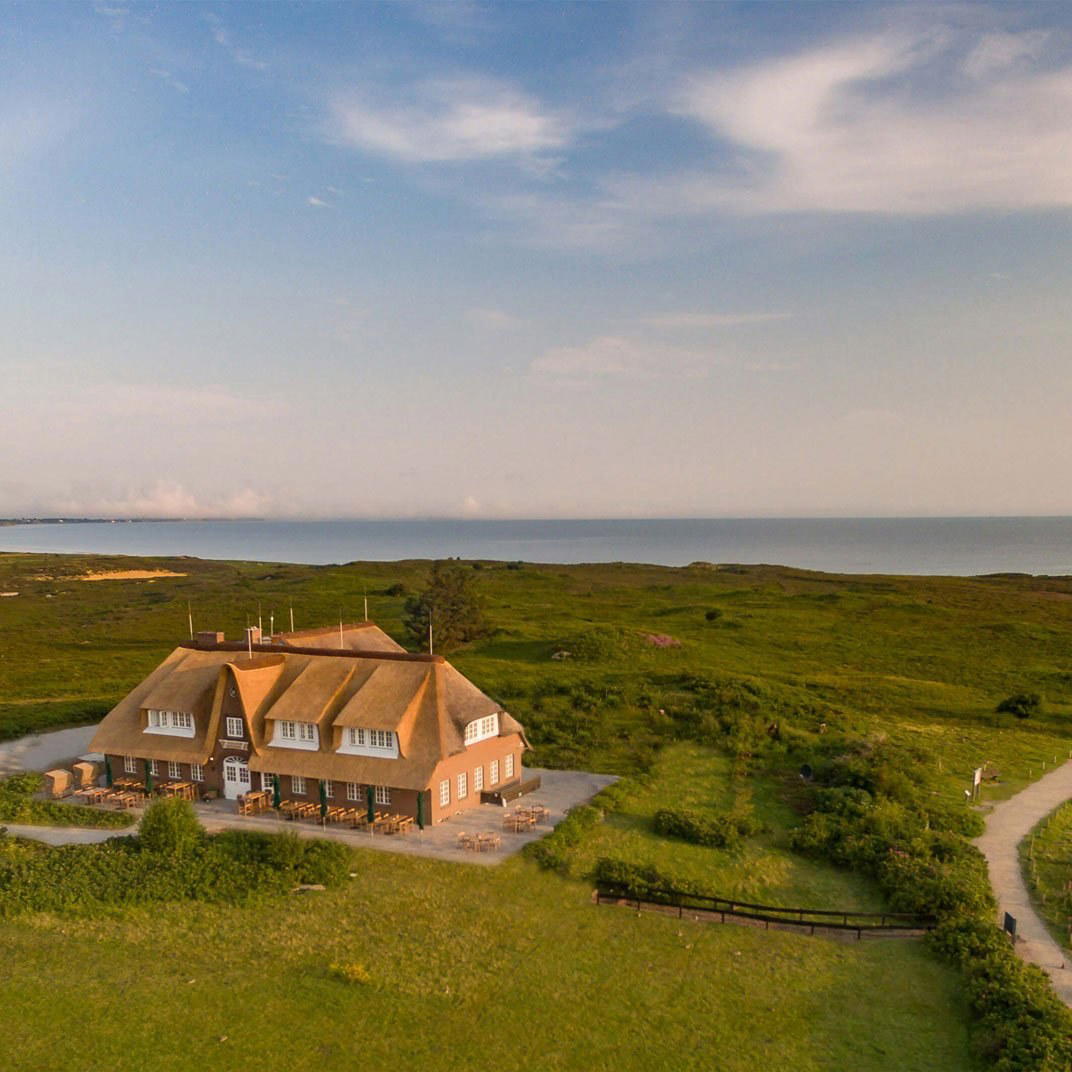
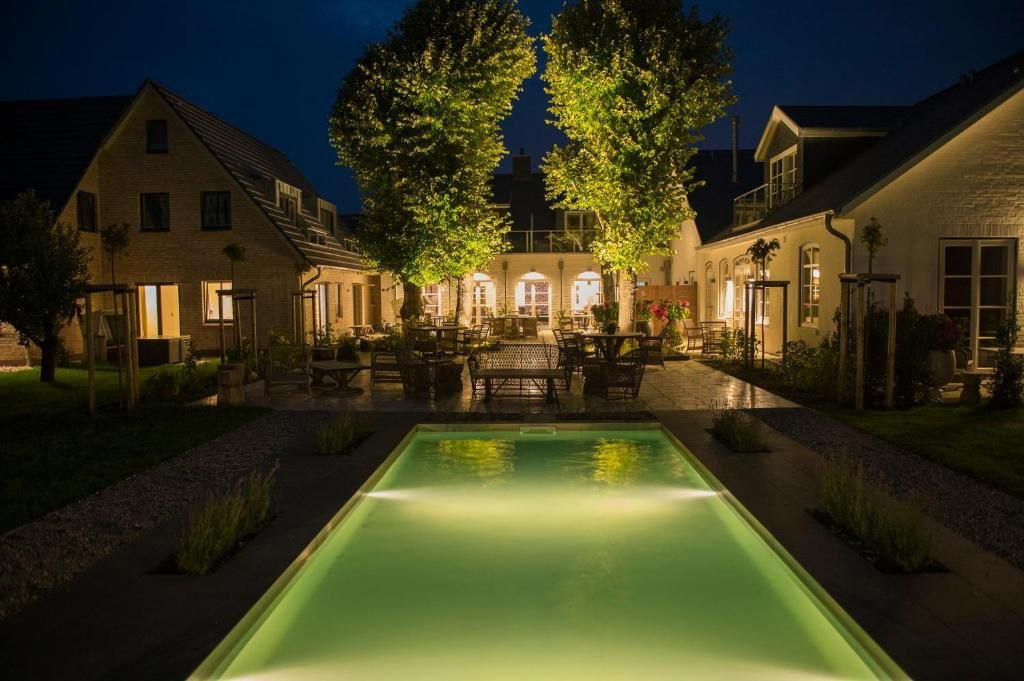
Elegant yet cosy dining rooms with tasteful decor exuding Frisian charm and a genuine feel-good atmosphere.