

Tipken's by Nils Henkel sits within Severin's Resort in Keitum on Sylt, holding a Michelin star in both 2024 and 2025. Henkel's distinctive flora and fauna menu draws on the North Frisian coastal environment, placing the restaurant in a small tier of German fine dining that treats landscape ingredients as its primary creative material.
Pearl is the En Primeur Club membership app — saves, bookings, and concierge access live there. Same editors, same standards.
- Address
- Am Tipkenhoog 18, 25980 Sylt-Ost, Germany
- Phone
- +49 4651 460660
- Website
- severins-sylt.de
- Directions
- Get directions
 Saves & bookings on Pearl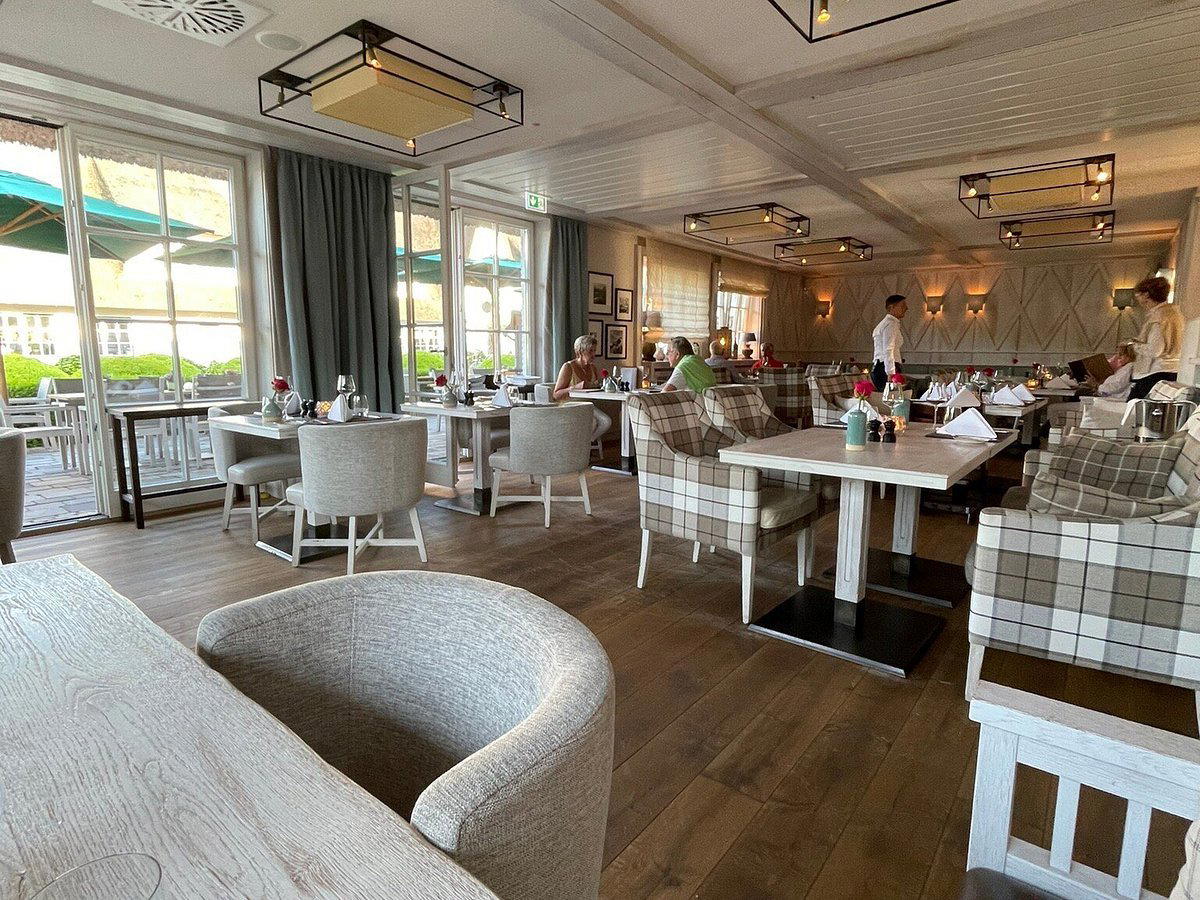
Where the North Sea Sets the Table
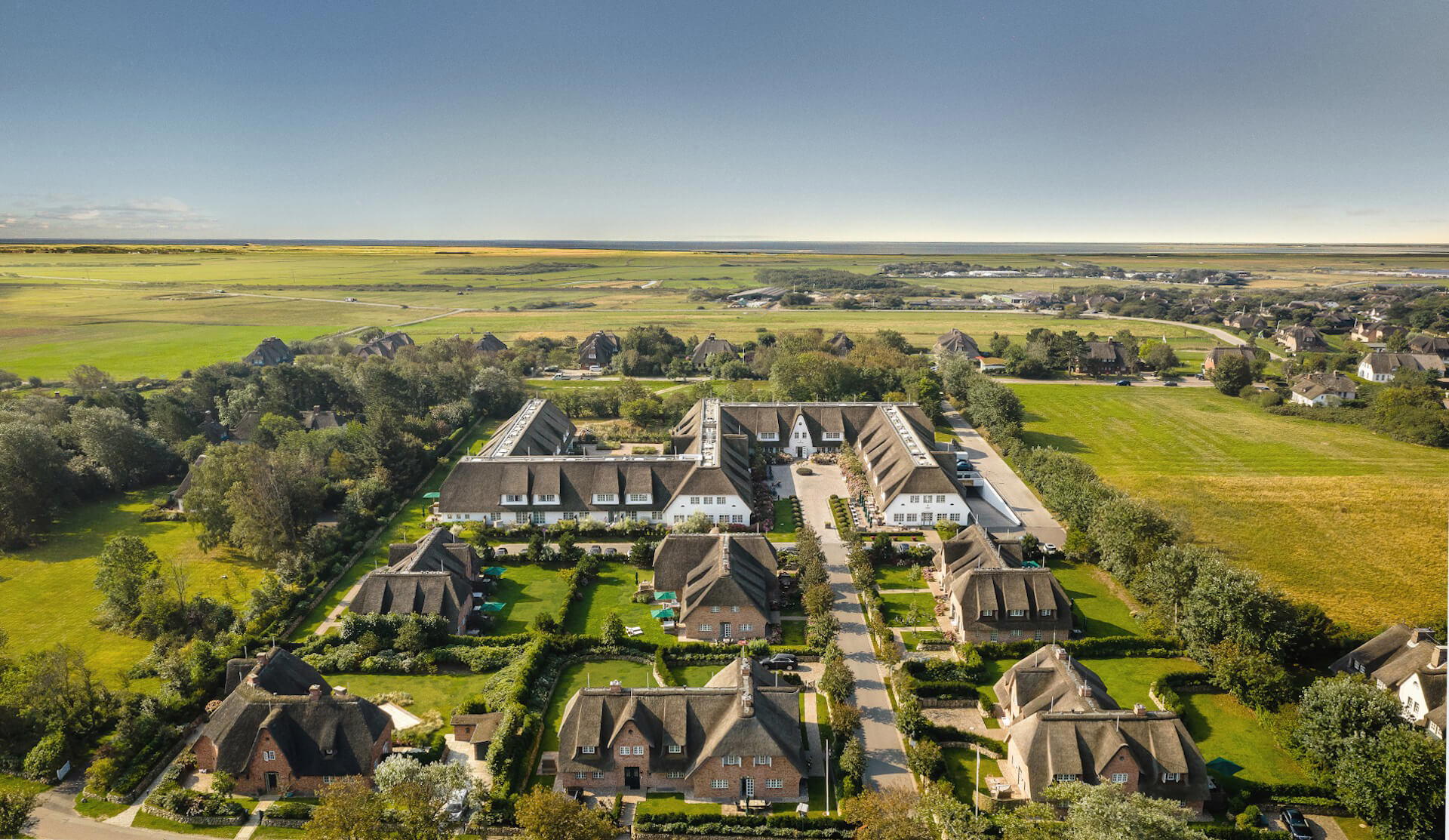
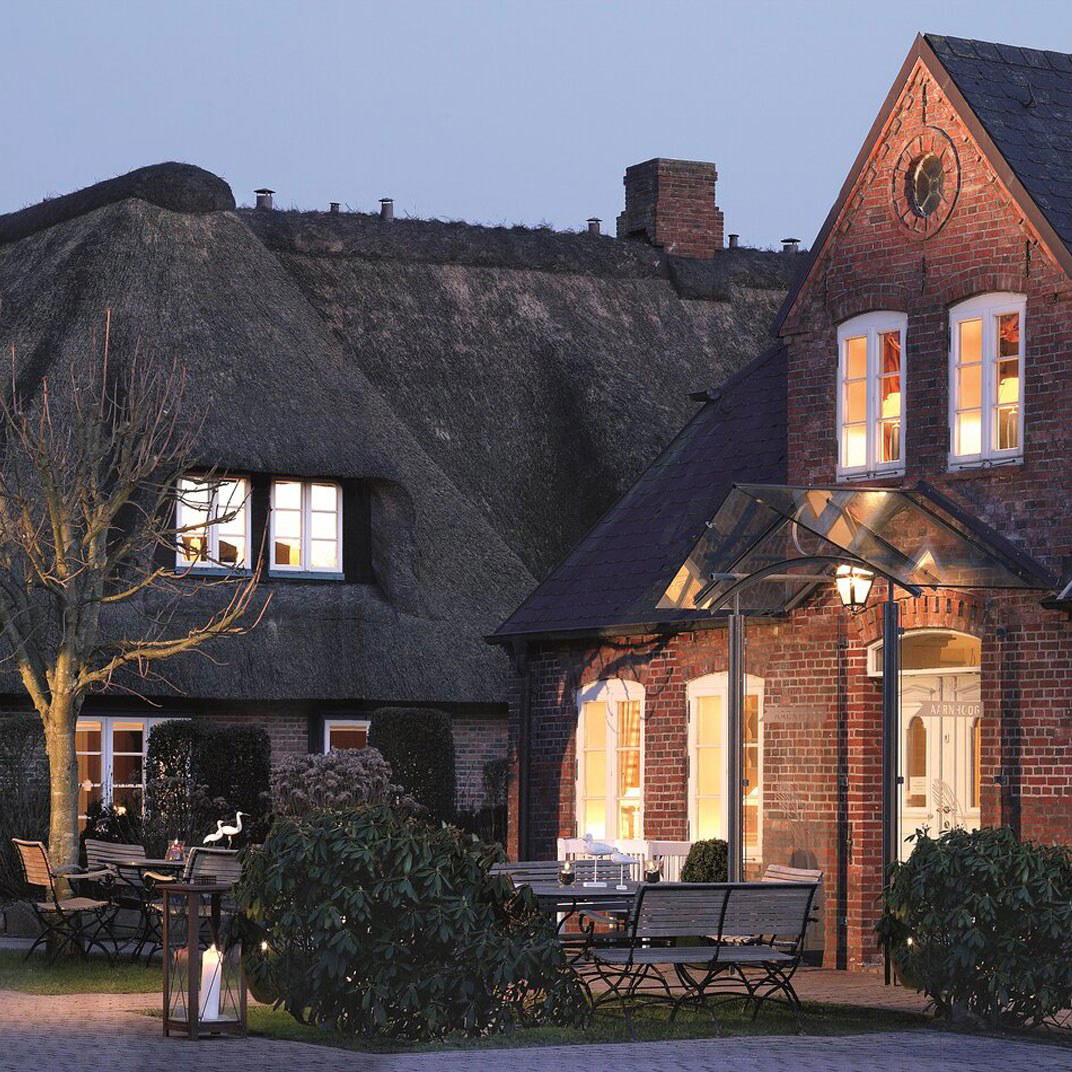
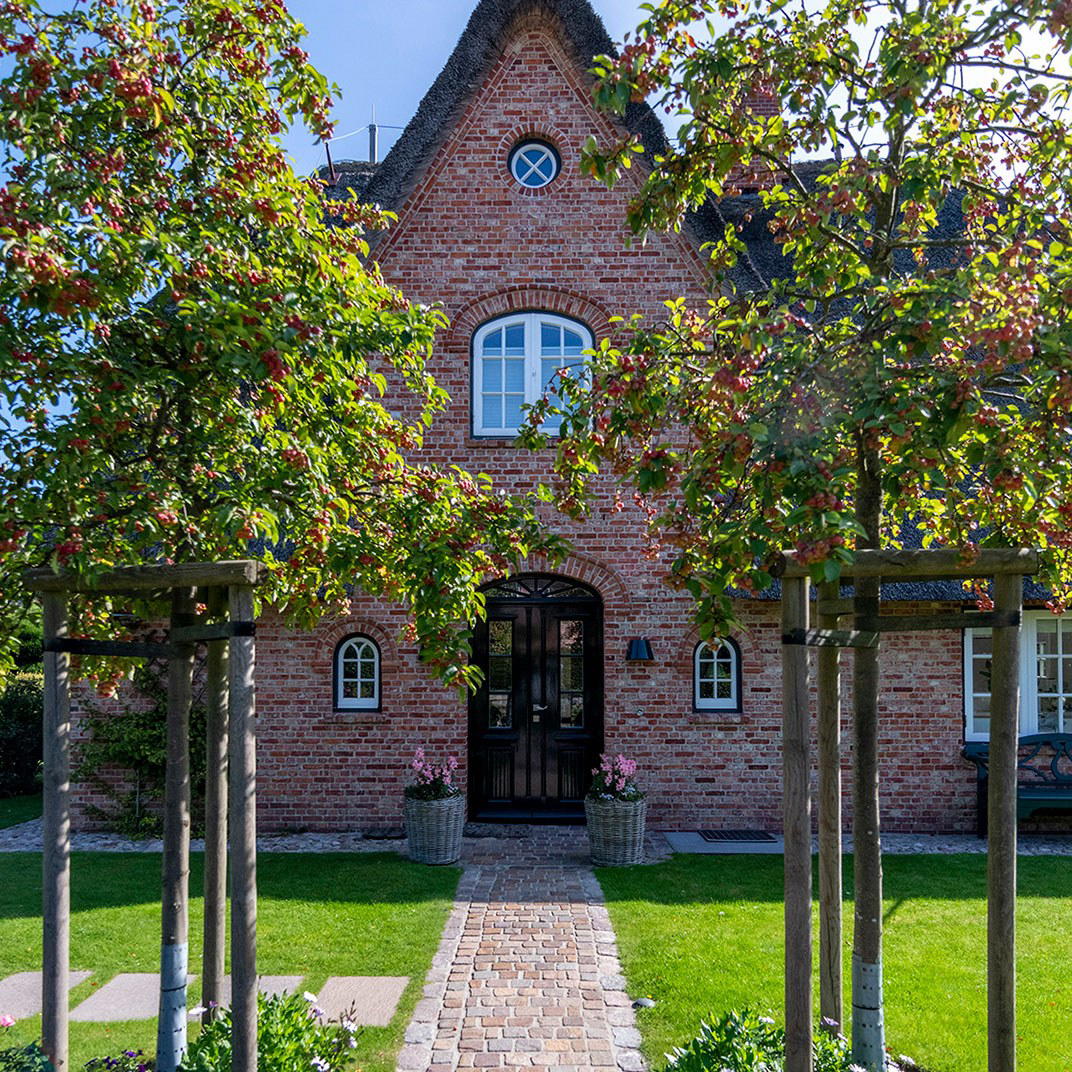
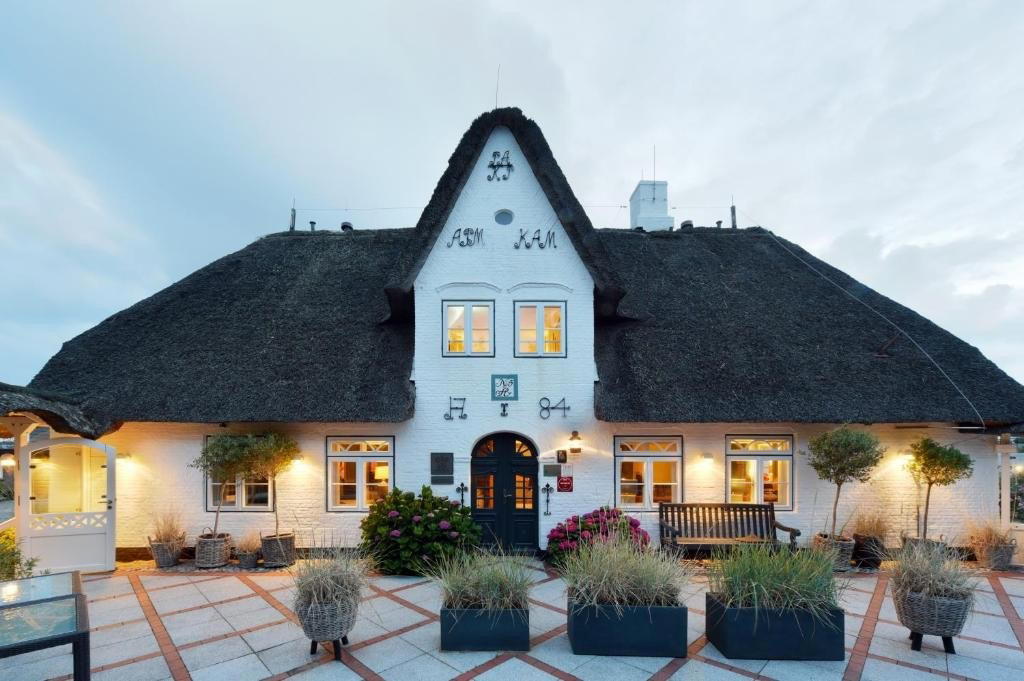
Tipken's by Nils Henkel is a one-Michelin-star restaurant in Keitum, Sylt, set inside Severin's Resort. The thatched Frisian houses and salt-meadow light mark a deliberate distance from the island's louder social scene. Severin's Resort, where Tipken's by Nils Henkel operates, sits within that calmer register, and the restaurant inherits something of it: this is a room where the surrounding environment is not decorative backdrop but actual culinary subject matter.
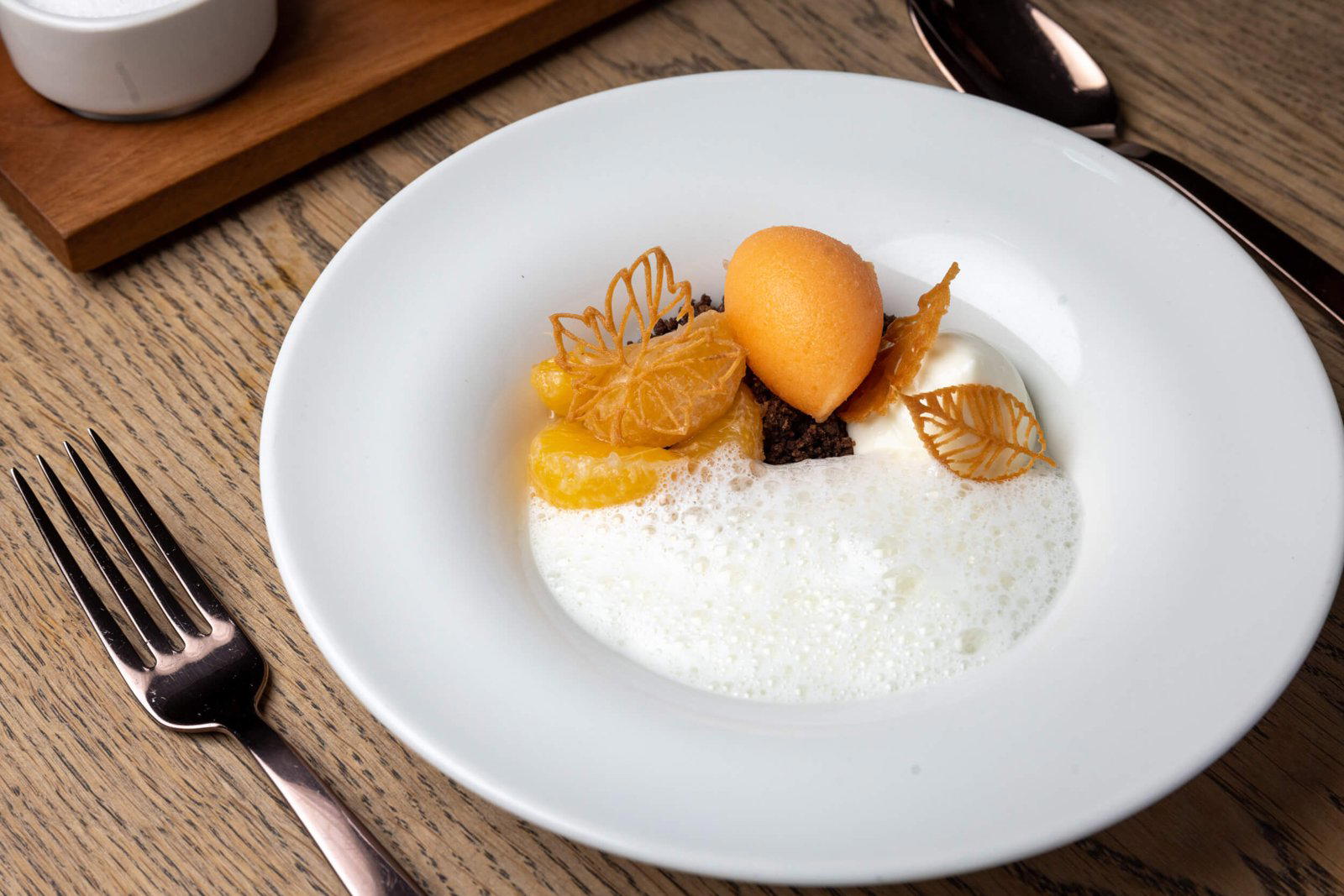
That relationship between a dining room and its immediate ecology is one of the defining tensions in contemporary German fine dining. At venues like ES:SENZ in Grassau or Schanz in Piesport, the surrounding region shapes the ingredient logic. At Tipken's, the North Frisian coast, its tidal flats, salt marshes, coastal flora, and North Sea fauna, is the explicit framework. Henkel's much-discussed flora and fauna menu is less a stylistic label than a statement of culinary geography.
Flora, Fauna, and the German Fine Dining Conversation
German contemporary cuisine at the highest tier has spent the past decade working out what it actually is. The French technical inheritance that shaped a generation of kitchens, visible in the classical precision of places like Schwarzwaldstube in Baiersbronn or the European creative range of Vendôme in Bergisch Gladbach, coexists now with a more territorially grounded approach that looks to specific German environments for both ingredient and concept.
Tipken's by Nils Henkel sits in that second current. The flora and fauna framework positions the kitchen inside a tradition of place-led cooking that has genuine intellectual weight: it is not foraging as garnish, but an organising principle that determines what appears on the plate and in what combination. Coastal Germany presents a particular set of raw materials, North Sea fish, salt-meadow lamb, sea vegetables, coastal herbs, that differ sharply from the forest and river ingredients that anchor kitchens further inland. That specificity is part of what the Michelin recognition implicitly acknowledges.
For comparison, Aqua in Wolfsburg and Restaurant Haerlin in Hamburg operate at the multi-star level within German fine dining, each with distinct ingredient and conceptual approaches. Tipken's occupies a different niche: geographically remote, smaller in profile, and tightly bound to a coastal ecosystem that most German kitchens never engage with directly. JAN in Munich and CODA Dessert Dining in Berlin both illustrate how Germany's Michelin-starred tier spans radically different formats and intentions, Tipken's coastal-ecological focus places it in a comparable set defined less by city prestige than by ingredient philosophy.
Nils Henkel in Context
Henkel's career is a recognisable arc in German fine dining: sustained Michelin recognition built over multiple postings, with a reputation established well before the Sylt chapter. His flora and fauna approach at Tipken's represents a mature phase of that career, where the creative constraints of a specific place replace the broader palette available in a metropolitan kitchen. Working within Severin's Resort in Keitum means accepting a particular audience, resort guests, island visitors, serious diners making the journey specifically, and calibrating the menu accordingly.
That calibration matters. Resort dining at this price point (€€€€, consistent with the upper tier of German contemporary cooking) can drift toward comfort over ambition. The sustained Michelin star across consecutive years suggests the kitchen is maintaining standard rather than coasting on location. The inspector visit to Keitum requires specific intent, and the star is not a byproduct of urban dining density.
Sylt and the Question of Destination Dining
Sylt is an unusual place to encounter serious fine dining. The island draws a wealthy German summer crowd, a quieter off-season audience, and a growing number of visitors who treat it as a short-break destination from Hamburg or Copenhagen. Keitum specifically attracts those who want the island without the Westerland spectacle, and the dining options here reflect that. Oma Wilma Heimatküche and Salon 1900 represent the more traditional and regional end of Keitum's eating, grounding visitors in North Frisian culinary habit before or after a more ambitious meal.
Tipken's sits at the formal end of that spectrum without being detached from it. The flora and fauna concept creates a direct line between what the surrounding coast produces and what arrives at the table, a version of place-specific dining that works whether the diner is staying at Severin's Resort or travelling to Keitum specifically for the meal.
German coastal fine dining at this level has limited international comparisons. The more obvious frame is the Scandinavian tradition of coastal-ecological cooking, a tradition that has influenced German kitchens over the past decade. Internationally, contemporary restaurants like César in New York City and Jungsik in Seoul demonstrate how contemporary fine dining at this tier operates across different geographies, each shaped by local ingredient logic.
Practical Considerations for Visiting
Reaching Keitum from the German mainland means either the train via the Hindenburgdamm causeway, or driving across the same causeway from Niebüll. Keitum itself sits on the eastern, calmer side of the island, away from the main tourist infrastructure. Severin's Resort guests have direct access; independent visitors should plan for the village's limited parking rather than assuming the convenience of a city dining trip.
The €€€€ price bracket places Tipken's at parity with Germany's upper tier of Michelin-starred dining. Advance booking is advisable, particularly in summer when Sylt reaches peak capacity and resort dining rooms fill early. The shoulder seasons, late spring and early autumn, offer quieter island conditions with the same kitchen team in place. Planning around Keitum more broadly can use
What It’s Closest To
Comparable venues nearby, for context on price, style, and recognition.
| Venue | Cuisine | Price | Awards | Notes |
|---|---|---|---|---|
| Tipken's by Nils HenkelThis venue — the venue you are viewing | Modern German Fine Dining with Flora & Fauna Menus | $$$$ | Michelin 1 Star | Not listed |
| Oma Wilma Heimatküche | Modern German Heimatküche | $$$ | Michelin Plate | Keitum |
| Salon 1900 | Modern Regional German | $$$ | Michelin Plate | Keitum |
| BODENDORF'S | Modern French Fine Dining | $$$$ | Michelin 1 Star | Tinnum |
| Seesteg | Modern Coastal German Fine Dining | $$$$ | Michelin 1 Star | Damenpfad |
| Jan Diekjobst Restaurant | Modern European Fine Dining | $$$$ | Michelin 1 Star | Detmold |
Recognition history
Dated appearances from independent guides and award organizations, with the underlying list record or original source where available.
Michelin 1 Star
Michelin
Star Wine List
Star Wine List
Michelin 1 Star
Michelin
Michelin 1 Star
Michelin

At a Glance
- Elegant
- Sophisticated
- Cozy
- Romantic
- Modern
- Date Night
- Special Occasion
- Celebration
- Terrace
- Open Kitchen
- Hotel Restaurant
- Extensive Wine List
- Sommelier Led
- Local Sourcing
- Garden
Current opening hours
- Monday
- Closed
- Tuesday
- Closed
- Wednesday
- 6–10 PM
- Thursday
- 6–10 PM
- Friday
- 6–10 PM
- Saturday
- 6–10 PM
- Sunday
- Closed
Hours can change for holidays and private events. Last verified .
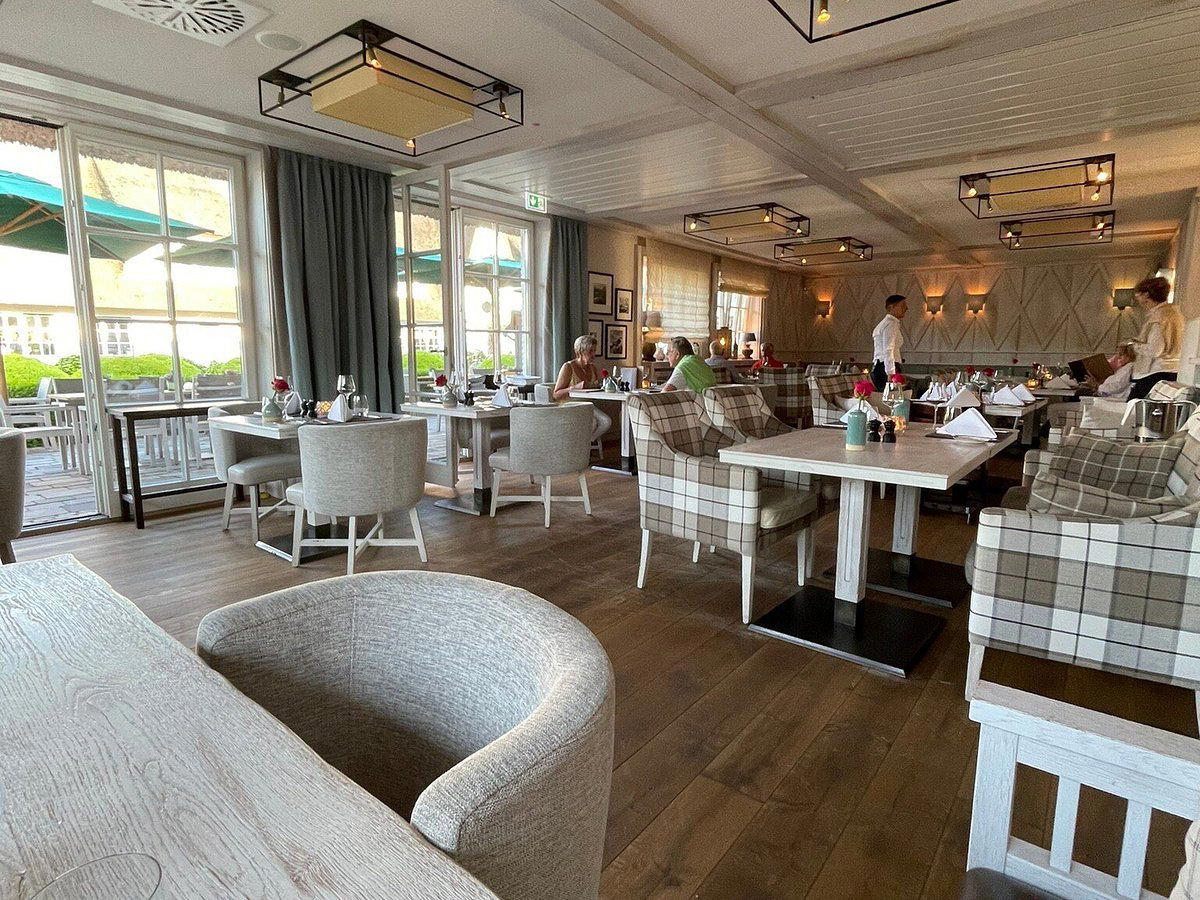
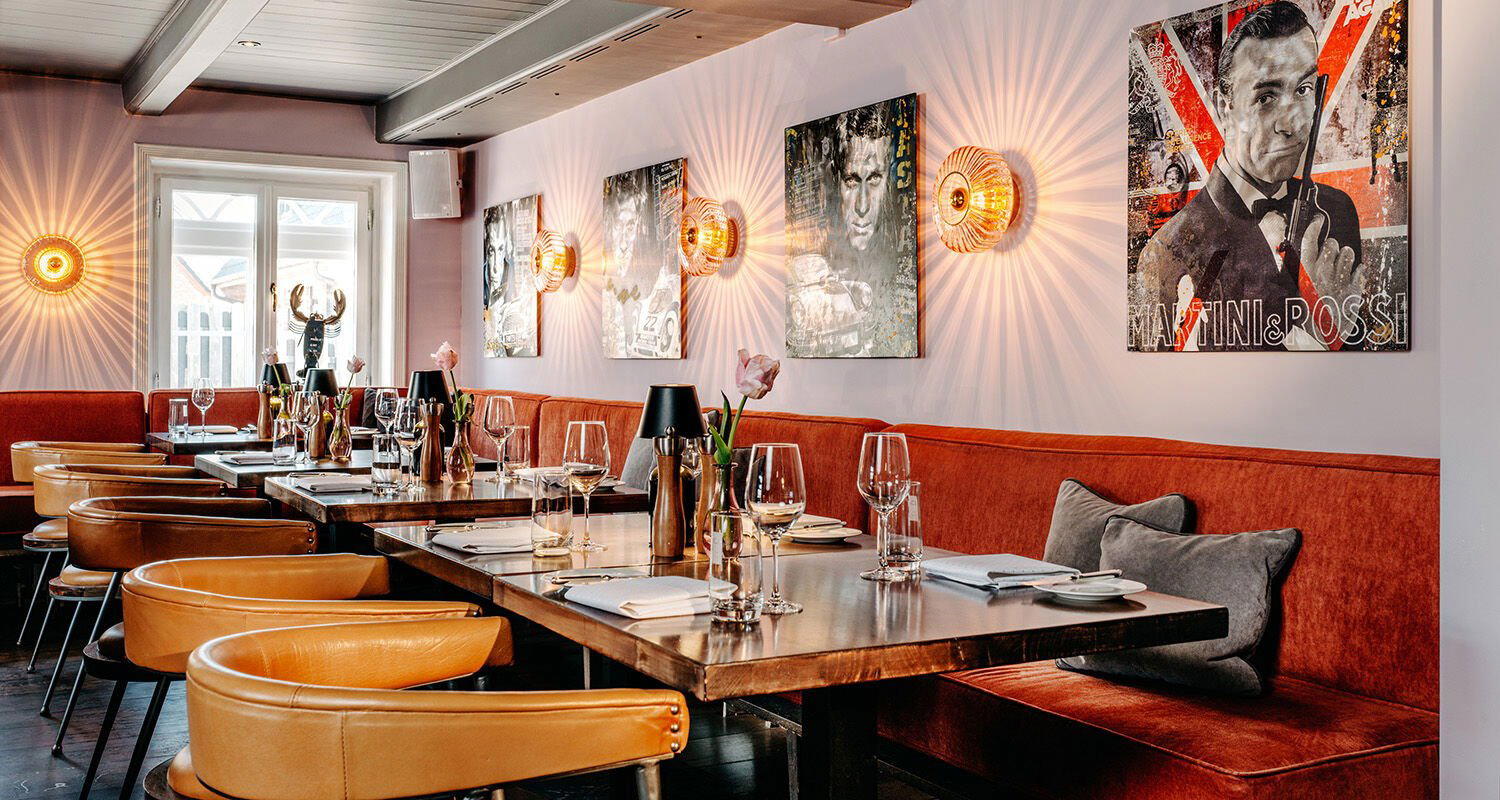
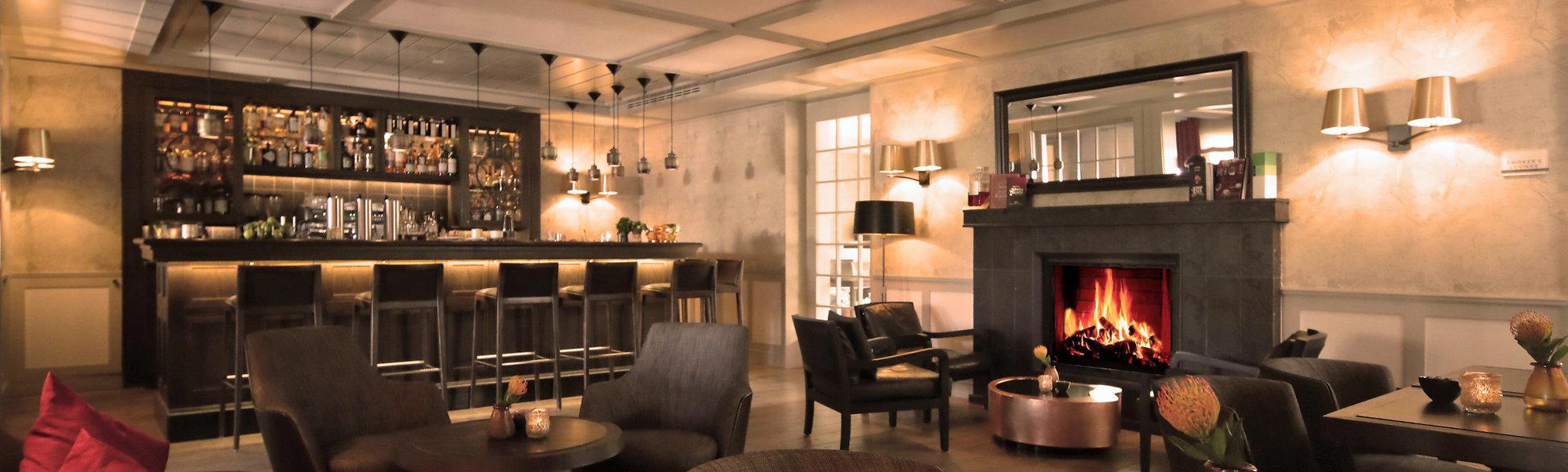
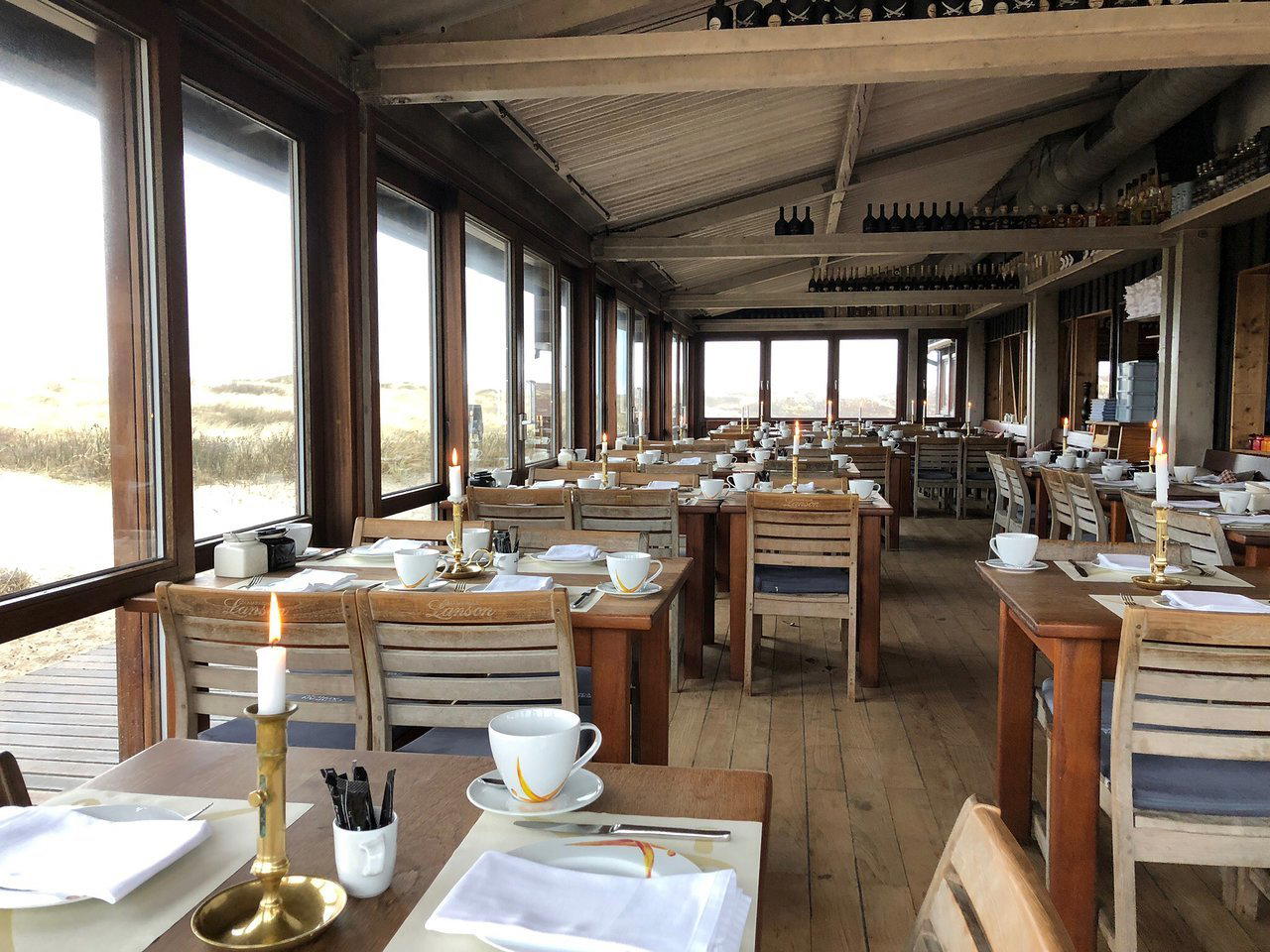
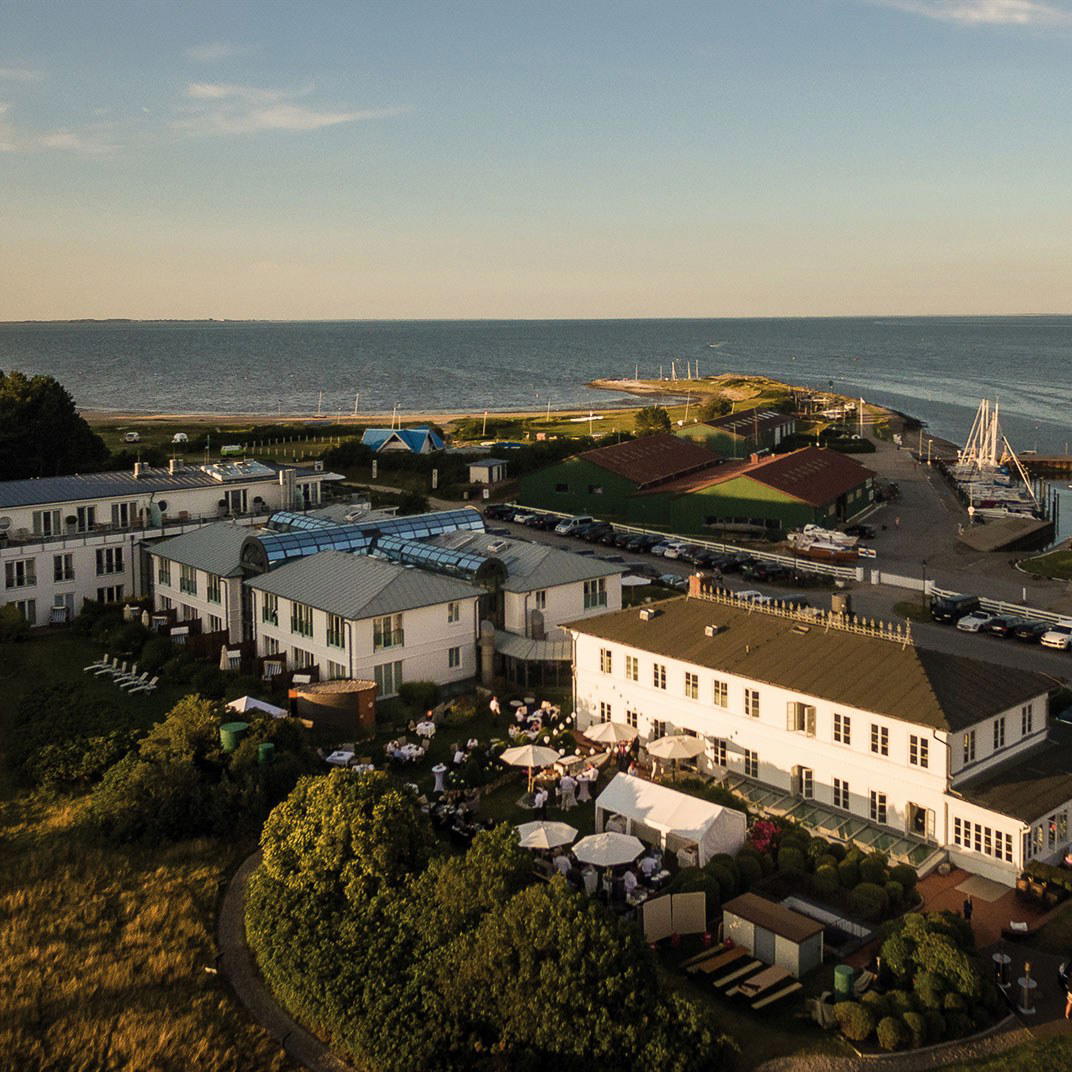
Stylish modern dining space with light-filled rooms in natural tones, relaxed laissez-faire charm, overlooking a quiet leafy terrace and picturesque orchard romantically lit in evenings.