Alpen Rose
Our verdict
Alpen Rose occupies a compact address on South 13th Street in Philadelphia's Center City, bringing an Alpine-inflected sensibility to a dining corridor that already draws serious eaters. The name signals a European reference point in a city increasingly confident in its own culinary identity, placing it among the more quietly ambitious rooms in the neighborhood.

Pearl is the En Primeur Club membership app — saves, bookings, and concierge access live there. Same editors, same standards.
- Address
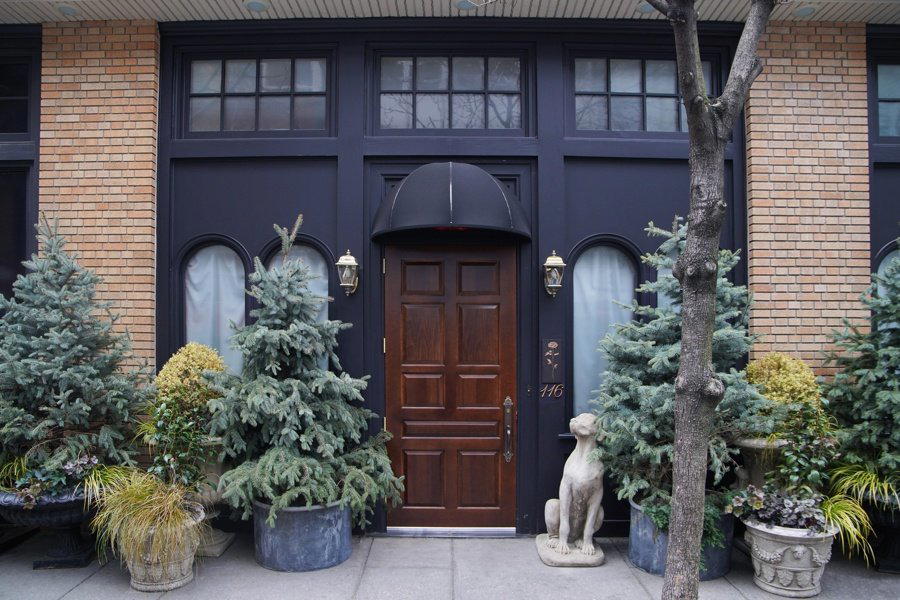
- 116 S 13th St, Philadelphia, PA 19107
- Phone
- (215) 600-0709
- Hours
- Mon–Thu 5–10 PMFri–Sat 5–11 PMSun 5–10 PM
- Website
- alpenrosephl.com
- Directions
- Get directions
- Booking
- Book on Resy
The menu
What to order
- Beef Wellington
- Tomahawk
- Prime Rib
- Bone Marrow Toast
Where Center City's Appetite Meets the Alps
South 13th Street runs through one of Philadelphia's most food-concentrated corridors, a stretch where serious kitchens sit close enough together that a single evening's walk can take you from Korean barbecue to French-leaning tasting menus without crossing a major intersection. Alpen Rose, at 116 S 13th St, positions itself within that density with a name that carries unmistakable geographic weight: the Alpine rose, or Alpenrose, is a high-altitude wildflower native to the mountain ranges that divide Central Europe, a symbol long associated with the cooking traditions of Austria, Switzerland, and the northern Italian Dolomites. In Philadelphia's competitive mid-city dining grid, a name that reaches toward that particular heritage is a declaration of intent.
Alpine cuisine sits at an intersection that most American diners encounter rarely. It is not French, though it shares classical technique and a reverence for dairy. It is not Italian, though the southern Alpine tradition overlaps with northern Italian mountain cooking in its use of cured meats, aged cheeses, and grains. It occupies a middle European register that has produced some of the continent's most rigorous food cultures, and it has historically been underrepresented in American fine dining relative to its French or Italian neighbors. Venues like Atelier Moessmer Norbert Niederkofler in Brunico have helped shift international attention toward the Dolomitic Alpine tradition, but that awareness has been slow to cross the Atlantic in any sustained way.
The 13th Street Context
Philadelphia's dining confidence has grown measurably over the past decade. The city now sustains a tier of restaurants that price and position against peer venues in New York or Chicago rather than simply against local competition. Friday Saturday Sunday and Fork anchor the New American end of that serious-eating conversation, while venues like Mawn and South Philly Barbacoa demonstrate the range of cultural reference the city now sustains at a high level. Into this context, a room drawing on Central European Alpine traditions represents one of the more specific culinary bets in the city. It is a positioning that works well when the kitchen has genuine command of the reference point, because the cuisine's markers are specific enough that half-measures read immediately as pastiche.
Alpine cooking at its most considered is built around preservation, altitude, and seasonality in ways that align well with the current American interest in fermentation, aged proteins, and hyper-local sourcing. Rye breads, smoked and cured meats, root vegetables cooked with patience, fondue-adjacent preparations built on the melting properties of mountain cheeses, and game animals handled with the respect they require in traditional mountain kitchens: these are not exotic ingredients so much as ingredients that demand technical fluency and sourcing discipline. For context, My Loup takes a comparably specific French-inflected approach on the other side of the Atlantic reference spectrum, illustrating how Philadelphia's better rooms have moved away from generic European-inspired positioning toward more accountable specificity.
Reading the Room
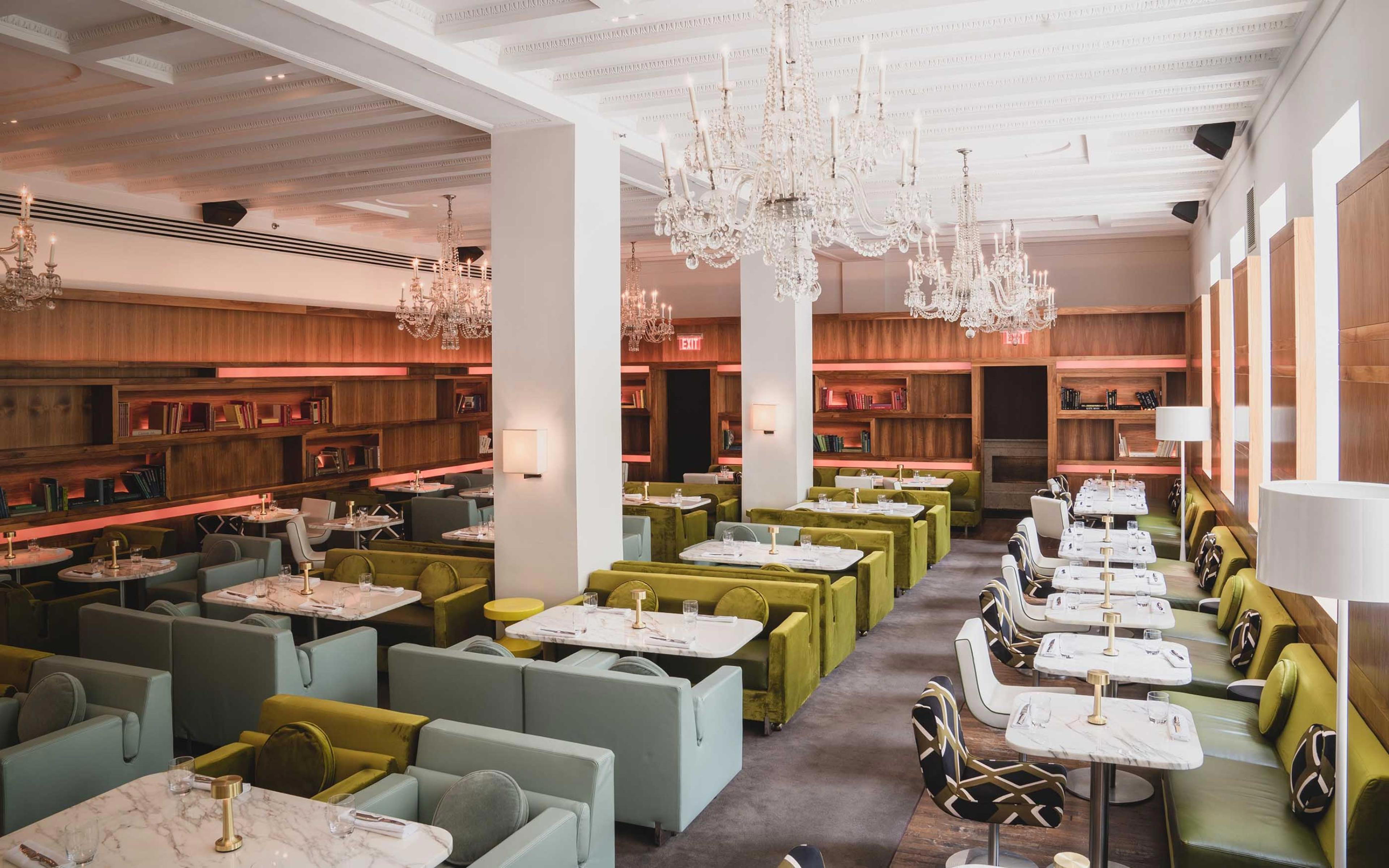
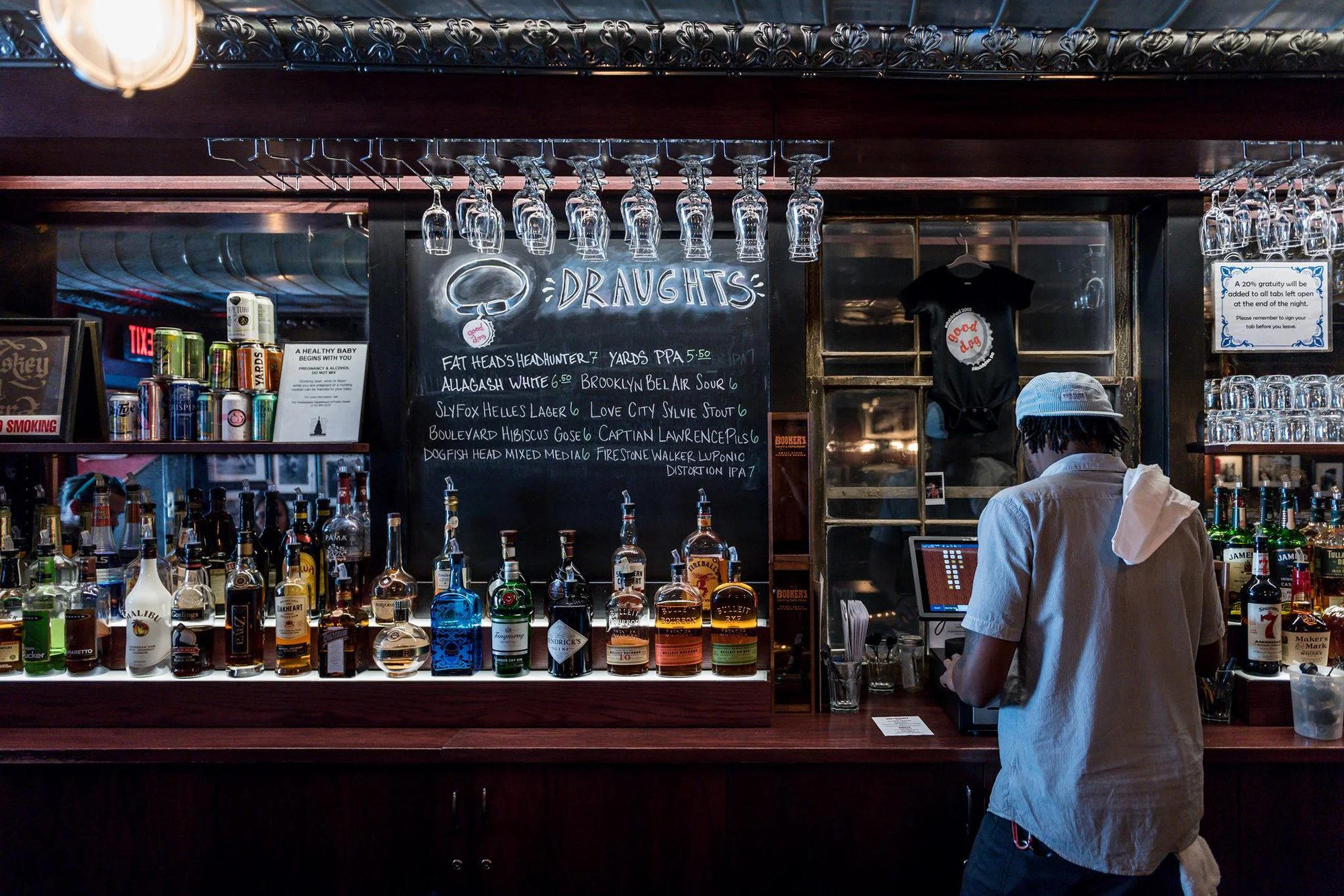
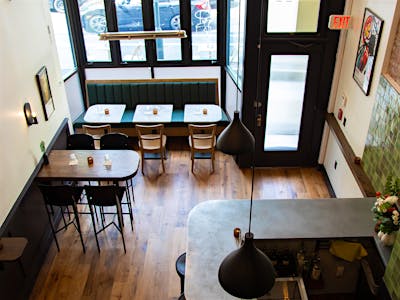
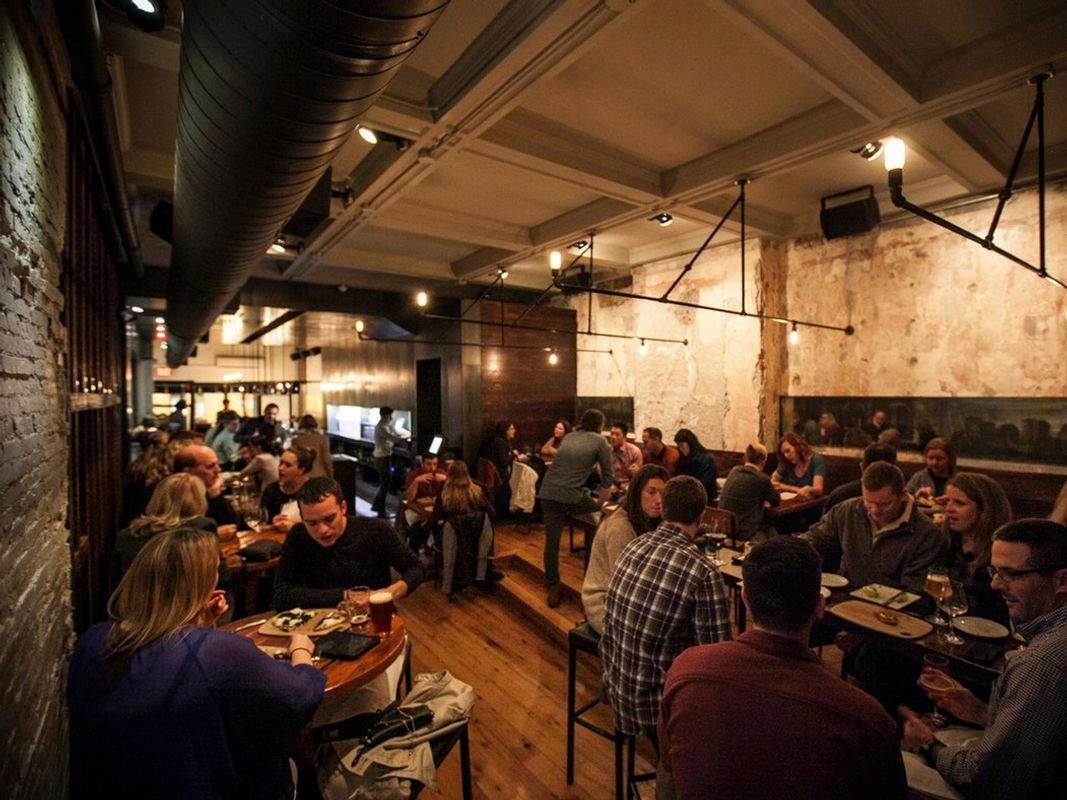
The address itself, tucked into the South 13th Street strip, places Alpen Rose in a section of Center City where dining rooms tend toward the intimate rather than the theatrical. Philadelphia's most enduring serious kitchens have generally resisted the high-ceilinged spectacle format that defines some of New York's comparable venues. The scale and physical context here suggest a room oriented toward food rather than occasion-signaling, which is consistent with how Alpine dining culture actually operates in its home territory: mountain restaurants in Austria and Switzerland are rarely about grandeur, and more often about precision, warmth, and a sense that the kitchen has something specific to say.
That specificity is what distinguishes the stronger entries in this category from the weaker ones. Across American fine dining, venues that commit to a defined cultural reference point with genuine depth tend to hold their position better than those that offer a blended European sensibility without a clear anchor. The French Laundry in Napa built its identity on French classical technique applied to California produce with absolute rigor. Blue Hill at Stone Barns in Tarrytown made the farm the non-negotiable center of its argument. The venues that last in this tier are the ones that can say precisely what they are. A room with Alpine ambitions in Philadelphia is making a similar bet on specificity over breadth.
Philadelphia's European Dining Register
French technique has long provided the organizing grammar for Philadelphia's upper dining tier, visible in venues from the city's older guard through to current rooms like Jean-Georges Philadelphia. What Alpine cooking offers is a related but distinct grammar, one less indebted to classical French hierarchy and more rooted in the preservation traditions of landlocked mountain communities where the kitchen calendar was dictated by altitude and winter. That difference matters at the plate: Alpine cooking tends toward density and warmth over delicacy and architecture, and its flavors are built from fermentation, smoke, and fat rather than reduction and emulsification.
For American diners whose European food reference points cluster around French bistro or Italian trattoria, an Alpine room asks for a slight recalibration of expectation. The reward, when the kitchen delivers on the premise, is a flavor register that feels simultaneously unfamiliar and deeply satisfying, the kind of cooking that makes sense immediately even if the specific references are new. Comparable moments of that kind of cultural recalibration are available at Atomix in New York City, where Korean fine dining resets assumptions built by decades of European-dominant tasting menus, or at Smyth in Chicago, where the seasonal American argument is made with enough rigor to reframe what the category can mean. See our full Philadelphia restaurants guide for broader context on how the city's dining conversation is currently organized.
Know Before You Go
Know Before You Go
- Address: 116 S 13th St, Philadelphia, PA 19107
- Neighborhood: Center City, South 13th Street dining corridor
- Reservations: Contact; check current booking availability through standard Philadelphia reservation platforms
- Accessibility: Street-level entry on South 13th Street; confirm accessibility details with the venue directly
- Comparable Philadelphia rooms: My Loup, Friday Saturday Sunday
Frequently asked questions
What's the must-try dish at Alpen Rose?
Should I book Alpen Rose in advance?
What do critics highlight about Alpen Rose?
How does Alpen Rose handle allergies?
Does Alpen Rose justify its prices?
How does Alpen Rose fit within Philadelphia's broader European fine dining scene compared to French-focused rooms?
Where It Fits
Comparable venues nearby, for context on price, style, and recognition.
| Venue | Cuisine | Price | Awards | Notes |
|---|---|---|---|---|
| Alpen RoseThis venue — the venue you are viewing | Modern Steakhouse | $100–150 | Not listed | Not listed |
| Rittenhouse Grill | Classic Steakhouse | $50–100 | Not listed | Rittenhouse Square |
| Moshulu | Contemporary American Seafood | Not listed | Not listed | Penn's Landing |
| Fleur's | Modern French Brasserie | $50–100 | Resy Best of the Hit List | East Kensington |
| Bibou | Classic French Fine Dining | Not listed | Not listed | Italian Market |
| Kissho House Omakase | Japanese Omakase | $150–200 | Resy Best of the Hit List | Rittenhouse Square |
Continue exploring
More in Philadelphia
Restaurants in Philadelphia
Browse all →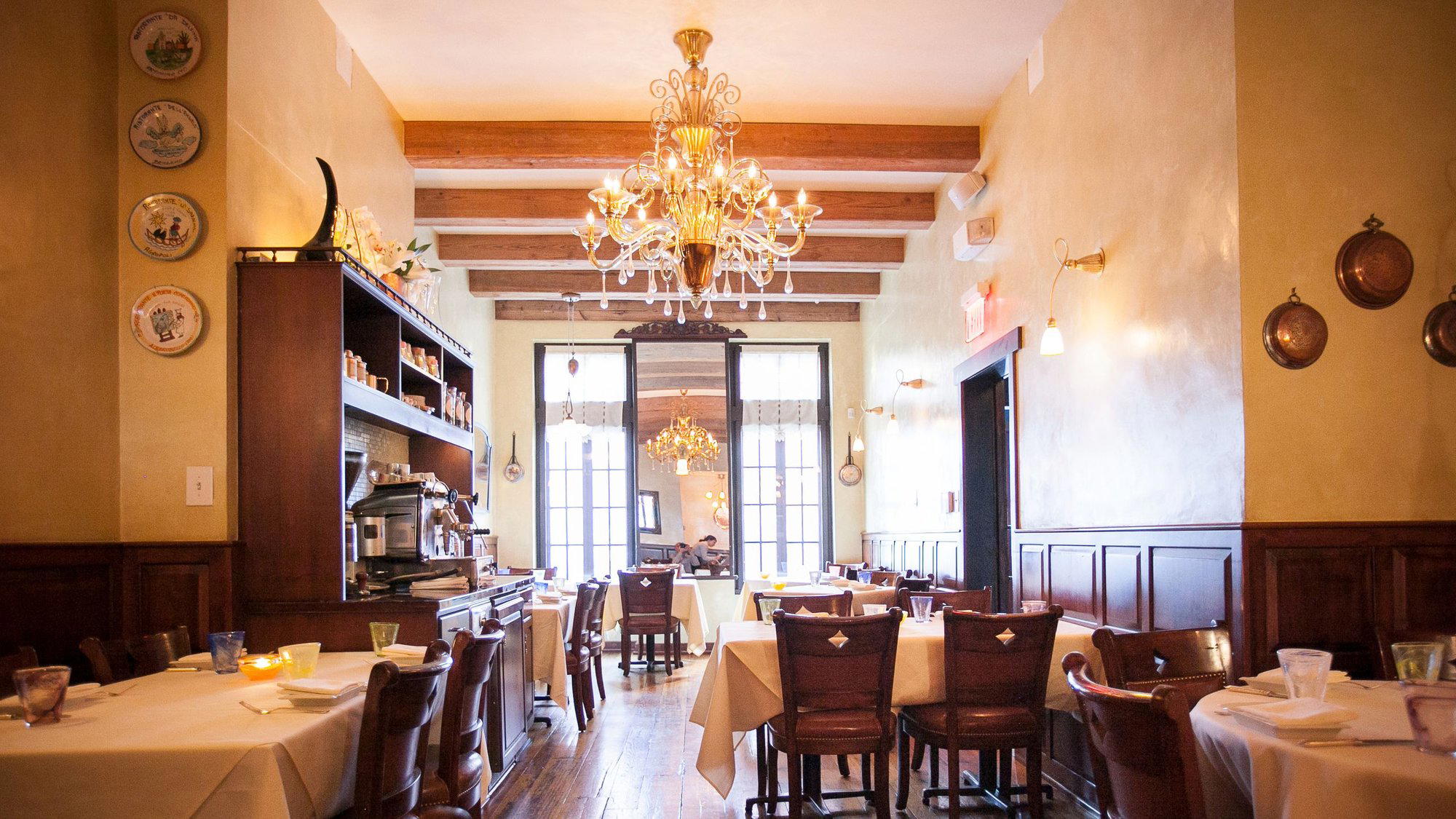
Bars in Philadelphia
Browse all →
Details
- Cozy
- Intimate
- Classic
- Elegant
- Date Night
- Special Occasion
- Business Dinner
- Open Kitchen
- Craft Cocktails
- A La Carte
Current opening hours
- Monday
- 5–10 PM
- Tuesday
- 5–10 PM
- Wednesday
- 5–10 PM
- Thursday
- 5–10 PM
- Friday
- 5–11 PM
- Saturday
- 5–11 PM
- Sunday
- 5–10 PM
Hours can change for holidays and private events. Last verified .
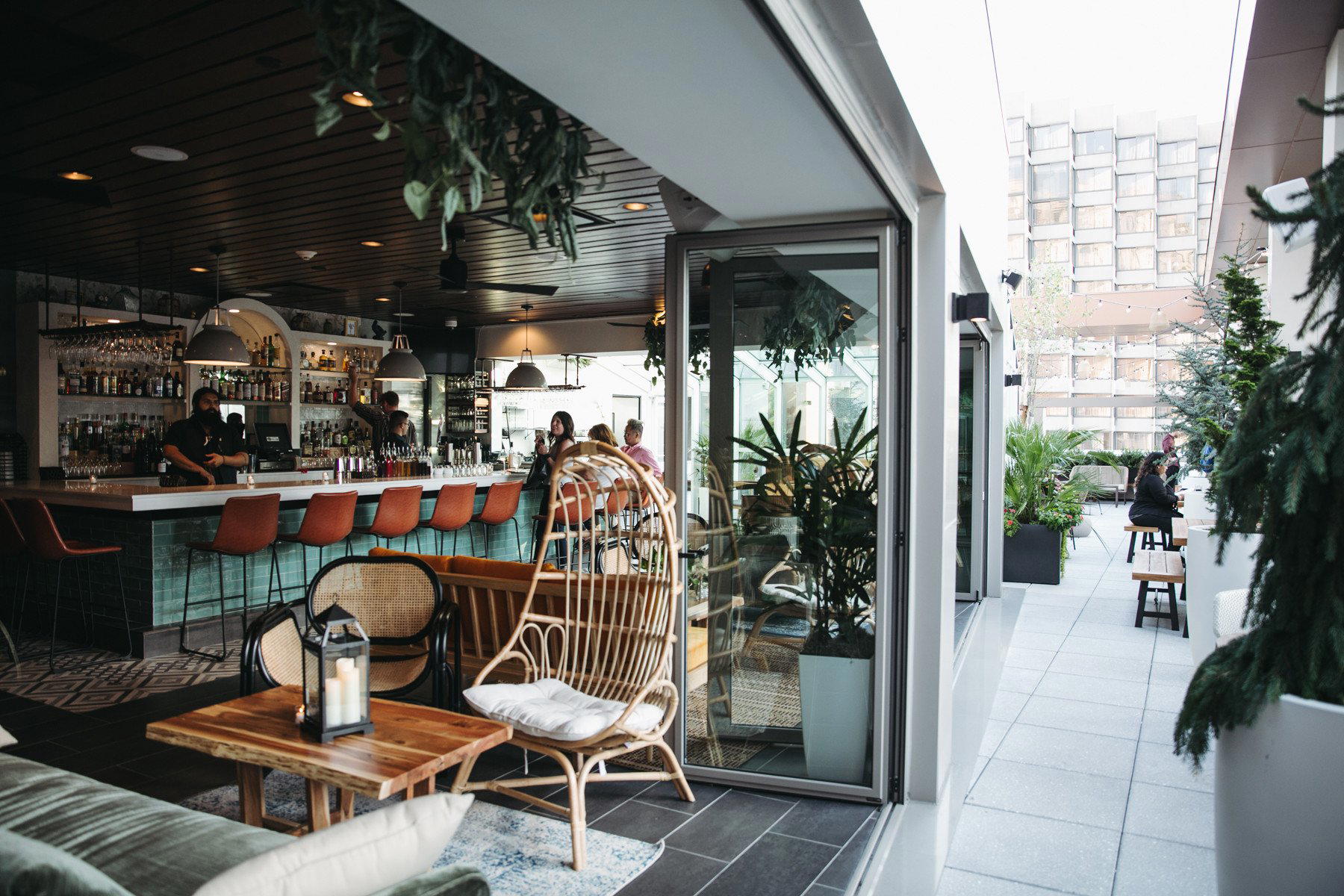
Clubby retro atmosphere featuring barrel-shaped wood ceilings, crystal chandeliers, library walls, tufted leather booths, and dark wood paneling.