Moshulu
Our verdict
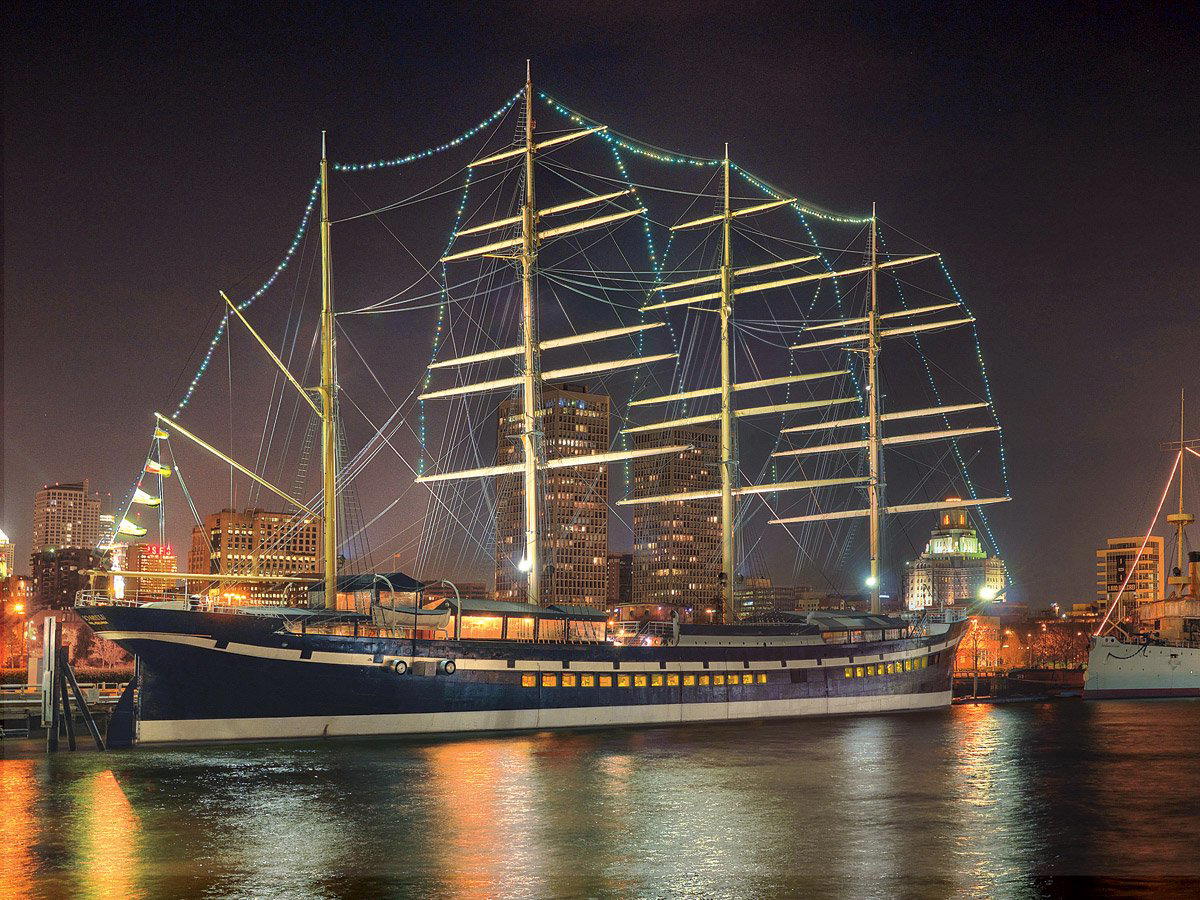
Moshulu brings an arresting premise to Philadelphia's waterfront dining scene: a fully operating restaurant aboard a four-masted tall ship moored at Penn's Landing. The setting frames a seafood-forward menu against the Delaware River, placing the experience in a narrow category of destination dining where the architecture is the argument. Reserve well ahead for weekend tables.

Pearl is the En Primeur Club membership app, where members save venues, book tables and use the concierge.
The menu
What to order
- Crab Cakes Benedict
- Swordfish Surf & Turf
- Seafood Louie Salad
- Lobster Bisque
A Ship That Stayed: Waterfront Dining and the Weight of a Working Vessel
Philadelphia's Penn's Landing has never quite resolved the tension between civic aspiration and actual use. The Delaware waterfront oscillates between weekend festival space and neglected infrastructure, which makes Moshulu's presence there all the more legible as a statement. The restaurant occupies a four-masted tall ship, the oldest and largest of its kind still afloat, permanently moored at 401 S Christopher Columbus Blvd. This is not a themed interior designed to suggest maritime history. It is maritime history, repurposed into a dining room, and that distinction shapes everything about how the experience reads.
Within the American dining tradition of destination restaurants anchored to extraordinary settings, Moshulu belongs to a specific cohort where the physical vessel is inseparable from the proposition. Comparable framing applies to places like Single Thread Farm in Healdsburg, where agricultural land and dining room operate as one continuous argument, or Blue Hill at Stone Barns in Tarrytown, where the farm is the context and the menu follows from it. Moshulu's context is water, steel, and a century of documented maritime service. The menu follows from that.
The Sustainability Frame: Dining Aboard as an Environmental Argument
The conversation around sustainable restaurant operations has matured well past the point where a locally sourced side dish earns editorial attention. The credible sustainability story in 2024 is structural: how a restaurant's sourcing philosophy, waste systems, and energy commitments integrate into the operation at scale. For a waterfront dining venue, the ethical sourcing question arrives with particular weight, because seafood supply chains are among the most scrutinized in American food service.
Philadelphia's position along the Atlantic corridor gives its waterfront restaurants a geographic argument for regional seafood sourcing that landlocked cities cannot replicate. The Delaware River estuary, the Chesapeake Bay system to the south, and the Jersey Shore fishing communities to the east collectively represent a regional marine economy that serious seafood programs can draw on without extending supply chains unnecessarily. A restaurant seated on an actual ship carries an implicit responsibility to take that argument seriously, and the most intellectually honest version of waterfront dining in this city engages with it directly.
That positioning places Moshulu in a different register from Philadelphia's New American peers, including Fork and Friday Saturday Sunday, both of which have built strong reputations through ingredient-driven menus oriented around seasonal Mid-Atlantic produce. The seafood-forward logic of a ship-based restaurant, if executed with supply-chain discipline, extends that regional sourcing argument toward the water rather than the field. For comparison against nationally recognized seafood programs, Le Bernardin in New York City and Providence in Los Angeles represent the tier at which technical seafood execution earns sustained critical recognition; the bar is well established.
The Setting as the First Course
Arriving at Moshulu, the approach across the dock is part of the experience in a way that is not common in urban restaurant design. Most city dining rooms reveal themselves from a sidewalk or a lobby. Here, the geometry of the ship structures the arrival: the masts are visible from a distance, the gangway creates a threshold, and the movement of water underneath the hull is something you register before you sit down. That sequence matters, because it shifts the diner's psychological state before the first menu decision. This is one of the functional arguments for destination restaurants built around extraordinary sites: the environment does preparation work that a conventional room cannot.
Philadelphia's waterfront dining market is smaller and less developed than comparable East Coast cities. Boston's harbor district and Baltimore's Inner Harbor both carry denser concentrations of waterfront restaurant investment. That relative scarcity in Philadelphia gives Moshulu a positioning advantage that is structural rather than strictly a function of kitchen quality. For diners coming to Penn's Landing specifically for the waterfront experience, the competitive set is narrow. For diners evaluating it against the city's broader restaurant field, including Kalaya and Mawn on the Thai and Cambodian end of the spectrum, or My Loup in the French-inspired tier, the question shifts to whether the setting justifies the category choice. That is a different calculation and depends heavily on what the occasion requires.
Nationally, restaurants that have built sophisticated programs around historic or site-specific settings include The Inn at Little Washington in Washington, where the building's age is part of the editorial proposition, and Alinea in Chicago, which built a spatial experience around the room itself.
Planning a Visit
Moshulu is located at 401 S Christopher Columbus Blvd on the Delaware waterfront, reachable from Center City Philadelphia on foot or via rideshare in under ten minutes from most Old City hotels. Weekend evenings carry the longest lead times for reservation; weekday dining typically allows shorter notice. The waterfront location means weather affects the experience more than it would indoors: sunset-facing tables over the river are the ones that book first, and the shoulder months of May and September hit a useful balance between crowd levels and river light. For groups planning around special occasions, the ship's event spaces expand the format beyond the main dining room, which changes the booking logic considerably. Visitors to Penn's Landing who want broader context on Philadelphia's dining range should consult our full Philadelphia restaurants guide for neighbourhood-level coverage across price tiers.
For reference against other major American special-occasion dining, comparable destination experiences in different formats include Lazy Bear in San Francisco, The French Laundry in Napa, Addison in San Diego, Atomix in New York City, Emeril's in New Orleans, and 8 1/2 Otto e Mezzo Bombana in Hong Kong. Each anchors its proposition to a distinct site logic. Moshulu's version of that argument is the ship itself.
Frequently asked questions
What is Moshulu known for?
What's the signature dish at Moshulu?
Do I need a reservation for Moshulu?
Is Moshulu accessible for guests with mobility considerations, given that it's on a ship?
Pricing, Compared
Comparable venues nearby, for context on price, style, and recognition.
| Venue | Cuisine | Price | Awards | Notes |
|---|---|---|---|---|
| MoshuluThis venue (the venue you are viewing) | Contemporary American Seafood | Not listed | Not listed | Not listed |
| Fitler Club | American Seasonal | Not listed | Not listed | Logan Square, American Seasonal |
| Pine Street Grill | Elevated American Bar & Grill | $30–50 | Not listed | Rittenhouse Square, Polished American Bar & Grill |
| Bloomsday Restaurant & Wine Bar | Modern American Wine Bar | $50–100 | Wine Spectator Award of Excellence | Society Hill, Modern American Wine Bar |
| Jack's Firehouse | Haute Country American | $30–50 | Not listed | Fairmount, Haute Country American |
| Snack Shack at Forest & Main | Elevated American Snack Shack | $20–30 | Not listed | Fishtown, Polished American Snack Shack |
Continue exploring
More in Philadelphia
Restaurants in Philadelphia
All restaurants in Philadelphia →
Bars in Philadelphia
All bars in Philadelphia →
Details
- Well Known
- Scenic
- Elegant
- Romantic
- Sophisticated
- Date Night
- Special Occasion
- Celebration
- Brunch
- Waterfront
- Historic Building
- Private Dining
- Terrace
- Extensive Wine List
- Local Sourcing
- Waterfront
- Skyline
- A La Carte
- Vegetarian Friendly
- Vegan Options
- Gluten Free Options
Current opening hours
- Monday
- 4–9 PM
- Tuesday
- 4–9 PM
- Wednesday
- 4–9 PM
- Thursday
- 4–9 PM
- Friday
- 4–10 PM
- Saturday
- 11 AM–10 PM
- Sunday
- 11 AM–8 PM
Hours can change for holidays and private events. Hours as of .
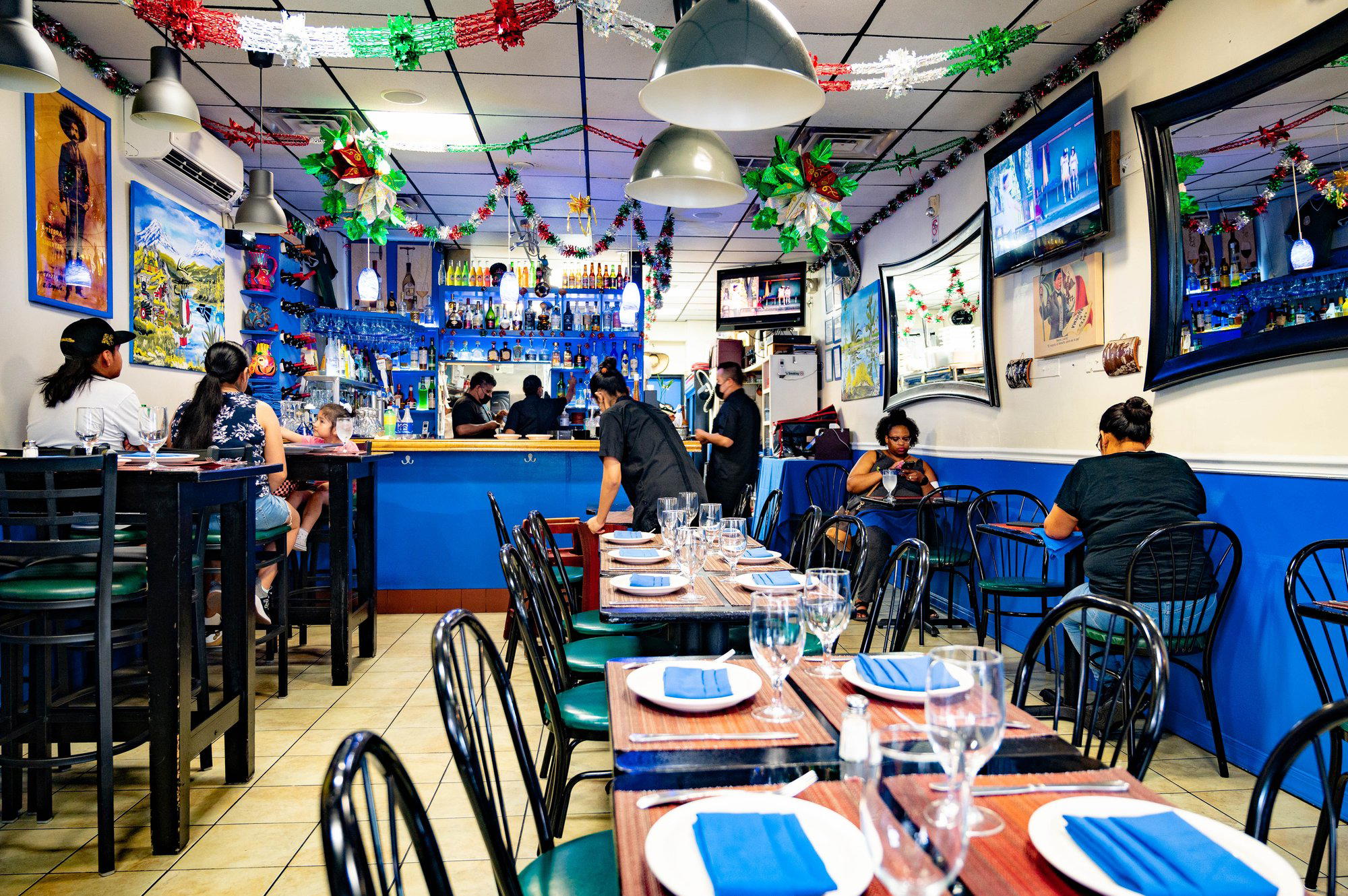
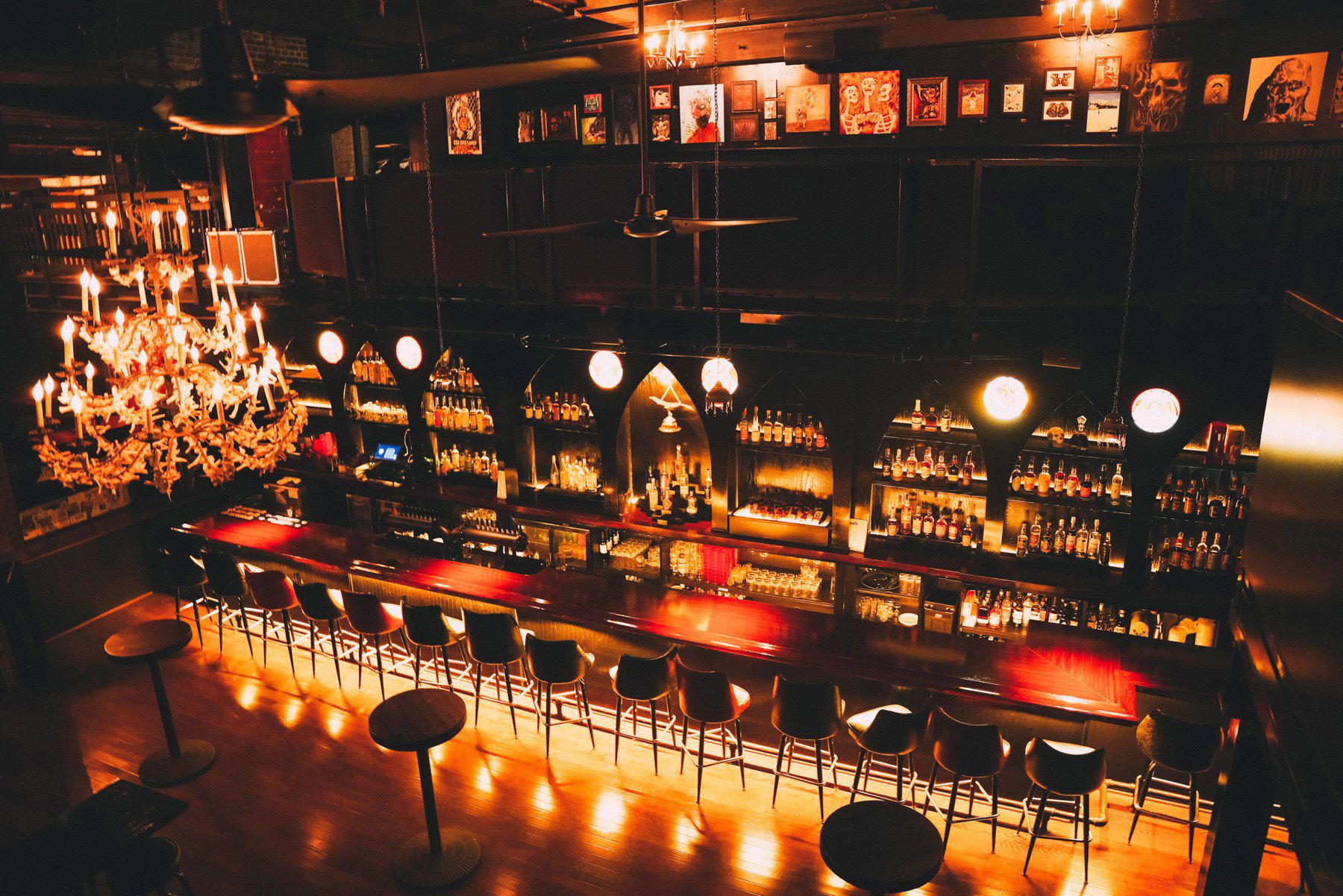
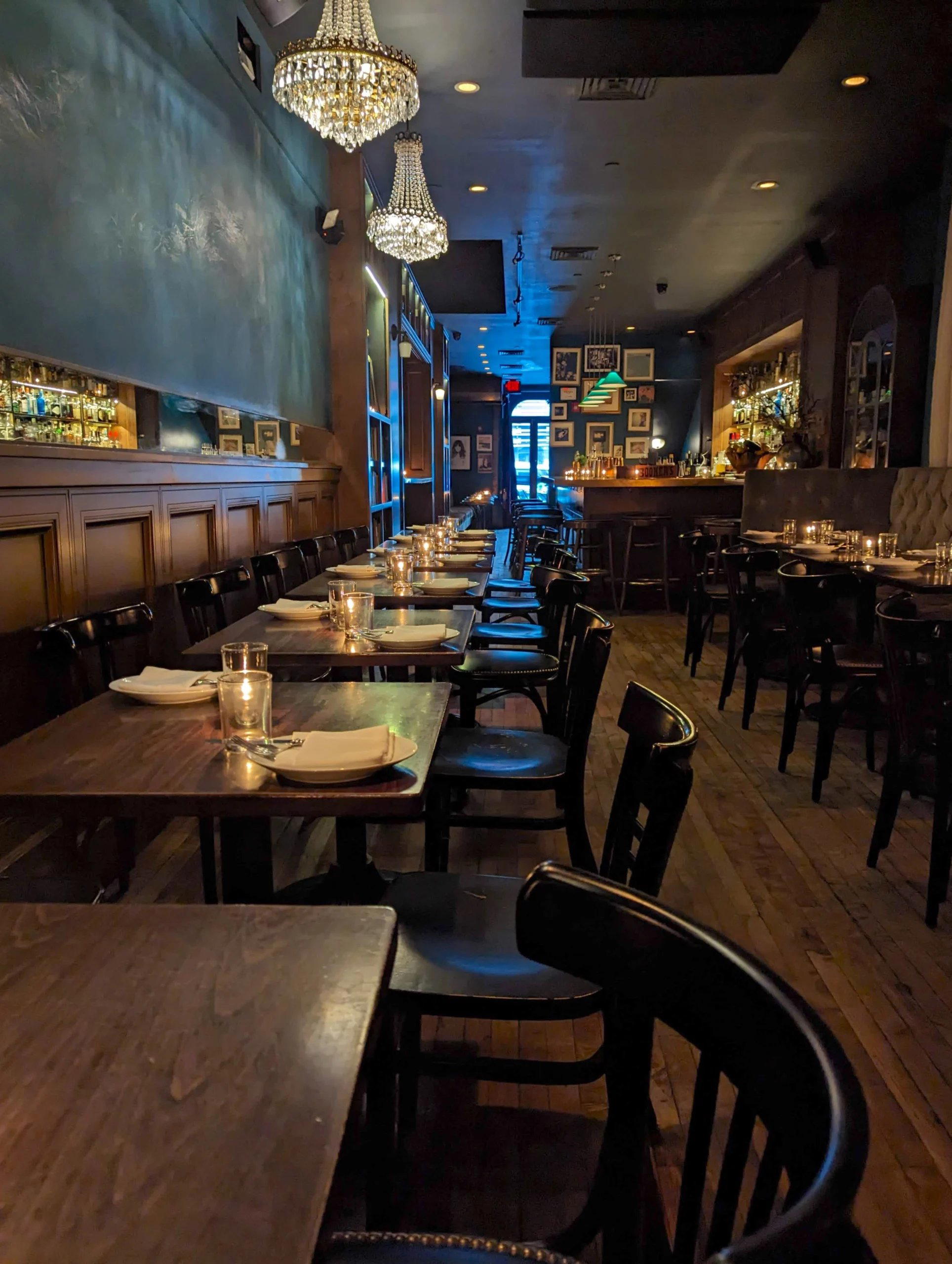
Charming nautical decor with contemporary touches, beautiful interior lighting under masts, and open-air decks providing a memorable romantic atmosphere.