Almanak i Operaen

Almanak i Operaen sits on Copenhagen's inner harbour at Havnegade 44, running a French-Danish bistro format that sidesteps both tourist convention and tasting-menu formality. The kitchen treats vegetables as seriously as protein, and the cooking is driven by genuine product passion rather than concept. Pair the food with a well-chosen glass and let the setting do the rest.
Pearl is the En Primeur Club membership app — saves, bookings, and concierge access live there. Same editors, same standards.
- Address
- Havnegade 44,, 1058 Copenhagen, Denmark
- Website
- almanakcph.dk
 Saves & bookings on Pearl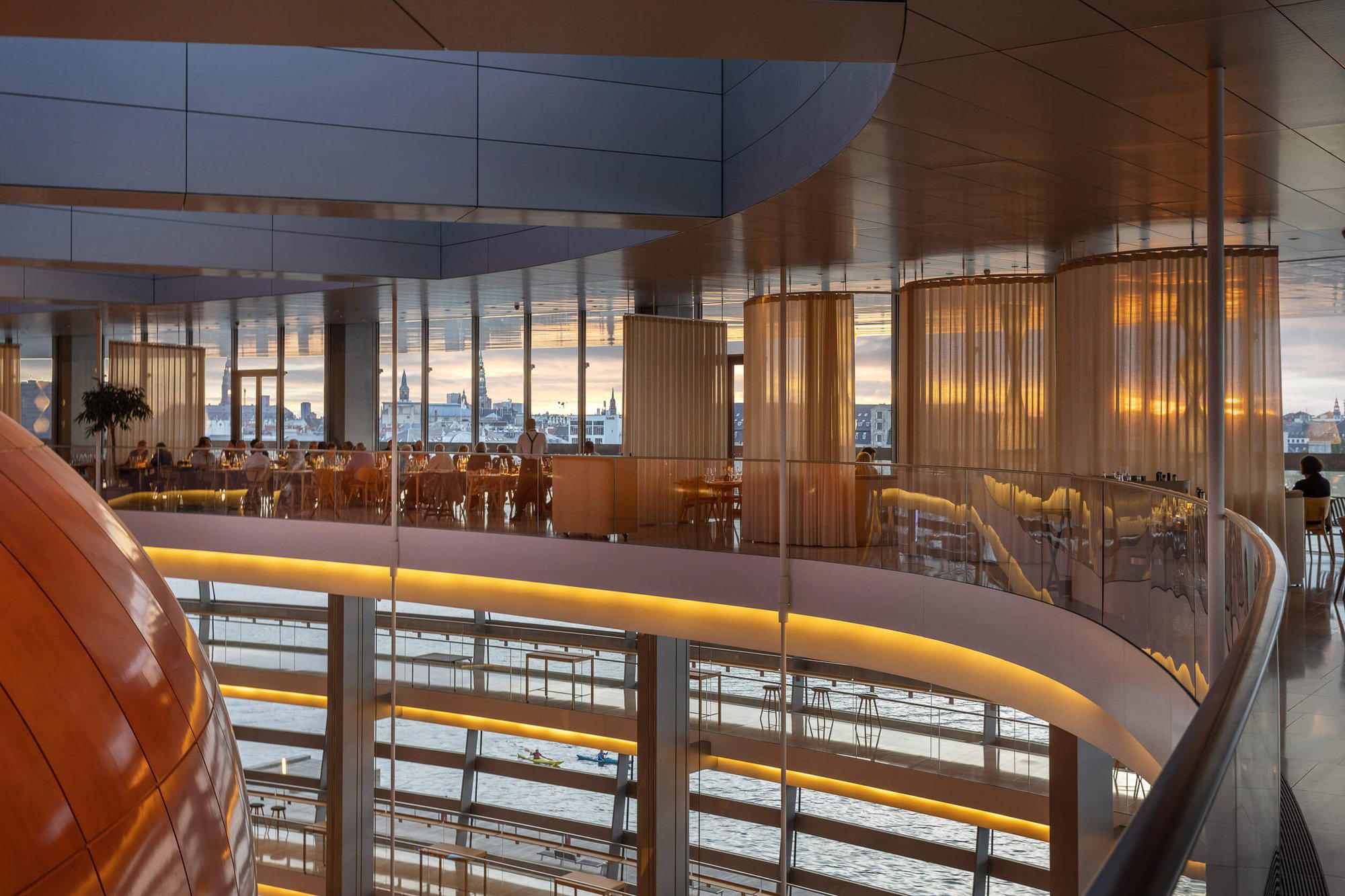
Harbour Light, Honest Produce
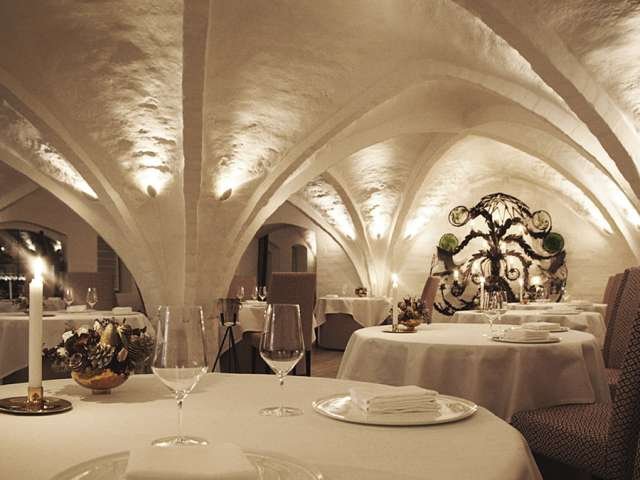
Copenhagen's inner harbour has a way of calibrating expectations. Arrive at Havnegade 44 on a grey afternoon and the light off the water sets a particular mood: northern, clear, slightly austere. The Opera House sits just across the channel. The building that houses Almanak i Operaen carries that same civic seriousness, which makes the warmth of the dining room feel like a considered contrast rather than an accident of decor. This is a room that earns its atmosphere through use, not styling.
Within Copenhagen's crowded restaurant map, the French-Danish bistro sits in a category that rarely gets critical attention. The city's international reputation is built on high-concept tasting menus: Noma, Alchemist, Geranium, Koan, Kadeau. These are restaurants where a booking represents a commitment, a budget, and often an ideology. Almanak i Operaen operates on a different register entirely, one where the cooking is genuinely product-driven without the tasting-menu apparatus that usually signals that claim.
Where the Food Comes From, and Why That Matters
The French-Danish bistro format is not a hybrid invented for tourism. It has a genuine culinary logic. French classical technique applied to Danish ingredients produces something neither fully French nor fully Nordic, but with the structural discipline of the former and the seasonal honesty of the latter. Danish produce in this context means root vegetables through winter, coastal shellfish, aged dairy, and the kind of short-window summer ingredients that reward kitchens who track them carefully rather than standardise around year-round supply chains.
Vegetables hold a specific position in the Almanak kitchen worth understanding in that sourcing context. In too many bistro formats, vegetables function as garnish or filler. Here they are described as having their rightful place, which in practice means they are sourced and treated with the same attention as the protein elements on the plate. This is not a minor distinction. Across Danish fine dining, from Jordnær in Gentofte to Frederikshøj in Aarhus, the elevation of vegetable-forward cooking has been one of the defining movements of the past decade. Almanak engages with that tradition at a more accessible price point and with less ceremony, but the underlying commitment to the ingredient is recognisably part of the same conversation.
The French component of the menu brings its own sourcing logic. Classical French cooking is, at its core, a system for taking full advantage of what a particular region and season provides, whether that is a Normandy butter, a Loire Valley wine, or a specific cut of meat that a less attentive kitchen would overlook. When that discipline encounters Danish ingredients, the result is cooking that is simultaneously familiar in structure and specific in character. A Danish heritage carrot prepared with the care a French kitchen would apply to a fine haricot tells you something about both traditions at once.
The Bistro as a Counter-Argument
It is useful to understand what Almanak i Operaen is arguing against by existing in its current form. Copenhagen in 2024 is a city with a dense concentration of destination restaurants operating at €€€€ price points: Noma, Alchemist, Koan, and Geranium all occupy that tier. For international visitors, these restaurants often become the entire dining plan, which means the city's mid-register, produce-led kitchens go undervisited. The same pattern holds in cities like New York, where destination dining around a place like Le Bernardin can crowd out the category below it, or in New Orleans around a restaurant like Emeril's, where a strong institutional anchor can define how visitors allocate their nights.
Almanak sits below that tier by format and price, but not by conviction. The kitchen's described relationship to product is not a positioning statement; it is a working method. Recognising that distinction is the difference between a meal that reads as casual and one that reads as considered. This is the latter, in a building with a setting that would justify the trip on its own terms.
Across Denmark, restaurants in smaller cities have been making the case for serious cooking outside Copenhagen's capital concentration: Alimentum in Aalborg, ARO in Odense, Domæne in Herning, and Henne Kirkeby Kro in Henne all extend the argument that Danish cooking is a national rather than metropolitan project. Almanak makes a parallel argument within Copenhagen itself: serious product cooking does not require a long tasting menu format to be worth your attention.
Drinking Well Beside the Water
A French-Danish bistro implies a particular wine posture. The French side of the equation typically means a cellar with depth in the classics: Loire, Burgundy, Rhône, with Champagne as a functional first pour. The Danish side increasingly means natural and low-intervention producers, Scandinavian wines where they exist, and a list built around compatibility with coastal and root-vegetable-forward cooking rather than prestige label collection. The instruction to enjoy tasty dishes with a good glass is, in that context, a genuine recommendation rather than a stock phrase. The glass matters. The pairing logic is embedded in how the menu is structured.
For practical planning: the restaurant sits at Havnegade 44 in the 1058 postcode, within walking distance of the central city and directly accessible from the harbour front.
In Context: Similar Options
Comparable venues nearby, for context on price, style, and recognition.
| Venue | Cuisine | Price | Notes |
|---|---|---|---|
| Almanak i OperaenThis venue — the venue you are viewing | Modern Danish Bistro | $$$ | Not listed |
| Restaurant 108 | New Nordic | $$$ | Indre By |
| Frederiks Have | Modern Danish Nordic Fine Dining | $$$ | Frederiksberg |
| Madklubben Vesterbro | Multicultural Danish-Inspired | $$ | Vesterbro-Kongens Enghave |
| Restaurant 1733 | Traditional Danish | $$ | Indre By |
| Alle Tiders | Modern Danish Cafeteria | $$ | Vesterbro-Kongens Enghave |
Recognition history
Dated appearances from independent guides and award organizations, with the underlying list record or original source where available.
We're Smart World 2 Radishes
We're Smart World
Continue exploring
More in Copenhagen
Restaurants in Copenhagen
Browse all →
Bars in Copenhagen
Browse all →
Hotels in Copenhagen
Browse all →
Wineries in Copenhagen
Browse all →
At a Glance
- Elegant
- Modern
- Sophisticated
- Date Night
- Business Dinner
- Special Occasion
- Historic Building
- Panoramic View
- Open Kitchen
- Extensive Wine List
- Sommelier Led
- Local Sourcing
- Waterfront
- Skyline
Cozy and elegant atmosphere with spectacular views, though some interior views may be partially obstructed by railings.