Allerley
Our verdict
Allerley sits at Tattendorfer Str. 2 in Bad Vöslau, a spa town in Lower Austria's Thermenregion south of Vienna. The restaurant occupies a corner of Austria's most quietly productive agricultural belt, where proximity to both the Wienerwald and the eastern Pannonian plain shapes what ends up on the plate. For travellers moving between Vienna and Styria, it represents a considered stop in a region whose dining scene tends to fly below the radar of the major guides.

Pearl is the En Primeur Club membership app, where members save venues, book tables and use the concierge.
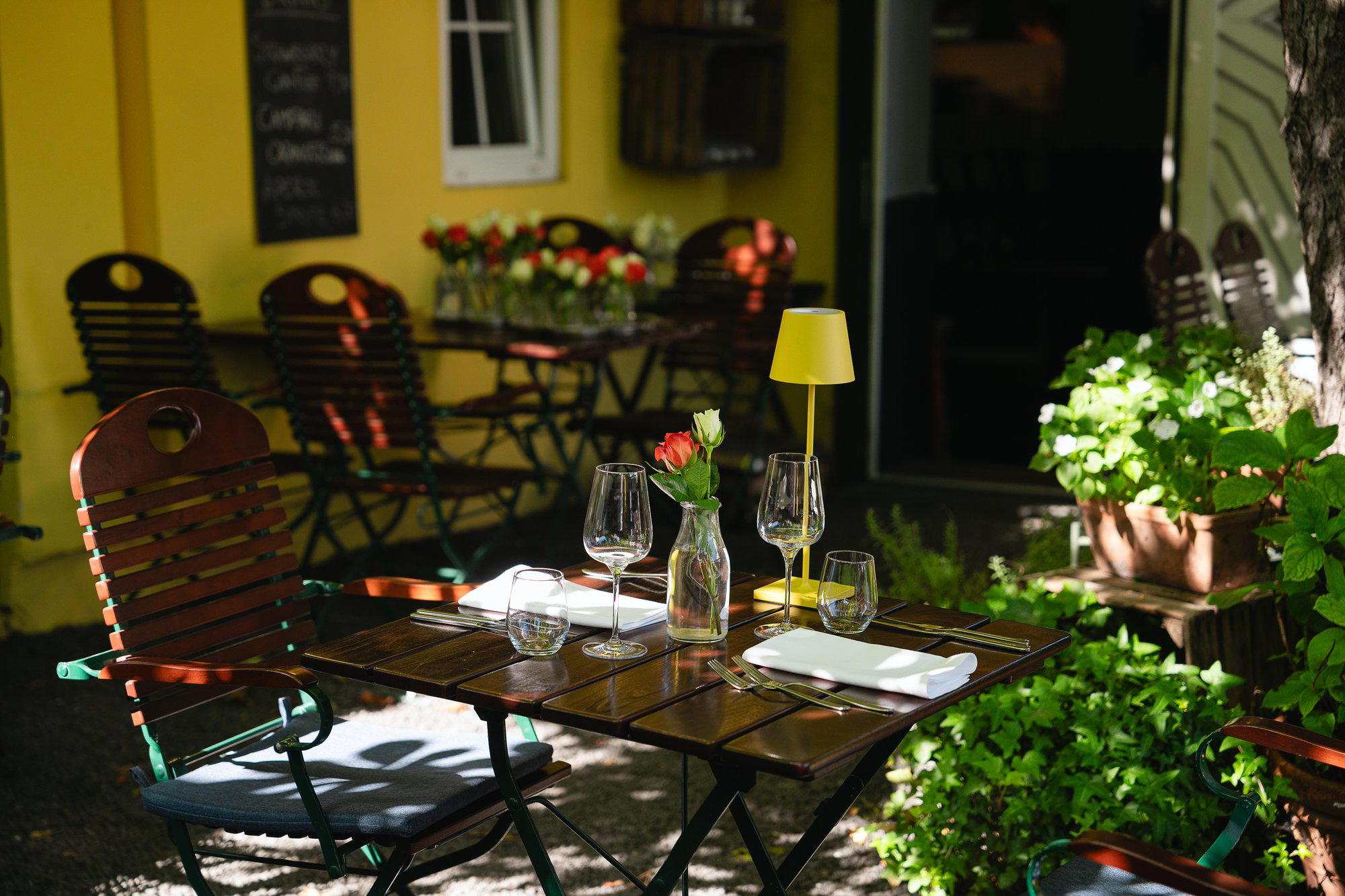
The menu
What to order
- Rosensteak
- Lamm
- Mini catfish burgers
- Veal head buns
The Southern Vienna Basin and Its Quietly Serious Tables
Thirty kilometres south of Vienna, the Thermenregion loosens its collar. The city's density gives way to thermal spa towns, vine-covered slopes, and the kind of agricultural rhythm that produces ingredients before it produces restaurants. Bad Vöslau sits in this belt, its reputation built historically on wine and thermal waters rather than destination dining. That context matters when you consider what it takes for a restaurant here to hold attention: there is no tourist foot traffic doing the heavy lifting, no convention-centre crowd filling seats midweek. The tables that survive in this part of Lower Austria do so on the strength of what they put in front of local regulars and the occasional driver heading south.
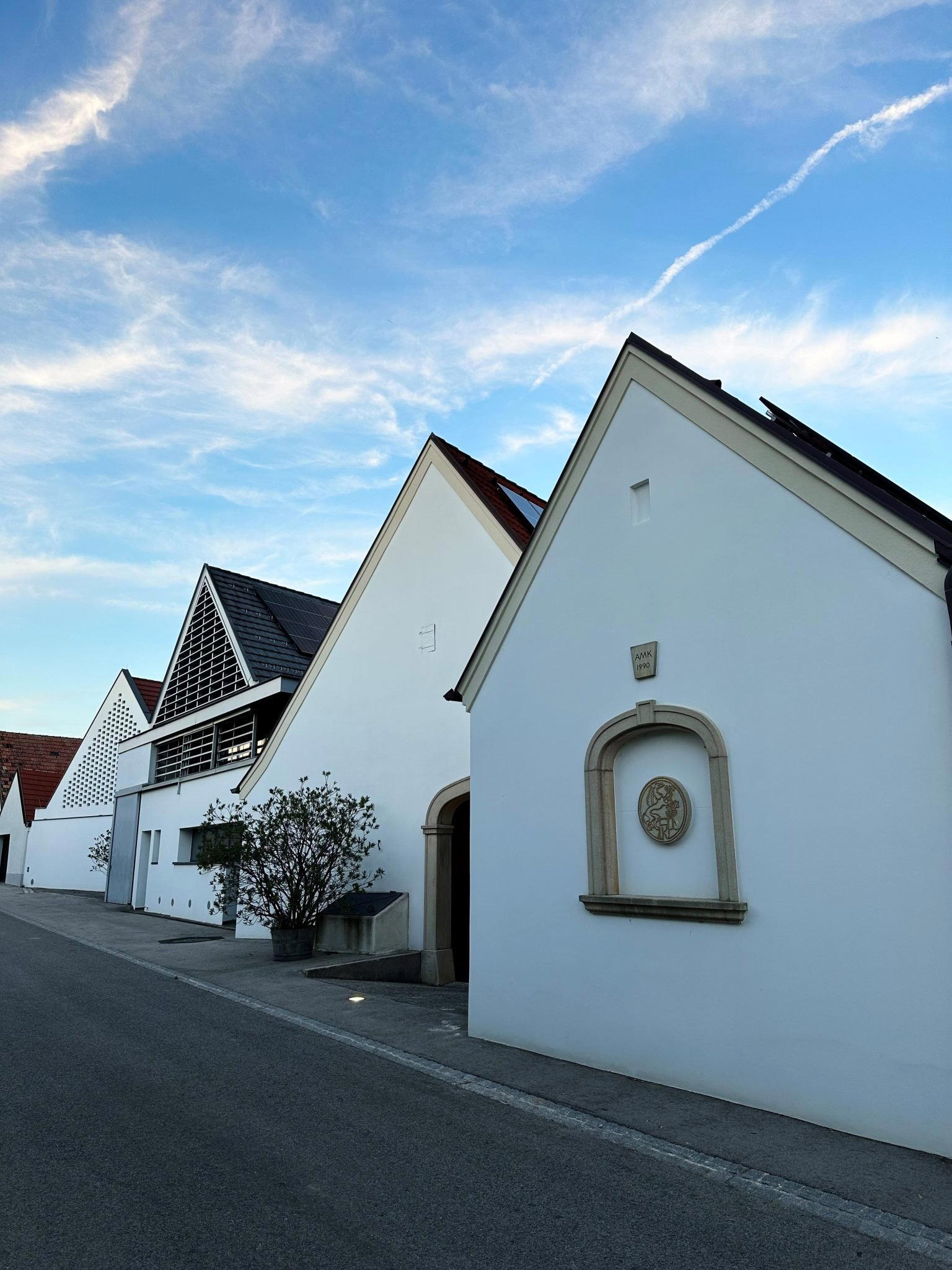
Allerley, at Tattendorfer Str. 2, occupies that position. Its address places it on the edge of the town's residential grid, the kind of location that signals a place built for repeat visits rather than passing trade. In a region where the best-known Austrian fine dining operations, places like Steirereck im Stadtpark in Vienna or Landhaus Bacher in Mautern an der Donau, have long anchored their identities in specific regional produce and producer relationships, the expectation at any serious Lower Austrian table is that sourcing is not an afterthought.
Where the Ingredients Come From, and Why That Shapes the Plate
The Thermenregion's agricultural credentials are less discussed than those of Styria or the Wachau, but they are real. The Pannonian climate, warm and dry with long summers, produces herbs, stone fruit, and vegetables with concentrated flavour. The Wienerwald to the west provides game, mushroom foraging territory, and dairy from smaller holdings that do not supply the larger Vienna wholesale market. For a kitchen in Bad Vöslau, these resources are close enough to work with directly, without the logistics burden that faces urban restaurants sourcing the same products from further afield.
This matters because Austrian restaurant culture, at its most considered, has always been a product-first tradition. The €€€€ tier occupied by operations like Döllerer in Golling an der Salzach and Taubenkobel in Schützen am Gebirge is built on a clear through-line from regional producer to finished dish. That is a discipline that requires proximity, relationship, and a kitchen willing to rebuild its menu around what the season actually offers rather than what a standardised supply chain makes consistently available.
Bad Vöslau's position in this broader Lower Austrian and Thermenregion context means that a kitchen operating here has access to that same raw material logic. The Pannonian plain's wine production, for which the town itself has historical standing, also implies a local hospitality culture that has long expected food and wine to be considered together rather than as separate departments of a restaurant operation. In that respect, Allerley's location is less an accident of geography than a placement in a particular kind of Austrian culinary tradition, one that values the relationship between place and plate above trend-following or urban visibility.
Austria's serious restaurant scene outside Vienna clusters in two broad patterns. The first is the alpine or mountain-adjacent destination, where a kitchen builds its identity partly on altitude, terroir, and winter-summer seasonality. Obauer in Werfen, Gourmetrestaurant Tannenhof in Sankt Anton am Arlberg, and Griggeler Stuba in Lech all operate within this logic. The second pattern is the lowland or valley restaurant, where proximity to agricultural production and wine growing defines the larder. Thaller - Gasthaus in Sankt Veit am Vogau and Taubenkobel in Schützen am Gebirge belong to this second group, and so does Allerley by geography and agricultural context.
The significance of that placement is practical as much as conceptual. Lowland Austrian kitchens tend to have more flexible growing seasons, access to both field vegetables and foraged woodland produce, and wine lists that can draw on nearby producers with a directness that saves on both cost and storage complexity. They also face a different competitive pressure than alpine destination restaurants: they must justify the drive without the added draw of mountain scenery or ski infrastructure. That requires a kitchen with genuine conviction in what it is doing at the plate level.
For comparison across a wider geography, the discipline that defines the leading produce-led European restaurants, from Le Bernardin in New York City to community-driven formats like Lazy Bear in San Francisco, is always a clarity about where the ingredients come from and why that sourcing decision shapes the final dish. In the Austrian context, that clarity is expected rather than celebrated; it is the baseline for any kitchen that takes regional cooking seriously.
Herbalism, Seasonality, and the Thermenregion Table
One strand of Austrian cuisine worth understanding in the Bad Vöslau context is the role of herbs and foraged plants in the regional kitchen. The Thermenregion sits at the edge of the Wienerwald, which is both a formal biosphere reserve and a working range of forest, meadow, and orchard. Restaurants in this zone, when they are paying attention, have access to a seasonal foraging calendar that runs from early spring ramson and wild garlic through summer elderflower and woodland mushrooms to autumn game and preserved botanicals. That calendar is not unique to this region, but the density of accessible foraging terrain within a short drive of Bad Vöslau is higher than in most comparable European spa towns. Kräuterreich by Vitus Winkler in Sankt Veit im Pongau has built an entire restaurant identity around a similar herb-and-forage logic further west in Salzburg province, which suggests the model translates across Austrian climate zones.
Planning a Visit to Allerley
Bad Vöslau is accessible from Vienna in under an hour by regional train from Wien Hauptbahnhof, with services running regularly toward Baden bei Wien and points south. The town itself is compact and walkable from the station, with Tattendorfer Str. 2 reachable on foot. Given the limited publicly available information on booking channels, hours, and pricing, contacting the restaurant directly or consulting our full Bad Vöslau restaurants guide for updated logistics is the practical approach. As with most serious regional Austrian kitchens, advance reservation is advisable, particularly on weekends when local custom accounts for a significant share of covers. The broader dining circuit in Lower Austria and neighbouring regions, from Ois in Neufelden to Ikarus in Salzburg and Atelier Fischer in Sankt Gilgen, rewards the kind of multi-stop planning that treats the country as a network of serious tables rather than a single capital-city destination.
Frequently asked questions
Is Allerley suitable for children?
Bad Vöslau is a spa town with a relaxed pace, and Allerley sits on Tattendorfer Strasse in a neighbourhood that reads as residential rather than high-tempo. The venue's specific policies on children are published details are limited, so contacting Allerley directly before booking with younger guests is advisable. Check the venue's official channels for the latest details.
How would you describe the vibe at Allerley?
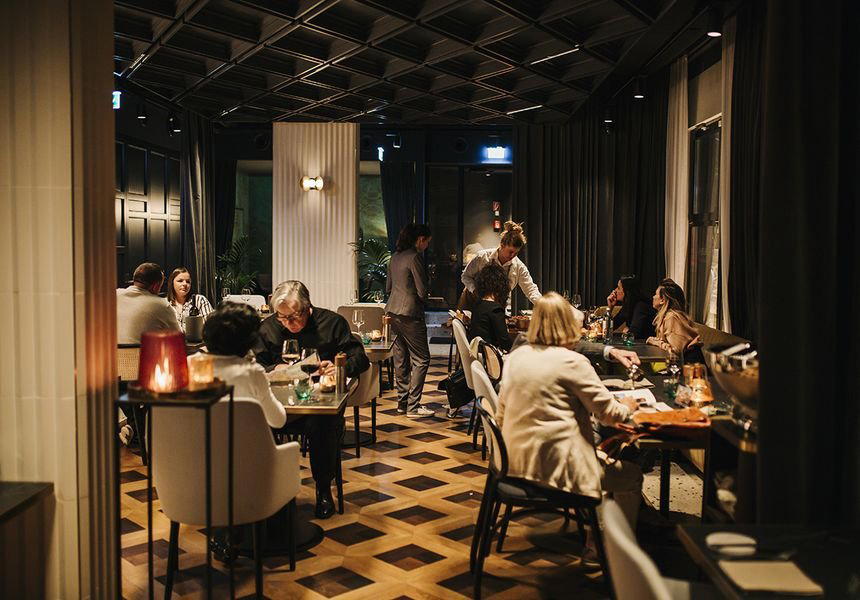
Allerley operates in Bad Vöslau, a Thermenregion town that sits firmly outside Vienna's restaurant circuit, which sets the register before you arrive. The surrounding area trades in thermal baths, vine slopes, and a slower rhythm than the capital, and restaurants here tend to reflect that unhurried cadence. Expect a room shaped more by local regulars than by destination dining tourism.
Is Allerley a good restaurant to visit on a day trip from Vienna?
Bad Vöslau is reachable from Wien Hauptbahnhof by regional train in under an hour, with services running toward Baden bei Wien and stopping along the way. That makes Allerley at Tattendorfer Strasse 2 a practical destination for a half-day or full-day excursion without requiring a car. The Thermenregion's combination of thermal spa culture and regional Austrian cooking gives the trip more context than a single restaurant visit alone.
What's the best thing to order at Allerley?
Allerley's menu specifics are not publicly catalogued, but the Thermenregion context is instructive: the Pannonian climate produces ingredients, stone fruits, game, root vegetables, and herbs from the surrounding slopes, that serious kitchens in this corridor tend to structure their cooking around. Dishes tied to what is in season in the southern Vienna Basin are generally where regional Austrian tables of this type show their character most clearly.
What part of town is Allerley in?
Allerley is located at Tattendorfer Str. 2, 2540 Bad Vöslau, Austria, Bad Voslau.
Comparable Spots, Quickly
Comparable venues nearby, for context on price, style, and recognition.
| Venue | Cuisine | Price | Awards | Notes |
|---|---|---|---|---|
| AllerleyThis venue (the venue you are viewing) | Austro-Asian Fusion | Not listed | Not listed | Not listed |
| Café Azzurro | Modern Fusion Small Plates | $30–50 | Star Wine List | Neubau |
| das Linsberg | Asian-Austrian Fusion Fine Dining | $50–100 | Not listed | Bad Erlach |
| Cosmo Kitchen | Modern Fusion Fine Dining | Not listed | Not listed | Innere Stadt |
| Soulmate | Fusion Cocktails & Fine Dining | $30–50 | Falstaff Bar - 91 Falstaff Points | Neubau |
| Loca | Casual Fine Dining with Austrian-International Fusion | Not listed | Not listed | Staatsoper |
Continue exploring
More in Bad Voslau
Restaurants in Bad Voslau
All restaurants in Bad Voslau →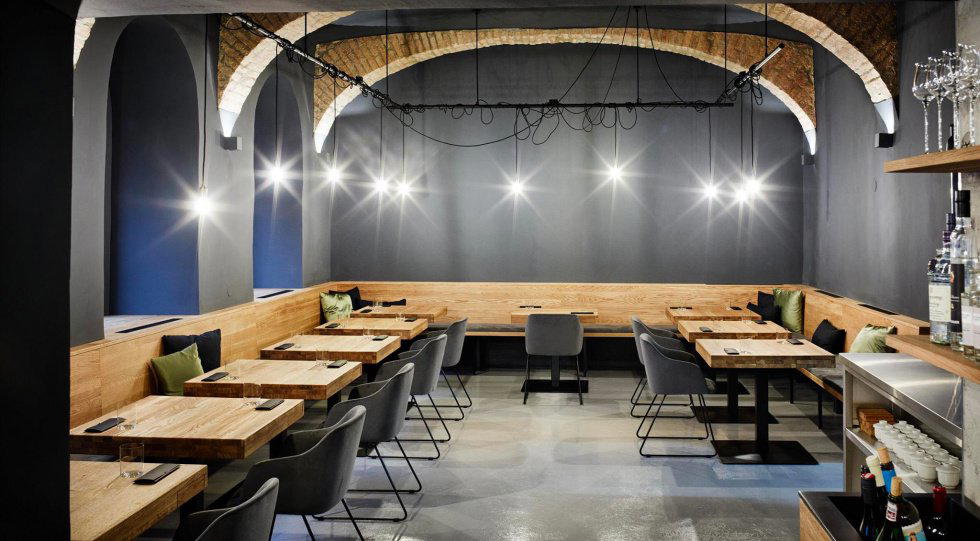
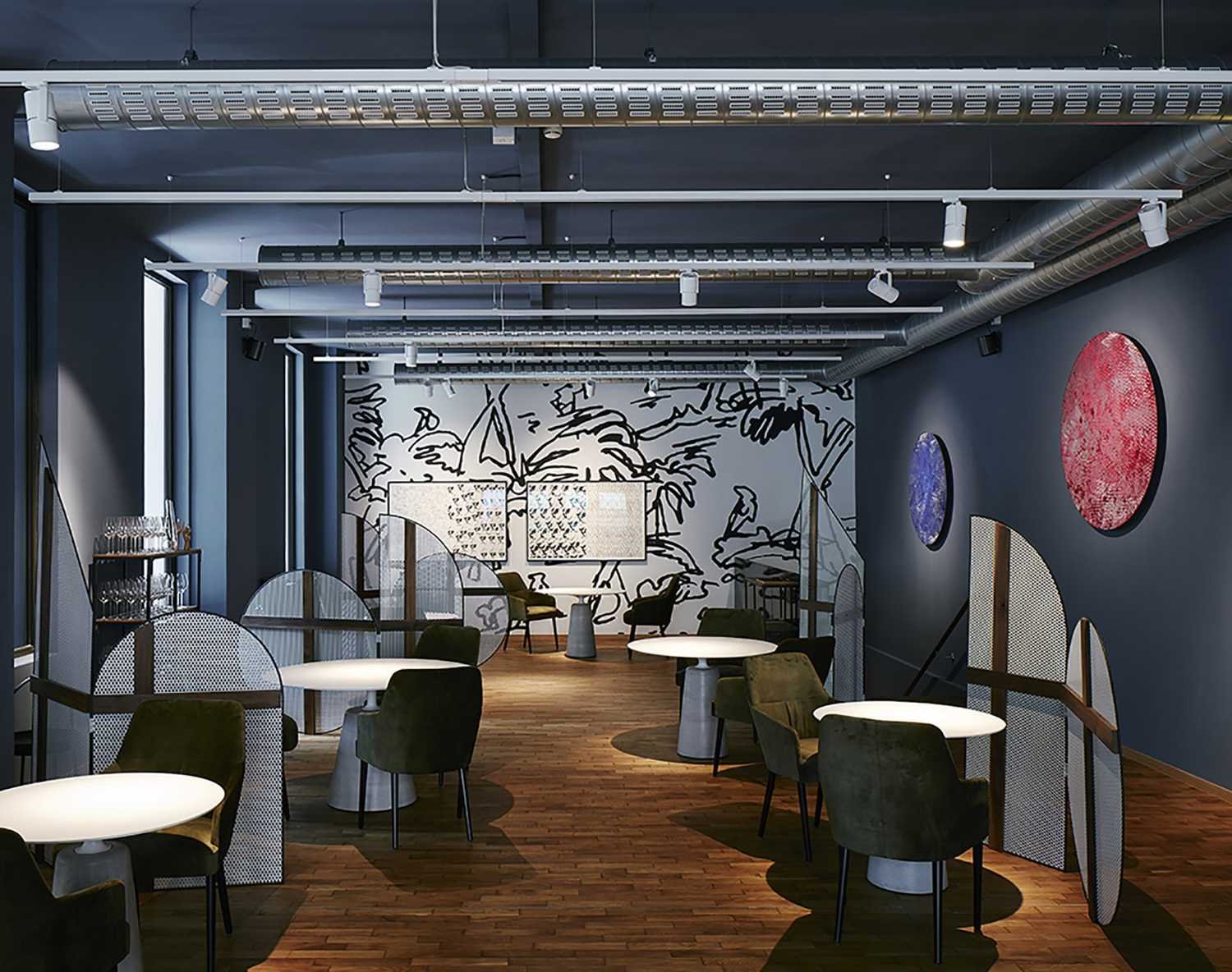
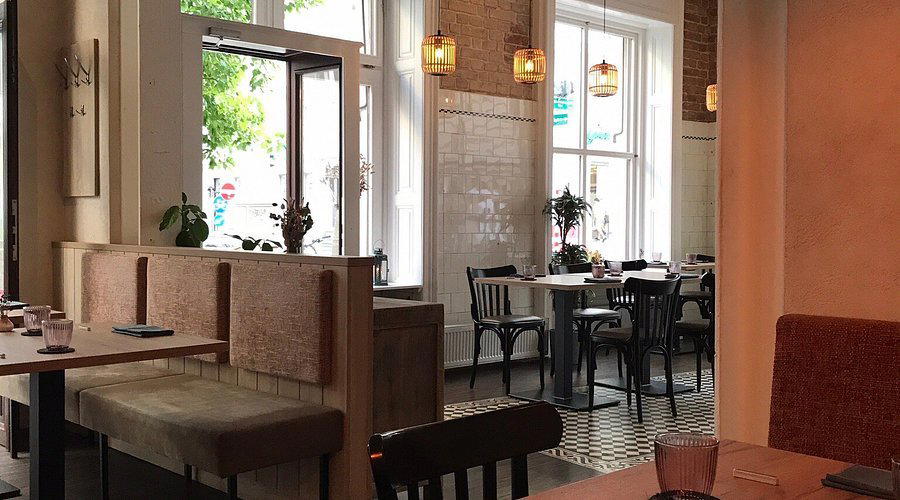
Bars in Bad Voslau
Browse all →
Hotels in Bad Voslau
Browse all →
Details
- Elegant
- Cozy
- Sophisticated
- Celebration
- Date Night
- Special Occasion
- Standalone
- Local Sourcing
- Small Plates
- A La Carte
- Vegetarian Friendly
Current opening hours
- Monday
- Closed
- Tuesday
- Closed
- Wednesday
- 5–11 PM
- Thursday
- 5–11 PM
- Friday
- 5–11 PM
- Saturday
- 12–3:30 PM, 5–11 PM
- Sunday
- Closed
Hours can change for holidays and private events. Hours as of .
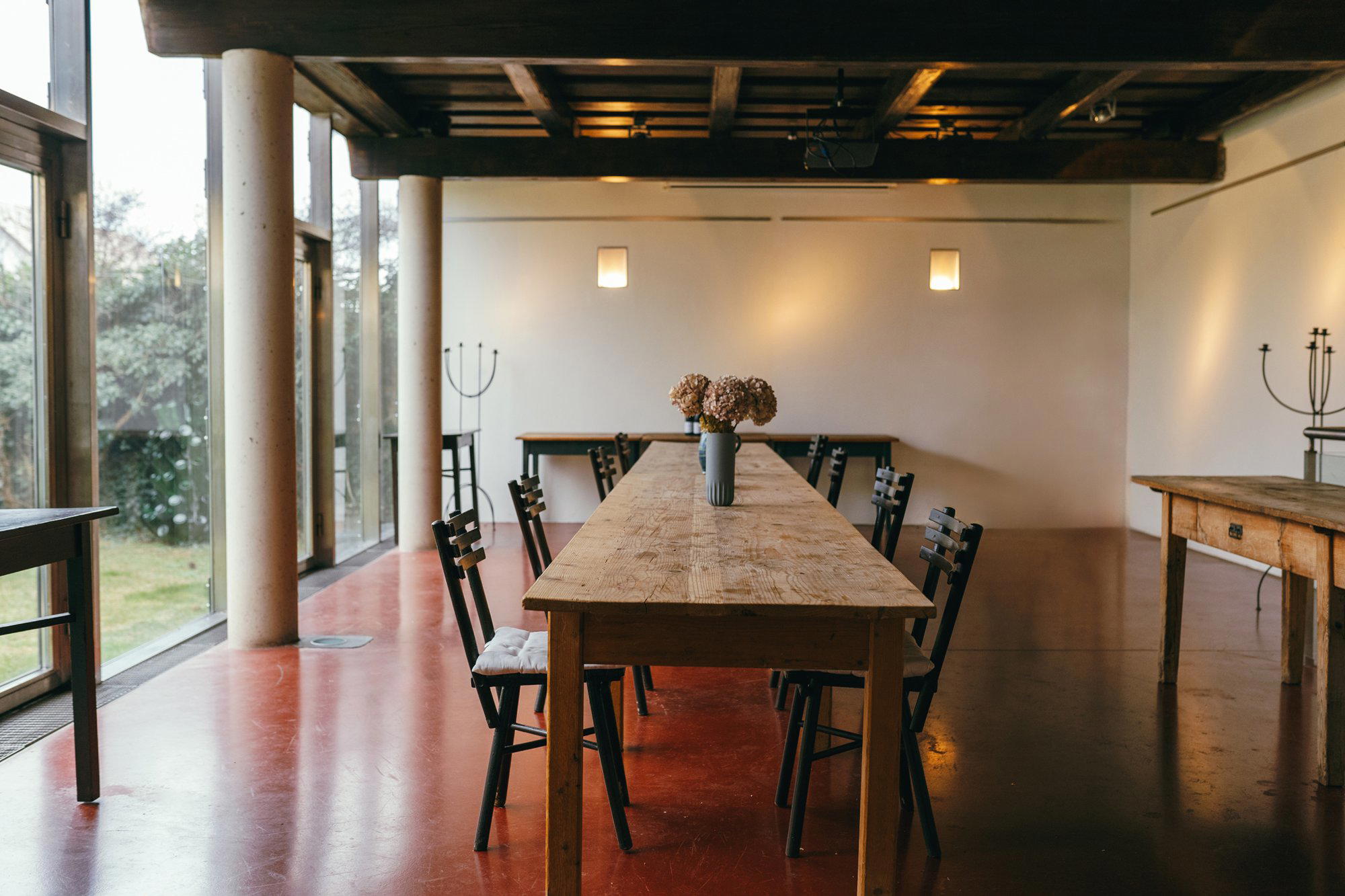
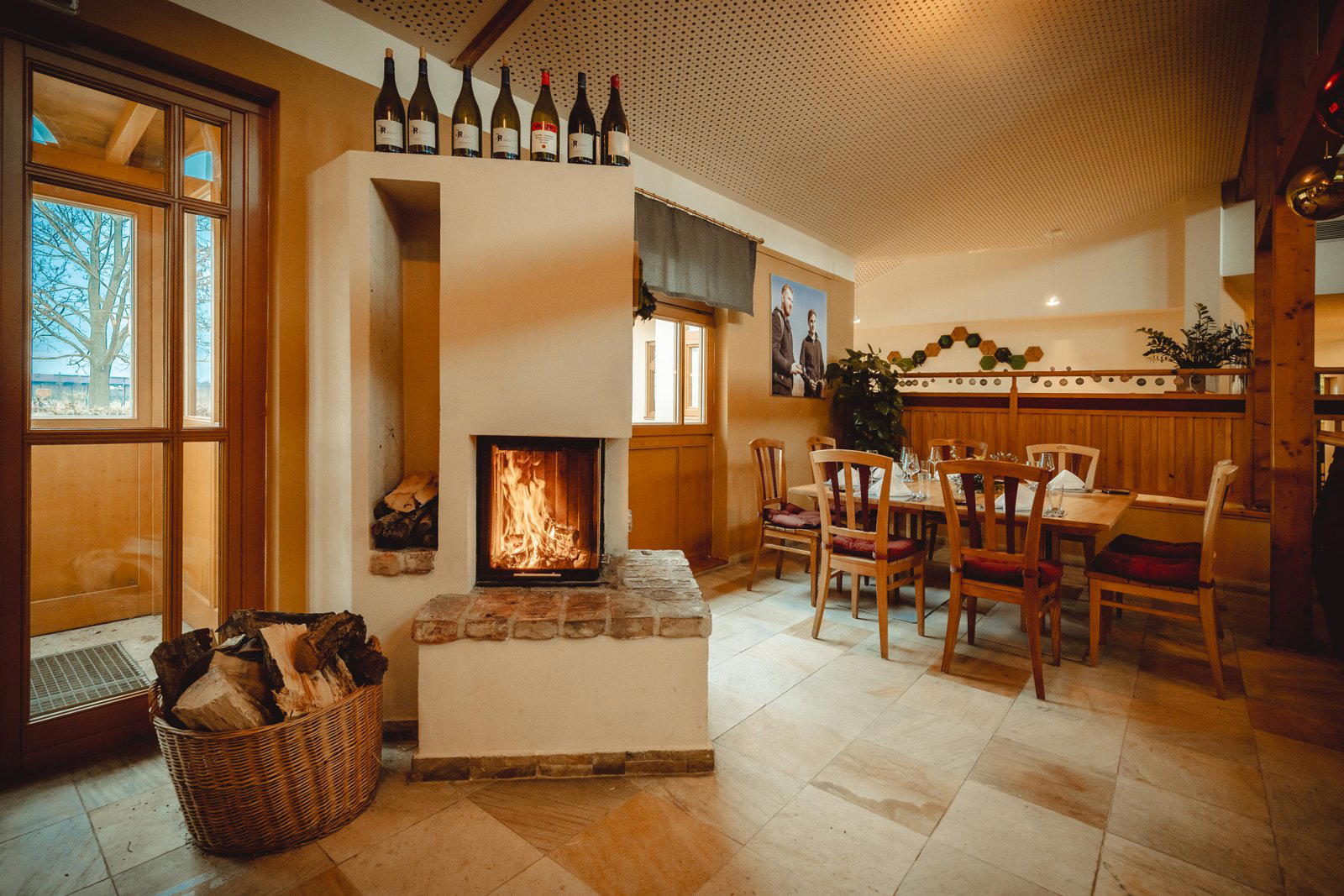
Warm, relaxed living room atmosphere with fresh, creatively prepared food and extremely friendly, courteous service.