Allegretto
Our verdict
Allegretto sits in New York City’s broad Italian category, where the meal is often judged as much by wine logic as by pasta technique. With no public awards or chef-led narrative shaping the conversation, the useful read is category-based: treat it as an Italian dining room to assess through regional cooking cues, bottle selection, and how clearly the kitchen lets food and wine speak to each other.

Pearl is the En Primeur Club membership app, where members save venues, book tables and use the concierge.
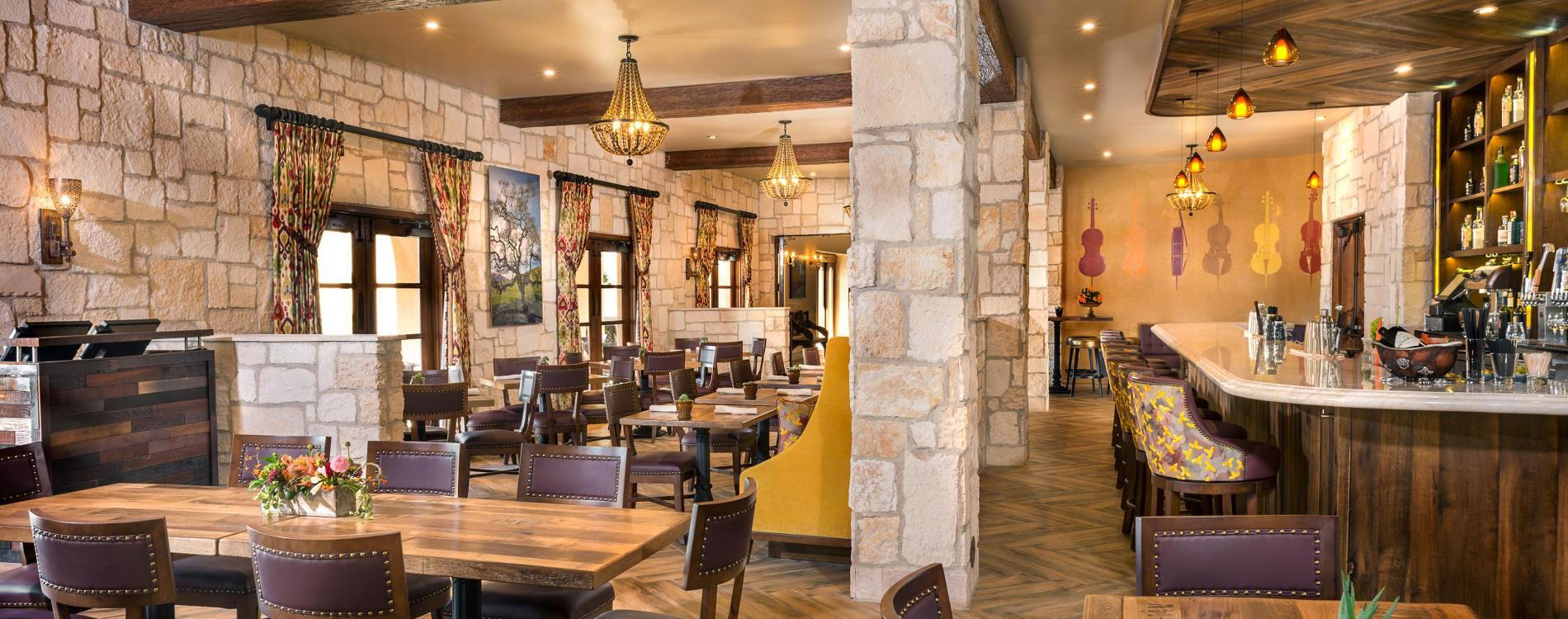
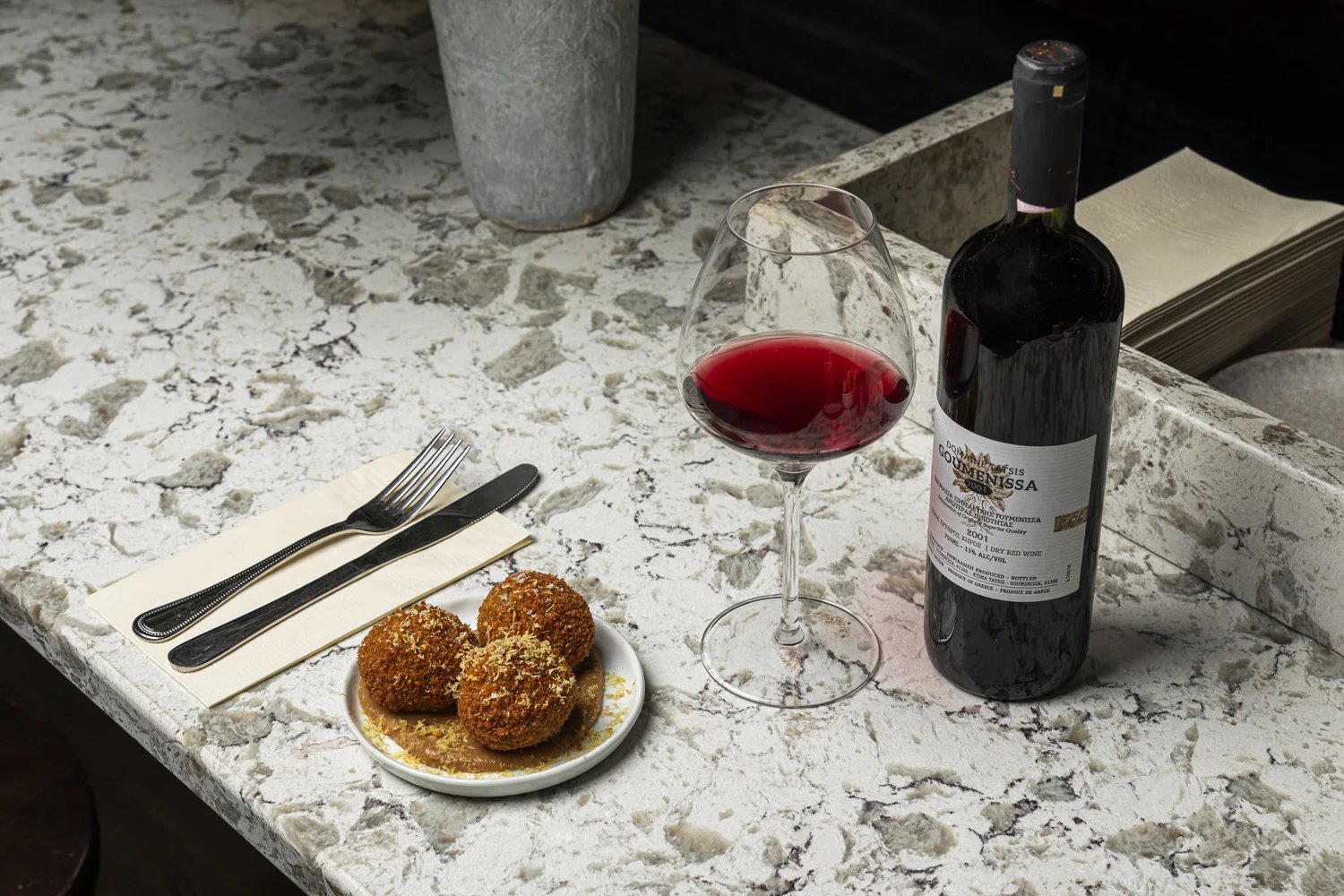
Italian dining in New York City announces itself before the first plate: glassware on tight tables, low conversation, the tempo of servers moving between pasta, wine, and secondi. Allegretto belongs to that citywide tradition, where the room matters less as spectacle than as a frame for appetite and pacing. The name sits within an Italian context, but the sharper question is not whether the menu is Italian; it is whether the meal understands the old Italian bargain between what is poured and what is cooked.
Italian cooking in New York is a wine question as much as a food question
New York’s Italian restaurants sit across a wide spectrum, from high-polish tasting-menu rooms to neighborhood pasta counters and louder city dining rooms. In that range, wine is not decoration. It is structure. Italian cuisine has always treated acidity, bitterness, fat, salt, and grain as a working system: tomato with Sangiovese, butter and stuffed pasta with northern whites, braised meats with Nebbiolo or Aglianico, seafood with mineral-driven coastal bottles. A serious Italian room does not need theatrical pairings to make that point; it needs enough discipline for the wine list and kitchen to feel written in the same language.
Allegretto is listed as Italian, with Christopher Cipollone associated with the project and coverage noting it among anticipated restaurant openings. That shifts the editorial lens toward execution as much as personality. In New York City, Italian restaurants often live or die by three things: whether pasta is treated as a course rather than a garnish, whether the wine program gives diners more than the safest labels, and whether the room can handle both quick weeknight meals and longer tables built around bottles. The more useful comparison is not against a trophy counter, but against the city’s deep Italian habit: food that rewards ordering across regions rather than chasing a single signature plate.
The useful order is regional, not maximal
The smarter way to read an Italian menu here is by geography. Northern cues usually mean butter, rice, filled pasta, veal, mushrooms, and wines with structure rather than obvious fruit. Central Italy brings olive oil, grilled meats, pecorino, tomato, beans, and reds with bite. Southern Italy leans into anchovy, capers, dried pasta, citrus, eggplant, seafood, and volcanic or coastal wines that cut through richness. If the list is built with care, the sommelier’s role is not to push a prestige bottle; it is to match weight, acid, and salt to the table’s actual order.
That matters in New York because Italian dining here often splits between two impulses: comfort and performance. The comfort side wants recognizable pasta, generous pacing, and bottles that do not require a lecture. The performance side wants regional specificity, cellar depth, and a kitchen that can make restraint feel intentional. Allegretto should be approached through that tension. Order as a table rather than as isolated entrées: one lighter dish, one richer pasta or grain course, and a protein or vegetable course that gives the wine somewhere to go. If the wine list offers by-the-glass options across more than one Italian region, that is usually the clearest signal that the dining room understands how people actually eat.
For wider context on the city’s Italian range, EP Club’s New York restaurant coverage includes other New York City dining rooms across polished, casual, and contemporary formats. The broader city index is useful for planning around Allegretto and other dining in New York City, with adjacent planning through the city’s hotel, bar, winery, and experience coverage, including Our full New York City experiences guide.
Where Allegretto fits in a city crowded with Italian rooms
Allegretto’s value for a traveler depends on expectations. With Italian cuisine, Christopher Cipollone, open status, and advance coverage as the grounded public reference points, it makes sense as part of New York’s everyday Italian grammar: a place to judge by the coherence of the table, the confidence of the wine advice, and the kitchen’s handling of regional references. In a city where Italian cooking can be casual, ceremonial, or aggressively styled, that middle ground can be the point.
Readers mapping food trips beyond New York may also find useful contrasts in EP Club’s wider restaurant archive, where unnamed restaurants across other cities show how differently a cuisine label can translate into format, service, and intent. Those broader references underline the point: cuisine labels are only useful when they help a diner understand format, region, and intent.
Frequently asked questions
What kind of cuisine does Allegretto serve?
Allegretto serves Italian cuisine.
Is Allegretto reservation-only?
Allegretto is an Italian restaurant in New York City, but reservation details are not published here. Treat it like a standard New York dining room and confirm the booking setup before planning a meal. Check the venue's official channels for the latest details.
What's the defining dish or idea at Allegretto?
The defining idea is Italian cuisine in New York City. No named signature dish is listed, so the point of reference is the kitchen’s Italian brief rather than a single headline plate.
Is Allegretto good for families?
As an Italian restaurant in New York City, Allegretto sits in a category that often works for mixed-age dining. The strongest clue here is the cuisine type itself, which usually gives families more choice than a more narrowly formatted meal.
What kind of setting is Allegretto?
Allegretto is best understood as an Italian restaurant in New York City. Specific details on the room, service format, and seating style are not published here, so confirm directly before planning around a particular kind of experience.
Can Allegretto adjust for dietary needs?
Italian cuisine in New York City can often accommodate dietary requests, especially around pasta, sauces, and vegetable courses. For Allegretto, the safe assumption is to check how the kitchen handles changes before relying on it.
How It Compares
Comparable venues nearby, for context on price, style, and recognition.
| Venue | Cuisine | Price | Notes |
|---|---|---|---|
| AllegrettoThis venue (the venue you are viewing) | Dining | Not listed | Not listed |
| Oregano | Traditional Italian Wood-Fired Pizza & Pasta | $30–50 | Williamsburg |
| The Good Fork Pub | Korean-Infused Gastropub | $20–30 | Carroll Gardens-Cobble Hill-Gowanus-Red Hook |
| Amor Cubano | Authentic Cuban | Not listed | East Harlem (North) |
| Pastai | Southern Italian Pasta Bar | Not listed | Chelsea-Hudson Yards |
| L’Industrie | New York-Style Thin-Crust Pizza | $10–20 | Williamsburg |
Continue exploring