Ali's Roti
Our verdict
Ali's Roti sits on Blue Hill Avenue in Mattapan, the Boston corridor that has quietly become one of the city's most concentrated expressions of Caribbean culinary tradition. The kitchen draws on the ingredient logic of roti culture, where dough, filling, and seasoning each carry specific regional meaning. For the neighbourhood, this is an everyday essential; for visitors arriving from elsewhere in the city, it is an introduction to a dining register that most of Boston's better-known restaurant map overlooks.

Pearl is the En Primeur Club membership app, where members save venues, book tables and use the concierge.
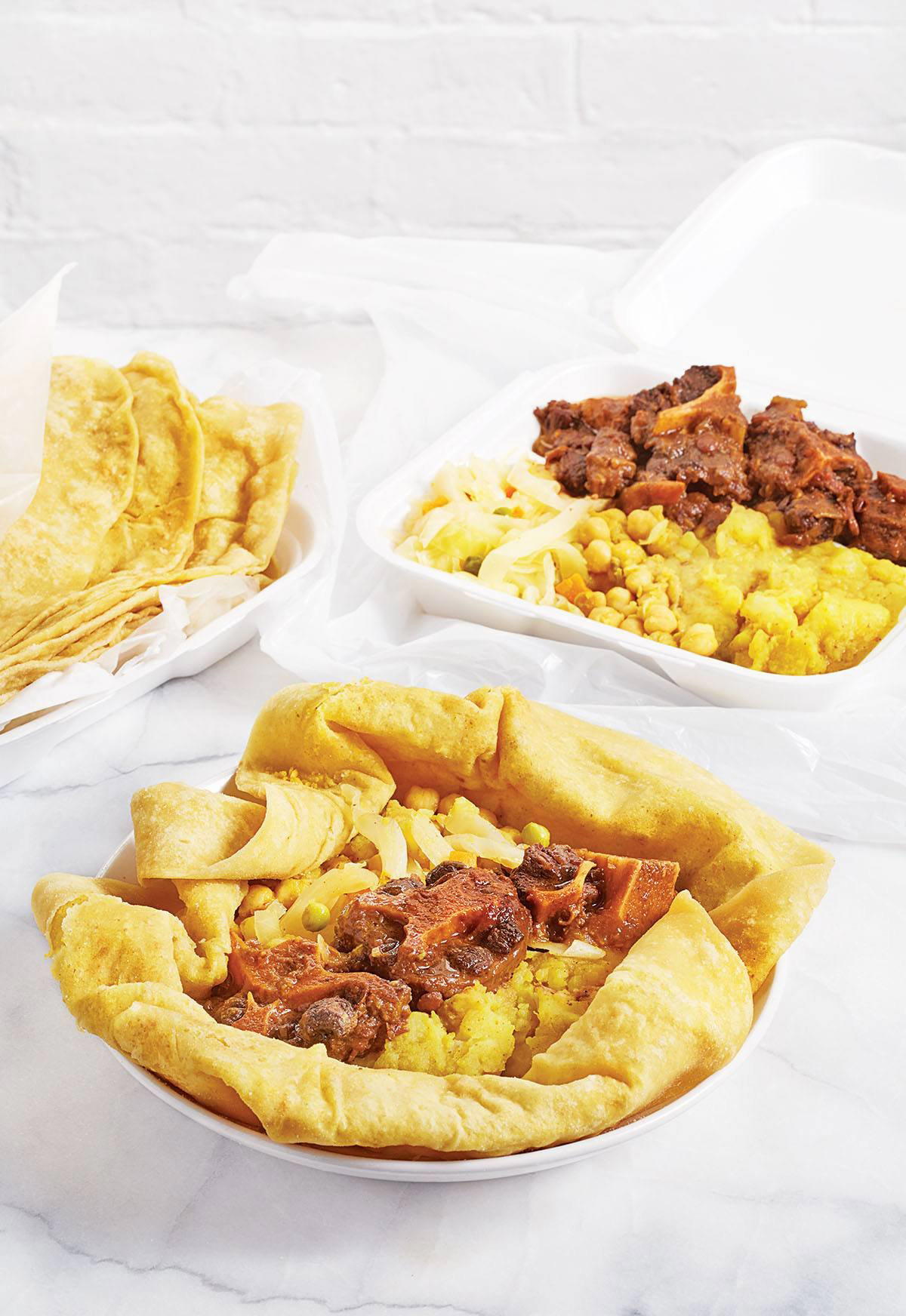
The menu
What to order
- Curry Boneless Chicken Roti
- Goat Roti
- Vegetarian Roti
- Buss Up Shot
- Curry Beef Roti
Blue Hill Avenue and What It Actually Represents
Boston's restaurant conversation defaults to the South End, the Seaport, or Cambridge. Mattapan rarely enters that frame, which tells you more about the city's editorial blind spots than about the quality of food being made along Blue Hill Avenue. This stretch of road, running through one of Boston's most densely Caribbean-American neighbourhoods, carries a culinary tradition rooted in Trinidad, Jamaica, Haiti, and the broader Eastern Caribbean diaspora. Ali's Roti, at 1188 Blue Hill Ave, sits inside that tradition rather than adjacent to it. This is not a restaurant that translates Caribbean food for an outside audience. It is a place that feeds a community for which roti is not a discovery but a staple.
That distinction matters when thinking about ingredient logic. In the roti tradition, sourcing is not an abstract virtue to be announced on a menu; it is embedded in the recipe itself. The specific legumes used in a dhalpouri filling, the type of pepper that goes into a curry, the fat content and texture of the dough wrapper: these are not interchangeable variables. They carry regional specificity passed down through the cooking cultures of Trinidad and Tobago and the wider Indo-Caribbean community. At restaurants like Blue Hill at Stone Barns in Tarrytown or Single Thread Farm in Healdsburg, sourcing provenance is a primary editorial subject. In a neighbourhood roti shop on Blue Hill Avenue, the sourcing is just as considered, but the conversation happens through the food itself rather than through menu annotation.
The Ingredient Logic of Roti
Roti as a category spans a wide range of preparations. Dhalpouri, buss-up-shut, paratha, dhal puri: each has a distinct dough construction and filling logic. The filling combinations, typically curried chicken, curried goat, curried chickpeas (channa), or a combination, depend on spice blends and cooking methods that vary by household and by island tradition. In the Trinidadian version that forms the backbone of much of Boston's Caribbean-American roti culture, the dough is rolled thin and cooked on a tawah, a flat iron griddle, before being filled and folded. The heat management at that stage determines the texture of the final product: whether the dough remains pliable or crisps at the edges, whether the filling distributes evenly or pools toward the seam.
This is not a simple cooking process dressed up as simple. It requires consistent sourcing of the right flour grades, the right fat, and the right dried and fresh aromatics. Locations in the Caribbean diaspora that maintain this standard over time do so because the community around them holds the baseline in memory. Compromise shows up immediately and the regulars say so. That accountability structure, which operates entirely outside the formal review system that elevates places like Le Bernardin in New York City or Atomix in New York City, is its own form of quality signal.
Mattapan as a Dining District
Mattapan does not have a Michelin Guide presence. It does not appear in the annual lists that benchmark places like Addison in San Diego, Smyth in Chicago, or Providence in Los Angeles. What it has is a density of Caribbean, Haitian, and West African cooking that does not exist at this concentration anywhere else in Greater Boston. The neighbourhood's food identity is shaped by its demographics: roughly 60 percent of Mattapan residents identify as Black or Caribbean-American, according to city planning data, and the commercial corridors along Blue Hill Avenue reflect that population's actual eating habits rather than an approximated version of them.
For a visitor arriving from Boston's more publicised dining districts, the adjustment is partly logistical. Blue Hill Avenue is accessible by the MBTA's Mattapan trolley line, one of the last surviving streetcar lines in New England, running from Ashmont station through the neighbourhood. The practical implication: you do not need a car, but you do need to plan around the trolley schedule rather than assume a taxi will be convenient. The broader implication: Mattapan is a working neighbourhood, not a dining destination designed around visitor infrastructure. The food is there because the community needs it, which is precisely why it is worth the trip. See our full Mattapan restaurants guide for broader neighbourhood context.
The competitive reference points for Ali's Roti are not fine-dining rooms. They are the other Caribbean kitchens along Blue Hill Avenue and in comparable diaspora corridors in other American cities: Flatbush in Brooklyn, Little Haiti in Miami (where ITAMAE represents a very different register of the same city's diversity), or the Jamaican and Trinidadian shops of Toronto's Scarborough district. A roti shop that maintains its dough quality and curry depth over years earns a specific kind of loyalty that no marketing effort replicates. The restaurants that achieve equivalent loyalty in the fine-dining tier, places like The Inn at Little Washington or Lazy Bear in San Francisco, operate through a different mechanism but toward a similar end: repeat guests who return because the standard is consistent.
At the price point Ali's Roti operates, which sits well below the $$$$ tier occupied by the Michelin-listed rooms referenced above and closer to the everyday accessible end of the market, the value proposition is direct. A full roti meal represents one of the more substantive and ingredient-coherent eating options in this price bracket in the city. Compared to the tasting menu format at The French Laundry in Napa or Frasca Food and Wine in Boulder, the operating model could not be more different. But the underlying commitment to specific ingredients prepared in a specific way for a specific community is recognisable across both registers.
Planning Your Visit
Ali's Roti operates at 1188 Blue Hill Ave, Boston, MA 02126, in a direct counter-service format typical of neighbourhood roti shops across the Caribbean diaspora. Hours, phone, and online booking data are not currently listed, so confirming directly before visiting is advisable, particularly for weekend travel when demand from local regulars is highest. The neighbourhood is most legible on foot once you arrive; the Blue Hill Avenue corridor has additional Caribbean bakeries, Haitian restaurants, and West African grocers within walking distance, making a half-day visit a reasonable approach to understanding the area's food culture more broadly. For those comparing across American cities, Bacchanalia in Atlanta, Oyster Oyster in Washington D.C., and The Wolf's Tailor in Denver represent what sourcing-forward restaurants look like at the fine-dining end of the spectrum; Ali's Roti demonstrates that the same sourcing logic, applied to a community tradition rather than a tasting menu, produces cooking with equal clarity of purpose. The European parallel is somewhere like Atelier Moessmer Norbert Niederkofler in Brunico, where regional ingredient specificity is the organising principle; in Mattapan, that principle just arrives wrapped in roti rather than plated in a mountain dining room.
Frequently asked questions
Does Ali's Roti work for a family meal?
Counter-service roti shops along Blue Hill Avenue are among the more practical formats for families, no reservations, no pacing pressure, and portions that suit shared eating. Ali's Roti at 1188 Blue Hill Ave fits that model. The neighbourhood setting in Mattapan is casual and community-facing rather than destination-dining formal.
What kind of setting is Ali's Roti?
Ali's Roti operates as a neighbourhood counter-service spot on Blue Hill Avenue in Mattapan, Boston, the same format you find in Caribbean roti shops from Port of Spain to Toronto's Scarborough district. There is no tableside service or tasting-menu structure. You order, you wait, you eat.
Is Ali's Roti one of the few Caribbean roti counters operating on Blue Hill Avenue in Boston?
Blue Hill Avenue in Mattapan is one of the few corridors in Boston where Caribbean food is the dominant register rather than an outlier. Mattapan has no Michelin presence, which means places like Ali's are evaluated by the standards of their own community rather than external awards bodies.
What do regulars order at Ali's Roti?
Roti is the category anchor here, and Blue Hill Avenue's Caribbean community tends to be specific about preparation, dhalpouri, buss-up-shut, and paratha each have their partisans. At a counter like Ali's in Mattapan, the filling combinations (curried goat, chicken, or vegetable) are typically what distinguish one visit from the next.
Quick Comparison
Comparable venues nearby, for context on price, style, and recognition.
| Venue | Cuisine | Price | Awards | Notes |
|---|---|---|---|---|
| Ali's RotiThis venue (the venue you are viewing) | Trinidadian Caribbean Roti & Curries | $10–20 | Not listed | Not listed |
| Delicias Colombianas Hyde Park | Traditional Colombian | $20–30 | Not listed | Hyde Park |
| La Fabrica | Spanish Caribbean | $20–30 | Not listed | The Port |
| Doune & Pepe | Caribbean Fusion Tapas | Not listed | Star Wine List | Codman Sq |
| Soko | Modern Japanese Omakase | $50–100 | Not listed | East Arlington |
| Taqueria Mexico | Authentic Mexican Taqueria | $10–20 | Not listed | Waltham |
Continue exploring
More in Boston
Restaurants in Boston
All restaurants in Boston →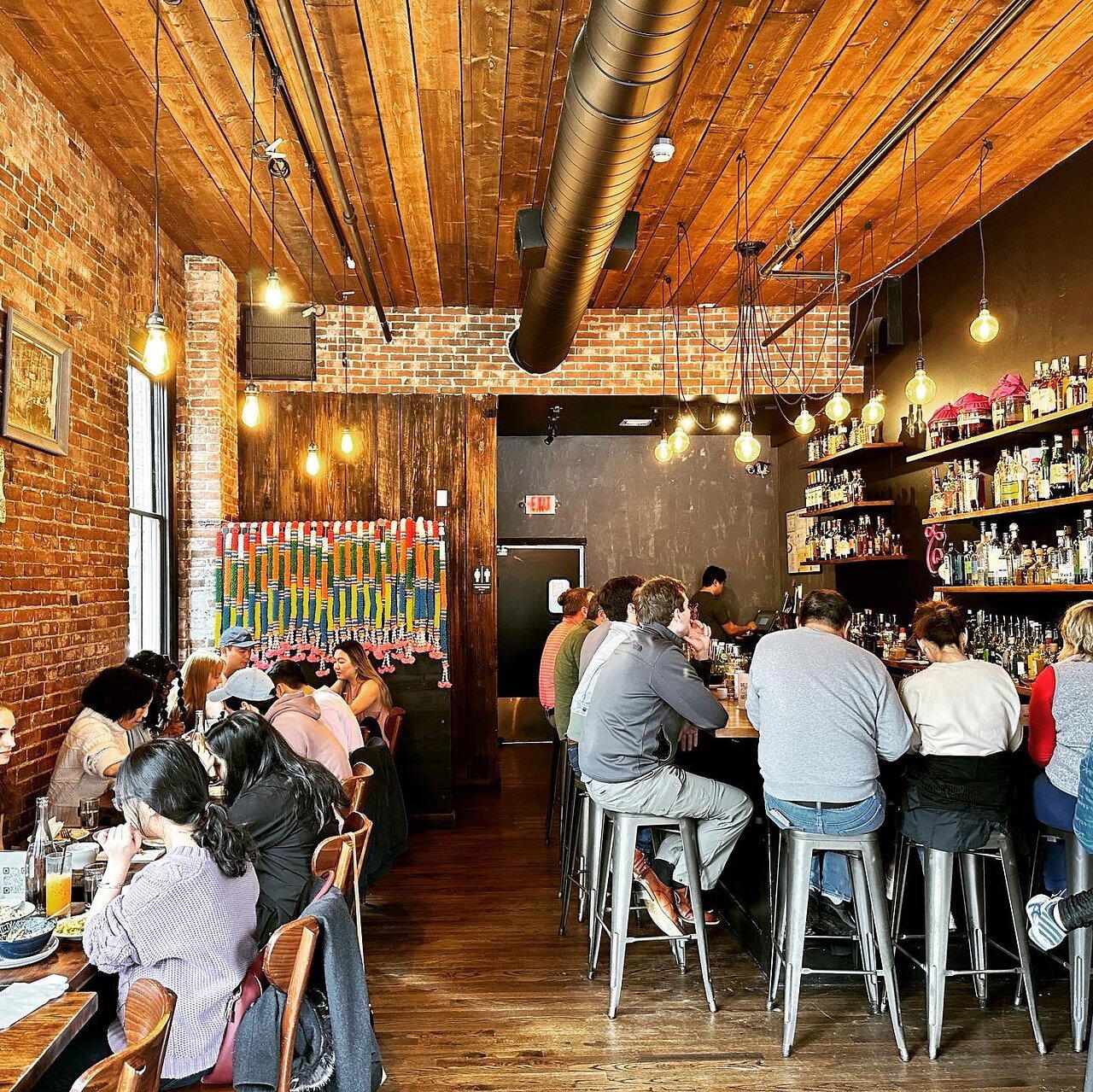
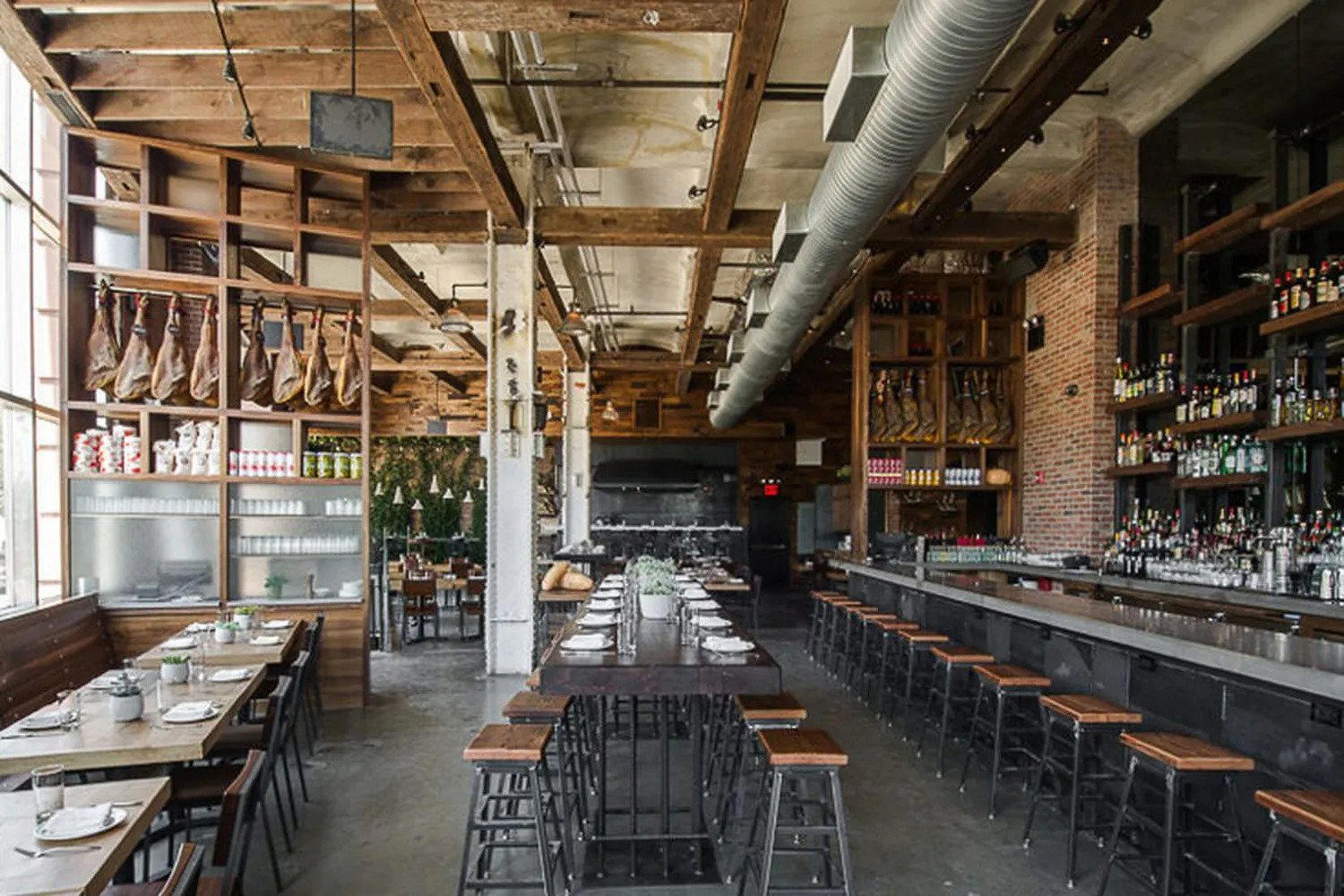
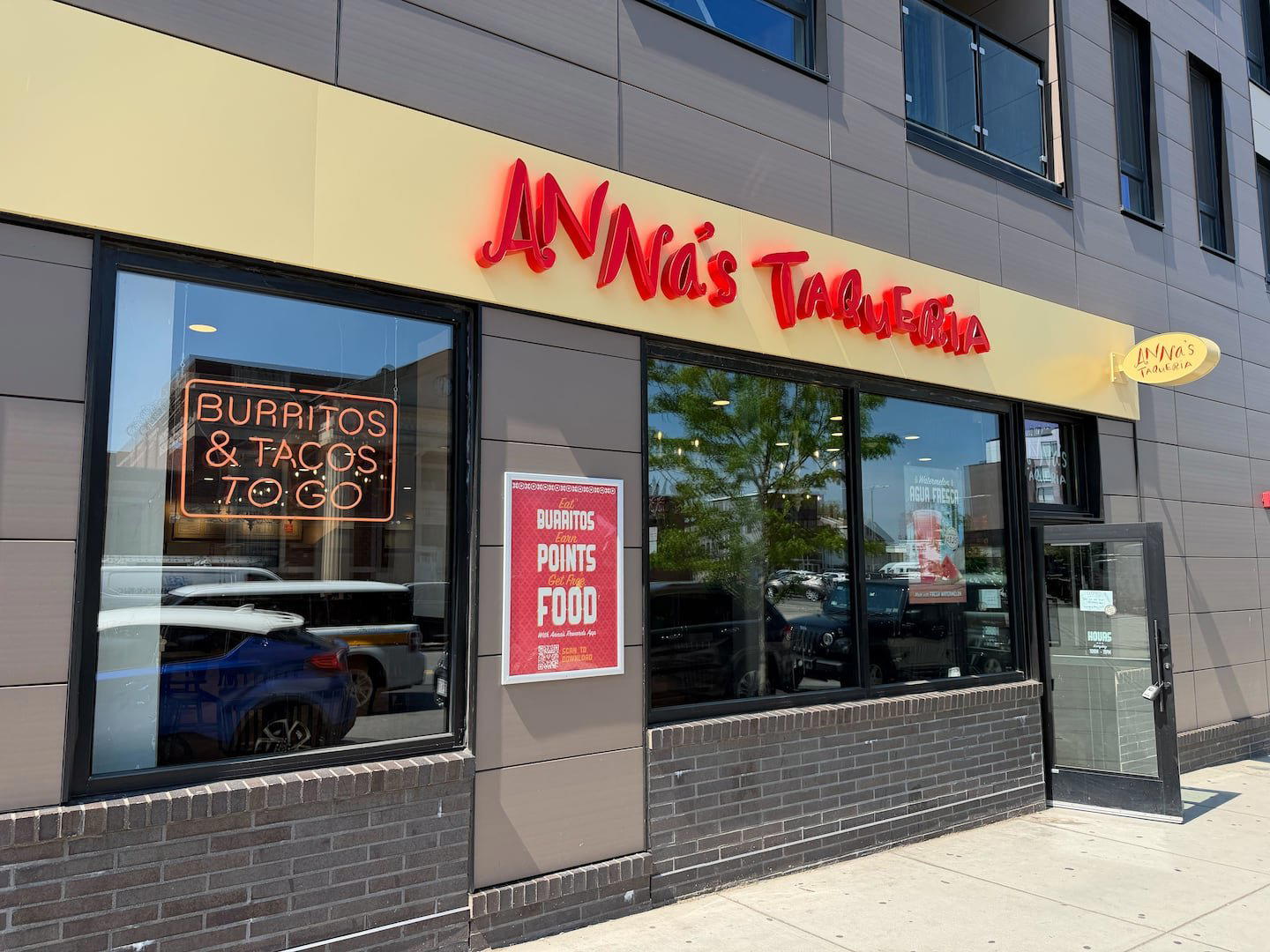
Bars in Boston
All bars in Boston →



Details
- Casual
- Rustic
- Casual Hangout
- Solo
- Family
- Group Dining
- Open Kitchen
- A La Carte
- Counter Dining
- Caribbean Drinks
- Vegetarian Friendly
- Vegan Options
Current opening hours
- Monday
- 11 AM–8 PM
- Tuesday
- 11 AM–8 PM
- Wednesday
- 11 AM–8 PM
- Thursday
- 11 AM–8 PM
- Friday
- 11 AM–8 PM
- Saturday
- 11 AM–8 PM
- Sunday
- Closed
Hours can change for holidays and private events. Hours as of .
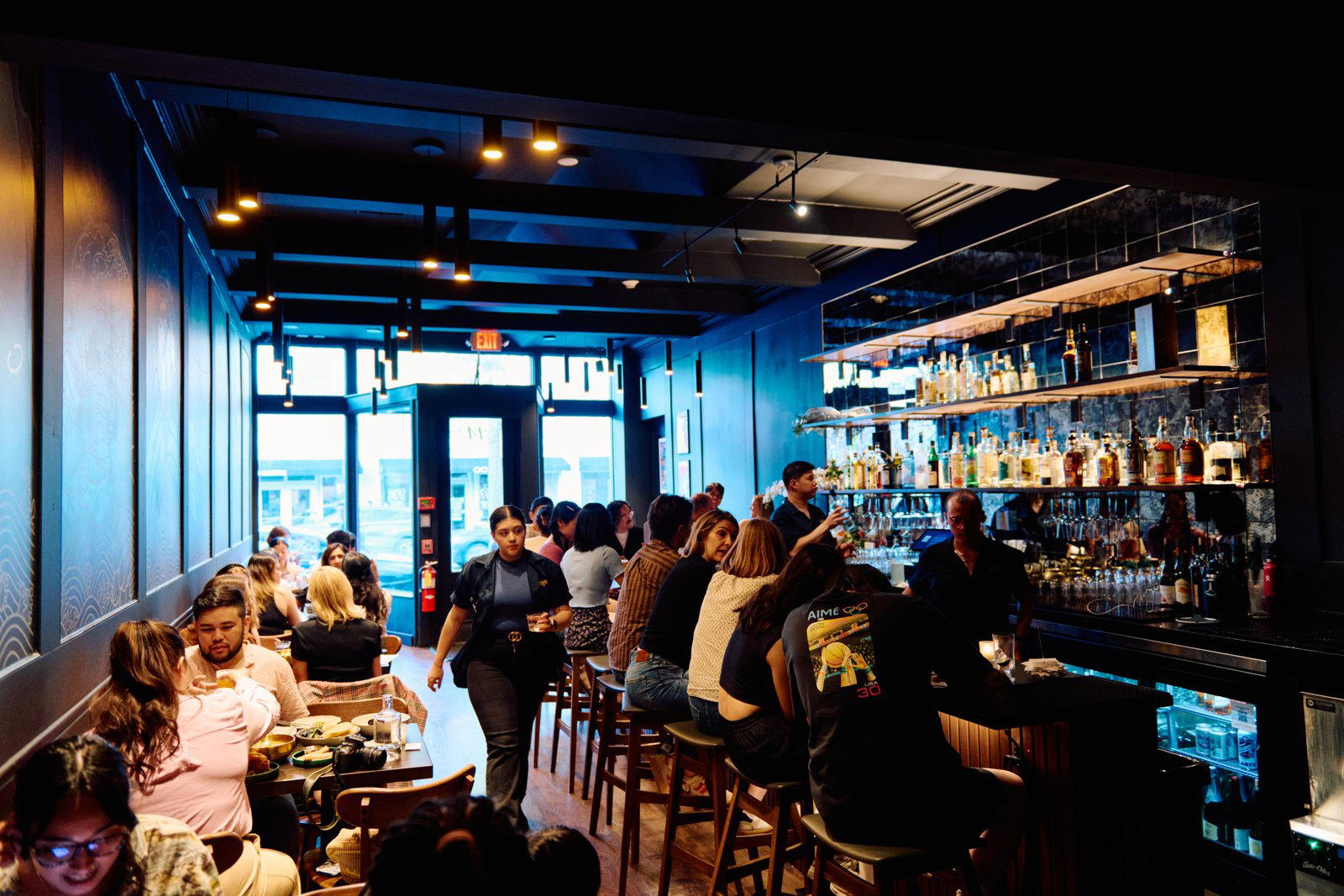
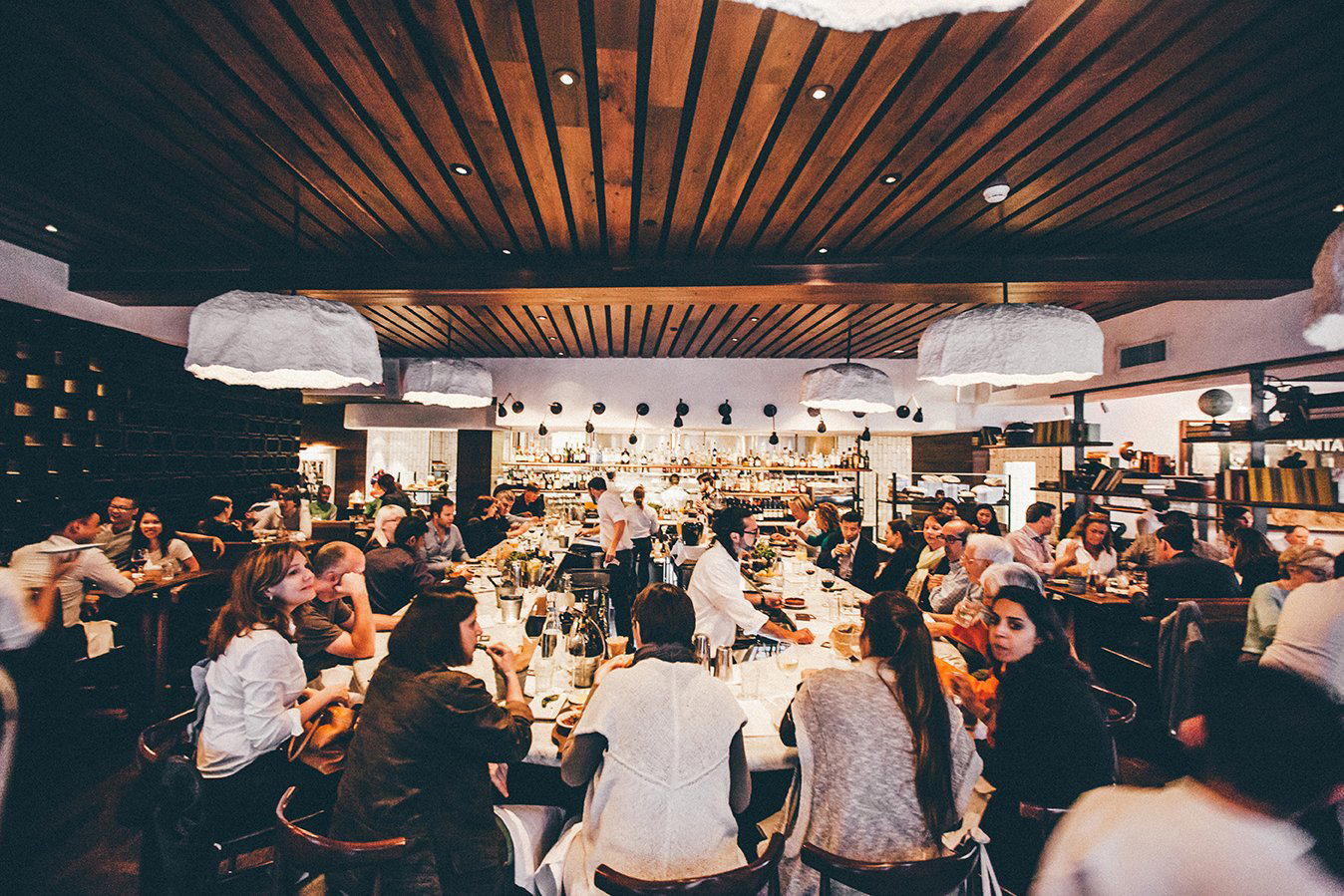
Simple, casual counter-service environment with an open kitchen allowing diners to watch food preparation; primarily takeout-oriented with basic seating available.