Beauport Hotel Gloucester

Michelin Selected
Beauport Hotel Gloucester sits on the working waterfront of one of Massachusetts' oldest fishing ports, earning Michelin Selected recognition for a property that takes its design cues directly from the harbor it faces. The hotel places guests within walking distance of Rocky Neck and the historic maritime district, making it a credible base for exploring Cape Ann's distinct character beyond the Boston day-trip circuit.

Pearl is the En Primeur Club membership app — saves, bookings, and concierge access live there. Same editors, same standards.
- Address
- 55 Commercial St, Gloucester, MA 01930
- Phone
- (978) 282-0008
- Website
- beauporthotel.com
- Directions
- Get directions
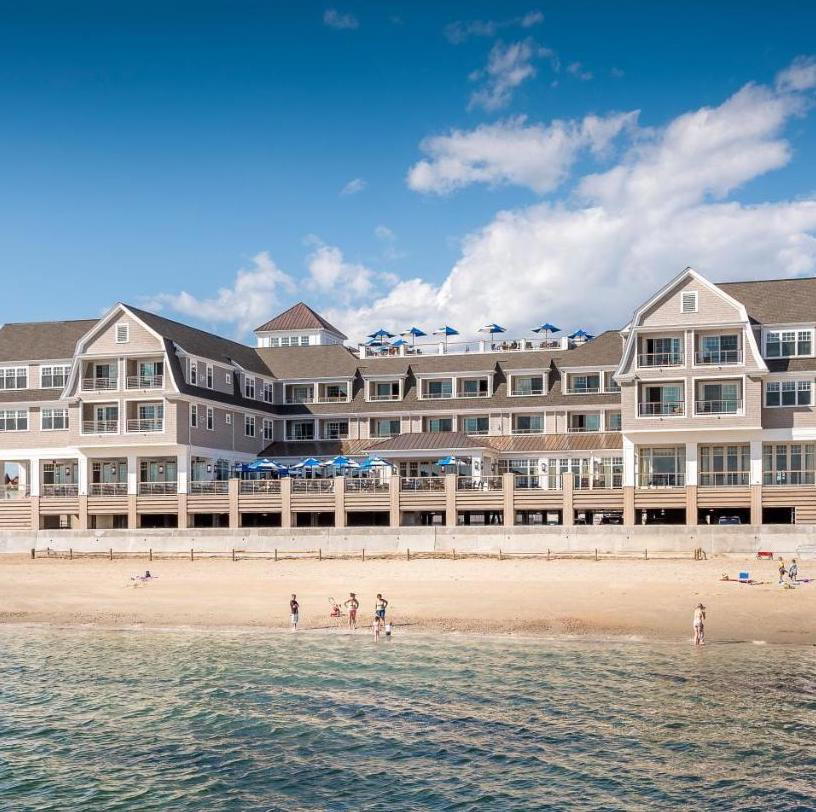
Where the Harbor Defines the Architecture
Gloucester is not a resort town that happened to acquire a waterfront. It is, and has been since 1623, a working fishing port that tolerates tourism on its own terms. That distinction shapes everything about how a hotel can position itself here. At 55 Commercial Street, the Beauport Hotel Gloucester reads the room correctly: the building faces the inner harbor directly, with the visual language of New England maritime architecture rather than the generic coastal-chic vocabulary that gets applied indiscriminately from Cape Cod to coastal Maine. Shingle profiles, pitched rooflines, and a material palette that defers to the blue-grey tones of the Atlantic give the property a coherence that feels earned by its location rather than imported from a brand standards document.
This matters more in Gloucester than it might elsewhere. Cape Ann has a strong visual identity, cemented by the painters of the Gloucester School who worked this coastline in the late nineteenth and early twentieth centuries — Winslow Homer, Fitz Henry Lane, and later Edward Hopper all found the quality of northern Massachusetts light worth recording. A hotel that reads against that grain would announce itself as an interloper. The Beauport's design approach avoids that problem by staying in conversation with its physical context.
Michelin Selected in a Market That Doesn't Chase Recognition
Michelin's hotel program, which expanded its US coverage meaningfully after 2020, operates a tiered system in which Selected represents consistent quality without the additional distinction levels awarded to the guide's top tier. For a waterfront property in a city of roughly 30,000 people that sits an hour north of Boston, the designation places the Beauport in the same reference tier as properties in markets considerably larger and more competitive. That recognition is worth treating as a genuine signal rather than a marketing footnote: Michelin Selected hotels are evaluated on service, comfort, and facility standards, not on star count or lobby spectacle.
Gloucester does not generate the hotel competition that Boston proper does. Across the North Shore, the upper-tier accommodation options thin out quickly once you move beyond Salem's historic district. The Beauport occupies a position at the top of that local market while also functioning as an alternative to driving back to the city after a day on the cape. For comparison, properties like Raffles Boston represent the full-service urban luxury end of the Massachusetts spectrum; the Beauport operates in a different register, where proximity to water and the specificity of place carry more weight than amenity volume.
The Inner Harbor Setting and What It Actually Means for Guests
The waterfront position at Commercial Street puts the hotel on the inner harbor, which means views of working fishing vessels alongside pleasure craft — a visual texture that distinguishes Gloucester from purely recreational marinas. The fishing fleet that departs from Gloucester's docks is among the oldest continuously operating commercial fisheries in the United States, and that presence is not incidental backdrop. It informs the character of the town's food scene, the rhythm of the waterfront, and the specific quality of early-morning light that the harbor channels toward east-facing rooms.
The practical consequence is that guests arriving at the Beauport encounter a waterfront that changes character across the day. Morning brings fishing activity and harbor noise; late afternoon, the light shifts in the way that made this coastline worth painting repeatedly; evening turns the harbor quiet, with lobster boats settled and the working infrastructure of the port visible from upper-floor vantage points in a way that resort-town waterfronts rarely offer.
Cape Ann in Context: What Gloucester Offers That Its Neighbors Don't
North Shore between Boston and Gloucester contains several distinct towns with different visitor propositions. Salem draws on its documented history. Rockport, immediately adjacent to Gloucester on Cape Ann's eastern tip, operates as a quieter art-town alternative. Gloucester itself carries the heavier industrial heritage of the fishing industry alongside the cultural weight of the Gloucester School painters and a maritime museum infrastructure that puts primary sources, vessels, artifacts, archival records, within reach of guests who want more than scenery.
Rocky Neck, reached on foot from the Commercial Street waterfront, is one of the oldest continuously operating art colonies in the United States, with galleries, studios, and working artists in residence through the summer season. The historic district around the Fishermen's Memorial and the Fitz Henry Lane House extends the architectural and cultural inventory available within walking distance of the hotel.
For travelers building a New England itinerary around design-led or historically grounded properties, the Beauport connects to a broader circuit. Troutbeck in Amenia occupies a similar position in the Hudson Valley, a property defined by its physical setting and historical context rather than by amenity scale. Washington School House Hotel in Park City and The Hornibrook Mansion in Little Rock represent similar approaches in their respective markets: smaller-footprint properties where architectural specificity is the primary offering. The pattern holds across the country, from Chicago Athletic Association to Bowie House in Fort Worth, hotels that use the physical character of a building or location as their editorial argument.
Timing and Planning
Gloucester's North Shore season runs most productively from late May through mid-October, with July and August bringing maximum harbor activity, open galleries on Rocky Neck, and the Gloucester Schooner Festival in late summer. Shoulder season travel in September and October offers cooler temperatures, thinner crowds, and the particular quality of fall Atlantic light that has its own visual argument. Winter along the cape is quiet; the fishing fleet continues but the cultural infrastructure thins considerably.
The Beauport sits within an hour of Boston by car via Route 128 north, and the MBTA Commuter Rail's Rockport/Gloucester line connects North Station to Gloucester directly, making the hotel accessible without a rental car for guests arriving into Logan and positioning it as a genuine urban alternative rather than a purely drive-to destination. For those building a wider US property tour, the contrast with large-format resort experiences, Amangiri in Canyon Point, Four Seasons at The Surf Club in Surfside, or Kona Village in Kailua Kona, illustrates how differently the Beauport positions itself: scale is not the argument here. Place is.
See our full Gloucester restaurants guide for eating and drinking recommendations across Cape Ann, from harbor-adjacent seafood to the Rocky Neck gallery district's supporting cast of neighborhood spots.
At-a-Glance Comparison
Comparable venues nearby, for context on price, style, and recognition.
| Venue | Cuisine | Price | Awards | Notes |
|---|---|---|---|---|
| Beauport Hotel GloucesterThis venue — the venue you are viewing | Modern shingle-style beach house | $200–300 | Michelin Selected | Not listed |
| The Hotel Salem | Midcentury modern boutique hotel inspired by New England department stores of the 1950s-60s era, blending vintage retail aesthetics with contemporary design. | Not listed | Michelin Selected | Essex Street pedestrian mall |
| The Boxer Boston | Contemporary boutique hotel with vintage-inspired industrial aesthetic housed in a historic 1904 Flatiron building. | $300–500 | Michelin Selected | West End |
| Kimpton Marlowe Hotel | Boutique hotel blending luxury with intellectual Cambridge vibe | Not listed | Michelin Selected | Cambridge |
| Canyon Ranch Lenox | Historic luxury wellness resort blending Gilded Age architecture with contemporary wellness design | $1,000–1,500 | 2 Michelin Keys · Virtuoso Luxury Hotel Partner | Lenox |
| Ames Boston Hotel, Curio Collection by Hilton | Historic boutique blending old-world sophistication with modern luxury | Not listed | Not listed | Government Center |
Recognition history
Dated appearances from independent guides and award organizations, with the underlying list record or original source where available.
Michelin Selected
Michelin
Continue exploring
More in Gloucester
Hotels in Gloucester
Browse all →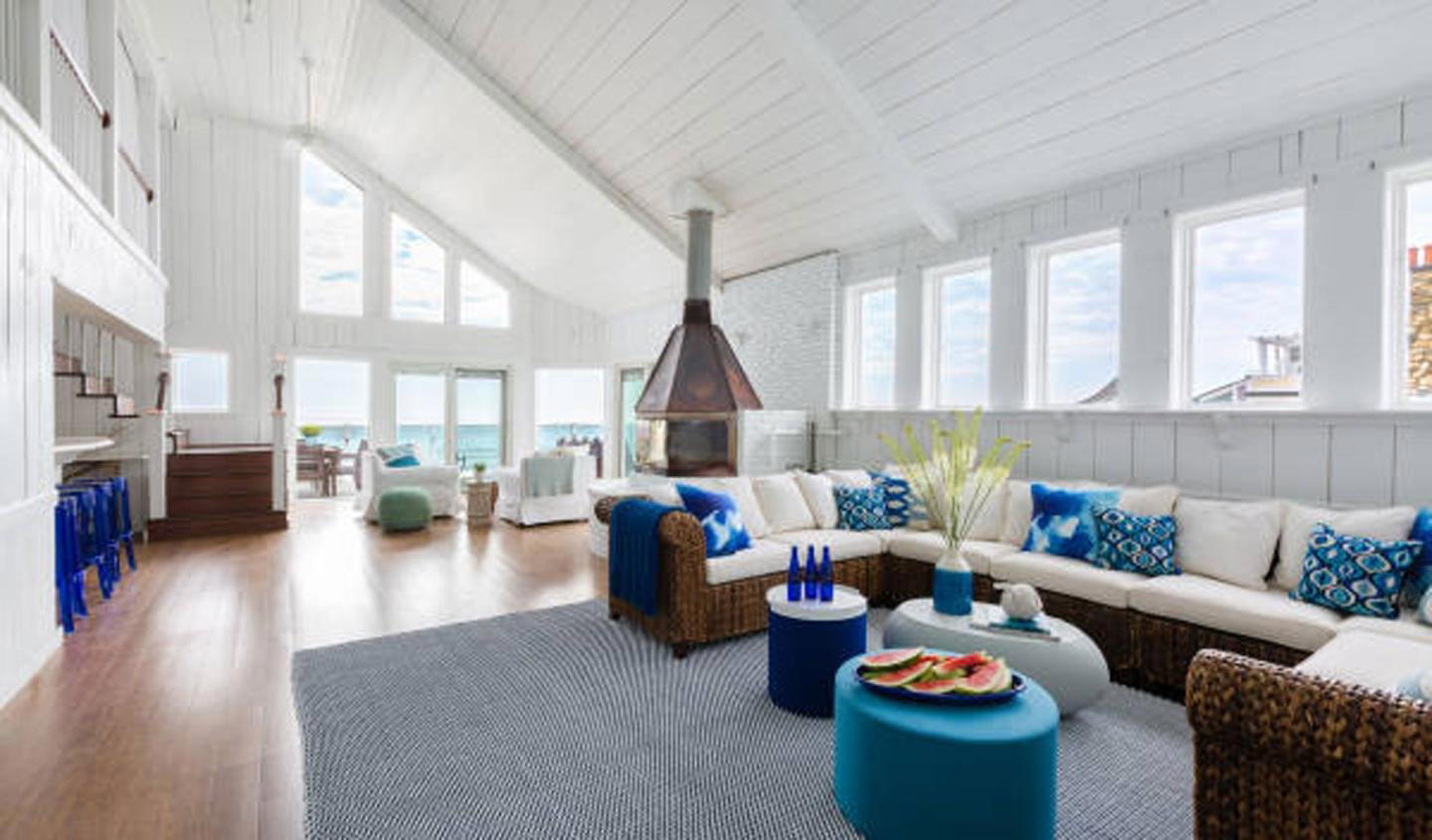
Bars in Gloucester
Browse all →

Restaurants in Gloucester
Browse all →

Wineries in Gloucester
Browse all →

Details
- Scenic
- Elegant
- Classic
- Cozy
- Romantic Getaway
- Family Vacation
- Weekend Escape
- Beachfront
- Rooftop Pool
- Waterfront
- Wi Fi
- Pool
- Fitness Center
- Room Service
- Concierge
- Beach Access
- Waterfront
- Wheelchair Accessible
- Step Free Entrance
Bright, welcoming nautical theme with clean, light, elegant beachy interiors and coastal décor.