Soko
Our verdict
Soko is a planned butcher shop and deli coming to Arlington, Massachusetts, joining a neighbourhood dining scene that rewards ingredient-led independents. For a town that already sustains neighbourhood staples across Vietnamese, pizza, and Cajun formats, a craft butcher-deli fills a clear gap. Watch this space as details on opening date and format emerge.

Pearl is the En Primeur Club membership app — saves, bookings, and concierge access live there. Same editors, same standards.
- Address
- 269 19th Court S., Suite 95, Arlington, VA 22202
- Website
- sokobutcher.com
Arlington's Appetite for Provenance
The butcher shop has been quietly reclaiming ground in American food culture for the better part of a decade. What began as a niche correction to the industrial meat supply chain has grown into a recognisable format: counter service built around sourcing transparency, in-house preparation, and a deli offer that turns the same quality cuts into ready-to-eat form. The format works well in food-literate neighbourhoods where customers ask where an animal was raised before they ask what it costs. Arlington, Massachusetts, sitting just northwest of Cambridge and drawing a population with deep ties to the broader Boston dining world, fits that profile.
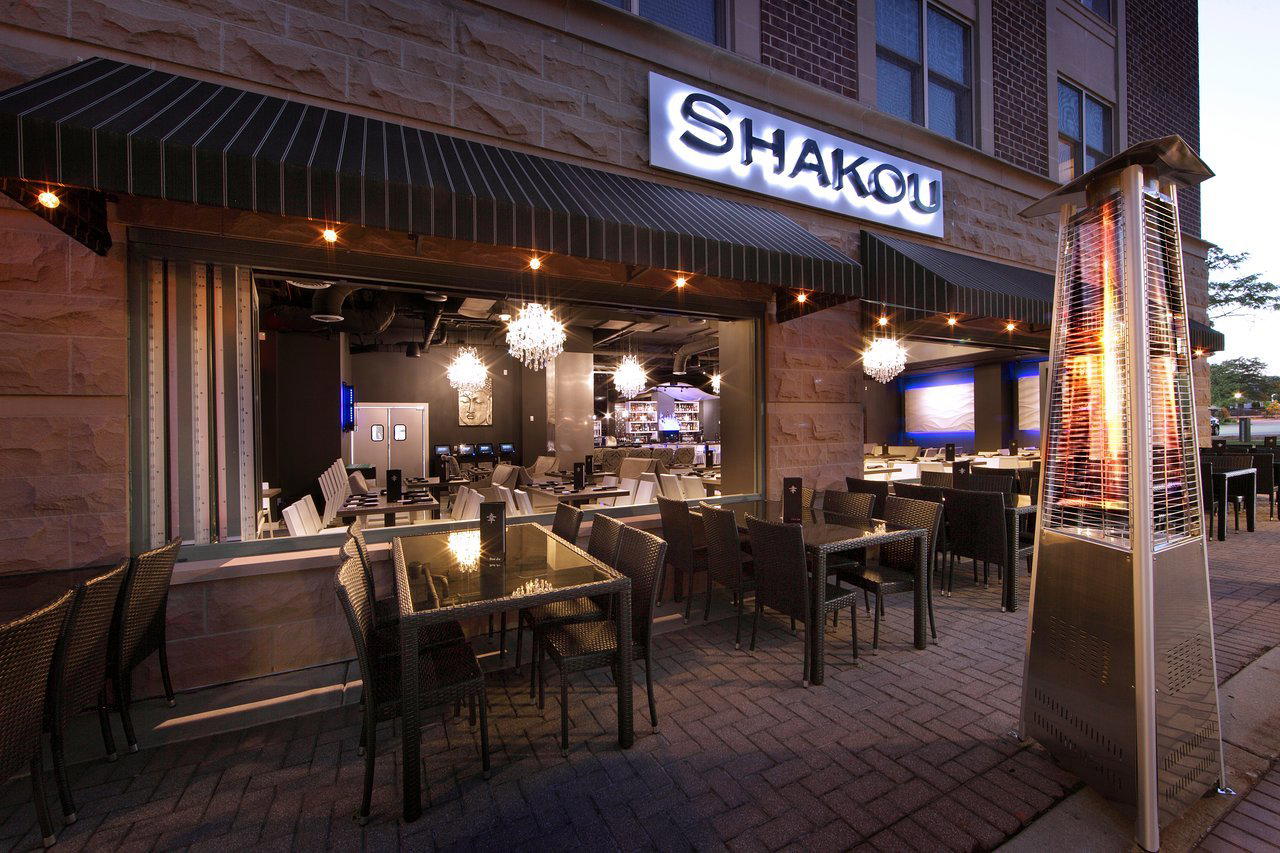
Into that context comes Soko (Arlington), a Modern Japanese Omakase restaurant in Arlington, MA, priced at about $65 per person. The address and hours remain unconfirmed. What the format itself tells us, even at this early stage, is something worth thinking through: a craft butcher-deli in this part of greater Boston arrives into a specific competitive and cultural context, and understanding that context is the most useful thing a prospective visitor can do right now.
Why Sourcing Is the Whole Story Here
In the butcher-deli format, sourcing is not a marketing layer placed over a product decision made for other reasons. It is the product decision. The choice of whether to work with regional farms, to specify heritage breeds, to handle whole animals, or to buy primal cuts from a single named supplier determines everything downstream: the flavour profile of the counter, the prices the operation can charge, the story the staff can credibly tell, and the degree to which the offer is replicable by a supermarket two kilometres away. Shops that have built sustained reputations in this format, across American cities from Brooklyn to Portland to Chicago, have done so by making sourcing commitments specific and then making those commitments visible at the counter.
This matters for Arlington because the neighbourhood dining scene is already well served by operations that take product quality seriously. A Modo Mio Pizzeria Napoletana holds the standard for ingredient-led Italian in the area, and Angie, with its French-influenced bistro sensibility, operates in a register where sourcing is assumed rather than optional. A butcher-deli entering this market will be compared, consciously or not, to those benchmarks. The question Soko will need to answer is not whether it sources well, but how specifically it can articulate and demonstrate that sourcing at the counter.
The Deli Half of the Equation
The deli counter is where the sourcing argument becomes an accessible dining proposition. A customer who may not buy a whole chicken or a rack of ribs to take home will buy a sandwich, a prepared side, or a hot plate built from the same animals on the butcher side. The deli function extends the butcher's reach without diluting its identity, provided the two halves share a coherent ingredient logic. Shops that have lost their footing in this format often did so by allowing the deli side to drift toward convenience sourcing while the butcher side maintained its farm relationships. Keeping both sides of the counter anchored to the same supply chain is operationally harder but commercially and reputationally essential.
Arlington already has a working model for how a counter-service operation can build a loyal following across a broad demographic. Bayou Bakery, Coffee Bar and Eatery has demonstrated that a daytime-focused, sandwich-and-plate format can sustain repeat traffic when the product is specific and the identity is clear. Pho 75 does something similar in the Vietnamese register: a focused menu built around a single strong product proposition, executed consistently. Soko's challenge and opportunity is to do the same thing with meat provenance as the central organising idea.
Arlington in the Broader Boston Food Conversation
Greater Boston has built a credible independent food culture across the last fifteen years, with particular depth in the Cambridge-Somerville-Arlington arc. The city's fine dining conversation is active enough to sustain reference points that compete nationally: restaurants along that corridor get coverage in publications that track the broader American independent restaurant scene alongside institutions like Le Bernardin in New York City, Lazy Bear in San Francisco, or Alinea in Chicago. That context matters less for a butcher-deli than for a white-tablecloth restaurant, but it signals something about the customer base: people in this part of Massachusetts know what good food sourcing looks like, and they pay attention to it.
Farm-to-counter operations in New England have a particular geographic advantage. The region's network of small-scale livestock farmers, many of whom already supply Boston-area restaurants, is dense enough to support meaningful sourcing relationships within a short supply radius. Whether Soko draws on that network, on national heritage breed suppliers, or on some combination of both will define its positioning more precisely than any marketing description could. For operations at the farm-sourcing end of the spectrum, peer references include Single Thread Farm in Healdsburg, which has made vertically integrated sourcing the foundation of its entire offer, albeit in a very different price tier and service format.
Planning Your Visit
Specific logistics including address and hours are not yet confirmed.
Emeril's in New Orleans and The French Laundry in Napa represent the fine dining end of the American sourcing conversation, where provenance is woven into menu language and tasting notes. The butcher-deli format makes that same conversation accessible at a counter, without the reservation window or the tasting menu commitment. It is, in that sense, a more democratic version of the same underlying argument about where food comes from and why it matters.
Frequently asked questions
What type of cuts and deli products can I expect from Soko in Arlington, MA?
Soko is structured as a butcher shop and deli, a format that typically spans whole and portioned fresh cuts alongside house-prepared deli items built from the same supply chain. No confirmed product list has been released ahead of the Arlington opening. Following the venue as it approaches launch will be the clearest way to see the counter's full scope.
What's the signature dish at Soko (Arlington planned)?
Soko has not yet opened, so no confirmed menu or signature items are available. The butcher shop and deli format suggests the counter will anchor its offer around whole-animal cuts and prepared deli selections built around traceable sourcing. Specific products will become clear closer to the opening date.
How far ahead should I plan for Soko (Arlington planned)?
Because Soko is a planned opening in Arlington, MA, no booking system or reservation policy is in place yet. Once operational hours and logistics are confirmed, planning guidance will be available through the venue's own channels. Checking back as the opening date approaches is the practical move.
What has Soko (Arlington planned) built its reputation on?
Soko is a pre-opening concept, so its reputation is not yet established by trading history or awards. The format, a butcher shop and deli in Arlington, MA, positions it within a broader American movement that treats sourcing decisions as the central product argument rather than a marketing addendum. Its standing will be earned at the counter once doors open.
Is Soko (Arlington planned) overpriced or worth every penny?
Pricing has not been confirmed for Soko Arlington. In the butcher-deli category, cost is typically tied directly to the supply chain: farms with documented welfare and land practices carry higher per-pound costs than commodity alternatives, and that difference lands on the price tag. Whether the sourcing transparency justifies the spend is a question the open counter will need to answer.
How It Stacks Up
Comparable venues nearby, for context on price, style, and recognition.
| Venue | Cuisine | Price | Notes |
|---|---|---|---|
| SokoThis venue — the venue you are viewing | Modern Japanese Omakase | $50–100 | Not listed |
| Angie | Dining | Not listed | Arlington |
| Soko | Modern Japanese Omakase | $50–100 | East Arlington |
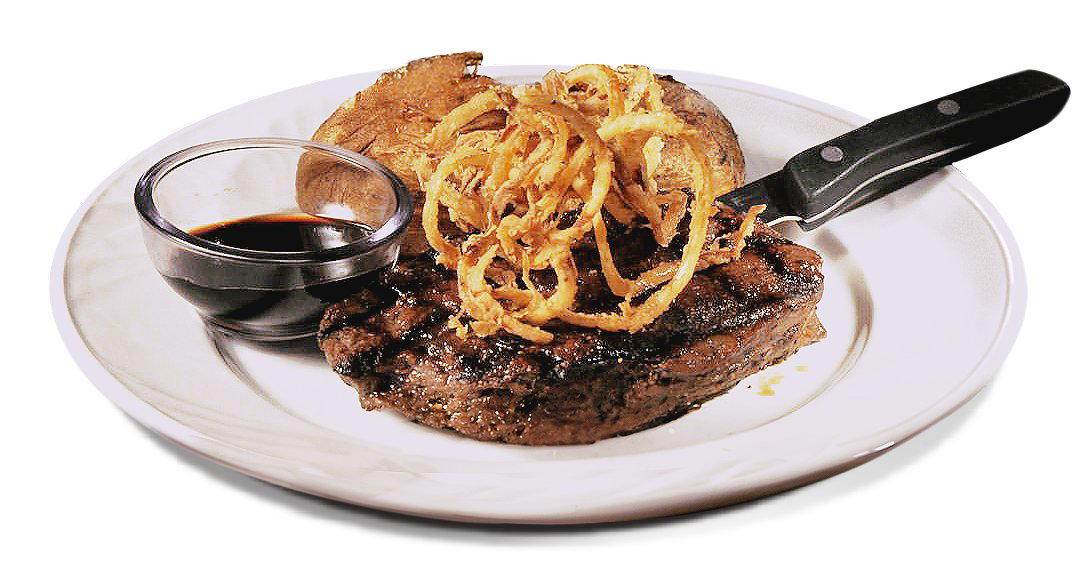
| Jimmy's Steer House | Classic American Steakhouse | $20–30 | East Arlington |
| Blue Ribbon Sushi | Premium Omakase Sushi | $50–100 | Kenmore |
Continue exploring
More in Arlington
Restaurants in Arlington
Browse all →
Bars in Arlington
Browse all →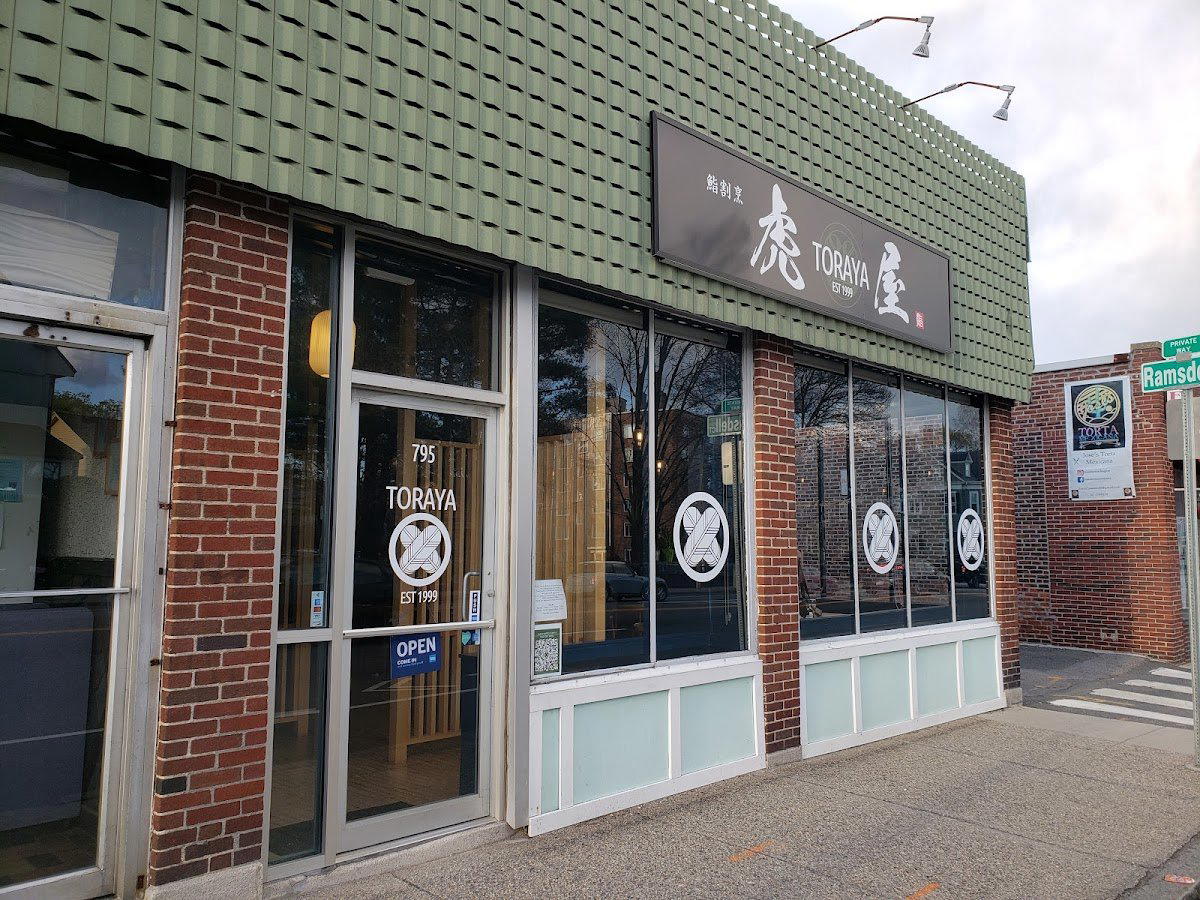
Details
- Modern
- Trendy
- Elegant
- Date Night
- Business Dinner
- Special Occasion
- Chefs Counter
- Open Kitchen
- Sake Program
- Omakase
- A La Carte
- Sake
- Pescatarian Friendly
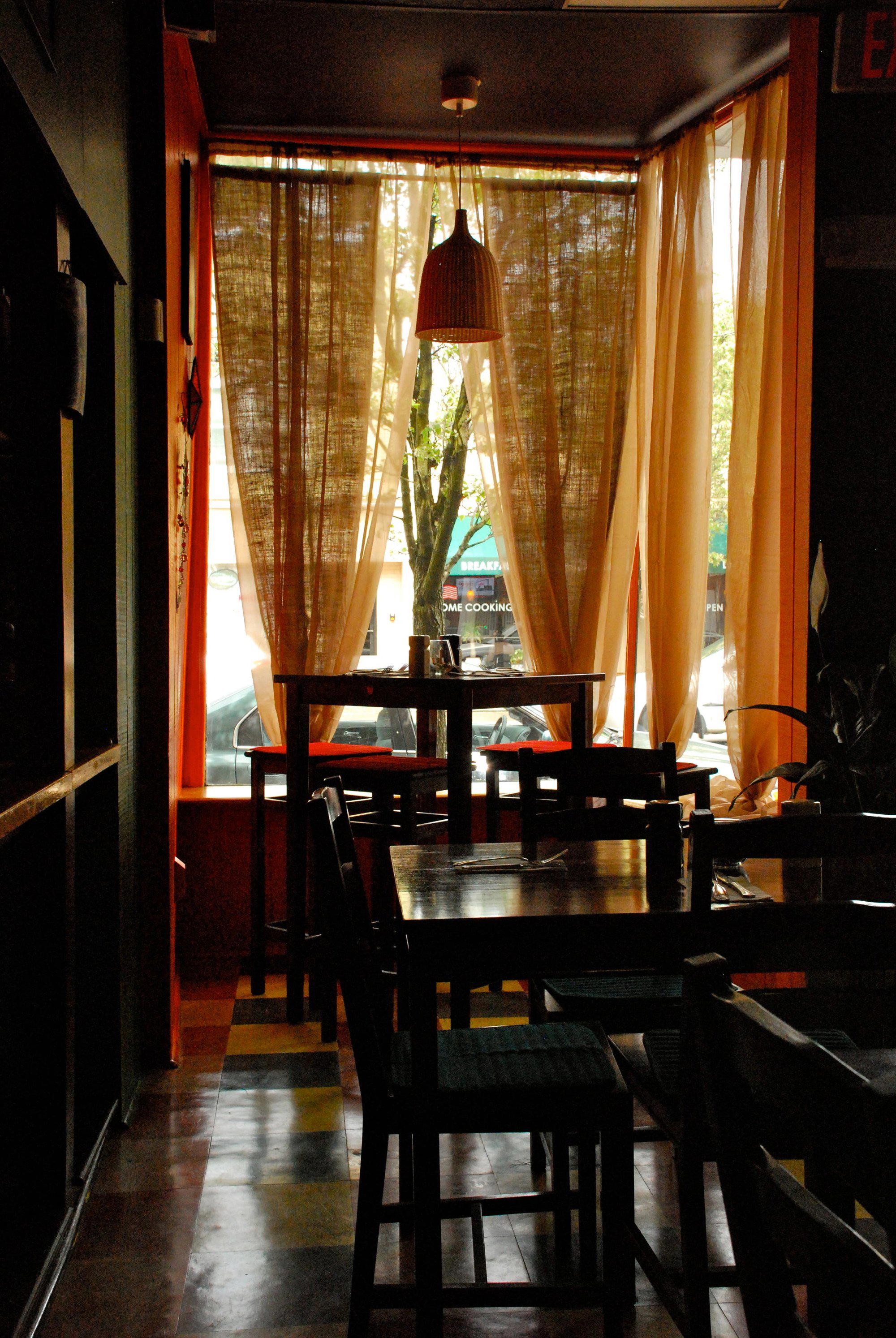
Modern, upscale atmosphere with contemporary design elements and attentive service.