Our verdict
On William Street South, Alfies occupies a corner of Dublin's increasingly serious mid-city dining scene. The address places it within walking distance of the creative restaurants reshaping the neighbourhood, and the kitchen draws on a sourcing-led approach that reflects a broader shift in how Irish restaurants now think about what arrives at the pass.

Pearl is the En Primeur Club membership app — saves, bookings, and concierge access live there. Same editors, same standards.
- Address
- 10 William St S, Dublin, D02 TE80, Ireland
- Phone
- +35316718767
- Hours
- Mon–Thu 12–11:30 PMFri 12 PM–12 AMSat 12 PM–1 AMSun 12–11 PM
- Website
- alfies.ie
- Directions
- Get directions
- Booking
- Book on OpenTable
William Street South and the Sourcing Question
Dublin's dining scene has, over the past decade, split along a visible fault line. On one side sit the formal rooms built around classical French technique, places like Patrick Guilbaud and Glovers Alley, where the architecture of the menu is as considered as the cooking itself. On the other side, a newer generation of kitchens has built its reputation almost entirely on what the island produces, treating ingredient sourcing not as a marketing point but as the actual intellectual engine of the menu. Alfies, at 10 William Street South in Dublin 2, belongs to this second current.
William Street South and the grid of streets around it, including Drury Street and Exchequer Street, have become Dublin's most consistent pocket of serious casual dining. The neighbourhood draws a crowd that skews younger and more food-literate than the traditional hotel-dining circuit, and the restaurants that have flourished here tend to share a preference for shorter menus built around what is available rather than what is predictable. Bastible, further south on Leonard's Corner, set an early template for this approach in Dublin. Alfies sits within the same broad tendency, though the William Street location gives it a more central, walk-in-friendly position.
What the Sourcing Model Means in Practice
The wider Irish restaurant shift toward ingredient-led cooking did not happen in isolation. It parallels what has been happening in Britain, Scandinavia, and coastal Spain for the better part of two decades: chefs building direct relationships with growers, fishers, and smallholders, and allowing those relationships to determine the shape of each service rather than fitting seasonal produce into a fixed menu template. In Ireland, the geography makes this approach particularly coherent. The island's relatively small scale means a Dublin kitchen can maintain genuine supplier relationships with producers in Cork, Kerry, or the midlands without the logistical strain that would make the same model harder to sustain in a larger country.
What this produces, at the table, is a menu that shifts more frequently than diners accustomed to large, laminated offerings might expect. A dish available on one visit may not be there on the next, because the kitchen is working to what the supplier has rather than to a fixed quarterly cycle. This requires a certain kind of trust from the diner, and a willingness to accept that the server's verbal descriptions or daily specials board will carry as much weight as anything printed. Restaurants operating at this end of the spectrum in Ireland, from Aniar in Galway to Chestnut in Ballydehob and Liath in Blackrock, have trained their regulars to arrive with curiosity rather than expectation.
The Dublin Context: A City Catching Up with Its Producers
Ireland's food production base has always been strong. The dairy output is significant by European standards, the beef and lamb sectors are well-regarded internationally, and the Atlantic coastline generates shellfish, in particular oysters and mussels, that travel to high-end tables across Europe. For much of the twentieth century, however, the country's own restaurants did not use that output in any sophisticated way. The finest produce was exported while domestic dining ran on imported frameworks, French mostly, with little attempt to develop a distinctive Irish culinary identity.
That has changed substantially since the early 2010s. A cluster of kitchens, many of them outside Dublin, began building menus that were explicitly rooted in Irish producers and Irish seasons. dede in Baltimore brought a Turkish-Irish hybrid approach to West Cork produce. Terre in Castlemartyr and Lady Helen in Thomastown built hotel dining programs around estate and regional sourcing. Bastion in Kinsale, Campagne in Kilkenny, and Homestead Cottage in Doolin each reflect the same conviction at different price points and in different regional contexts. Dublin has been slower to consolidate this identity in its city-centre addresses, partly because the overhead costs of a D2 postcode push kitchens toward higher margins and more conservative menus. Alfies represents one attempt to hold the sourcing logic in a central Dublin location.
For comparison, consider how sourcing-first restaurants in other cities have handled the same tension. Le Bernardin in New York City built its entire reputation on the quality and provenance of its fish, and the menu structure exists to serve that sourcing commitment rather than the other way around. At the other end of the formality spectrum, Atomix in New York City deploys a tasting card system that foregrounds producer and regional identity at each course. The mechanics differ but the editorial priority is the same: the ingredient's origin is the argument.
Dublin's dining tier structure has grown more granular. The formal end, anchored by Chapter One by Mickael Viljanen and Patrick Guilbaud, operates on multi-course tasting formats with full wine programs and price points that clear €150 per head without difficulty. A second tier, which includes D'Olier Street and the more ambitious neighbourhood rooms, runs shorter menus at moderate prices and competes on cooking quality rather than occasion dressing. Alfies appears to sit within this second tier, where the sourcing story and the quality of execution carry the room rather than any theatrical element of the service or setting.
This is a competitive position. The William Street South corridor gives Alfies proximity to a self-selecting audience that is already engaged with food quality, but it also places it within minutes of a number of strong alternatives. In that context, the ingredient sourcing model is not just an ethical stance but a point of genuine commercial differentiation: if the menu is built around what a specific supplier delivered that week, there is no direct comparison to be made with the kitchen around the corner.
Planning a Visit
Alfies is located at 10 William Street South, Dublin 2, a short walk from St Stephen's Green and the George's Street Arcade, in an area well served by the Luas green line at the St Stephen's Green stop. The neighbourhood is walkable from most central Dublin hotels, and the surrounding streets are dense with bars and cafes that make an early arrival or a post-dinner drink direct to arrange. For readers building a wider Dublin itinerary, the EP Club Dublin restaurants guide maps the full range of the city's dining options across neighbourhoods and price points. Given the sourcing-led format, calling ahead or checking current availability is advisable rather than assuming walk-in access, particularly on weekend evenings when the neighbourhood generates significant foot traffic. The House in Ardmore offers a useful point of comparison for those travelling beyond the capital and wanting a similar ingredient-first sensibility in a coastal setting.
Frequently asked questions
What is the signature dish at Alfies?
How hard is it to get a table at Alfies?
What makes Alfies worth visiting specifically in Dublin 2?
Is Alfies suitable for a special occasion dinner in Dublin?
Accolades, Compared
Comparable venues nearby, for context on price, style, and recognition.
| Venue | Cuisine | Price | Notes |
|---|---|---|---|
| AlfiesThis venue — the venue you are viewing | Modern European & International | $20–30 | Not listed |
| NORTH at The Address Connolly | Modern European with Irish Produce | $20–30 | Mountjoy A |
| Carluccio's | Authentic Italian | $20–30 | Mansion House A |
| Cafe Topolis | Traditional Italian Pizza and Pasta | $20–30 | Royal Exchange A |
| The Little Kitchen | Modern Irish | $30–50 | Pembroke West C |
| Millstone | Irish Steakhouse | $30–50 | Royal Exchange A |
Continue exploring
More in Dublin
Restaurants in Dublin
Browse all →
Bars in Dublin
Browse all →
Hotels in Dublin
Browse all →
Wineries in Dublin
Browse all →
Details
- Trendy
- Modern
- Lively
- Elegant
- Date Night
- Casual Hangout
- Group Dining
- Open Kitchen
- Craft Cocktails
- Local Sourcing
- A La Carte
- Cocktails
- Vegetarian Friendly
- Gluten Free Options
Current opening hours
- Monday
- 12–11:30 PM
- Tuesday
- 12–11:30 PM
- Wednesday
- 12–11:30 PM
- Thursday
- 12–11:30 PM
- Friday
- 12 PM–12 AM
- Saturday
- 12 PM–1 AM
- Sunday
- 12–11 PM
Hours can change for holidays and private events. Last verified .
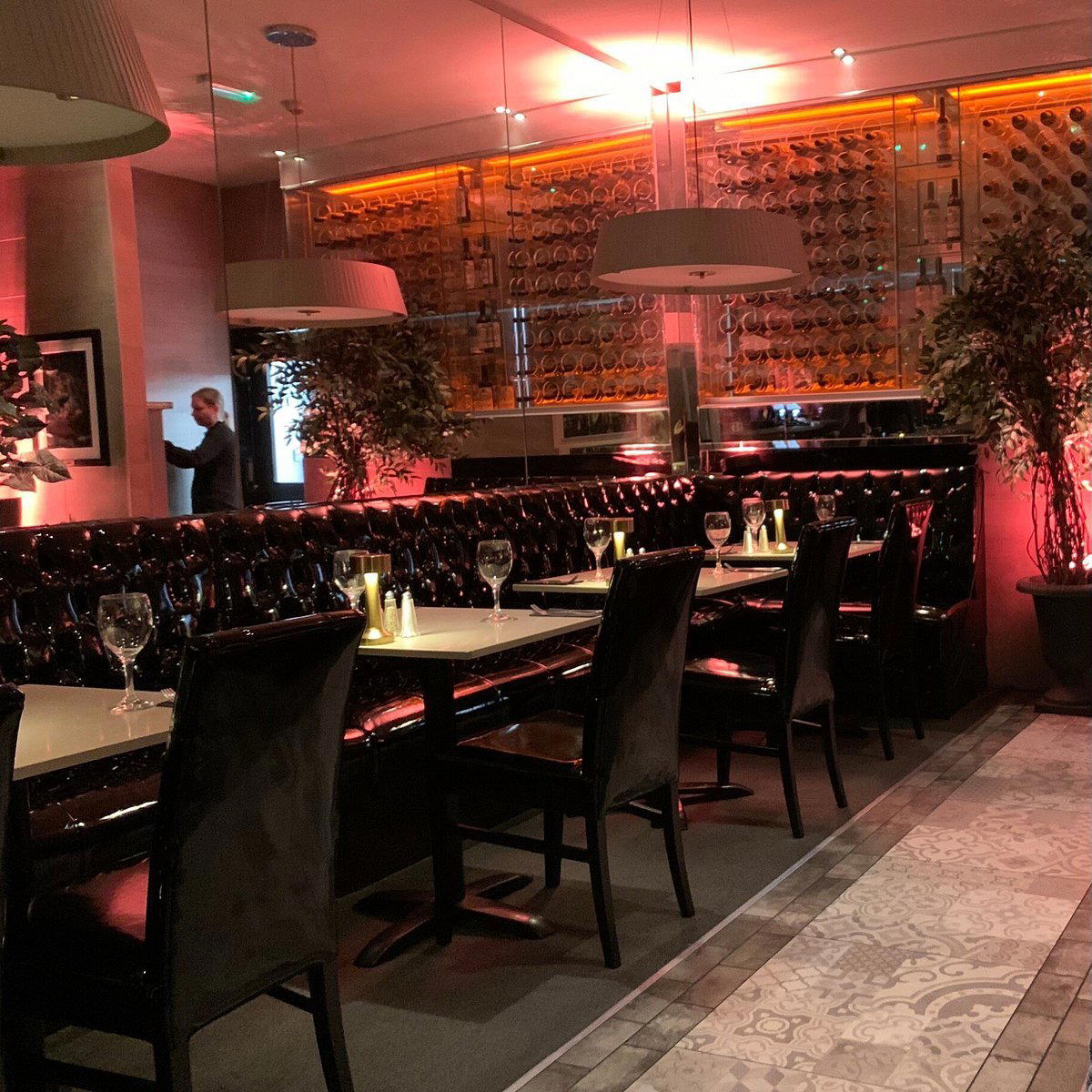
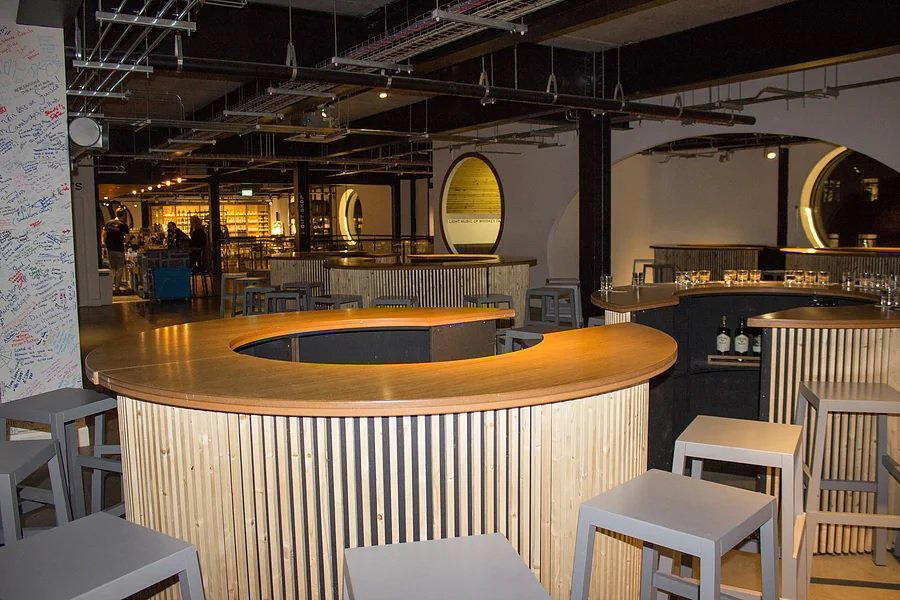
Trendy and modern atmosphere with glitter balls, chandeliers, richly upholstered banquettes, and cozy booths overlooking the scene.