Google: 4.8 · 1,059 reviews
Alchémille




Michelin-starred Alchémille elevates Kaysersberg fine dining through chef Jérôme Jaegle's revolutionary permaculture-to-plate philosophy, where seasonal tasting menus showcase ingredients from three on-site gardens in a minimalist setting that earned both Michelin star and Green Star recognition.
 Discover on Pearl
Pearl is the En Primeur Club membership app — saves, bookings, and concierge access live there. Same editors, same standards.
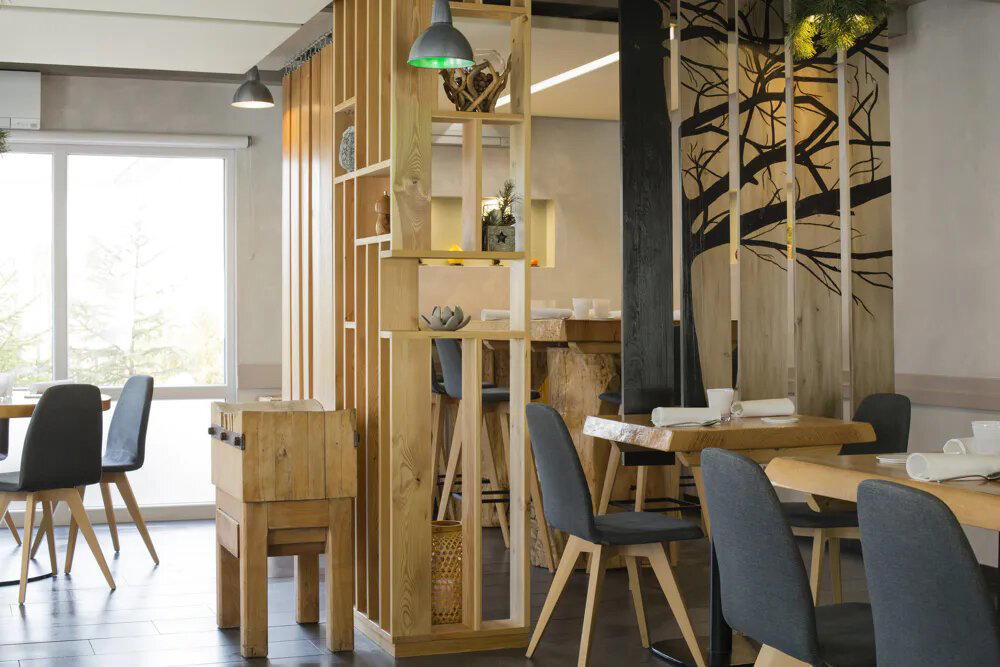
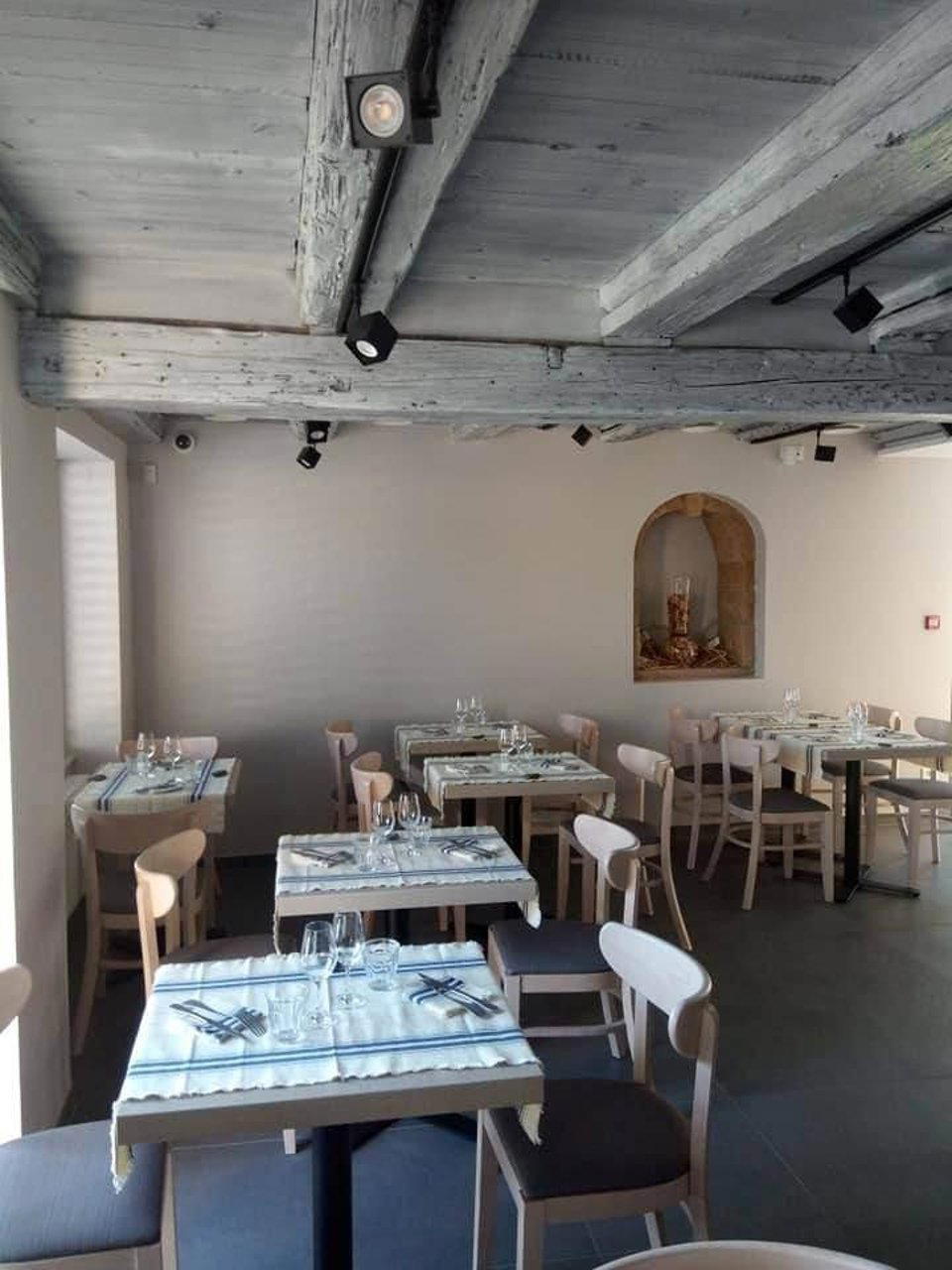
Light Wood, Dark Soil: The Room Alchémille Occupies
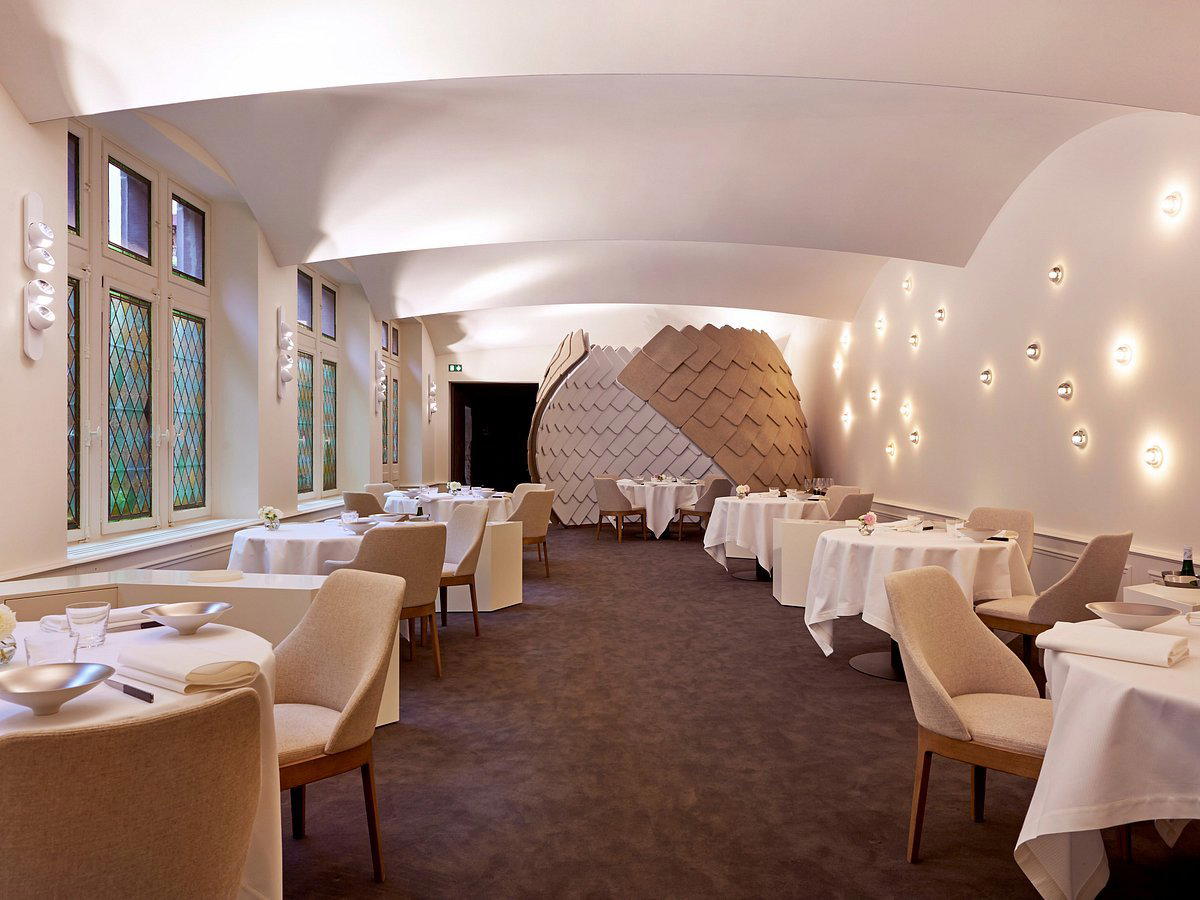
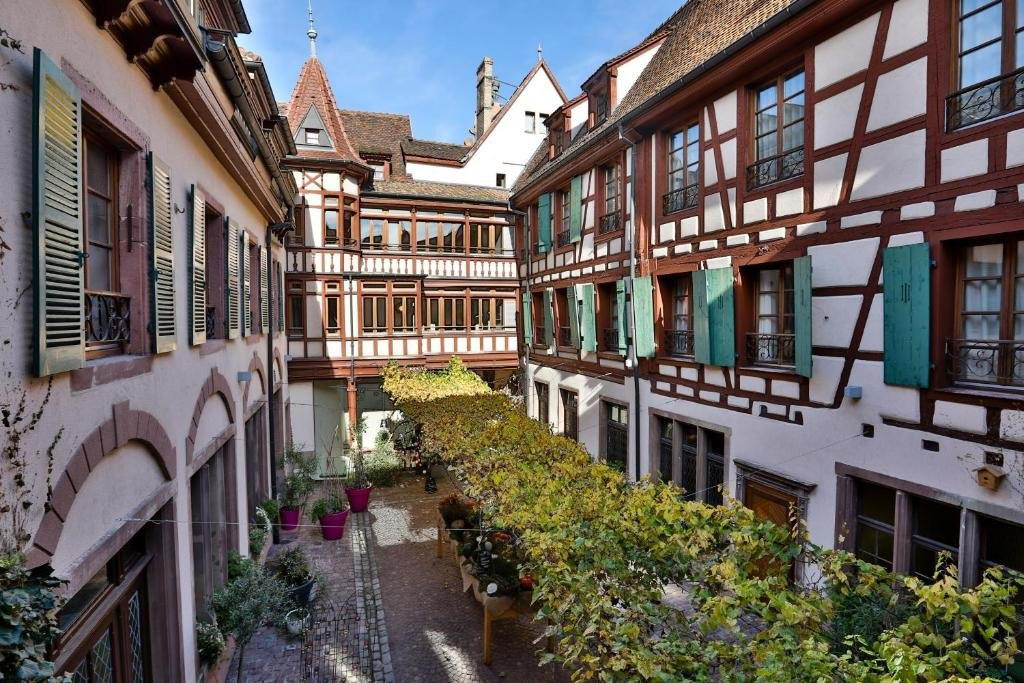
The route into Kaysersberg from Lapoutroie winds through a corridor of vine-covered slopes and dense fir forests before the village announces itself with its fortified tower and half-timbered facades. On that approach road, at number 53, sits a former bar whose interior has been stripped back and rebuilt in pale wood and natural materials. The effect is closer to a Scandinavian dining room than the dark-beamed winstubs that define much of Alsatian restaurant culture. That deliberate visual departure is not decoration for its own sake: it signals a kitchen that treats the region's ingredients as raw material for something more considered than choucroute and baeckeoffe, however honourable those traditions remain.
Alsace has always maintained a parallel track alongside its folkloric hearth cooking: a lineage of technically rigorous, produce-focused restaurants that treat the Rhine plain and Vosges foothills as a pantry of serious depth. Alchémille occupies a specific position within that track, one where the kitchen garden precedes the stove in the order of creative decision-making.
What the Garden Decides
The restaurant's name references Alchemilla, the lady's mantle plant long associated with transformation and remedy. That reference extends into the kitchen's organising logic. Vegetables and herbs grown on-site shape the daily direction of the menu, with what the garden and local markets yield each morning determining what appears on the plate that evening. This is not the decorative kitchen-garden gesture that appears on many restaurant websites; at Alchémille, permaculture practice and market sourcing are the structural foundation of the menu, not its garnish.
France has a handful of restaurants that have made plant-centred cooking the centre of gravity rather than a supporting register. The Bras family at Bras in Laguiole established that a Michelin-starred kitchen could treat wild herbs and vegetable matter with the same rigour applied elsewhere to luxury proteins. Mirazur in Menton built its international reputation on a kitchen garden that runs down to the Mediterranean. Alchémille operates within the same broader argument: that provenance and plant knowledge are as demanding a discipline as classical sauce work, and that Alsace's specific terroir, with its continental climate, loam-rich soils, and Germanic herb traditions, gives that discipline a distinct regional character.
The We’re Smart Green Guide, which ranks restaurants globally on their commitment to vegetable-forward cooking, awarded Alchémille its maximum rating of five radishes and named it Discovery of the Year for France in 2021. That recognition places the kitchen within a peer set defined not by price tier or geographic region but by depth of horticultural and culinary commitment to plant-based technique. The award carries weight precisely because it is issued by specialists evaluating ingredient philosophy rather than generalist guides scoring room and service.
The Culinary Lineage Behind the Garden
Technique in a kitchen like this does not arrive without foundation. The chefs whose cooking most shaped this region's modern identity, among them Jean-Yves Schillinger and Christian Tétedoie (chairman of the Master Cooks of France), both appear in the formative record of chef Jérôme Jaegle, who was born in the village and returned to open Alchémille in the building that once housed a local bar. That local rootedness matters: this is not a chef who arrived from a metropolitan kitchen to impose a style, but one who trained at a high level and brought that training back to a specific place and its specific ingredients.
The family background adds another layer. Jaegle grew up in a household where butchery and food production were trade, not hobby, giving him a material understanding of ingredients that runs alongside rather than against his permaculture practice. Alsace’s culinary tradition is deeply tied to family transmission, from the multigenerational lineage at Auberge de l’Ill in Illhaeusern to the way regional producers maintain relationships across generations. Alchémille sits inside that value system even as its kitchen grammar departs from the region’s classical repertoire.
Where It Sits in Kaysersberg’s Dining Picture
Kaysersberg punches above its size for a village of under three thousand residents. The most prominent address is Le Chambard, whose associated restaurant La Table d’Olivier Nasti holds two Michelin stars and anchors the village’s upper tier of formal dining. At the other end of the price scale, Winstub du Chambard and La Vieille Forge offer accessible Alsatian and modern cuisine at the €€ price point. Alchémille, at €€€€, occupies the premium single-star tier: comparable in price to La Table d’Olivier Nasti but with a fundamentally different culinary orientation. Where Nasti’s cooking draws on classical Alsatian luxury produce and technique, Alchémille’s logic runs through the kitchen garden outward. The two restaurants represent genuinely different arguments about what fine dining in this region should be, and that makes Kaysersberg more interesting as a destination than a village of its size has any structural reason to be.
Opinionated About Dining, one of the more demanding independent benchmarks for classical European restaurants, has tracked Alchémille consistently since 2023 and ranked it at number 349 in its 2025 classical European list, up from 368 in 2024. A Michelin star, confirmed in 2024, completes the picture of a kitchen that has moved from local recognition to sustained international attention across multiple evaluation frameworks. For context on how that benchmark compares at the national level, Alléno Paris au Pavillon Ledoyen and Flocons de Sel in Megève represent the stratosphere of French dining that the OAD list encompasses. Alchémille’s position in the same list, from a village in Alsace, reflects meaningful critical consensus.
The broader French fine dining conversation, which includes Troisgros in Ouches, Paul Bocuse in Collonges-au-Mont-d’Or, and internationally, Hôtel de Ville Crissier and Sézanne in Tokyo, increasingly accommodates the argument that ingredient philosophy and terroir coherence carry as much critical weight as classical technique. Alchémille makes that argument from a specific Alsatian address, with evidence that the critical community is listening.
Planning a Visit
Alchémille sits on the Route de Lapoutroie just outside the old village centre, accessible on foot from Kaysersberg’s pedestrian core in a few minutes. The restaurant’s Google review average of 4.8 across more than a thousand responses suggests consistent execution across a broad range of visits, which is a more reliable signal than a handful of press reviews. The €€€€ price band places it at the premium end of the village’s range, comparable in spend to La Table d’Olivier Nasti. Booking ahead is advisable, particularly during the Alsace wine harvest season in autumn and the Christmas market period in late November and December, when Kaysersberg draws visitors from across Europe and accommodation in the village becomes scarce. For accommodation options, our full Kaysersberg hotels guide covers the current field. Broader planning for the village is covered in our guides to Kaysersberg restaurants, bars, wineries, and experiences.
At-a-Glance Comparison
These are the closest comparables we have in our database for quick context.
| Venue | Cuisine | Price | Awards | Notes |
|---|---|---|---|---|
| Alchémille | French | €€€€ | Michelin 1 Star | This venue |
| La Table d'Olivier Nasti | French, Creative | €€€€ | Michelin 2 Star | French, Creative, €€€€ |
| Winstub du Chambard | Alsatian | €€ | Alsatian, €€ | |
| La Vieille Forge | Modern Cuisine | €€ | Modern Cuisine, €€ | |
| Le Chambard | French Alsatian | French Alsatian |
Continue exploring
More in Kaysersberg
Restaurants in Kaysersberg
Browse all →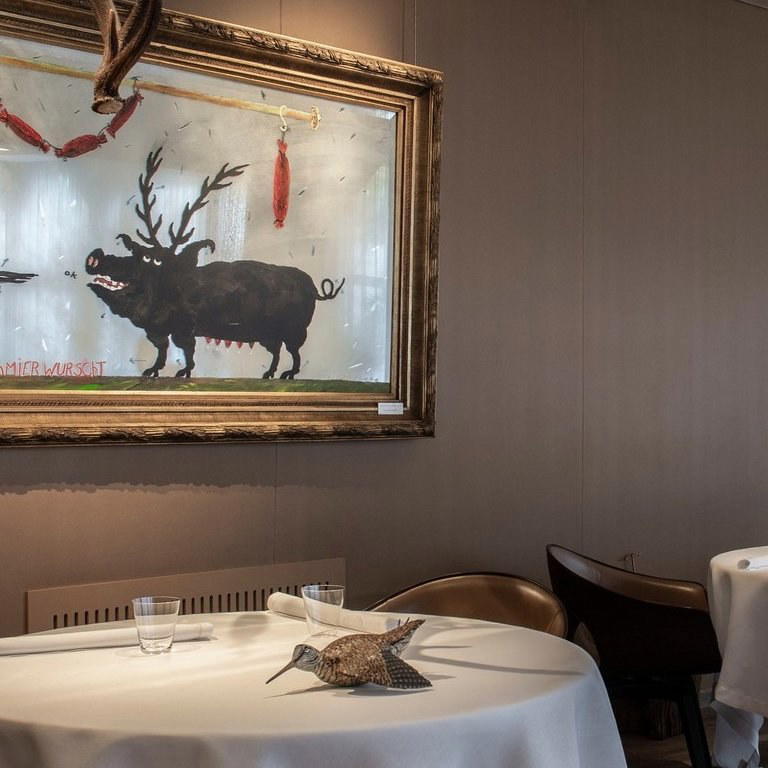
Bars in Kaysersberg
Browse all →
Hotels in Kaysersberg
Browse all →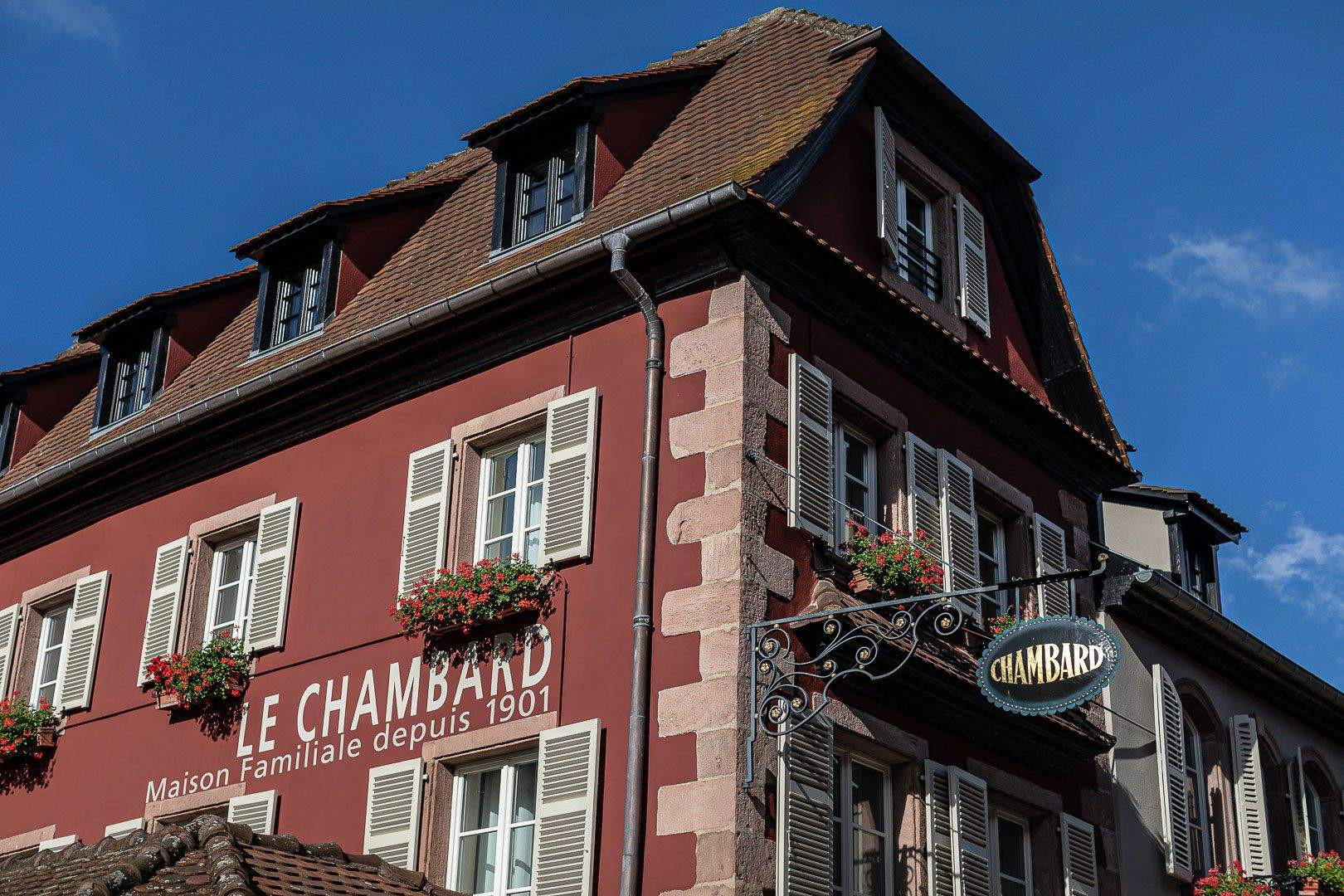
At a Glance
- Cozy
- Elegant
- Minimalist
- Intimate
- Sophisticated
- Date Night
- Special Occasion
- Garden
- Open Kitchen
- Extensive Wine List
- Farm To Table
- Local Sourcing
- Garden
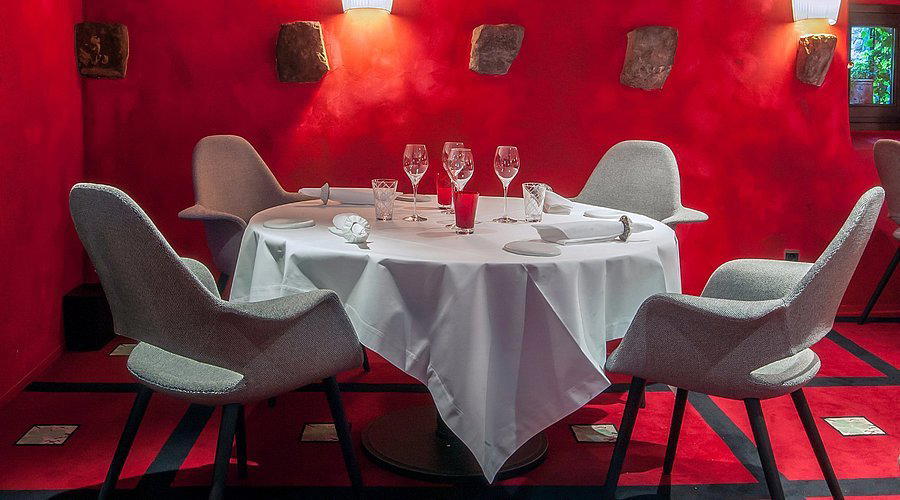
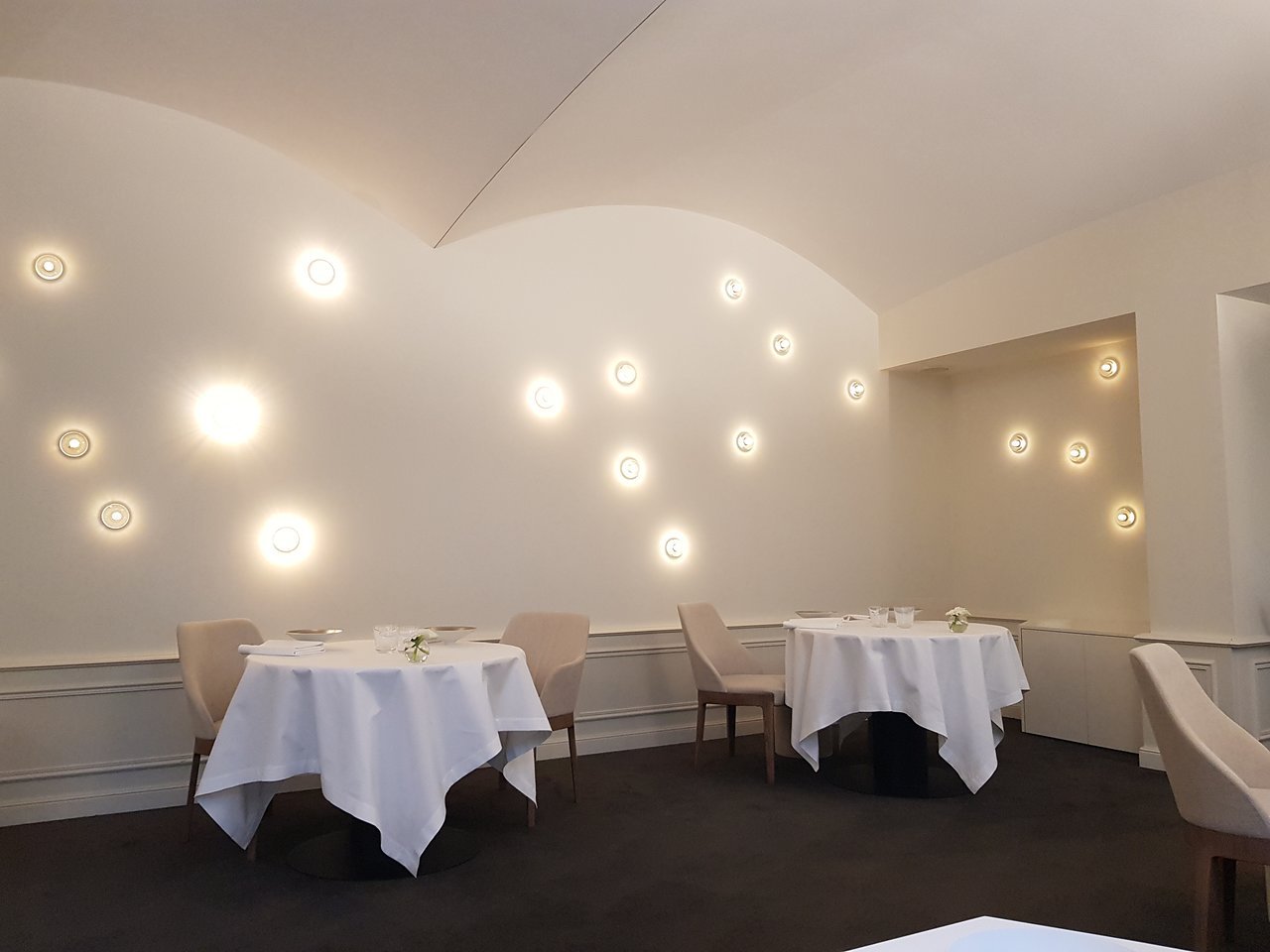
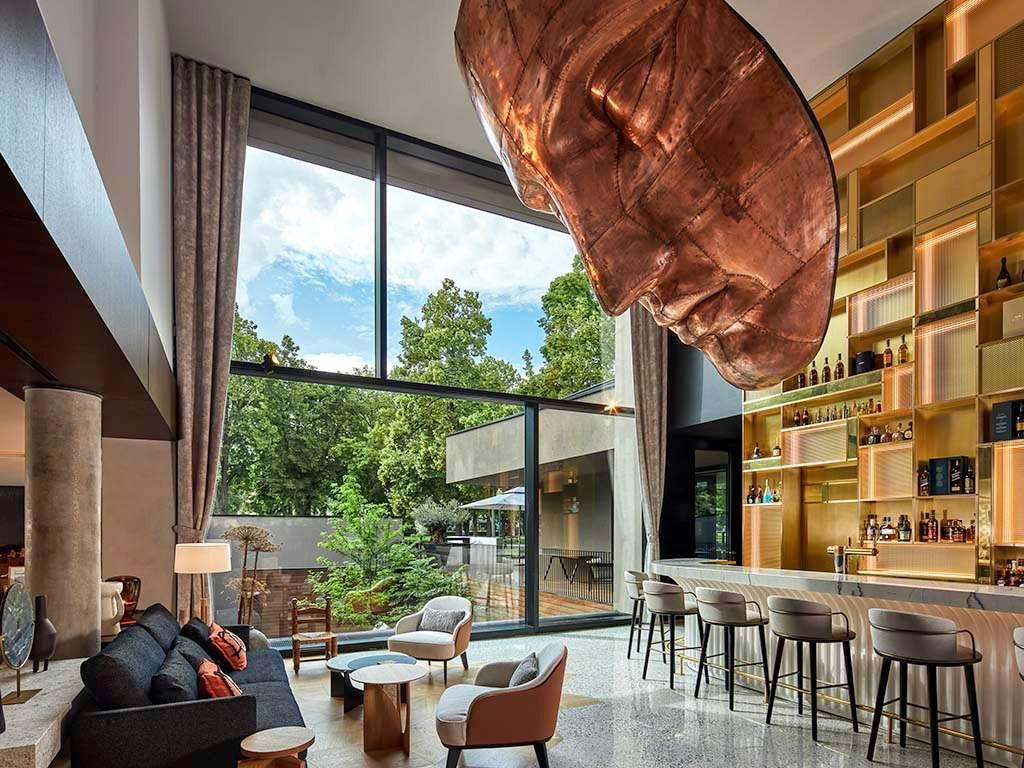
Minimalist decor with light wood and natural materials creating a zen, subdued, and natural atmosphere.