Google: 4.5 · 800 reviews
Le Chambard


Le Chambard sits at the fine dining tier of Kaysersberg's small but serious restaurant scene, holding two Michelin stars in 2025 and a 96-point score from La Liste Top Restaurants 2026. Chef Olivier Nasti's kitchen works within the Alsatian culinary canon while pressing against its boundaries, positioning the address alongside France's more ambitious regional houses rather than its tourist-facing peers.
 Discover on Pearl
Pearl is the En Primeur Club membership app — saves, bookings, and concierge access live there. Same editors, same standards.
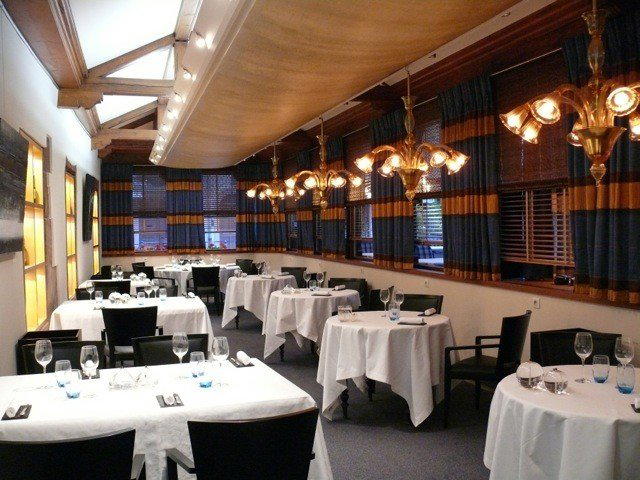
A Village Address with a Serious Kitchen
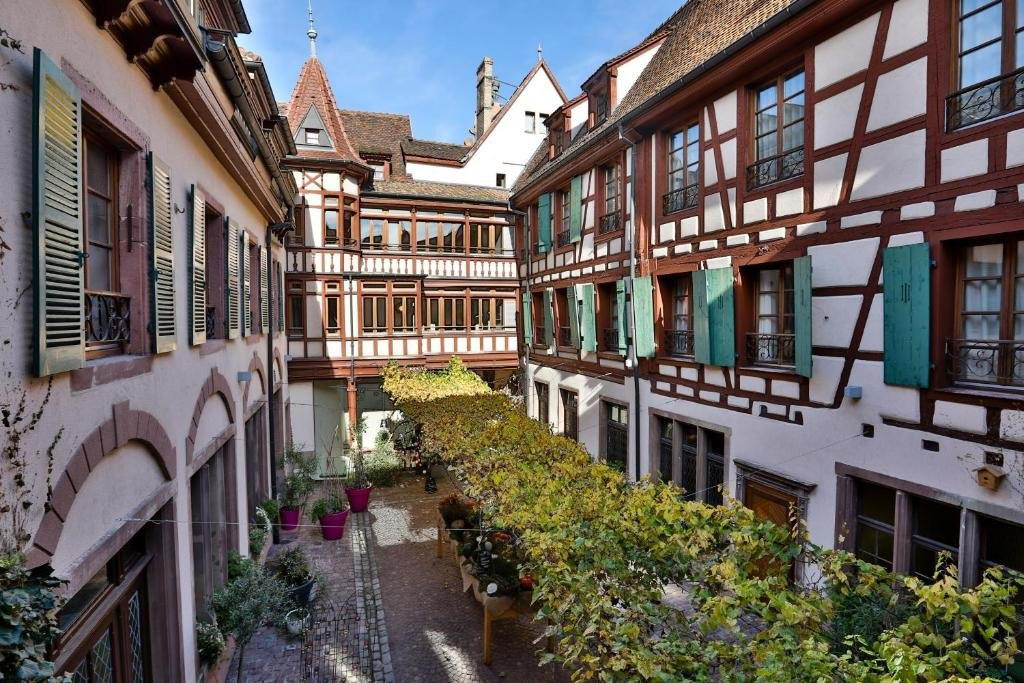
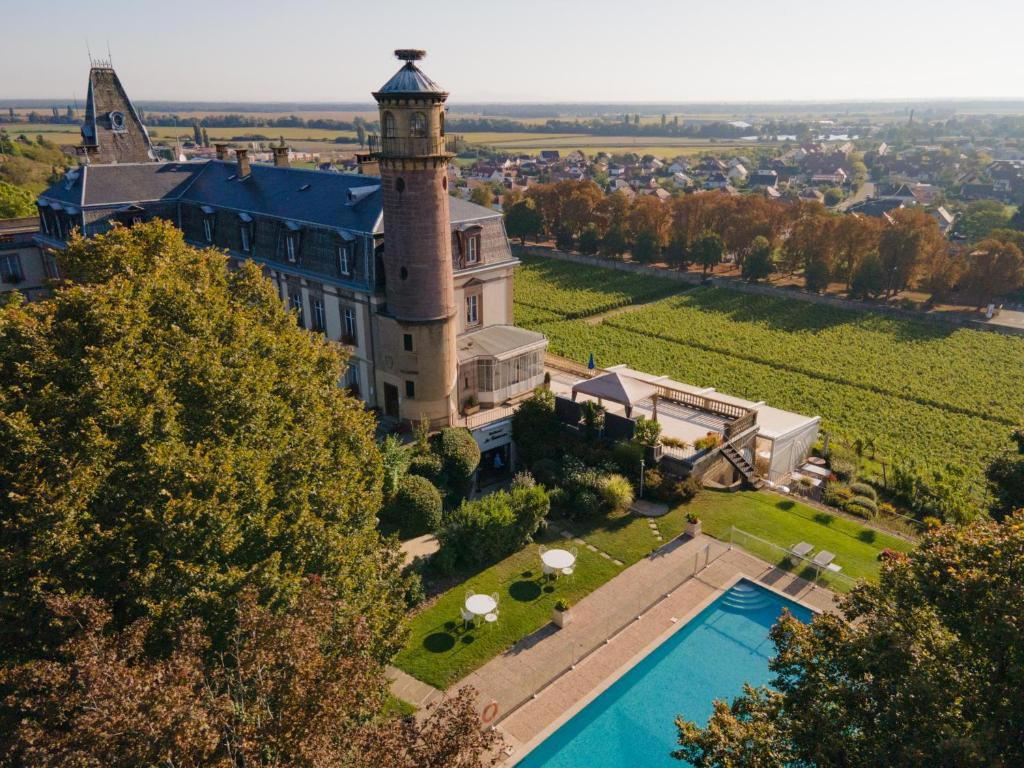
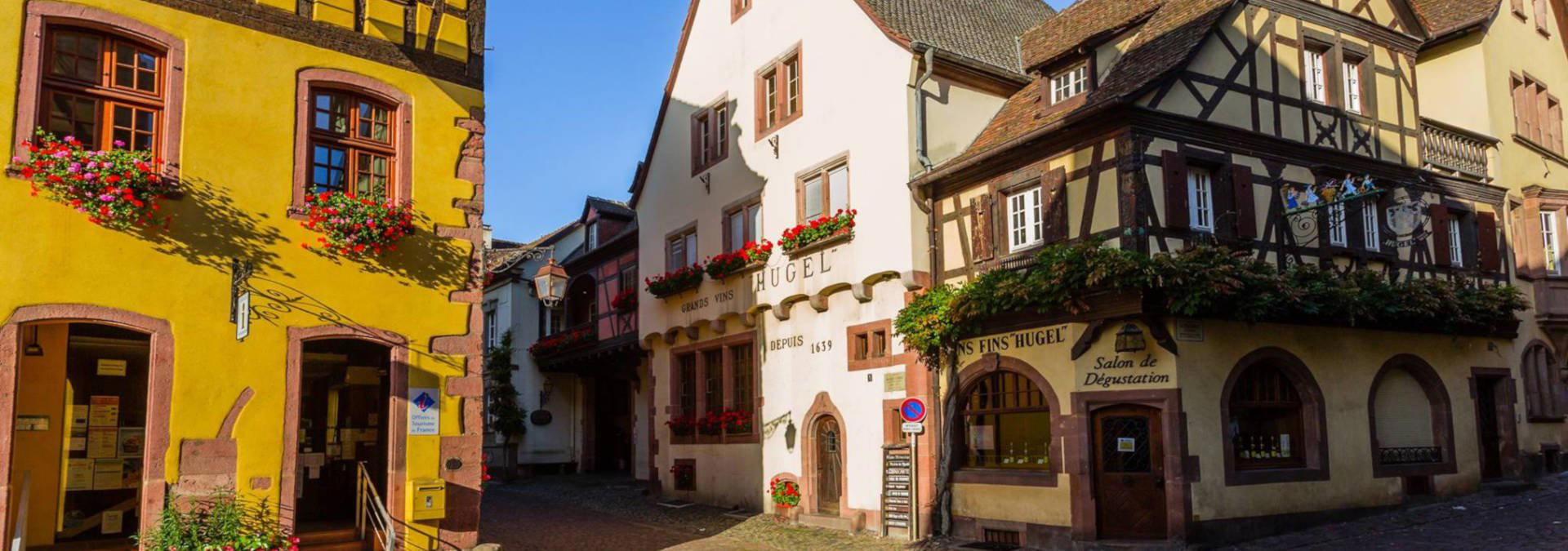
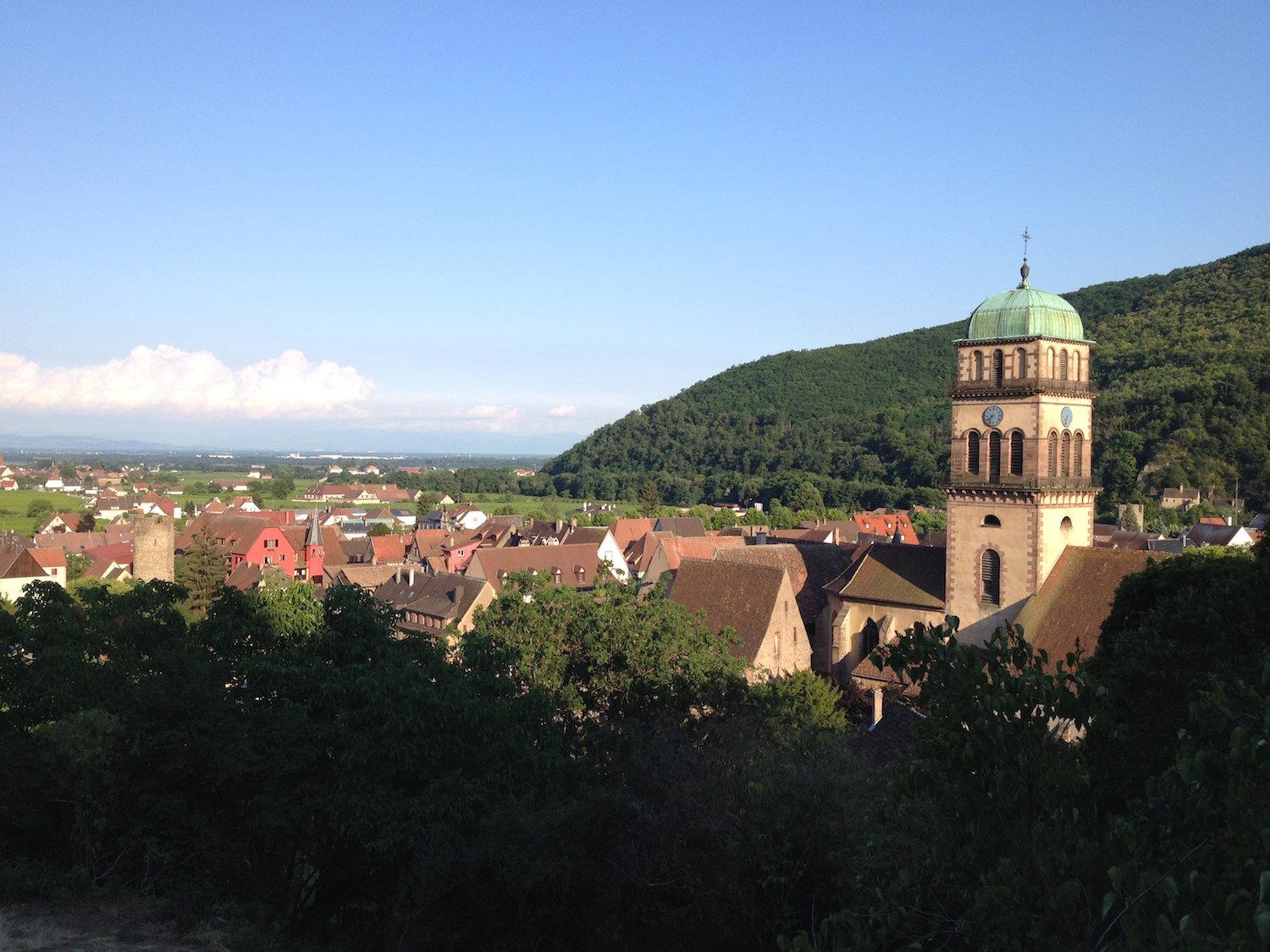
Kaysersberg is the kind of Alsatian village that makes restraint difficult: half-timbered facades, a medieval tower above the Weiss river, vine-covered hillsides climbing toward Grand Cru plots. The Route des Vins runs straight through it. Against that backdrop, rue du Général de Gaulle functions as a quiet main artery, and Le Chambard occupies a prominent position along it at number 13. The building signals its ambitions in the way that long-established French houses tend to, through accumulated substance rather than conspicuous renovation. Arriving here, you are not entering a destination engineered around its own spectacle. You are entering a place that has earned its position inside a culinary tradition and continues to argue with it.
Where Classical Alsatian Cooking and Contemporary Ambition Meet
The tension at the centre of serious French regional cooking in the current decade is not simply old versus new. It is a more specific friction between the obligations a kitchen carries toward its terroir and the ambitions it holds for technique and expression. Alsace presents that friction in particularly sharp relief. The region's culinary identity is among the most codified in France: choucroute, baeckeoffe, foie gras preparations, Riesling reductions, freshwater fish from the Rhine plain. These are not suggestions. They are a grammar that Alsatian kitchens at every price point have to answer to.
At the two-Michelin-star level, the question is how that grammar gets extended rather than simply reproduced. La Table d'Olivier Nasti, the flagship tasting-menu format operating out of the same address, represents Nasti's answer to that question most completely, with a €€€€ price tier that places it in direct conversation with serious regional houses across France. Le Chambard as a broader entity holds those ambitions across formats, from the tasting counter to Winstub du Chambard, the Alsatian brasserie-register offering on the same site that operates at a €€ price point and lets the kitchen speak in a more relaxed register.
That split-format structure is itself an editorial statement. The houses in France that have managed two or three Michelin stars over sustained periods — Auberge de l'Ill in Illhaeusern, less than 30 kilometres away along the Ill river, or Bras in Laguiole further south — have tended to maintain a firm relationship with their regional identity even as their technique evolved. What distinguishes them from purely classical addresses is not the abandonment of tradition but its extension: sourcing discipline, seasonal constraint, an argument with the canon conducted from inside it.
The Awards and What They Signal
Two Michelin stars in 2025 and a 96-point ranking in La Liste Leading Restaurants 2026 are the verifiable coordinates that place Le Chambard in the French fine dining map. A score of 96 from La Liste, which aggregates critical and public opinion at a global scale, positions the address in a bracket that includes houses operating in considerably larger cities. For context, La Liste's methodology draws on sources including Michelin, Gault&Millau, and major international food publications; a 96-point score implies consistent recognition across those platforms, not a single-source anomaly.
Among Alsatian restaurants specifically, the competitive set is small and well-defined. The Haeberlin family's Auberge de l'Ill remains the region's most discussed address historically, with a tenure at three stars that ran for decades. Le Chambard operates in that lineage without replicating it, holding two stars in a village of roughly 3,000 residents, which by any measure constitutes a significant density of critical recognition. Google review data (4.5 across 728 reviews) reflects a guest base that extends well beyond local or regional visitors, suggesting the address draws destination diners rather than relying on passing trade from the wine route.
For broader reference on what two Michelin stars means in the current French context, the range runs from destination-led rural houses like Flocons de Sel in Megève to urban addresses competing in dense critical environments. Le Chambard occupies the former category, where the setting is part of the proposition and the kitchen does not have the luxury of metropolitan foot traffic to sustain covers.
Sourcing as a Structural Commitment
The awards record references mindful sourcing as a defining characteristic of the kitchen's approach, which in the current French fine dining context carries specific meaning. Sourcing discipline at this tier is not a marketing position. It requires sustained supplier relationships, menu structures that flex with seasonal availability, and a willingness to work within constraints that shorter procurement chains impose. In Alsace, where agricultural diversity runs from Rhine plain vegetable growing to mountain pasture and river fishing, a committed sourcing programme gives a kitchen genuine range. It also ties the menu's expression more tightly to the calendar than a kitchen working from a fixed global supply chain would allow.
This is where the tension between classical and contemporary resolves itself most practically at houses like Le Chambard. The classical Alsatian kitchen was, by necessity, a seasonal one. The contemporary expression of that kitchen uses sourcing as a deliberate editorial tool: what arrives on the plate should argue for a place and a moment, not simply demonstrate technique. That argument, conducted at two-star level over multiple years, is what sustained awards recognition at this scale tends to represent.
Kaysersberg's Fine Dining Tier in Context
Kaysersberg sits in a village structure that punches above its size in culinary terms. Alongside Le Chambard and its associated formats, Alchémille holds its own position at the €€€€ tier with a French focus, and La Vieille Forge offers modern cuisine at the €€ level. The concentration of serious kitchens in a single small village is the result of the wine route's economic pull , it delivers a visitor base willing to spend on food , combined with Alsace's cultural emphasis on eating well as a social obligation rather than an occasional luxury.
For those structuring a broader Alsatian itinerary, the EP Club guides to restaurants, hotels, bars, wineries, and experiences in Kaysersberg map the full picture. The wine route also places the village within reach of Colmar (approximately 10 kilometres south) and Strasbourg for those combining a multi-day itinerary with other Alsatian addresses.
For reference on how French kitchens at comparable technical ambition operate in very different environments, Alléno Paris au Pavillon Ledoyen, Mirazur in Menton, and Troisgros in Ouches each represent different positions on the classical-to-contemporary axis. Outside France, Le Bernardin and Atomix in New York occupy analogous positions in their respective cities , kitchens where deep technical discipline and a clear philosophical stance about what food should do are the baseline, not the differentiator.
Planning Your Visit
The kitchen operates under an annual closure running from 24 December 2025 through 16 January 2026, covering both the hotel and the restaurant formats. Any visit planned around the Christmas and New Year period should account for this gap. Booking is advisable well in advance for the tasting-menu format: two-star restaurants in villages rather than cities have limited covers and do not have the walk-in buffer that urban addresses maintain. The address is at 13 rue du Général de Gaulle, 68240 Kaysersberg Vignoble. The Paul Bocuse house in Collonges-au-Mont-d'Or offers a reference point for how French temple restaurants handle the intersection of heritage and continued kitchen ambition, a dynamic that any serious Alsatian address at this level inevitably has to answer to in its own way.
Cuisine and Recognition
A compact peer snapshot based on similar venues we track.
| Venue | Cuisine | Awards | Notes |
|---|---|---|---|
| Le Chambard | French Alsatian | La Liste Top Restaurants (2026): 96pts; HIGHLIGHTS: • 2 MICHELIN STARS 2025 • PI… | This venue |
| La Table d'Olivier Nasti | French, Creative | Michelin 2 Star | French, Creative, €€€€ |
| Alchémille | French | Michelin 1 Star | French, €€€€ |
| Winstub du Chambard | Alsatian | Alsatian, €€ | |
| La Vieille Forge | Modern Cuisine | Modern Cuisine, €€ |
Continue exploring
More in Kaysersberg
More from Chef Olivier Nasti
Browse all →
Restaurants in Kaysersberg
Browse all →
Bars in Kaysersberg
Browse all →
Hotels in Kaysersberg
Browse all →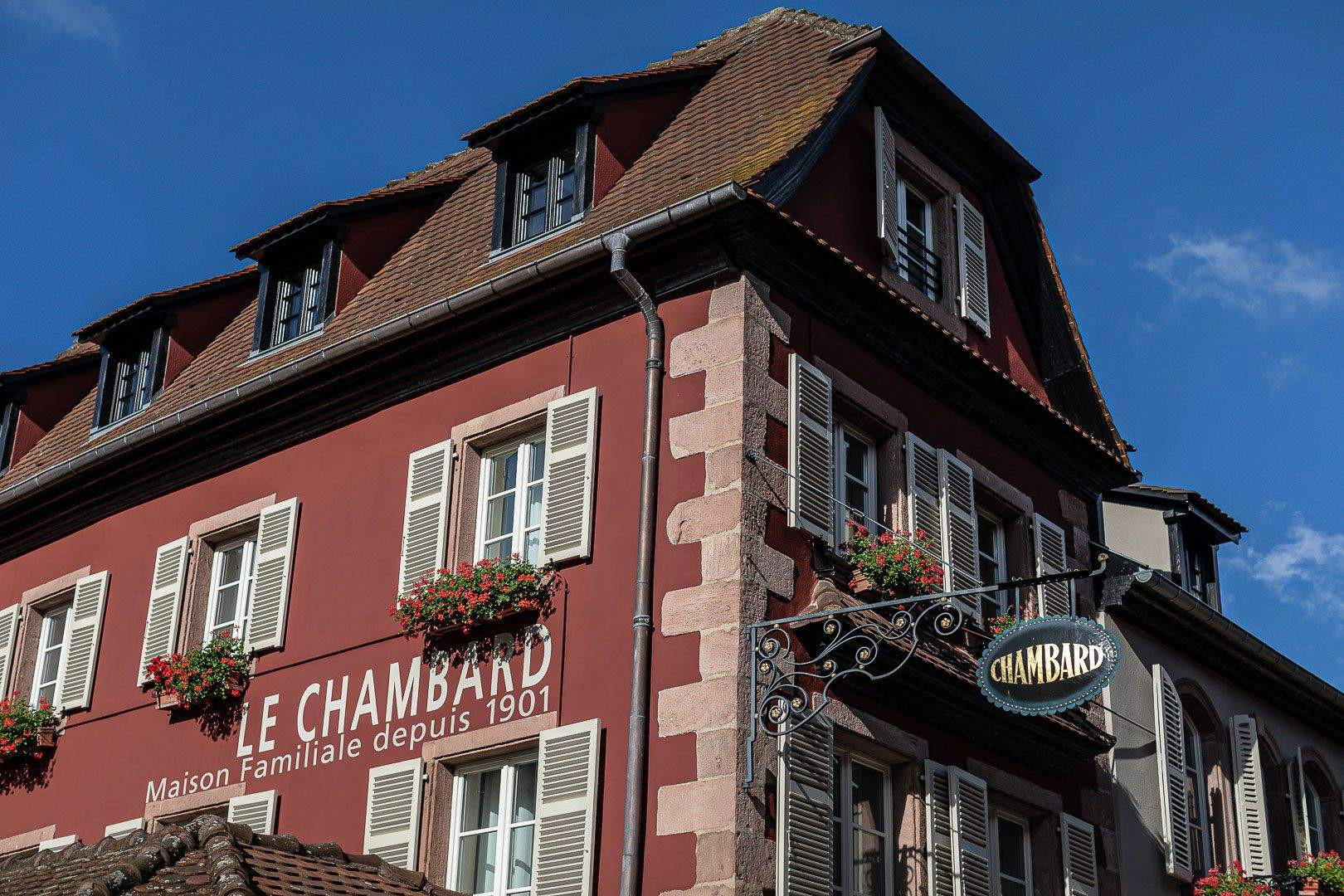
At a Glance
- Rustic
- Cozy
- Classic
- Elegant
- Date Night
- Special Occasion
- Casual Hangout
- Hotel Restaurant
- Historic Building
- Extensive Wine List
- Sommelier Led
- Local Sourcing
- Vineyard
- Street Scene
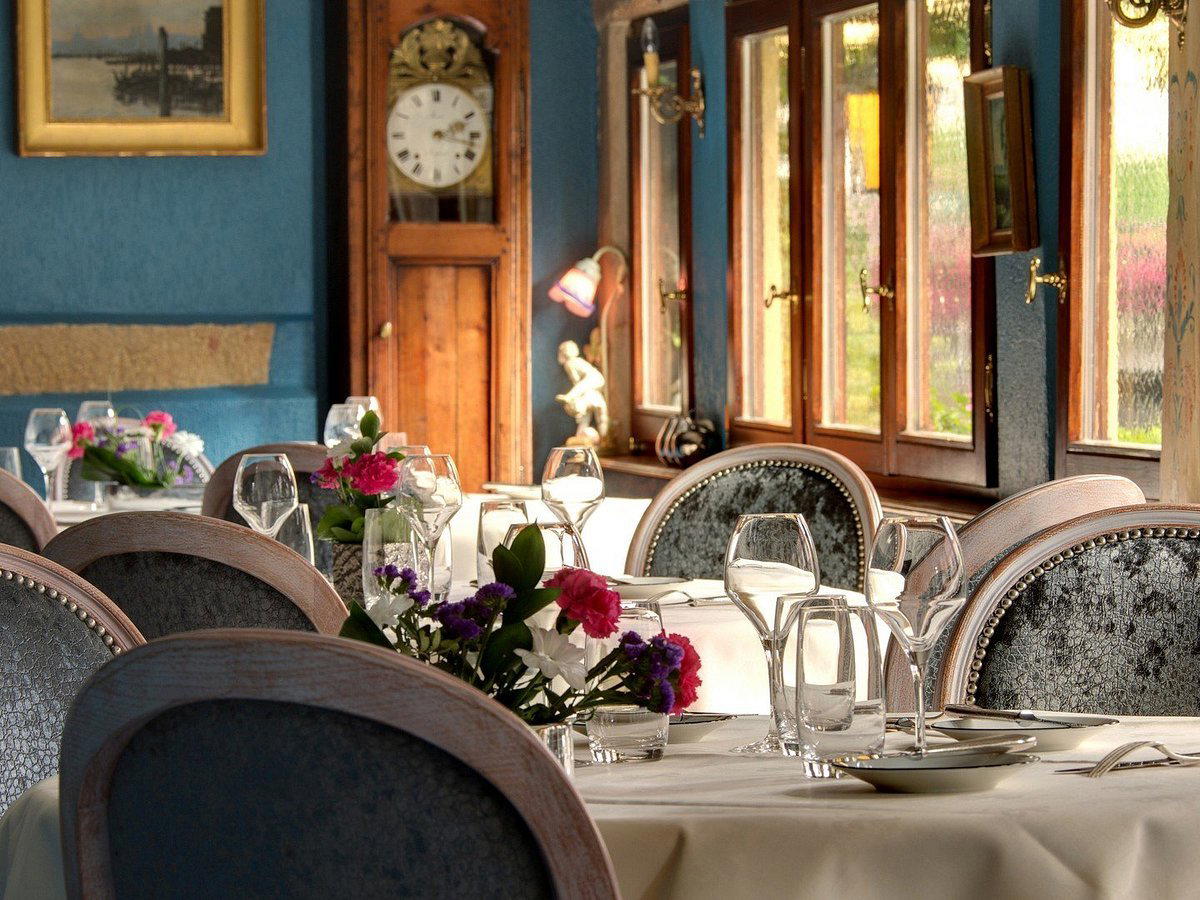
Coquette, rustique, chaleureuse with checkered fabrics, wooden tables, carved chairs, and traditional Alsatian decorative objects creating a warm, convivial atmosphere.