

Gault & Millau UAE Selected Restaurant · World's Best Wine Lists Awards WBWL 3-Star
Our verdict
Alba brings a MeditarrAsian concept to Dubai's Opera district, pairing reimagined Asian classics with Mediterranean influence and a drinks program built around sake by the glass, grower Champagnes, and Burgundy. Accredited by the World of Fine Wine Awards with a 3-Star rating, it sits at the intersection of culinary cross-pollination and serious wine curation in one of Business Bay's most culturally charged dining corridors.

Pearl is the En Primeur Club membership app — saves, bookings, and concierge access live there. Same editors, same standards.
The menu
What to order
- Spicy Tuna Hand Rolls
- Wagyu Bibimbap
- Miso Snickers
Where East Meets the Mediterranean in the Dubai Opera District
The Dubai Opera district has become one of the city's most deliberate dining addresses. Positioned between the creek-facing towers of Business Bay and the cultural anchor of the Opera House itself, the neighbourhood draws restaurants that want to be seen alongside a certain civic seriousness. Alba opened here with a concept the kitchen calls MeditarrAsian, a compound that takes some unpacking but delivers a clear editorial premise: Asian cooking techniques and flavour profiles restructured through a Mediterranean lens, with a drinks list that has the ambition to match.
Fusion is a word that lost credibility in the early 2000s and has been clawing it back ever since. The serious version of cross-cultural cooking, which Alba is attempting, is less about novelty and more about finding genuine points of resonance between two traditions. The Mediterranean and the broader Asian culinary world share more structural logic than their geographies imply: fermentation, preserved ingredients, the use of acid as a counterweight to richness, and a reverence for high-quality raw material handled with restraint. When the bridge between traditions is built on those shared principles rather than on simple visual novelty, the result tends to hold.
A Drinks Program With Editorial Ambition
What separates Alba from the wider field of concept-led Dubai restaurants is the seriousness of its drinks list. Sake by the glass is still a rarity at this level in the city, and a grower Champagne list places Alba in a specialist category that most Dubai restaurants, even well-funded ones, do not bother to pursue. Grower Champagnes, produced by the same families who farm the vineyards, tend to express a narrower, more specific character than the house blends that dominate most wine lists globally. Including them alongside Burgundy wines signals that the programme is being curated for depth rather than brand recognition.
Burgundy occupies a particular position in the world of fine wine: it rewards patience, punishes shortcuts, and requires a kitchen that understands why its flavour profile asks for restraint on the plate. A wine list anchored in Burgundy and grower Champagne suggests Alba is making a specific argument about the kind of dining it wants to host. The World of Fine Wine Awards recognised this position, granting the restaurant a 3-Star Accreditation, which places it among a small cohort of Dubai venues where the wine program is treated as an equal partner to the food rather than an afterthought.
For context, Dubai's accredited wine dining is concentrated in a handful of hotel-adjacent rooms and a smaller number of independent operators. Alba's accreditation situates it in that independent tier, where the list reflects a specific point of view rather than a corporate purchasing agreement.
The Cultural Logic of the MeditarrAsian Frame
Cross-cultural menus in Dubai exist on a spectrum. At one end, you have direct fusion for novelty's sake: dishes that combine ingredients from different traditions without much structural thought. At the other, you have restaurants like Trèsind Studio, where a single culinary tradition is explored with enough depth and technical rigour to justify its price point and reputation. Alba is doing something different from both: it is working between two traditions, looking for the moments where Mediterranean and Asian cooking genuinely rhyme.
The historical contact between these culinary worlds is longer than most diners realise. The Silk Road moved ingredients as well as goods, and Mediterranean traders were among the first to carry spices from the East into European kitchens. The contemporary version of that exchange is more deliberate and technically precise, but the impulse is not new. At venues like 8 1/2 Otto e Mezzo Bombana in Hong Kong, Italian classical technique has been applied to an Asian dining context for decades, demonstrating that the conversation between these traditions can produce coherent, rigorous cooking when the kitchen has the discipline to see it through.
Dubai is a productive setting for this kind of experiment. The city's dining public is among the most internationally varied of any in the world, accustomed to reading menus across multiple culinary traditions and calibrated to notice when the cross-cultural logic holds or fails. That audience raises the stakes for a concept like Alba in a way that the same restaurant in a less cosmopolitan city would not face.
How Alba Sits Among Dubai's Creative Dining Tier
Business Bay and the Opera district have seen a concentrated arrival of concept-led restaurants in the past several years. Row on 45 works the creative tasting menu format from a comparable address; FZN by Björn Frantzén brings a Scandinavian-inflected modern cuisine program; and moonrise operates a format that rewards repeat visits with a menu that shifts by season. 11 Woodfire approaches modern cuisine through the specific grammar of fire and smoke.
Internationally, the restaurants that have managed cross-cultural menus with lasting critical credibility, such as Alinea in Chicago or Alléno Paris au Pavillon Ledoyen, did so by being specific about their technique and transparent about their references. The MeditarrAsian frame at Alba works well when it is read the same way: as a set of commitments to particular ingredients and techniques, not as a branding exercise.
Planning a Visit
Alba is located in Business Bay within the Dubai Opera district, accessible from the Opera Grand residential tower side and a short distance from the Burj Khalifa metro exit. The restaurant is newly opened, which means the booking window is still relatively accessible compared to more established Opera district addresses, though the 3-Star wine accreditation has drawn attention from Dubai's wine-focused dining community. Those with a specific interest in the sake program or the Burgundy selection are leading served by booking for midweek evenings, when the floor tends to be paced more deliberately and staff engagement with the drinks list is more extended. For the broader Dubai dining picture, EP Club's full Dubai restaurants guide maps the city's complete field, while the Dubai bars guide and Dubai hotels guide cover adjacent categories for trip planning. Those spending time in the wider UAE region may also consider Erth in Abu Dhabi for a contrasting approach to regional identity on the plate. The Dubai experiences guide and Dubai wineries guide round out the planning picture for those building a longer itinerary around the city's premium offering.
Frequently asked questions
What's the address for Alba?
Alba is located at Business Bay - Dubai - United Arab Emirates, Dubai.
What awards or recognition does Alba have?
Alba has received recognition including: ALBA is a brand-new restaurant, located in the Dubai Opera district, offering a «MeditarrAsian» concept that blends the bold flavors of Asian cuisine with a touch of European sophistication. The menu features a variety of Asian classics, re….
What dish is Alba famous for?
Alba's identity comes from its MeditarrAsian category rather than a single signature plate. The menu reimagines Asian classics through a Mediterranean framework, meaning the through-line is conceptual rather than tied to one dish. The drinks program, which received a 3-Star World of Fine Wine Accreditation, is as much a draw as the food.
What's the best way to book Alba?
Alba is a newly opened restaurant in Dubai's Opera district, Business Bay, and its World of Fine Wine 3-Star Accreditation has already positioned it within Dubai's serious wine-dining conversation.
Price and Positioning
| Venue | Cuisine | Price | Awards | Notes |
|---|---|---|---|---|
| AlbaThis venue — the venue you are viewing | Pan-Asian Fusion with Mediterranean Influences | Not listed | Gault & Millau UAE Selected Restaurant · World's Best Wine Lists Awards WBWL 3-Star | Not listed |
| 11 Woodfire | Modern Woodfire Grill | $150–200 | 1 Michelin Star · World's 50 Best #14 | Modern Cuisine |
| Avatara Restaurant | Modern Vegetarian Indian Fine Dining | Not listed | 1 Michelin Star · Gault & Millau UAE Selected Restaurant | Indian |
| Al Mahara | Modern Italian Seafood | $300–500 | Michelin Plate · World's 50 Best #31 | Seafood |
| Zuma | Modern Japanese Izakaya | $150–200 | Michelin Plate · World's 50 Best #34 | Japanese - Asian, Japanese, Japanese Contemporary |
| At. Mosphere Burj Khalifa | Modern European | Not listed | Not listed | Not listed |
Recognition history
Dated appearances from independent guides and award organizations, with the underlying list record or original source where available.
Gault & Millau UAE Selected Restaurant
Gault & Millau · Gault & Millau UAE 2026 - Selected Restaurant
World's Best Wine Lists Awards WBWL 3-Star
World's Best Wine Lists Awards
Full recognition history (3 entries)
World's Best Wine Lists Awards WBWL Category Winner
World's Best Wine Lists Awards
Continue exploring
More in Dubai
Restaurants in Dubai
All restaurants in Dubai →
Bars in Dubai
All bars in Dubai →
Details
- Elegant
- Sophisticated
- Modern
- Intimate
- Date Night
- Special Occasion
- Business Dinner
- Hotel Restaurant
- Craft Cocktails
- A La Carte
- Small Plates
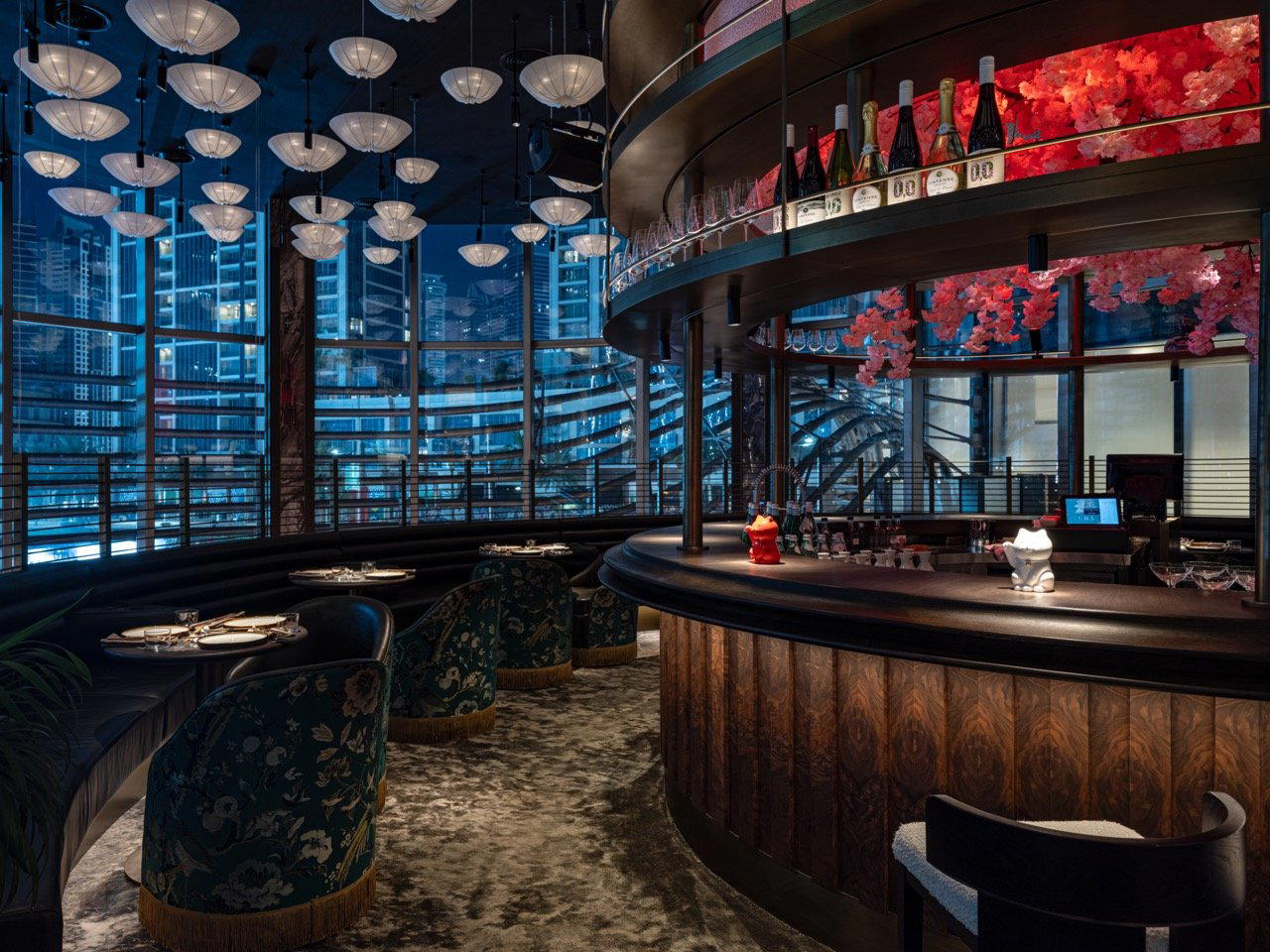
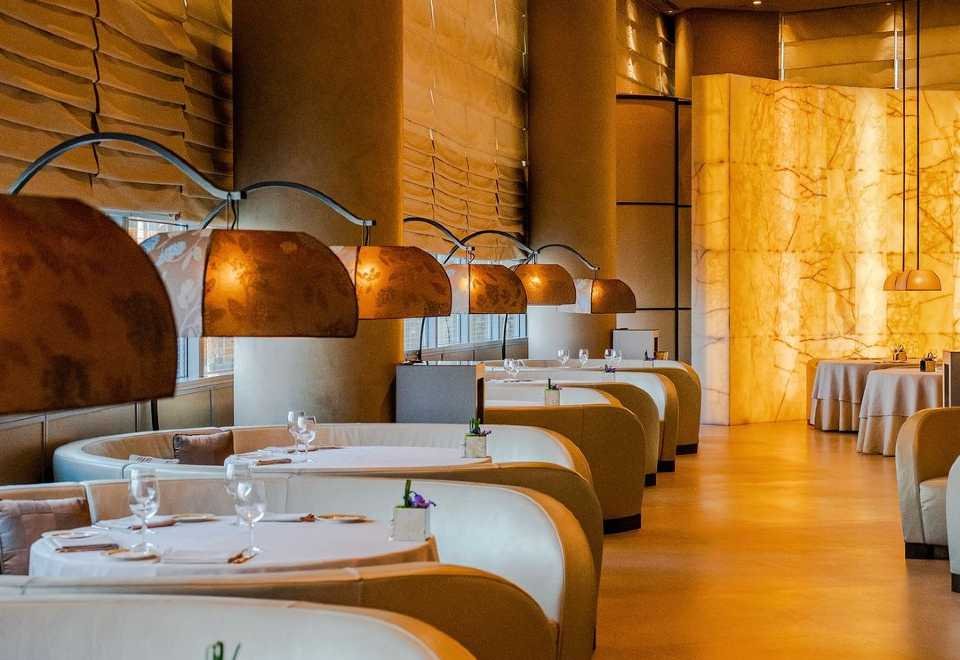
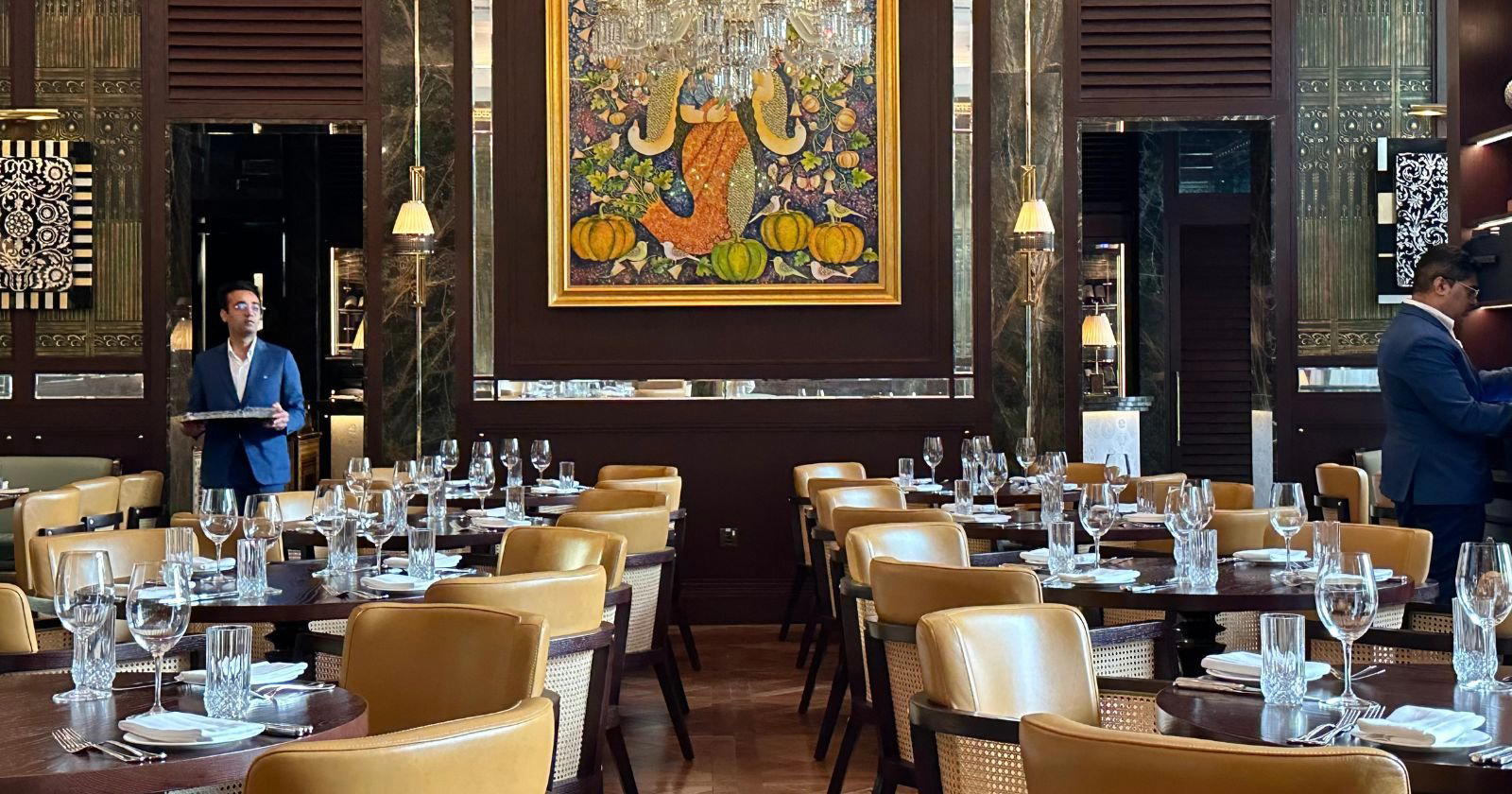
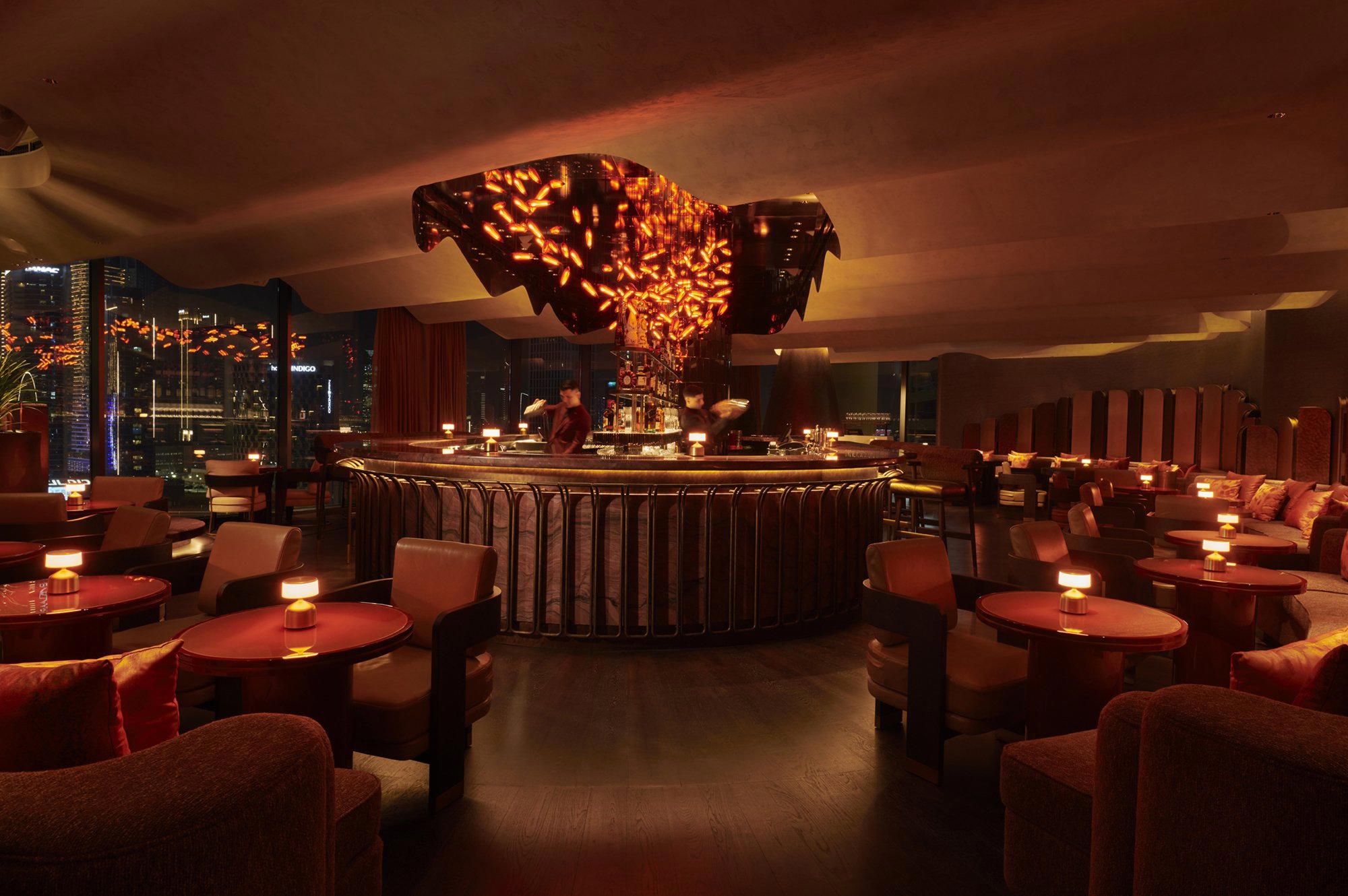
Elegant and luxurious design with dramatic Asian-inspired decor, warm sophisticated lighting, lively yet cozy atmosphere praised for romantic dinners.