Aladdin Mediterranean Cafe
Aladdin Mediterranean Cafe on Clairemont Mesa Blvd sits within San Diego's mid-city corridor, where Mediterranean cooking traditions, shared plates, spiced grains, slow-cooked proteins, find a practical home far from the tourist circuit. The cafe operates in a price tier where accessibility and culinary tradition align, drawing a neighborhood crowd that returns for consistency over spectacle.
Pearl is the En Primeur Club membership app — saves, bookings, and concierge access live there. Same editors, same standards.
- Address
- 5420 Clairemont Mesa Blvd, San Diego, CA 92117
- Phone
- +18585730000
- Website
- aladdincafe.com
- Directions
- Get directions
 Saves & bookings on Pearl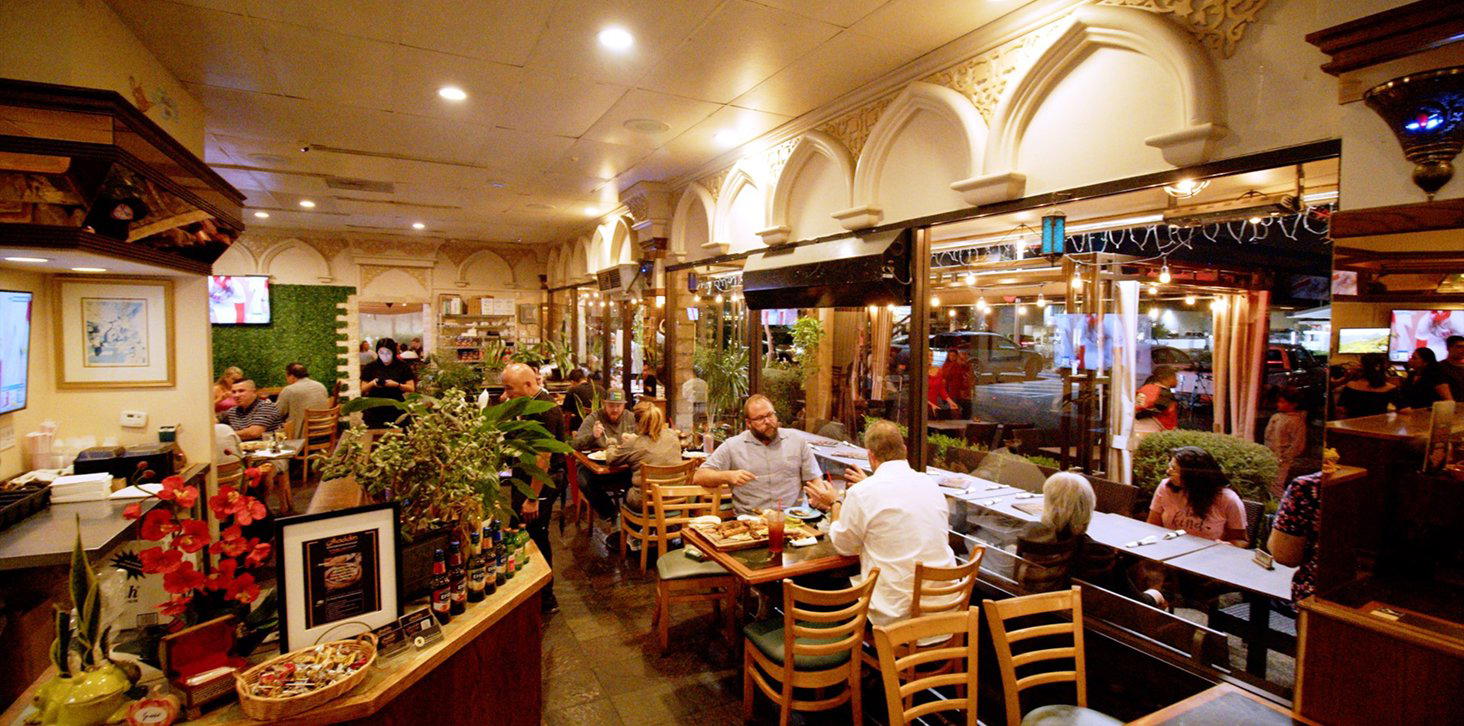
Mediterranean Cooking in San Diego's Mid-City Corridor
San Diego's Mediterranean dining scene has developed along two distinct tracks. One runs through the downtown and Gaslamp corridor, where Californian-Mediterranean hybrids like Addison command premium prices and operate in the fine-dining register. The other runs deeper into residential neighborhoods, where cafes and family-run spots serve the same culinary tradition, olive oil, legumes, flatbread, slow-braised proteins, without the architectural gesture or the three-figure check. Aladdin Mediterranean Cafe at 5420 Clairemont Mesa Blvd serves Lebanese Mediterranean cooking in San Diego's mid-city corridor.
Clairemont Mesa is not a neighborhood that draws food tourists. It is a mid-city stretch of commercial corridors and apartment blocks, home to a working population that eats out frequently and attentively. In that context, a Mediterranean cafe serving the foundational dishes of the Levantine and North African table occupies a meaningful position. Mediterranean cooking, at its structural core, is already a low-waste tradition: whole grains, dried legumes, preserved vegetables, and nose-to-tail protein use are not recent sustainability additions but features baked into the cuisine across centuries of practical necessity. That orientation makes venues in this category naturally aligned with what higher-end restaurants like Blue Hill at Stone Barns or Single Thread Farm in Healdsburg pursue as a deliberate program, though here it arrives as cultural inheritance rather than branded philosophy.
What the Cuisine Represents
The Mediterranean table is among the more ecologically coherent food traditions in the world, a point that food researchers and nutritionists have documented repeatedly. Dishes built around chickpeas, lentils, bulgur, farro, and seasonal vegetables carry a dramatically lower resource cost than protein-heavy Western menus. When a neighborhood cafe in Clairemont serves falafel, hummus, tabbouleh, or slow-cooked lamb, it is drawing on a canon that minimizes food waste almost structurally: portions are designed to share, ingredients double across multiple dishes, and the cooking techniques, braising, roasting, preserving, historically developed to extend the life of ingredients rather than maximize theatrical presentation.
This stands in contrast to sustainability as a marketing layer, which has become common in premium American dining. Operations like Smyth in Chicago and Atelier Moessmer Norbert Niederkofler in Brunico have built critical reputations partly around transparent sourcing and waste-reduction as explicit commitments. In a neighborhood cafe context, the same outcomes tend to appear without the editorial apparatus, driven by cost management, cultural habit, and the physics of how Mediterranean cooking has always worked.
Where Aladdin Sits in San Diego's Dining Tiers
San Diego's restaurant scene has grown considerably more differentiated over the past decade. The upper tier now includes credentialed Japanese omakase programs, destination-level tasting menus, and Michelin-recognized kitchens like Soichi. Below that, a mid-tier of accessible neighborhood dining continues to serve the city's actual daily population. That mid-tier, where a meal is a routine event rather than a planned occasion, is where Mediterranean cafes compete, alongside American diners, taco counters, and Vietnamese and Korean spots that define the texture of San Diego's residential food culture.
Within that mid-tier, Mediterranean food occupies a defensible position: it reads as healthy, it travels well for takeout, it accommodates vegetarians and meat-eaters at the same table without a parallel menu, and it holds across age groups. Those are practical virtues that explain why Mediterranean cafes maintain steady neighborhood audiences in cities across the United States, from San Diego to cities like New York, where operations across price points serve the same foundational dishes. For comparison, venues operating in the premium Mediterranean register nationally, think the California-inflected approach at Providence in Los Angeles, which applies similar coastal sourcing principles to a seafood-forward menu, occupy a different tier entirely, but draw on the same underlying logic of ingredient-led, low-intervention cooking.
The Clairemont Mesa Context
The Clairemont Mesa Blvd corridor is strip-mall pragmatic: parking-forward, signage-heavy, built for cars rather than pedestrians. This is where San Diego's actual daily commerce happens, away from the Gaslamp's weekend foot traffic or North Park's self-conscious cool. Cafes here operate on repeat business rather than discovery. A venue that survives in this environment does so because regulars return, not because tourism sustains it.
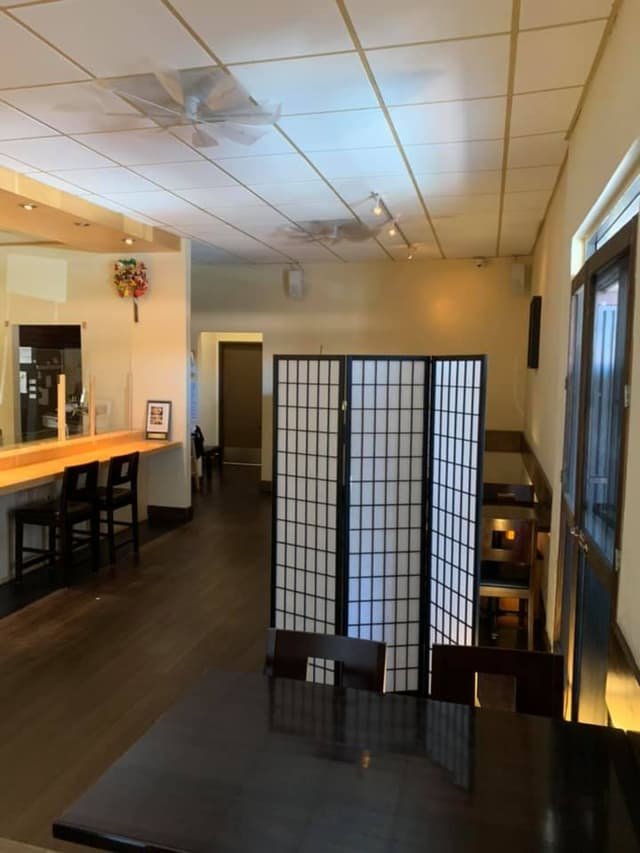
That context shapes the experience. There is no designed entrance sequence, no theatrical element to the approach. What you find is a working neighborhood restaurant operating in a format that is common across Mediterranean diaspora communities in American cities: accessible pricing, a menu organized around shareable plates and individual portions, and a dining room calibrated for efficiency over atmosphere. The experience sits closer to the daily local lunch than to the considered dinner, which is precisely its function in this neighborhood.
Other mid-range options with distinct culinary perspectives include 1450 El Prado, 777 G St, and 94th Aero Squadron.
Planning Your Visit
Aladdin Mediterranean Cafe is located at 5420 Clairemont Mesa Blvd, San Diego, CA 92117, in a commercial corridor accessible by car with on-site or adjacent parking typical of the area. As a neighborhood cafe rather than a reservation-driven destination, the format is conducive to walk-in visits, particularly during off-peak hours. Mediterranean menus in this category typically accommodate vegetarian and vegan requests with little difficulty, given the cuisine's structural reliance on plant-based preparations alongside meat dishes.
Price Lens
Comparable venues nearby, for context on price, style, and recognition.
| Venue | Cuisine | Price | Notes |
|---|---|---|---|
| Aladdin Mediterranean CafeThis venue — the venue you are viewing | Clairemont Mesa, Lebanese Mediterranean | $$ | Not listed |
| Barcari | North Park, Mediterranean Small Plates | $$ | Not listed |
| Madison | Not listed | $$$ | Uptown, Mediterranean & Southern California |
| CAVA | Downtown, Mediterranean Fast-Casual | $$ | Not listed |
| Phuong Trang | Kearny Mesa, Authentic Vietnamese | $$ | Not listed |
| El Zarape Restaurant | Uptown, Mexican Seafood Taqueria | $$ | Not listed |
Continue exploring
More in San Diego
Restaurants in San Diego
Browse all →
Bars in San Diego
Browse all →

At a Glance
- Casual Hangout
- Beer Program
Current opening hours
- Monday
- Closed
- Tuesday
- 11 AM–9 PM
- Wednesday
- 11 AM–9 PM
- Thursday
- 11 AM–9 PM
- Friday
- 11:30 AM–9:30 PM
- Saturday
- 11:30 AM–9:30 PM
- Sunday
- 11 AM–9 PM
Hours can change for holidays and private events. Last verified .
Casual cafe atmosphere focused on fresh, healthy Middle Eastern flavors.