El Zarape Restaurant
El Zarape Restaurant serves Mexican seafood taqueria fare with Mahi-Mahi Fish Tacos, Lobster Burrito, and Shrimp Burrito, plus a beer program for a casual quick bite.
Pearl is the En Primeur Club membership app — saves, bookings, and concierge access live there. Same editors, same standards.
- Address
- 4642 Park Blvd, San Diego, CA 92116
- Phone
- +16196921652
- Website
- elzarapesandiego.com
- Directions
- Get directions
 Saves & bookings on Pearl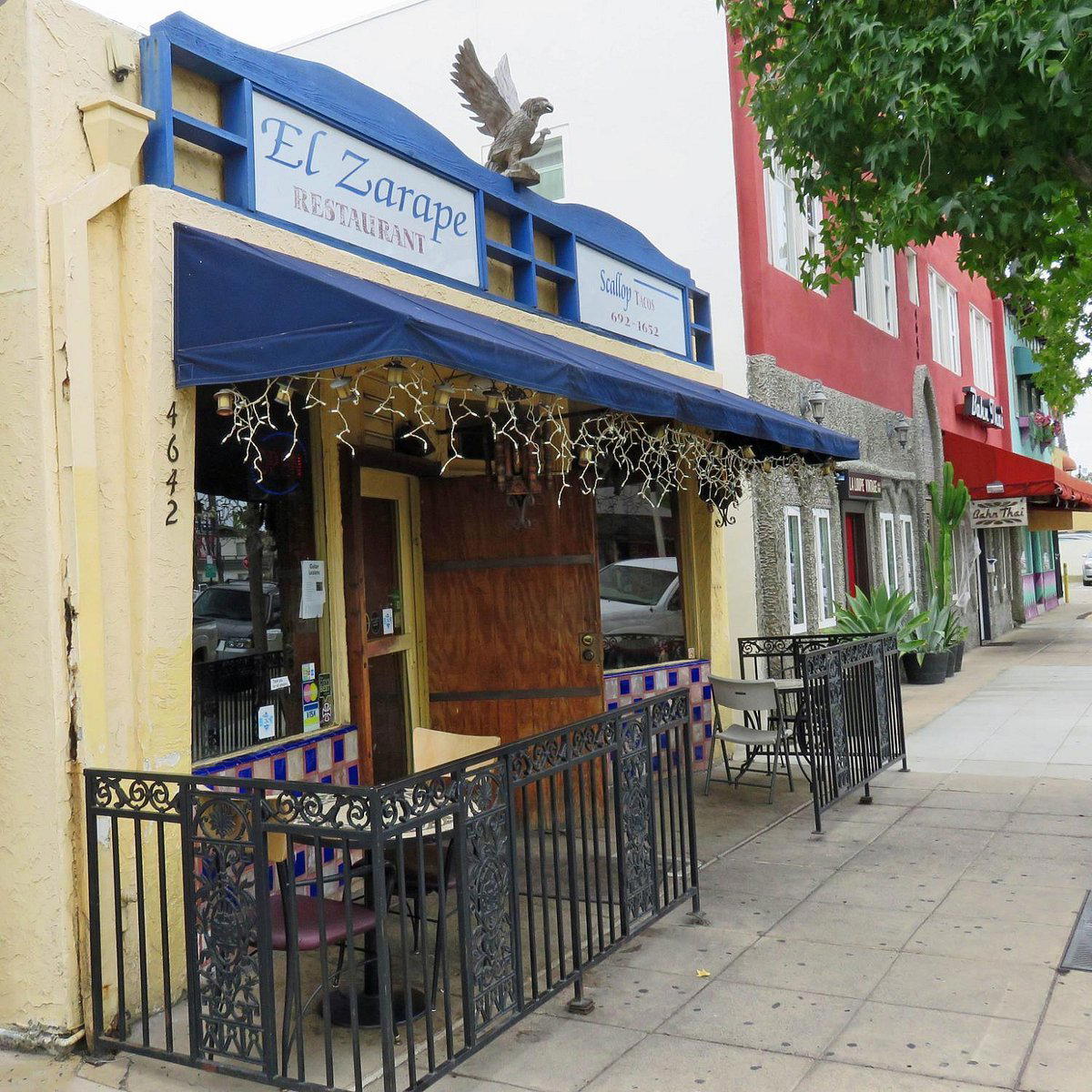
Park Boulevard and the Neighborhood Mexican Tradition
Along the stretch of Park Boulevard that runs through University Heights and into North Park, the dining mix reflects the kind of organic, decade-by-decade layering that shapes any genuinely inhabited urban corridor. Mexican restaurants here are not ornamental additions to a food scene built around higher-profile concepts; they are the backbone of how this part of San Diego eats. El Zarape Restaurant, at 4642 Park Blvd, occupies that position in the neighborhood: a casual, walk-in-friendly Mexican seafood taqueria at a price tier around $15 per person.
The broader context matters. San Diego sits closer to the Tijuana–Baja California culinary corridor than any other major American city, and that proximity has always shaped how Mexican food operates here. The city has a working knowledge of regional Mexican cooking that most American markets lack, which means restaurants like El Zarape are evaluated against a more informed local standard. Flour-versus-corn tortilla debates, the sourcing of dried chiles, the ratio of fat to masa in tamales: these are the kinds of details San Diego diners have opinions about. That specificity is part of what gives neighborhood Mexican restaurants on Park Boulevard their particular character.
The Sustainability Argument in Everyday Mexican Cooking
The conversation around ethical sourcing and reduced food waste has largely been conducted at the high end: at farm-driven American restaurants such as Blue Hill at Stone Barns in Tarrytown, at tightly curated farm-to-table operations like Single Thread Farm in Healdsburg, or at fine-dining programs such as Smyth in Chicago that make provenance a central editorial point on the menu. What that conversation tends to overlook is that traditional Mexican cooking has always been structurally aligned with those principles, not because of a philosophy statement but because of historical necessity.
Mexican cuisine is built on whole-animal thinking, vegetable-forward preparations, and ingredient systems that waste little. Dried chiles preserve harvests across seasons. Beans and rice extend proteins. Offal cuts appear on menus without apology or premium pricing. Masa, made from nixtamalized corn, represents one of the more complete and low-waste ingredient transformations in any culinary tradition: the alkaline process not only improves nutrition but extends shelf life. At neighborhood-scale Mexican restaurants along Park Boulevard, these principles operate as baseline practice rather than as a selling point, which makes them worth acknowledging precisely because they rarely receive editorial attention in sustainability conversations that tend to privilege expensive tasting menus.
Restaurants at the price range and format of a neighborhood Mexican address source proteins, produce, and pantry staples through regional supply chains that connect to San Diego's proximity to Baja California. That cross-border agricultural relationship, which includes tomatoes, avocados, herbs, and dried goods moving through Tijuana and Otay Mesa, constitutes a genuinely local food economy that predates the locavore movement by generations. Addison and Soichi operate at the upper tier of San Diego dining, where sourcing credentials are articulated explicitly and priced accordingly. The neighborhood Mexican register operates on the same geographic logic at a fraction of the cost, with far less marketing infrastructure around it.
What the Menu Represents
What can be said is that Mexican restaurants of this type, in this neighborhood and at this price tier, typically anchor around preparations that travel well from street-food tradition into a sit-down setting: tacos, burritos, enchiladas, and chile-based sauces that require hours of preparation but present simply. The technical labor in that kind of cooking is often invisible, which contributes to its undervaluation in dining criticism that prizes visible technique.
San Diego's proximity to Baja means that seafood preparations, including fish tacos, ceviche, and aguachile, often appear in neighborhood Mexican menus here with more confidence than they do further inland. The fish taco, now a San Diego cultural reference point, has its lineage in the Ensenada street-food tradition, and restaurants along the Park Boulevard corridor have been part of the circuit that absorbed and adapted that tradition over decades.
For comparison within San Diego's broader dining spectrum: at the other end of the price and format range, 1450 El Prado and 777 G St represent the kind of institutional dining that serves a different occasion entirely. 94th Aero Squadron addresses a specific experiential brief. Neighborhood Mexican fills a different function: it is the daily-use restaurant, the baseline of the food week, the place where the quality floor matters more than the ceiling.
Park Boulevard in the Wider California Context
California's Mexican food conversation has become more regionally specific in recent years. The burrito-forward model of San Francisco's Mission district differs from the Oaxacan and Yucatecan restaurants that have taken hold in Los Angeles, which in turn differs from San Diego's Baja-inflected baseline. At the national level, restaurants like Emeril's in New Orleans or Le Bernardin in New York City have set standards for what serious sourcing and regional commitment look like in their respective categories. Mexican cooking in San Diego operates within an analogous geography of commitment: the regional identity is defined by Baja California's agricultural and coastal economy, and the leading neighborhood restaurants reflect that connection without needing to announce it.
Providence in Los Angeles makes the case for California seafood at the fine-dining register. Lazy Bear in San Francisco argues for communal format at premium prices. The French Laundry in Napa and Frasca Food and Wine in Boulder demonstrate what sustained regional commitment looks like in European-derived culinary traditions. The argument for neighborhood Mexican in San Diego is not that it competes with those registers but that it represents an entirely different and historically deeper form of regional cooking: one that has operated on sustainable principles as a structural matter, not a marketing decision. Atomix in New York City and Atelier Moessmer Norbert Niederkofler in Brunico both foreground the ethics of sourcing as a central artistic statement. Traditional Mexican cooking has been making the same argument without the editorial apparatus for considerably longer. The Inn at Little Washington provides another reference point for how heritage-rooted cooking can accumulate credibility over decades.
Know Before You Go
- Address: 4642 Park Blvd, San Diego, CA 92116
- Neighborhood: University Heights / North Park corridor, Park Boulevard
- Hours: Mon to Thu 11 AM to 10 PM; Fri to Sun 10 AM to 10 PM
- Booking: Walk-in friendly
- Price range: About $15 per person
- Getting there: 4642 Park Blvd, San Diego, CA 92116
A Credentials Check
Comparable venues nearby, for context on price, style, and recognition.
| Venue | Cuisine | Price | Notes |
|---|---|---|---|
| El Zarape RestaurantThis venue — the venue you are viewing | Mexican Seafood Taqueria | $$ | Not listed |
| Barrio Star | Modern Mexican Soul Food | $$ | Uptown |
| Puesto La Jolla | Modern Mexican Taqueria | $$ | La Jolla |
| Rumorosa | Cali-Baja Fusion | $$ | RESERVE AREA-Not a community plan |
| Casa Guadalajara | Traditional Mexican | $$ | Old Town San Diego |
| Huapangos | Authentic Mexican | $$ | Uptown |
Continue exploring
More in San Diego
Restaurants in San Diego
Browse all →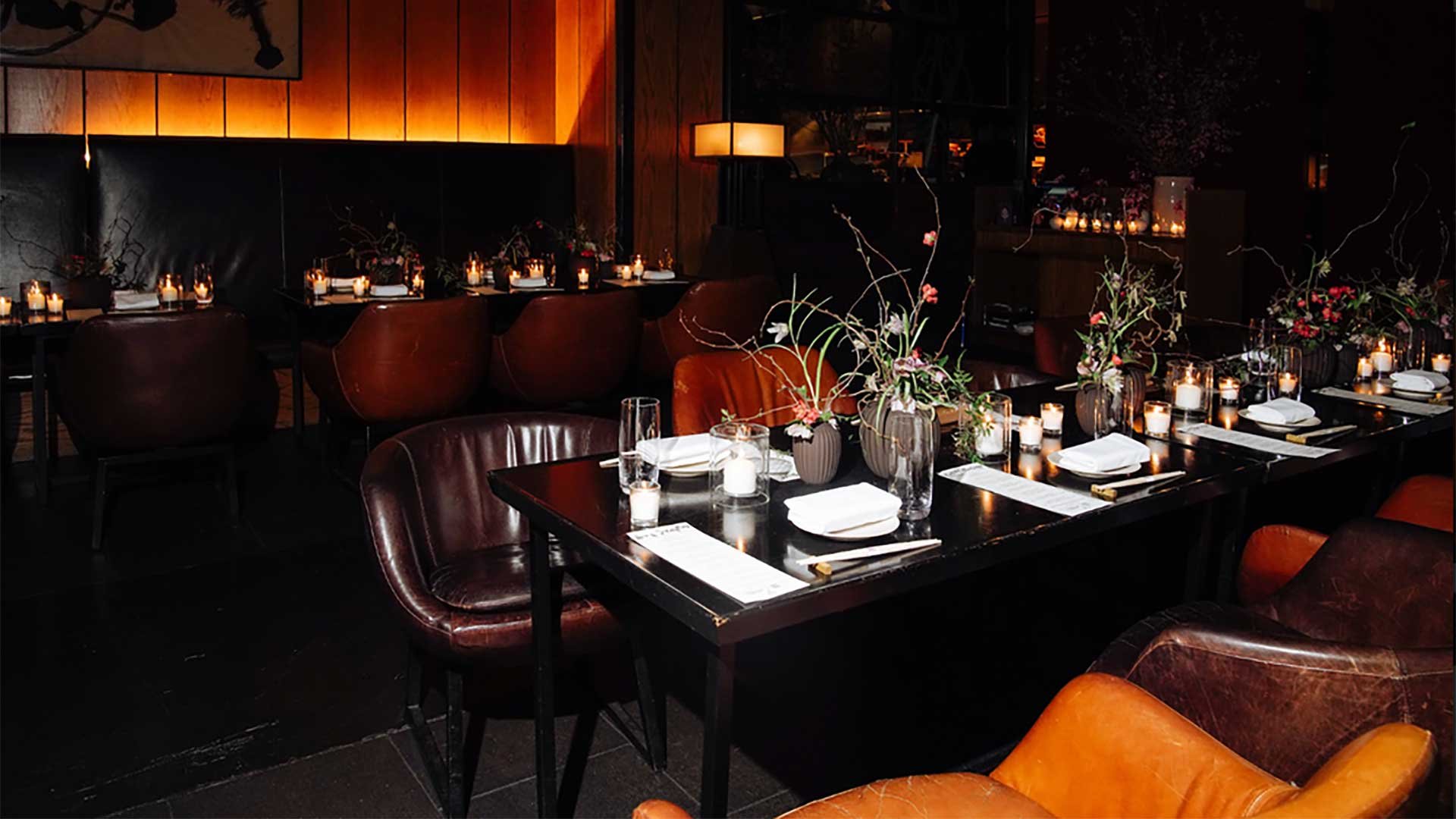
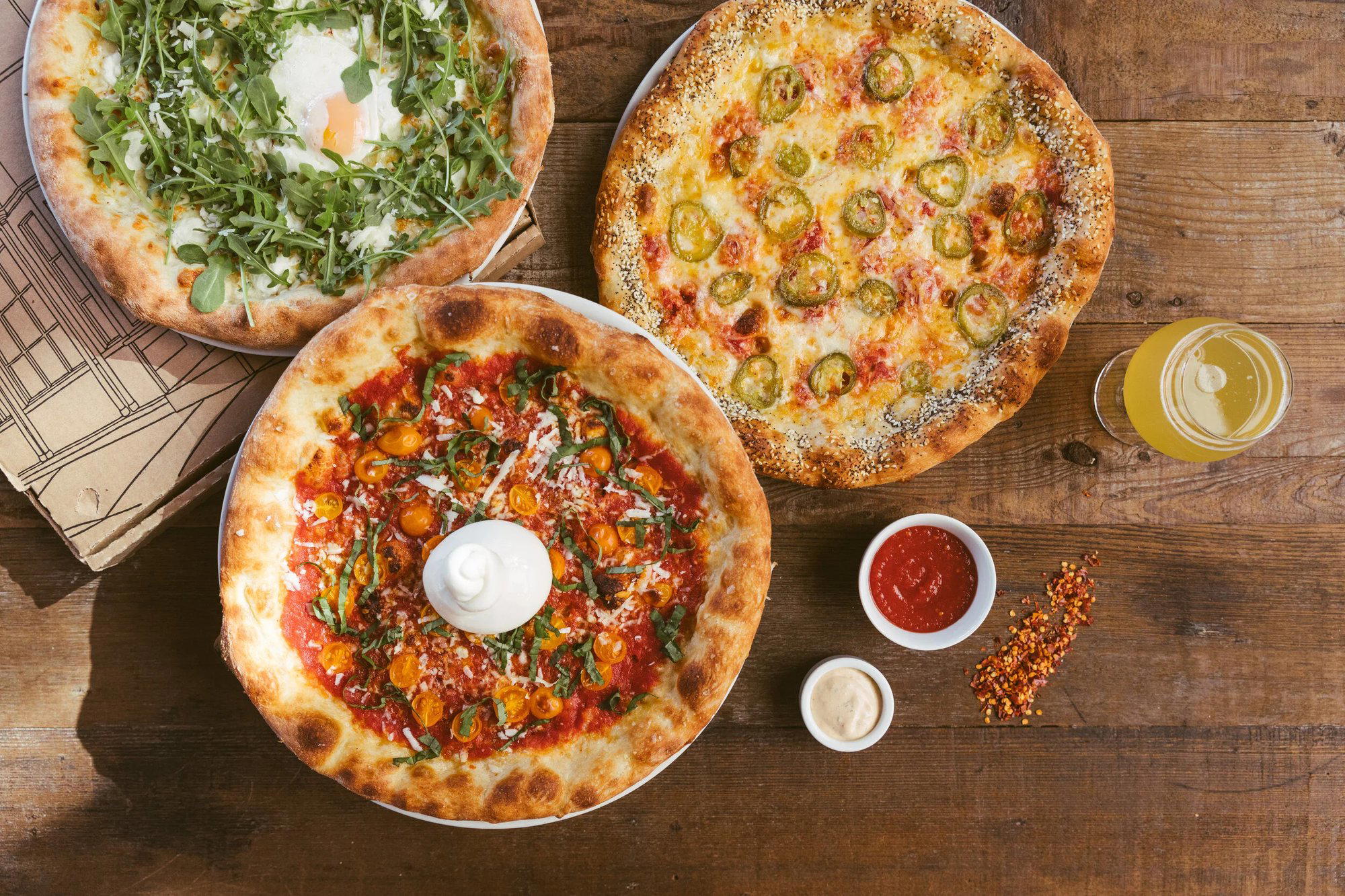
Bars in San Diego
Browse all →

At a Glance
- Lively
- Rustic
- Casual Hangout
- Family
- Group Dining
- Beer Program
Current opening hours
- Monday
- 11 AM–10 PM
- Tuesday
- 11 AM–10 PM
- Wednesday
- 11 AM–10 PM
- Thursday
- 11 AM–10 PM
- Friday
- 10 AM–10 PM
- Saturday
- 10 AM–10 PM
- Sunday
- 10 AM–10 PM
Hours can change for holidays and private events. Last verified .
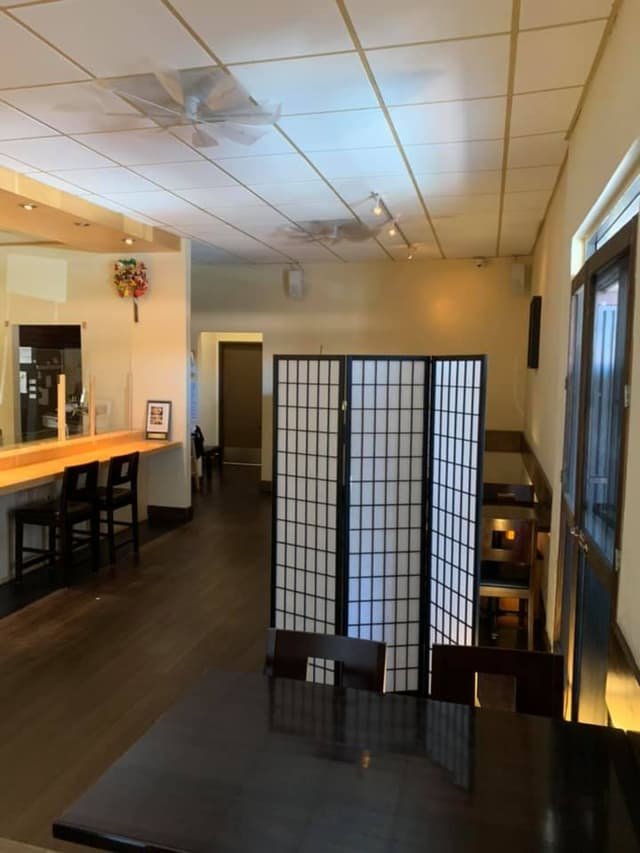
Lively atmosphere with folk art decor and a casual, energetic vibe.