Ibn Albahr

Ibn Albahr brings Michelin-recognised Lebanese cooking to the Dubai Creek Golf & Yacht Club in Deira, earning both a Bib Gourmand in 2024 and a Michelin Plate in 2025. The kitchen draws on the full range of the Lebanese table, from cold mezze through to grilled seafood, at a price point that sits well below the city's starred dining tier.8 across more than 860 reviews signals consistent performance over time, not a single good run.
Pearl is the En Primeur Club membership app — saves, bookings, and concierge access live there. Same editors, same standards.
- Address
- Dubai Creek Golf & Yacht Club - Port Saeed - Deira - Dubai - United Arab Emirates
- Phone
- +971 800 426252247
- Website
- ibnalbahr.me
- Directions
- Get directions
 Saves & bookings on Pearl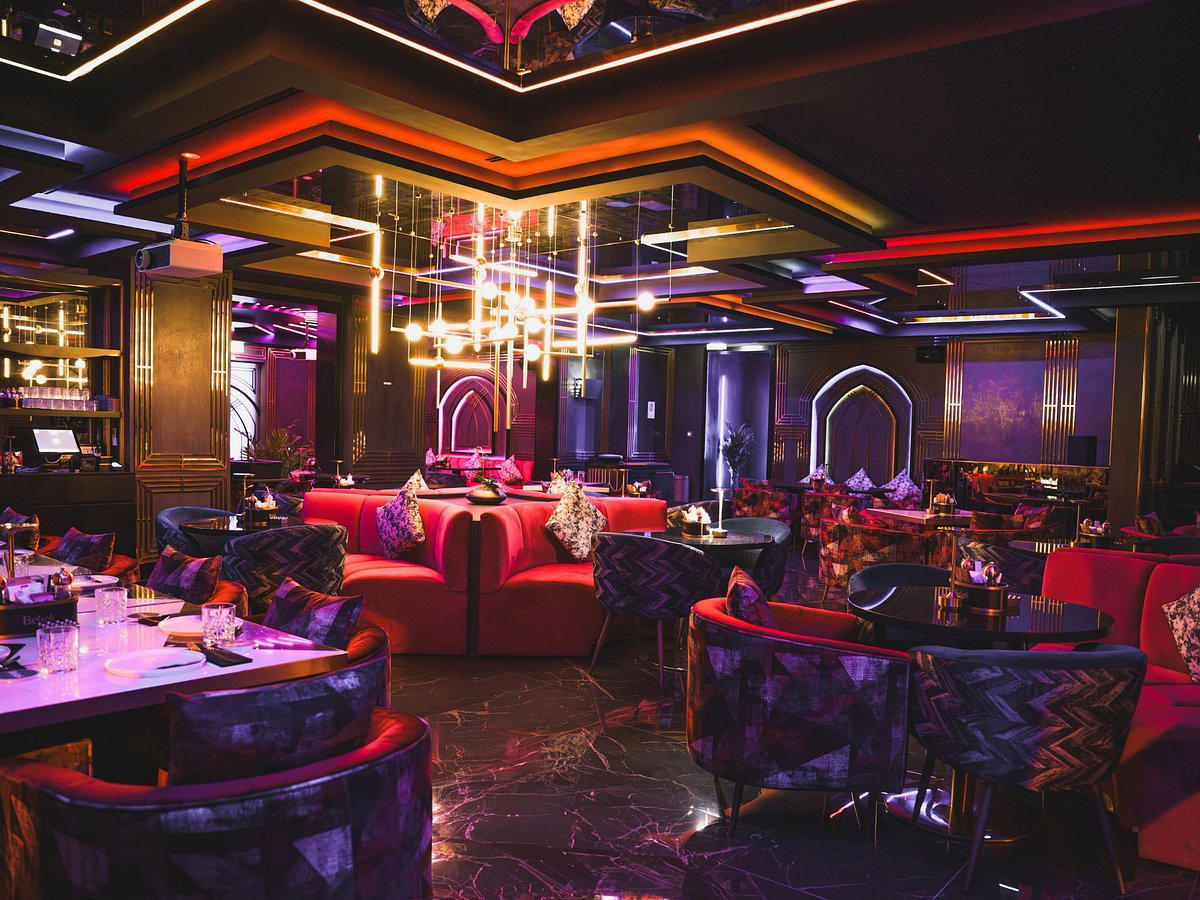
Where the Creek Meets the Lebanese Table
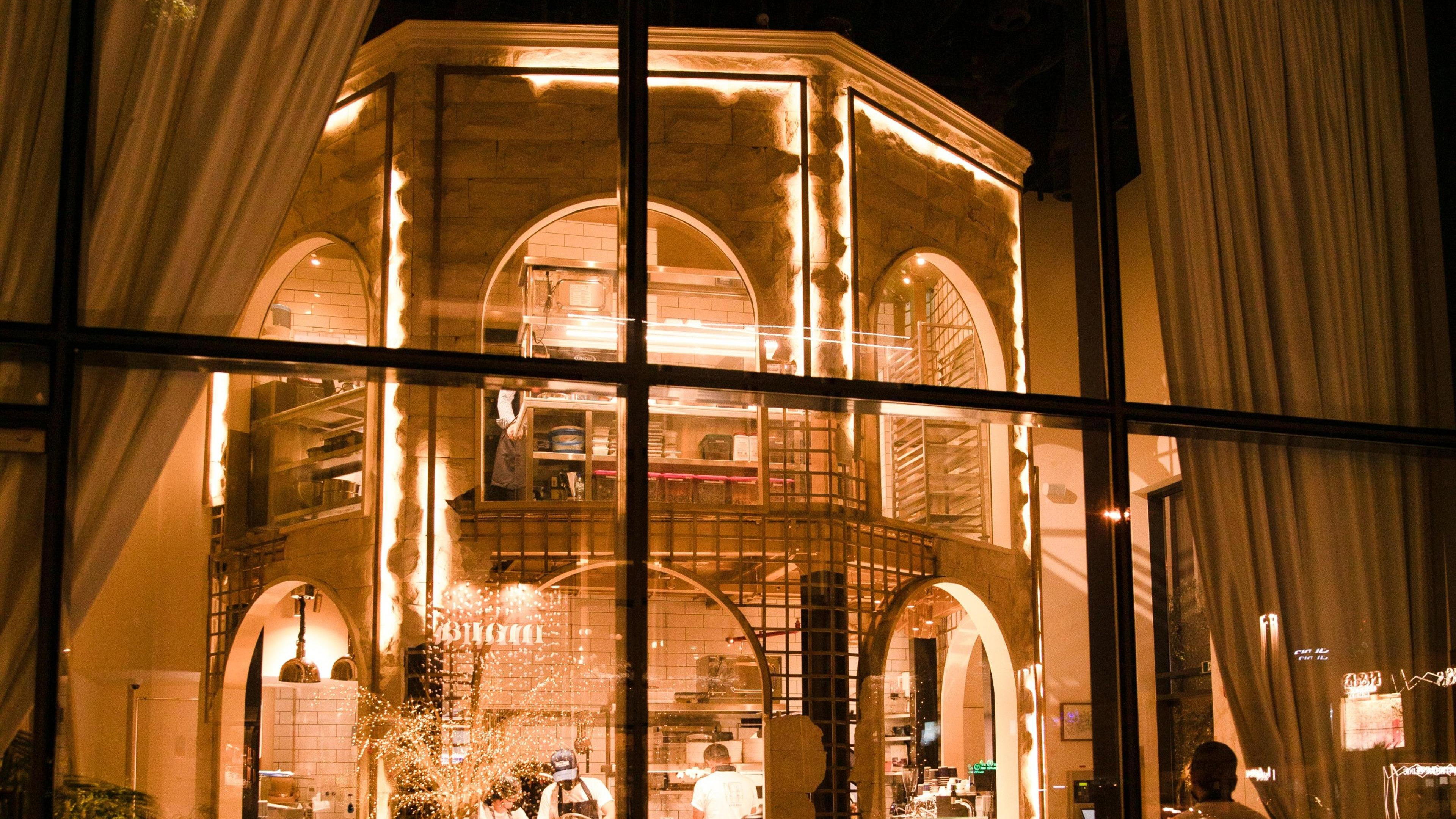
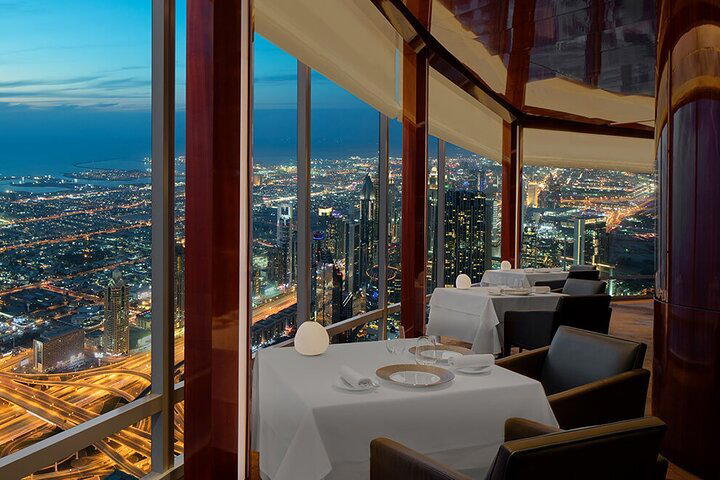
Ibn Albahr is a Lebanese seafood restaurant in Deira, Dubai, located at Dubai Creek Golf & Yacht Club and recognized with a Michelin Bib Gourmand in 2024 and a Michelin Plate in 2025. Deira has always operated at a different frequency from the newer precincts across the water. The neighbourhood carries the weight of Dubai's original commercial identity: the spice souk, the gold souk, the dhow wharfage still functioning as it has for generations. The Dubai Creek Golf & Yacht Club sits on the edge of all that history, and Ibn Albahr works within that setting rather than against it. Arrive in the evening and the Creek provides a backdrop that no interior designer could manufacture, the water catching the last of the light while the city's denser skyline holds itself to the south. The combination of an established sporting-club address and a cuisine rooted in the eastern Mediterranean gives the restaurant an atmosphere distinct from the tower-level dining rooms or beach-club formats that dominate Dubai's higher price tiers.
Lebanese Cooking at the Michelin Price Point That Actually Makes Sense
The Michelin guide's Bib Gourmand category exists precisely to surface this kind of restaurant: cooking that meets a quality threshold without the cover charges that define the starred tier. Ibn Albahr held that Bib Gourmand in 2024 and carried a Michelin Plate designation into 2025, a combination that positions it as one of the more rigorously assessed Lebanese tables in Dubai. For context, the city's Michelin-starred restaurants occupy a different bracket entirely. Trèsind Studio and FZN by Björn Frantzén sit at the summit of the city's formal dining pyramid; 11 Woodfire holds a single star in the modern cuisine category at a higher price point. Ibn Albahr operates at the double-dollar tier, making it one of the few Michelin-recognised addresses in Dubai where the bill reflects the food rather than the postcode.
That price positioning matters for Lebanese cuisine specifically. The tradition runs deep in Dubai, where a large and informed Lebanese diaspora has sustained restaurants for decades. The standard is high, the competition is genuine, and diners who grew up eating this food are not easily impressed by approximations.036 reviews suggests the restaurant is not playing to a tourist audience alone.
The Lebanese Table as a Format
Lebanese cuisine is structured around abundance rather than sequence. The mezze tradition places cold and warm dishes on the table simultaneously, with bread as the constant, and the meal expands or contracts according to appetite. This format rewards kitchens that can execute across a wide range of preparations at once: hummus, fattoush, kibbeh, grilled meats, raw dishes like kebbeh nayyeh, and the various seafood preparations that reflect Lebanon's coastal geography. The cuisine is also one of the more herb-forward in the Arab world, with parsley, mint, and sumac appearing as structural flavours rather than garnish.
At the restaurant, the seafood component carries particular relevance given the restaurant's position within a yacht club on the Creek. Grilled fish and seafood mezze are central to Lebanese coastal cooking, and the waterfront setting gives those dishes a contextual logic that a mall-based restaurant couldn't replicate. The Creek location also situates the kitchen within a long tradition of fish trading in Deira, adding a layer of regional coherence to what arrives on the table.
For readers comparing Lebanese restaurants across the region and beyond, the EP Club catalogue includes Almayass in Abu Dhabi, Beirut Sur Mer, and Al Mandaloun in Dubai for local comparison, as well as Amal in Toronto, Byblos in Miami, Beity in Chicago, Base Kamp by Aïnata in Courchevel, and Brasserie Victória in São Paulo for a global picture of where Lebanese cooking is travelling.
On the Drinks Side: What to Expect from a Lebanese Restaurant in Dubai
Lebanese cuisine has a clearer relationship with wine than almost any other Arab-world tradition. The Bekaa Valley has produced wine for centuries, and Lebanese labels from producers like Château Musar, Château Ksara, and Massaya appear on serious lists worldwide. A Lebanese restaurant operating at Michelin recognition level in Dubai, a city with a regulated but active licensed dining sector, has both the cultural logic and the commercial incentive to build a list that reflects that heritage.
The editorial angle worth noting here is that Dubai's better licensed restaurants have moved beyond the obligatory Old World-heavy lists of a decade ago. The more considered programs now combine French and Italian anchors with regional selections, including Lebanese and broader Levantine producers, that match the food rather than simply satisfying a wine-by-the-glass requirement. A table of mezze and grilled fish calls for something with acidity and texture: an Obeideh-based white from the Bekaa, a lighter Cinsault red, or a rosé from the Lebanese highlands. The Michelin recognition and the cuisine type together create an expectation the kitchen has an interest in meeting.
Planning a Visit
The restaurant sits within the Dubai Creek Golf & Yacht Club in Port Saeed, Deira, on the northeastern side of the Creek. The address puts it roughly equidistant from the historic Deira commercial core and the newer Festival City district, and it is accessible by taxi or rideshare from most central Dubai locations without significant transit time. For visitors combining this with other Creek-area dining or exploration of Deira's souks, the geography works well as part of an eastern Dubai evening rather than a standalone destination crossing. Reservations are recommended, particularly on weekends and during the cooler months between November and April when outdoor dining along the waterfront is at its most appealing. At about $70 per person, the evening remains accessible without advance budget planning, though ordering across the full mezze spread adds up in the way it does at any table built around sharing.
Those travelling between Dubai and Abu Dhabi will find relevant regional context in the EP Club's coverage of Erth and the broader Abu Dhabi dining picture. The Row on 45 listing offers a contrasting Dubai dining format for those building a multi-night itinerary.
City Peers
Comparable venues nearby, for context on price, style, and recognition.
| Venue | Cuisine | Price | Notes |
|---|---|---|---|
| Ibn AlbahrThis venue — the venue you are viewing | Lebanese Seafood | $$$ | Not listed |
| Revelry | Indian Tapas with Seasonal Cocktails | $$$ | Dubai Hills |
| Coya | Contemporary Peruvian & Nikkei Fusion | $$$$ | Jumeira |
| Khadak | Contemporary Indian Street Food | $$$ | Jumeira |
| Aamara | Modern Indian-Arabic Silk Route Fusion | $$$$ | Za'abeel 2 |
| Osteria Funkcoolio | Itameshi (Italian-Japanese Fusion) | $$$ | Jumeira |
Recognition history
Dated appearances from independent guides and award organizations, with the underlying list record or original source where available.
Michelin Plate
Michelin
Michelin Bib Gourmand
Michelin
Continue exploring
More in Dubai
Restaurants in Dubai
Browse all →
At a Glance
- Romantic
- Elegant
- Scenic
- Lively
- Date Night
- Special Occasion
- Group Dining
- Family
- Waterfront
- Terrace
- Open Kitchen
- Extensive Wine List
- Sustainable Seafood
- Waterfront
Current opening hours
- Monday
- Closed
- Tuesday
- 12:30 PM–12 AM
- Wednesday
- 12 PM–12 AM
- Thursday
- 12 PM–12 AM
- Friday
- 12 PM–12 AM
- Saturday
- 12 PM–12 AM
- Sunday
- 12 PM–12 AM
Hours can change for holidays and private events. Last verified .
Festive beachfront terrace lighting with a nautical theme featuring ropes, anchors, and a boat, creating a magical and popular evening atmosphere.