Our verdict
Al Castello sits in Fagagna, a hilltop comune in the Friuli Venezia Giulia region of northeastern Italy, where the architecture and pace of life remain shaped by centuries of Austro-Hungarian and Venetian influence. The address on Via S. Bartolomeo places it within the historic town fabric, pointing toward a dining experience rooted in the culinary traditions of one of Italy's most distinctive border territories.

Pearl is the En Primeur Club membership app, where members save venues, book tables and use the concierge.

The menu
What to order
- Truffle risotto
- Slow-cooked meats
Dining at the Edge of Friuli: What Al Castello Tells You About the Region
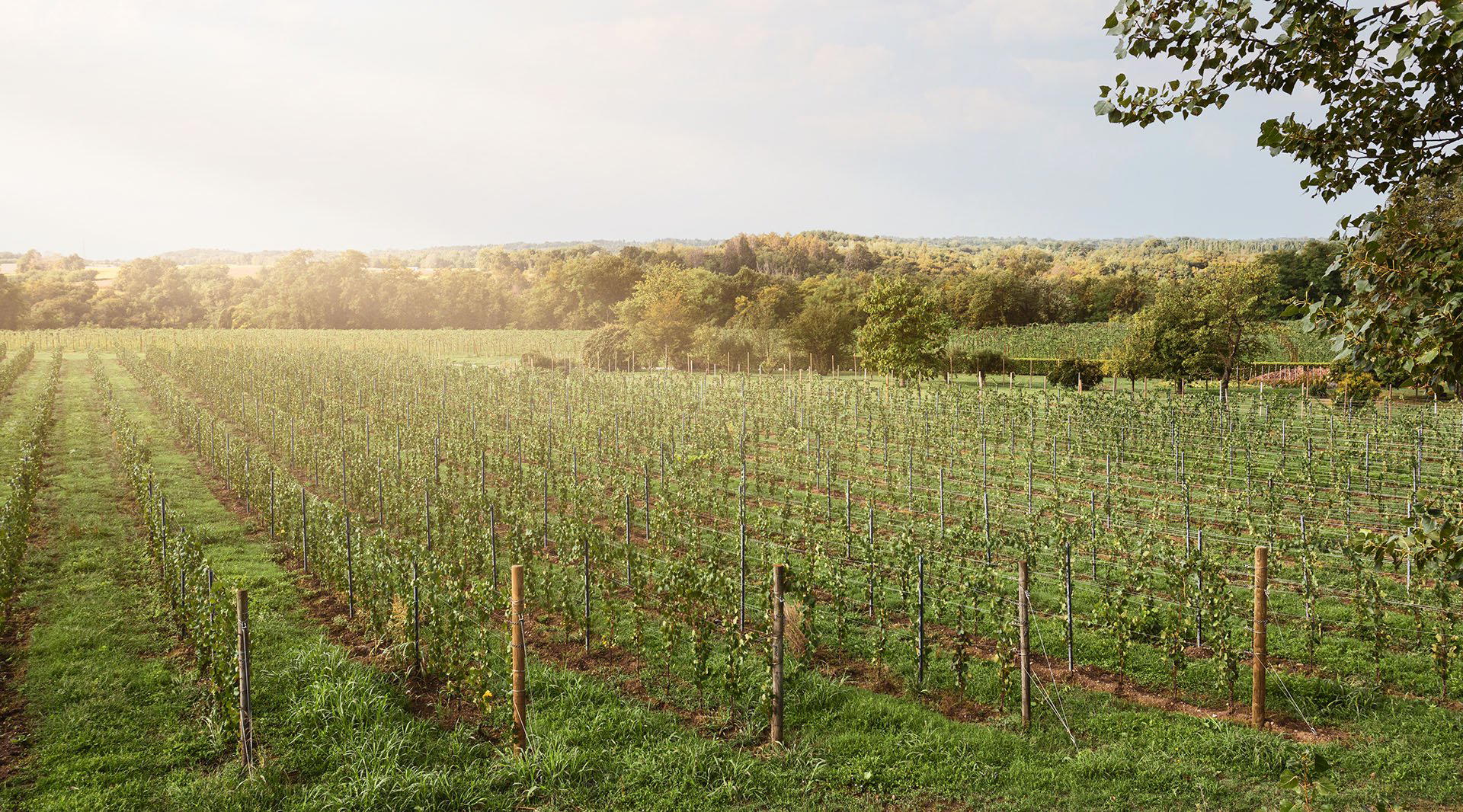
Fagagna sits on a low hill above the Friulian plain, roughly equidistant between Udine and the foothills of the Carnic Alps. It is the kind of comune that does not announce itself loudly, the castello after which this restaurant takes its name is a ruined medieval fortification, and the town's identity is shaped more by agricultural continuity and quiet civic pride than by any particular claim to fame. That context matters when reading a restaurant like Al Castello. In Friuli Venezia Giulia, provenance is the operating logic of the kitchen. The region borders Slovenia to the east and Austria to the north, and its cuisine carries the structural memory of both: the use of smoked meats, fermented products, game, and root vegetables sits alongside the Venetian tradition of sweet-sour preparations and rice dishes. A restaurant on Via S. Bartolomeo in this setting is not trading on urban prestige, it is drawing from a larder defined by altitude, cold winters, and a centuries-long exchange of culinary vocabularies across borders.
That exchange is what makes Friulian cooking one of the more intellectually interesting regional cuisines in Italy, even if it attracts less international attention than Emilia-Romagna or Tuscany. Venues like Dal Pescatore in Runate and Piazza Duomo in Alba operate in regions with established international profiles and dense critical infrastructure. Fagagna operates outside that apparatus. The restaurants here respond to a different logic: community anchoring, seasonal fidelity, and a kitchen vocabulary that is less likely to appear in the international press cycle. For visitors arriving from outside Italy, that absence of noise is itself informative, it signals a food culture that has not been curated for export.
The Friulian Table: Traditions Shaping the Plate
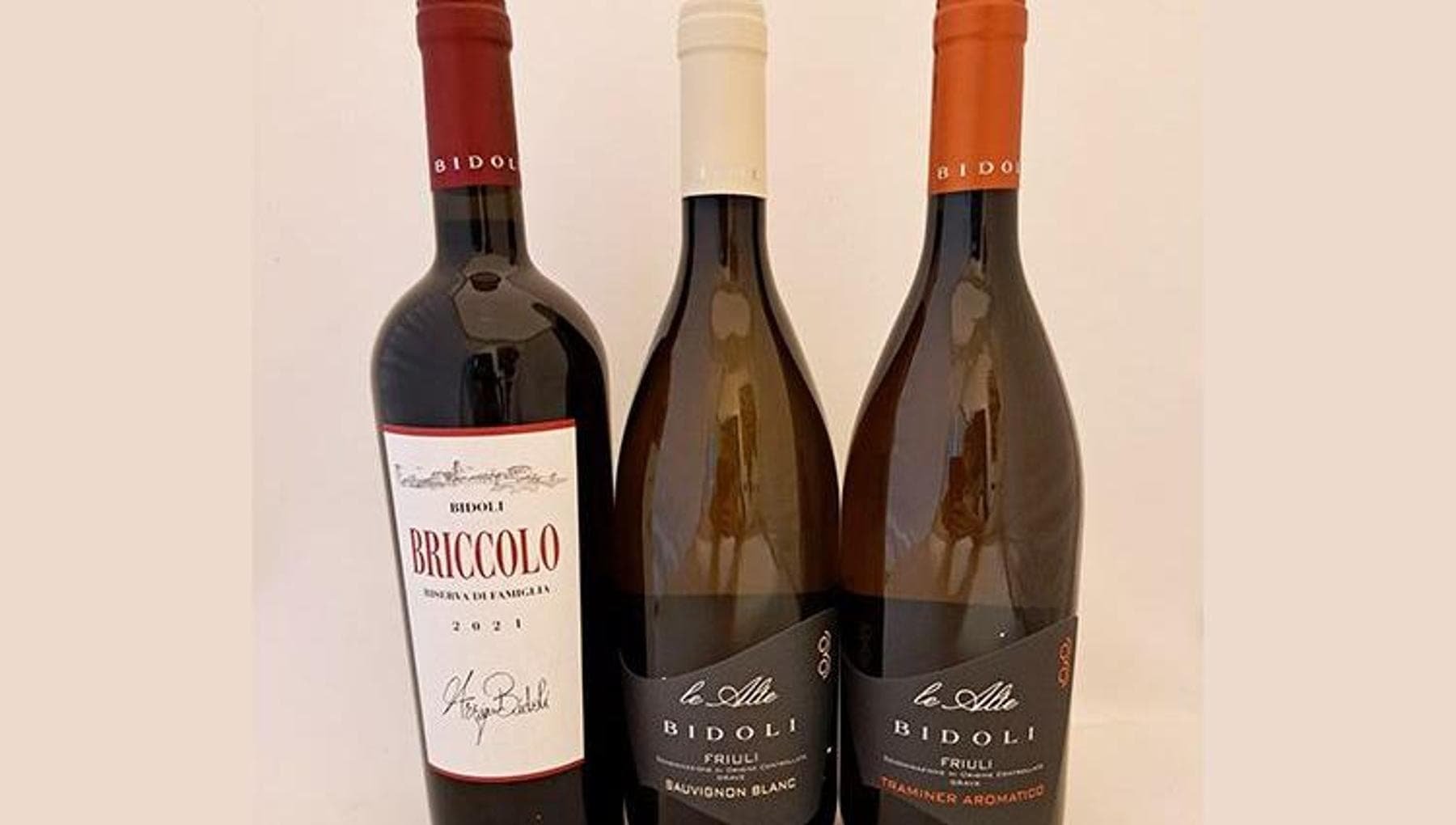
Understanding what a restaurant in Fagagna likely serves requires some working knowledge of what Friuli Venezia Giulia actually produces. The region is one of Italy's serious wine territories, particularly for white varieties: Ribolla Gialla, Friulano (formerly Tocai), Malvasia Istriana, and the orange wines of the Collio and Colli Orientali del Friuli subzones have earned the region sustained critical attention over the past two decades. That wine culture shapes how food is served: portions tend toward generosity, and the relationship between kitchen and cellar is taken seriously in a way that reflects the region's dual identity as both a producer and a consumer of high-quality local wine.
On the food side, the Friulian canon includes frico (a fried or baked composition of Montasio cheese with or without potato), cjarsons (filled pasta with sweet-savory fillings that reflect the region's Alpine character), polenta prepared with varying coarseness depending on the dish, and a strong tradition of preserved and cured meats, particularly from the San Daniele zone not far from Fagagna itself. San Daniele del Friuli, which produces one of Italy's two DOP-protected prosciuttos alongside Parma, is less than fifteen kilometers from Fagagna. For a restaurant in this location, the proximity to that supply chain is not a marketing point, it is simply geography. The curing houses of San Daniele operate in a specific microclimate created by the convergence of cold Alpine air descending from the Carnic Alps and warm Adriatic air moving inland, and the prosciutto they produce carries a sweetness and moisture that distinguishes it from its Emilian counterpart.
This regional specificity places Fagagna's restaurant scene in a broader conversation about Italian fine dining that rewards attention to geography over celebrity. Restaurants such as Uliassi in Senigallia and Reale in Castel di Sangro demonstrate how kitchens outside the major metropolitan centers can achieve serious critical standing by working at the intersection of place and technique rather than chasing national or international trends. The same logic applies in Friuli, where the ingredient quality is high enough to make restraint a defensible, sometimes preferable, approach.
Al Castello in Local Context
Within Fagagna's compact dining scene, Al Castello occupies the Via S. Bartolomeo address that puts it close to the historic town center. Fagagna has a small but coherent restaurant offer: Al Bàcar and San Michele represent the other named venues in the town's profile, and together these three sketch out the range of what dining in this corner of Friuli looks like, more trattoria and civic restaurant in character than high-concept tasting menu operation. For visitors accustomed to the format diversity of a city like Milan, where Enrico Bartolini operates at the metropolitan end of the Italian fine dining spectrum, the adjustment to Fagagna's rhythm requires a different set of expectations. The value here is not in technical spectacle but in direct access to regional ingredients and a dining culture that remains oriented toward local custom rather than international review cycles.
For context on what Italian fine dining looks like at its most decorated, the full range from Osteria Francescana in Modena to Le Calandre in Rubano and Enoteca Pinchiorri in Florence offers a useful comparison set. Al Castello operates well outside that tier in terms of public profile, which makes it more representative of how most Italians actually experience restaurant culture: as a neighborhood or town institution that earns loyalty through consistency rather than awards cycles. The same pattern holds at comparable regional venues across northern Italy, from Villa Crespi in Orta San Giulio to Da Vittorio in Brusaporto, though both of those operate at a formality level unlikely to match what Fagagna offers.
For those building a broader itinerary around serious Italian regional cooking, Atelier Moessmer Norbert Niederkofler in Brunico and Quattro Passi in Marina del Cantone represent how Alpine and Mediterranean terroir respectively inform the Italian kitchen at the high-investment end. Fagagna sits in the middle distance from both of those poles, geographically and gastronomically. See our full Fagagna restaurants guide for a broader map of where Al Castello fits within the town's overall offer.
Planning a Visit
Fagagna is accessible by car from Udine in under twenty minutes, and the town is small enough that Via S. Bartolomeo is easy to locate on foot from any central parking area. Friulian restaurants outside the major towns often maintain more informal booking practices than city venues, and walk-in capacity may be available outside weekend evening service, though this is not guaranteed. Visitors planning a regional itinerary that includes the Collio wine zone or the San Daniele curing houses will find Fagagna a natural midpoint, close enough to both areas to serve as a lunch or dinner anchor within a day of focused regional exploration.
Frequently asked questions
How do I find Al Castello?
Al Castello is located at Via S. Bartolomeo, 18, 33034 Fagagna UD, Italy, Fagagna.
Is Al Castello a good base for exploring Friuli Venezia Giulia's food producers?
Fagagna's position on the plain between Udine and the Carnic foothills puts Al Castello within a short drive of the San Daniele prosciutto DOP production zone, the Montasio cheese consortium, and the Collio wine corridor along the Slovenian border. For visitors using a meal at Al Castello as part of a producer-focused Friuli itinerary, the Via S. Bartolomeo address is logistically well-placed. Udine, the regional capital, is under twenty minutes by car.
What should I eat at Al Castello?
Al Castello sits within fifteen kilometres of the San Daniele prosciutto DOP zone, which means cured meats are the natural starting point at any serious table in this part of Friuli. Regional cooking in Fagagna and the surrounding comuni draws heavily on frico (the crisp or soft cheese-and-potato preparation that varies by household), polenta, and freshwater fish from the Tagliamento basin. Collio and Colli Orientali whites, particularly Ribolla Gialla and Friulano, are the expected pairings.
Can I walk in to Al Castello?
Bartolomeo. Restaurants at this scale in Friulian hill towns often seat walk-ins at lunch on weekdays, but weekend covers in a town with limited competition tend to fill through word of mouth. Arriving early or asking locally in Fagagna is the most reliable approach until direct contact details are confirmed.
What's the standout thing about Al Castello?
The address does a lot of the work: Fagagna is a low-hill comune that sits between Udine and the Carnic foothills, placing Al Castello squarely inside one of Italy's most concentrated zones of protected food production and DOC wine output. A restaurant operating here has access to San Daniele DOP, Montasio PDO cheese, and the white wine appellations of Collio and Colli Orientali as routine supply. That regional density is harder to find in better-known northern Italian cities.
Cost and Credentials
Comparable venues nearby, for context on price, style, and recognition.
| Venue | Cuisine | Price | Awards | Notes |
|---|---|---|---|---|
| Al CastelloThis venue (the venue you are viewing) | Seasonal Friulian Italian | $50–100 | Not listed | Not listed |
| Al Bàcar | Friulian Italian Trattoria | $50–100 | Not listed | Fagagna, Friulian Italian Trattoria |
| San Michele | Modern Italian Regional Fine Dining | $50–100 | Michelin Plate | Fagagna, Modern Italian Regional Fine Dining |
| Casa Orter | Traditional Friuli Regional Italian | $30–50 | Not listed | Risano, Pavia di Udine, Traditional Friuli Regional Italian |
| Al Tiglio Cucina Naturale | Italian Vegan Fine Dining | Not listed | Not listed | Moruzzo, Italian Vegan Fine Dining |
| Aquila Nera | Modern Friulian Osteria | Not listed | Not listed | historic center, Modern Friulian Osteria |
Continue exploring
More in Fagagna
Restaurants in Fagagna
All restaurants in Fagagna →

Hotels in Fagagna
Browse all →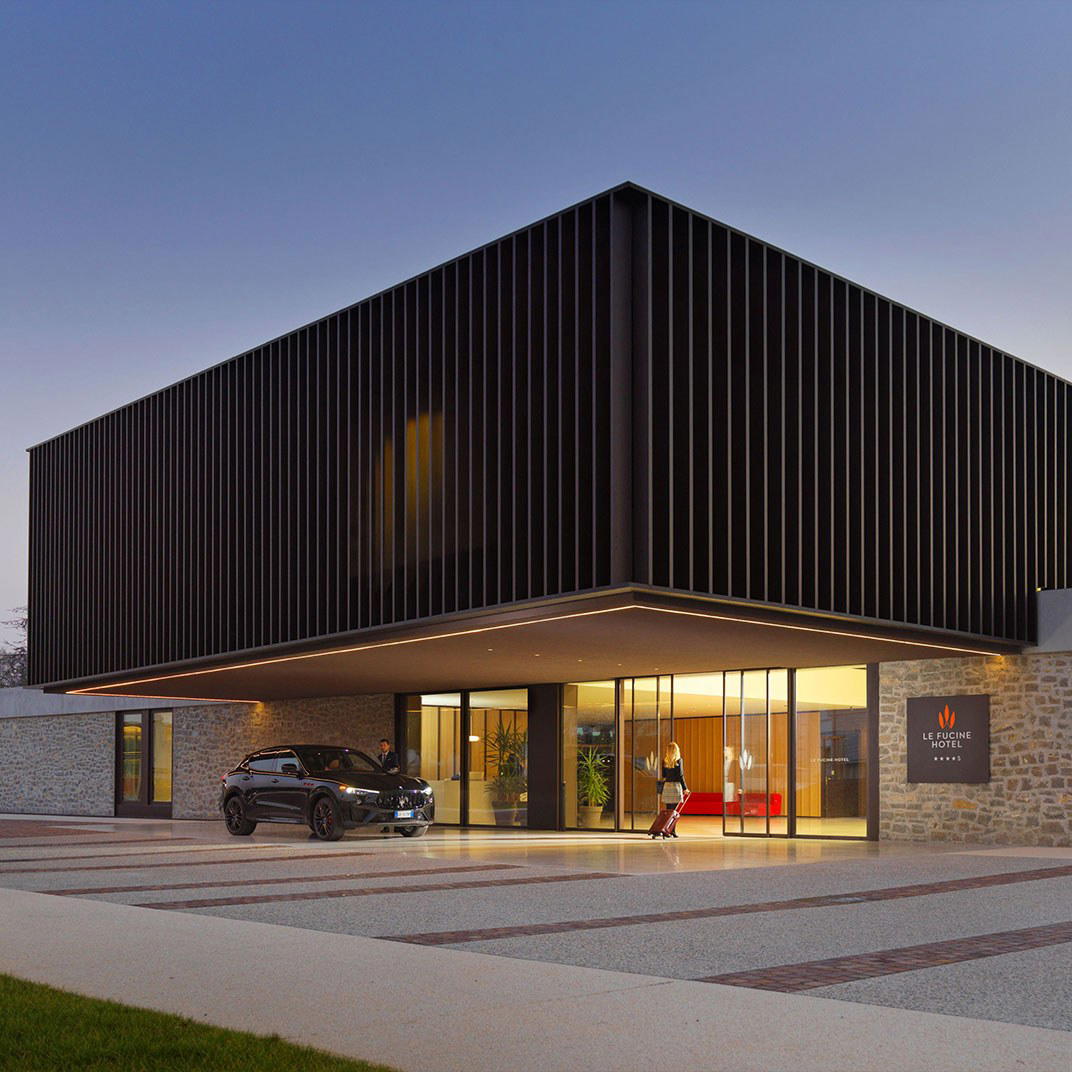
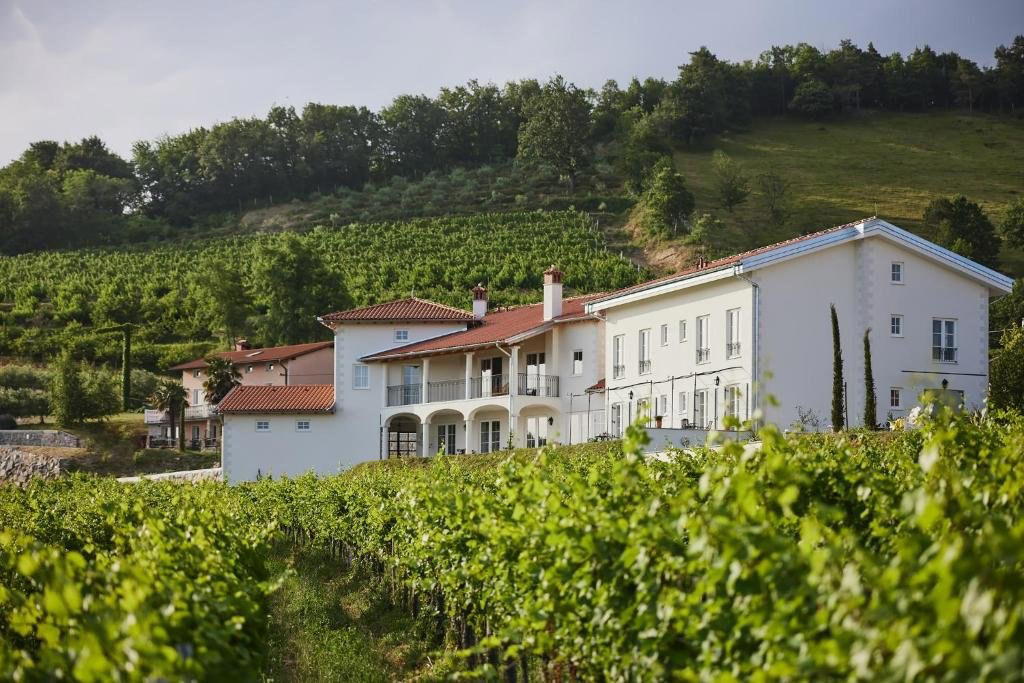
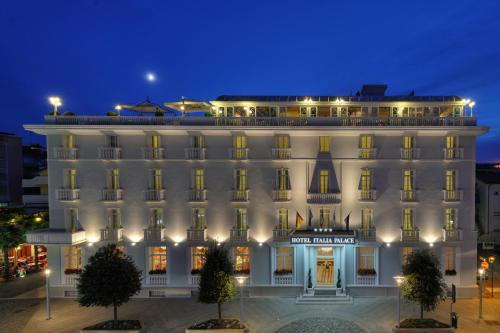
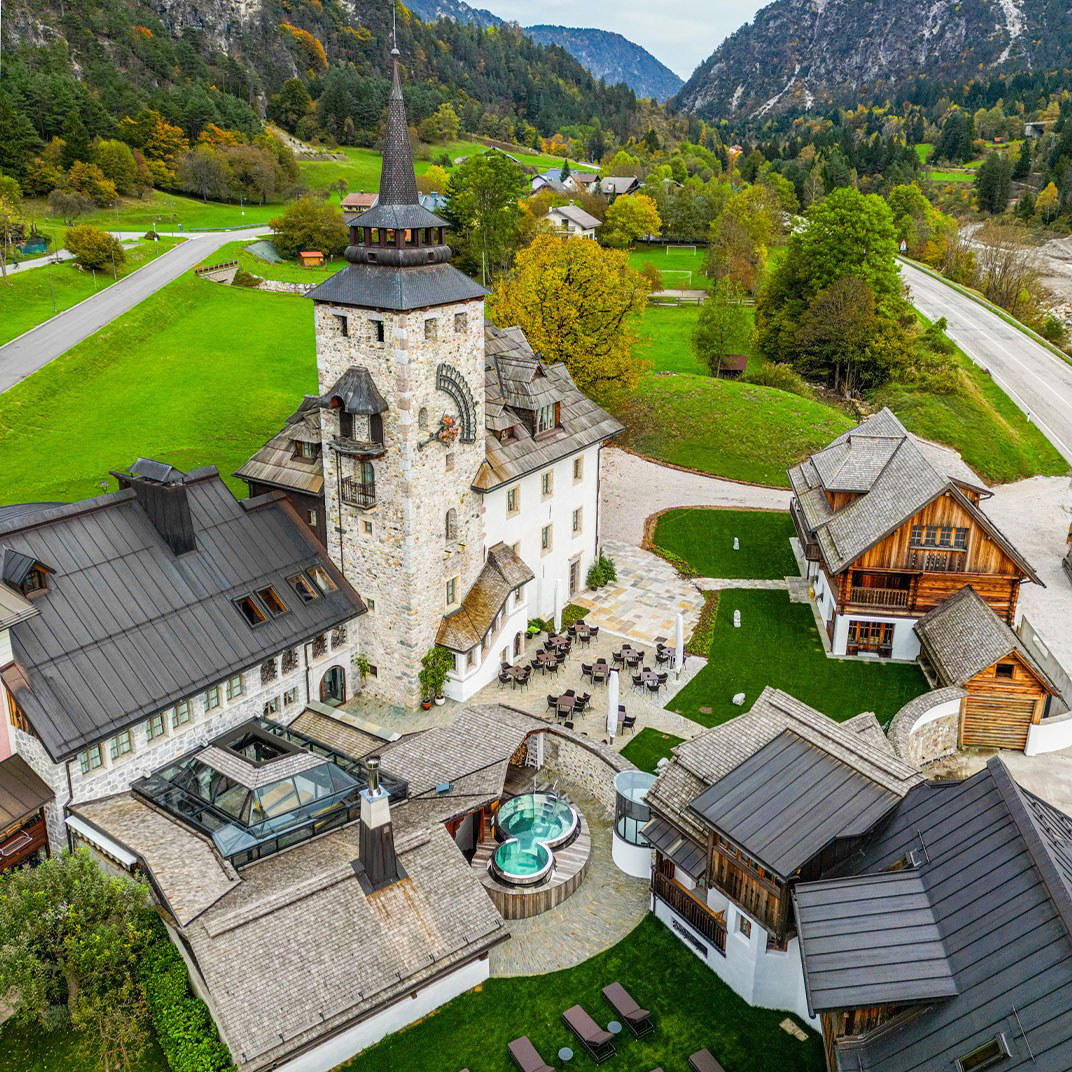
Details
- Elegant
- Romantic
- Scenic
- Classic
- Date Night
- Special Occasion
- Celebration
- Business Dinner
- Historic Building
- Panoramic View
- Garden
- Terrace
- Local Sourcing
- Garden
- Mountain
- A La Carte
- Set Menu
- Wine
- Vegetarian Friendly
- Gluten Free Options
Current opening hours
- Monday
- Closed
- Tuesday
- 12–2 PM, 7–10 PM
- Wednesday
- 12–2 PM, 7–10 PM
- Thursday
- 12–2 PM, 7–10 PM
- Friday
- 12–2 PM, 7–10 PM
- Saturday
- 12–2 PM, 7–10 PM
- Sunday
- 12–2 PM
Hours can change for holidays and private events. Hours as of .
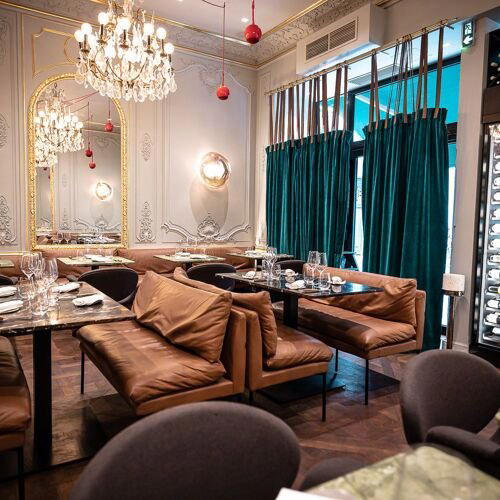
Elegant and refined with warm, inviting lighting that complements the historic castle architecture; peaceful countryside atmosphere with views of rolling hills and valleys.