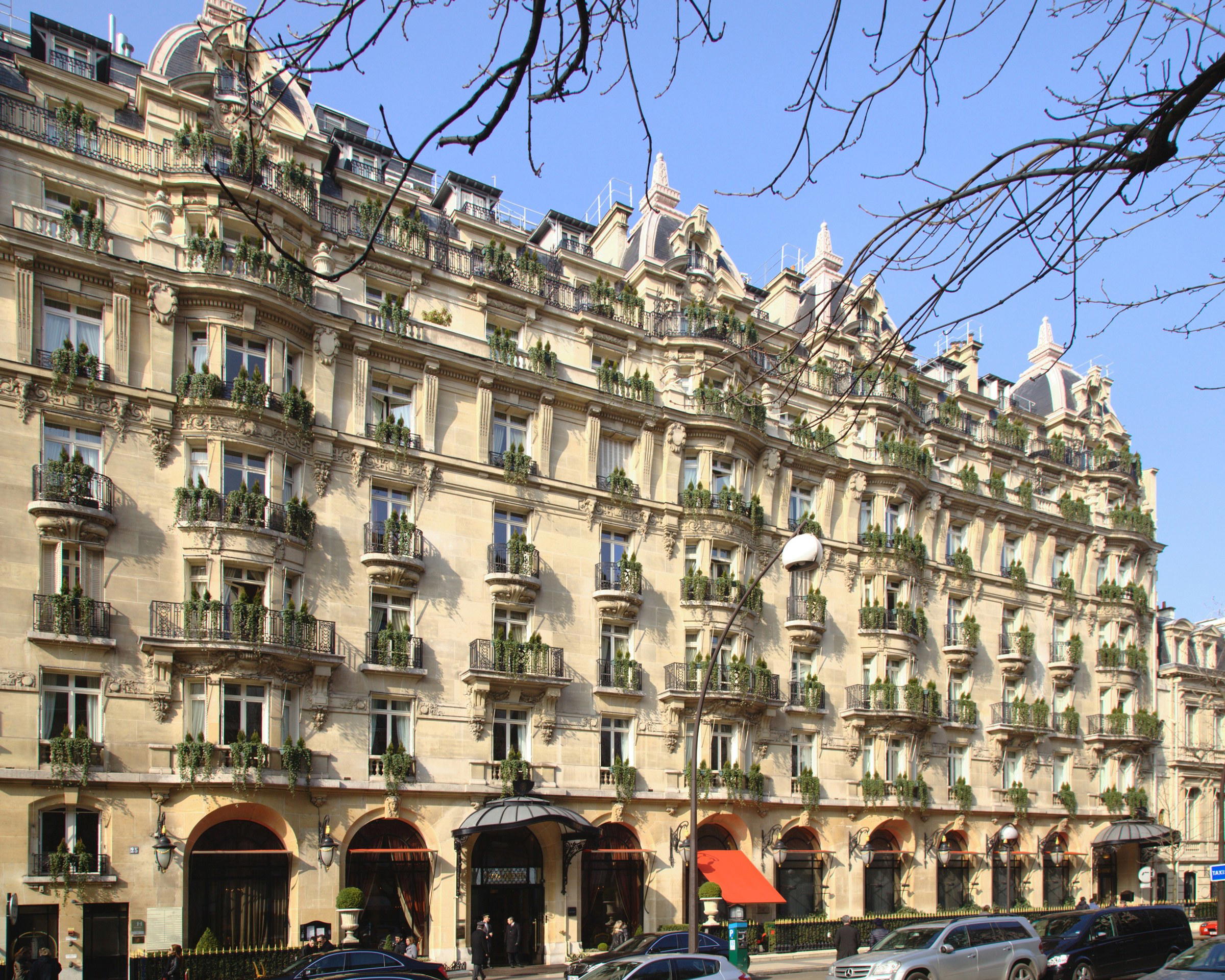
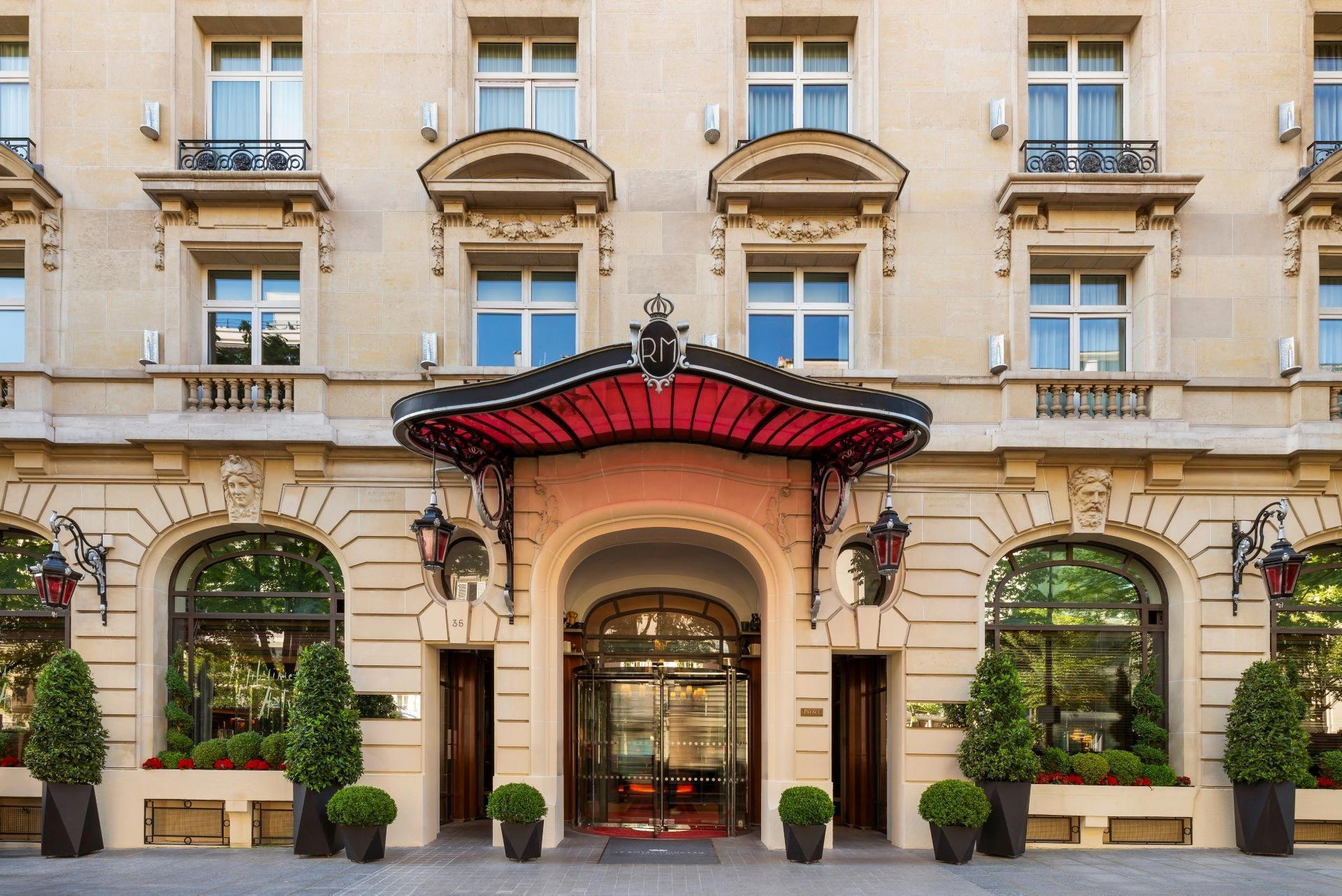
Al Ajami occupies a quietly commanding address on Rue François 1er in Paris's 8th arrondissement, placing it steps from the Golden Triangle's highest-density concentration of luxury dining. The restaurant represents the Lebanese tradition in a neighbourhood defined largely by French haute cuisine, offering a different register entirely — one built on shared mezze, slow-cooked meats, and the kind of meal structure that resists the single-plate logic of the addresses around it.
Pearl is the En Primeur Club membership app — saves, bookings, and concierge access live there. Same editors, same standards.
- Address
- 58 Rue François 1er, 75008 Paris, France
- Phone
- +33142253844
- Website
- ajami.com
- Directions
- Get directions
 Saves & bookings on Pearl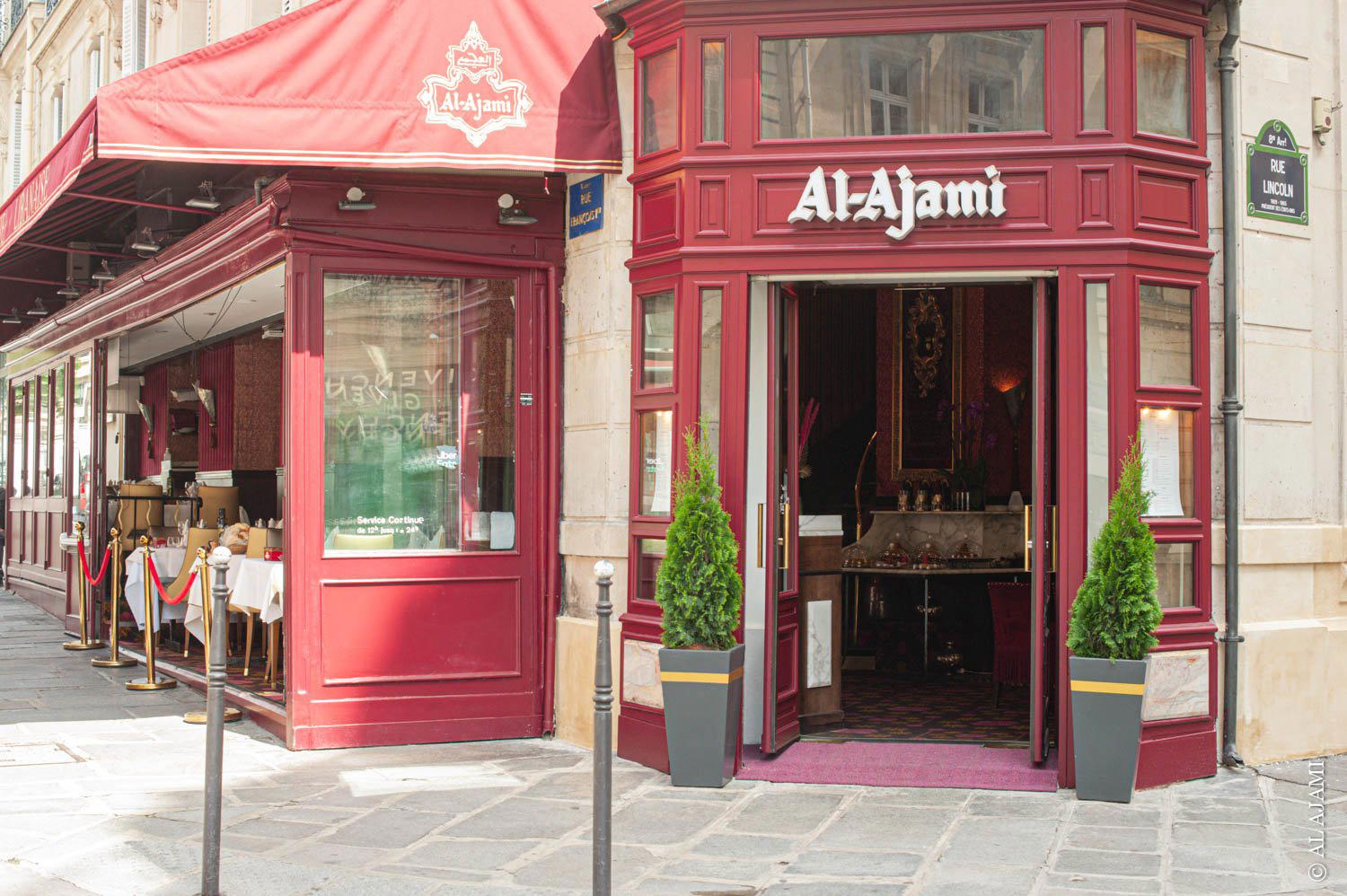
Rue François 1er and What It Signals About the 8th
The 8th arrondissement runs on a particular kind of expectation. From the Arc de Triomphe down through the avenues that frame the Golden Triangle, this is the part of Paris where luxury hospitality concentrates most densely — Le Cinq at the Four Seasons George V a few blocks north, Alléno Paris au Pavillon Ledoyen at the park's edge, the whole apparatus of French haute cuisine operating at full pressure. Against that backdrop, Al Ajami at 58 Rue François 1er offers something structurally different: a Lebanese dining tradition that is communal, sequential, and built on a logic of accumulation rather than the arc of a single tasting menu.
That distinction matters more than it might initially appear. Lebanese cuisine in Paris has historically occupied a different geography, concentrated further east and north in areas with larger Levantine communities. A Lebanese address in the 8th is a deliberate positioning — it places the kitchen in conversation with the most demanding dining neighbourhood in France, and the comparison set that implies.
The Architecture of a Lebanese Meal
Where the restaurants immediately surrounding Al Ajami on Rue François 1er build their narrative around a linear progression, amuse to dessert, one trajectory, the Lebanese meal runs on a different architecture entirely. It begins with cold mezze: hummus, tabbouleh, baba ghanoush, fattoush, dishes that arrive simultaneously and set the table's register rather than opening a single story. The table fills before anything has been chosen from the hot section, and the meal's centre of gravity is collective from the first minute.
This structural difference is not incidental. It means that the skill being evaluated at an address like Al Ajami is not the sequencing of a single kitchen's narrative, as it would be at Arpège or L'Ambroisie, but the consistency and precision of a much wider kitchen range. A cold mezze spread of eight or ten dishes tests technique across more variables than a two-course opening at a French fine-dining counter. The hummus has to be freshly ground to the right temperature and texture; the tabbouleh ratio of parsley to bulgur is a statement of position; the moutabal needs smoke without bitterness.
The transition to hot mezze represents the meal's second movement. Kibbeh, sambousek, and grilled halloumi introduce heat and char, and the pace shifts accordingly. Bread arrives continuously rather than once, because the function it serves, as utensil, palate cleanser, and vehicle, is active throughout rather than decorative. The absence of a formal amuse-bouche or an intermission course is not a gap in the structure; it reflects a different understanding of hospitality, one where abundance precedes selection rather than following it.
The Main Course Problem, Solved Differently
In most Western fine-dining formats, the kind represented at Kei or across the Michelin-tracked addresses of the 8th, the main course is the compositional peak. At a Lebanese table, the main course arrives into a context already populated by flavour. Mixed grill, kafta, whole fish, or slow-cooked lamb come after the table has already established its tone. This is not a problem the kitchen avoids; it is a condition it works with. The meats have to carry enough character to register against a table already alive with lemon, garlic, herbs, and smoke.
That demand is worth naming clearly. The Lebanese kitchen tradition at its finest is not simple; it is precise in a register that differs from the precision of French technique. The balance of spice in a mixed grill, sumac, allspice, cinnamon used with restraint rather than as a declaration, is as calibrated as the seasoning decisions in any French brigade. The difference is that the calibration targets a composite table rather than a single plate, which changes the evaluation entirely.
Placing Al Ajami in Its Peer Context
It also includes the broader question of what kind of dining the neighbourhood supports. The French addresses in this immediate radius, from the classical tradition of L'Ambroisie on the Place des Vosges to the contemporary registers of Alléno Paris, all operate in a currency of Michelin recognition and formal tasting architecture. The Lebanon-origin restaurants in Paris that have maintained longevity in high-expenditure neighbourhoods have generally done so by holding a different value: not the single table's curated progression, but the kind of table that a group wants to return to over years.
For a wider view of how Paris distributes its restaurant energy across traditions and price points, our full Paris restaurants guide covers the range more systematically. The French fine-dining addresses referenced here are well-documented: Flocons de Sel in Megève, Mirazur in Menton, and Troisgros in Ouches represent the regional dimension of French cuisine's ambition. The Paris addresses, Paul Bocuse's Auberge du Pont de Collonges, Bras in Laguiole, Auberge de l'Ill in Illhaeusern, Les Prés d'Eugénie, La Table du Castellet, Georges Blanc, and Auberge du Vieux Puits, represent the institutional weight of French gastronomy that Al Ajami operates alongside without trying to replicate. The contrast is the point. Internationally, the communal-table tradition finds different expression at addresses like Le Bernardin in New York and Lazy Bear in San Francisco, both of which work within sequenced-tasting formats; Al Ajami's format belongs to a different category of shared-table dining entirely.
Planning Your Visit
| Detail | Al Ajami | Typical 8th Arr. Fine Dining | Lebanese (Other Paris Locations) |
|---|---|---|---|
| Address | 58 Rue François 1er, 75008 | Varies, 8th arr. | Typically 16th, 17th, or eastern Paris |
| Format | Shared mezze, communal table logic | Tasting menu or à la carte by course | Shared mezze, à la carte |
| Price tier signal | 8th arrondissement positioning | €€€€ | €€ to €€€ |
| Booking lead time | 2-8 weeks typical | Often walk-in or short lead | |
| Group suitability | Strong (shared format) | Variable | Strong |
Continue exploring
More in Paris
Restaurants in Paris
Browse all →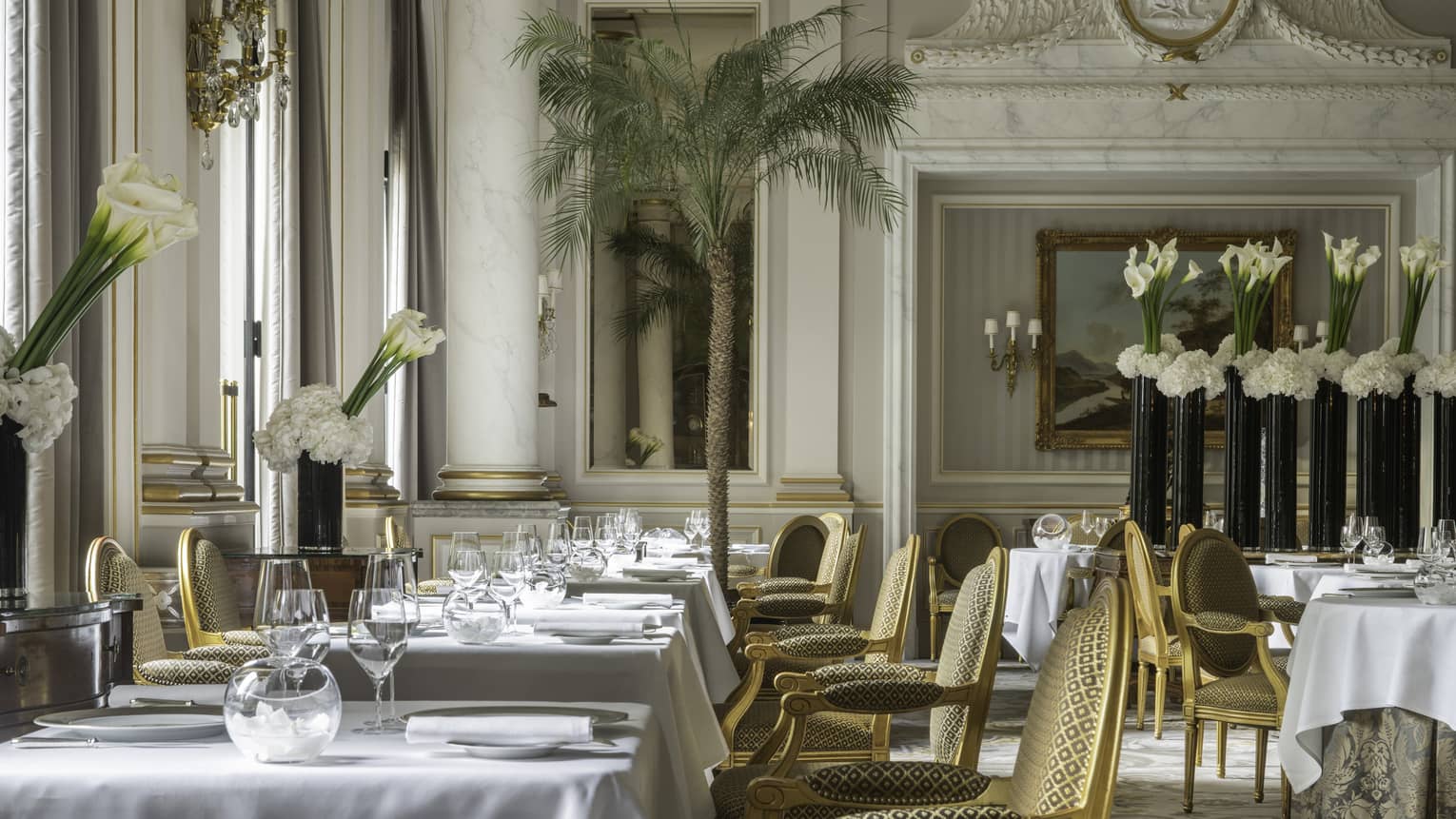

Bars in Paris
Browse all →
Hotels in Paris
Browse all →



At a Glance
- Lively
- Elegant
- Group Dining
- Special Occasion
- Terrace
- Street Scene
Current opening hours
- Monday
- 12–11 PM
- Tuesday
- 12–11 PM
- Wednesday
- 12–11 PM
- Thursday
- 12–11 PM
- Friday
- 12–11 PM
- Saturday
- 12–11 PM
- Sunday
- 12–11 PM
Hours can change for holidays and private events. Last verified .
Lively atmosphere with welcoming staff and delightful terrace praised in guest reviews.
Know Before You Go
- Getting there
- 58 Rue François 1er, 75008 Paris, France