On Rue Réaumur in the 3rd arrondissement, Mabrouk occupies a stretch of Paris where North African culinary traditions meet the city's appetite for precise, ingredient-led cooking. The address places it at the edge of the Marais and the historic garment district, a neighbourhood that has quietly accumulated a serious dining identity over the past decade. Booking ahead is advisable.
Pearl is the En Primeur Club membership app — saves, bookings, and concierge access live there. Same editors, same standards.
- Address
- 64 Rue Réaumur, 75003 Paris, France
- Phone
- +33148422216
- Website
- opentable.fr
- Directions
- Get directions
 Saves & bookings on Pearl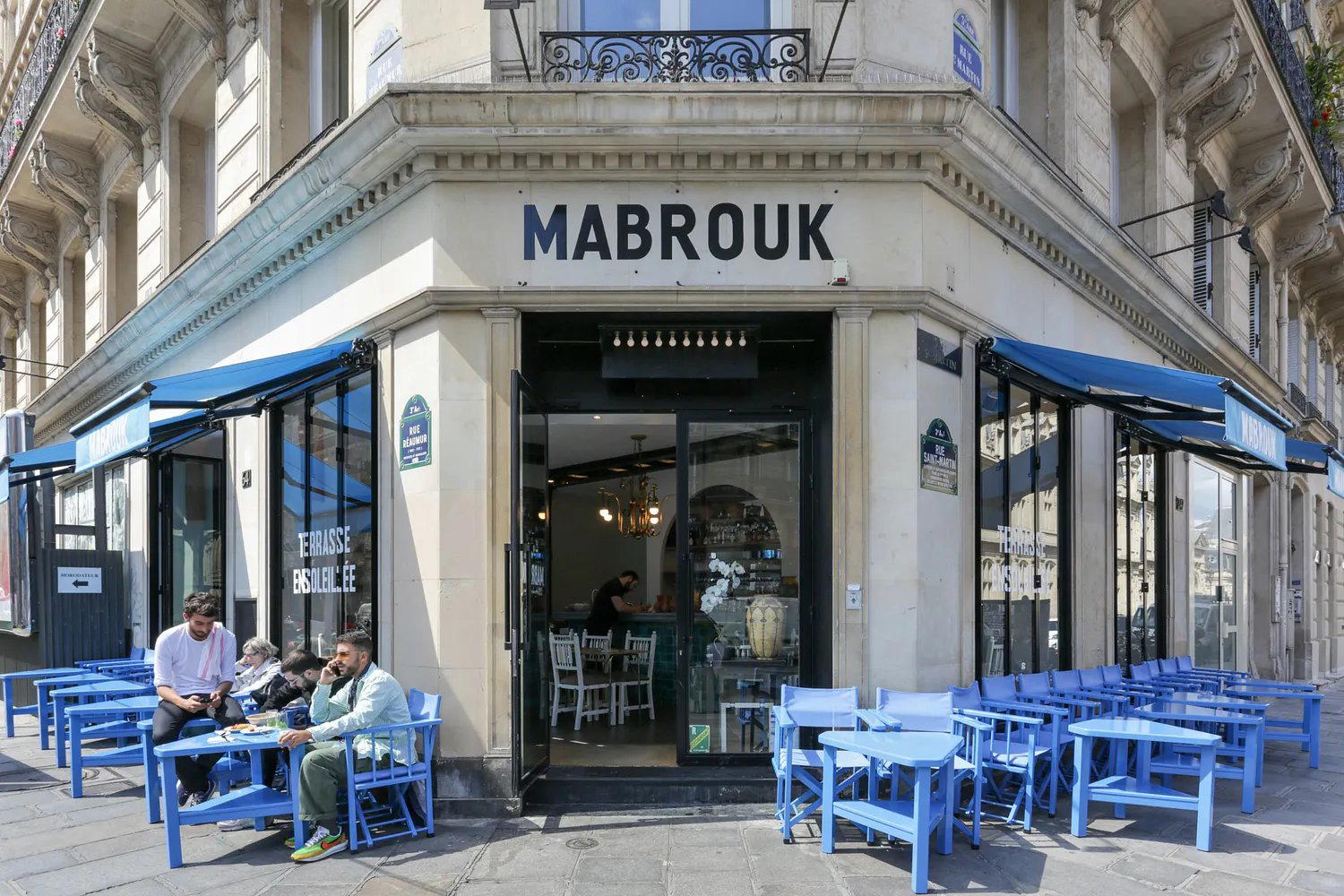
Where the 3rd Arrondissement's Dining Scene Lands
Rue Réaumur cuts through one of Paris's more compositionally interesting districts: the lower edge of the 3rd arrondissement, where the Marais's gallery culture bleeds into the old garment trade streets and a progressively serious dining corridor has formed. This is not the Paris of grand boulevard brasseries or the tasting-menu institutions clustered around the 8th. The restaurants here tend to operate with less ceremony and more culinary conviction, drawing a local professional crowd alongside visitors who have moved past the obvious addresses. Mabrouk at number 64 fits that pattern: a North African-inflected table in a neighbourhood that rewards the kind of research that keeps you off the tourist circuit.
Paris has absorbed North African culinary influence for decades, shaped by the Maghrebi diaspora and the long cultural traffic between France and Algeria, Morocco, and Tunisia. What has changed in recent years is where that influence registers most interestingly: less in the established couscous houses of the 18th and 19th arrondissements, more in smaller rooms across the right bank where the cooking draws on those traditions without being defined exclusively by them. The 3rd, with its density of independent operators and a clientele that expects precision, has become a plausible home for that kind of restaurant.
The Booking Logistics
The editorial angle that matters most for Mabrouk is practical: how you get a table, and what you should know before attempting it. The address at 64 Rue Réaumur is in a part of the 3rd that sees high foot traffic from the nearby Centre Pompidou and the rue de Bretagne market corridor, which means walk-in availability at peak hours is not a reliable strategy. Paris dining rooms in this tier and neighbourhood have converged on reservation-led operations, and Mabrouk follows that pattern. Booking ahead, particularly for weekend evenings and Thursday nights when the area fills with post-work diners, is the practical standard.
For visitors arriving from outside Paris, the location is logistically well-placed: the Arts et Métiers metro station (lines 3 and 11) sits a short walk away, and the Rambuteau stop on line 11 provides a direct approach from the Marais side. Those comparing Paris options across the price spectrum will find that the 3rd arrondissement offers a meaningful alternative to the high-ceremony rooms of the 8th, where tables at Le Cinq at the Four Seasons George V, Alléno Paris au Pavillon Ledoyen, or Arpège require planning windows of weeks to months and price points that commit the evening fully. The 3rd operates at a different register: more accessible logistically, but not less serious about what arrives at the table.
North African Cooking in the Paris Context
Understanding Mabrouk requires some sense of where North African restaurants sit in the broader Paris dining hierarchy. The city's Michelin-weighted attention has historically concentrated on classical French technique — the L'Ambroisie school of French classicism, or the Franco-Japanese synthesis represented by Kei — and the outer ring of France's most decorated tables tends toward regional terroir-driven cooking at addresses like Mirazur in Menton, Flocons de Sel in Megève, or the multigenerational Auberge de l'Ill in Illhaeusern. North African cooking has rarely entered that conversation on its own terms in the French critical establishment, which makes the smaller rooms doing it seriously, without institutional backing or a legacy name, the more interesting places to watch.
The cooking traditions that Mabrouk draws on are structurally different from French classical technique. Spice architecture in Moroccan and Algerian kitchens tends to be accumulated rather than precise in the French sense, built through layered addition over long cooking times rather than through reduction and concentration. The use of preserved ingredients, lemons, olives, dried fruits, introduces an acidity and sweetness that French kitchens manage through wine-based sauces and butter. These are not lesser techniques; they are different ones, and restaurants that handle them in Paris without softening them toward French palate expectations tend to be the more instructive meals. Whether Mabrouk operates at that level of fidelity is a judgment leading formed at the table.
The Neighbourhood as Context
The stretch of Rue Réaumur near number 64 has undergone visible change over the past decade. The former wholesale fabric and haberdashery trade that gave the street its commercial identity has given way to a denser mix of offices, creative studios, and food operations. Lunchtime on weekdays pulls a professional crowd from the nearby tech and media companies that have taken over the district's upper floors; evenings tend toward couples and small groups from across the city who treat the 3rd as a reliable alternative to the more densely touristed Marais blocks to the east. That audience tends to be food-literate and price-aware, which disciplines operators in the area toward genuine value rather than the premium padding that can afflict more destination-oriented streets.
For anyone building a Paris itinerary that reaches beyond the obvious pilgrimage addresses, the grand French institutions like Paul Bocuse's Auberge du Pont de Collonges, or the boundary-pushing rooms like AM par Alexandre Mazzia in Marseille or Troisgros in Ouches, the lower 3rd arrondissement represents a productive area of exploration. Mabrouk sits within that territory. See our full Paris restaurants guide for a broader mapping of where the city's dining energy is currently concentrated.
Planning Your Visit
The address is 64 Rue Réaumur, 75003 Paris. Arts et Métiers metro is the most direct approach. Given the neighbourhood's trajectory and the consistent demand for North African cooking done at a serious level in Paris, reservations in advance of your visit are the practical standard rather than the exception. Those cross-referencing across the French dining spectrum may also want to note comparable levels of seriousness at addresses like Assiette Champenoise in Reims, Au Crocodile in Strasbourg, or Auberge du Vieux Puits in Fontjoncouse for a sense of how France's mid-tier serious dining is distributed geographically. International visitors benchmarking against New York reference points might weigh Mabrouk against the precision end of that city's spectrum, represented by Le Bernardin or the tasting-menu commitment of Atomix, though the price tiers and formats are not directly comparable. Similarly, Bras in Laguiole offers a useful reference point for how French kitchens can build serious reputations outside the capital's institutional circuits.
Continue exploring
More in Paris
Restaurants in Paris
Browse all →
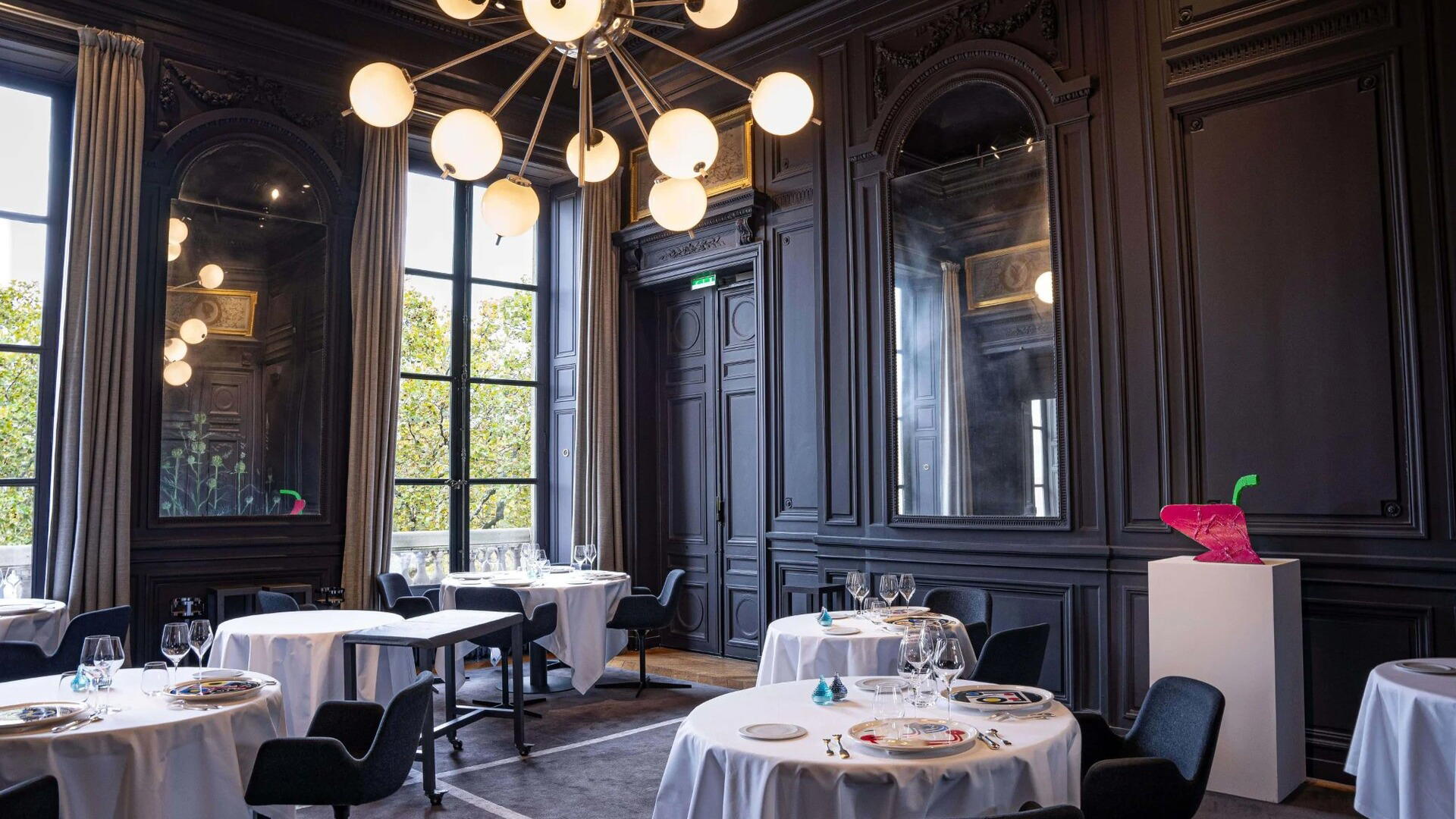
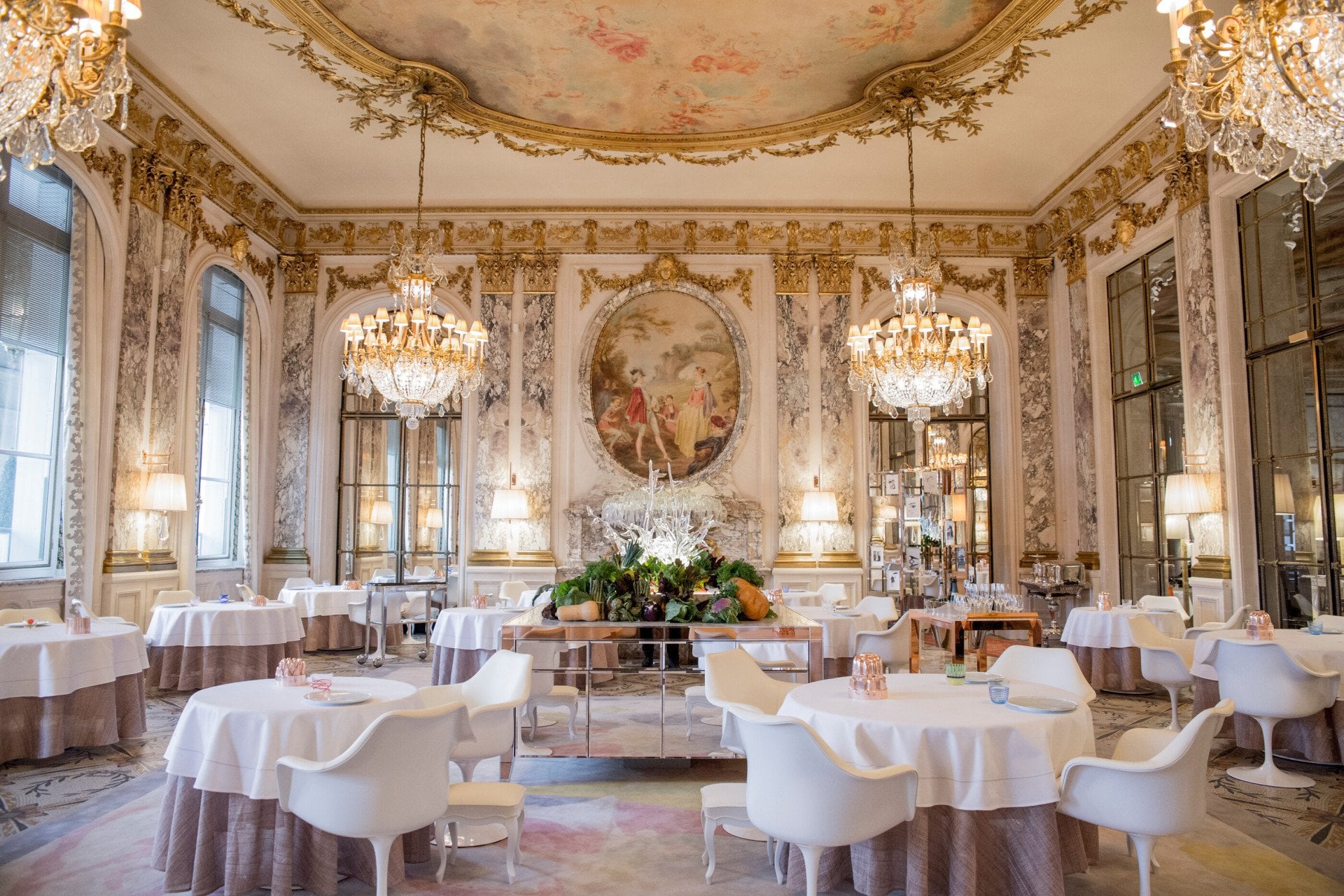
Bars in Paris
Browse all →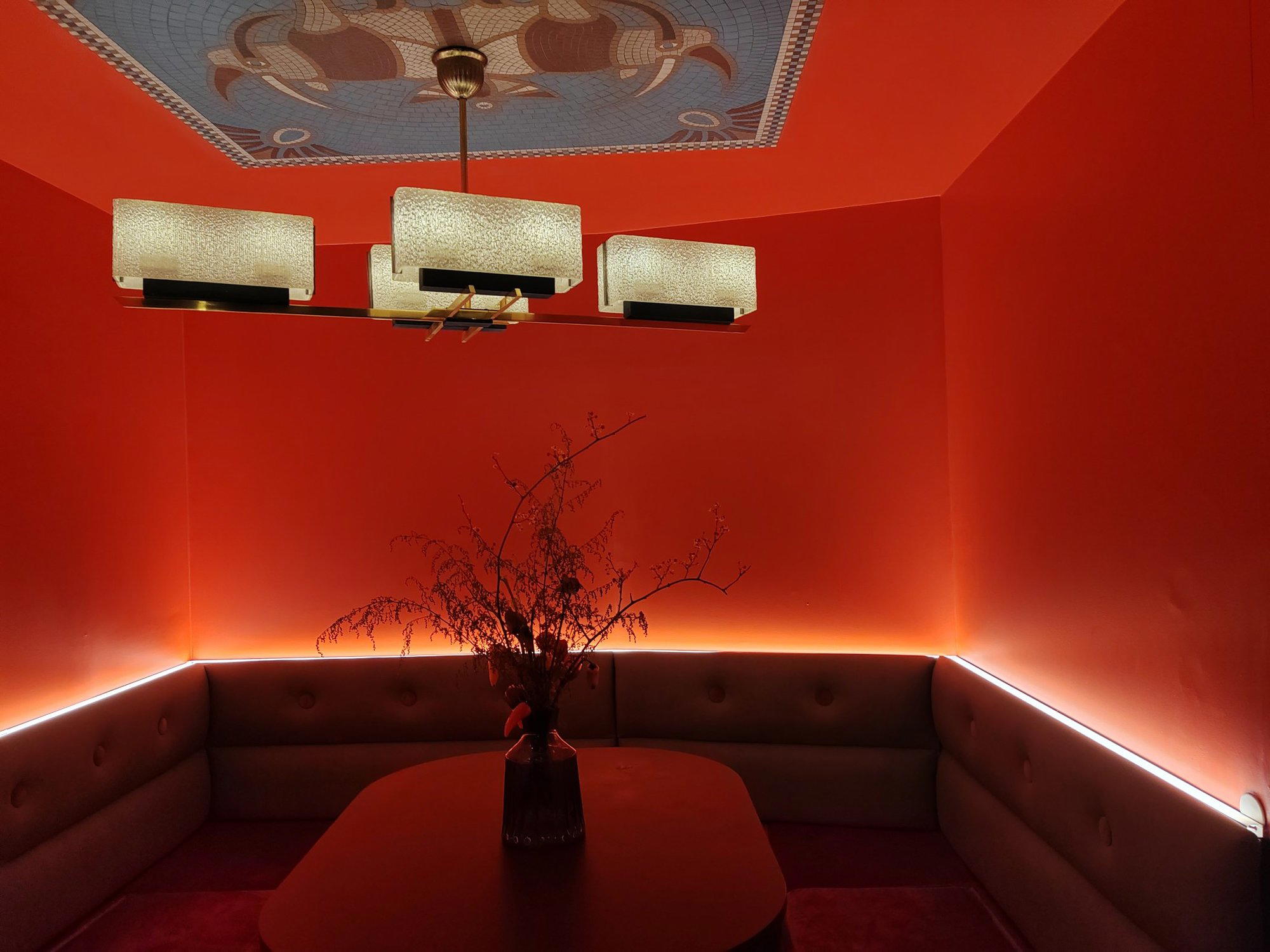
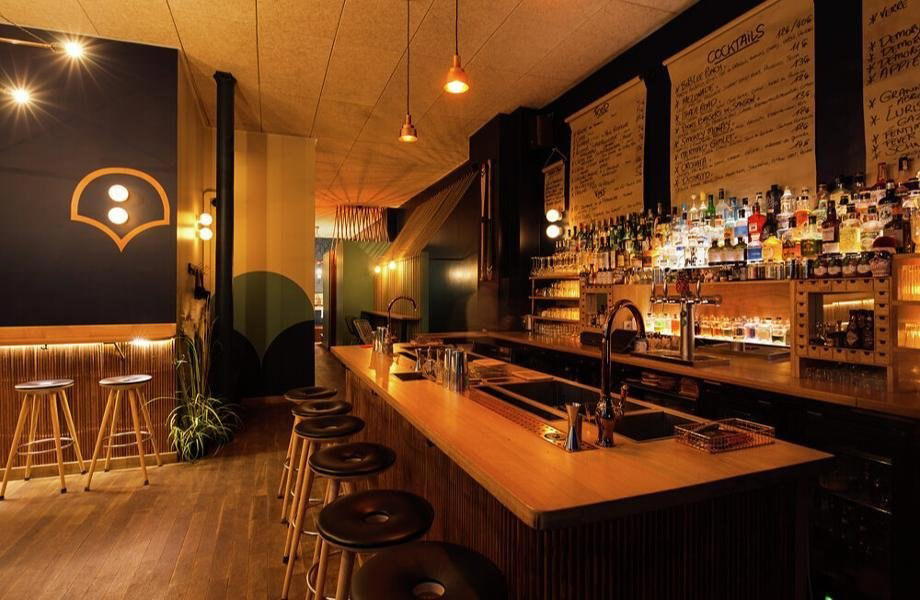
Hotels in Paris
Browse all →



At a Glance
- Lively
- Trendy
- Casual Hangout
- Brunch
- Terrace
- Craft Cocktails
Current opening hours
- Monday
- 11 AM–5 PM
- Tuesday
- 11 AM–11 PM
- Wednesday
- 11 AM–11 PM
- Thursday
- 11 AM–11 PM
- Friday
- 11 AM–11 PM
- Saturday
- 11 AM–11 PM
- Sunday
- 11 AM–5 PM
Hours can change for holidays and private events. Last verified .
Lively and nostalgic atmosphere evoking Tunisian street food with a modern Parisian twist.
Know Before You Go
- Getting there
- 64 Rue Réaumur, 75003 Paris, France