Akira Back
Our verdict
Akira Back sits in Seoul’s Jongno district, where business-district dining, hotel restaurants, and internationally fluent menus meet the older civic axis around Gwanghwamun. The useful way to read it is through Seoul’s appetite for cross-border formats: polished, metropolitan, and better judged against the city’s global restaurant tier than against traditional Korean houses.

Pearl is the En Primeur Club membership app — saves, bookings, and concierge access live there. Same editors, same standards.
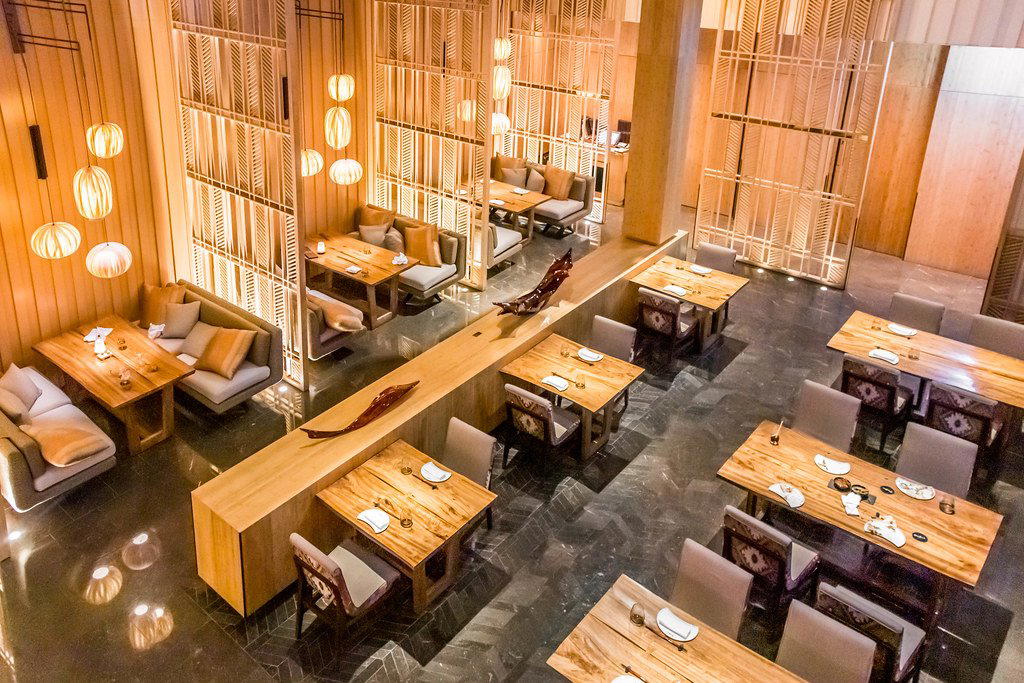
Approaching a Seoul dining corridor, the city changes register: government buildings, hotel lobbies, office towers, and broad civic geometry create a roomier rhythm than the tighter restaurant streets elsewhere in the capital. Akira Back belongs to that polished Seoul category, where dinner is often shaped by business schedules, hotel traffic, and international palates rather than by the long queue culture of market alleys or single-dish Korean specialists.
Seoul's global dining tier, viewed from the center
Seoul’s restaurant scene now splits into several clear lanes. One lane protects Korean specificity, from temple-food discipline to fermentation-led menus and old soup traditions. Another lane serves the capital’s corporate and diplomatic appetite for international formats: polished dining rooms, hotel restaurants, contemporary Korean rooms, and globally framed venues. Akira Back sits in the latter lane, and that context matters. It is not trying to replace the city’s Korean canon; it reflects the part of Seoul that eats with a wider international map in mind.
Citywide comparison is more useful than isolated praise. Yu Yuan represents one formal end of the Seoul luxury spectrum, while 24seasons points toward another contemporary Seoul lane. The contrast clarifies the decision: choose this table when the evening calls for a cosmopolitan restaurant vocabulary rather than a deep reading of one Korean tradition. For a wider scan of the city’s dining range, Our full Seoul restaurants guide is the better starting map.
Why the format makes sense in the capital
Seoul has become unusually good at absorbing foreign dining formats without treating them as novelty. The city’s diners understand tasting-menu pacing, counter culture, hotel-service polish, and the social codes of high-spend restaurants. That maturity is why a venue such as Akira Back can function as part of the city’s everyday premium circuit rather than as a special-effects import. The room’s value is in its fit: based in Seoul, internationally legible, and useful for guests who want Seoul with a broader restaurant grammar.
The cultural point is not fusion as decoration. Seoul’s dining audience has spent decades negotiating international technique, restaurant branding, banquet formality, and Korean ingredient pride. In that setting, cross-border cooking has to be sharper than a menu of familiar luxury cues. The credible version earns its place by reading the city’s pace: fast-moving, design-conscious, and intolerant of clumsy theatre. That is the lens through which this address should be judged.
Travelers building a Korea itinerary should also avoid flattening the country into a single Seoul restaurant list. Regional context changes the meal: cold-noodle culture, coastal dining, temple cooking, and out-of-city restaurant stops all read differently once Seoul is no longer the only reference point. Akira Back is best understood inside that larger map: a capital-city dining room with an international register, not a stand-in for every Korean meal a visitor should plan.
How to place it in a Seoul itinerary
The strongest use case is a Seoul evening when the group wants a polished international restaurant rather than a purely local specialist. Seoul works well for travelers moving between sightseeing, business meetings, and hotel bars, and a well-planned dinner can reduce the friction that makes some cross-city meals feel longer than planned. The choice is especially logical when the table includes mixed preferences: one guest wants Korean context from the trip, another wants a global dining room, and nobody wants the meal to become a lecture.
For a more Korea-specific counterpoint on another night, look toward other Seoul dining rooms, including 24seasons, Youhan, ê´í문êµë°¥, or The Market Kitchen, depending on the mood of the trip. Seoul also rewards planning beyond restaurants: Our full Seoul hotels guide, Our full Seoul bars guide, Our full Seoul wineries guide, and Our full Seoul experiences guide help frame the same city decisions across a full trip.
The verdict is practical rather than sentimental: this is a Seoul choice for travelers who want the capital’s international dining face, not a single-origin lesson in Korean culinary history. That has real value in a capital where the restaurant conversation now runs from inherited local traditions to global dining formats. For broader comparison, look to other unnamed dining rooms in Seoul and beyond to see how differently international formats read when the city around them changes.
Frequently asked questions
Is Akira Back child-friendly?
Akira Back is in Seoul, so it works more like a polished city dining room than a casual family spot. For children, the real question is timing and tolerance for a refined restaurant setting.
How would you describe the vibe at Akira Back?
The tone is polished and international, the kind of room that suits a Seoul dinner rather than a quick stop. Its Seoul setting places it within the city’s more formal dining circuit.
Where exactly is Akira Back?
Akira Back is located in Seoul.
What's the best way to book Akira Back?
Use the venue’s own booking channel or the reservation system tied to its Seoul location. Since no phone number or website is listed here, advance planning matters more than spontaneity.
What makes Akira Back worth seeking out?
The draw is location and format: Akira Back gives you a polished restaurant address in Seoul, within the city’s international dining tier. That makes it a useful pick when the evening calls for a place with Seoul polish rather than a purely local specialist.
Do they accommodate allergies at Akira Back?
Allergy handling should be confirmed with the restaurant before dining, especially at a polished Seoul venue like Akira Back. The safest move is to flag any restrictions when arranging the reservation.
Price and Positioning
Nearby venues at a similar price tier for orientation.
| Venue | Cuisine | Price | Awards |
|---|---|---|---|
| Akira BackThis venue — the venue you are viewing | Modern Japanese Fusion | $150–200 | Not listed |
| The Market Kitchen | Luxury International Buffet | $50–100 | Not listed |
| Yu Yuan | Michelin-Starred Cantonese | $150–200 | 1 Michelin Star · Wine Spectator Best of Award of Excellence |
| Youhan | Modern Thai Bistro | $50–100 | Michelin Bib Gourmand |
| 24seasons | Modern Seasonal Korean | $50–100 | Not listed |
Continue exploring
More in Seoul
Restaurants in Seoul
All restaurants in Seoul →
Bars in Seoul
All bars in Seoul →
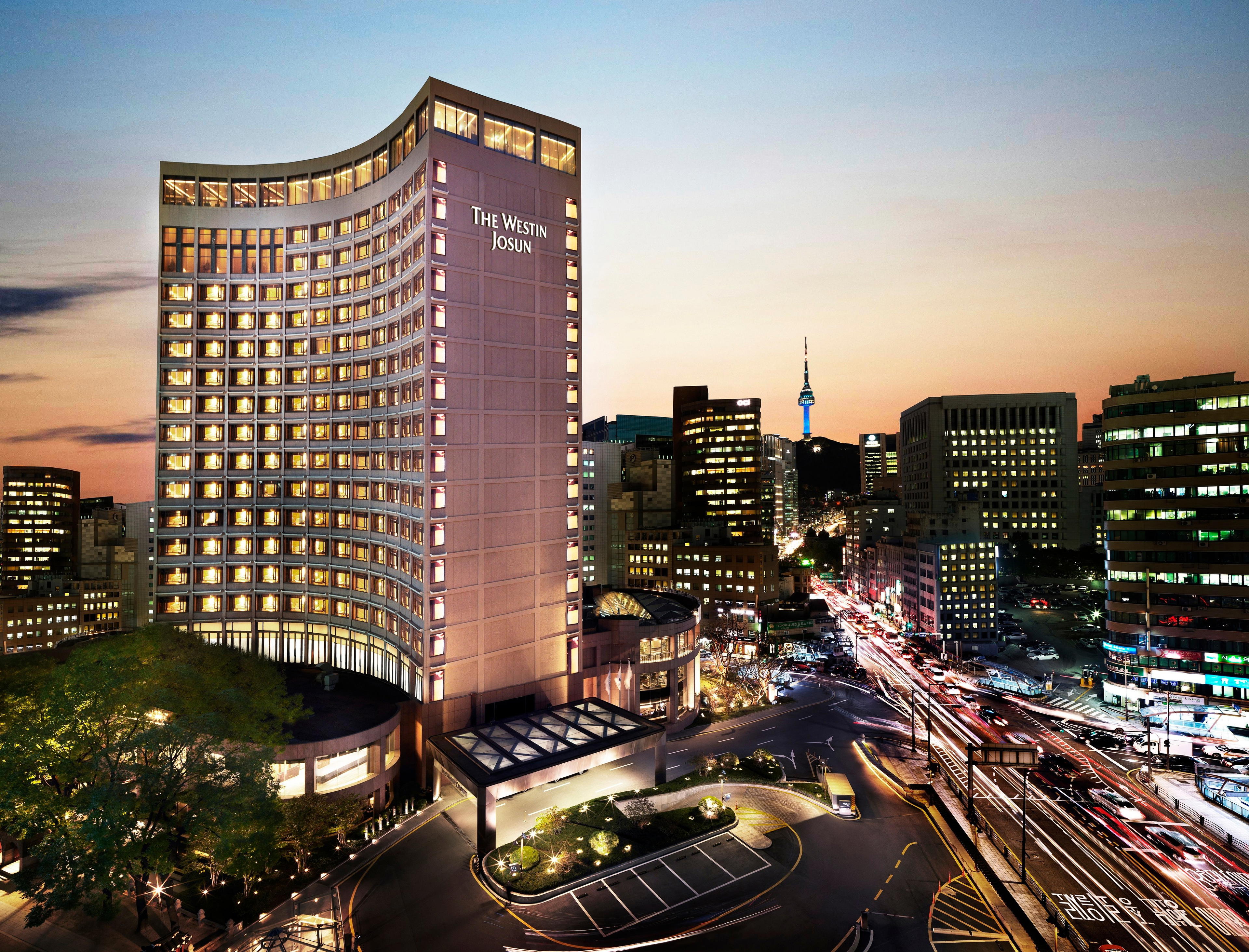
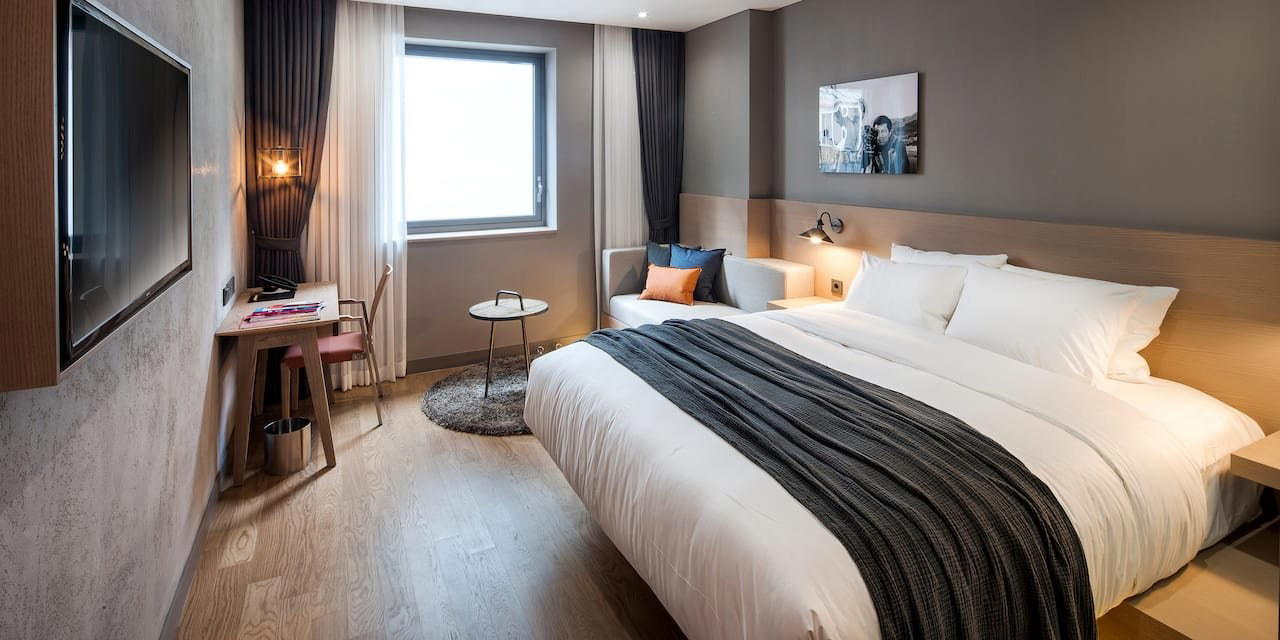
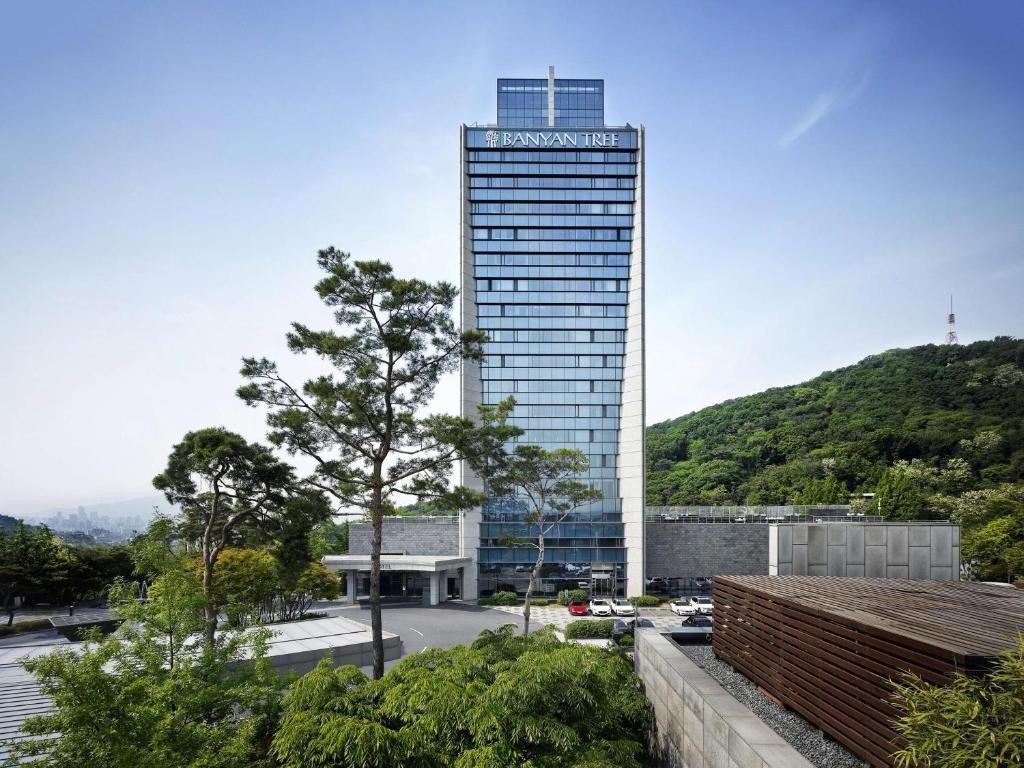
Akira Back
The wine
- Wine program
- Curated wine list
- Sake program
- Craft cocktails
Details
- Elegant
- Sophisticated
- Modern
- Intimate
- Date Night
- Business Dinner
- Group Dining
- Special Occasion
- Hotel Restaurant
- Design Destination
- Craft Cocktails
- Sake Program
- A La Carte
- Set Menu
- Omakase
- Cocktails
- Sake
Current opening hours
- Monday
- 11:30 AM–2:30 PM, 5:30–10 PM
- Tuesday
- 11:30 AM–2:30 PM, 5:30–10 PM
- Wednesday
- 11:30 AM–2:30 PM, 5:30–10 PM
- Thursday
- 11:30 AM–2:30 PM, 5:30–10 PM
- Friday
- 11:30 AM–2:30 PM, 5:30–10 PM
- Saturday
- 11:30 AM–2:30 PM, 5:30–10 PM
- Sunday
- 11:30 AM–2:30 PM, 5:30–10 PM
Hours can change for holidays and private events. Last verified .
Refined and creative, with a luxurious hotel-restaurant atmosphere designed to feel contemporary and immersive.