Aki London

Michelin Plate
Our verdict
Aki London occupies a Cavendish Square address that places it in the company of Mayfair's most serious dining rooms, within walking distance of Oxford Street's commercial noise but removed from it in tone and register. The restaurant represents a strand of London dining that prioritises a specific culinary identity over broad-church accessibility, sitting in a neighbourhood where that kind of focus tends to find its audience.

Pearl is the En Primeur Club membership app, where members save venues, book tables and use the concierge.

The menu
What to order
- Tuna Tartare
- Wagyu Tataki
- Hay-Smoked Scallop
- Kobe Beef
Cavendish Square and the Question of What Mayfair Dining Has Become
Cavendish Square sits at the northern edge of Mayfair proper, close enough to the Oxford Street retail corridor to feel central but removed enough to operate at a different register. The square itself has historically attracted professional and medical tenants rather than destination restaurants, which makes the address at 1 Cavendish Square an interesting choice for a serious dining room. London's premium restaurant geography has shifted considerably over the past two decades: the concentration of high-end covers that once clustered around Park Lane and Piccadilly has dispersed, with Fitzrovia, Marylebone, and the northern Mayfair fringe absorbing operations that might once have sought a more conspicuously grand postcode. Aki London sits in that dispersed tier, in a part of W1 where the competition is drawn from a different pool than the Michelin-dense blocks further south.
For context, the southern end of Mayfair still carries the heaviest critical weight in London dining. CORE by Clare Smyth and Restaurant Gordon Ramsay represent the kind of multi-Michelin operations that define the upper bracket of the city's restaurant offer. Aki London occupies a different register within this geography, one where the question of evolution and reinvention matters as much as any single rating or award.
The Evolution of a London Restaurant Address
The history of any restaurant at 1 Cavendish Square is inseparable from the broader story of how London's dining culture has changed since the early 2000s. That era saw Japanese-influenced cooking move from novelty status into genuine critical seriousness in the capital, a shift that accelerated as London's appetite for precision-led cuisine grew alongside the city's expanding international profile. Restaurants operating at the intersection of Japanese technique and European setting have had to recalibrate repeatedly as the category matured: what read as innovation in one decade became baseline expectation in the next, and rooms that did not evolve either consolidated around a loyal local following or disappeared.
The Cavendish Square location carries that arc with it. Addresses in this part of W1 have seen multiple concepts cycle through over the years, each testing whether the neighbourhood's professional and residential population can sustain a destination dining room without the tourist foot traffic that supports venues closer to Park Lane or Covent Garden. The answer, historically, has been that it can, but only for operations with a sufficiently specific identity to pull from beyond the immediate catchment. That requirement for specificity over breadth is itself a form of editorial pressure that shapes how a restaurant develops its offer over time.
London's broader restaurant evolution provides useful framing here. British fine dining has become markedly more self-assured over the past fifteen years, partly because of international recognition arriving for rooms like Dinner by Heston Blumenthal and partly because the chef training pipeline now runs through domestic kitchens as fluently as it routes through Paris or Tokyo. That shift has created space for restaurants that don't need to signal European classical credentials quite so loudly, which in turn has allowed Asian-influenced and fusion-adjacent operations to sit more comfortably in the upper tiers of the market.
Where Aki London Sits in the Wider UK Picture
Placing any London restaurant in context requires acknowledging that the city's dining scene now competes internationally, not just domestically. The UK's serious restaurant geography extends well beyond the capital: Waterside Inn in Bray, L'Enclume in Cartmel, and Moor Hall in Aughton carry sustained international recognition that shapes the benchmark for what premium British dining means. Regionally, Gidleigh Park in Chagford, Hand and Flowers in Marlow, hide and fox in Saltwood, Midsummer House in Cambridge, Opheem in Birmingham, and Ynyshir Hall in Machynlleth demonstrate that the most interesting cooking in Britain no longer concentrates exclusively in London. Even within the capital, a room at Cavendish Square operates with an awareness that its competitive set includes destinations diners will travel specifically to reach, from Restaurant Andrew Fairlie in Auchterarder to internationally recognised rooms like Le Bernardin in New York City and Lazy Bear in San Francisco, both of which represent the kind of format-discipline and editorial seriousness that now defines the upper tier globally.
For Aki London, this wider context matters because it clarifies what kind of restaurant is required to hold attention in 2024. A Mayfair-adjacent address no longer confers automatic credibility; the neighbourhood premium has to be earned through a combination of culinary specificity, service consistency, and a clear sense of what the room is for and who it is for.
What the Address Signals Now
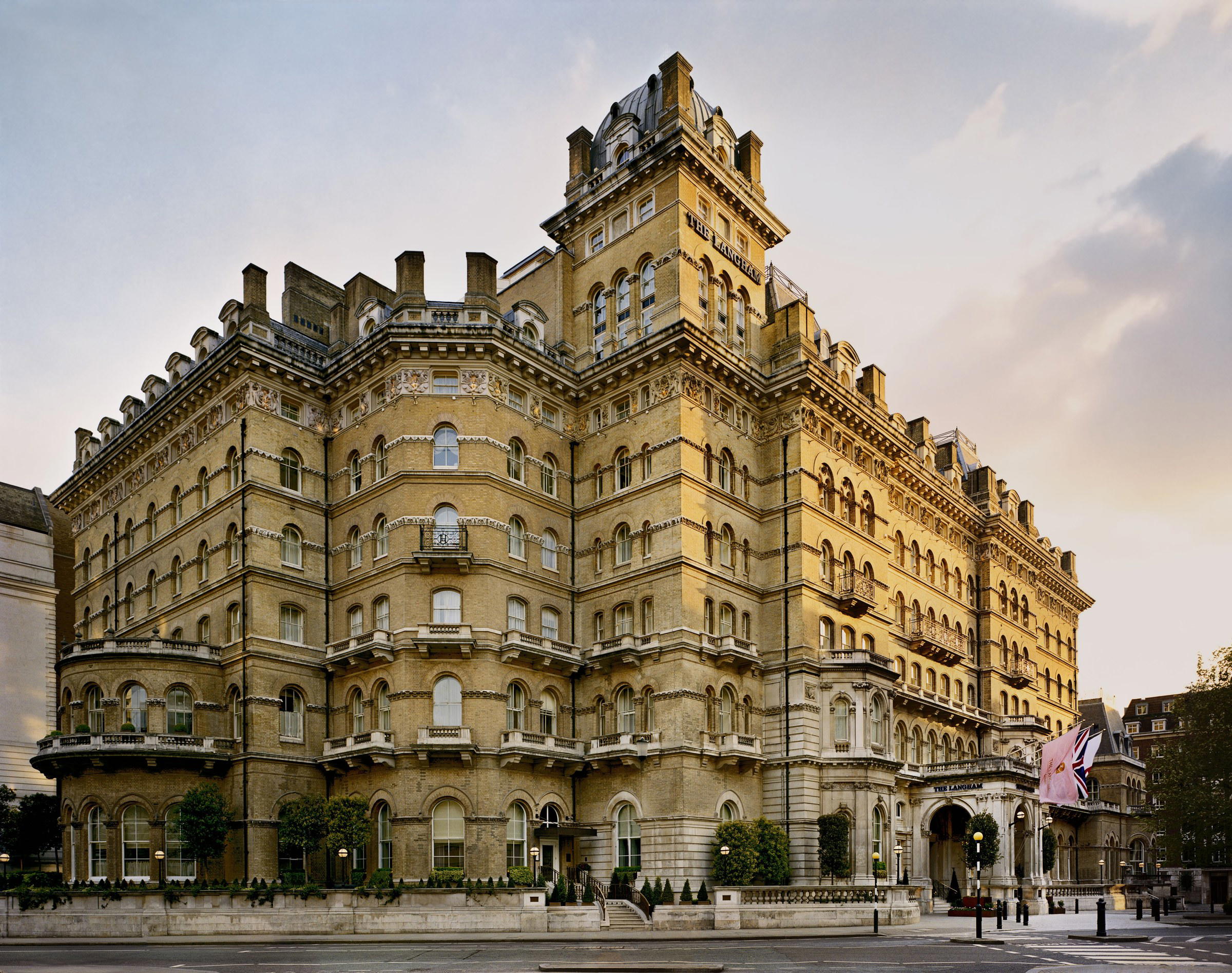
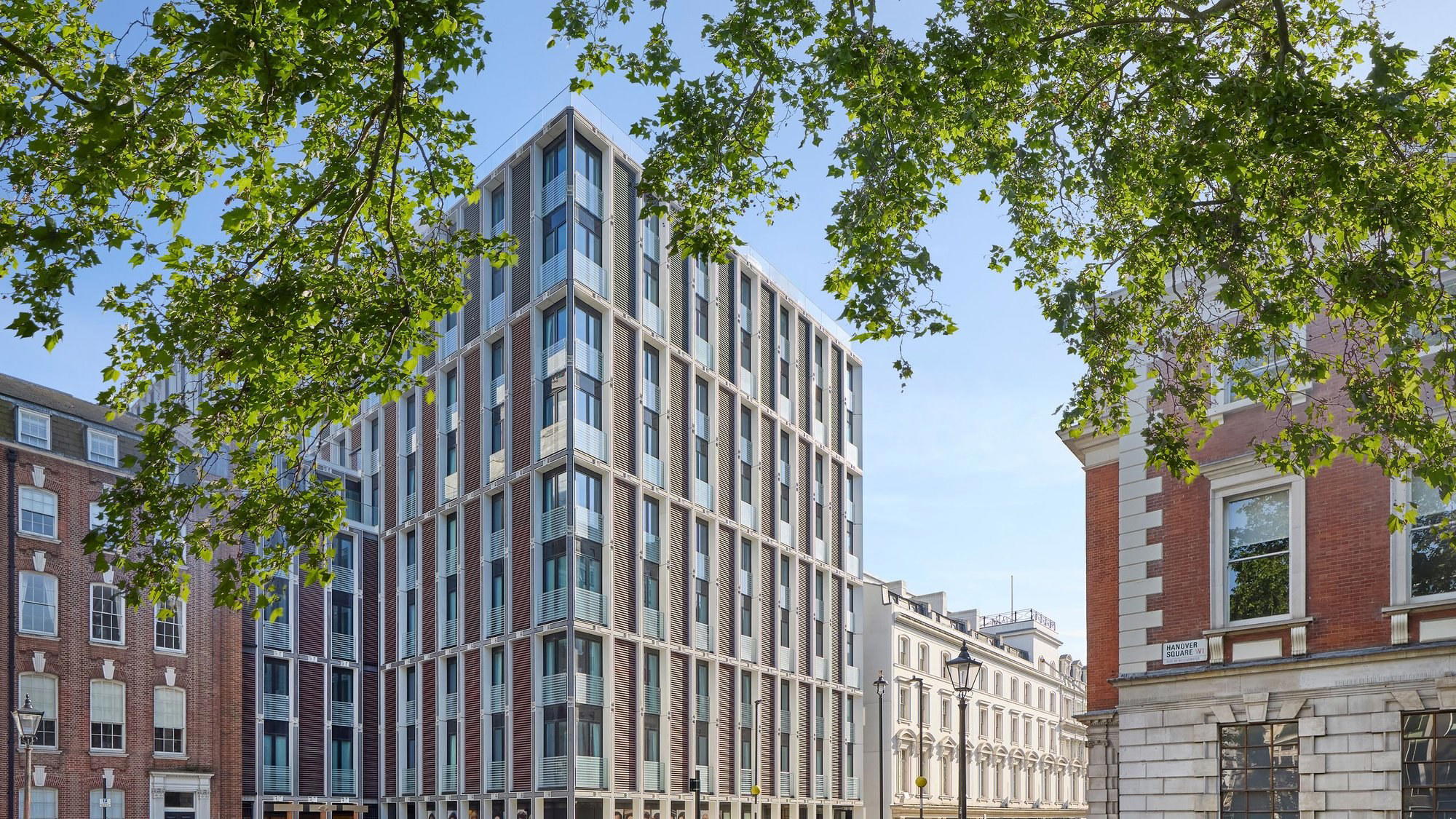
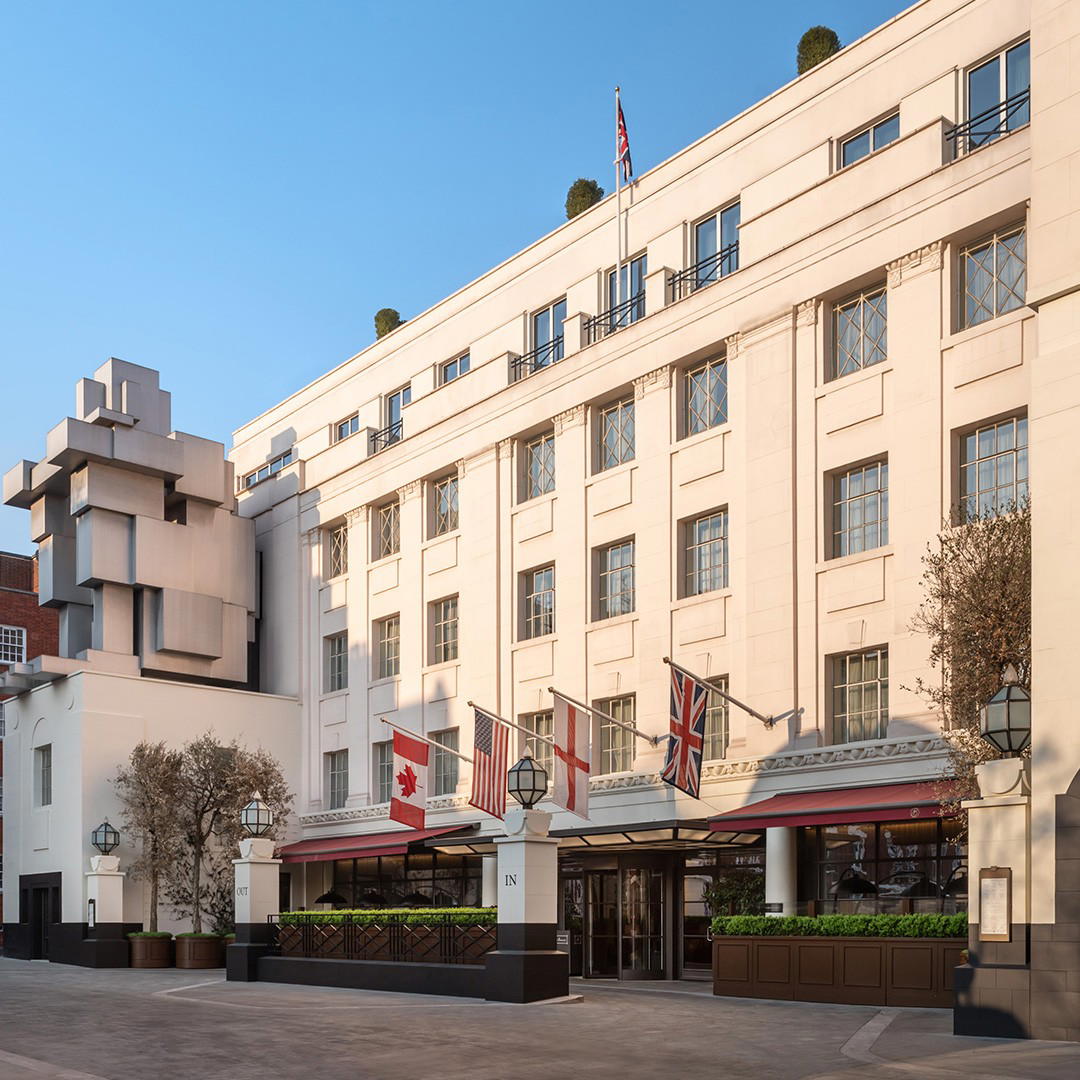
Walking into 1 Cavendish Square, the immediate context is a square that reads as professional London rather than tourist London. The geometry of the address, formal and slightly removed from street-level noise, sets expectations before a guest crosses the threshold. This kind of physical approach, where the building itself establishes a tempo, has become a meaningful differentiator in a city where many premium restaurants now occupy converted industrial spaces or high-traffic ground floors. The Cavendish Square setting carries a different kind of weight: institutional rather than fashionable, which can read either as dated or as deliberately counter-programmed depending on how the interior handles the tension.
For guests planning a visit, the square is accessible from Oxford Circus and Bond Street underground stations, placing it within direct reach of both the West End hotel corridor and the financial district via the Elizabeth line. That transport geometry supports a lunch trade as readily as a dinner trade, which matters for a restaurant at this address. For a broader sense of how this location fits within London's overall dining map, our full London restaurants guide provides neighbourhood-level context across the capital's main dining districts.
Know Before You Go
- Address: 1 Cavendish Square, London W1G 0LA
- Nearest Tube: Oxford Circus (Bakerloo, Central, Victoria lines) and Bond Street (Central, Jubilee, Elizabeth lines), both within approximately five minutes on foot
- Dress code: Not confirmed; consistent with the address, smart-casual is a reasonable baseline
Frequently asked questions
What is the atmosphere like at Aki London?
The setting at 1 Cavendish Square places the restaurant in a formal, professionally-toned part of Mayfair, and the approach to the building signals a quieter, more deliberate dining register than the high-energy rooms clustered further south in the neighbourhood. or a confirmed price tier, direct comparison with peers like Sketch, The Lecture Room and Library is not direct, but the address itself does most of the atmospheric work before service begins.
at Aki London?
For a restaurant at this address in London's premium dining tier, the strongest editorial advice is to consult current menus directly with the venue rather than relying on third-party descriptions, which date quickly in a category where seasonal changes are the norm.
Do I need a reservation for Aki London?
Given the W1 address and the general demand profile of Mayfair-adjacent dining rooms, booking ahead is advisable.
What's the defining dish or idea at Aki London?
The Cavendish Square address places the restaurant in a part of London where culinary specificity is the baseline expectation; the venue's own communications will provide the most accurate current account of its culinary identity.
How does Aki London fit into the broader category of London restaurants with Japanese or Asian influences?
London has developed one of Europe's most serious concentrations of Japanese-influenced fine dining over the past two decades, ranging from omakase counters to fusion-format tasting menus. Aki London's position at 1 Cavendish Square places it in Mayfair's northern fringe, a part of W1 where Asian-influenced rooms have historically competed against European classical operations for the same professional and international clientele.
Comparable Spots
Comparable venues nearby, for context on price, style, and recognition.
| Venue | Cuisine | Price | Awards | Notes |
|---|---|---|---|---|
| Aki LondonThis venue (the venue you are viewing) | Modern Kyoto-Inspired Japanese | Not listed | Michelin Plate | Not listed |
| Aqua Kyoto | Contemporary Japanese with Tokyo Ginza Influence | $100–150 | Not listed | Soho |
| Masa Restaurant | Modern Japanese Omakase | $300–500 | Not listed | Walham Green |
| 45 Curtain Road | Japanese-Inspired Chophouse with Mediterranean Influences | $30–50 | Not listed | Shoreditch |
| Sake No Hana | Japanese | Not listed | Wine Spectator Award of Excellence | St. James's |
| OITA Soho | Modern Japanese Izakaya | Not listed | Not listed | Soho |
Recognition history
Dated appearances from independent guides and award organizations, with the underlying list record or original source where available.
Michelin Plate
Michelin
Continue exploring
More in London
Restaurants in London
All restaurants in London →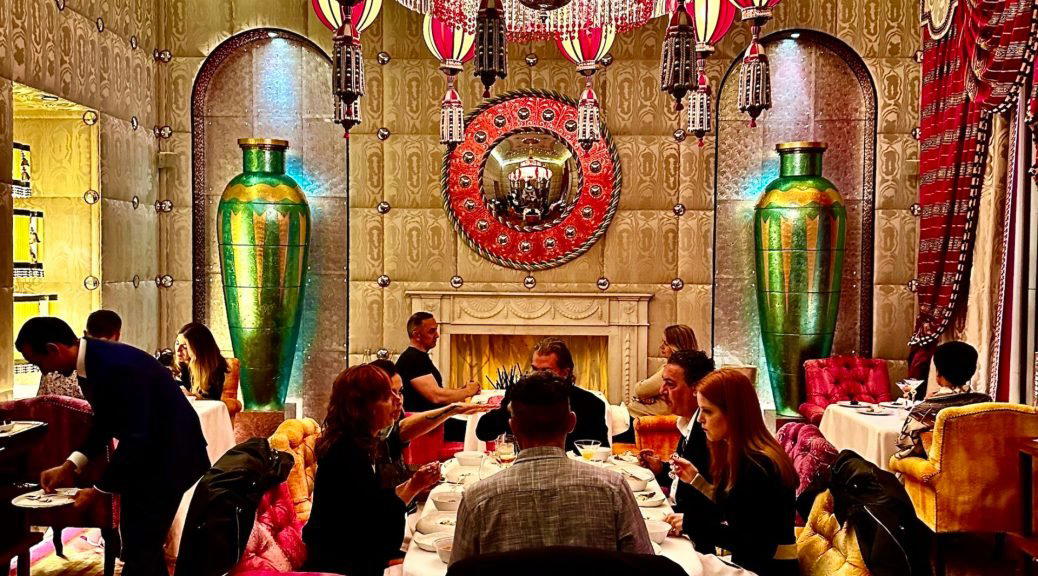
Bars in London
All bars in London →

Details
- Elegant
- Modern
- Sophisticated
- Trendy
- Date Night
- Special Occasion
- Business Dinner
- Open Kitchen
- Private Dining
- Design Destination
- Historic Building
- Craft Cocktails
- Sake Program
- Farm To Table
- Local Sourcing
- A La Carte
- Omakase
- Small Plates
Current opening hours
- Monday
- 12–11 PM
- Tuesday
- 12–11 PM
- Wednesday
- 12–11 PM
- Thursday
- 12 PM–2 AM
- Friday
- 12 PM–2 AM
- Saturday
- 12 PM–2 AM
- Sunday
- 12–10 PM
Hours can change for holidays and private events. Hours as of .
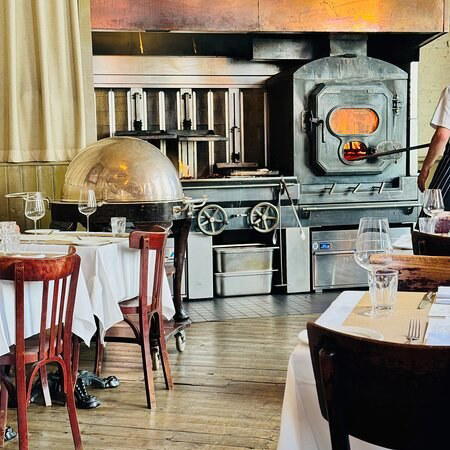
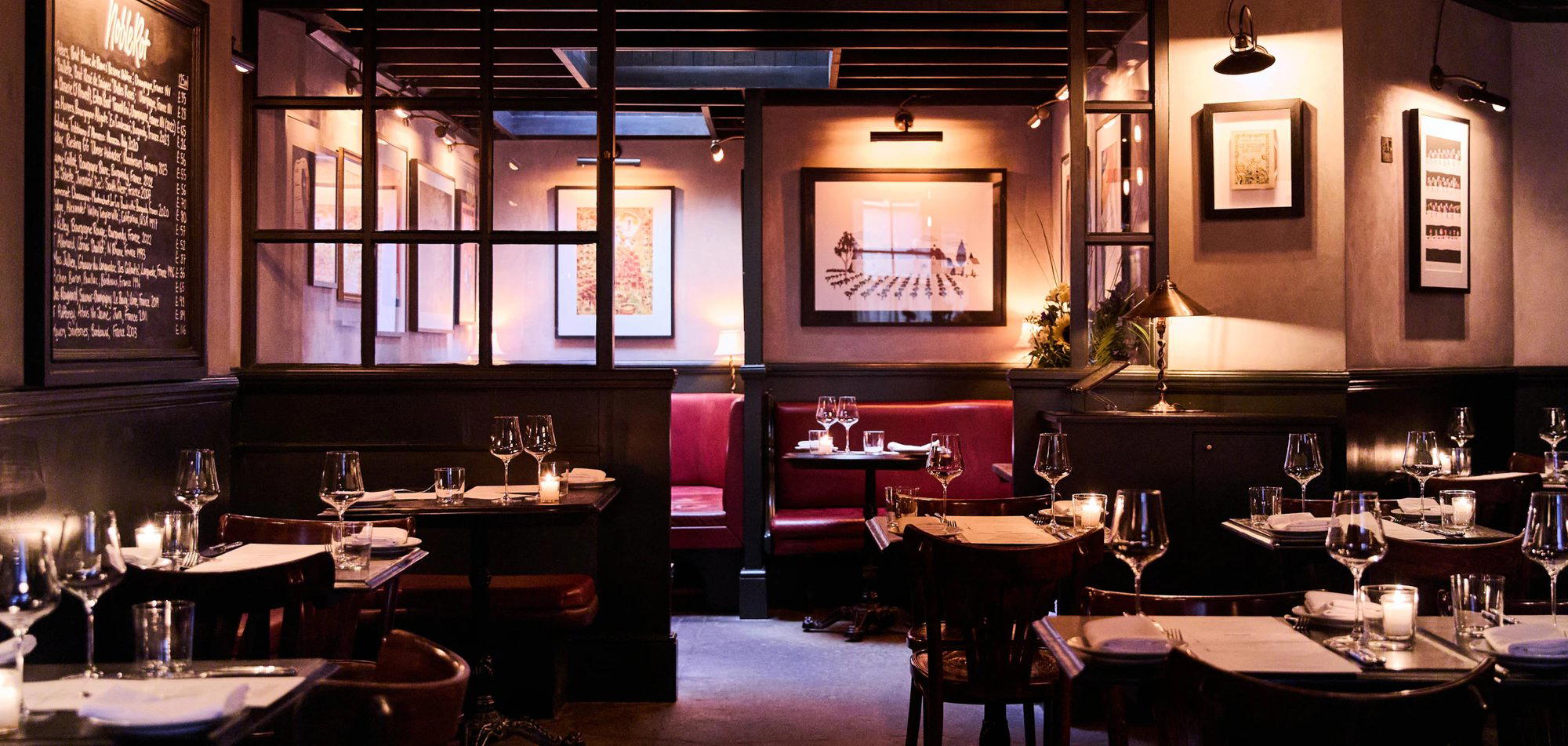
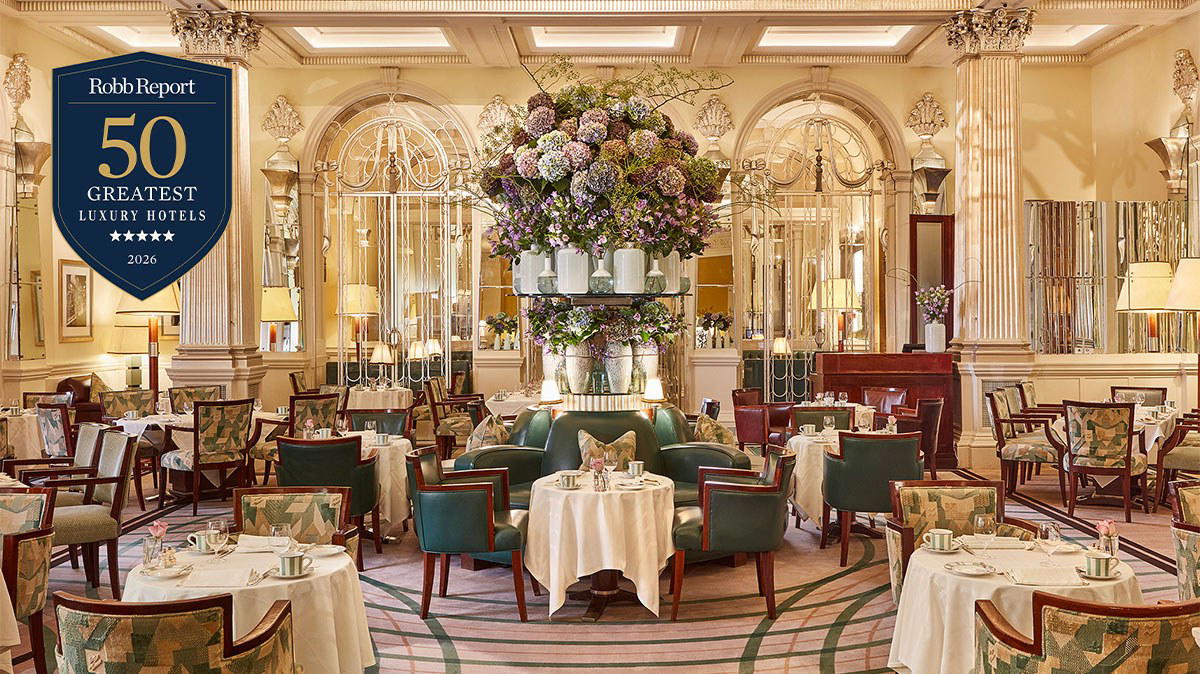
Grand high-ceilinged former bank with Art Deco opulence, plaster trees, soft cloud motifs, kimono fabrics, and live DJs creating an elegant yet energetic atmosphere.