Skip to Main Content
Modern Japanese Fine Dining
← Collection
London, United Kingdom

Sake No Hana

CuisineJapanese

Executive ChefHideki Hiwatashi
Price≈$120
Dress CodeSmart Casual
ServiceUpscale Casual
NoiseConversational
CapacityMedium
Wine Spectator

Sake No Hana brings structured Japanese dining to London's Mayfair, where Tao Group Hospitality's scale meets a wine program of serious depth: 1,905 bottles, 180 selections, and a cellar weighted toward France. Chef Jason Hall leads the kitchen at the $66+ price point, placing this address firmly within the tier of London Japanese restaurants where the list and the food are equally considered.

Pearl is the En Primeur Club membership app — saves, bookings, and concierge access live there. Same editors, same standards.

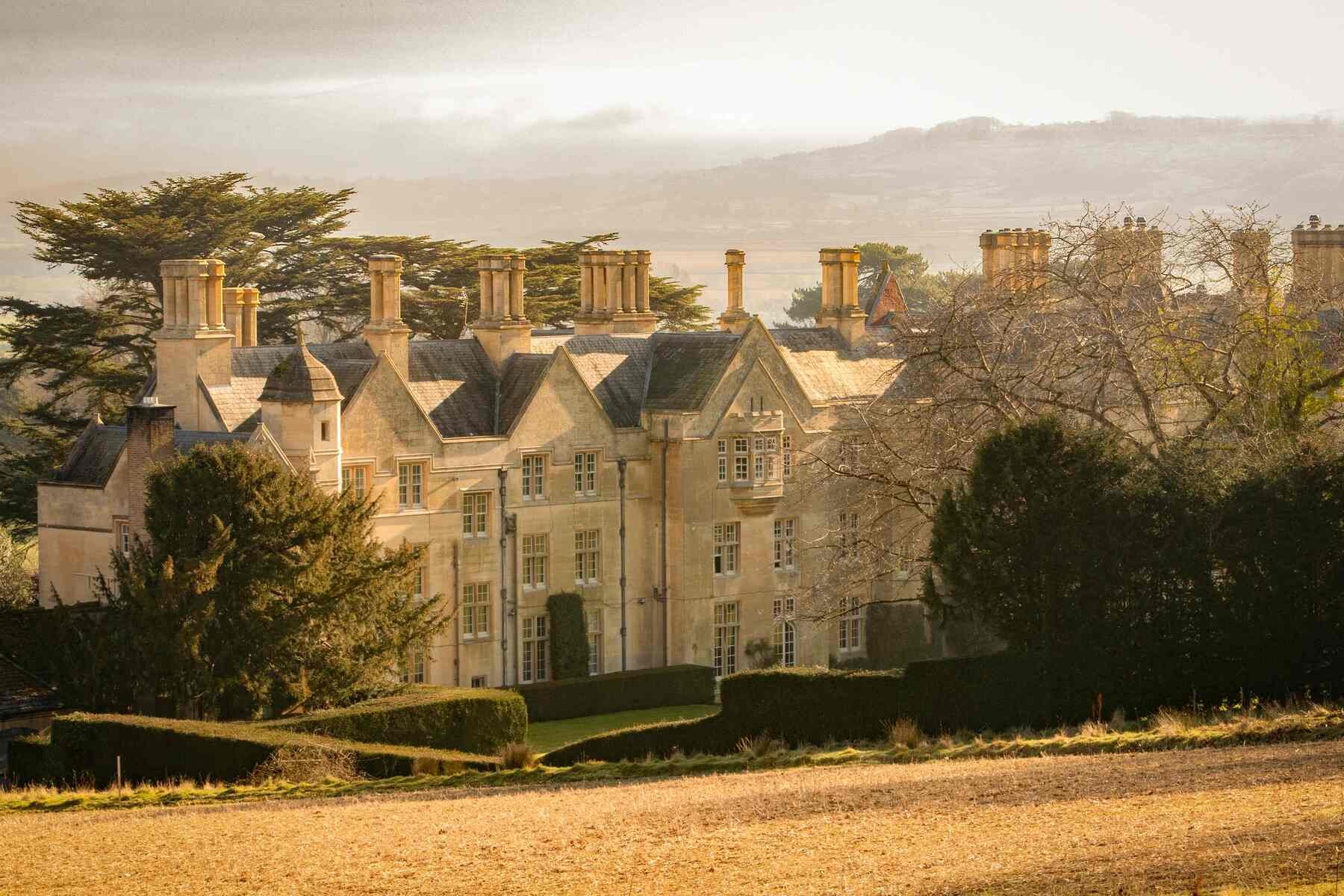
Sake No Hana restaurant in London, United Kingdom
About

Japanese Fine Dining in London: Where Sake No Hana Sits in the Field

London's Japanese restaurant market has stratified considerably over the past decade. At one end, accessible izakaya and ramen counters have multiplied across Soho and Shoreditch. At the other, a smaller cohort of high-commitment Japanese restaurants operates at the ££££ tier, where omakase formats, serious sake lists, and sourcing discipline place them in direct comparison with destination-level addresses in Tokyo rather than with their London neighbours. Sake No Hana, backed by Tao Group Hospitality and led in the kitchen by Chef Jason Hall, occupies a considered position within that upper bracket. Its address at 145 Bowery — cross-referenced against the London dining circuit — and its pricing structure (two courses at £66 and above) signal a room that is not competing on value. It is competing on ambition, and that ambition is most legible through the wine and beverage program rather than through theatrical tableside performance.

For London Japanese dining comparisons at adjacent registers, Umu holds a Michelin star and an emphasis on Kyoto kaiseki tradition, while Humble Chicken takes a tighter, more casual counter approach. Ginza St James's and Chisou anchor the more accessible Japanese middle ground, while Akira represents a further point of reference for London's Japanese fine dining map. Sake No Hana, given its ownership structure and price positioning, sits above all of these in formal register.

The Wine Program as Editorial Statement

The most telling detail about Sake No Hana's positioning is not the cuisine format but the wine list. A cellar of 1,905 bottles across 180 selections, priced at the $$$ tier (defined by a significant concentration of bottles above £100), is not a supporting list built to complement miso and fish , it is a standalone program that places this room in direct conversation with London's French and Modern European fine dining addresses. Wine Director Nikki McCutcheon and Sommelier Michael Wyant run a list with France at its backbone, the kind of structure more common at rooms like The Fat Duck in Bray or Le Manoir aux Quat' Saisons than at Japanese restaurants. The corkage fee of £25 is relatively accessible at this price tier, which suggests the venue is not trying to penalise guests who bring their own bottle , a minor but meaningful signal of hospitality intent.

The France-weighted list at a Japanese restaurant is worth pausing on. The pairing of Burgundy with Japanese cuisine has a logic that seasoned diners recognise: the umami-forward, fat-light profile of much Japanese cooking , particularly in preparations involving aged fish, dashi broths, and fermented elements , responds well to Burgundy's earthy, relatively low-tannin whites and reds. The list at Sake No Hana, taken at face value, appears to understand this. It is not a list built around spectacle or novelty pairings. It is a list built around depth.

Sourcing, Seasonality, and the Environmental Turn in Japanese Cooking

Japanese cooking tradition already contains much of what the contemporary sustainability conversation is working toward: seasonal menus dictated by what is available rather than what is consistent, fermentation as preservation and flavour development, minimal waste in whole-fish utilisation, and a philosophical preference for restraint over accumulation. The question for London-based Japanese restaurants operating at the $$$ price point is how seriously that tradition is honoured in a procurement context , sourcing fish from certified or responsibly managed stocks, reducing the carbon footprint of imported Japanese ingredients, and engaging with British seasonal produce where it genuinely serves the cuisine rather than as a marketing gesture.

Tao Group Hospitality's involvement brings scale and infrastructure that can, when applied thoughtfully, support better sourcing at volume. Large hospitality groups have procurement use that smaller independent operators lack, and when directed toward ethical supply chains , responsibly sourced seafood, reduced single-use packaging, waste-measured prep protocols , the institutional weight is an advantage rather than a liability. Whether that use is being applied here is a question the menu and kitchen would need to answer directly, but the framework exists for it to be possible in a way that it is not always possible at smaller operations.

For diners whose choices are shaped by environmental consideration, Japanese cuisine at this level deserves credit for the structural alignment between culinary tradition and sustainability principles, even before any specific programme is in place. The emphasis on seasonality that defines kaiseki and omakase formats is, in its own right, a form of environmental intelligence that predates the contemporary conversation by centuries. Comparisons with Tokyo restaurants operating at analogous levels , such as Myojaku and Azabu Kadowaki , are instructive here: both operate with minimal-intervention philosophies where the calendar governs the menu, a discipline that London-based Japanese restaurants increasingly seek to replicate.

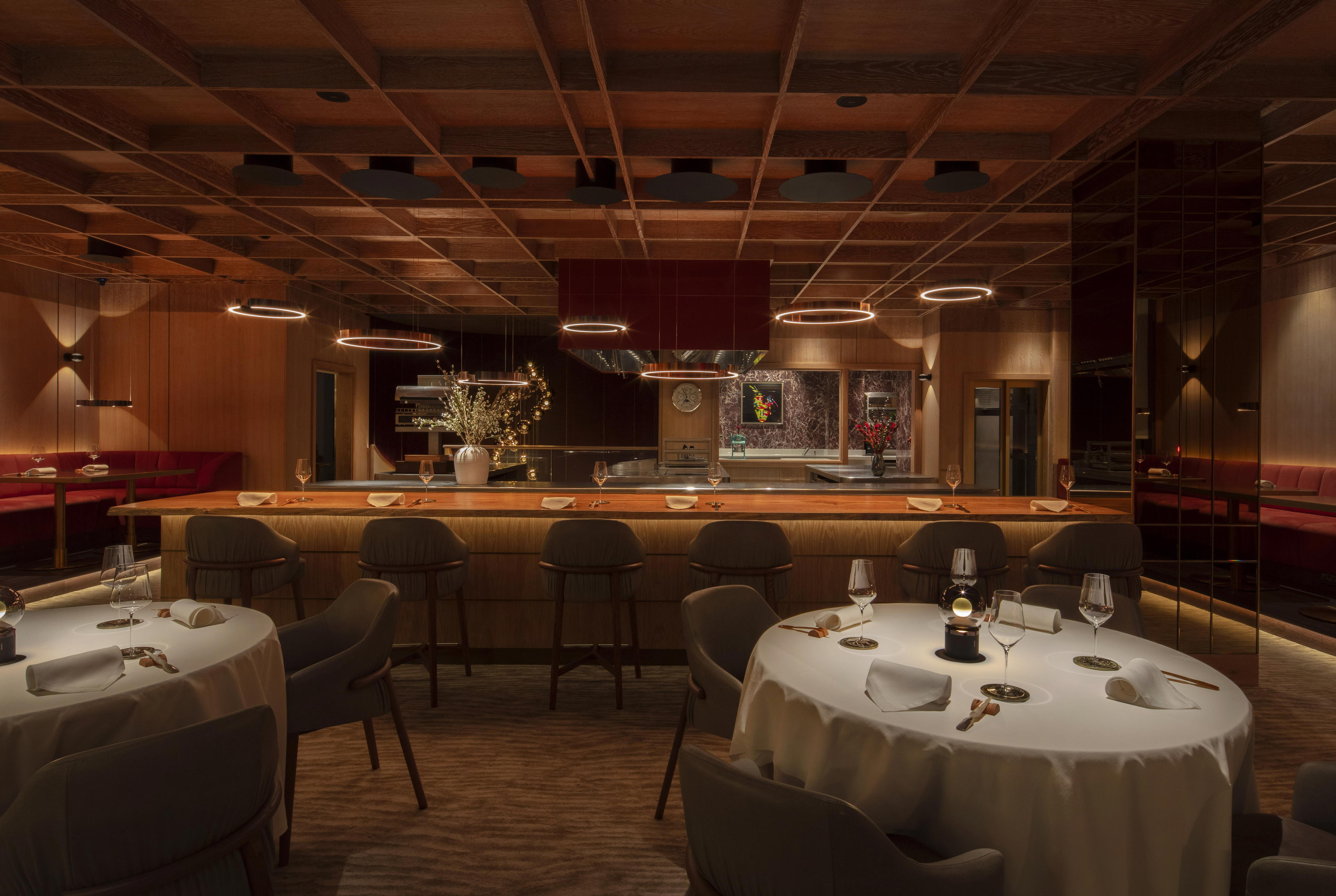
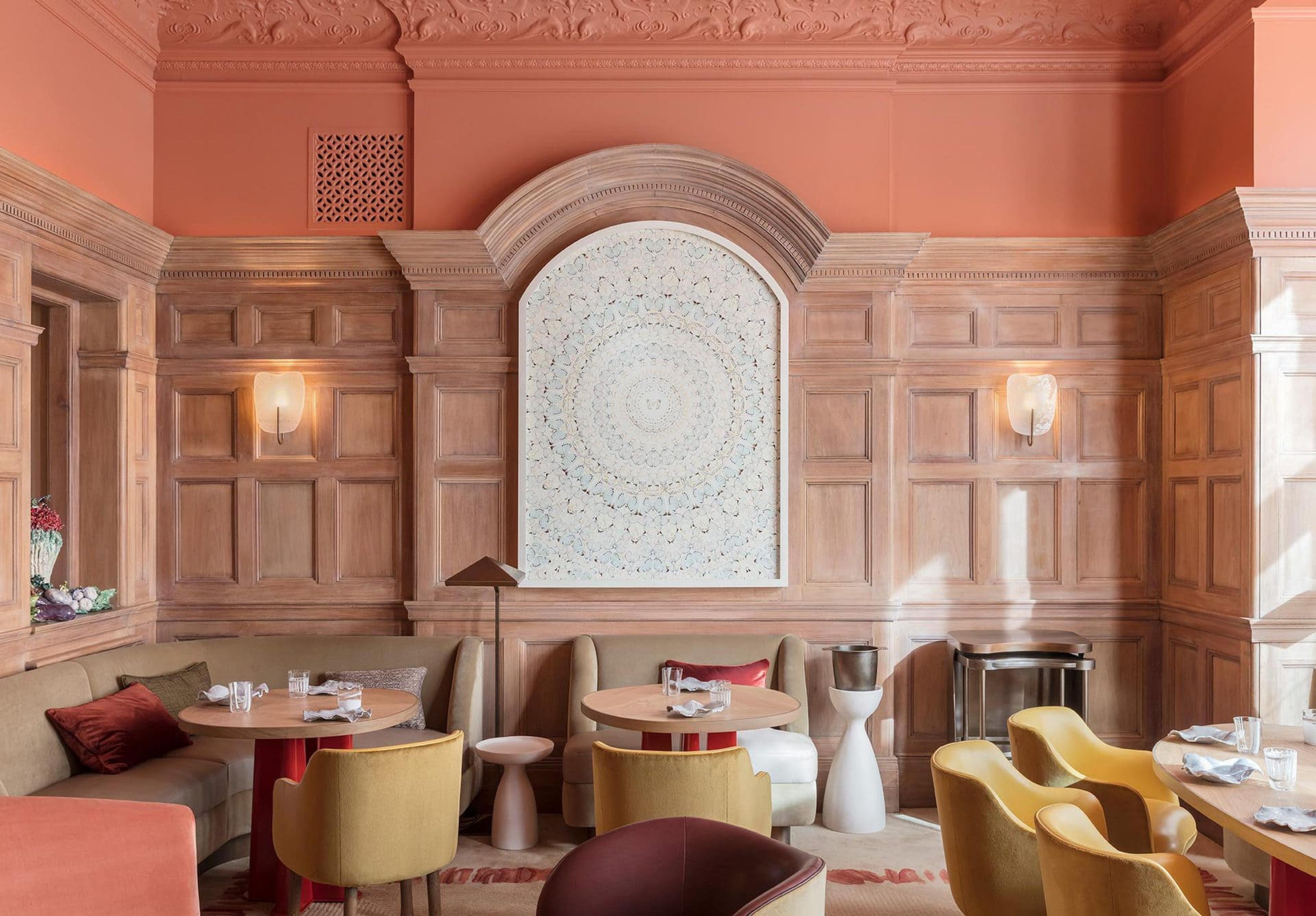
The Room in London Context

At the $$$ cuisine price tier and with a Google rating of 4.3 across 879 reviews, Sake No Hana occupies a position of established credibility rather than emerging attention. A 4.3 rating at near-900 reviews is a harder number to achieve than a 4.8 at 40 reviews , the sample size has smoothed out the outliers and what remains is a consistent pattern of guest satisfaction at a price point where expectations are already calibrated high. General Manager Julian Wrede oversees a room that operates under Tao Group's hospitality standards, which means a level of service consistency that owner-operated restaurants can rarely replicate at scale.

London's wider fine dining picture is anchored by addresses like L'Enclume in Cartmel, Moor Hall in Aughton, Gidleigh Park in Chagford, and Hand and Flowers in Marlow beyond the city. Within London itself, rooms such as L'Enclume at the destination level and the Michelin-decorated Modern European tier represented by The Ledbury, CORE by Clare Smyth, and Restaurant Gordon Ramsay represent Sake No Hana's competitive context by price, not by cuisine. At £66+ for a two-course baseline, this room is not asking to be judged against the mid-market. It is asking to be judged against rooms where the whole package , food, wine, service, setting , is expected to cohere.

Planning Your Visit

Reservations: Dinner only; advance booking recommended given the price tier and Tao Group audience. Budget: £66+ for two courses before beverages; the $$$ wine list means the full experience with bottles will sit well above that baseline. Wine: 180 selections, 1,905 bottles, France-weighted, £25 corkage for those bringing their own. Service team: Wine Director Nikki McCutcheon, Sommelier Michael Wyant, General Manager Julian Wrede. Dress: Not specified in available data, but the price tier and Tao Group context suggest smart casual at minimum. For broader London dining and hospitality planning, see our full London restaurants guide, our full London hotels guide, our full London bars guide, our full London wineries guide, and our full London experiences guide.

Signature Dishes
king crab tempurablack codwagyu beef
Frequently asked questions

Cuisine and Awards Snapshot

A quick peer list to put this venue’s basics in context.

At a Glance
Vibe
  • Elegant
  • Sophisticated
  • Modern
  • Intimate
Best For
  • Date Night
  • Business Dinner
  • Special Occasion
  • Private Event
Experience
  • Design Destination
  • Private Dining
Drink Program
  • Sake Program
  • Craft Cocktails
Dress CodeSmart Casual
Noise LevelConversational
CapacityMedium
Service StyleUpscale Casual
Meal PacingLeisurely

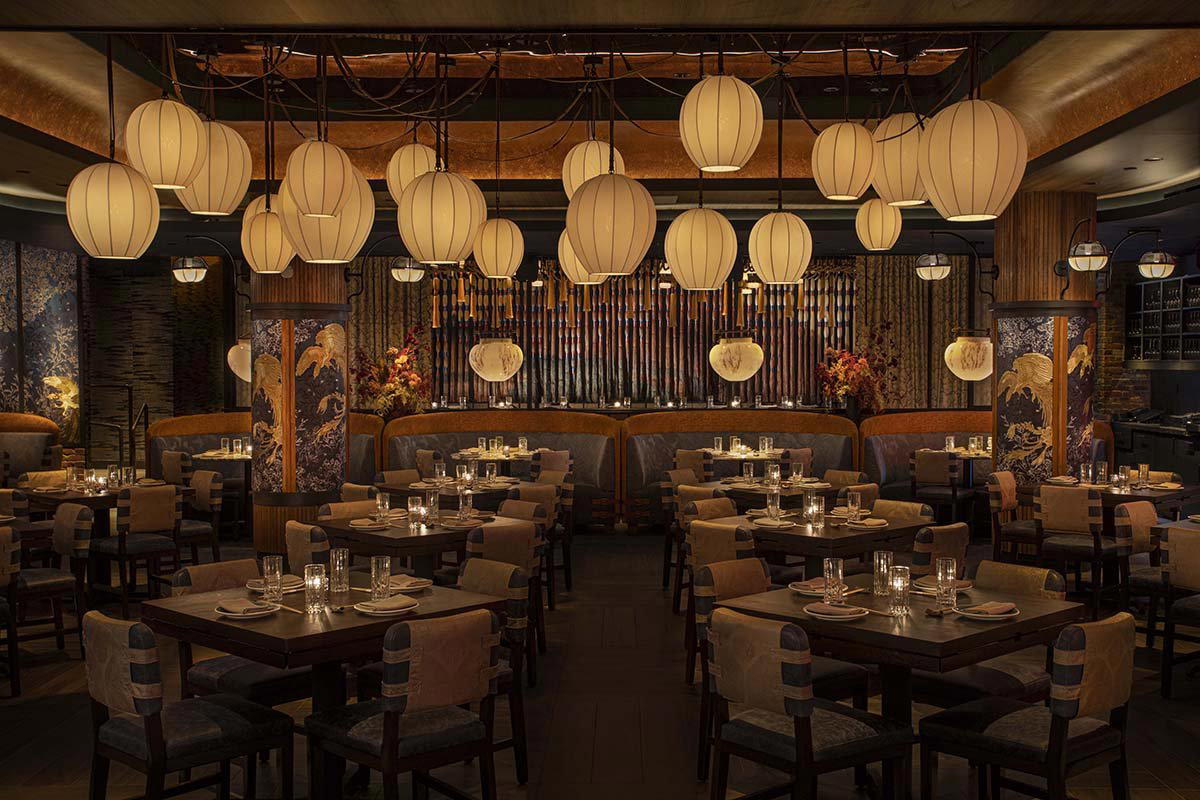
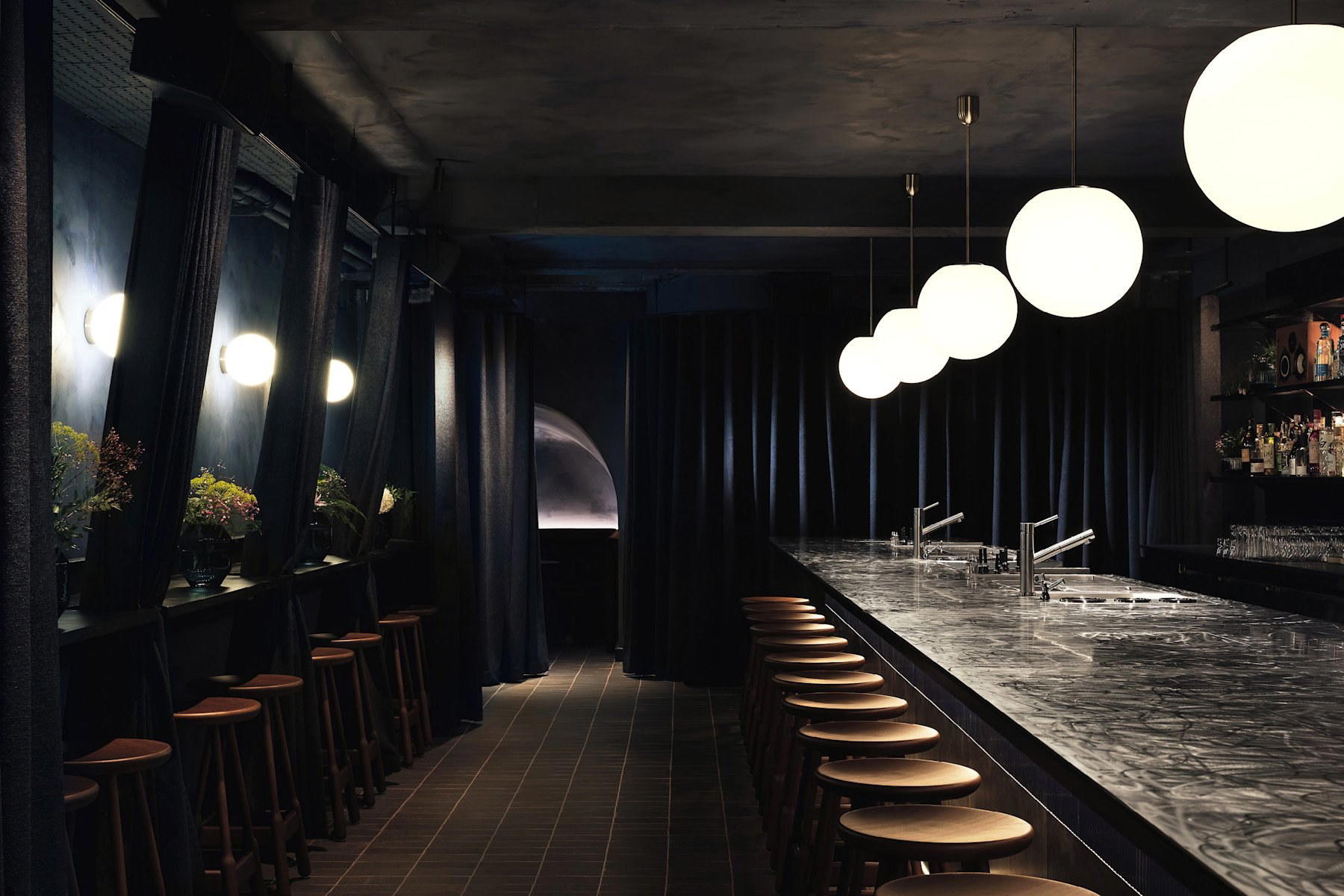
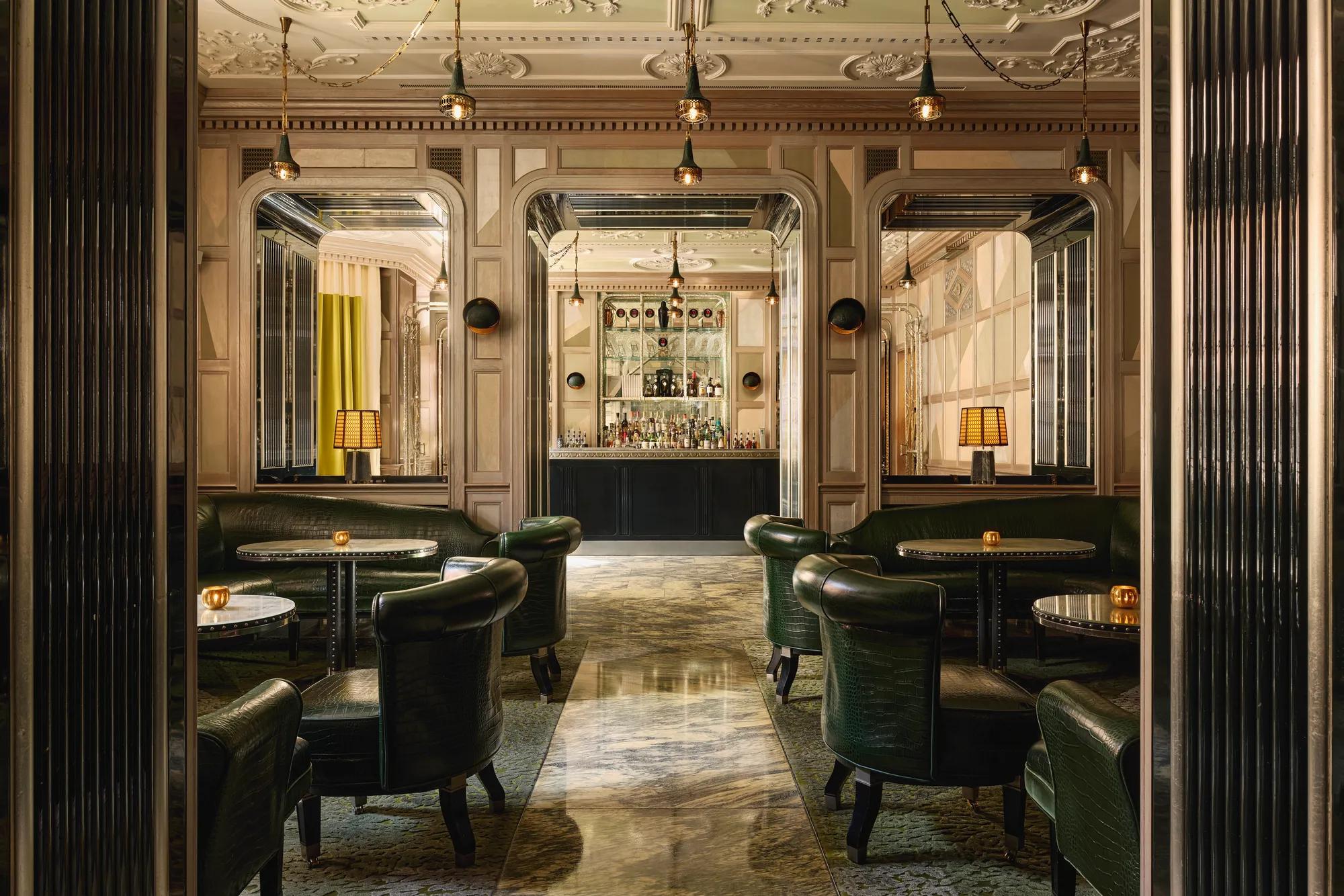
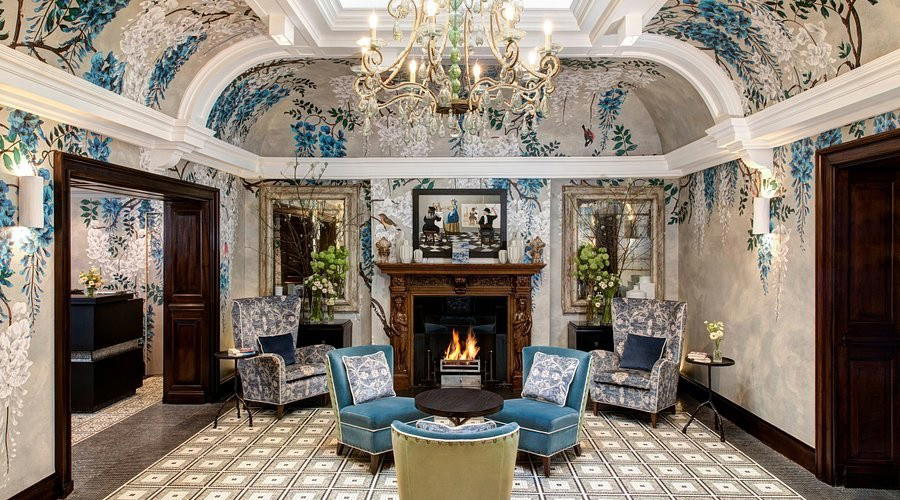
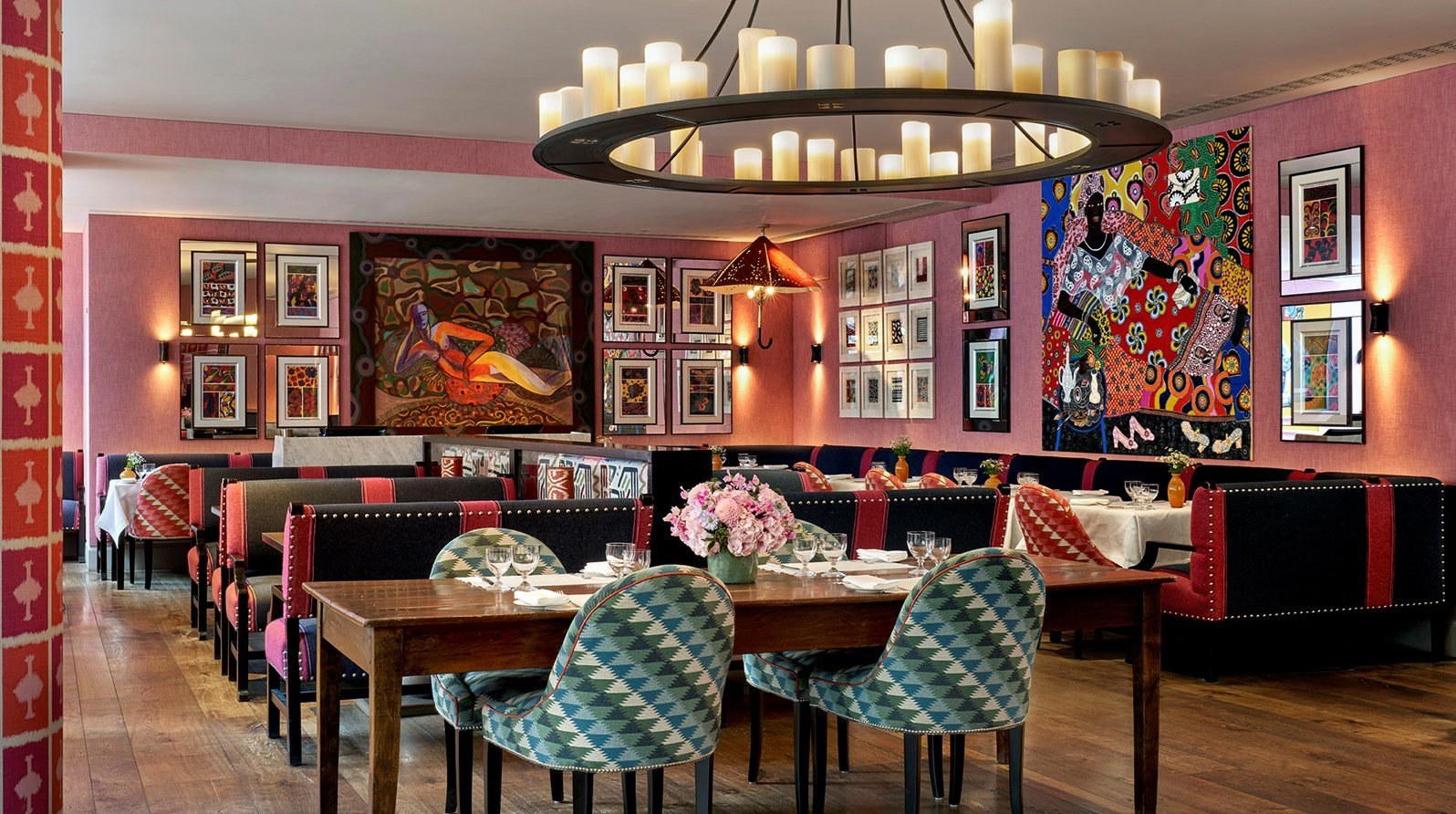
Calm, light-filled refuge with bamboo-lined walls, high ceilings, and sleek design.

Signature Dishes
king crab tempurablack codwagyu beef