Akawa brings Modern Arabic cooking into Abu Dhabi’s increasingly diverse restaurant scene, where regional identity now sits alongside Japanese, Korean, Levantine, and hotel-led dining formats. With no public awards, price band, chef name, or booking format attached, it is better read through category and city context than through trophy signals.
Pearl is the En Primeur Club membership app — saves, bookings, and concierge access live there. Same editors, same standards.
- Address
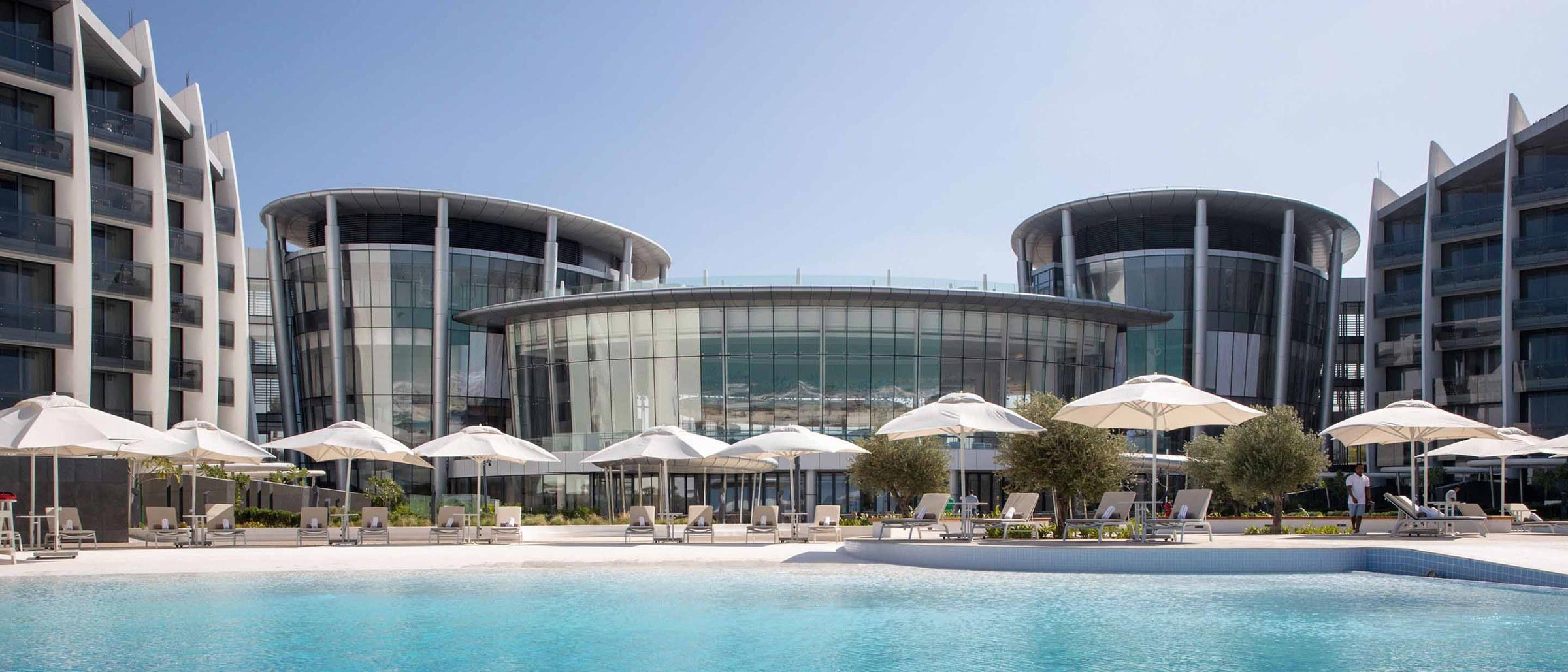
- Bab Al Nojoum Hudayriyat Villas, Al Hudayriyat Island, Abu Dhabi, United Arab Emirates
- Website
- akawa-restaurant.com
 Saves & bookings on Pearl
Abu Dhabi dining often announces itself through contrast: polished hotel rooms, waterfront restaurants, family Levantine addresses, and a growing number of contemporary kitchens that treat Gulf and wider Arab food as material for reinterpretation rather than nostalgia. Akawa belongs to that last category. Its Modern Arabic label matters because it places the restaurant inside a larger regional shift, where familiar ingredients, spice structures, and hospitality codes are being reframed for a city whose restaurant audience is local, expatriate, and transient at the same time.
That context is useful because Akawa does not trade on public award shorthand. There are no listed Michelin stars, formal rankings, chef credentials, price band, seat count, or tasting-menu structure attached to the restaurant.
Modern Arabic cooking in a capital shaped by migration
Arabic food in Abu Dhabi is not a single lane. Emirati, Levantine, Iraqi, North African, Gulf, and pan-Arab restaurant traditions all circulate through the city, often with different expectations around portion size, sharing, bread, rice, grilled meats, seafood, coffee, sweets, and the social rhythm of the table. Modern Arabic restaurants tend to edit that language. They may compress a family-style repertoire into a more composed dining format, sharpen presentation, or pull regional references into a room designed for a younger capital-city audience.
Akawa’s value, then, sits less in a named signature dish than in the decision it represents. Abu Dhabi has spent years expanding beyond the binary of hotel fine dining and casual regional restaurants. Modern Arabic cooking fills a middle space: culturally legible, but not bound to the older template of huge mixed grills and long banquet menus. For visitors, that makes the category a useful lens on the city. It shows how Gulf capitals are building restaurant identities that are neither imported wholesale nor purely traditional.
The city’s broader restaurant map reinforces that point. Contemporary Asian dining is well represented through addresses such as 3 Fils Abu Dhabi and 3Fils Abu Dhabi (Modern Asian), while Korean and Japanese formats appear in places like 88 Seoul (Korean) and 99 Sushi Bar ($$$$ · Japanese Contemporary). Against that spread, a Modern Arabic restaurant is not competing only for regional-food diners. It is part of the same decision set as international restaurants that use design, format, and cultural specificity to define a night out.
Why the category matters more than the credential list
Abu Dhabi’s restaurant culture is still younger than some older dining capitals, but that youth gives it room to move. In cities with longer restaurant hierarchies, modernized national cooking can become trapped between authenticity debates and luxury pricing. In Abu Dhabi, the question is more open: how can Arabic food feel current without turning into a theme, and how can a restaurant speak to residents who know the references as well as visitors encountering them for the first time?
Akawa sits inside that conversation. The lack of published awards or chef biography means the restaurant should not be approached as a trophy reservation. It reads instead as a cuisine-led choice in a capital where the surrounding field is broad. A diner planning around regional food might also look at Levantine addresses such as Abd El Wahab; a traveler mapping the wider UAE can place the category beside Al Falaj in Liwa Desert, Al Khyama in Al Ain, Al Madam Restaurant in Sharjah, and Al Shams Restaurant & Bar in Al Dhafra. Those references show how regional dining changes with geography: desert, city, hotel, heritage setting, and contemporary room all produce different expectations.
That distinction is practical as well as cultural. Without a listed price range or booking method, Akawa is better treated as a restaurant to verify directly before anchoring an evening around it. That is not a weakness in editorial terms; it is a planning distinction. In Abu Dhabi, where hotel restaurants often publish clearer structures and independent or concept-led rooms can vary in visibility, the smart move is to confirm the current service format, opening times, and reservation route before building the rest of the night.
How to place Akawa within an Abu Dhabi itinerary
For a first-time visitor, Akawa makes sense when the aim is to read Abu Dhabi through contemporary regional cooking rather than through imported luxury cues. It is not the address to judge by stars or named awards, because none are attached publicly. It is the address to judge by whether Modern Arabic cooking is the right lens for the evening: familiar enough to connect to the city’s food culture, current enough to sit beside its international dining rooms.
Travelers building a wider plan should use Akawa as one point in a city map rather than as a standalone claim. The full Abu Dhabi restaurants guide gives the dining context; the full Abu Dhabi hotels guide helps with where to stay; the full Abu Dhabi bars guide covers the after-dinner layer; and the full Abu Dhabi experiences guide explains how food fits into the wider trip. The full Abu Dhabi wineries guide is less central in a Gulf dining plan, but it completes the city index for readers comparing categories.
The wider EP Club map also shows how sharply restaurant meaning changes by place. & More by Sheraton in Dubai belongs to a different emirate and hotel context; Angar Restaurant in أبوظبي points toward Indian dining in the capital; Jōdo Saké Bar in Los Angeles and Onigiri Time in Pasadena sit in another country and culinary frame entirely. Akawa’s role is narrower and clearer: a Modern Arabic marker within Abu Dhabi’s current restaurant mix, useful for diners who want the city’s regional conversation rather than another imported format.
In Context
Comparable venues nearby, for context on price, style, and recognition.
| Venue | Cuisine | Price | Notes |
|---|---|---|---|
| AkawaThis venue — the venue you are viewing | Not listed | $$$ | Not listed |
| Em Sherif Café | Al Kasir, Authentic Lebanese Café | $$$ | Not listed |
| Berenjak Abu Dhabi | Al Bateen, Persian | $$$ | Not listed |
| Abd El Wahab | Al Saadiyat Island, Authentic Lebanese | $$$ | Not listed |
| 3Fils Abu Dhabi | Not listed | $$$ | Al Bateen Marina, Japanese-inspired Modern Asian |
| Angar Restaurant | Yas Island, Modern Indian Tandoor | $$$ | Not listed |
Continue exploring
More in Abu Dhabi
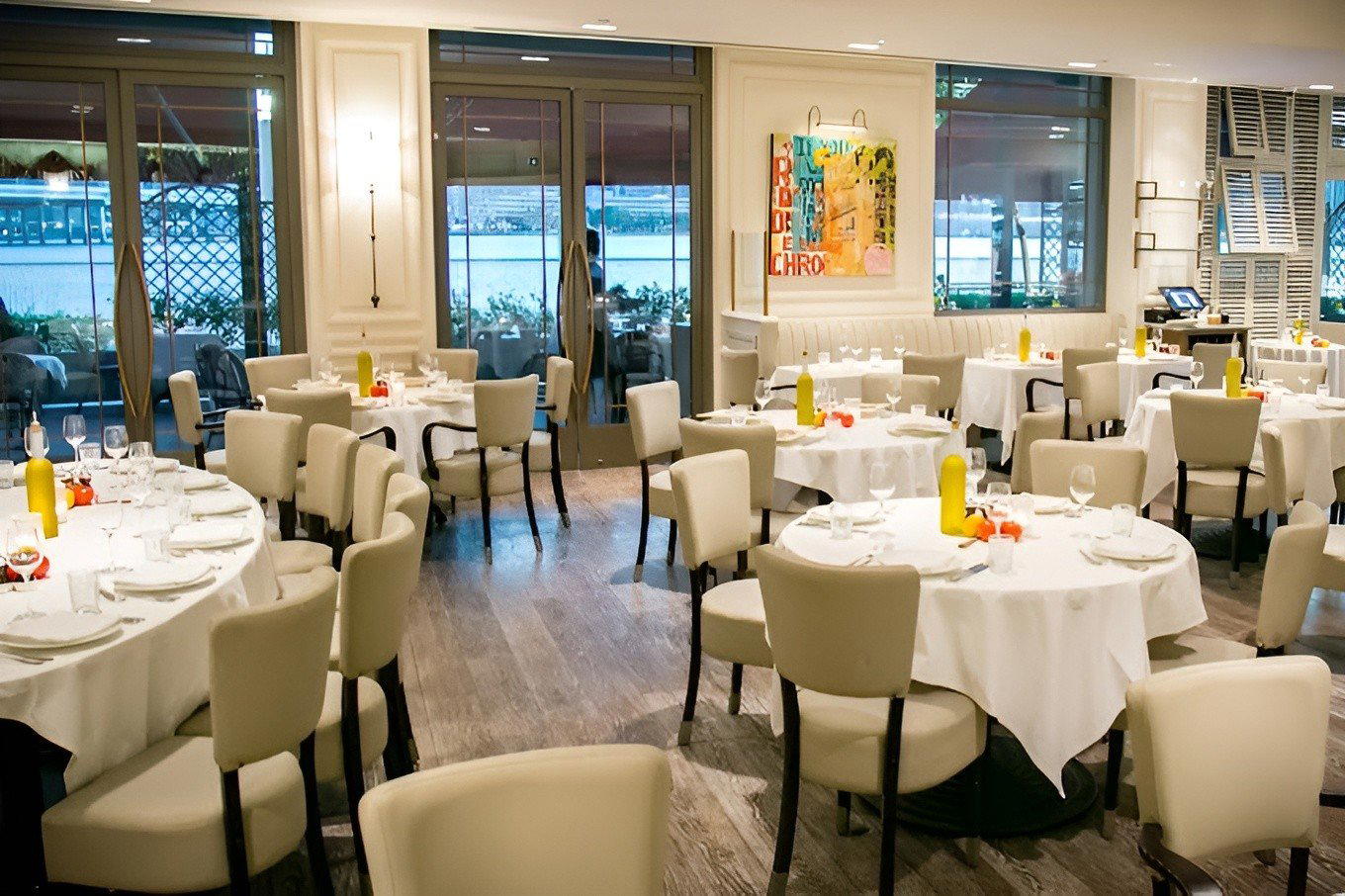
Restaurants in Abu Dhabi
Browse all →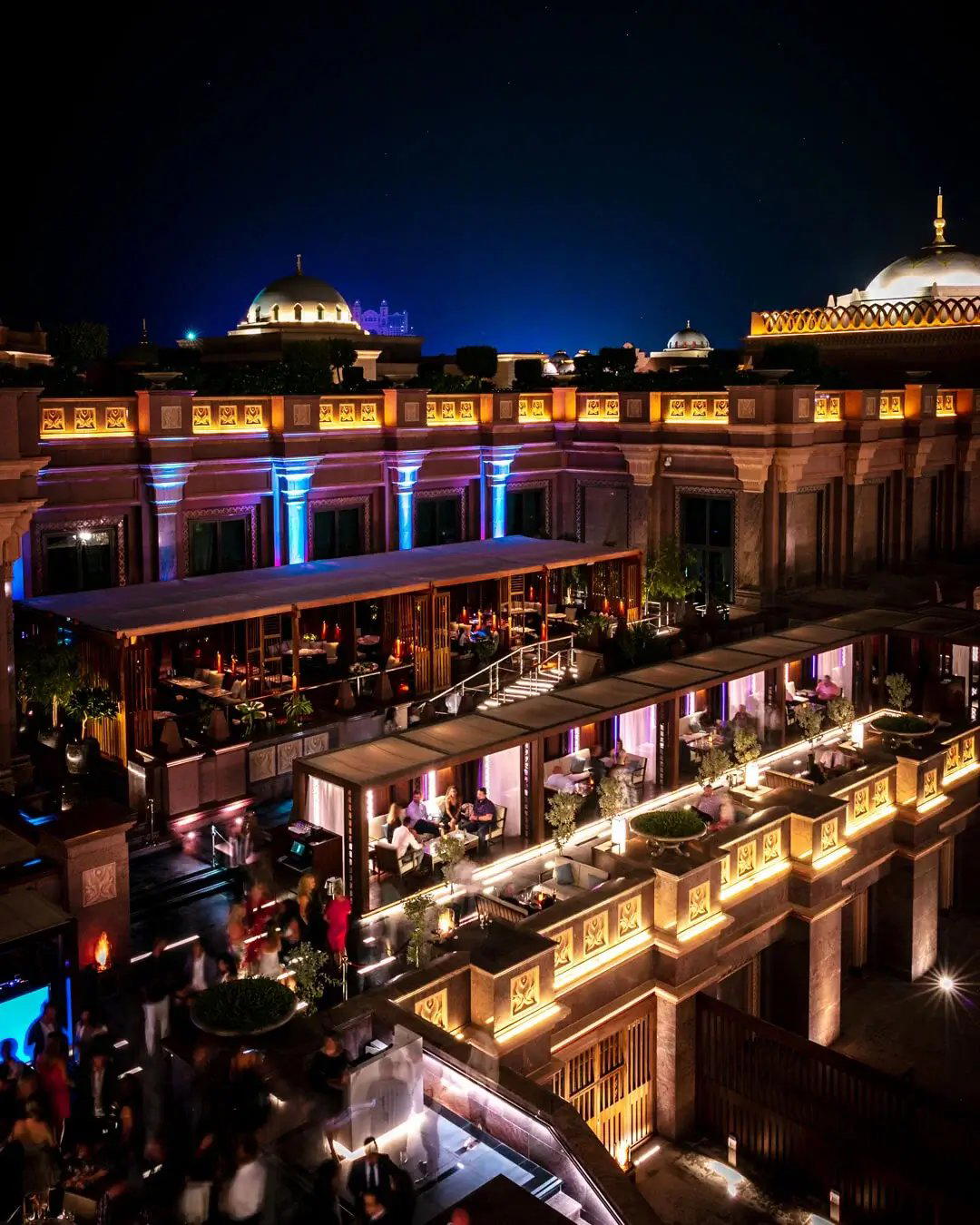
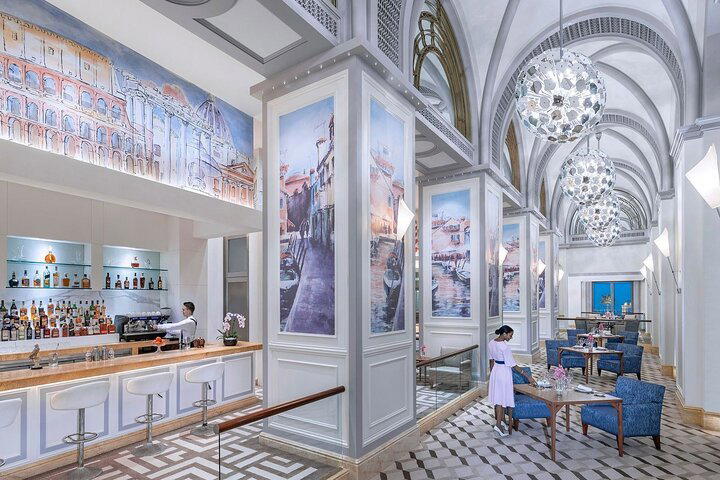
Bars in Abu Dhabi
Browse all →
At a Glance
- Romantic
- Elegant
- Scenic
- Modern
- Sophisticated
- Date Night
- Family
- Group Dining
- Special Occasion
- Casual Hangout
- Waterfront
- Terrace
- Design Destination
- Standalone
- Craft Cocktails
- Zero Proof
- Local Sourcing
- Waterfront
- Skyline
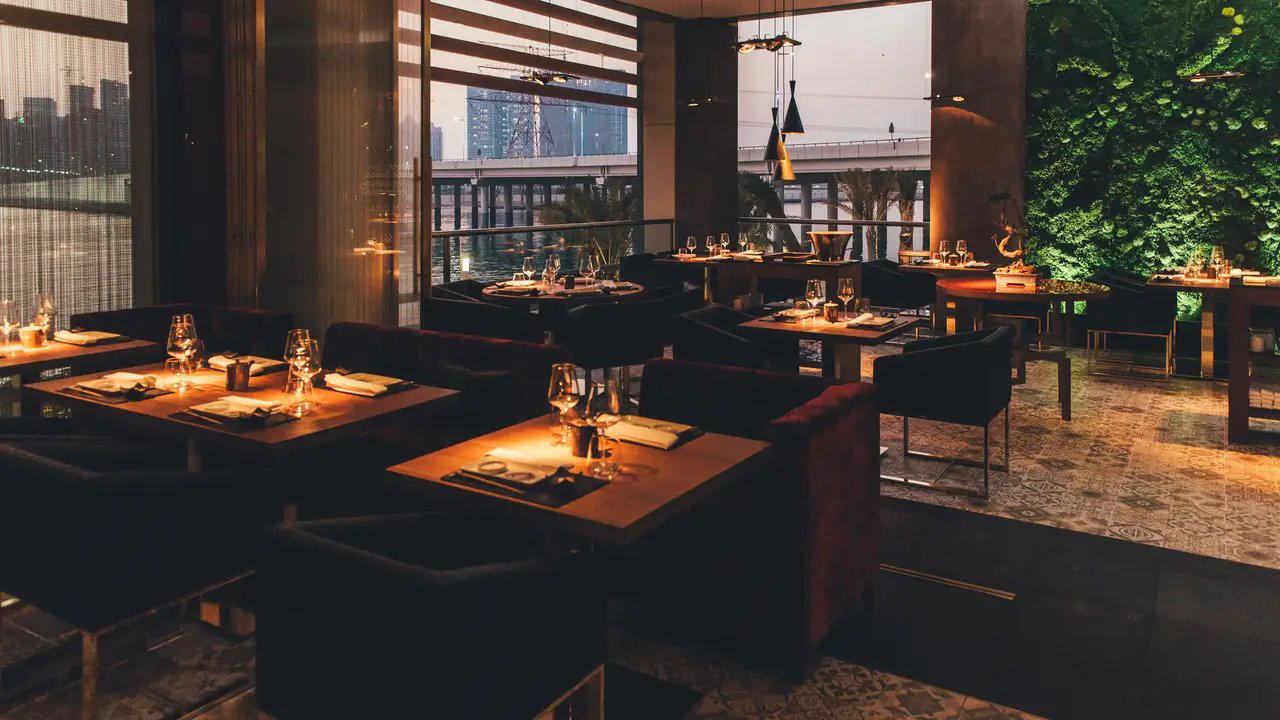
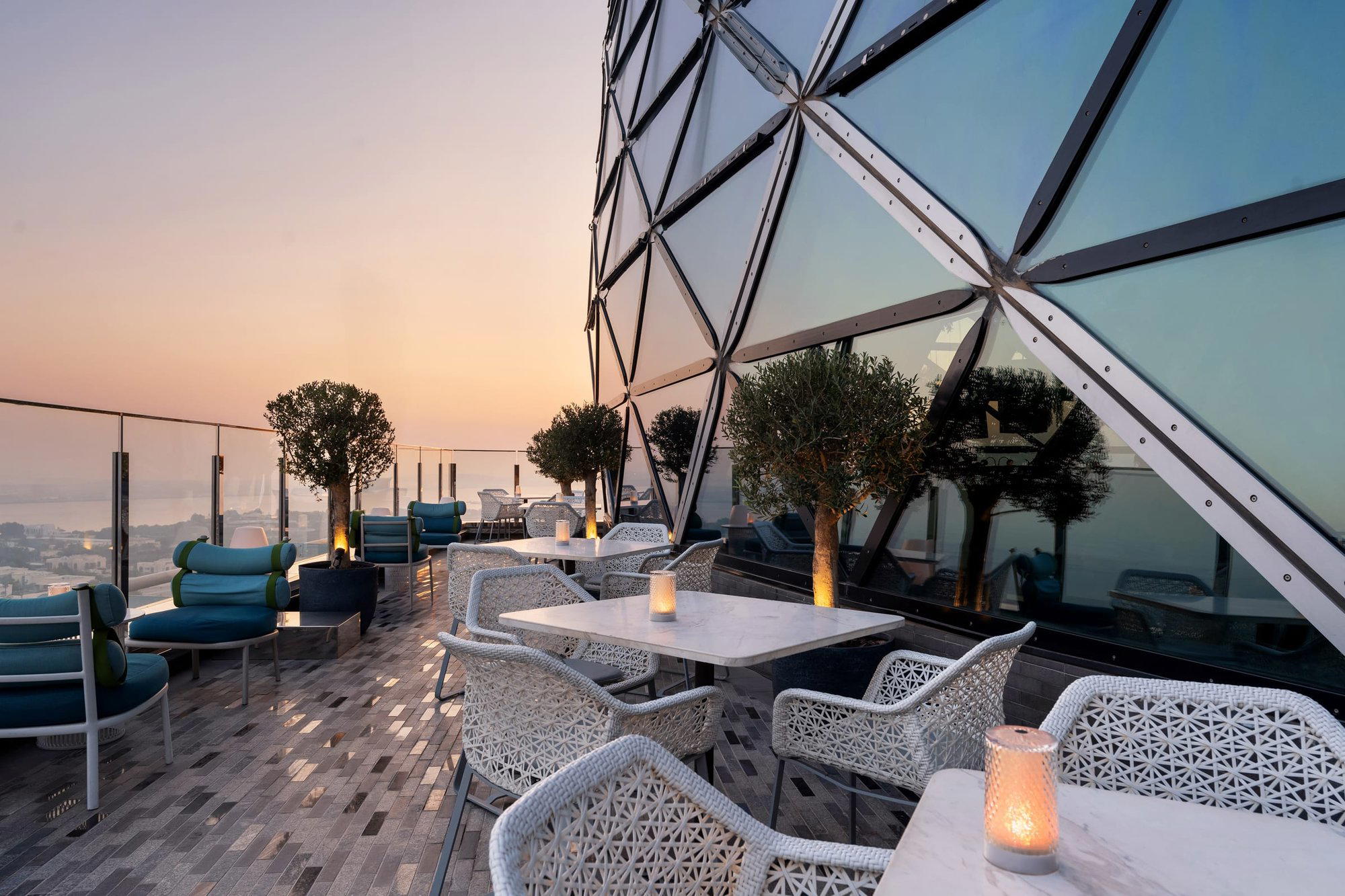
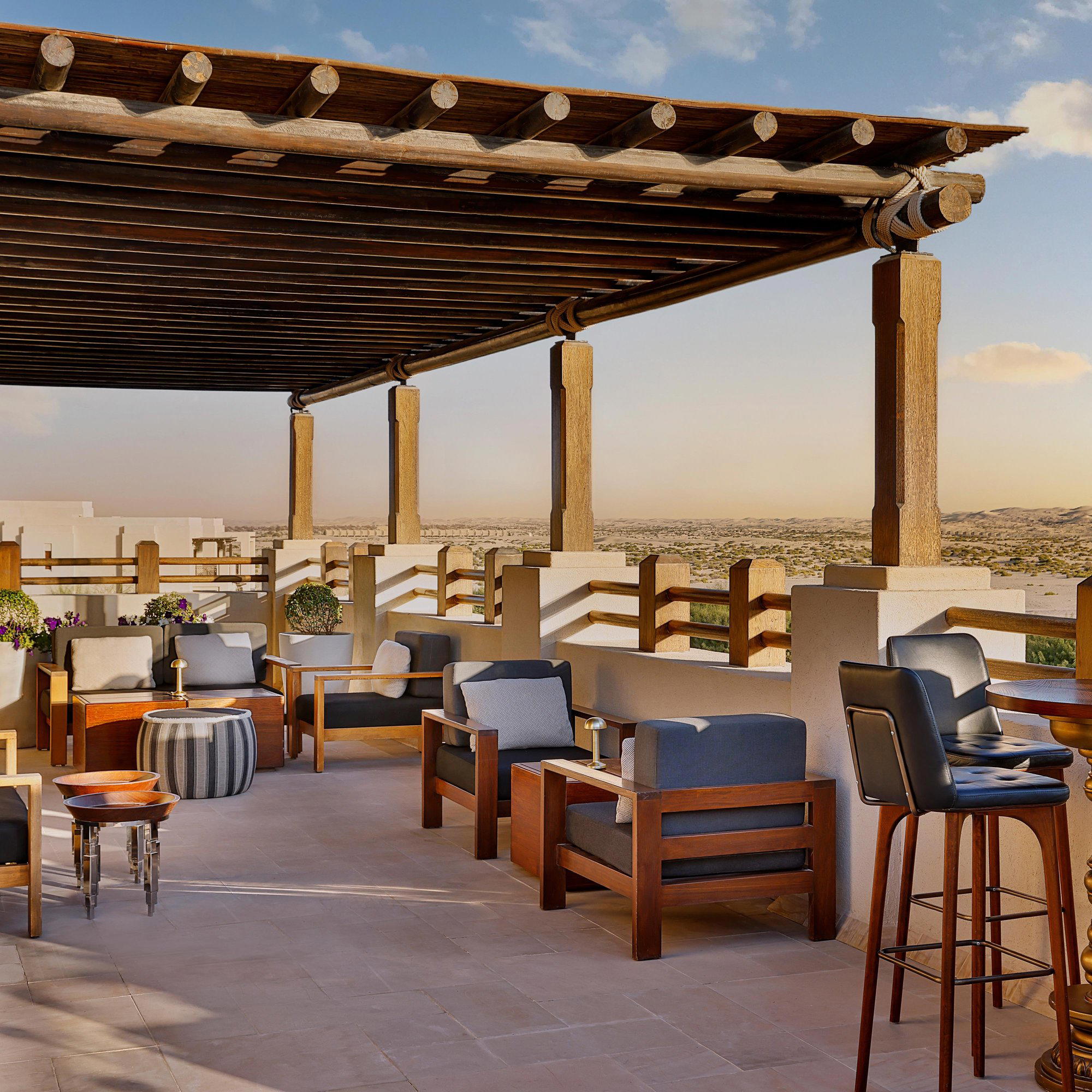
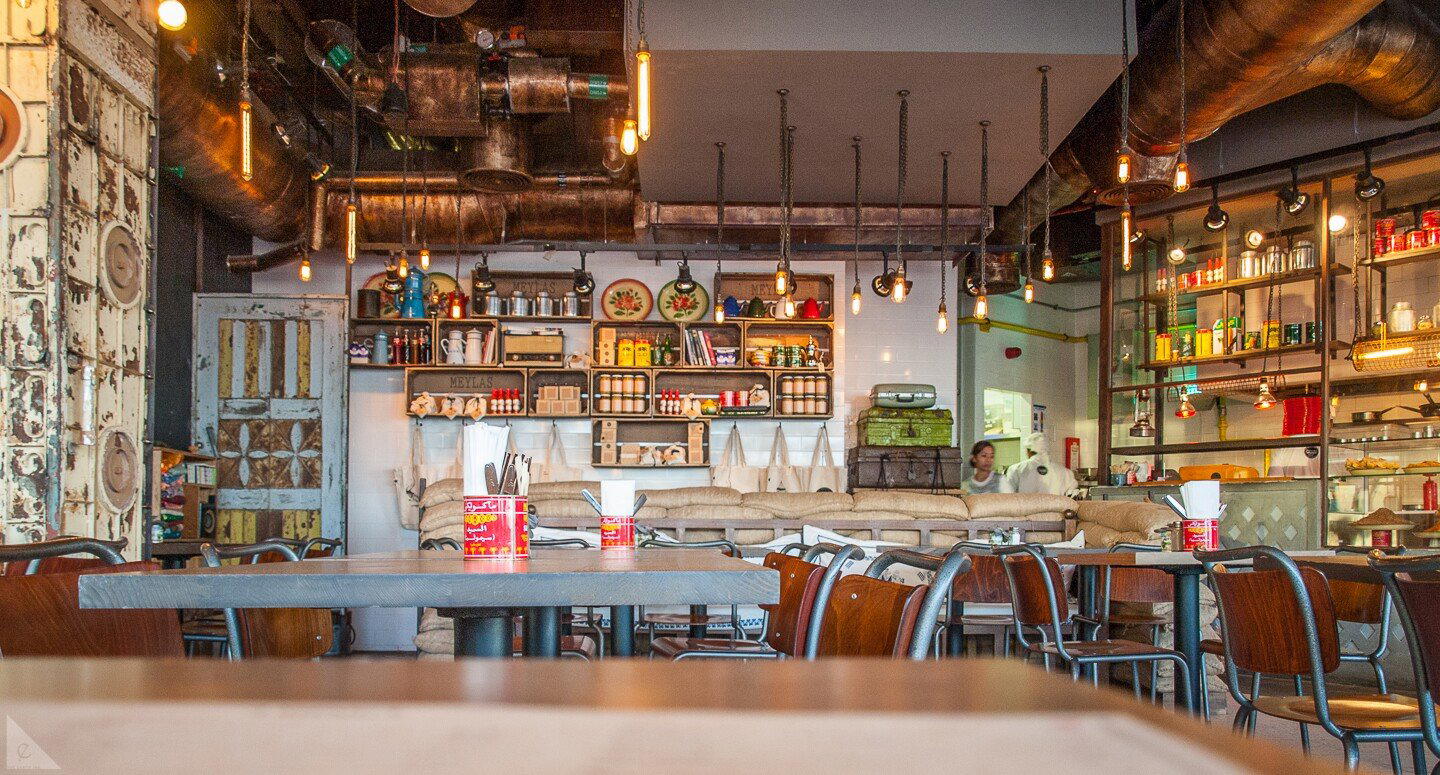
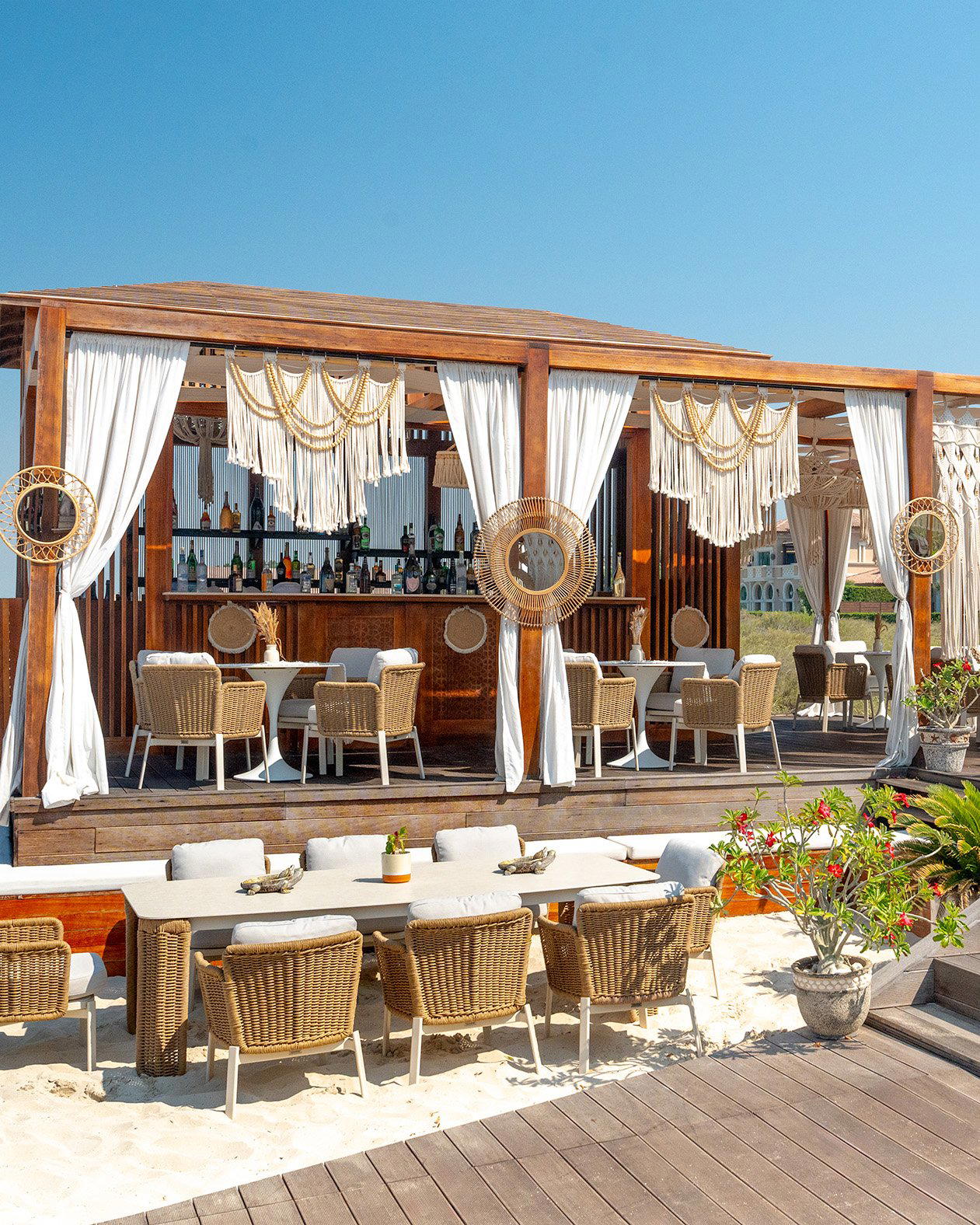
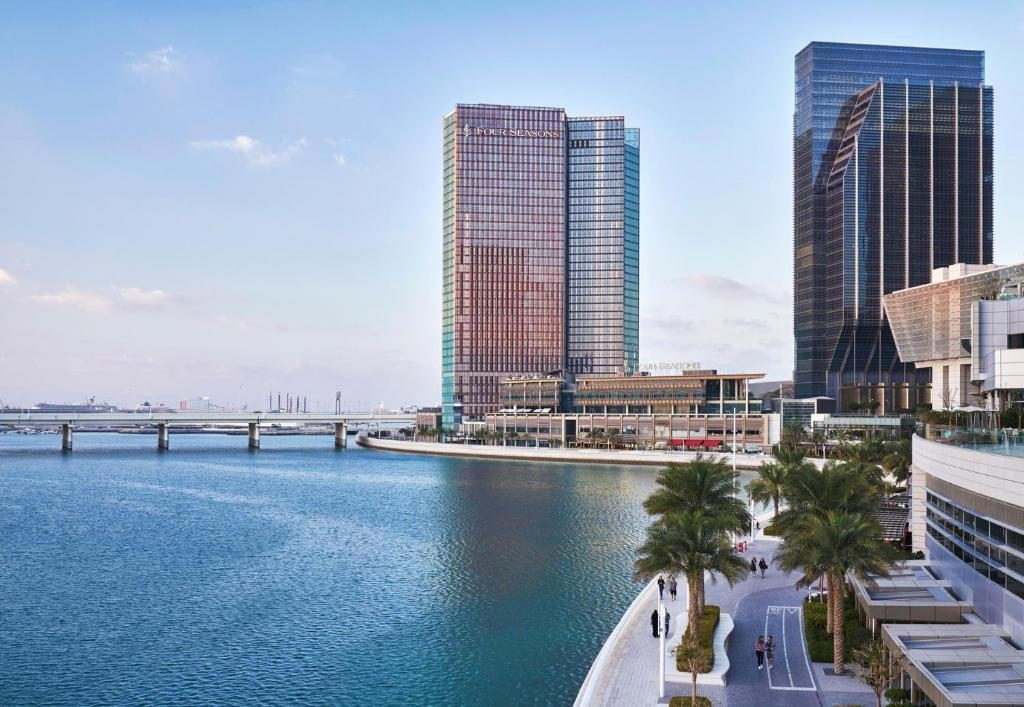
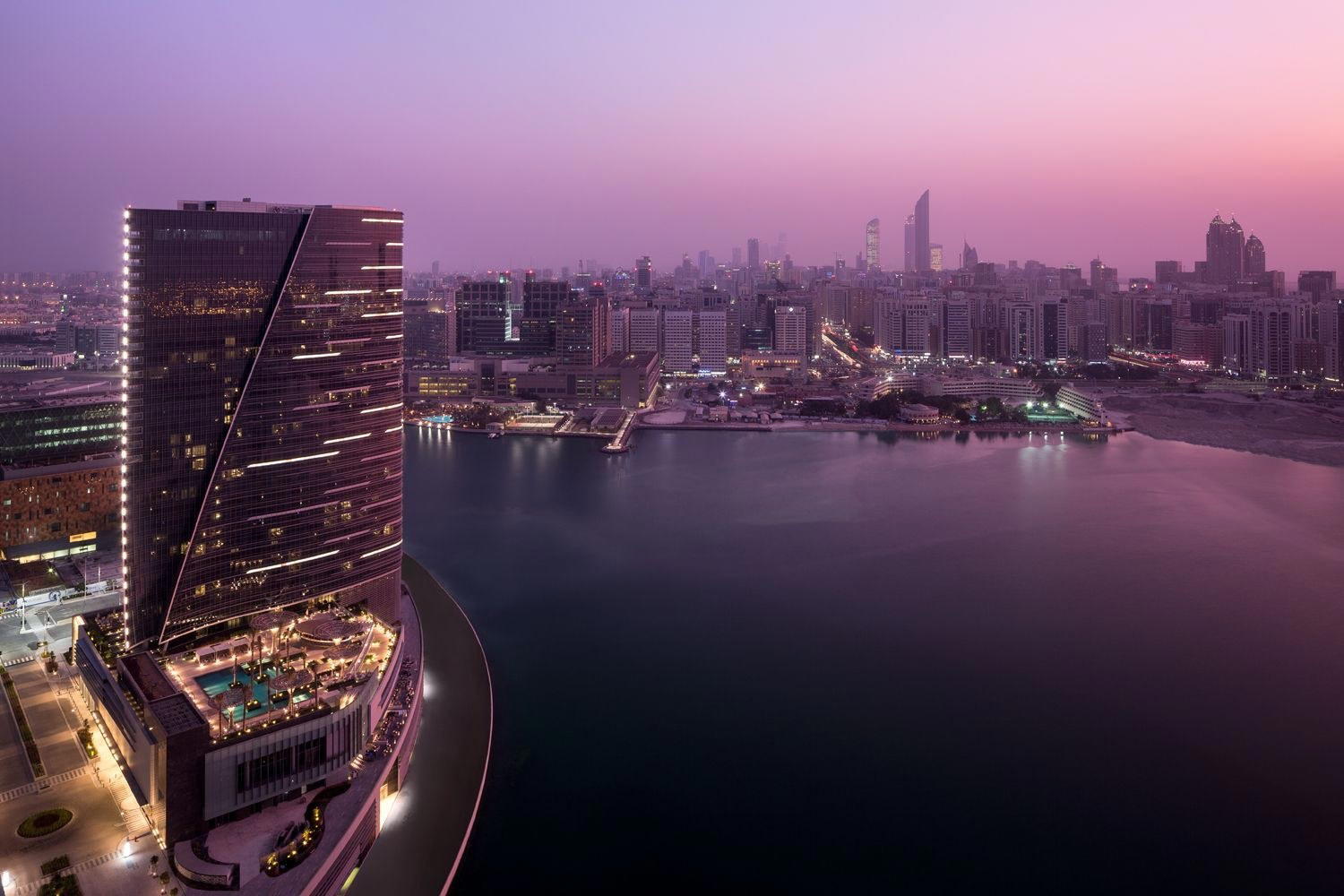
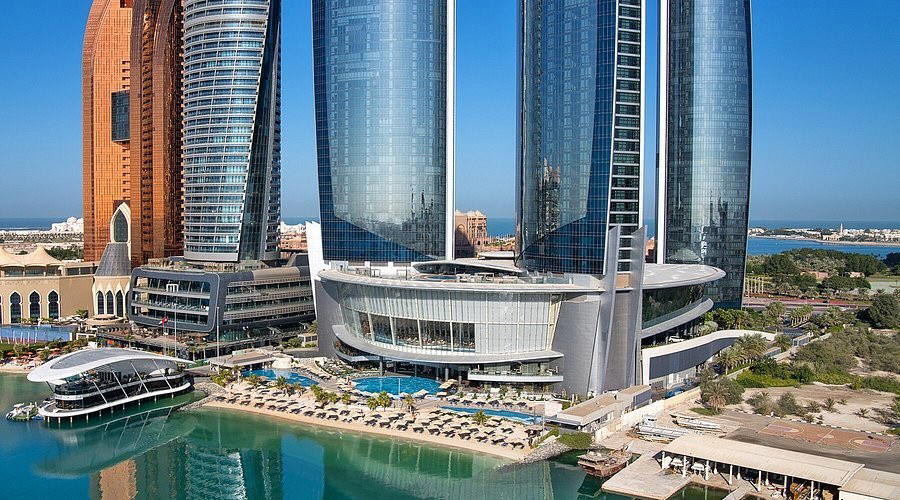
Refined yet relaxed seaside setting with coastal-elegant décor, warm contemporary lighting, and a golden-hour focused atmosphere that feels upscale but comfortable for both couples and families.