Our verdict
Aşk-ı Fasıl Restaurant sits in Mezitli, the quieter residential stretch of Mersin province where fasıl music and shared-table dining remain everyday customs rather than tourist programming. The address in Şıh Mehmet places it within a neighbourhood that runs on regulars rather than passing trade, which is precisely the condition that keeps traditional Turkish meyhane culture intact longest. For the context and broader picks across the city, see our full Mezitli restaurants guide.

Pearl is the En Primeur Club membership app, where members save venues, book tables and use the concierge.
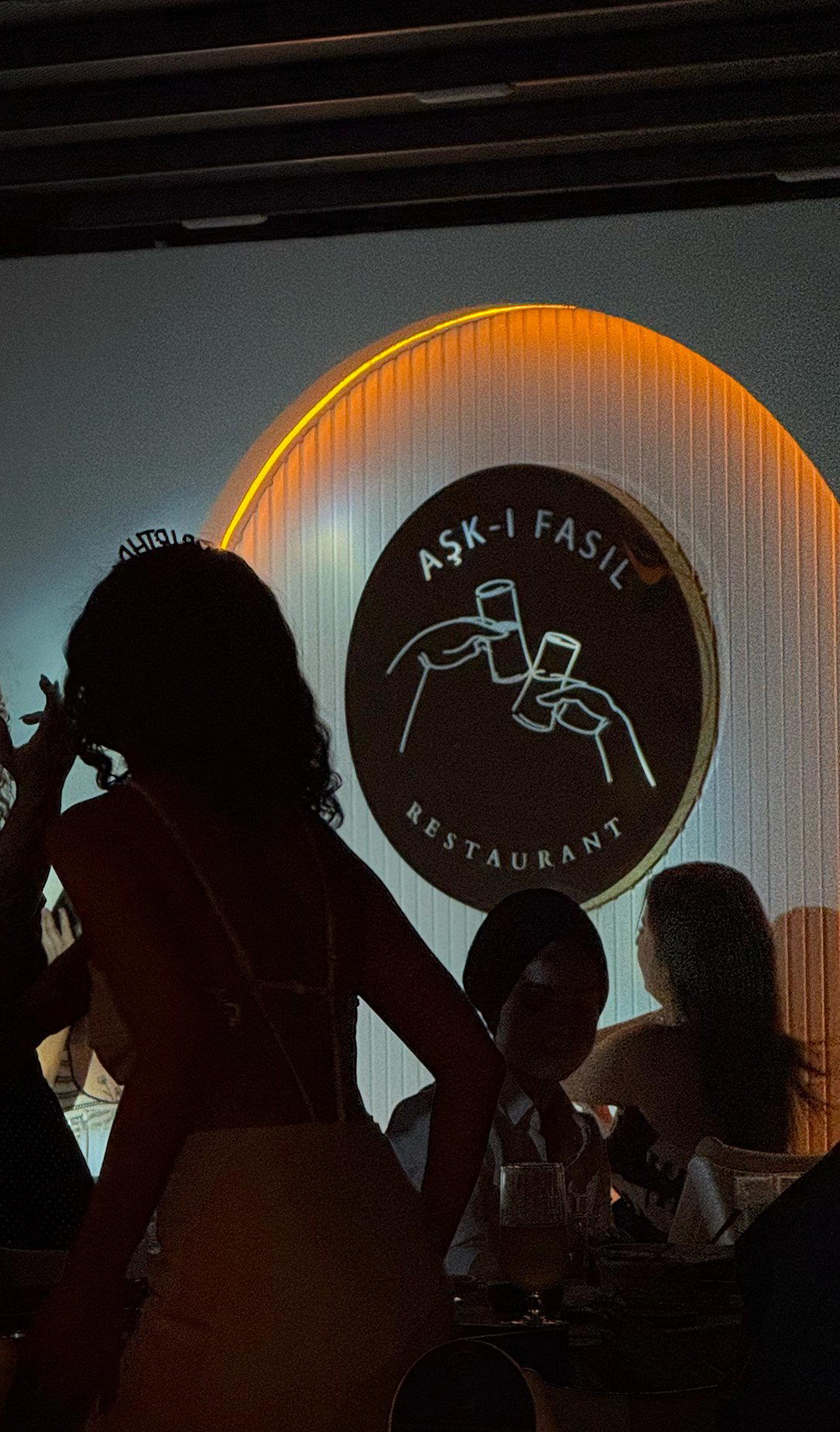
Where Fasıl Still Means Something
The meyhane tradition along Turkey's southern Mediterranean coast has outlasted several waves of modernisation by staying stubbornly local. In the resort corridors around Alanya or the seafront strips closer to Adana, versions of fasıl dining have softened into something more legible to passing visitors: the music quieter, the mezes more generic, the whole experience calibrated for one-time tables. Mezitli, the residential district running west of Mersin's city centre, operates differently. The neighbourhood's dining scene is built around repeat custom, which creates the conditions under which fasıl culture, the combination of live classical Turkish music with a long, convivial, meze-driven dinner, survives in a less performative form.
Aşk-ı Fasıl Restaurant sits on Viranşehir mah. 34301 sk in the Şıh Mehmet quarter of Altındağ Apt, a residential address rather than a high-visibility commercial strip. That placement is itself information. Venues that depend on passing trade cluster near transit and waterfront; those that hold a regular clientele can absorb a lower-traffic address without consequence. The name, translating roughly as "Love of Fasıl," signals the restaurant's orientation toward the musical tradition as much as toward the food, which in meyhane culture are inseparable in any case. For a broader map of where this fits within the city's dining options, see our full Mezitli restaurants guide.
The Meyhane Format and What It Demands of Ingredients
The meyhane model, which Aşk-ı Fasıl follows in name and stated identity, is one of the more ingredient-dependent dining formats in Turkish culinary practice. Unlike a single-dish restaurant where a kitchen can rotate sourcing or substitute components without the diner noticing, a long meze table is essentially a transparency exercise. A dozen small preparations, each relatively simple, show the quality of the underlying produce with nowhere to hide. The cold meze spread, typically built around seasonal vegetables, cured fish, dairy, and legumes, makes the argument for or against the sourcing before a hot dish arrives.
Mersin province has geographic advantages that are relevant here. The coastal plain between the Taurus mountains and the Mediterranean produces a range of vegetables through an extended growing season; the sea provides local fish; and the city sits at an intersection of Arab, Armenian, and Anatolian food traditions that produced some of Turkey's more distinctive meze vocabulary, including Mersin-specific preparations that appear less frequently on menus further north or west.
For reference, the top end of Turkish dining, places like Turk Fatih Tutak in Istanbul or Maçakızı in Bodrum, now builds sourcing provenance directly into the editorial identity of the menu, naming producers and regions on the menu itself. The meyhane at Mezitli's level of the market rarely formalises sourcing that way, but the underlying logic, local produce in season, fresh seafood from nearby waters, is what gives the format credibility over time with a local clientele that can compare.
The Role of Music in a Fasıl Dinner
Fasıl music, drawn from the Ottoman classical tradition and typically performed by a small ensemble with ud, kanun, kemence, and vocals, structures a meyhane dinner differently from background music. The repertoire moves through makam, melodic modes with distinct emotional registers, and a practiced fasıl group will shift the mood of the table across an evening in a way that shapes the pacing of the meal. Tables that understand the format order slowly, drink raki with water and ice alongside the mezes, and stay for the music rather than treating it as ambient noise.
This is the dining mode that Aşk-ı Fasıl's name explicitly references, and it is distinct from what you find at the more internationally positioned restaurants across Turkey. Narımor in Izmir or Nahita Cappadocia in Nevsehir represent different vectors of the Turkish dining scene, oriented toward international recognition and a more composed tasting format. The meyhane tradition that Aşk-ı Fasıl represents is less about composed plates and more about duration, generosity, and communal table rhythm. Neither approach is superior; they serve different purposes and different audiences.
Mezitli in the Wider Southern Turkish Dining Picture
Mersin is one of Turkey's more underexplored food cities from an international editorial standpoint, which has practical consequences for visitors. The venues that draw coverage tend to cluster in Istanbul, the Aegean coast, and Cappadocia. Mersin operates more on domestic reputation, which means a restaurant like Aşk-ı Fasıl is legible primarily to Turkish diners who know the meyhane format and understand what they are ordering and why. That is not a criticism; it is a description of a restaurant that has found its audience without needing to explain itself to outsiders.
For comparison, Kokorecci Asim Usta in Bornova and Aravan Evi in Ürgüp both occupy similar domestic-facing niches in their respective cities, operating with strong local credibility and limited international press. Poyraz Sahil Balık Restaurant in Beykoz and Mezegi in Fethiye address coastal seafood audiences in ways that parallel what a meyhane in Mersin does for its own regulars. The pattern across all of these is a regional dining culture that does not require international validation to sustain itself.
Further afield in the Turkish dining circuit, Agora Pansiyon in Milas, Divia by Maksut Aşkar in Marmaris, and Ahãma in Göcek represent the Mediterranean coastal dining register at different price points and styles. Inland, Happena in Nevşehir, Kardeşler Restoran in Aksaray, Sofram Restaurant in Niğde, and Yakamengen III in Datça show how regionally specific Turkish dining can be when it is not performing for a tourist audience. Internationally, for a point of contrast on what sustained institutional credibility looks like at the highest end, Le Bernardin in New York City and Lazy Bear in San Francisco sit in a different tier entirely, but the underlying logic of building a room around a defined dining format and a loyal audience is the same principle operating at different scales.
Planning Your Visit
The address at Viranşehir mah. 34301 sk, Şıh Mehmet, Altındağ Apt places it in a residential section of Mezitli, which suggests arriving by taxi or private transport rather than on foot from the centre. For a meyhane format, evening visits make the most sense structurally; the music and the pacing of a long meze dinner do not translate well to a daytime setting. Turkish meyhane dinners typically run two to three hours at minimum when the format is respected, so clearing your evening schedule is advisable.
Frequently asked questions
Is Aşk-ı Fasıl Restaurant a family-friendly restaurant?
The meyhane format is a multi-generational institution in Turkish domestic culture, and families do attend in regular practice. However, Aşk-ı Fasıl's address in Mezitli's Viranşehir neighbourhood places it within a local social context where raki service and late-running live music are central to the evening. Younger children may find the format long and the environment loud once the fasıl ensemble is performing.
What is the atmosphere like at Aşk-ı Fasıl Restaurant?
A fasıl meyhane runs on a specific social rhythm: shared tables, cold meze arriving before hot dishes, raki poured throughout, and a live ensemble, typically featuring ud, kanun, kemence, and vocals, shaping the pace of the meal. Aşk-ı Fasıl's name directly references this Ottoman-rooted format, so the atmosphere is participatory rather than passive. Conversation, music, and the table coexist at volume.
Does live fasıl music at Aşk-ı Fasıl reflect the full Ottoman classical ensemble tradition?
The restaurant's name, Aşk-ı Fasıl, directly references the fasıl form, which in its classical structure involves an ensemble of ud, kanun, kemence, and vocals performing a suite of pieces in a shared melodic mode. Mezitli and greater Mersin have sustained a local meyhane culture that keeps this format in practice rather than treating it as a revival.
What should I order at Aşk-ı Fasıl Restaurant?
In the meyhane tradition the restaurant follows by name and format, the cold meze spread is the structural centre of the meal: dishes such as haydari, ezme, and marinated seafood typically arrive before any main course. The sequence is designed around raki and extended table time rather than a conventional starter-to-main progression.
What part of town is Aşk-ı Fasıl Restaurant in?
Aşk-ı Fasıl Restaurant is located at Viranşehir mah. 34301 sk, Şıh Mehmet, Altındağ Apt No, Mezitli.
Comparable Venues
Comparable venues nearby, for context on price, style, and recognition.
| Venue | Cuisine | Price | Notes |
|---|---|---|---|
| Aşk-ı Fasıl RestaurantThis venue (the venue you are viewing) | Turkish | Not listed | Not listed |
| Kebapçı Halil Usta | Traditional Gaziantep Kebabs | $10–20 | Şehitkamil |
| Öz Şanlıurfa Ciğercisi | Turkish Ciğerci (Liver House) | $10–20 | Bayraklı |
| Kuyum Pide Salonu | Traditional Turkish Pide | $10–20 | Konak |
| Durumcu Recep Usta | Turkish Dürüm Wraps | $10–20 | Şahinbey |
| Kocak Baklava | Traditional Gaziantep Baklava | Not listed | Şehitkamil |
Continue exploring
More in Mezitli
Hotels in Mezitli
Browse all →
Details
- A La Carte
Current opening hours
- Monday
- 11 AM–1 AM
- Tuesday
- 11 AM–1 AM
- Wednesday
- 11 AM–1 AM
- Thursday
- 11 AM–1 AM
- Friday
- 11 AM–1 AM
- Saturday
- 11 AM–1 AM
- Sunday
- 11 AM–1 AM
Hours can change for holidays and private events. Hours as of .