
Michelin Plate
Our verdict
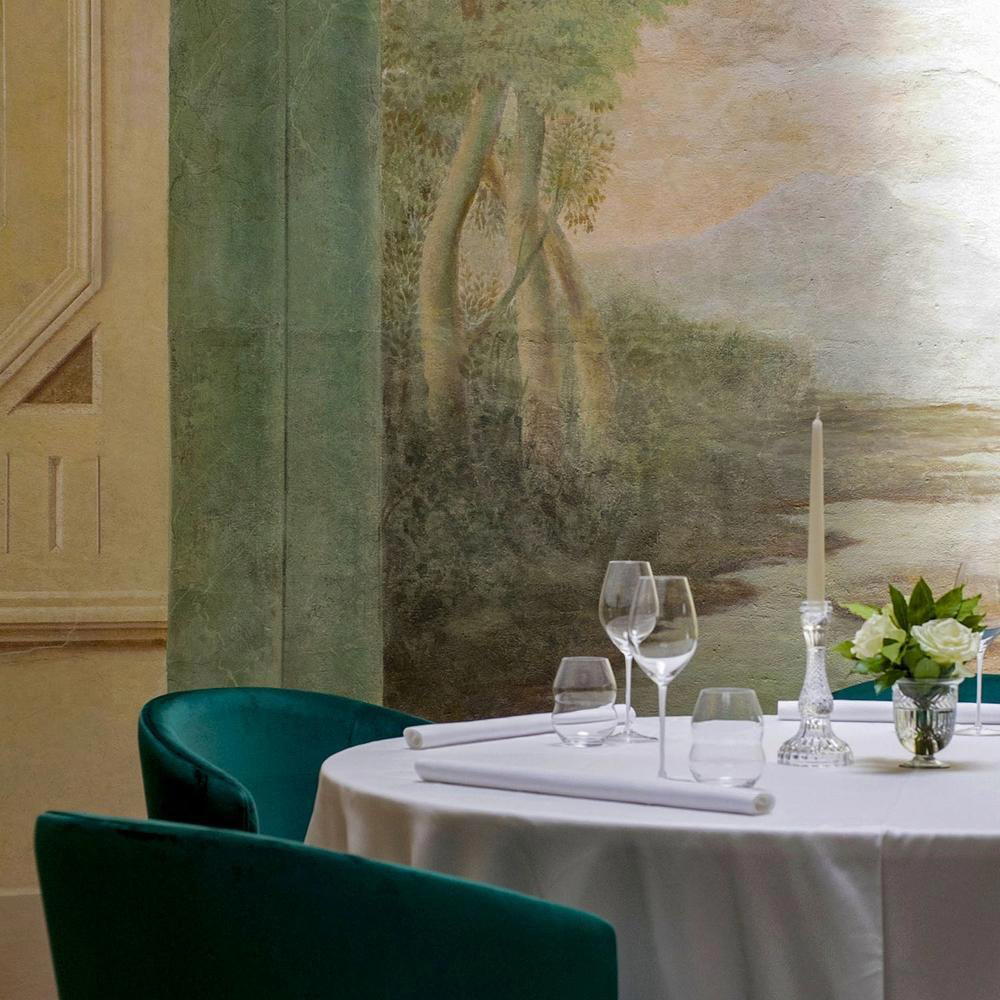
Housed in a carefully restored olive oil mill on the Reşadiye peninsula, Yakamengen III places Datça's coastal larder at the centre of its menu. Chef Duru Akgül tends her own kitchen garden and works with underrepresented local seafood and regional produce, presenting contemporary Aegean cooking in a garden where olive trees provide shade overhead. The local wine list deserves as much attention as the food.

Pearl is the En Primeur Club membership app, where members save venues, book tables and use the concierge.
The menu
What to order
- Blue crab salad with crispy zucchini fritters
- Grilled lionfish
- Grilled seabass with red lemon sauce
- Calamari kokorec
- Pumpkin hummus
An Old Mill, a Kitchen Garden, and the Reşadiye Coast
The Reşadiye peninsula sits at Turkey's southwestern tip, a narrow finger of land where the Aegean and the Mediterranean meet and where the olive has been cultivated for centuries. Arriving at Yakamengen III, the physical setting does most of the contextualising before a single dish appears: an Ottoman-era olive oil mill, restored with enough care that its stone bones remain visible, surrounded by a garden of mature olive trees whose canopy filters the afternoon light. In an era when Aegean restaurants frequently dress up new builds with heritage aesthetics, the authenticity here is structural, not decorative.
Datça sits some distance from Turkey's more trafficked resort corridors, and that geographic remove has long shaped what its kitchens can and cannot source. The peninsula's isolation is its larder advantage: local fishing boats work species that rarely reach the wholesale markets feeding restaurants in Bodrum or Marmaris, and small-scale growers supply produce to a tight local circuit. Yakamengen III positions itself explicitly within that circuit, and the kitchen's relationship with its own garden is the most concrete expression of that positioning. For broader context on dining across the region, see our full Datça restaurants guide.
Where the Ingredients Come From and Why That Changes the Plate
The sourcing logic at Yakamengen III is worth understanding before looking at individual dishes, because it explains why the menu reads the way it does. Chef Duru Akgül maintains a kitchen garden on the property, which gives her control over herbs and smaller vegetables at the growing stage rather than the buying stage. That distinction matters: it shifts the cooking rhythm from menu-first toward produce-first, meaning dishes are more likely to reflect what is ready than what was planned weeks in advance.
The approach to seafood follows a similar philosophy. Blue swimmer crab is a case in point. It appears on Turkish menus far less frequently than sea bass, sea bream, or octopus, not because it is scarce on this coastline but because it commands less commercial prestige and requires more preparation time per serving. Working with it signals a deliberate preference for what the local waters actually yield over what diners arriving from Istanbul or European capitals expect to see. The crab preparation documented in the awards notes, where the meat is bound with yoghurt cream and plated alongside a mixed vegetable brunoise and crisp courgette fritters with local herbs, illustrates how the kitchen uses restraint and texture rather than heavy saucing to let the ingredient carry the dish.
This places Yakamengen III in a specific camp within contemporary Aegean cooking. The broader movement across Turkey's premium restaurant tier, visible at addresses like Turk Fatih Tutak in Istanbul and Maçakızı in Bodrum, involves reassessing Turkish regional ingredients through a modern technique lens. Yakamengen III operates the same instinct but at a scale and in a location that keeps the sourcing geography tight: the peninsula and its immediate waters, rather than the nationwide ingredient map that larger urban kitchens can draw on.
Along Turkey's broader Aegean and Mediterranean corridor, comparable sourcing commitments show up at Ahãma in Göcek and Mori in Fethiye, where regional produce and coastal catches anchor menus that would otherwise drift toward generic Mediterranean templates. Further inland, kitchens such as Aravan Evi in Ürgüp and Nahita Cappadocia in Nevsehir apply similar logic to Anatolian produce rather than coastal ingredients. For seafood-focused cooking at a different scale, Le Bernardin in New York City remains the reference point for how seriously a kitchen can treat a single protein category; Yakamengen III's focus on lesser-known local catches operates from an entirely different economic and geographic context, but the underlying seriousness about ingredient choice is a recognisable parallel.
The Setting as Part of the Experience
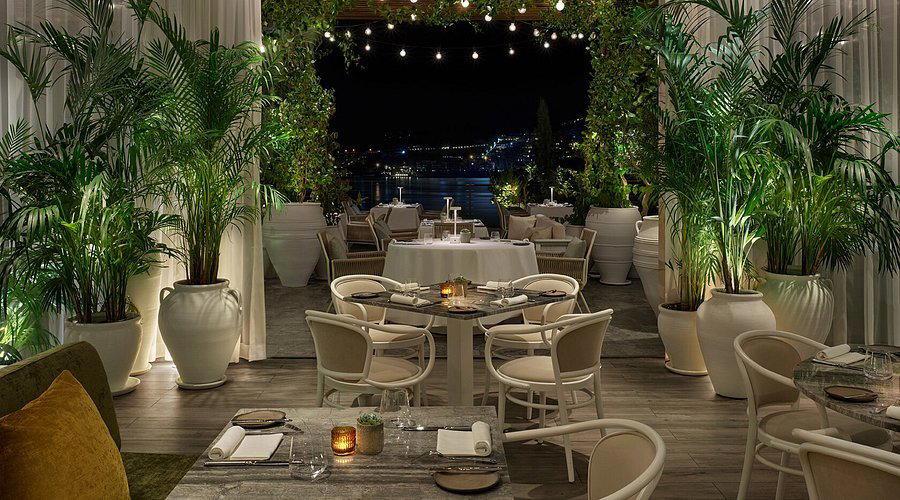
Dining in the garden under olive trees is not a decorative option here; it is the central experience. The mill building provides shelter and serves as backdrop, but the outdoor tables are where the setting fully coheres. This is a format that rewards visitors who arrive without the ambient noise of a city dining room in their heads. Datça as a destination self-selects for travellers prepared to slow down, and the restaurant's pace matches that. Those planning a broader trip should consult our full Datça hotels guide and our full Datça experiences guide for context on the peninsula's full offer.
The wine selection deserves specific mention. Local Aegean producers have expanded significantly over the past decade, with the Datça and Muğla region yielding small-production white and red wines that rarely appear on lists outside the immediate area. The awards notes flag an interesting selection of local wines as a distinct reason to visit, which in context means growers who would not appear on the radar of even engaged wine drinkers based in Istanbul. For those exploring Turkey's wine culture more broadly, our full Datça wineries guide covers the regional producers worth tracking. Comparable local wine commitments in other Turkish regions appear at Narımor in Izmir, where the Aegean producer list is also a point of difference.
Placing Yakamengen III in Its Competitive Context
The peninsula's distance from major transport hubs limits the competitive set by definition. Restaurants in Datça do not compete directly with the premium dining addresses in Bodrum or the showpiece kitchens of Istanbul. What they compete on is a different proposition: intimacy of setting, specificity of sourcing, and the coherence that comes from cooking what the immediate land and sea actually produce. Within that frame, Yakamengen III occupies a clearly defined position, one where a converted heritage building, a working kitchen garden, and a commitment to underrepresented local seafood add up to something more considered than the standard summer terrace restaurant formula that dominates the Turkish Aegean coast.
For reference points further afield along Turkey's southern coast, Divia by Maksut Aşkar in Marmaris brings a high-profile Istanbul pedigree to the coastal setting, while 7 Mehmet in Antalya and Agora Pansiyon in Milas each approach regional identity from distinct angles. Happena in Nevşehir and Emeril's in New Orleans offer further comparison points for kitchens where a strong sense of regional ingredient identity anchors the overall direction, even when the cuisine type and geography differ sharply. For bars and further dining options in Datça, our full Datça bars guide covers the peninsula's evening options.
Planning Your Visit
Yakamengen III is located at Yaka Mahallesi, Yaka Küme Evleri No:70 on the Reşadiye peninsula, which requires either a rental vehicle or local transport to reach from Datça town. Given the peninsula's remoteness and the restaurant's size, visiting without a reservation carries real risk, particularly during the summer months when coastal Türkiye draws its largest visitor numbers. The garden setting means the experience is weather-dependent, and evenings in shoulder season, particularly late spring and early autumn, combine cooler temperatures with a quieter dining room. The local wine list rewards those who ask questions about it.
Frequently asked questions
Would Yakamengen III be comfortable with kids?
The garden setting at Yaka Mahallesi, with open-air tables beneath olive trees and a relaxed pace tied to the mill's original architecture, suits families who can manage the drive out to the Reşadiye peninsula. The menu's focus on fresh, ingredient-led dishes rather than elaborate tasting-course formats makes it accessible without being a dedicated family venue. Children comfortable with a slower, destination-style meal will do fine here.
What should I expect atmosphere-wise at Yakamengen III?
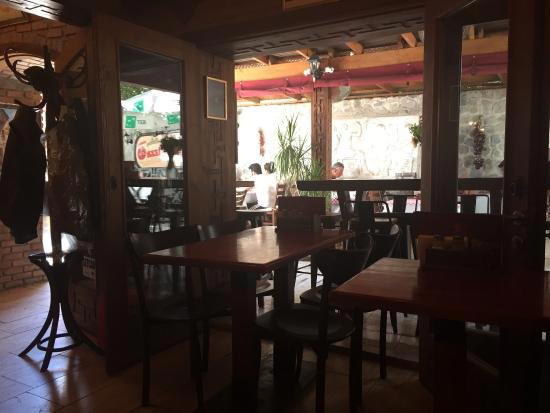
The dining room is inside a converted olive oil mill that has been carefully restored, and the main draw is the garden where tables sit under the mill's olive trees. The Reşadiye peninsula's remoteness keeps the pace unhurried and the crowd self-selecting: people who made the effort to reach Yaka Mahallesi, Yaka Küme Evleri No:70 are generally there for the food and the setting rather than a scene. Expect quiet, a certain agrarian calm, and a wine list drawn from local producers.
Does Yakamengen III have a Michelin star or similar recognition?
Yakamengen III has received recognition including: This charming restaurant is housed in a converted olive oil mill on the Reşadiye peninsula. The building has been beautifully restored without compromising its authenticity, and boasts a lovely garden where you can dine beneath the olive tr….
What should I order at Yakamengen III?
Chef Duru Akgül works with lesser-known seafood from the peninsula, and her blue swimmer crab dish is the most documented on the menu: crab meat bound with yoghurt cream, served alongside a mixed vegetable brunoise and courgette fritters finished with local herbs. Ingredients come in part from her own kitchen garden, so the menu shifts with what she's growing and what the sea yields. The local wine selection is considered worth attention in its own right.
Where is Yakamengen III located?
Yakamengen III is located at Yaka Mahallesi, Yaka Küme Evleri No:70, Datça.
Do they take walk-ins at Yakamengen III?
No booking contact details are publicly listed for Yakamengen III at this time, which makes advance planning difficult to confirm through standard channels. Given the restaurant's location on the outer Reşadiye peninsula and its reputation among visitors to Datça, arriving without any prior arrangement carries real risk of a wasted drive. Checking locally in Datça town or through your accommodation is the most reliable way to secure a table.
How It Stacks Up
Comparable venues nearby, for context on price, style, and recognition.
| Venue | Cuisine | Price | Awards | Notes |
|---|---|---|---|---|
| Yakamengen IIIThis venue (the venue you are viewing) | Modern Mediterranean with Local Seafood Focus | $50–100 | Michelin Plate | Not listed |
| Ortaya Alaçatı | Modern Mediterranean with Turkish Influences | Not listed | Michelin Plate | Alaçatı |
| Malva | Modern Micro-Local Aegean Fine Dining | Not listed | Michelin Plate · Gault & Millau Türkiye 2 Toques | Torba |
| Esca | Contemporary Mediterranean & International | Not listed | Michelin Plate | Balçova |
| ONNO Grill & Bar | Modern Mediterranean Grill | $50–100 | Michelin Plate | Göcek |
| Karnas Vineyards | Turkish Farm-to-Table with Wine Pairing | $100–150 | Michelin Plate | Bodrum City |
Recognition history
Dated appearances from independent guides and award organizations, with the underlying list record or original source where available.
Michelin Plate
Michelin · 2026 Michelin Plate
Continue exploring
More in Datça
Details
- Romantic
- Scenic
- Intimate
- Elegant
- Bohemian
- Date Night
- Special Occasion
- Celebration
- Garden
- Open Kitchen
- Historic Building
- Standalone
- Waterfront
- Craft Cocktails
- Sommelier Led
- Farm To Table
- Local Sourcing
- Sustainable Seafood
- Garden
- Waterfront
- A La Carte
- Small Plates
- Local Wines
- Craft Cocktails
- Vegetarian Friendly
- Vegan Options
- Pescatarian Friendly
- Allergy Accommodating
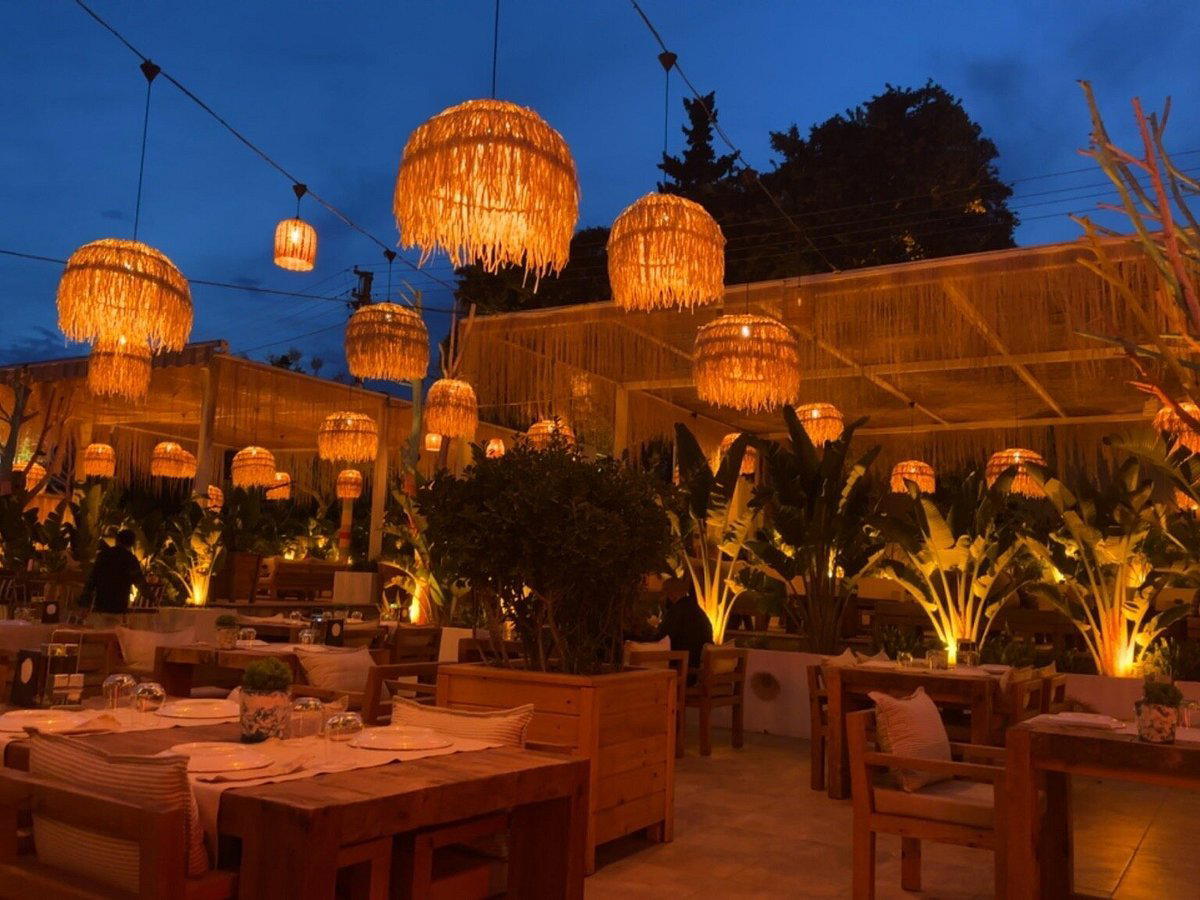
Charming garden setting with soft lighting under olive and fig trees in a historic stone building; peaceful, relaxed atmosphere with high-quality ambient music.