Aja
Our verdict
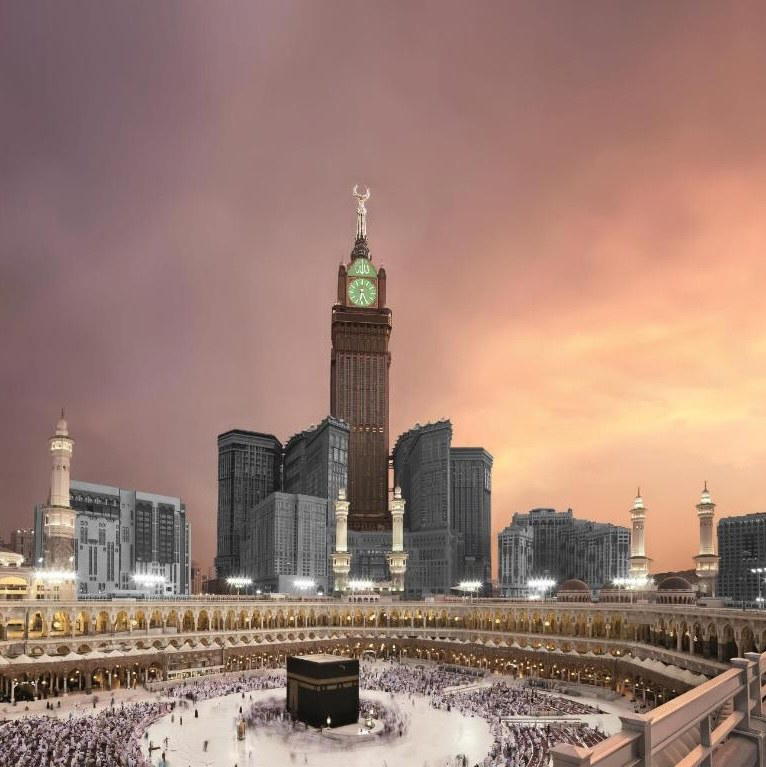
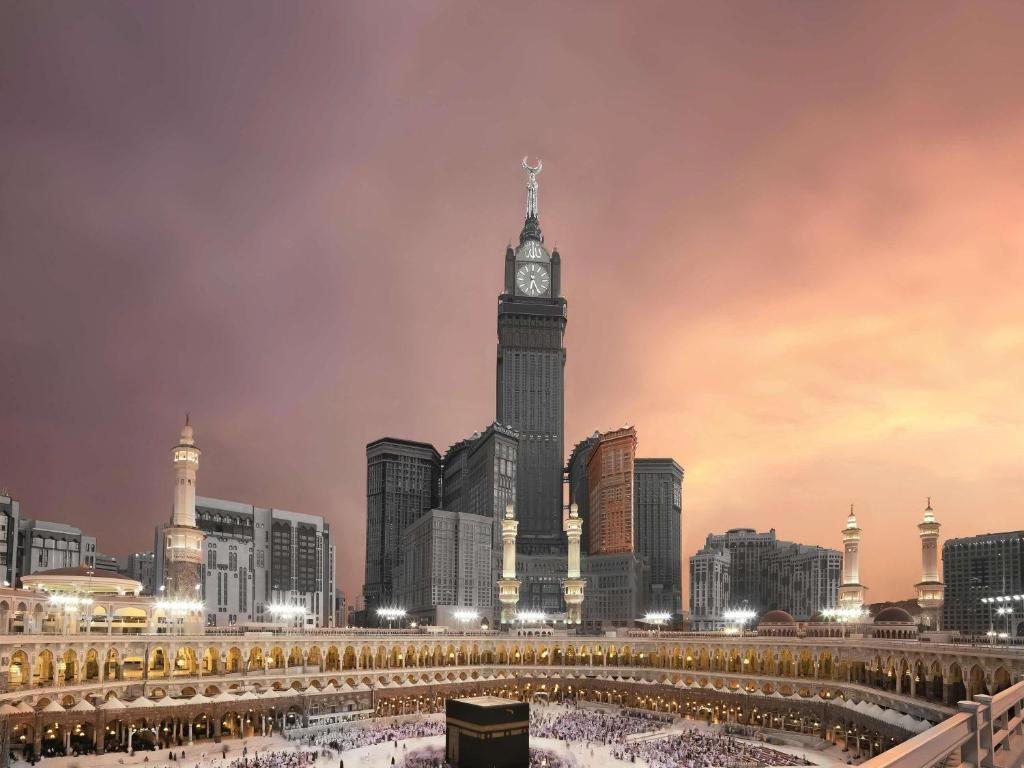
Aja sits in Makkah’s Endowment district, where dining is shaped by pilgrimage rhythms, hotel footfall, and the practical demands of a city that feeds visitors from across the Muslim world. With little public detail on format or awards, the useful read is contextual: treat it as part of Makkah’s hospitality corridor rather than a chef-led destination restaurant.

Pearl is the En Primeur Club membership app — saves, bookings, and concierge access live there. Same editors, same standards.
- Address
- King Abdul Aziz - 38 Rd, Endowment, Makkah 24231, Saudi Arabia
- Phone
- +966 12 571 7777
- Website
- all.accor.com
- Directions
- Get directions
The menu
What to order
- Nasi goreng
- Bakmi goreng
- Mee goreng
- Dim sum
- Fresh noodles
Approaching dining rooms in central Makkah is rarely a slow, leisurely act. The city moves in pulses: prayer times, hotel check-ins, group meals, late arrivals, and families gathering after long stretches on foot. In that setting, Aja belongs to a dining culture where location and reliability carry more weight than theatrical tasting menus. The question is less whether a restaurant performs culinary authorship and more whether it fits the tempo of a city built around movement, devotion, and multigenerational travel.
Makkah’s ingredient story is also different from the farm-to-table shorthand used in resort cities. Freshness here is tied to supply-chain discipline, not rural proximity. Kitchens serving the central districts depend on daily distribution networks that can handle sudden surges in demand, with rice, breads, grilled proteins, fruit, dairy, dates, spices, and prepared sweets moving through a hospitality system designed for scale. That sourcing reality matters because the city’s meals often need to satisfy diners arriving from Southeast Asia, the Gulf, Turkey, South Asia, North Africa, and the wider Arab world on the same day.
The strongest restaurants in pilgrimage cities tend to understand that breadth without turning menus into airport food courts. Makkah dining works when familiar formats are handled with restraint: rice that holds structure, grilled items that do not collapse under buffet timing, breads served before they lose heat, and sauces or condiments that give international guests a way into the meal without flattening local habits. Aja should be read through that lens, as part of the city’s practical hospitality fabric rather than through the prestige signals used for destination dining in Riyadh, Jeddah, or AlUla.
For readers mapping Saudi dining more broadly, Makkah occupies a separate category from the country’s leisure-led restaurant scenes. The capital has more chef-branded Saudi dining, as seen in Aseeb in Riyadh, while the Red Sea coast supports more outward-facing formats such as Kuuru in Jeddah. Heritage and destination travel shape places like Tama in AlUla and yello in Ad Diriyah. Makkah is more compressed and functional: the meal has to work around the city, not the other way around.
That does not make the dining less serious. Feeding Makkah well is a logistical test. The city’s restaurants deal with shifting languages, mixed party sizes, different dining customs, and guests who may be tired, time-sensitive, or travelling with children and elders. Ingredient consistency becomes a form of hospitality. In a market where formal awards and chef biographies are often less visible, the evidence a diner can trust comes from category fit: where the restaurant sits, how it serves the central flow of visitors, and whether its format makes sense for the occasion.
Getting to Aja
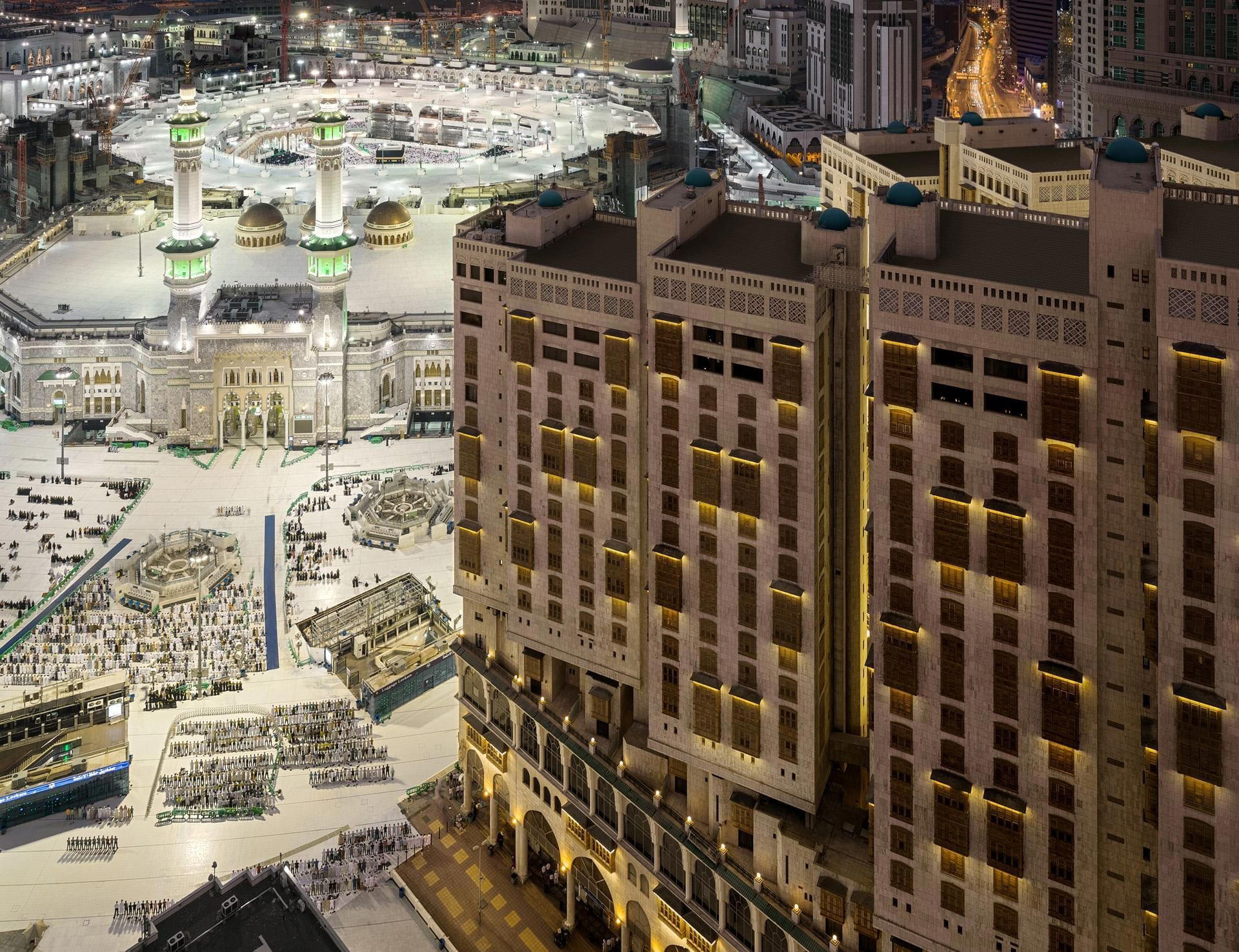
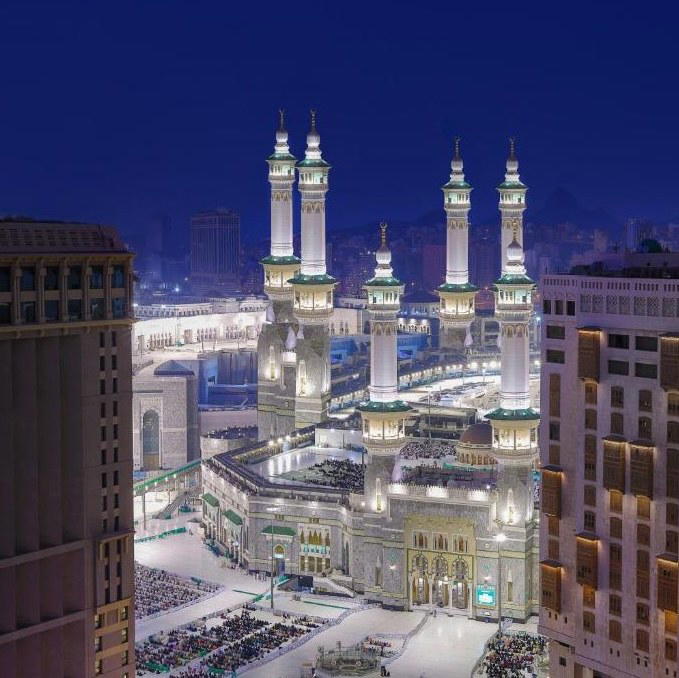
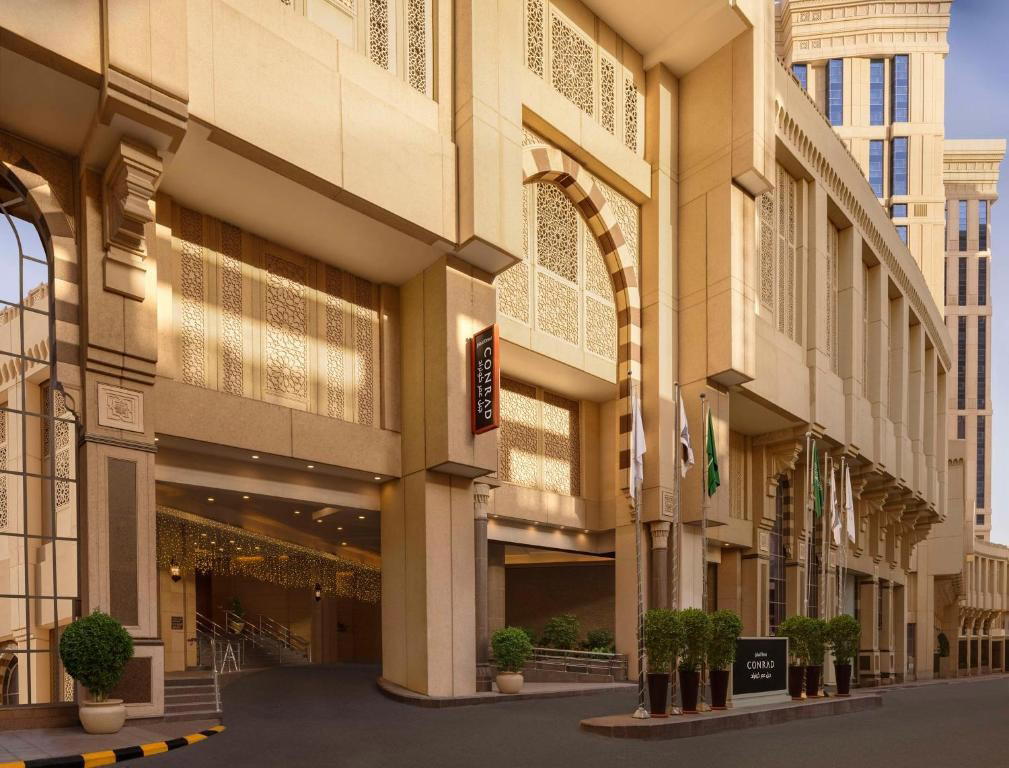
Aja is listed in the Endowment area of Makkah, a district defined by hotel density and pilgrimage infrastructure rather than relaxed neighbourhood browsing. That setting makes it more relevant for travellers already staying or moving through the central corridor than for diners planning a cross-city restaurant evening. In Makkah, timing should be treated as part of the meal: prayer schedules, group movement, and hotel circulation can change the feel of a dining room quickly.
Because public-facing details on price, chef, cuisine type, awards, and booking format are not part of the available profile, the sensible approach is to judge Aja as a situational choice inside central Makkah. For a wider view of the city’s restaurant options, use Our full Makkah restaurants guide; travellers planning the rest of a stay can also scan Our full Makkah hotels guide, Our full Makkah experiences guide, Our full Makkah bars guide, and Our full Makkah wineries guide. Nearby restaurant research may also include A Well-remembered Piazza, Al Andalus Restaurant, Al Dar, Al Dira, and Al Fayhaa Restaurant.
Outside Makkah, Saudi dining ranges from regional comfort restaurants such as بيتوتي in Burayda to Levantine formats such as مطعم بيروت ♡ Beirut Restaurant in Hafar Al Batin. International reference points like Benu in San Francisco and Le Bernardin in New York City belong to a different awards-and-reservations economy; they are useful reminders that not every serious dining decision is measured by the same signals.
Frequently asked questions
Would Aja be comfortable with kids?
Aja is in Makkah’s Endowment area, where many venues serve hotel and pilgrimage traffic, so it is likely to suit families passing through the district. The address on King Abdul Aziz - 38 Rd makes it a practical stop in the city.
What's the overall feel of Aja?
Aja reads as a venue shaped by the Endowment district in Makkah, which is built around accommodation and pilgrimage movement rather than a leisure dining scene. Its location on King Abdul Aziz - 38 Rd points to a functional, city-centre setting.
What's Aja's location?
Aja is located at King Abdul Aziz - 38 Rd, Endowment, Makkah 24231, Saudi Arabia, Makkah.
How far ahead should I plan for Aja?
No reservation details are listed, so the clearest planning anchor is its Makkah location in the Endowment area on King Abdul Aziz - 38 Rd. That placement suggests timing matters around pilgrimage flow and hotel demand in the district.
What's the standout thing about Aja?
The clearest distinguishing detail is its address: King Abdul Aziz - 38 Rd, Endowment, Makkah 24231, Saudi Arabia. For a venue in Makkah, that puts it directly inside the city’s pilgrimage-oriented core.
Details
- Elegant
- Modern
- Well Known
- Family
- Group Dining
- Casual Hangout
- Hotel Restaurant
- A La Carte
- Halal
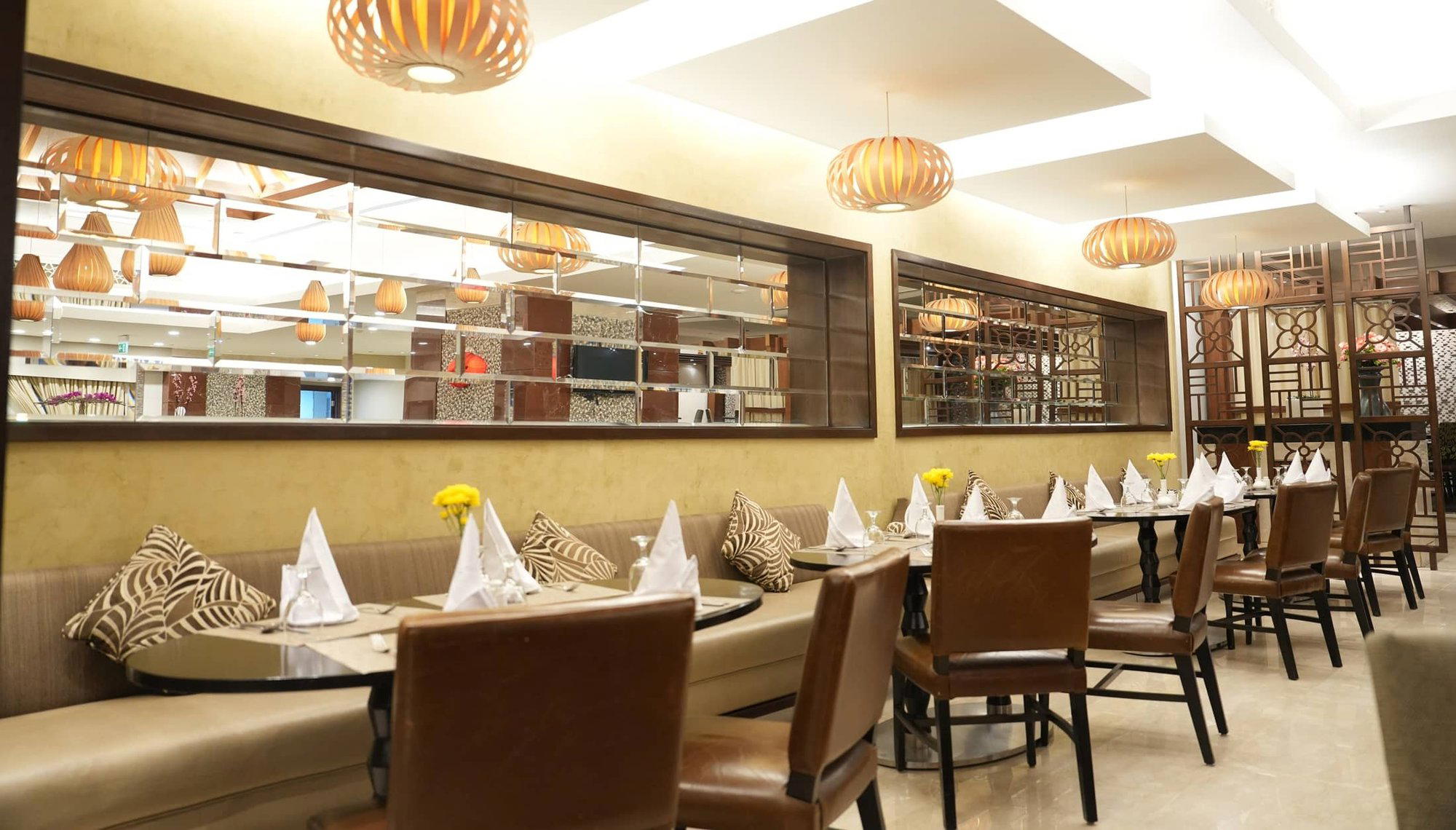
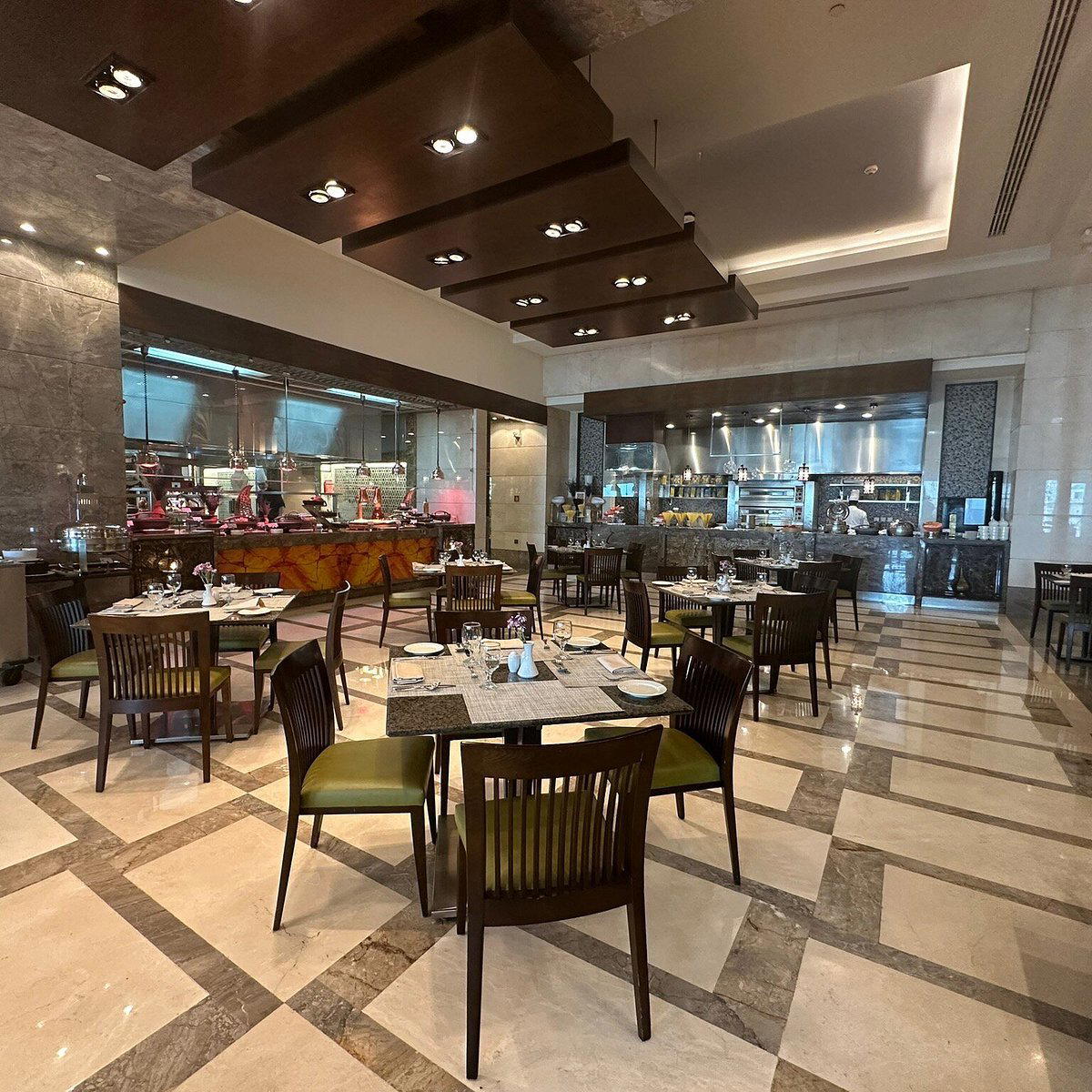
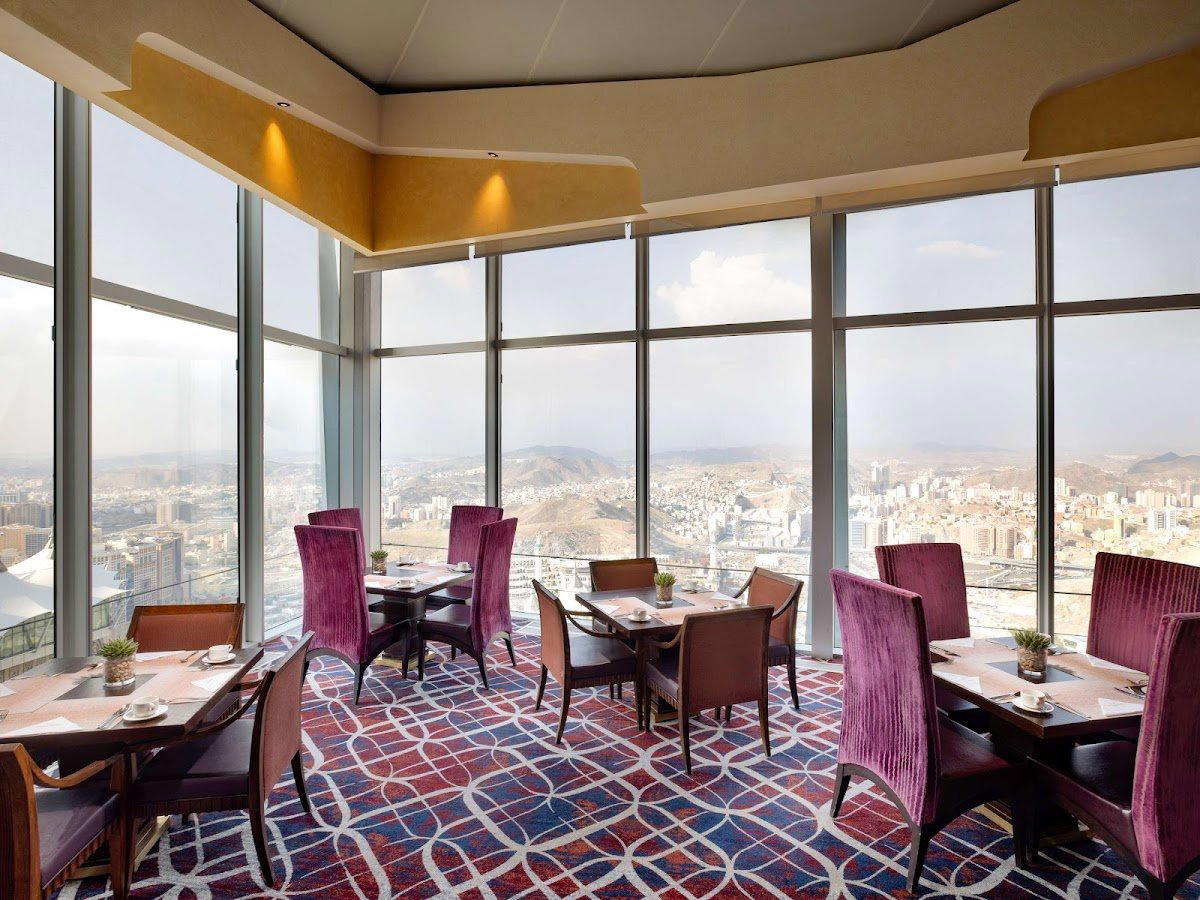
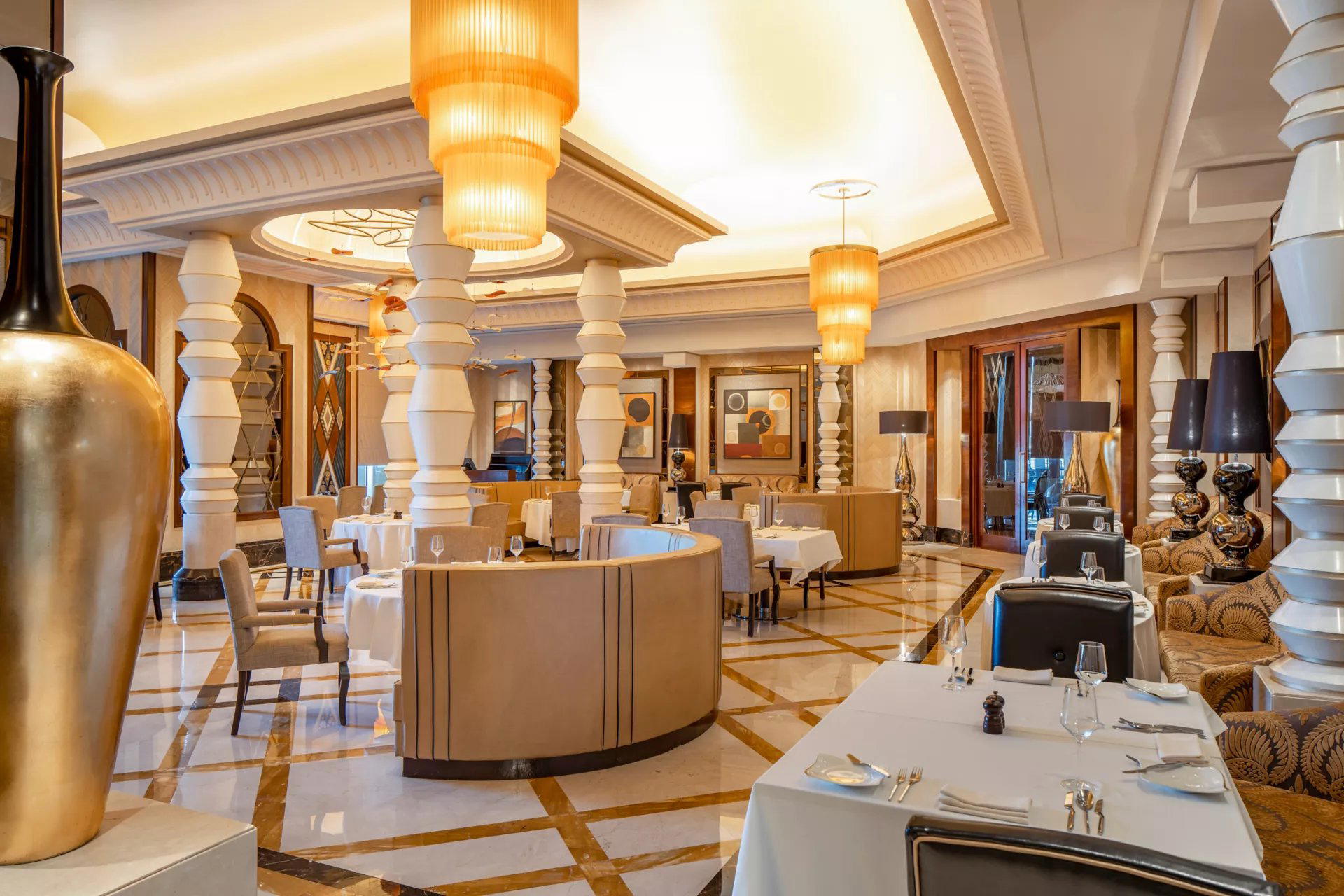
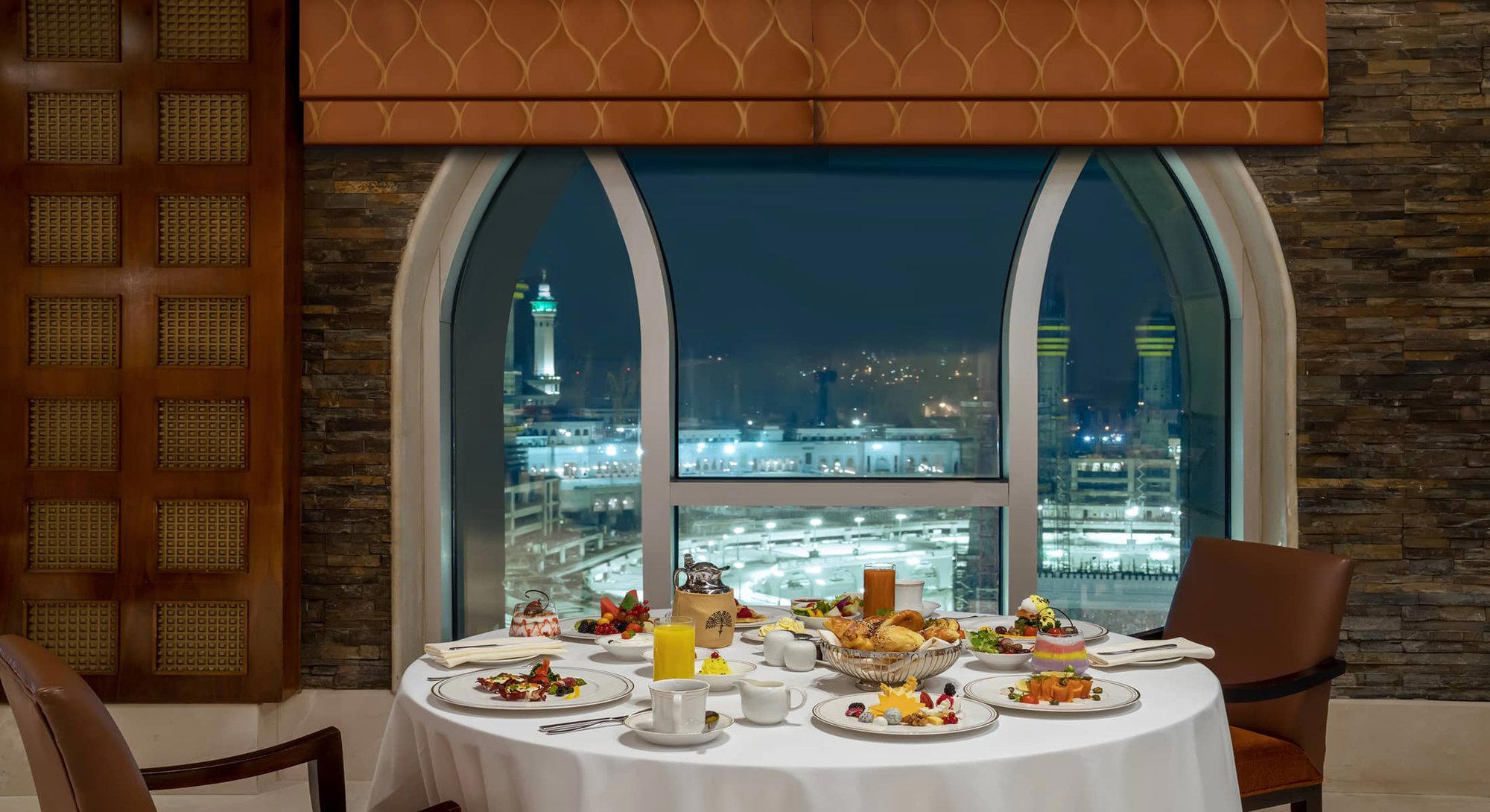
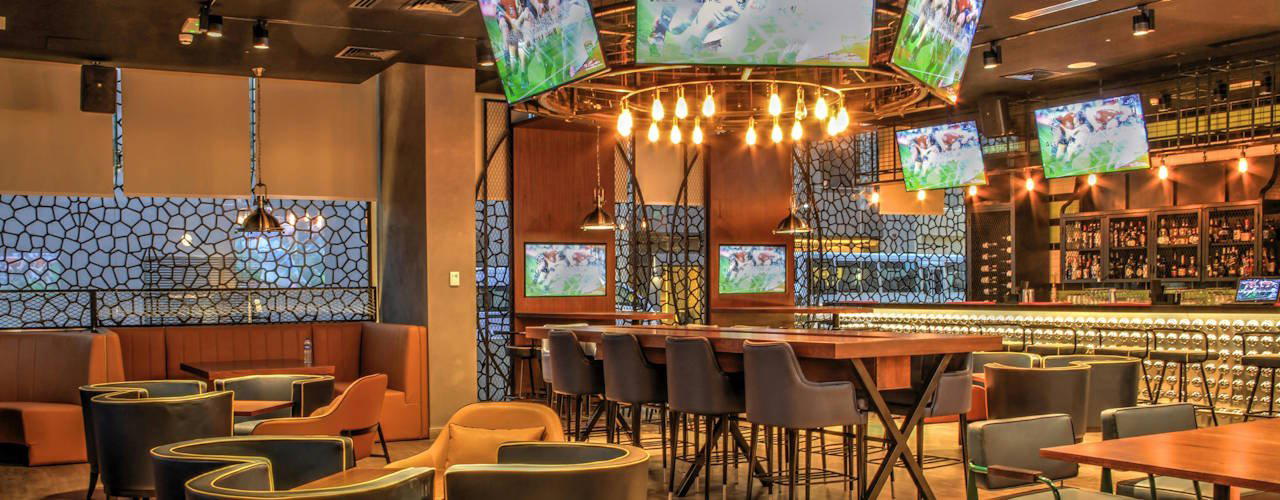
Casual Asian atmosphere with a modern twist, focused on fresh, flavorful dishes in a hotel dining setting.