Al Qasr
Our verdict
Al Qasr sits in Makkah’s hotel-dining orbit, where restaurants often serve pilgrims, families, and business travelers moving between prayer schedules and long shared meals. With no public awards, pricing, chef, or booking format attached, it is better read through its setting: a city where hospitality is shaped by scale, ritual, and the practical demands of hosting guests from across the Muslim world.

Pearl is the En Primeur Club membership app — saves, bookings, and concierge access live there. Same editors, same standards.
- Address
- Royal Tower, Near Ibrahim Al Khalil Rd, Al Hajlah, Makkah 24231, Saudi Arabia
- Phone
- +966 12 571 7800
- Hours
- Daily 1–4 PM, 7–11 PM
- Website
- raffles.com
- Directions
- Get directions
- Booking
- Book on the venue's website
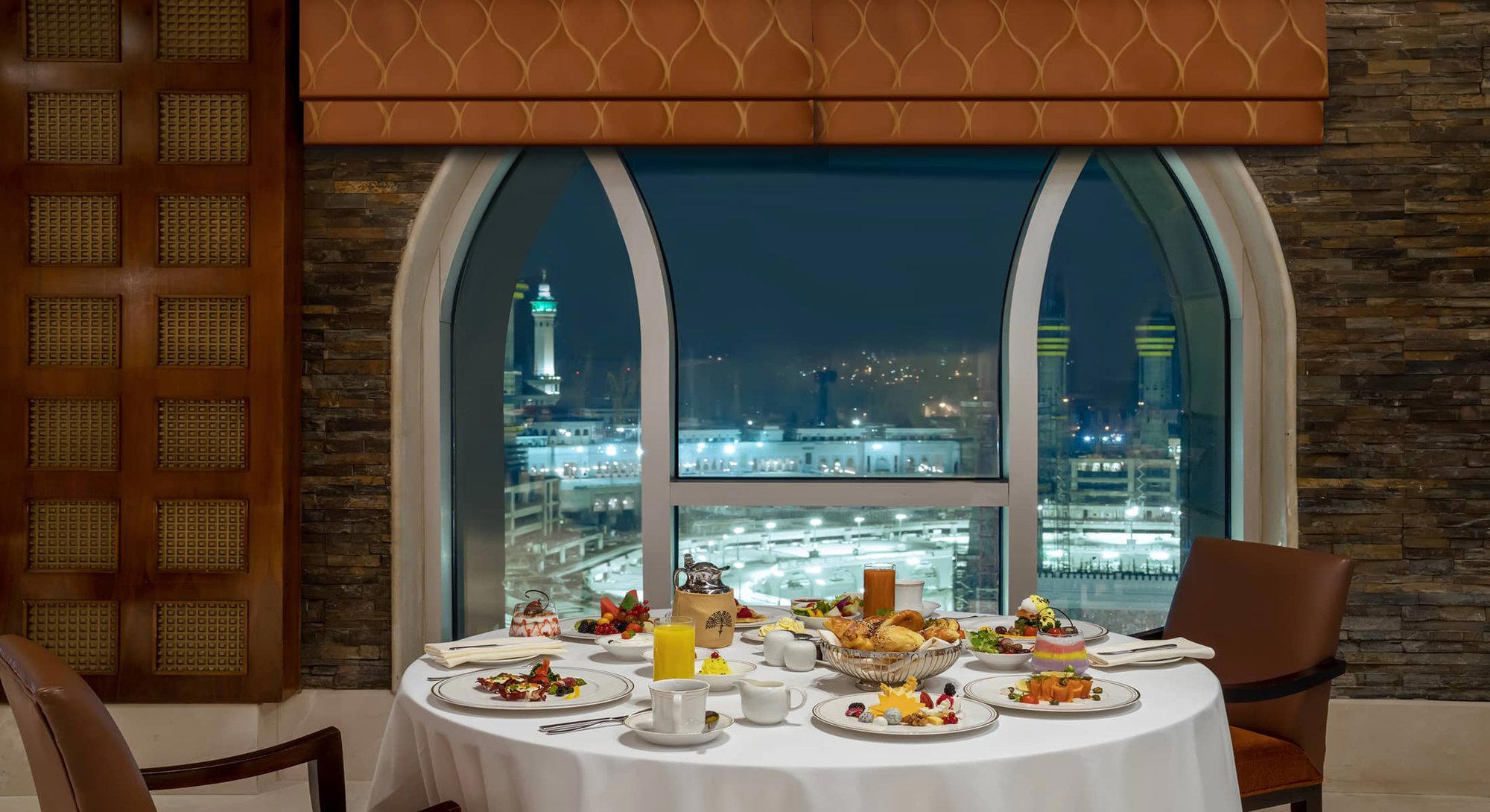
The menu
What to order
- Live grilling station selections
- Mandi and kabsa-style rice dishes
- Custom pralines and truffles from the chocolate room
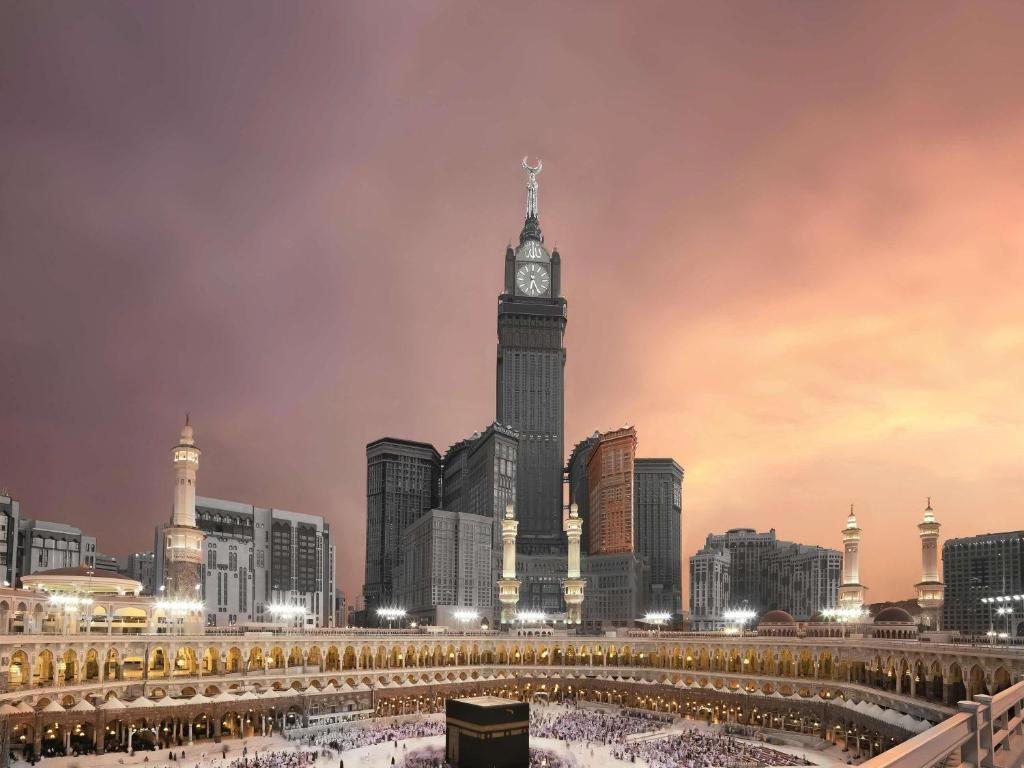
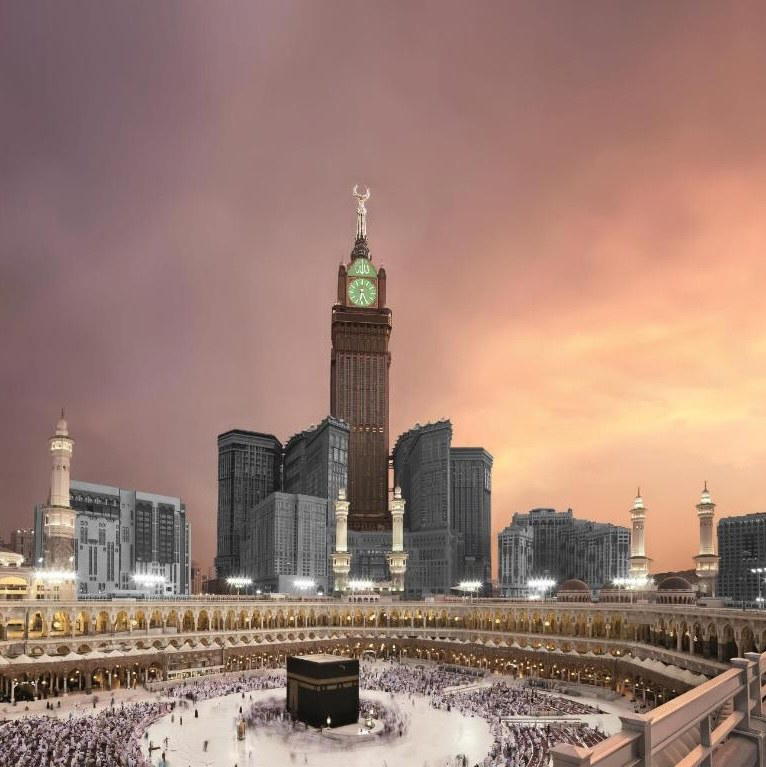
Approaching the hotel towers around Makkah, dining is rarely separated from movement. Lifts fill and empty around prayer times, families gather in groups rather than pairs, and restaurant rooms have to absorb a city rhythm that is devotional first and leisurely second. In this part of Makkah, a meal is often less about chef theatre than about timing, comfort, and the social grammar of feeding mixed generations after long hours outside.
That context matters for Al Qasr. The restaurant belongs to a category common in Makkah: hotel-led dining rooms built for breadth, consistency, and ease rather than a narrow auteur format. In cities with secular dining circuits, a restaurant might signal status through a tasting menu, a named chef, or a bar program. In Makkah, the stronger signal is often operational calm: a room that can handle families, travelers, and variable dining hours without making the meal feel improvised.
Hotel dining in Makkah follows the rhythm of pilgrimage, not nightlife
Makkah’s restaurant culture is shaped by a compressed urban fact: millions of visitors arrive with different languages, budgets, and dining habits, but many share the same daily anchors. That produces a dining scene where hotel restaurants, casual counters, café formats, and broad dining rooms sit close together. The city rewards restaurants that can serve varied preferences without turning the table into a production.
Al Qasr fits that practical tradition more than the destination-restaurant model. The useful reading is not prestige by badge, but category by setting: a Makkah restaurant positioned for guests who value proximity, predictability, and a room suited to group dining. Nearby comparison points such as Al Majlis, Al Andalus Restaurant, Al Fayhaa Restaurant, Jasmin Café, and Al Noor Restaurant reflect the same city pattern, where hotel and café formats carry much of the visitor-facing dining load.
For readers comparing the city’s restaurant options, Al Andalus Restaurant, Al Fayhaa Restaurant, Al Majlis, Al Noor Restaurant, and Jasmin Café help map the wider spread of Makkah listings. The broader city index at Our full Makkah restaurants guide is the better planning tool when the priority is comparing formats rather than chasing a single name.
The cultural case is hospitality at scale
Saudi hospitality has deep roots in receiving guests generously, but Makkah adds another layer: the meal often happens around religious obligation, exhaustion, and family logistics. That makes restaurant success in the city less about dramatic originality and more about whether the room can support a mixed party without friction. Large tables, familiar service rhythms, and menus that do not demand long explanation tend to matter more here than novelty.
This is also why formal recognition should be read with context. International dining awards rarely measure the everyday competence that matters in pilgrimage cities. They favor destination formats, critic-accessible menus, and chef-led narratives. Makkah’s central restaurants operate in a different economy of trust: location, consistency, family suitability, and the ability to serve guests who may be eating before or after intense periods of movement.
Al Qasr is therefore better suited to travelers who want a composed hotel dining setting in Makkah than those seeking a tightly defined tasting-menu experience. Without relying on a stated price or narrow dining label, expectations should be set by category rather than number: hotel restaurants in pilgrimage cities are often chosen for convenience, comfort, and the ability to accommodate mixed-age parties. That middle space is often where families and groups land.
The same logic applies across Saudi Arabia, though each city expresses it differently. Other Saudi dining rooms may emphasize speed, heritage, regional identity, or destination atmosphere, while Makkah remains defined by visitor flow and religious timing. Those contrasts show how Saudi dining stretches across many formats, while Makkah’s restaurant culture stays closely tied to movement, proximity, and the practical needs of visitors.
How to place it within a Makkah itinerary
The strongest reason to choose a restaurant like this is situational clarity. In Makkah, a dining decision often follows the hotel choice, the prayer schedule, and the composition of the group. A hotel dining room reduces friction for families, older guests, and travelers who do not want to cross the city for dinner after a demanding day. That is a valid editorial point, not a compromise.
For a wider trip plan, restaurants should be considered alongside the city’s hotel and experience infrastructure. The useful companion pages are Our full Makkah hotels guide, Our full Makkah experiences guide, Our full Makkah bars guide, and Our full Makkah wineries guide. Cross-city readers comparing restaurant cultures beyond Saudi Arabia may also find contrast in smaller specialist formats, where the appeal comes from a narrower dining proposition rather than pilgrimage-city scale.
The verdict is measured: Al Qasr belongs on the list for travelers prioritizing Makkah, a hotel setting, and the comfort of a broad-format dining room. It is not a page to read primarily through awards, chef biography, or rarity. Its relevance is cultural and practical: a restaurant shaped by a city where hospitality is inseparable from movement, family, and ritual time.
Frequently asked questions
Is Al Qasr suitable for children?
Yes, as a hotel restaurant in Makkah, Al Qasr is a practical choice for families staying in the city. Its setting usually makes it easier to manage children than a more formal standalone dining room.
What kind of setting is Al Qasr?
Al Qasr is a hotel dining room in Makkah. That points to a large hotel environment rather than a standalone neighborhood restaurant.
What's the address for Al Qasr?
Makkah.
How hard is it to get a table at Al Qasr?
Expect availability to move with hotel occupancy, especially during pilgrimage periods in Makkah. Its hotel setting suggests a service pattern shaped by guest traffic, so timing matters more than a fixed reservation policy.
A Pricing-First Comparison
Nearby venues at a similar price tier for orientation.
| Venue | Cuisine | Price |
|---|---|---|
| Al QasrThis venue — the venue you are viewing | Luxury all‑day international buffet with Arabic, Indian, Moroccan and Western dishes | $50–100 |
| Al Majlis | Fine-dining Eastern Mediterranean with Italian and Levantine influences | $50–100 |
| Al Andalus Restaurant | Arabic & International Hotel Buffet with Holy Haram Views | Not listed |
| Al Fayhaa Restaurant | Oriental & International Halal Buffet with Holy Haram Views | Not listed |
| Al Noor Restaurant | Arabic & international buffet with Holy Haram views | Not listed |
Details
- Elegant
- Ornate
- Scenic
- Sophisticated
- Well Known
- Family
- Group Dining
- Business Dinner
- Celebration
- Brunch
- Panoramic View
- Hotel Restaurant
- Zero Proof
- Skyline
- Buffet
- A La Carte
- Tea
- Coffee
- Fresh Juices
- Halal
- Vegetarian Friendly
Current opening hours
- Monday
- 1–4 PM, 7–11 PM
- Tuesday
- 1–4 PM, 7–11 PM
- Wednesday
- 1–4 PM, 7–11 PM
- Thursday
- 1–4 PM, 7–11 PM
- Friday
- 1–4 PM, 7–11 PM
- Saturday
- 1–4 PM, 7–11 PM
- Sunday
- 1–4 PM, 7–11 PM
Hours can change for holidays and private events. Last verified .
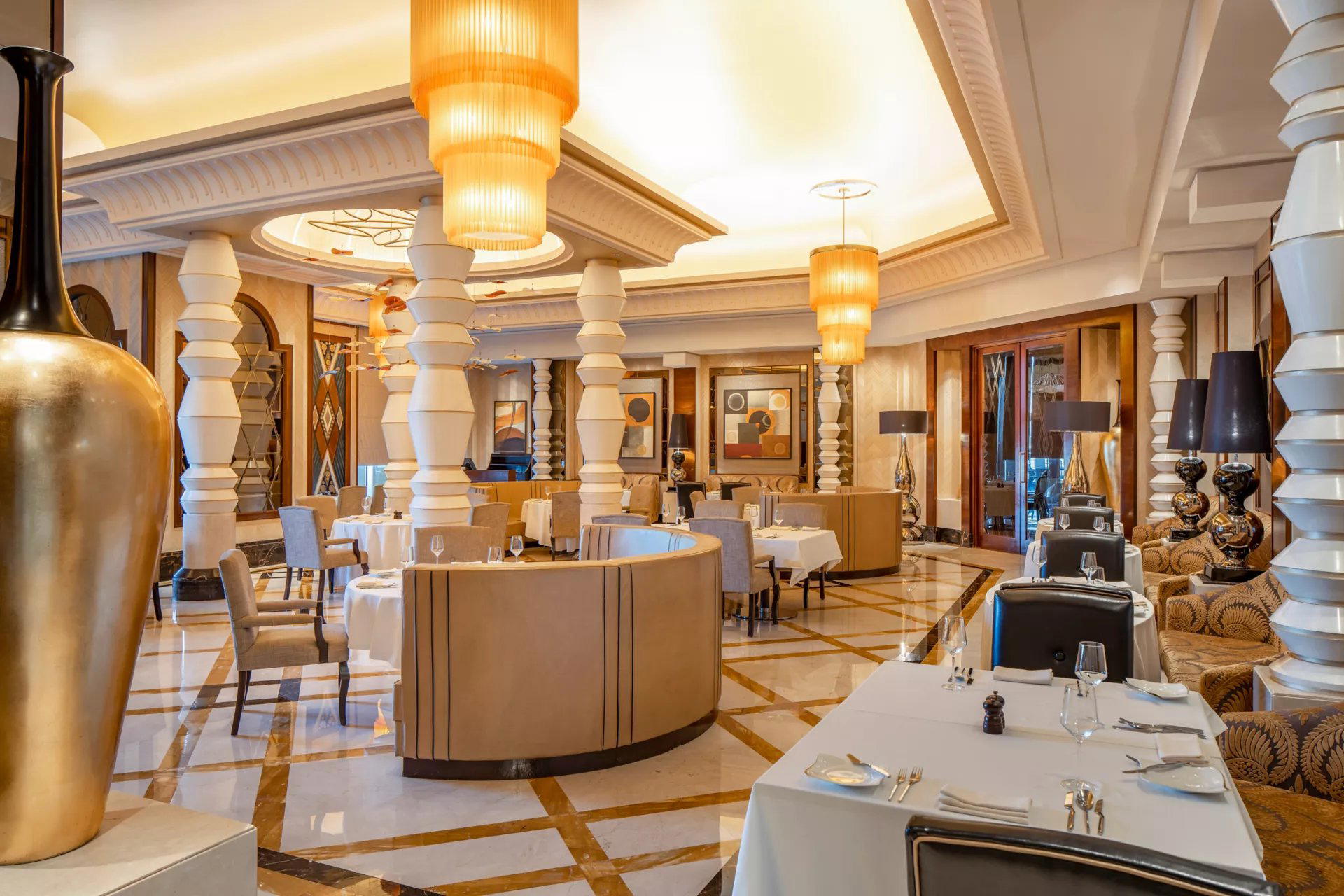
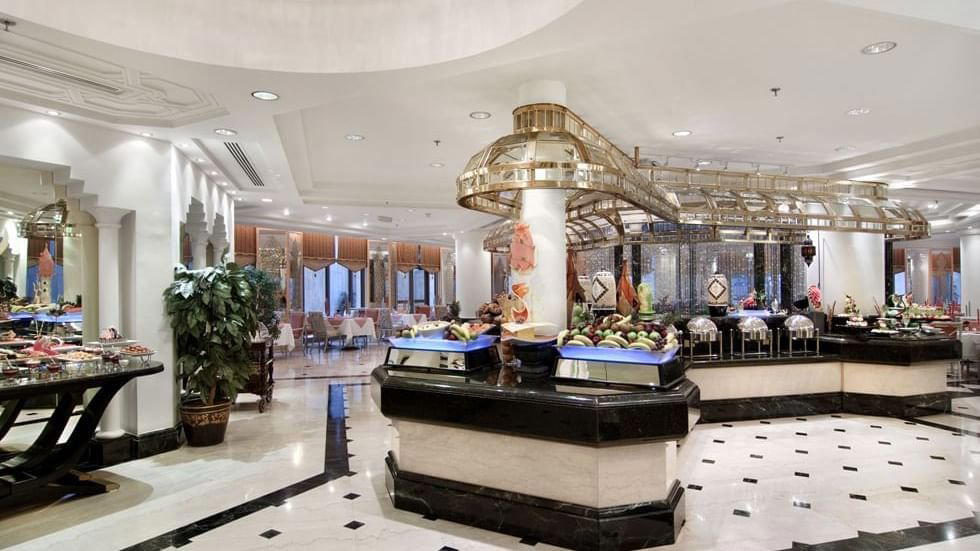
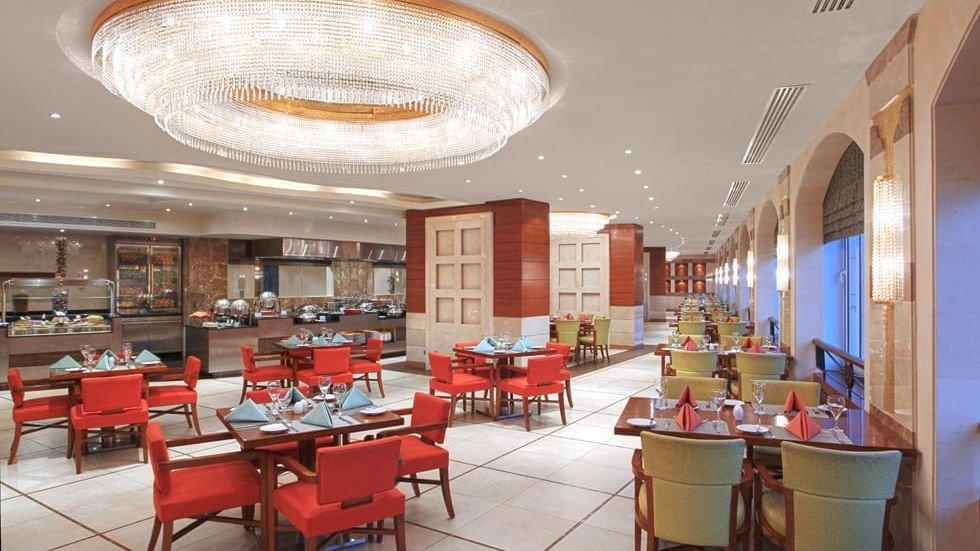
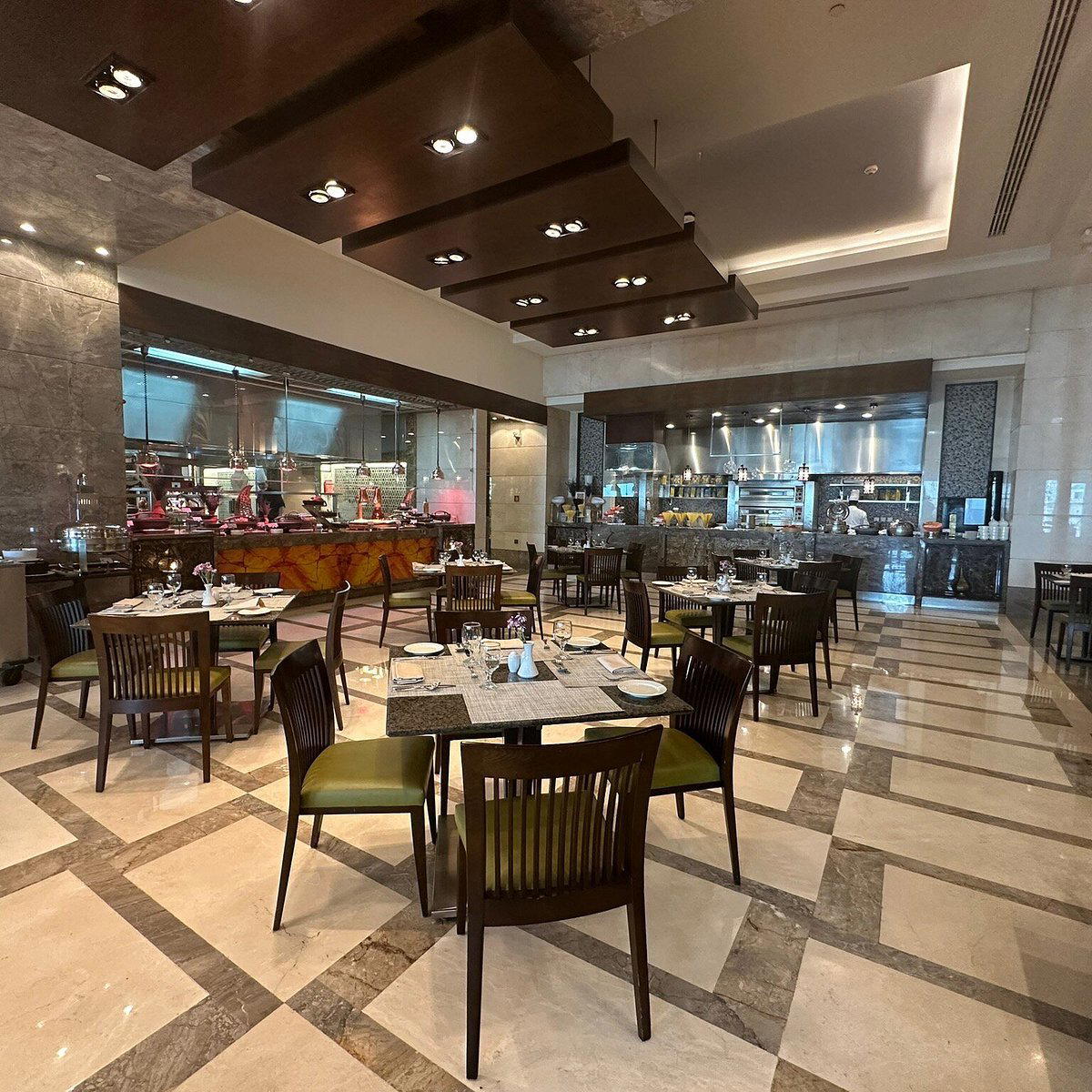
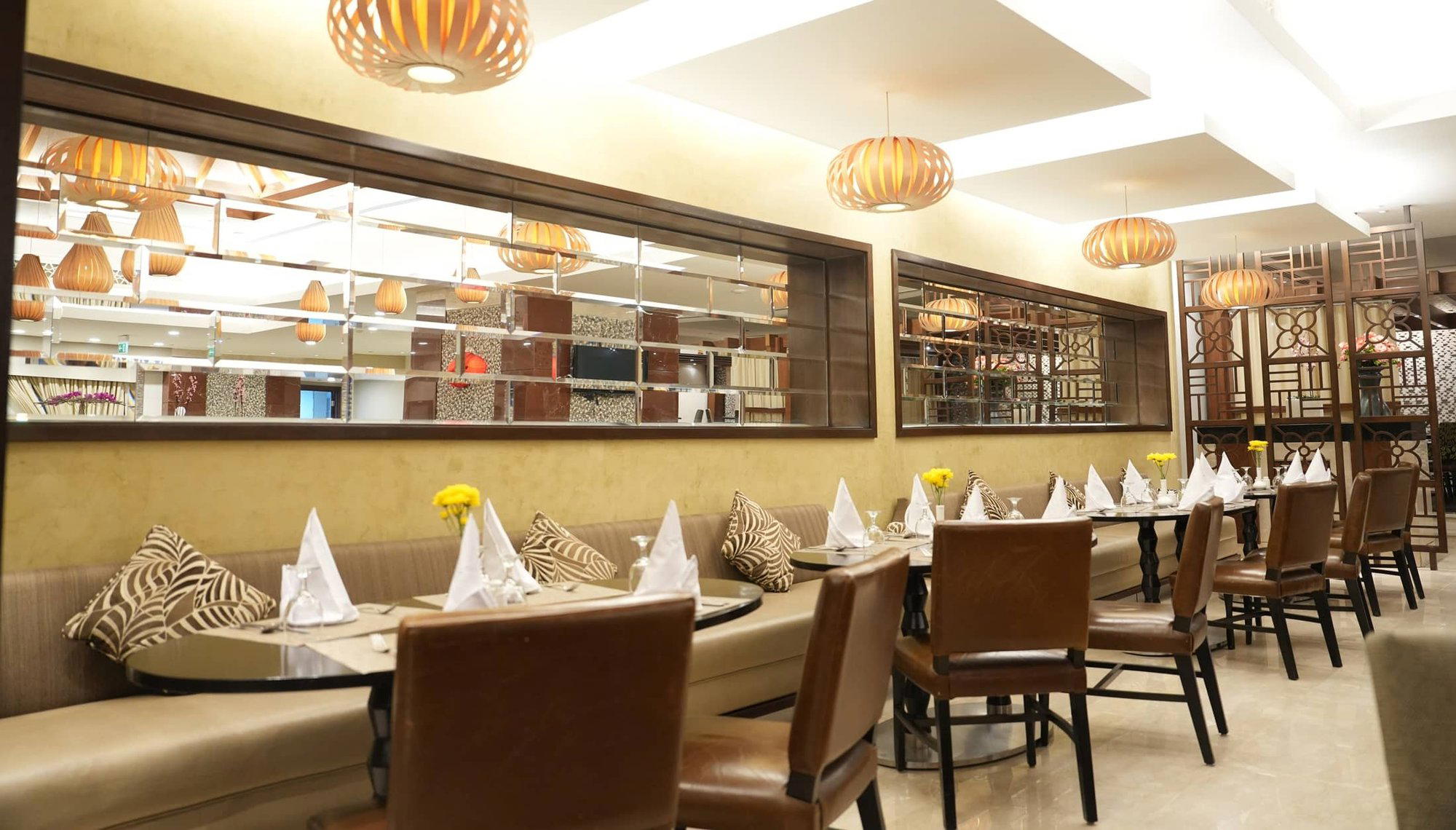
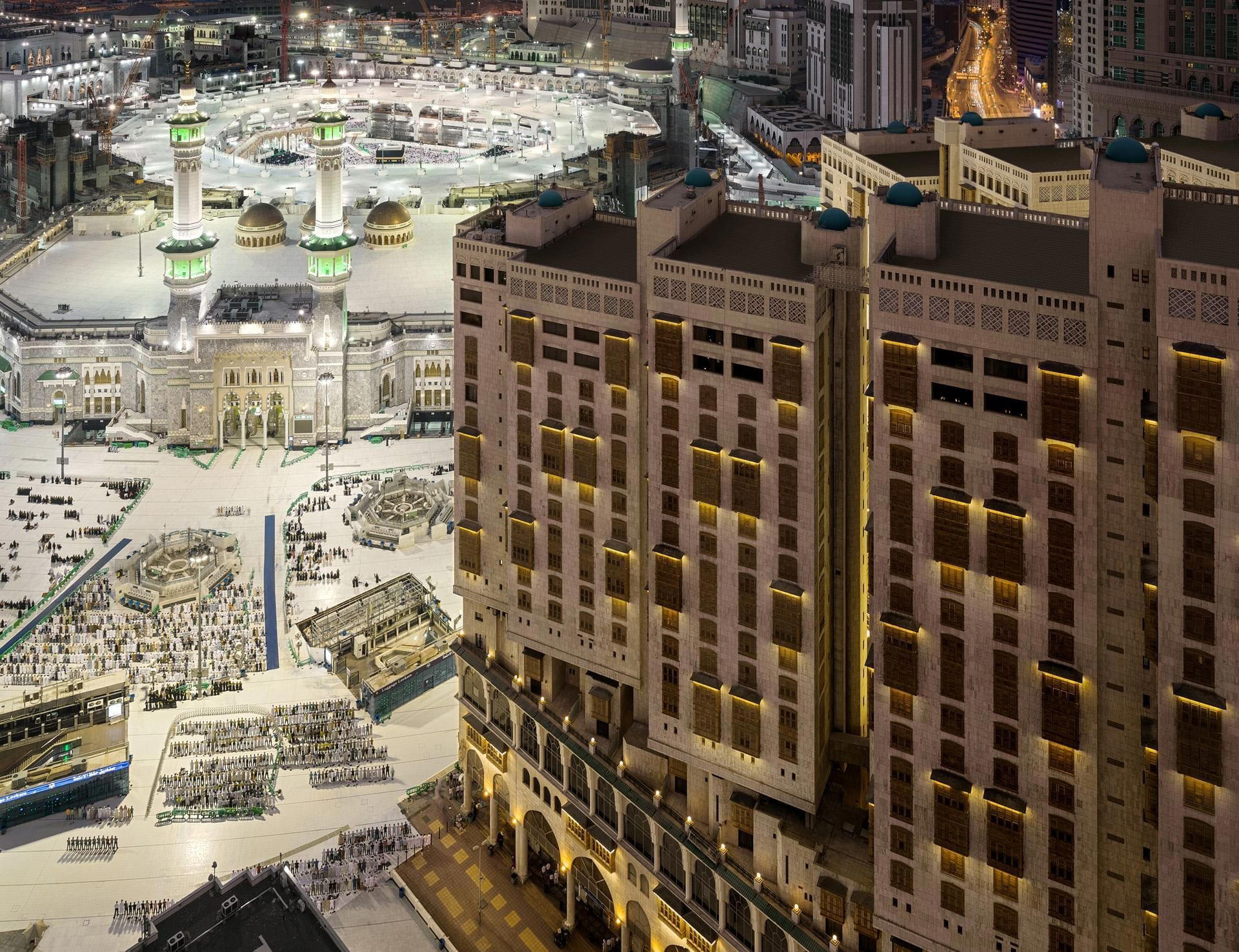
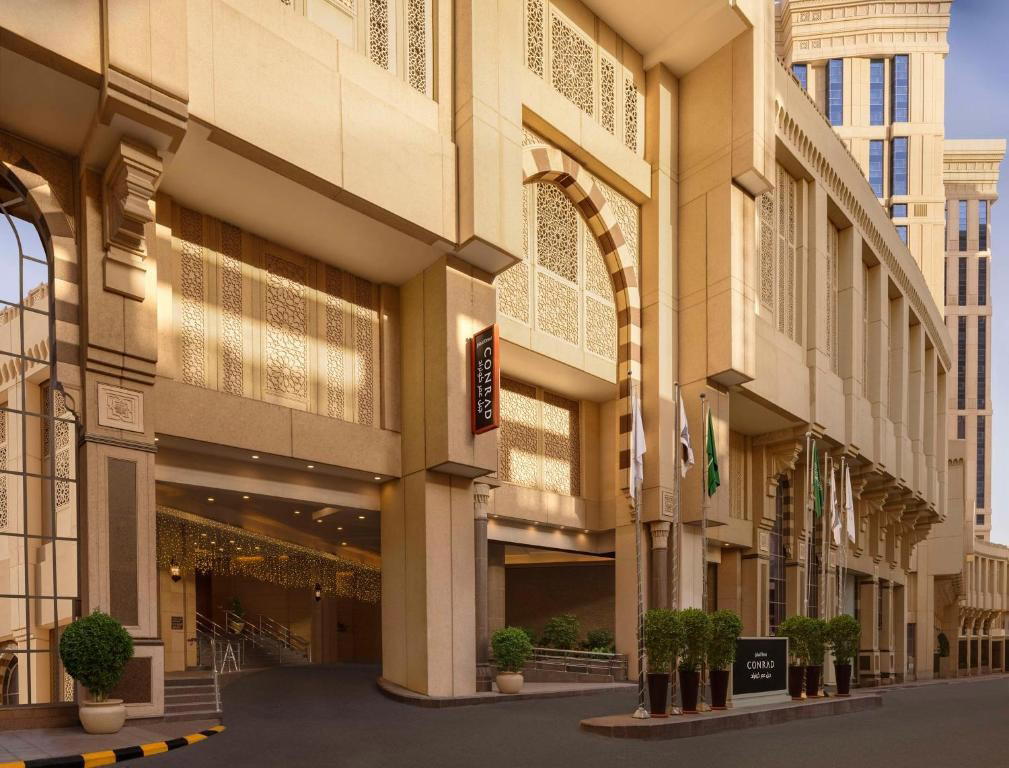
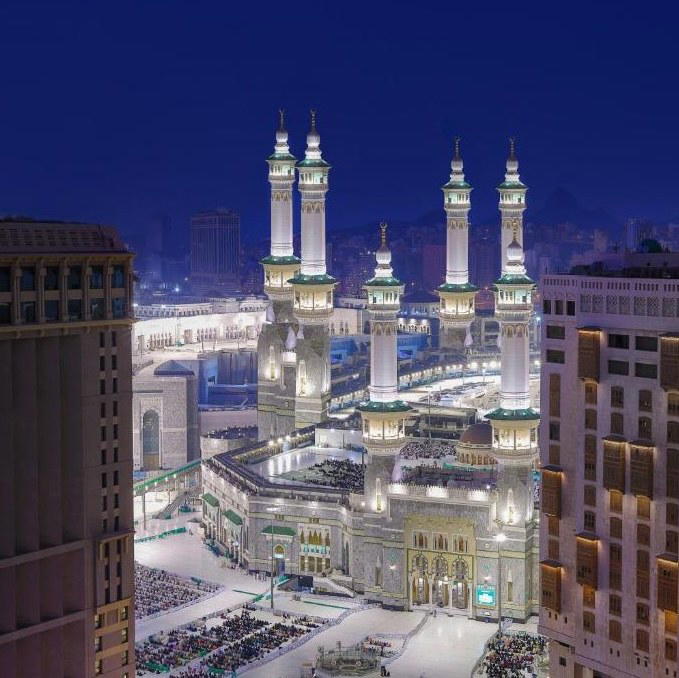
A lively hotel-restaurant setting that feels upscale yet relaxed during the day, with lively buffet energy and open live stations, transitioning to a more elegant, softly lit atmosphere in the evening that matches the ornate interiors of Raffles Makkah Palace.